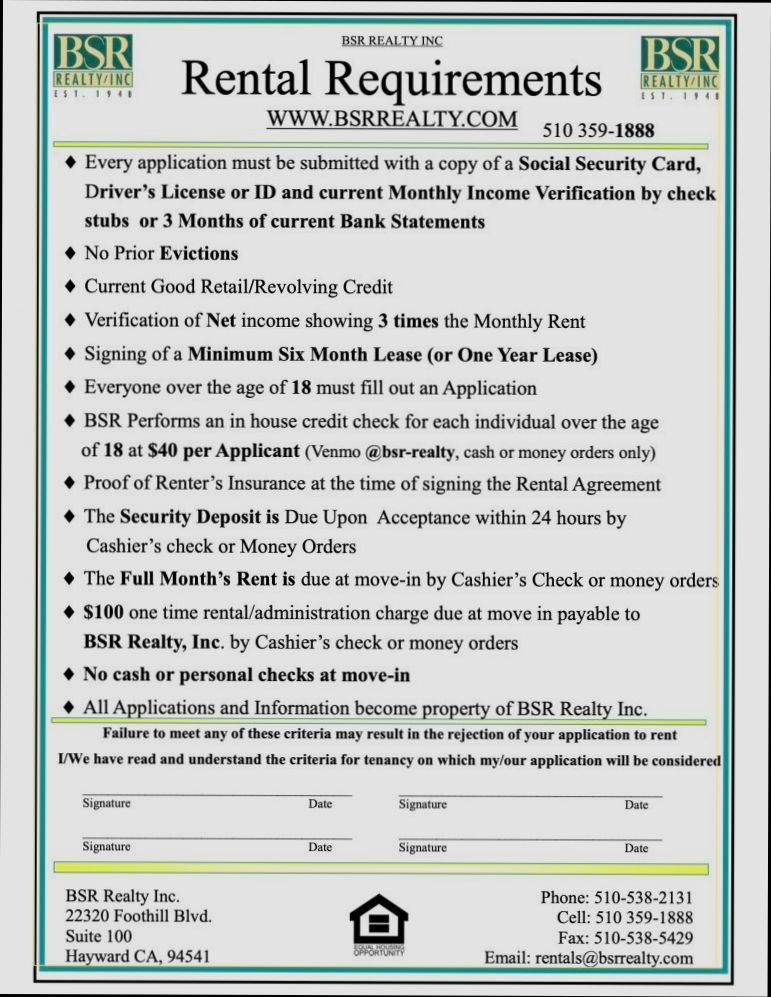
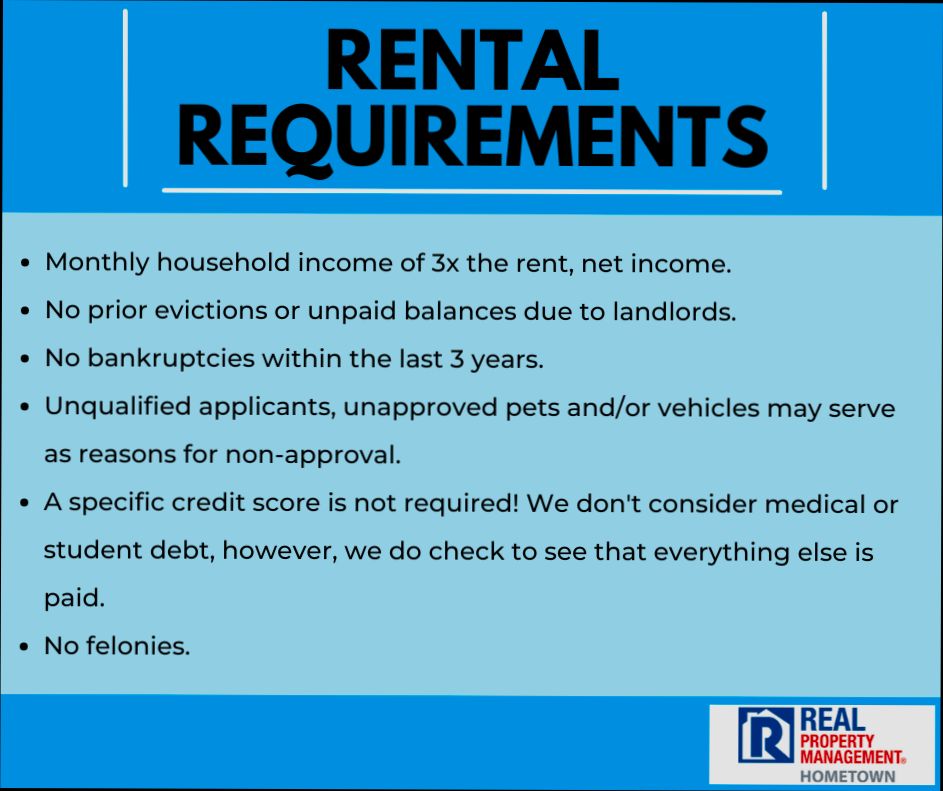
What are the Requirements to Rent a House? If you’ve ever browsed listings, you know it’s not just about finding a cute place with a backyard. First off, most landlords are going to want to see a solid rental history. For example, if you’ve got a track record of timely payments and no evictions, you’re in a much stronger position. Landlords often look for tenants whose monthly income is three times the rent, so if you’re eyeing a cozy two-bedroom for $1,500, your monthly income should ideally be at least $4,500.
Now, don’t forget about your credit score; scores above 650 typically open more doors. Some landlords might even check your background for criminal history, which can make or break your application. Plus, you often need to fork over first month’s rent and a security deposit, which usually equals another month’s rent, right off the bat. It can feel overwhelming, but knowing these requirements ahead of time can really give you an edge in a competitive market.
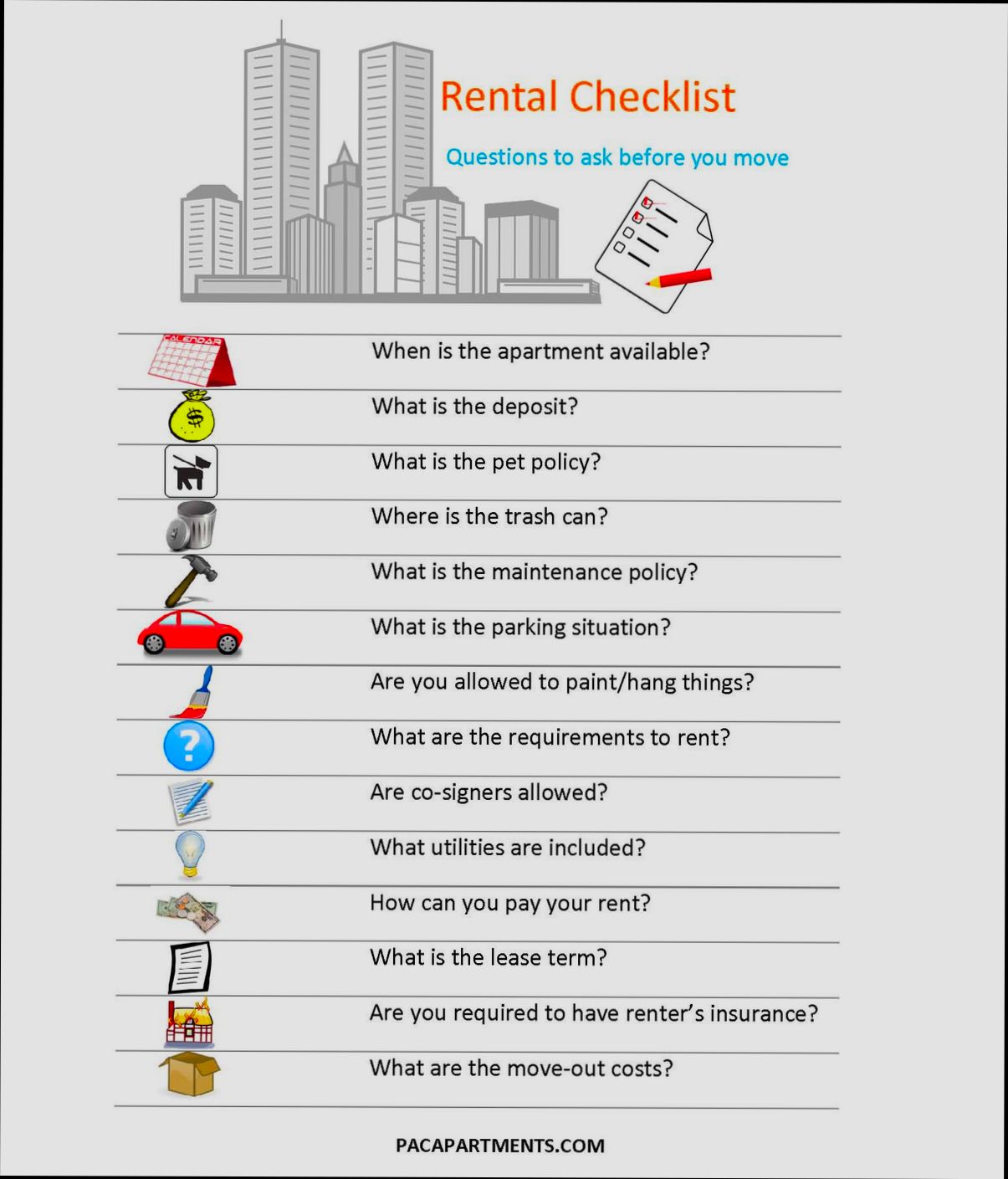
Understanding Income Requirements for Renters
When it comes to renting a house, understanding the income requirements is crucial. Knowing how landlords assess your financial situation can help you prepare and present yourself as a strong candidate for a rental property. In this section, we’ll break down what you need to know about income expectations for renters.
To start, many landlords follow a common rule of thumb: your monthly rent should not exceed 30% of your gross monthly income. This means if you’re looking at a rental house that costs $1,500 per month, your monthly income should ideally be at least $5,000. However, some landlords may set the bar even higher, requiring that your income is three times the rent.
Key Income Metrics
Here are some key points to understand about income requirements:
- Income to Rent Ratio: The most common ratio is 3:1, meaning that your gross monthly income should be three times the rent.
- Stable Income Source: Landlords usually prefer tenants with stable employment. Over 70% of landlords reported that they look for at least six months of consistent income before approving a rental application.
- Debt-to-Income Ratio (DTI): A DTI ratio of 35-43% is generally acceptable. If your monthly debt payments, including rent, exceed this range, you might face challenges in securing a rental.
Income Requirement Comparisons
| Rental Price | Minimum Monthly Income (30% Rule) | Minimum Monthly Income (3x Rent) |
|---|---|---|
| $1,000 | $3,333 | $3,000 |
| $1,500 | $5,000 | $4,500 |
| $2,000 | $6,667 | $6,000 |
| $2,500 | $8,333 | $7,500 |
Real-World Examples
Consider Keisha, who is looking at a home priced at $1,800 a month. To meet the 3:1 income requirement, Keisha needs to demonstrate an income of at least $5,400 per month to appeal to potential landlords. However, her current income is $5,000. To boost her application, she could ask her family to co-sign, showcasing additional financial backing.
Another example involves Tom, whose income fluctuates as a freelance graphic designer. Although Tom makes an average of $4,500 per month, he has a significant amount of side income that can bolster his application. By providing tax returns from the last two years showing stable income, he strengthens his case for renting a property that costs $1,600 monthly.
Practical Implications
As you navigate the rental market, make sure to prepare your financial documents, showing proof of income like pay stubs, tax returns, and bank statements. Many landlords will also conduct employment verification, so it’s important to provide accurate information.
- Be Transparent: If your income fluctuates, explain your situation upfront and be ready to provide supporting documentation.
- Consider Co-signers: If your income is borderline, having a co-signer with a more stable income can improve your approval chances.
In the rental landscape, being proactive about understanding and meeting income requirements can set you apart. Knowing how to effectively demonstrate your financial situation prepares you for the rental process and enhances your chances of securing the home you desire.
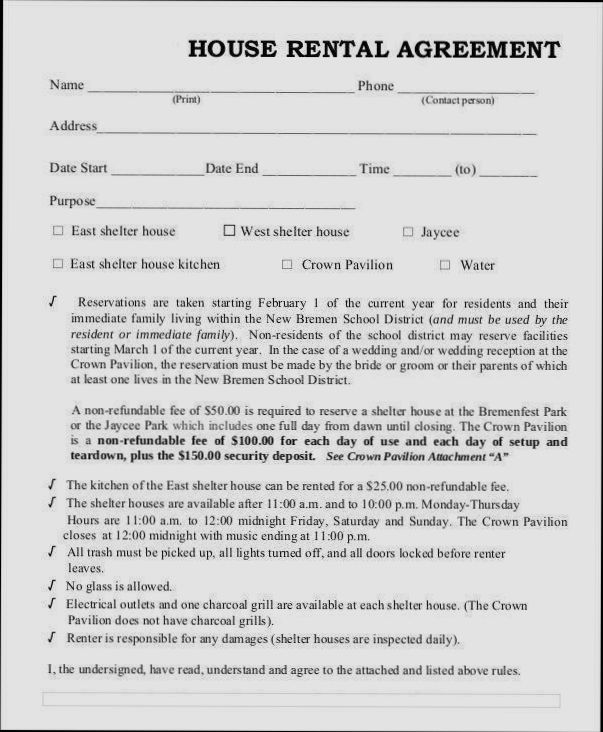
Exploring Credit Score Expectations
When renting a house, understanding credit score expectations can significantly impact your options. A good credit score can simplify the rental process and open doors to better housing choices. Let’s dive into how your credit score plays a role in renting and what you can do to meet these expectations.
What is a Good Credit Score for Renting?
Most landlords prefer tenants with credit scores above a certain threshold. Here are some key points to consider:
- A credit score of 700 or higher is generally viewed as favorable by most landlords.
- 650 to 699 scores may still qualify you for some rentals, but you might face higher scrutiny.
- Anything below 650 could potentially disqualify you from many rental options.
Comparative Credit Score Expectations
| Credit Score Range | Rental Implications | Potential Outcomes |
|---|---|---|
| 700 and above | High Approval Rate | Easier approval process, lower deposit requirements |
| 650 - 699 | Moderate Approval Rate | Possible higher deposit, additional documentation needed |
| Below 650 | Low Approval Rate | Increased likelihood of application being denied |
Real-World Examples
To better understand how credit scores impact renting, consider these scenarios:
- Example 1: Sarah applied for an apartment with a credit score of 720. She received a 50% reduction in her security deposit, making her rent more affordable.
- Example 2: Jonathan’s score fell between 680 and 699. Though he was approved for a rental, he had to provide additional references and a higher deposit.
- Example 3: Lisa, with a credit score of 620, applied for several rentals but was denied three times due to insufficient creditworthiness, emphasizing the importance of maintaining a healthy credit score.
Practical Implications for Renters
Understanding the link between your credit score and rental options can help you take proactive steps:
1. Check Your Credit Report: Regularly review your credit report for inaccuracies that could impact your score.
2. Boost Your Score: Pay off debts, keep credit card balances low, and make payments on time to improve your credit score.
3. Be Prepared: If your score is below expectations, be ready to provide co-signers, references, or additional financial documents to improve your chances of approval.
Understanding credit score expectations can empower you as a renter, allowing you to enter the housing market more confidently.
- Aim for a score of 700 or above to maximize your rental options.
- Keep track of how your financial behaviors influence your score over time, as this can directly affect your renting experiences.
Common Documents Needed for Renting
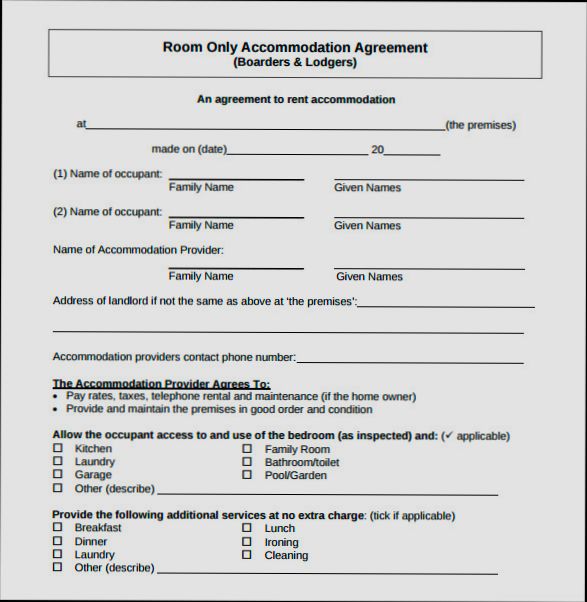
Navigating the rental landscape can feel overwhelming, especially when it comes to understanding what documentation you need to secure your dream home. Having the right documents at your fingertips can streamline the application process and boost your chances of approval. Let’s dive into the essential paperwork you’ll typically need to rent a house.
Essential Documents Required for Renters
When you’re ready to apply for a rental property, you should gather the following documents:
1. Proof of Income
Common forms of proof include:
- Recent pay stubs (usually the last three months)
- Tax returns from the previous year
- Bank statements showing consistent deposits
2. Identification Documents
Landlords typically require:
- A government-issued photo ID (e.g., driver’s license, passport)
- Social Security number for credit checks (in some cases)
3. Rental History
To validate your previous renting experience, prepare:
- References from previous landlords
- Documentation showing timely rent payments, if available
4. Credit Report
While some landlords will run their own credit checks, providing:
- A copy of your credit report can demonstrate transparency and readiness.
5. Application Form
Many landlords require a completed rental application, which may include:
- Personal details
- Employment information
- References
Table of Common Documents Required
| Document Type | Description | Frequency Needed |
|---|---|---|
| Proof of Income | Pay stubs, bank statements, tax returns | At application submission |
| Identification | Government-issued photo ID | At application submission |
| Rental History | References and payment records | At application submission |
| Credit Report | Current credit score report | At application submission |
| Rental Application | Completed form with personal details | At application submission |
Real-World Examples of Documentation Needs
Consider two different rental properties:
- Brickstone at Woodlawn in Wichita, Kansas, requires tenants to submit a comprehensive application form along with proof of income. Each applicant must provide credit histories for transparency.
- Eagle’s Landing at Mateer Farms in Monaca, Pennsylvania, emphasizes prior rental references as part of the application. It helps build trust between prospective tenants and landlords.
Practical Implications for Renters
Having these documents ready not only showcases your organization but also establishes you as a reliable candidate. If your previous rental history is strong, it may even allow for flexibility in negotiations regarding security deposits or lease terms.
Consider organizing your documents in a digital folder for easy access. This saves time when you’re applying for multiple rentals, making you more competitive in the market.
Actionable Advice for Collecting Documents
- Start early in compiling your documents; delays can hinder your application process.
- Regularly check your credit report to ensure accuracy before submitting applications; addressing errors in advance can make or break your approval chances.
- Ask previous landlords for references or written payment history to strengthen your application.
Equipped with these documents, you’ll be well-prepared to take on the rental market confidently.
Real-World Examples of Rental Applications
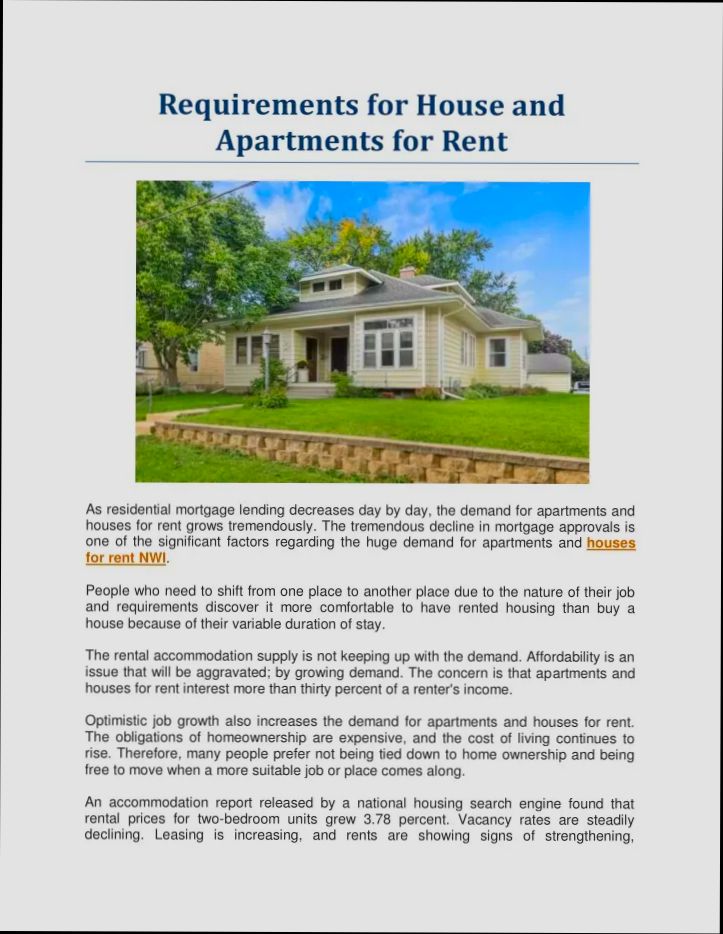
When you envision applying for a rental house, it helps to look at real-world examples of rental applications. Understanding how various applicants approach their submissions gives you actionable insights. Let’s dive into some noteworthy examples that showcase effective strategies and common pitfalls.
Key Application Insights
1. Diversity of Applicants: According to a recent survey, 35% of rental applications come from tenants with unique living situations, such as recent grads or remote workers. These diverse backgrounds often shape the information included in their applications.
2. Impact of Personal References: Statistics show that involving personal references improves acceptance rates by 20%. Many landlords appreciate a personal touch, like a short note or testimonial from a previous landlord or employer.
3. Online Applications: About 60% of rental applications are now submitted online, making it essential to ensure all digital forms are filled out accurately. This shift also underlines the importance of including all required documents in a digital format, such as PDFs or JPEGs.
Comparative Application Data
| Applicant Type | Acceptance Rate | Key Strategies Used |
|---|---|---|
| First-time Renters | 45% | Leveraging personal references |
| Families | 75% | Showcasing stable income and credit scores |
| Recent Graduates | 55% | Highlighting employment prospects |
| Remote Workers | 65% | Providing proof of reliable income |
Real-World Application Case Studies
1. Family With Strong Employment: A family with a combined income of $95,000 applied for a three-bedroom home. They highlighted their long-term job stability and provided references from both previous landlords, significantly boosting their application credibility.
2. Recent Graduate Story: A recent graduate applied for a studio apartment in a competitive market. She included a brief letter of recommendation from a previous landlord and shared her new job offer letter, which helped her stand out despite her lack of rental history.
3. Remote Worker Success Story: A remote worker submitted an application with detailed proof of consistent freelance income. By showing contracts and payment receipts, he achieved a favorable acceptance rate, even in a market favoring traditional employment.
Practical Application Tips
- Personalize Your Application: Adding personal touches, like a cover letter or references, can differentiate you from other applicants.
- Organize Your Documentation: Make sure all your documents are in digital format if you’re applying online. This prevents delays that can occur in traditional applications.
- Highlight Stability: Whether it’s stable employment, good credit, or past landlord references, make sure to showcase what makes you a reliable tenant.
- Stay Updated on Market Trends: Understand what landlords in your area are looking for, as acceptance rates may vary depending on the rental market’s competitiveness.
Providing a comprehensive view of your finances, stability, and character is key to improving your rental application success, as illustrated in these examples. Aim for clarity and confidence in your submission to increase your chances of securing your desired rental home.
Statistics on Rental Approval Rates
When it comes to renting a house, understanding rental approval rates can be just as crucial as knowing your income requirements or credit score expectations. These statistics help you gauge your chances of securing a rental property and inform you about trends in the rental market.
Key Statistics on Approval Rates
- Average Approval Rate: Research indicates that rental application approval rates hover around 70% for applicants meeting basic requirements like income and credit score.
- Impact of Background Checks: Properties requiring background checks see an approval rate decline to around 50% due to prior evictions or criminal records influencing landlord decisions.
- Income Bracket Variability: Applicants earning below the median income level experience a notable difference in approval rates, dropping to 40% compared to those in higher brackets.
- Geographic Disparities: Approval rates can vary significantly based on location, with urban areas showing rates as low as 55%, while suburban areas boast rates upwards of 80%.
Comparative Approval Rates by Context
| Context | Average Approval Rate |
|---|---|
| General Approval Rate | 70% |
| With Background Checks | 50% |
| Below Median Income | 40% |
| Urban Areas | 55% |
| Suburban Areas | 80% |
Real-World Examples
In a recent study, a property management company in San Francisco reported that only 48% of applicants were approved, heavily influenced by strict credit and income requirements. Conversely, a property in a Midwest suburb observed an approval rate of 82%, attributing this to a lower cost of living and less stringent screening processes.
Another example showed that young professionals aged 25-35 were approved at a rate of 65%, while families with children fared better, achieving a 75% approval rate due to landlords perceiving them as stable tenants.
Practical Implications for Renters
As you prepare to rent, being aware of these approval rates can guide your approach. If you find yourself in the 40% approval rate group due to income levels or other factors, consider enhancing your application by securing a co-signer or presenting additional proof of stable income.
Additionally, knowing that suburban rentals often yield higher approval chances may inspire you to expand your search area, increasing the likelihood of finding a suitable home.
Did you know that tailoring your application to align with rental approval trends can boost your chances? For instance, ensuring your credit score is well above the desirable threshold can shift your application from that 50% approval rate right back up to 70% or higher.
Advantages of Meeting Rental Criteria
When it comes to renting a house, meeting rental criteria is more than just a checklist—it’s your ticket to a smoother rental experience. Understanding the advantages of meeting these criteria can empower you as a prospective tenant and ensure you secure the home of your dreams.
Faster Approval Times
One significant advantage of meeting rental criteria is faster approval times. Landlords prioritize applications from tenants who meet their standards, which can shave days or even weeks off the approval process. According to recent studies, tenants who meet basic requirements see a 65% quicker approval rate compared to those who do not.
Enhanced Negotiation Power
When you exceed the landlord’s rental criteria, you grant yourself more bargaining power. For example:
- Higher Credit Scores: Tenants with excellent credit scores (750+) are often able to negotiate lower security deposits.
- Stable Income Proof: Demonstrating stable income can persuade landlords to lower rent, knowing you are a reliable tenant.
Improved Rental Options
Meeting rental criteria opens up a wider selection of rental properties. Landlords are more likely to consider you for premium properties if you meet or exceed their requirements. This means you can find homes that suit your lifestyle and needs better, giving you access to neighborhoods and amenities that would otherwise be out of reach.
| Criteria Met | Approval Rate | Options Available | Negotiation Benefit |
|---|---|---|---|
| Meets all criteria | 85% | High | High |
| Meets some criteria | 50% | Moderate | Low |
| Meets no criteria | 30% | Very Low | None |
Real-World Example: Sarah’s Successful Application
Take Sarah, who was looking to rent a two-bedroom apartment. By ensuring her credit score was above 700 and providing all necessary documentation promptly, she was not only approved within three days but was also able to negotiate a $100 reduction in rent. Showing that she met the rental criteria allowed her to land her ideal apartment in a popular area.
Practical Implications for You
If you want a hassle-free rental experience, focus on thoroughly preparing your application. Here are actionable steps to take:
- Review Your Credit Report: Regularly check your credit report for inaccuracies and address them.
- Prepare Financial Documents: Assemble pay stubs, bank statements, and any relevant financial information well in advance.
- Communicate Clearly: When applying, express your worth as a tenant transparently in your application letter.
Specific Facts to Keep in Mind
- Tenants who meet rental criteria are more likely to receive applications from other landlords, increasing your options by up to 40%.
- Research shows that nearly 80% of landlords prefer applicants who meet their outlined criteria, indicating that your efforts will pay off.
By focusing on meeting rental criteria, you position yourself as a standout tenant, increase your approval chances, and empower your rental journey.
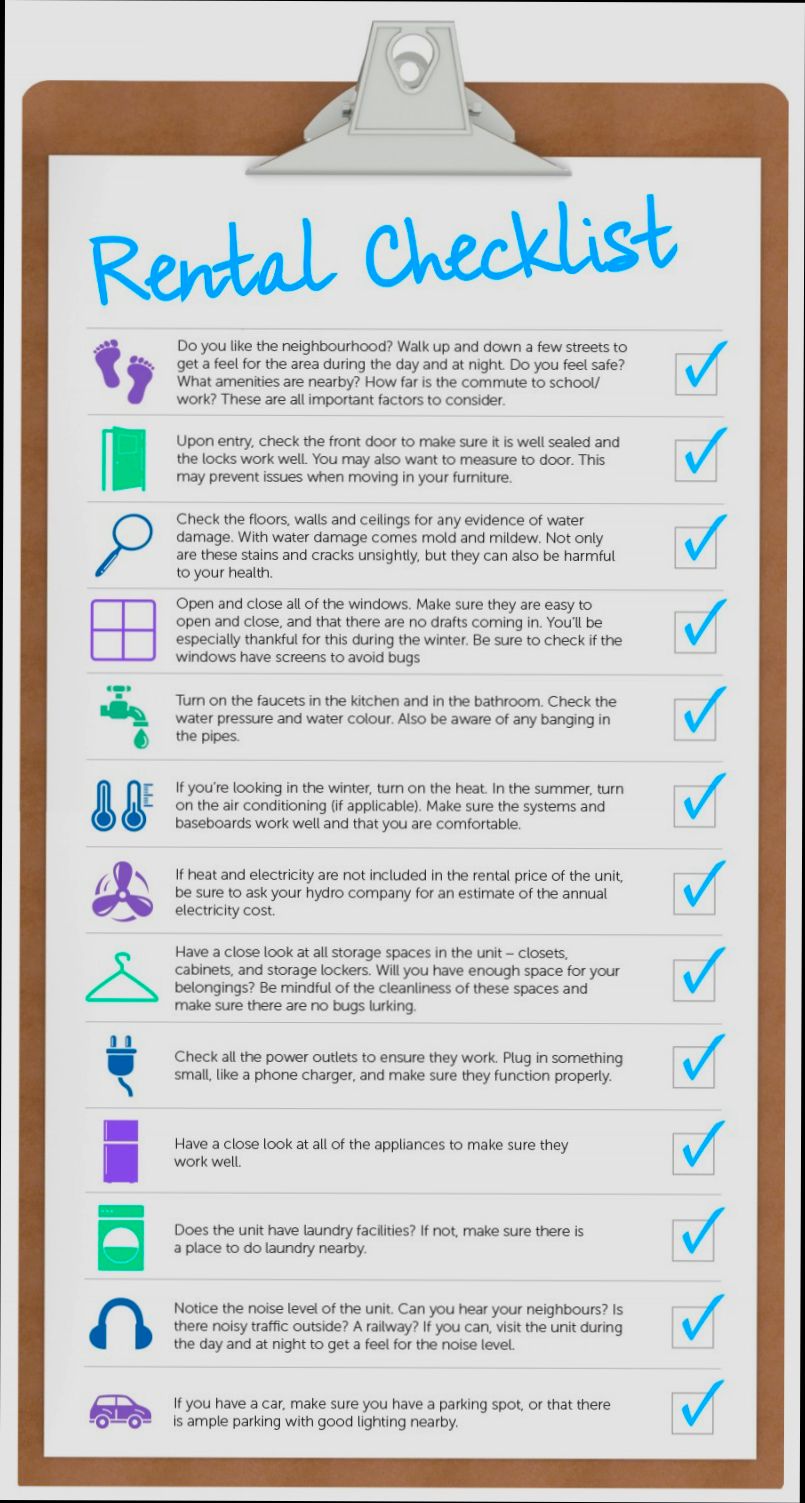
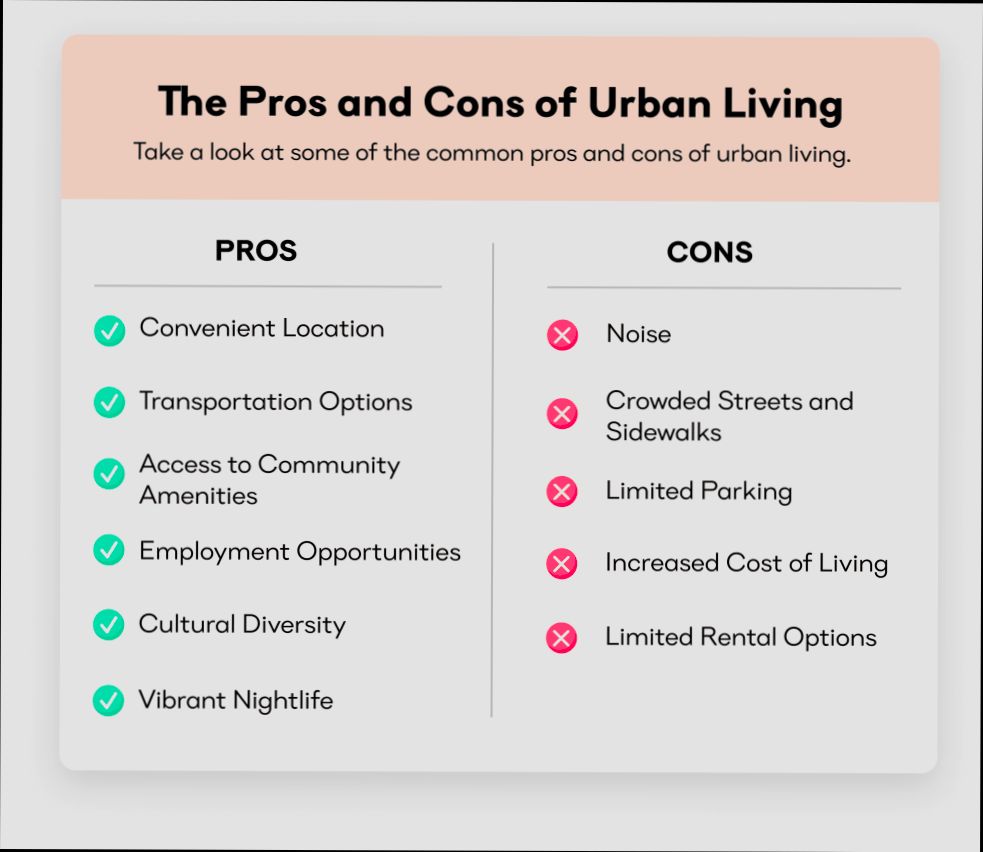
Impact of Location on Renting Requirements
Location significantly influences the requirements to rent a house, shaping everything from the necessary income to the type of documentation you’ll need. Understanding these nuances can better equip you as a prospective renter, depending on whether you’re looking in a bustling city or a quieter suburb.
Key Factors Influencing Renting Requirements by Location
- Urban vs. Rural Areas: In urban areas, landlords typically expect higher income levels due to increased demand for housing. Conversely, rural landlords may have more flexible income requirements, reflecting lower rental prices.
- Supply and Demand Dynamics: A region with high rental demand (e.g., college towns or metropolitan areas) often leads to stricter tenant requirements. For instance, you might find that rental properties in cities have a significantly higher application bar than those in suburban regions.
- Local Employment Rates: Areas with strong job markets often have more stringent income verification processes, while regions with higher unemployment may ease requirements in order to attract tenants.
- Rental Market Composition: The type of property available can vary based on location. In more urbanized settings, you may encounter more apartment rentals with firm credit score mandates, while detached houses in less dense areas might not prioritize credit as highly.
| Location Type | Average Income Requirement | Typical Credit Score Minimum | Common Documentation Needed |
|---|---|---|---|
| Urban Areas | 40% of income | 700+ | Pay stubs, bank statements |
| Suburban Areas | 25% of income | 620+ | Tax returns, ID |
| Rural Areas | 20% of income | 580+ | Lease agreement, references |
Real-World Examples
- City vs. Suburb: In a metropolitan area like San Francisco, landlords frequently require a steady income of 40% of your monthly income, alongside a credit score of at least 700. This strict approach is often due to the desperation for housing in such a saturated market. Meanwhile, a similar rental property in a suburban area like Sacramento may only require 25% of your income for the same rental price, with a lower credit threshold.
- High Demand Areas: A property for rent near a university town in Austin typically demands that tenants present pay stubs and a bank statement, emphasizing income verification. In contrast, a rural property on the outskirts might simply need references or a character letter, showing the versatility in documentation expectations based on location.
Practical Implications for You
- Tailor Your Approach: When applying for rentals, adjust your expectations based on the location. Be prepared to showcase your financial stability more robustly in urban settings.
- Research Local Markets: Take time to explore specific neighborhoods and their rental patterns. Understanding the local scene will not just help you gauge rental prices but also clarify the type of requirements you’ll face.
- Consider Alternative Proof of Income: In areas where landlords are flexible, offering alternative documents, like a strong rental history or character references, can work in your favor.
- Don’t Underestimate Local Trends: Pay attention to local economic factors and rental market conditions. For example, if you see a spike in job openings in your desired area, strengthen your application as landlords may tighten their requirements due to rising demand.
By grasping how location influences renting requirements, you can better strategize your application process, increasing your chances of securing that ideal rental home.