What are the Taxes and Costs of Selling a House in France? If you’re thinking about parting ways with your French property, it’s essential to know what you’re getting into financially. For starters, there’s the notable “plus-value” tax on capital gains that kicks in if your house has appreciated in value since you bought it. Depending on how long you’ve owned the property, this tax can range from 19% to a staggering 36.2% when you factor in additional social charges. Imagine selling your charming Parisian flat for a nice profit, only to see a significant chunk of it go straight to the taxman!
But wait, that’s just the tip of the iceberg. You’ve also got notaire fees to consider, which typically fall between 7% and 8% of the sale price. So, if you’re selling your rustic country home for €300,000, you could be looking at a hefty €21,000 just for these closing costs. And there’s more! Don’t forget about potential estate agent fees, which can take another 5% to 10% off your sale. All these costs can add up quickly, so it’s wise to have a clear picture before you dive into the selling process.
Understanding Capital Gains Tax Implications
When we sell our property in France, understanding capital gains tax (CGT) is crucial to ensuring we maximize our profits. It’s all about how much profit we realize when selling a property compared to its purchase price. Let’s dive into the specifics of what we need to know about CGT in France to avoid any surprises down the road.
Key Points to Know About Capital Gains Tax
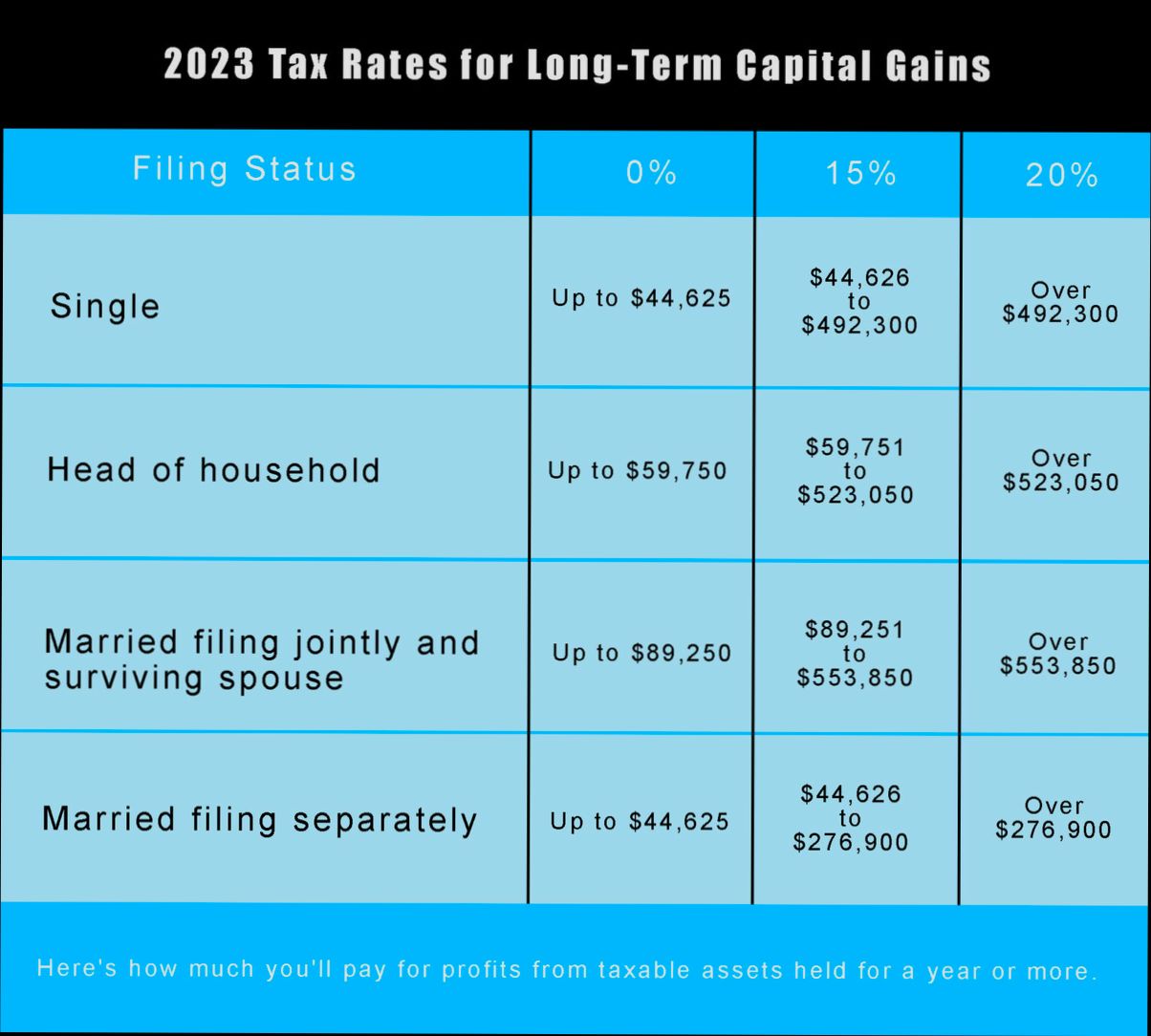
1. General Rate: The standard capital gains tax rate in France is 19%. Additionally, we face social contributions which total around 17.2%, bringing the effective rate to approximately 36.2%.
2. Exemptions Available: You may qualify for tax exemptions under certain conditions. If you sell your primary residence, for instance, you’re exempt from capital gains tax entirely. It’s crucial to determine whether your property qualifies for this exemption.
3. Holding Period: The longer you hold onto your property, the greater the exemptions you can receive. A sliding scale applies that reduces the taxable amount by 6% for each year of ownership beyond the fifth year, leading to complete exemption after 22 years.
4. Annual Increases: The French tax authorities allow an annual allowance of €1,000 for capital gains. This means that if your total gain is less than this amount, you won’t have to pay CGT at all.
5. Special Conditions for Non-Residents: Non-residents selling property in France are also subject to CGT, but there are treaties that might mitigate double taxation. Knowing the specific implications is essential to avoid unexpected tax liabilities.
Comparative Tax Overview
| Property Type | Tax Rate (Capital Gains) | Exemptions | Time for Complete Exemption |
|---|---|---|---|
| Investment Property | 36.2% total (19% + 17.2%) | No significant exemptions | 22 years |
| Primary Residence | 0% | Yes | N/A |
| Non-Resident Property | 36.2% total | Limited specific conditions | N/A |
Real-World Examples
- Example 1: Primary Residence
Imagine you bought your home in Paris for €300,000 and sold it for €500,000. Since this is your primary residence, you wouldn’t owe any capital gains tax, despite making a profit of €200,000.
- Example 2: Investment Property
Let’s say you purchased an apartment for €250,000 and sold it for €400,000 after 10 years. Your capital gain is €150,000. The applicable exemption for owning the property for over 5 years allows a reduction of €6,000, making the taxable gain €144,000. You would then face a total taxation of roughly €52,048 (36.2% of €144,000).
Practical Implications for You
Understanding the timeline for exemptions is crucial. If you bought your property recently, holding onto it longer could significantly reduce or eliminate your capital gains tax through the exemption scale. Always keep a detailed record of your purchase price and any renovations or improvements made, as these can often be deducted from your profit.
Make sure you consult with a tax advisor familiar with French law to clarify your specific situation, especially if you anticipate selling a property in the near future. This advice can prevent you from facing unexpected tax bills and help you plan better.
Actionable Facts
- If you’ve owned the property for more than 22 years, rejoice! You potentially owe no capital gains tax.
- Always consider the purchase and sales dates—these can affect your tax rate significantly.
- If you plan renovations, document everything; these costs might be deducted from your gain, reducing your tax liability.
Exploring Notary Fees and Legal Costs
When selling a house in France, understanding notary fees and other legal costs is vital for keeping track of your overall expenses. These costs can vary significantly and can impact your net profit from the sale, so let’s break them down in detail.
Breakdown of Notary Fees
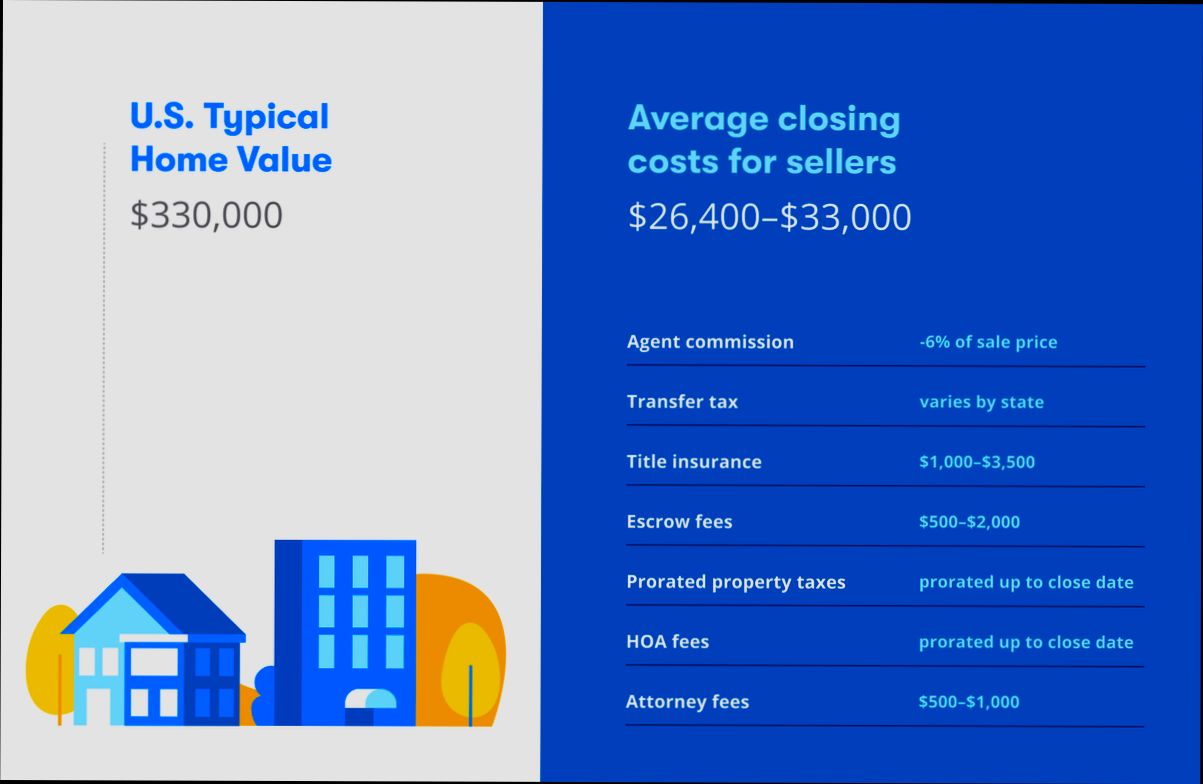
Notary fees, or “frais de notaire,” commonly range from 7% to 8% of the sale price for older properties, while new properties tend to incur lower fees, around 2% to 3%. This percentage includes not only the notary’s professional fees but also various taxes and additional costs associated with property transactions.
- Professional Fees: Typically, these fees make up about 1% of the sale price.
- Taxes and Disbursements: These can account for the bulk of notary fees, often comprising over 5% of the sale price.
Comparative Overview of Notary Fees
| Property Type | Estimated Notary Fees (%) | Typical Fee Range (€) |
|---|---|---|
| Old Properties | 7% - 8% | €15,000 - €20,000 |
| New Properties | 2% - 3% | €4,000 - €8,000 |
For instance, if you’re selling an older property for €250,000, expect to pay roughly €17,500 in notary fees alone, whereas a newer property sold for the same price could result in costs as low as €5,000.
Additional Legal Costs
Aside from notary fees, there are other legal costs that can arise during the sale process, including:
- Property Survey Costs: These can range from €400 to €1,500, depending on the property’s size and complexity.
- Document Preparation Fees: Notaries may charge extra for preparing various documents, which can add another €200 to €600 to your total.
Real-World Examples
Consider a situation where you sell a property for €300,000. For an older property, notary fees might total around €21,000. If you factor in survey and document preparation fees, you could end up nearing €23,000 in total legal costs.
Alternatively, for a new property sold at the same price point, your notary fees might be about €9,000, with survey costs adding another €800. Your total expenses would then be approximately €10,000, making a significant difference in your net proceeds.
Practical Implications for Sellers
Understanding these fees and costs is essential for accurate financial planning. Here are some actionable insights:
- Budget for Fees: Always factor in notary fees when calculating expected profits from the sale.
- Negotiate: Some notaries may offer flexibility in fees, so it’s worth discussing costs upfront.
- Get Multiple Quotes: Don’t hesitate to compare fees from different notaries to ensure you get the best deal.
By being aware of these costs and planning for them, you can avoid surprises when it comes to the financial aspects of selling your property in France.
Analyzing Market Trends and Selling Prices
Understanding how to analyze market trends and selling prices is essential for anyone considering selling their house in France. By leveraging reliable data, you can make more informed decisions about pricing your property and understanding the competitive landscape.
Key Insights for Market Analysis
When embarking on your market analysis, focus on the following crucial data points:
- Market Size: Determine the size of the housing market in your area. A larger market typically indicates more potential buyers.
- Competitor Traffic: Analyze properties similar to yours that are currently listed. What kind of online traffic are they generating?
- Industry Hiring Trends: Look at job postings in your area, as increased employment can drive housing demand, subsequently influencing property prices.
These metrics not only provide insight into current market conditions but also help forecast future trends.
Comparative Analysis of Selling Prices
| Area | Average Selling Price | Market Size | Competitor Traffic |
|---|---|---|---|
| Paris | €10,000/m² | 90,000 homes | High |
| Lyon | €4,500/m² | 30,000 homes | Moderate |
| Nice | €6,500/m² | 25,000 homes | High |
| Marseille | €3,500/m² | 40,000 homes | Moderate to Low |
Real-World Examples
- Up-and-Coming Areas: In cities like Lyon, despite lower average prices, significant competitor traffic indicates growing interest. This trend suggests that selling in these areas might yield quicker sales, even at lower prices.
- High-Value Markets: Properties in Paris have an average selling price that reaches €10,000 per square meter, showcasing how brand positioning and effective marketing strategies draw buyer attention, enhancing overall market activity.
Practical Implications for Sellers
Understanding these dynamics allows you to strategically position your property. Here are some action points:
- Research Local Trends: Use databases like the Exploding Topics database to identify emerging markets and housing trends.
- Monitor Competitor Activity: Track how properties similar to yours are performing. Look for properties with high organic search traffic or those performing well through social media strategies.
Specific Tips for Pricing Your Property
- Assess Market Sentiment: Determine if consumers feel underserved by existing property offerings in your area. This can indicate potential leverage in raising prices.
- Leverage High Traffic: If competitor listings show high direct or organic search traffic, consider positioning your property similarly to attract interest.
By staying informed and making data-driven decisions, you can effectively navigate the complexities of selling a house in France.

Evaluating the Role of Agency Fees
When it comes to selling a house in France, understanding agency fees is crucial. These fees can significantly impact your overall profit, and knowing how they work will help you navigate the selling process more efficiently.
Key Points to Consider
1. Agent Compensation Structures:
Agency fees typically vary based on the compensation structure chosen by the agent. Four common types include:
- Commission: A percentage of the sale price, often ranging from 3% to 7%.
- Flat Fee: A predetermined fee regardless of sale price.
- Retainer: Payments made periodically for ongoing services.
2. Transparency is Key:
It’s essential to have a clear understanding of what the agency fees cover. Look for detailed explanations in the contractual agreements between you and the agent. This ensures you are aware of the services provided and can avoid unexpected charges.
3. Insider Expertise:
Many agents possess market insights and negotiation skills that can translate into higher selling prices. Virtually 85% of sellers report that agents enhance property visibility through their networks, which can significantly offset agency fees.
| Fee Structure | Definition | Typical Percentage/Amount |
|---|---|---|
| Commission | Based on a percentage of sale price | 3% - 7% |
| Flat Fee | Fixed amount charged for services | €3,000 - €5,000 |
| Retainer | Regular payments for ongoing services | €500/month |
Real-World Examples
Taking a closer look at real-world scenarios can shed light on the importance of agency fees. For instance, an agent employing a commission structure that charges 5% on a house sold for €300,000 would earn €15,000. This fee might seem substantial, but if their expertise helps sell the property for €20,000 above its appraised value, the fee becomes a worthwhile investment.
Another case involved an owner who opted for a flat fee arrangement of €4,500. While this certainly puts a cap on costs, the property sold significantly below the market average, ultimately negating potential profits and illustrating that not all fee structures lead to optimal outcomes.
Practical Implications
Understanding the agency fee structure will help you make informed decisions along the selling journey. Here are a few practical tips:
- Negotiate Fees: Don’t hesitate to discuss and negotiate the fee structures with potential agents. Many are open to adjusting their rates, especially if they believe in your property’s value.
- Assess Value: Look beyond the fee amount. Evaluate what services and expertise the agent brings to the table, as these can more than offset the costs.
- Consider Multiple Offers: Solicit proposals from various agents to compare different agency fees and services, ensuring you make choices that align with your budget and selling goals.
Familiarizing yourself with agency fees is an important step towards maximizing your selling profits and ensuring a smooth transaction process. By evaluating fee structures and understanding agent services, you can make the best decisions for your property sale.

Practical Tips for Minimizing Selling Costs
When selling a house in France, being strategic about costs can significantly impact your net profit. It’s important to be proactive in seeking ways to minimize expenses related to your sale. Here are some practical tips that can help reduce your selling costs and maximize your returns.
Understand the Costs Involved
Before stepping into the selling process, familiarize yourself with the various costs you might incur. This knowledge helps prevent surprises during the closing phase. Consider the following tips:
- Evaluate Multiple Notaries: Notary fees can vary significantly. Consult different notaries to compare their fees, as some may offer competitive rates, potentially saving you 1-2% on fees.
- Negotiate Agency Fees: If you decide to use a real estate agent, don’t hesitate to negotiate their fees. Many agents may be open to adjusting their commission, especially in a competitive market where quick sales are desirable.
Utilize Online Platforms
Many sellers underestimate the potential of digital platforms when it comes to reducing costs:
- Listing on Property Portals: Use websites like LeBonCoin or SeLoger, which often charge lower fees than traditional agents. This could save you between 3% to 5% on commission alone.
- Social Media Marketing: Promote your listing on platforms like Facebook or Instagram for free. This can attract potential buyers without any marketing costs, further minimizing your overall expenses.
| Cost Factors | Traditional Method | Online Method | Potential Savings |
|---|---|---|---|
| Agency Fees | 3% - 7% | 0% - 3% | Up to 7% |
| Notary Fees | 7% - 8% | 6% - 7% | Up to 2% |
| Marketing Costs | €1,000 - €3,000 | €0 | Up to €3,000 |
DIY Home Improvements
Small improvements can significantly influence a buyer’s perception of your property:
- Focus on Curb Appeal: Simple tasks like painting the front door, trimming hedges, or adding flowers can improve the aesthetics of your house without overspending.
- Staging Your Home: If you choose to show your home yourself, utilize your existing furniture creatively to stage your space, providing a welcoming atmosphere at no added cost.
Real-World Examples
Consider the case of a homeowner in Lyon who opted to sell their property using an online real estate platform. By avoiding traditional agency fees, they saved around 5% on the sale price. Coupled with careful improvements like fresh paint and landscaping, the homeowner sold their house quickly and for a price exceeding their expectations.
Another example involves a couple in Bordeaux who compared a local notary’s fees against an online alternative. By choosing the online notary, they reduced their notary fees from €8,000 to €6,000, resulting in a significant savings of €2,000.
Actionable Advice
- Before making any decisions, calculate potential costs using estimates from local notaries and agents.
- Consider alternative marketing channels to list your property and engage potential buyers.
- Be open to negotiating terms with service providers to secure better rates.
By adopting these strategies, you can effectively minimize selling costs while staying informed throughout the process. Each small adjustment you make can cumulatively lead to substantial savings when selling your property in France.
Benefits of Selling a Property in France
Selling a property in France comes with multiple advantages that go beyond just financial implications. Considering these benefits can provide clarity and motivation for those looking to make a change in their real estate journey.
Key Benefits to Consider
1. Strong Demand for Properties: The French real estate market shows robust demand, especially in desirable locations such as the Côte d’Azur and Paris. This demand can lead to quicker sales, allowing you to capitalize on your investment sooner rather than later.
2. Potential for High Returns: Depending on the market trends in your specific area, selling your property could yield significant returns. For instance, properties in key metropolitan areas have reportedly increased in value by as much as 5-7% per annum, providing sellers with a favorable capital appreciation.
3. Tax Incentives on Primary Residence: If you are selling your primary residence, you may benefit from an exemption on capital gains tax (CGT) under certain conditions. This can significantly enhance your profits by allowing you to keep more of what you earn from the sale.
4. Access to Buyers Looking for Investments: Many international buyers consider France as a prime location for real estate investment, especially in popular cities and regions. The influx of foreign investors can create a competitive market, allowing you to negotiate better prices.
5. Simplified Selling Process with Notaries: The process of selling a property in France is streamlined through notaries, who can assist in navigating legalities and help you maximize your sale. Their expertise simplifies the selling process, making it less daunting for you.
| Benefit | Description | Potential Impact |
|---|---|---|
| Strong Demand | High buyer interest in popular areas | Faster sales |
| High Returns | Annual property value increase | 5-7% potential appreciation |
| Tax Exemption on Primary Home | Potential exemption from CGT on main residences | Increased net profit |
| International Buyer Interest | Attracts foreign investors in targeted markets | Competitive pricing |
| Notary Assistance | Simplifies legal processes | More efficient selling |
Real-World Examples
A case study involving a couple who sold their Provencal villa illustrates significant benefits. They experienced a 6% annual price increase over five years, and by leveraging the CGT exemption as it was their primary residence, they put 100% of their sale proceeds back into their next investment. Their experience showcases how understanding the local market and available incentives can enhance overall satisfaction from the sale.
Another example includes a Parisian apartment that was sold quickly due to the high demand from international buyers. The sellers were able to negotiate a price above market value, benefiting from the ongoing investment trend in the city. This was indicative of how strategic positioning and timing in a high-demand market can yield impressive financial rewards.
Practical Implications for You
If you’re considering selling your property in France, keep these benefits at the forefront of your mind:
- Evaluate real estate trends in your area to find the right moment to sell.
- Consult with local real estate experts to better understand your property’s potential value.
- Research tax benefits, especially regarding capital gains, to maximize your profits.
- Focus on accommodation for foreign investors, as your property could attract international interest, leading to better offers.
Arming yourself with these insights can turn a complex selling process into an empowering and lucrative experience. Seek professional advice and leverage market knowledge, ensuring you make the most of your property sale in France.

Hidden Costs to Consider When Selling
When selling a house in France, I often discover that beyond the apparent costs, hidden expenses can sneak up on us. It’s essential to be aware of these additional costs so we can accurately assess our overall profit from the sale.
Key Hidden Costs
1. Home Staging and Repairs: Preparing your home for sale often requires cosmetic repairs or staging to attract buyers. Costs here can range significantly, but many homeowners spend anywhere from €2,000 to €10,000 to make their property more appealing.
2. Energy Performance Certificate (DPE): French law mandates obtaining an Energy Performance Certificate when selling a property. This document costs between €100 and €300, and while it is technically a selling requirement, many sellers forget to budget for it.
3. Tax Filing Fees: If you’re selling your property as part of a joint return or if you are a non-resident, you may incur additional tax filing fees. It’s wise to set aside about €300 to €500 for potential advisory or legal support in navigating these obligations.
4. Mortgage Prepayment Charges: If you have an outstanding mortgage, selling your property might involve penalties for early repayment. These fees can vary significantly but average around 1% to 3% of the outstanding mortgage balance, which could easily add up.
5. Local Taxes: Depending on where your property is located, you might face local taxes such as the taxe foncière or taxe d’habitation. These taxes can vary widely by commune and could impact your net proceeds from the sale.
| Cost Category | Estimated Cost (€) |
|---|---|
| Home Staging and Repairs | €2,000 - €10,000 |
| Energy Performance Certificate | €100 - €300 |
| Tax Filing Fees | €300 - €500 |
| Mortgage Prepayment Charges | 1% - 3% of balance |
| Local Taxes | Varies by commune |
Real-World Examples
To illustrate, let’s say I’m selling a charming Provence farmhouse. After factoring in the required repairs which total €5,000, and obtaining the DPE for €150, my previously anticipated profit could diminish significantly. Furthermore, if I owe €100,000 on my mortgage and incur a 2% prepayment charge, I face an additional €2,000 expense that I hadn’t considered.
Another example involves a seller in Paris who, due to local taxes, ended up paying €1,000 more in taxe foncière than initially calculated. This unexpected cost effectively reduced their net profits, highlighting the importance of researching local taxation policies in advance.
Practical Implications for You
Being proactive about these hidden costs gives you a clearer picture of your financial landscape during the selling process. Here are some actionable insights to incorporate:
- Budget for Home Improvements: Set aside a dedicated budget for any for repairs and staging well in advance.
- Seek Professional Help: Consider consulting with professionals for obtaining a DPE or navigating tax obligations to avoid unexpected charges.
- Research Local Taxes: Familiarize yourself with local tax rates and ensure you’re prepared for any surprises.
By considering these hidden costs, we can strategically plan our sale to ensure that it aligns with our financial goals and minimizes the stress associated with the selling process.