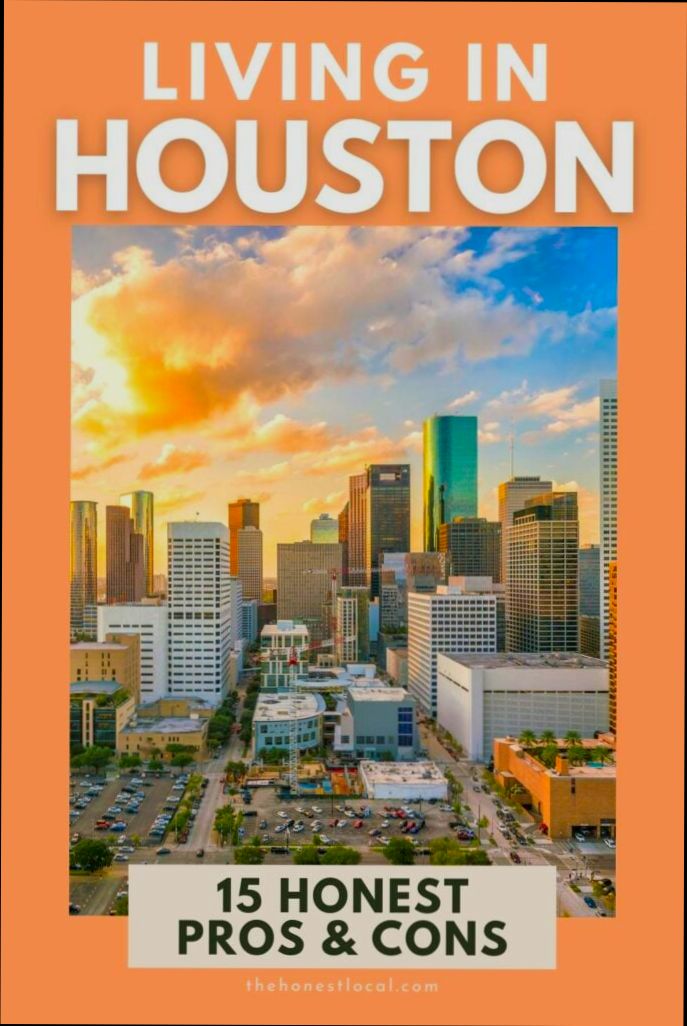
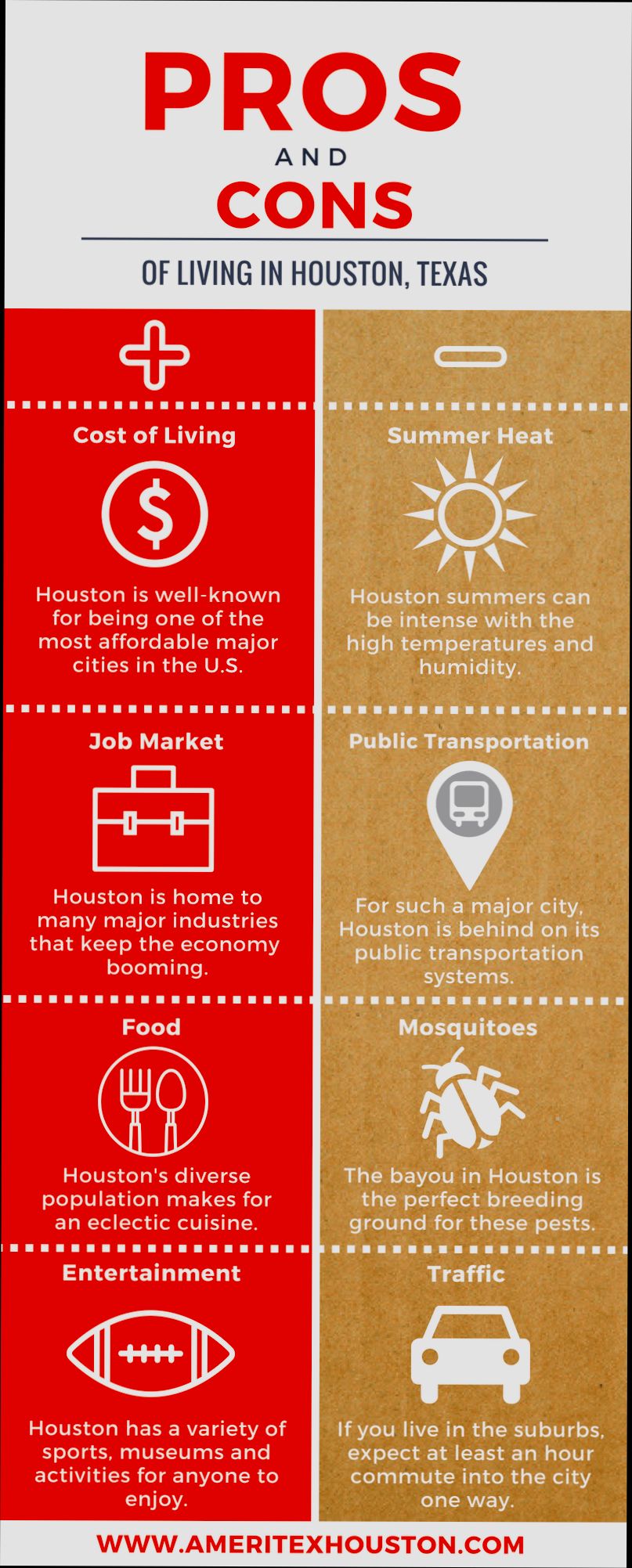
Pros and Cons of Living in Houston, TX, create a dynamic mix that has many considering a move to this sprawling city. On one hand, Houston’s cost of living is a major draw; you can snag a decent two-bedroom apartment for around $1,200 a month, which is a steal compared to cities like LA or NYC. Plus, with no state income tax, you can feel a little more freedom in your paycheck. The city boasts a booming job market, especially in the medical and energy sectors, and you can find yourself working alongside some of the brightest minds at places like the Texas Medical Center, the largest in the world.
On the flip side, living in Houston has its challenges. The traffic can feel like a never-ending nightmare, with commute times averaging around 30 minutes—just when you think you’ve found the quick route, you hit another jam. And let’s not ignore the weather. Summers here are brutally hot, with temps soaring above 90°F for months on end, and the humidity can sneak up on you like an uninvited guest. Plus, the threat of hurricanes is very real, with events like Hurricane Harvey reminding everyone just how quickly things can change. Balancing the ups and downs of this Texas giant requires some serious consideration.

Cost of Living Comparison in Houston
When considering a move to Houston, understanding the cost of living is crucial. This section dives into how Houston stacks up against other major cities in Texas and across the U.S. You’ll find actionable insights to help you gauge what you can expect in terms of expenses.
Housing Costs
Housing is typically one of the largest expenses for residents. The average cost of renting a one-bedroom apartment in Houston is around $1,300 per month, which is significantly less than cities like San Francisco at approximately $3,000.
- Houston: $1,300
- San Francisco: $3,000
- Austin: $1,700
This makes Houston an attractive option for those looking for more affordable housing without sacrificing the perks of a big city lifestyle.
Utilities and Transportation
When it comes to utilities, Houston generally ranges from $150 to $200 per month, depending on usage and the size of your home. This is quite affordable given the hot Houston summers.
- Monthly Utilities (Average):
- Houston: $175
- New York: $250
- Los Angeles: $200
Transportation costs in Houston also favor residents. The average monthly transit pass is about $70, which is lower than the $127 typical in Chicago.
Food and Grocery Prices
Food costs can differ significantly based on where you shop. Grocery prices for a standard shopping list in Houston are around 7% lower than the national average.
| Item | Price in Houston | Price Nationally |
|---|---|---|
| Milk (1 gallon) | $3.50 | $4.00 |
| Eggs (1 dozen) | $2.00 | $2.50 |
| Bread (1 loaf) | $2.50 | $3.00 |
You can see the differences highlight how living in Houston can save you money on everyday essentials.
Comparison with Other Cities
To provide further context, here’s a quick comparison of living costs across some major cities:
| City | Rent (1BR) | Monthly Utilities | Monthly Transit | Grocery Prices |
|---|---|---|---|---|
| Houston | $1,300 | $175 | $70 | Lower than avg |
| San Antonio | $1,200 | $160 | $60 | Lower than avg |
| Dallas | $1,500 | $185 | $80 | Similar to avg |
| New York | $3,000 | $250 | $127 | Higher than avg |
Real-World Illustration
A friend of mine recently moved from Seattle to Houston. She noted that after a month of living in Houston, her overall expenses dropped by about 20%, primarily due to lower rent and grocery costs. She was particularly thrilled to discover that she could afford to dine out more frequently without breaking the bank.
Practical Implications
If you’re thinking about relocating to Houston, keep in mind that your expenses may drastically decrease, particularly in housing and utilities. This provides a unique opportunity to allocate funds elsewhere—like investing in leisure activities or saving for the future.
- Check out local average salaries to confirm they align with your lifestyle expectations.
- Consider contacting local real estate agents to get insights on current market conditions.
- Be proactive in budgeting; identify areas where you can save even more, particularly in groceries and utilities.
Houston’s cost of living showcases a mix of affordability and quality of life, making it a compelling choice for many people.
Job Market Opportunities in Houston
Houston presents a vibrant job market that’s as dynamic as the city itself. With over 2.3 million residents, this city has become a major hub for various industries, offering a plethora of job opportunities for both seasoned professionals and newcomers. Let’s delve into some key aspects that highlight the employment landscape in Houston.
Key Industries and Job Growth
- Energy Sector: Houston is nicknamed the “Energy Capital of the World.” The oil and gas industry remains a significant player, with companies like ExxonMobil and Shell headquartered here. The energy sector continues to evolve, focusing not just on traditional oil but also on renewable energy sources, creating diverse job opportunities.
- Healthcare: Home to the Texas Medical Center, the largest medical complex globally, Houston’s healthcare sector employs approximately 106,000 individuals. The facility sees around 8 million patients annually, generating a consistent demand for healthcare professionals, from nurses to researchers.
- Aerospace: Houston is also recognized for its contributions to the aerospace industry, hosting NASA’s Johnson Space Center. This sector not only offers engineering and technical jobs but also supports a range of roles in science and research.
- Manufacturing and Technology: The city has a strong manufacturing and tech presence, meaning more opportunities for engineers, IT professionals, and skilled trades. The ongoing expansion of technology firms complements Houston’s established industries.
Median Salaries by Industry
| Industry | Median Annual Salary |
|---|---|
| Energy | $135,000 |
| Healthcare | $95,000 |
| Aerospace | $100,000 |
| Manufacturing | $80,000 |
| Technology | $90,000 |
Real-World Examples
Consider the case of the Texas Medical Center. It employs tens of thousands of professionals and continues finding ways to innovate in healthcare delivery. A significant health tech startup emerged in Houston recently, focusing on telehealth, demonstrating the city’s flexibility in adapting to future demands.
In the energy sector, ExxonMobil has committed to establishing a new headquarters in Houston, which is expected to generate thousands of new jobs in the coming years, emphasizing that opportunities in the oil and gas fields are not only stable but growing.
Practical Implications
If you’re considering moving to Houston primarily for job opportunities, you’ll be in good company. With diverse industries, the likelihood of finding a job that matches your skills is high.
- Networking in Houston is enhanced by the city’s numerous professional organizations, like the Greater Houston Partnership, which can open doors to potential opportunities.
- Newcomers should explore employment websites specifically geared toward industries prevalent in Houston, such as Rigzone for energy jobs or Medzilla for healthcare employment.
Actionable Insights
- Attend local industry conferences and job fairs to connect directly with top employers.
- Leverage platforms like LinkedIn to connect with Houston-based professionals in your field.
- Consider obtaining Texas-specific certifications that can enhance your employability in your desired industry.
Houston’s job market is robust and full of potential. The dynamic landscape offers various pathways for career advancement, making it an attractive destination for job seekers from all backgrounds.

Climate Challenges and Considerations
When considering a move to Houston, understanding the climate challenges is essential. The city’s environmental conditions significantly influence daily life and long-term living experiences. Let’s dive into the specific climate issues you may face as a Houston resident.
Humidity and Heat
Houston is renowned for its subtropical climate, characterized by high humidity and temperatures that can soar. During the summer months, average high temperatures often exceed 90°F (32°C), and the humidity can reach around 90%. This combination can lead to discomfort and health risks, particularly for vulnerable populations.
Rainfall and Flooding
Houston is no stranger to heavy rainfall, with annual averages around 50 inches. Heavy rains can lead to flash flooding, as the city has a complex drainage system that often struggles to cope. In fact, more than 30% of the city is prone to flooding, which can cause significant property damage and disrupt daily activities.
Hurricane Risks
Living in Houston also means being prepared for hurricane season, which runs from June through November. The city has experienced several devastating hurricanes, including Hurricane Harvey in 2017, which dumped more than 50 inches of rain in some areas, showcasing the city’s vulnerability. Residents should be aware of evacuation routes and have emergency plans ready.
Air Quality Issues
Air quality is another concern, especially during the hotter months. Houston consistently ranks among the top cities in the U.S. for ozone pollution, with summer smog reaching hazardous levels on certain days. According to the American Lung Association, the city experiences about 30 days of unhealthy ozone levels annually, impacting those with respiratory conditions.
| Climate Factor | Average Measurement | Risk Level |
|---|---|---|
| Average Summer Temp | 90°F (32°C) | High |
| Annual Rainfall | 50 inches | Moderate |
| Flood-Prone Area | 30% of the city | High |
| Unhealthy Ozone Days | 30 days annually | Moderate |
Real-World Examples
One vivid example is Hurricane Harvey, which led to over 100,000 homes being damaged or destroyed due to flooding. Many residents found themselves unprepared, lacking proper flood insurance or an emergency plan. Additionally, air quality warnings during summer months have led to public health advisories, urging vulnerable populations to limit outdoor activities.
Practical Implications
As you consider moving to Houston, it’s crucial to hydrate regularly during the hot months, invest in quality air conditioning, and stay informed about weather updates, especially during storms. Additionally, consider flood insurance for your property, as traditional homeowners’ policies may not cover flood damage.
If you’re sensitive to air quality, consider measuring levels on days when the forecast indicates high ozone levels and limit outdoor activities accordingly.
By understanding these climate challenges and preparing accordingly, you can make informed decisions that enhance your living experience in Houston.

Cultural Diversity and Community Life
Living in Houston means immersing yourself in a vibrant tapestry of cultural diversity and community engagement. With over 145 languages spoken and a wide array of cultural festivals, the city embodies a melting pot of traditions and lifestyles that enrich community life.
Key Points About Cultural Diversity
- Houston ranks as one of the most ethnically diverse cities in the United States, with about 60% of residents being from a minority ethnicity.
- Nearly 20% of the population is foreign-born, contributing to an eclectic blend of cultural influences.
- The city hosts over 200 cultural and arts organizations, reflecting its commitment to celebrating diversity.
Comparative Cultural Diversity in Major US Cities
| City | % Minority Population | % Foreign-Born Residents | Number of Cultural Organizations |
|---|---|---|---|
| Houston | 60% | 20% | 200+ |
| Los Angeles | 57% | 35% | 300+ |
| New York City | 57% | 36% | 500+ |
Real-World Examples
1. Cultural Festivals: Houston’s annual events, such as the Houston Livestock Show and Rodeo, showcase not only Texan traditions but also international cultures through food, music, and art exhibits. The festival attracts over 2 million visitors each year, highlighting the city’s commitment to embracing diversity.
2. Community Programs: Organizations like the International Rescue Committee (IRC) Houston assist refugees and immigrants, fostering community bonds and providing support services. It’s a great example of how the city supports its diverse population and promotes inclusivity.
3. Culinary Scene: The city’s food scene is influenced by its diverse demographics. Neighborhoods like Chinatown, Little India, and the Korean district offer authentic cuisines from around the world, making dining out an incredible multicultural experience.
Practical Implications for Residents
- Engage with cultural institutions: Visit museums and participate in workshops to better understand different cultures. These opportunities can enhance your social circle and foster community connections.
- Attend local festivals: Mark your calendar for community events that celebrate cultural diversity. Participating in such events can deepen your appreciation for different traditions and create lasting memories.
- Volunteer with local organizations: Get involved with community groups that support multicultural residents. Not only will you be making a difference, but you’ll also build relationships with individuals from diverse backgrounds.
Facts and Actionable Advice
- Remember that Houston’s diversity is one of its greatest strengths. Utilize resources like the Houston Arts Alliance to discover cultural events and programs that resonate with your interests.
- Take the time to learn a few phrases in languages spoken in your neighborhood. This small gesture can go a long way in building rapport and friendships with your diverse neighbors.
- Seek out cultural storytelling sessions hosted by community organizations. These can offer you deeper insights into the rich narratives that shape the lives of your fellow residents.
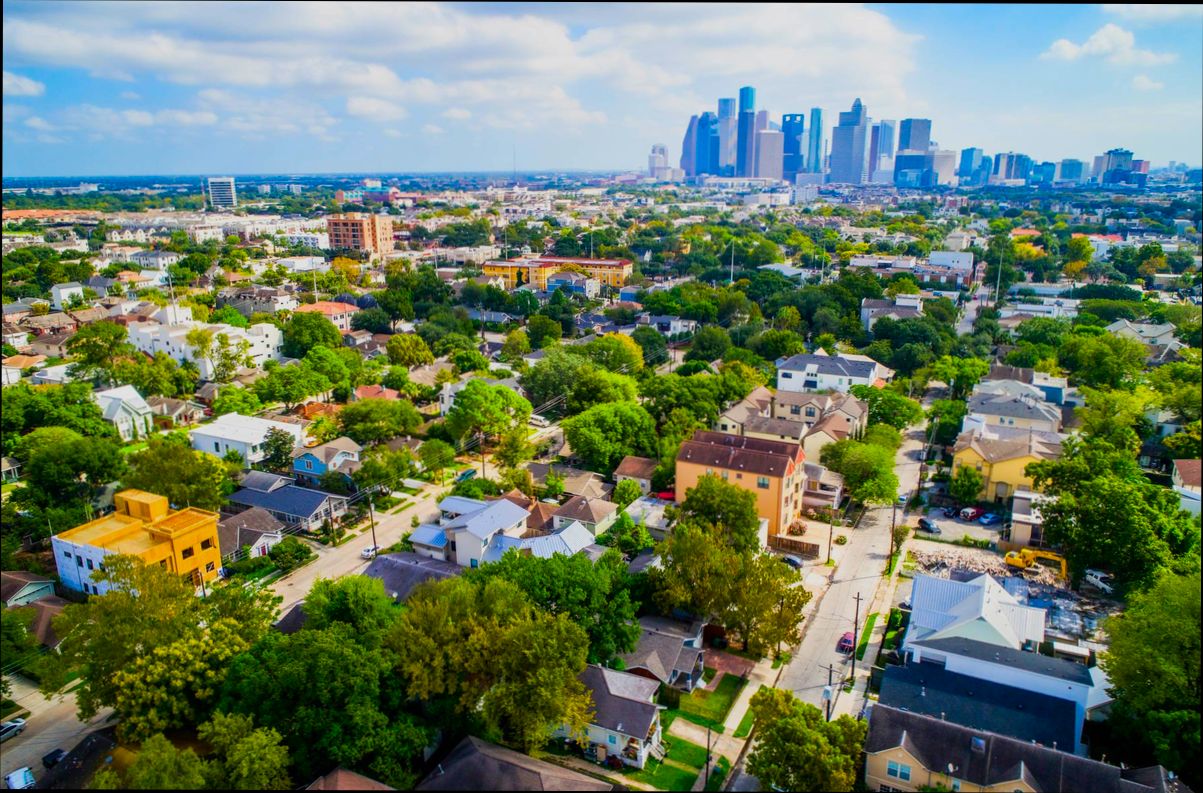
Impact of Public Transportation Access
Access to public transportation in Houston significantly influences residents’ daily lives, especially for those who choose not to drive. The availability and efficiency of transit options can make a big difference in how easily you can navigate the city.
Key Points About Public Transportation Access
1. Extensive METRO Network: The METRO system connects key areas like the Texas Medical Center and Rice University, making it easier for students and professionals to reach vital destinations without a car. Key stops include Downtown and NRG Stadium, covering crucial local attractions.
2. Cost-Effective Options: For just $55, Rice University students can purchase a metro card loaded with $250, allowing rides for as low as $0.60. This makes public transport an economical choice for students, especially when considering the high costs associated with owning a vehicle.
3. Growing Popularity of Micro-Mobility: Electric bikes and scooters are becoming increasingly popular in Houston. They offer affordable, flexible options for short trips and can typically be rented at various points in the city.
4. Accessibility Challenges: While public transportation is widespread, some areas remain less accessible. This can mean that residents might still rely on alternate means, such as ride-sharing services, especially for trips to locations not serviced by METRO.
| Transportation Option | Cost per Ride | Ideal Travel Distance | Key Benefits |
|---|---|---|---|
| METRO Bus/Light Rail | $0.60 | 1st to 2nd circle | Accessible to major destinations |
| Electric Bike/Scooter Rental | Varies (around $1.00/min) | Short trips (1st circle) | Flexible and available in many areas |
| Uber | Starts at $1.90 + $0.19/min | Longer distances | On-demand convenience |
| Lyft | Starts at $1.26 + $0.17/min | Longer distances | On-demand convenience |
Real-World Examples of Public Transportation Impact
Students at Rice University benefit from a highly subsidized METRO card, allowing access to affordable public transport. This program shows how public transportation can promote mobility and reduce reliance on personal vehicles, directly aiding students in managing their budgets while living in Houston.
Additionally, the rise in electric bike usage exemplifies urban adaptation to transit needs. With hot summers in Houston, e-bikes offer a breezy solution for quick trips, while ride-sharing apps like Uber and Lyft give residents flexibility when reaching destinations that public transit may not serve well.
Practical Implications for Residents
To make the most out of public transportation access in Houston, consider:
- Utilizing METRO: Leverage the METRO light rail and bus services for commuting to work or school, making the potential for cost savings immense.
- Renting bikes/scooters: Check out e-bikes or scooters for quick, short-distance trips, especially around densely populated areas like downtown.
- Combining services: If certain destinations are not easily accessible via METRO, use ride-sharing services as a supplemental option for the quickest route.
Actionable Advice on Public Transportation Access
Explore your neighborhood and identify the nearest METRO stations or rental points for bikes and scooters. This can enhance your mobility options and help you acclimate to a car-free lifestyle. Additionally, keep an eye on local discounts and promotions, especially if you’re a student, to further optimize your transportation costs in Houston.

Educational Institutions and Their Rankings
When considering living in Houston, one key factor to weigh is the educational landscape. Houston boasts a robust array of educational institutions, each contributing to its ranking and reputation on a national and global stage. Let’s dive into the rankings and discuss what makes the educational options here both valuable and appealing.
Key Points on Educational Rankings
- Texas Medical Center: Houston is home to one of the world’s largest medical centers, providing educational partnerships with top universities like Texas Southern University and the University of Houston, contributing to their strong healthcare programs.
- University of Houston (UH): Ranked as the 66th best university globally according to QS 2025 Rankings, UH is recognized for its diverse student body and strong business, law, and engineering programs.
- Rice University: A private research university in Houston, Rice is consistently ranked among the top 20 universities in the United States, often rated highly for its small class sizes and research opportunities.
- Academic Performance: Institutions in Houston have shown impressive graduation rates. For example, Rice University boasts a graduation rate of over 90%, which is significantly higher than the national average.
Comparative Table of Key Educational Institutions in Houston
| Rank | Name | City | Notable Programs |
|---|---|---|---|
| #66 | University of Texas at Austin | Austin | Public Affairs, Business, Engineering |
| #20 | Rice University | Houston | Engineering, Business, Humanities |
| Local Rankings | Texas Southern University | Houston | Medicine, Business, Education |
| #183 | University of Houston | Houston | Nursing, Engineering, Business |
Real-World Examples
Houston’s educational institutions are not just figures in rankings; they deliver real-world impact. For instance:
- Rice University: Known for its rigorous academic programs, Rice produces some of the top graduates in STEM fields. Its research initiatives lead to innovations that contribute to Houston’s energy sector, cementing the city’s status as a leader in that industry.
- University of Houston: The institution actively collaborates with various industries and sectors, strengthening students’ employability through internships and hands-on projects. As a result, the university has seen a spike in placements, with recent data indicating more than 70% of graduates find employment within six months.
Practical Implications for Residents
Understanding the educational landscape in Houston allows you to leverage the benefits it offers:
- Choose Your Path: If you’re seeking higher education opportunities, consider institutions that align with your career goals. Institutions like Rice and UH provide excellent pathways in specialized fields.
- Engage in Community: Many educational institutions have outreach programs— volunteering, attending seminars, or engaging in community projects can provide personal fulfillment and networking opportunities.
- Public Resources: Take advantage of local public libraries and educational events sponsored by these institutions. They often host workshops, lectures, and networking events open to the community.
Facts and Actionable Advice
- Look into specific programs offered at the University of Houston and Rice University for tailored educational experiences.
- Investigate scholarships or financial aid that might be available through local universities, especially for graduate studies.
- Explore partnerships between educational institutions and local businesses, which can enhance your career prospects.
By paying attention to the educational institutions in Houston and their rankings, you can make informed choices whether you’re considering attending university or seeking educational offerings for your family.

Housing Market Trends and Affordability
Exploring the housing market in Houston reveals a dynamic landscape marked by shifting trends and affordability challenges. If you’re considering moving to the city, understanding these nuances will help you make informed decisions about your housing options.
Current Housing Affordability Challenges
Affordability remains a significant concern for many Houston residents. According to recent research, about 31.3% of American households were cost-burdened in 2023, meaning they spent more than 30% of their income on housing. With the ongoing rise in home prices and rental rates, this issue is reflected in Houston’s market, where both new and existing homes have seen consistent increases.
Homeownership rates in the Houston area are encouraging, with about 65.6% of occupied housing units being homeowner-occupied in the second quarter of 2024, which indicates a strong preference for buying over renting.
Housing Costs Overview
To give you a clearer picture, here’s some comparative data on housing costs in Houston versus other major cities:
| City | Average Monthly Rent | Median Home Price | Ownership Rate |
|---|---|---|---|
| Houston | $1,300 | $336,000 | 65.6% |
| San Francisco | $3,000 | $1.56 million | 54.2% |
| Austin | $1,700 | $487,000 | 63.4% |
The above table captures how Houston’s housing market stands in contrast to some other prominent locations. The affordability of living in Houston becomes evident when comparing its monthly rent and home prices against cities with much higher living costs.
Case Examples from the Houston Market
Take, for instance, the case of a recent homebuyer in West Houston who purchased a three-bedroom house for $325,000. This individual’s experience reflects the broader trend where potential buyers seek affordability while also navigating rising mortgage rates, which have averaged between 6% to 7% recently. These rates, coupled with home prices, have shaped buyer behavior, shifting preferences toward properties that require less upfront investment or those in more affordable neighborhoods.
Practical Implications for Residents
- Navigating Costs: If you’re planning to rent, consider budget-friendly areas like the suburbs, where prices tend to be lower compared to city centers.
- Understanding Mortgages: Be aware that while mortgage rates remain high, newly built homes may feature financial incentives like lower initial rates, which can ease the burden of monthly payments.
- Explore Assistance Programs: Local and federal programs exist to help first-time homeowners with down payments, making the dream of homeownership more accessible.
Actionable Advice
- Monitor market trends regularly through local real estate websites, as prices fluctuate based on supply and demand.
- Assess your budget and consider securing a pre-approval for a mortgage to position yourself better in this competitive market.
- Engage with a local real estate agent who understands Houston’s unique market dynamics to guide you in making advantageous decisions.