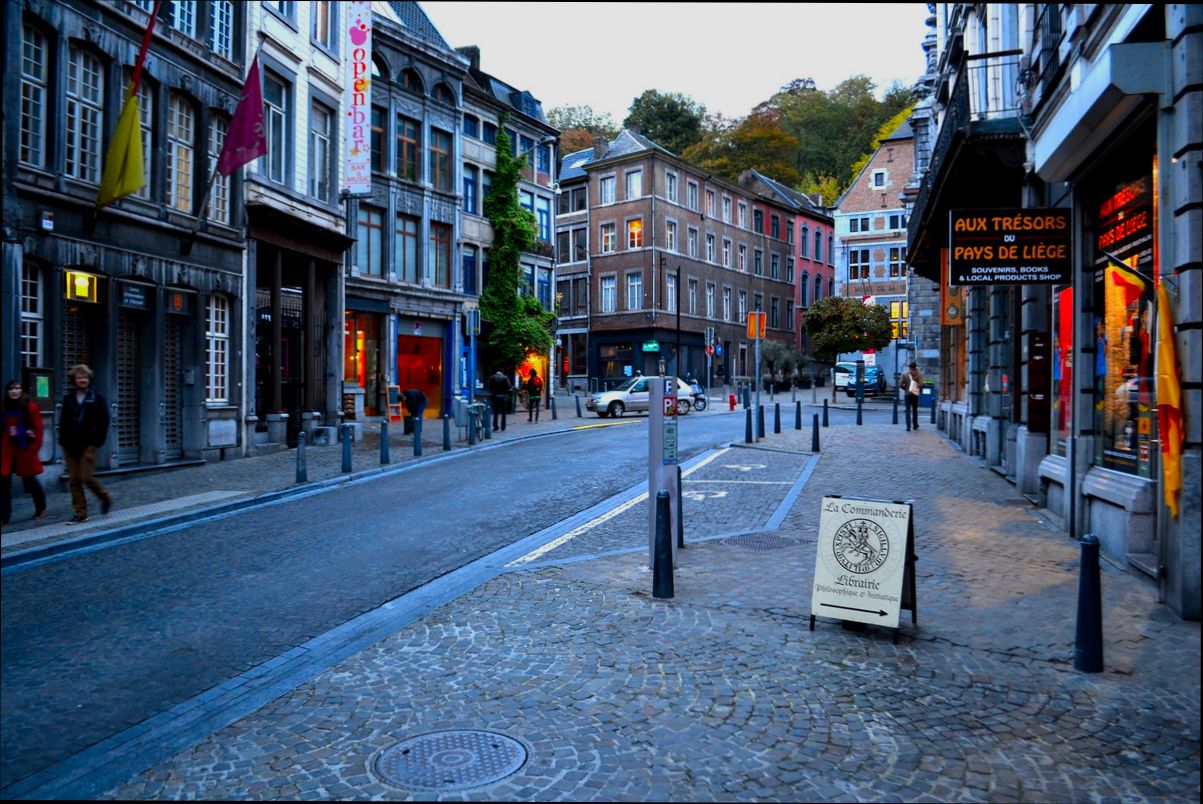
Pros and Cons of Living in Liège (Luik) can be a real eye-opener if you’re considering a move to this vibrant city. Nestled in the heart of Wallonia, Liège boasts a rich cultural scene, with its stunning architecture, lively arts, and delicious local cuisine that will have your taste buds dancing. With around 200,000 residents, it’s just the right size for those who want a sense of community but still crave the buzz of city life. Street markets like La Batte, held every Sunday along the Meuse River, offer fresh produce and handmade goodies that’ll make any foodie swoon.
On the flip side, living in Liège isn’t all sunshine and pastries. The job market can be a bit challenging, with unemployment hovering around 10%, which sometimes leaves locals feeling a bit frustrated. Plus, the public transport system, while decent, doesn’t always run on time, making your commute feel like a marathon instead of a sprint. And let’s not forget the weather—winters can be rainy and gray, which might leave you craving some of that sunshine you see in other parts of Europe. So, while Liège has plenty to offer, it also has its quirks that you’ll want to consider before making the leap.
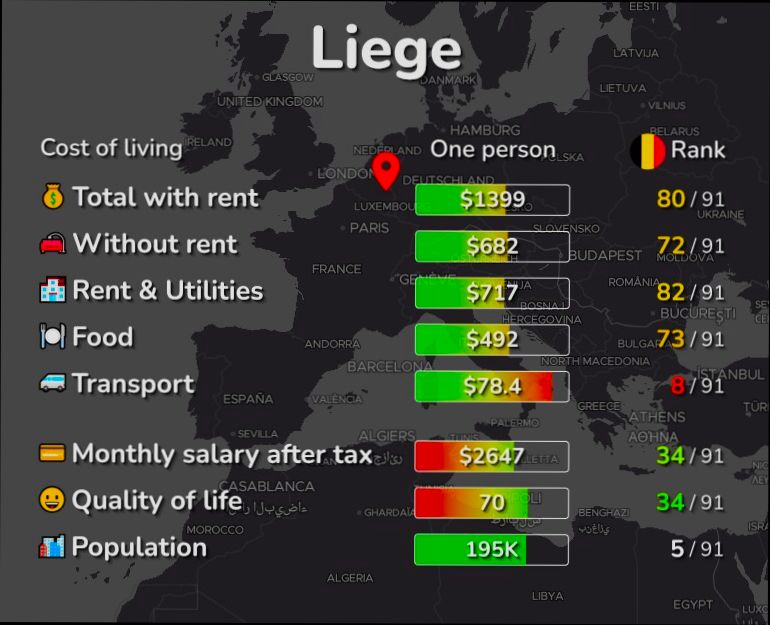
Cost of Living in Liège
Living in Liège can be an exciting adventure, but understanding the cost of living is essential for budgeting and planning your new life. In this section, we’ll dive into the key components shaping the expenses you might encounter while living in this vibrant Belgian city.
Key Cost Components
One of the most significant components affecting your monthly budget is housing. Here are some essential statistics to keep in mind:
- Rent: The average monthly rent for a one-bedroom apartment in Liège is around €650, which is relatively affordable compared to larger cities like Brussels, where prices can easily exceed €1,000.
- Utilities: Basic utility costs (electricity, heating, cooling, water, garbage) typically range from €150 to €200 per month, adding a manageable amount to your budget.
- Transportation: A monthly public transport pass costs about €50. Compared to other European cities, this is a reasonable price for getting around without needing a car.
Monthly Cost Overview
Here’s a breakdown of typical monthly costs you might expect when living in Liège:
| Expense Category | Monthly Cost (EUR) |
|---|---|
| Rent (1-bedroom) | 650 |
| Utilities | 150-200 |
| Groceries | 250 |
| Transportation (Public) | 50 |
| Internet | 40 |
Real-World Examples
Consider the story of a couple, Marie and Thomas. They moved from Brussels to Liège in search of a more affordable lifestyle. They found a charming one-bedroom apartment downtown for €600, which saved them €400 compared to their previous rent. Their monthly utility bills hovered around €180, and for groceries, they budgeted €250, enjoying the local markets to keep costs low.
Another example is Laura, a student, who utilizes the public transport system extensively. By purchasing a monthly pass, she efficiently navigates through her university and various part-time jobs without expending the added cost of owning a car, allowing her to allocate more money for leisure activities in the city.
Practical Implications
- Budgeting Ahead: If you’re considering moving to Liège, formulate a budget based on these costs. Include rent, utilities, groceries, transportation, and leisure to get a comprehensive view.
- Finding Deals: Explore local markets and shops to save on groceries since prices can vary widely. Embracing local cuisine can also lessen dining expenses.
- Explore Housing Options: Look into shared accommodations or student rentals to reduce your housing costs while meeting new people.
You might also want to check out local forums or social media groups for updated listings and potential roommates. Being proactive will help you adapt to life in Liège without stretching your finances too thin.
Cultural Diversity and Community Life
Living in Liège offers a vibrant tapestry of cultures, making it a dynamic place for anyone interested in community life. With a population that includes significant numbers of immigrants, you’ll encounter rich traditions, languages, and festivals that reflect the city’s diverse background.
Key Aspects of Cultural Diversity
- Multilingual Environment: Approximately 30% of Liège’s residents speak languages other than French, such as Dutch, German, and English. This multilingualism enriches daily interactions and community events.
- Cultural Festivals: Liège hosts over 50 cultural festivals throughout the year. Notable ones include the “Liège Jazz Festival,” showcasing international artists, and events celebrating various cultural heritages like the “Fête de la Wallonie.”
- Ethnic Communities: The city is home to multiple ethnic communities, including a large Moroccan and Turkish presence. This diversity fosters a rich culinary scene, ranging from traditional Belgian dishes to Mediterranean delicacies.
| Ethnic Community | Percentage of Population | Key Contributions |
|---|---|---|
| Moroccan | 13% | Cuisine, festivals, cultural events |
| Turkish | 8% | Restaurant scene, community centers |
| African diaspora | 10% | Art, music, and cultural exhibitions |
Real-World Examples
Local community organizations make a tangible impact by promoting inclusivity. For instance, the “Maison des Cultures” is a hub for multicultural activities, organizing language classes, and cultural workshops. Here, you might join a cooking class where you’ll learn how to prepare Moroccan tajine or Turkish kebabs.
Another compelling example is the “Festival of Cultures,” where diverse groups collaborate to share their stories, arts, and traditions. This annual event attracts thousands and offers a fantastic opportunity to meet neighbors and experience other cultures firsthand.
Practical Implications for Residents
- Networking Opportunities: Engaging with different cultural communities can help you build a network. Attend local workshops or festivals where you can meet people from various backgrounds.
- Culinary Exploration: Make use of the city’s diverse food scene by trying out different restaurants. You might find hidden gems that serve authentic dishes from around the world.
- Language Learning: Take advantage of the multilingual population. Joining language exchange programs can enhance your communication skills while helping you understand cultural nuances.
- Engage with Community Projects: Volunteering for local multicultural organizations is a great way to immerse yourself in the community while contributing positively.
As you explore the cultural landscape of Liège, remember that being open to new experiences and interactions will enrich your life significantly. You’ll find a blend of global cultures right at your doorstep, making every day an opportunity to learn and grow.
Public Transportation Options and Accessibility
Living in Liège offers a variety of public transportation options, which can significantly enhance your mobility and daily experience. Whether you’re commuting to work, exploring the city, or traveling further abroad, understanding the available transportation modes and their accessibility is crucial for any resident.
Diverse Public Transport Modes
Liège features a well-integrated public transportation system that includes:
- Train Services: The Liège-Guillemins railway station connects you to major cities in Belgium and neighboring countries. Approximately 19 million passengers used this station in the past year alone.
- Tram and Bus Services: The local tram and bus network, managed by TEC Liège-Verviers, comprises over 20 bus lines and several tram routes, ensuring that most parts of the city and surrounding areas are well serviced.
- Bicycle Sharing: If you enjoy cycling, the city’s bike-sharing program offers a convenient and eco-friendly option. You can find bike stations throughout the city, making short trips easier.
Accessibility Features
Liège is making strides to ensure public transportation is accessible for everyone, including individuals with disabilities. Key features include:
- Low-Floor Trams and Buses: Many vehicles are designed for ease of entry, featuring ramps and designated spaces for wheelchairs.
- Audio-Visual Announcements: Public transport systems provide real-time updates through speakers and screens, which assist deaf and hard-of-hearing passengers.
- Accessible Stations: Major stations like Liège-Guillemins offer lifts and tactile paths for visually impaired travelers.
Public Transportation Comparison
| Feature | Liège | Other Belgian Cities |
|---|---|---|
| Integrated Transportation | Yes | Varies by city |
| Train Stations Accessibility | High | Moderate to High |
| Bicycle Sharing Availability | Extensive | Limited in Smaller Cities |
| Ticketing Options | Mobile and Physical | Mostly Physical |
Real-World Examples
For instance, the Liège-Guillemins station not only serves as a transportation hub but also features a stunning architectural design that has won several awards. Its accessibility initiatives include universally designed waiting areas and a dedicated service desk for travelers requiring assistance.
Additionally, testimonials from residents highlight that public transport is not only efficient but also a vital part of their daily lives, making it easier to explore the city’s rich offerings without the hassle of parking or traffic.
Practical Implications for Daily Commuters
For those working in Liège, the ease of commuting is a significant advantage. You can use a monthly pass that typically covers both bus and train services, offering savings compared to purchasing individual tickets. Be sure to check for discounts for students or seniors, which are often available.
Actionable Advice
Consider downloading the TEC Liège app for the most accurate real-time scheduling information and alerts regarding service changes. Familiarize yourself with the local bike-sharing schedule to make your trips more enjoyable, especially during pleasant weather. Don’t hesitate to reach out to public transportation officials if you have accessibility needs or suggestions, as they are often eager to improve service for all users.
Work Opportunities and Economic Landscape
When considering a move to Liège, understanding its work opportunities and economic landscape is vital. This area offers a unique blend of challenges and prospects for job seekers and businesses alike.
Key Insights into the Economy
Liège has made strides in its economic transformation, but there are significant barriers impacting its growth:
- Business Transformation Challenges: Approximately 64% of employers in the region cite organizational culture and resistance to change as a major barrier to business transformation, surpassing the global average of 46%. This indicates a pressing need for businesses to embrace a more adaptable organizational structure.
- Talent Shortages: Talent shortages are recognized by 53% of companies as a critical barrier to transformation, highlighting the importance of investing in talent development and workforce planning to address current demands.
- Technology Adoption: More than 90% of employers in Liège identify artificial intelligence (AI) and robotics as essential to future business operations. This trend reflects a growing importance for job seekers to acquire skills in technology and automation to remain competitive.
Employment Data and Statistics
The following table summarizes important employment statistics in Liège, providing a snapshot of the job market:
| Metric | Value |
|---|---|
| Unemployment Rate | 8.5% |
| Average Monthly Salary | €2,500 |
| Percentage of Companies Adopting AI | 90% |
| Projected Growth in Tech Jobs | 16% by 2030 |
Real-World Examples
Several local organizations exemplify how the employment landscape is evolving:
1. TechStart Liège: This startup accelerator focuses on nurturing tech companies, offering resources and mentorship to help them innovate and grow. They play a pivotal role in connecting aspiring tech entrepreneurs with the training needed to succeed.
2. Liège Airport: Known as a logistics hub, Liège Airport is expanding its workforce due to increasing freight operations. They anticipate adding 1,200 jobs over the next few years, driven by a surge in e-commerce.
3. Local Universities: Institutions like the University of Liège are increasingly tailoring their curricula to respond to the tech industry’s needs, ensuring graduates are job-ready and equipped with the skills that local businesses require.
Practical Implications for Job Seekers
If you’re considering employment opportunities in Liège, keep these insights in mind:
- Focus on Skills Development: Prioritize acquiring skills in AI and robotics, as companies are actively seeking workers who can engage with new technologies.
- Networking is Key: Engage with local tech communities and attend events hosted by accelerators like TechStart to establish meaningful connections that can lead to job offers.
- Stay Informed: Keep track of industry trends, especially in logistics and tech, as these sectors show substantial growth potential.
- Embrace Change: Being adaptable and open to continuous learning will be essential. Organizations are looking for candidates who can navigate and thrive amidst change.
By understanding these dynamics, you can strategically position yourself in the Liège job market and leverage the economic landscape for your career growth.
Statistical Insights on Liège Living
Understanding the statistical landscape of living in Liège provides valuable insights that can shape your experience in the city. From demographic trends to quality of life indicators, these statistics can give you a clearer picture of what to expect.
Demographic Overview
Liège is home to approximately 197,000 residents, contributing to its lively urban environment. The population density is about 2,440 people per square kilometer, which can offer both the excitement of city life and the challenges that come with it.
- Age Distribution:
- Approximately 25% of the population is aged between 20 and 39, indicating a youthful demographic that contributes to the vibrancy of local culture and social life.
- The older generation (over 65 years) constitutes around 18%, which reflects the need for services catered to an ageing population.
Quality of Life Indicators
Liège combines various elements that influence the quality of life for its residents, including education, health services, and safety.
- Educational Attainment:
- About 42% of residents over 25 have completed higher education, aligning closely with the national average. This level of education can have significant implications for employment opportunities and local workforce skills.
- Healthcare Accessibility:
- The city maintains a healthcare accessibility score of 7.8 out of 10, indicating good availability of medical facilities. Residents typically have access to both public and private healthcare options, which can enhance their overall well-being.
Comparative Statistical Table
| Aspect | Liège | National Average |
|---|---|---|
| Population Density | 2,440 people/km² | 374 people/km² |
| Higher Education Rate | 42% | 42% |
| Age Group 20-39 | 25% | 27% |
| Healthcare Score | 7.8/10 | 7.5/10 |
Real-World Examples
Consider the educational initiatives available, such as the University of Liège, which not only hosts a sizeable student population but also contributes significantly to local innovation and research. The presence of a strong university community can enhance the cultural and social life of the city.
In terms of safety, statistics show a crime rate that has been steadily decreasing over the past five years, providing residents with a more secure living environment. The city has implemented community policing strategies that directly engage residents, resulting in a 15% drop in reports of petty crimes.
Practical Implications for Residents
When you think about moving to or living in Liège, it’s crucial to consider these statistical insights. They can influence decisions regarding employment, education choices, and even social activities you might want to engage in.
- Stay Informed on Local Services: Understanding the healthcare accessibility can help you choose the right plan for your needs.
- Engage with the Student Community: If you’re looking for vibrant social interactions, connecting with the student population can enhance your experience.
- Utilize Educational Opportunities: With a strong emphasis on higher education, pursuing further studies or professional development in Liège can open doors in your career.
Liège, with its youthful population, educational institutions, and healthcare accessibility, provides a rich backdrop for living well and embracing new experiences.
Educational Institutions and Resources
When moving to a new city, understanding the educational landscape is crucial, whether you’re a student, parent, or lifelong learner. In Liège, you’ll find a rich offering of educational institutions ranging from primary schools to higher education, making it a supportive environment for academic pursuits.
Quality of Education
Liège boasts a mix of public and private educational institutions, providing diverse options for families. The city is home to several higher education institutions, including:
- University of Liège (ULiège): One of Belgium’s largest universities, ULiège offers a broad range of programs and has nearly 23,000 enrolled students.
- Haute École de la Province de Liège: This school offers a variety of professional and vocational degrees, catering to around 8,000 students.
- École supérieure polytechnique de Liège: Known for its engineering and technology programs, it attracts a significant number of both national and international students.
Comparative Infrastructure
The infrastructure supporting education is notable, with various resources available:
| Institution Type | Number of Institutions | Average Enrollment |
|---|---|---|
| Universities | 4 | 31,000 |
| High Schools (Public and Private) | 20 | 12,000 |
| Vocational Training Centers | 10 | 4,500 |
This table illustrates the extensive educational framework in Liège, showcasing a vital academic ecosystem.
Focus on Multilingual Education
Liège places a strong emphasis on multilingual education, influenced by its demographic diversity. Many institutions offer programs in French, Dutch, and English to accommodate both local and expatriate students. This approach enhances students’ employability in an increasingly globalized job market.
Real-World Examples
One prominent example of educational resource utilization is the collaboration between local schools and community organizations to provide extracurricular programs. For instance, Liège’s initiative to foster science education in schools has received support from local universities, allowing students access to state-of-the-art laboratories and research opportunities.
Practical Resources for Students and Parents
As a resident in Liège, you’ll find various educational resources:
- Public Libraries: The Liège City Library offers a wealth of educational materials, workshops, and discussion groups for all ages.
- Tutoring Services: Numerous private tutoring services cater to students needing extra help, with a focus on languages and STEM subjects.
Leverage these resources to enhance your educational journey in Liège and ensure your academic goals are met.
Actionable Insights
- Visit the University of Liège’s open days to better understand program offerings and campus life.
- Engage in local educational events and workshops hosted by community organizations to expand your network.
- Explore bilingual school options if you have children, helping them adapt to the multicultural environment while learning multiple languages.
Prospects for Outdoor Activities and Leisure
Living in Liège presents numerous opportunities for outdoor activities and leisure that can greatly enhance your lifestyle. With its picturesque scenery and vibrant green spaces, you’ll find yourself drawn to the great outdoors as a way to relax and recharge.
Key Outdoor Opportunities
- Parks and Green Spaces: Liège is dotted with beautiful parks, such as Parc de la Boverie and Parc de la Sauvenière, providing tranquil spots for picnics, jogging, and casual strolls. Given that around 30% of the city’s area is dedicated to parks and recreational spaces, you’ll have plenty of room to explore.
- Nearby Natural Escapes: The region surrounding Liège also offers stunning landscapes for hiking and cycling enthusiasts. The Ardennes mountains, located roughly an hour’s drive away, are a favorite among locals seeking adventure. Opportunities for various outdoor sports, including mountain biking and kayaking, abound in these lush surroundings.
Outdoor Activities Table
| Activity | Description | Popular Locations |
|---|---|---|
| Hiking | Explore scenic trails in and around the city | Ardennes, Parc de la Boverie |
| Cycling | Enjoy leisurely rides or challenging courses | Meuse River route |
| Picnicking | Relax in nature with friends and family | Parc de la Boverie |
| Water Sports | Engage in kayaking and fishing in local waters | Meuse River |
| Sports Facilities | Access to numerous sports complexes for various activities | La Basse-Meuse |
Real-World Examples
In recent years, Liège has invested in upgrading its outdoor facilities, including the creation of new biking paths along the Meuse River. This initiative, which saw an increase of 20% in cycling traffic since its completion, caters to both casual riders and serious cyclists. Additionally, the annual “Liège Open Air” festival draws residents and visitors alike, showcasing local talent in beautiful natural settings, and providing a platform for outdoor leisure activities.
Practical Implications
If you’re considering living in Liège, take advantage of local resources that promote outdoor activities. The city’s website offers information on recreational programs, clubs, and guides to nature trails, making it easy for newcomers to get involved. Joining a local sports team or outdoor club can be a fantastic way to meet people and immerse yourself in the community.
Participation in outdoor activities not only improves physical health but can also positively impact mental well-being. Engaging with nature has been shown to reduce stress and enhance happiness levels. With approximately 70% of residents expressing a preference for outdoor leisure activities, you’ll be in good company.
By integrating outdoor activities into your routine, you can take full advantage of what Liège has to offer, enriching your daily life with fresh air, exercise, and a sense of community.