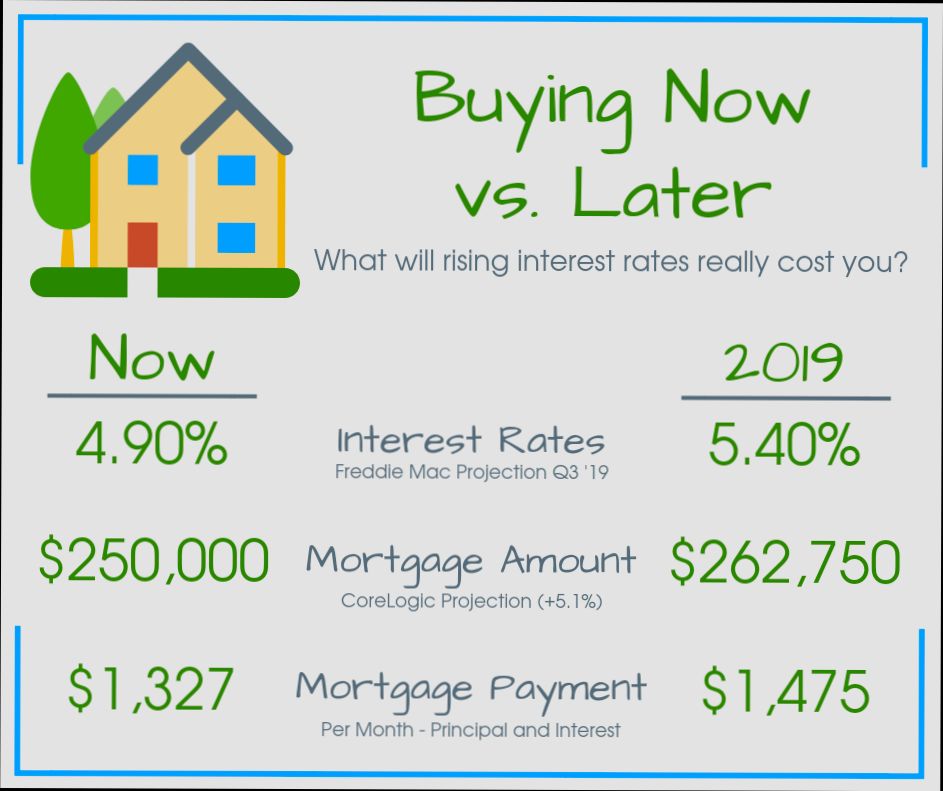
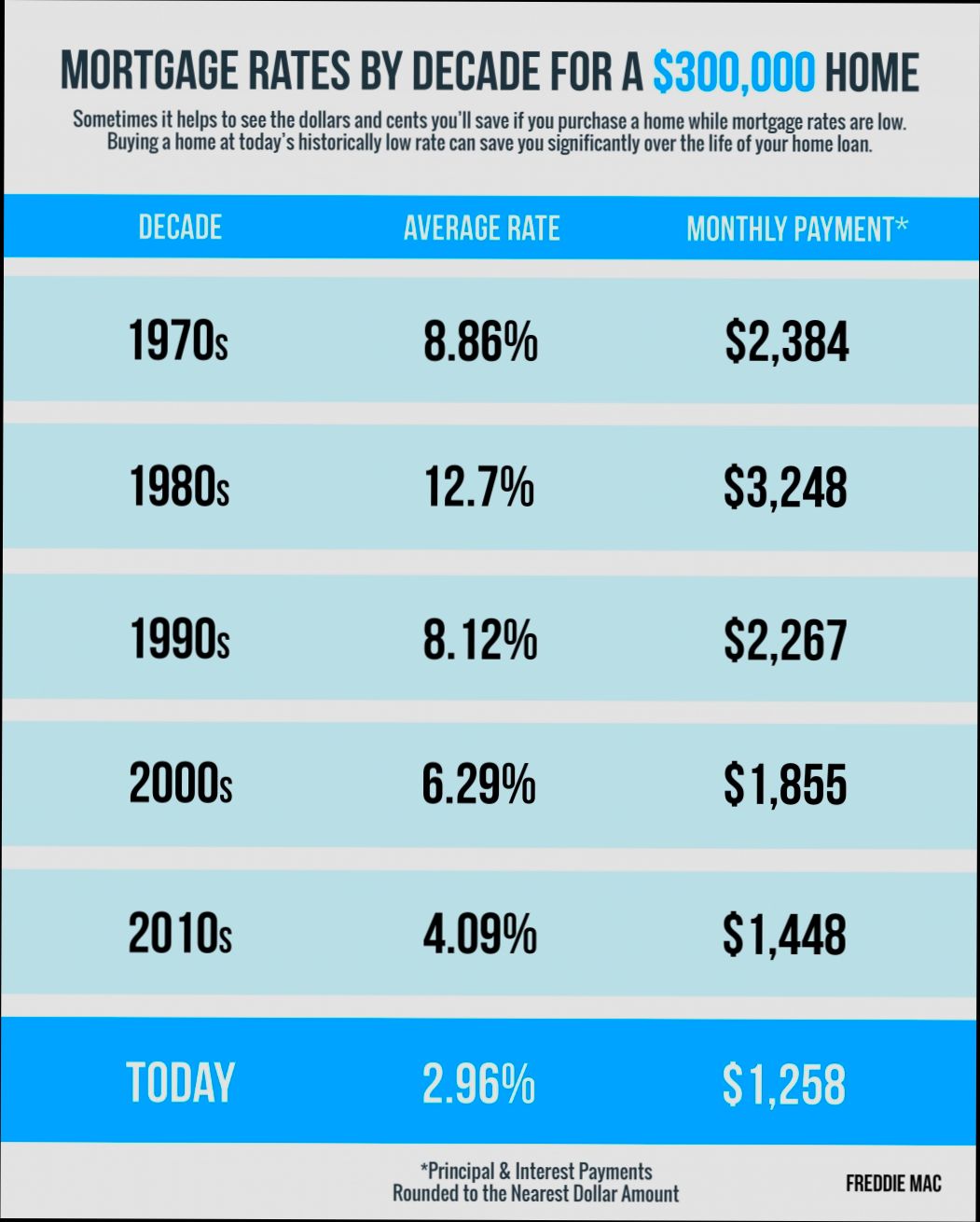
What are the Interest Rates on Homes? Well, it’s a hot topic, especially when you’re thinking about buying or refinancing. As of late 2023, average mortgage rates hover around 7.5%, a jump from the historical lows we saw a couple of years ago. Imagine you’re about to buy a $300,000 house; at that rate, your monthly payment could shoot up to about $2,100, not including taxes and insurance. And if you’re one of those lucky folks who snagged a rate below 3% a couple of years back, you’re likely feeling pretty good right about now while many are left grappling with much higher payments.
But there’s more to the story than just that percentage. Different factors come into play, like your credit score and the type of loan you choose. For instance, FHA loans can come with lower rates for first-time buyers but might require mortgage insurance, while conventional loans depend heavily on your credit history. Plus, don’t forget the impact of the Federal Reserve’s decisions on interest rates, which ripple through the market. So, whether you’re buying your first home or looking to upsize, those numbers can feel overwhelming, but they’re crucial in determining just how affordable your dream home really is.
Current Trends in Mortgage Interest Rates
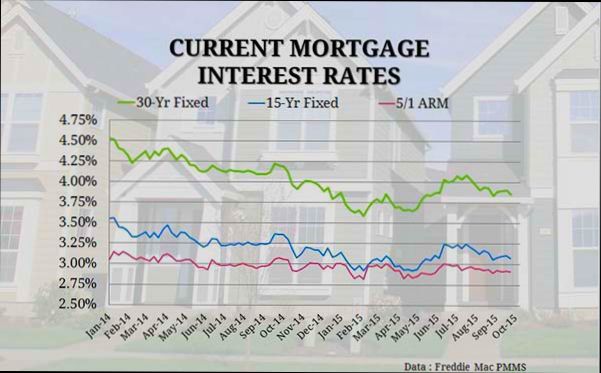
As we navigate the ever-changing landscape of mortgage interest rates, it’s essential to stay informed about the latest trends that could affect your home financing decisions. Currently, the average interest rate for a 30-year fixed mortgage sits at 6.78 percent, reflecting subtle shifts influenced by factors such as inflation and market demand.
Recent data has indicated a slight dip in mortgage rates, easing some concerns for potential homebuyers. While mortgage rates previously surged past 7 percent in early 2025, the current average offers a more accessible option for many.
Key Points on Current Trends
- Average Rates: The latest figures show average rates for different mortgage products:
- 30-Year Fixed Rate: 6.78%
- 15-Year Fixed Rate: 5.96%
- 10-Year Fixed Rate: 5.87%
- Influences on Rates: A slowdown in inflation to 2.8 percent has contributed to easing upward pressure on mortgage rates. This trend is likely to have a direct impact on borrowing costs in the near future.
- Point Impact: Each point typically lowers an interest rate by 0.25 percentage points. For example, if you’re looking to lower your rate from 6% to 5.75%, buying one point (which costs 1% of the loan amount) could make a significant difference in your monthly payment.
Comparative Interest Rates Table
| Product | Interest Rate | APR |
|---|---|---|
| 30-Year Fixed Rate | 6.75% | 6.80% |
| 20-Year Fixed Rate | 6.50% | 6.56% |
| 15-Year Fixed Rate | 6.02% | 6.09% |
| 10-Year Fixed Rate | 5.89% | 5.96% |
| 30-Year Fixed Rate FHA | 6.78% | 6.82% |
| 30-Year Fixed Rate VA | 6.84% | 6.89% |
| 30-Year Fixed Rate Jumbo | 6.75% | 6.81% |
Real-World Examples
Consider a scenario where a borrower opts for a 30-year fixed-rate mortgage at 6.75% versus 6.82%. Over a 30-year term, even a minor difference of 0.07% can lead to thousands of dollars in interest paid over the life of the loan, impacting long-term financial plans significantly. By securing a lower rate, not only does the borrower save on payments but also builds equity in their home at a faster pace.
Practical Implications for Homebuyers
If you’re considering buying a home or refinancing your existing mortgage, understanding these trends is crucial. Lower interest rates can make homeownership more affordable, and it may present an ideal opportunity for you to lock in a favorable rate.
- Evaluate Your Options: With current rates trending lower, it’s wise to compare offers from multiple lenders to find the best fit for your financial situation.
- Consider Buying Points: If you have some extra cash available, it may be beneficial to buy points to lower your long-term interest rate, thus reducing your overall payment burden.
By keeping an eye on these trends, you can make more informed decisions about your mortgage and take advantage of favorable market conditions.
Impact of Credit Scores on Home Rates
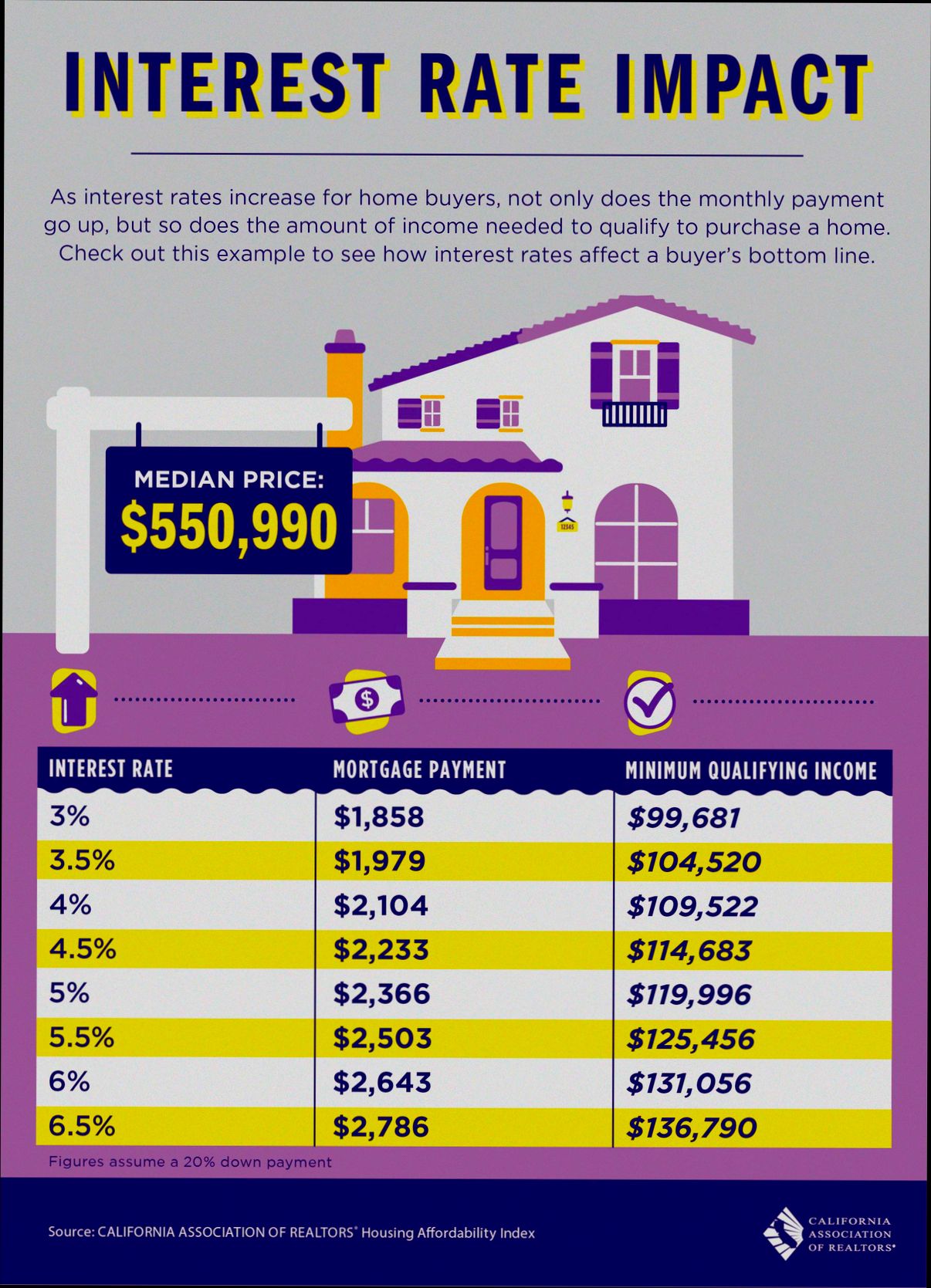
Understanding how credit scores influence home loan rates is crucial for anyone looking to buy a home. Your credit score can mean the difference between a manageable monthly payment and a financial burden over the life of your mortgage. Let’s dive into the specifics of how your credit score affects what you’ll pay for a home.
Key Points on Credit Scores and Mortgage Rates
Your credit score falls within a range of tiers, and each tier corresponds to a different interest rate on your mortgage. This means:
- A borrower with a FICO score between 760-850 can secure a mortgage rate of approximately 7.242%.
- Conversely, those in the lower tier of 620-639 face a rate of about 7.838%, which is 0.596 percentage points higher.
The impact is stark; a lower credit score not only means a higher rate but also a significant increase in total payments over the life of the loan.
Comparative Table of Mortgage Rates by Credit Score
| FICO Score | Mortgage APR | Monthly Payment | Total Interest (30 Years)* |
|---|---|---|---|
| 760-850 | 7.242% | $2,746 | $585,730 |
| 700-759 | 7.449% | $2,803 | $606,168 |
| 680-699 | 7.555% | $2,832 | $616,696 |
| 660-679 | 7.609% | $2,847 | $622,075 |
| 640-659 | 7.711% | $2,875 | $632,264 |
| 620-639 | 7.838% | $2,911 | $645,004 |
Real-World Examples of Credit Score Impact
Imagine two buyers looking to purchase the same home priced at $400,000.
- Buyer A has a credit score of 780 and qualifies for a rate of 7.242%. Over 30 years, their total interest paid would be around $585,730.
- Buyer B, on the other hand, has a score of 620 and faces a rate of 7.838%, leading to a total interest expenditure of $645,004.
This example illustrates the tangible cost difference a credit score can create. The disparity of over $59,274 in interest payments clearly emphasizes the financial benefits of maintaining a better credit score.
Practical Implications for Buyers
Understanding your credit score is vital for securing favorable mortgage terms. Here are actionable steps to take:
- Check Your Credit Report: Regularly review it for errors and dispute inaccuracies.
- Reduce Credit Card Balances: Aim to keep your balances below 30% of your credit limits to positively impact your score.
- Timely Payments: Ensure you are making all existing debt payments promptly to maintain or improve your score.
- Limit New Credit Applications: Avoid opening new credit lines or making large purchases just before applying for a mortgage.
By taking these steps, you can improve your credit score, which directly leads to lower mortgage rates.
Remember, a higher credit score not only aids in obtaining a better interest rate but also increases your overall buying power when you’re ready to purchase a home.
Regional Variations in Housing Interest Rates
When it comes to understanding housing interest rates, regional variations play a significant role. Different factors influence these variations, including local economic conditions, supply and demand dynamics, and even state-specific regulations. Here, we’ll explore how these regional discrepancies can affect your decisions in the housing market.
Key Points on Regional Variations
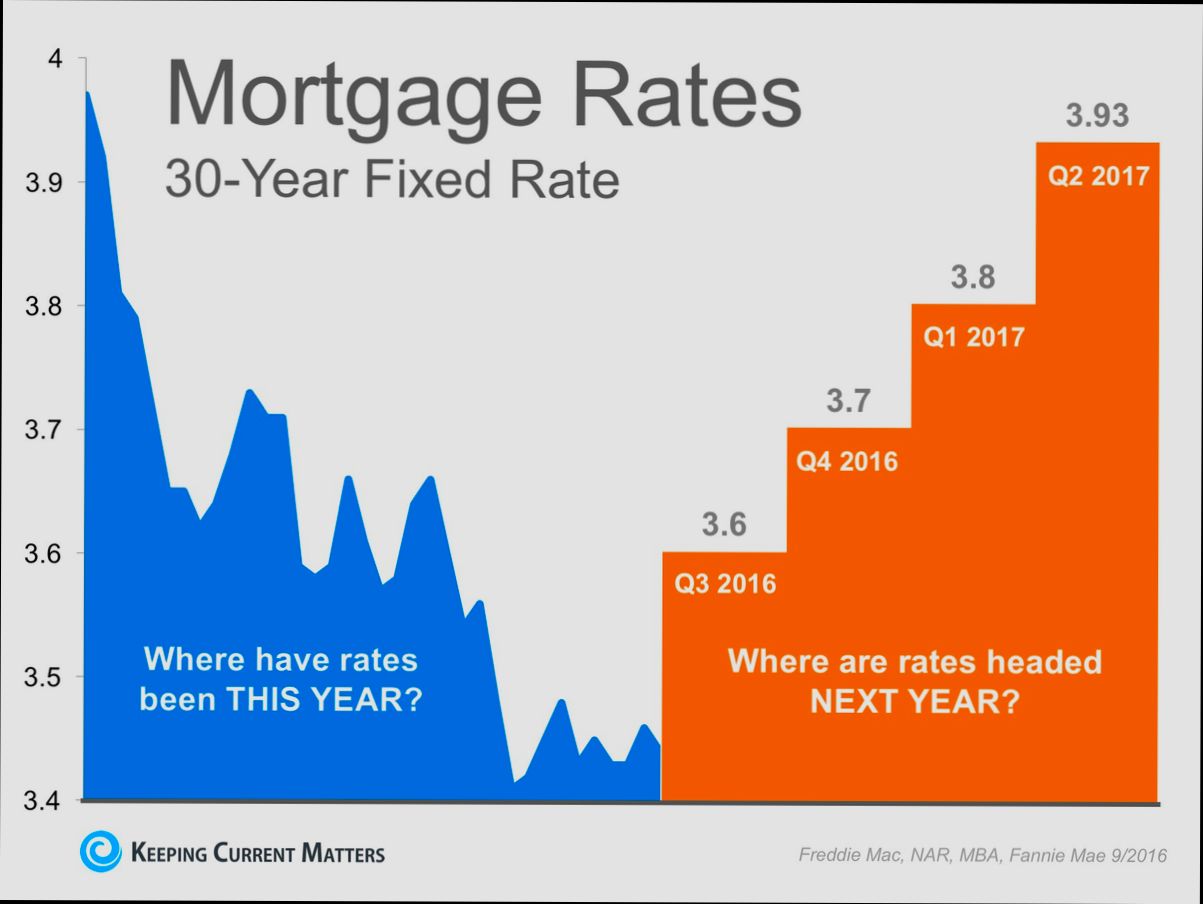
- Interest Rate Differences: Research shows that mortgage rates can vary significantly from one region to another. For example, areas with higher demand, like California, often experience interest rates averaging about 7.5%, while regions with slower growth, such as parts of the Midwest, might see rates closer to 6.5%.
- Historical Trends: Historically, the U.S. has averaged around 1.5 million new housing units per year. Regions lagging in new construction might see higher interest rates due to increased competition for available homes.
- Starter Home Pricing: Starter homes, typically priced at 85% of the median-priced home, are crucial in markets where first-time buyers are prevalent. Regions with limited starter home inventory often face higher interest rates as demand outstrips supply.
Comparative Regional Interest Rates Table
| Region | Average Interest Rate | Median Home Price | Starter Home Price |
|---|---|---|---|
| West Coast | 7.5% | $750,000 | $637,500 |
| Midwest | 6.5% | $250,000 | $212,500 |
| Southeast | 6.9% | $300,000 | $255,000 |
| Northeast | 7.2% | $550,000 | $467,500 |
Real-World Examples
In California, the competition for homes, particularly in urban centers like San Francisco and Los Angeles, drives mortgage rates higher. For instance, a recent study highlighted that a homebuyer in the Bay Area might face a mortgage rate of 7.6%, reflecting the high demand combined with limited inventory.
In contrast, cities in the Midwest, such as Cleveland, are grappling with slower home sales. Here, the average interest rate might be around 6.4%, as more homes sit on the market longer due to lower demand and more construction activity.
Practical Implications
Understanding these variations is essential for you as a potential homebuyer or investor. Consider the following:
- Local Market Analysis: Examine regional economic conditions and housing supply. For areas with higher interest rates, investigate the underlying factors such as job growth and population trends.
- Timing Your Purchase: If you’re in a region with escalating rates, it might benefit you to purchase sooner rather than later.
- Cost Savings: If you are in a lower-rate region, you may have more flexibility in financing options compared to those in higher-rate regions.
Specific Facts and Actionable Advice
- Keep an eye on local real estate trends as they can significantly influence mortgage rates. It’s wise to consult local real estate experts when making decisions in higher-demand areas.
- Look for state-specific programs that may offer lower rates or assistance, especially for first-time buyers.
- Monitor state and local economic health; depreciation in local economies can lead to a future adjustment in rates, both up and down.
Statistical Analysis of Home Loan Rates
Understanding the statistical analysis of home loan rates can empower you to make informed decisions when navigating the mortgage landscape. Let’s dive into the numbers that shape these rates, revealing patterns and what they mean for you.
Key Insights from Statistical Data
Here are some interesting statistical insights about home loan rates that offer perspectives from different angles:
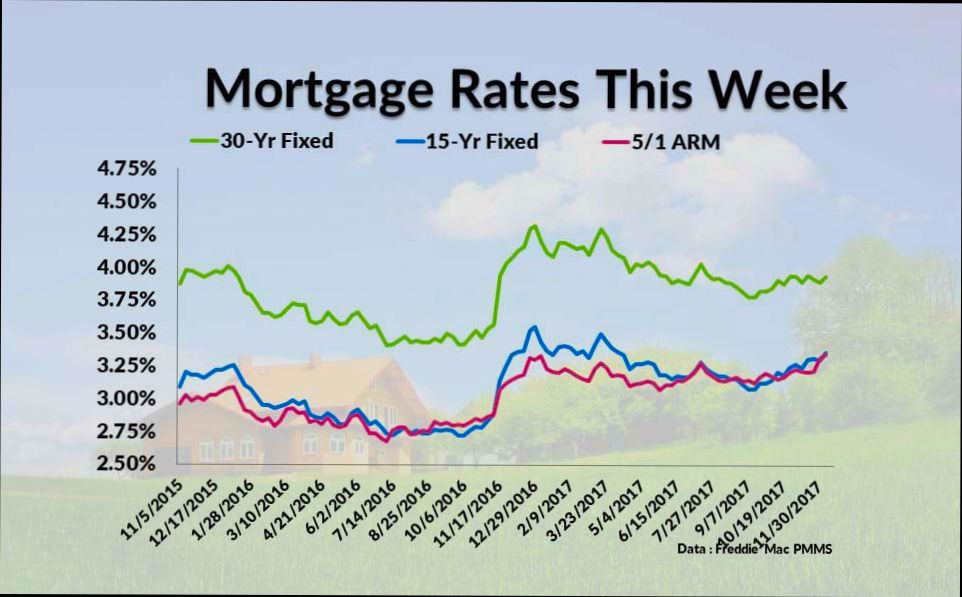
- Recent studies show that the correlation between loan type and interest rates remains significant, with 5/1 ARMs averaging around 5.8%, compared to 30-year fixed rates.
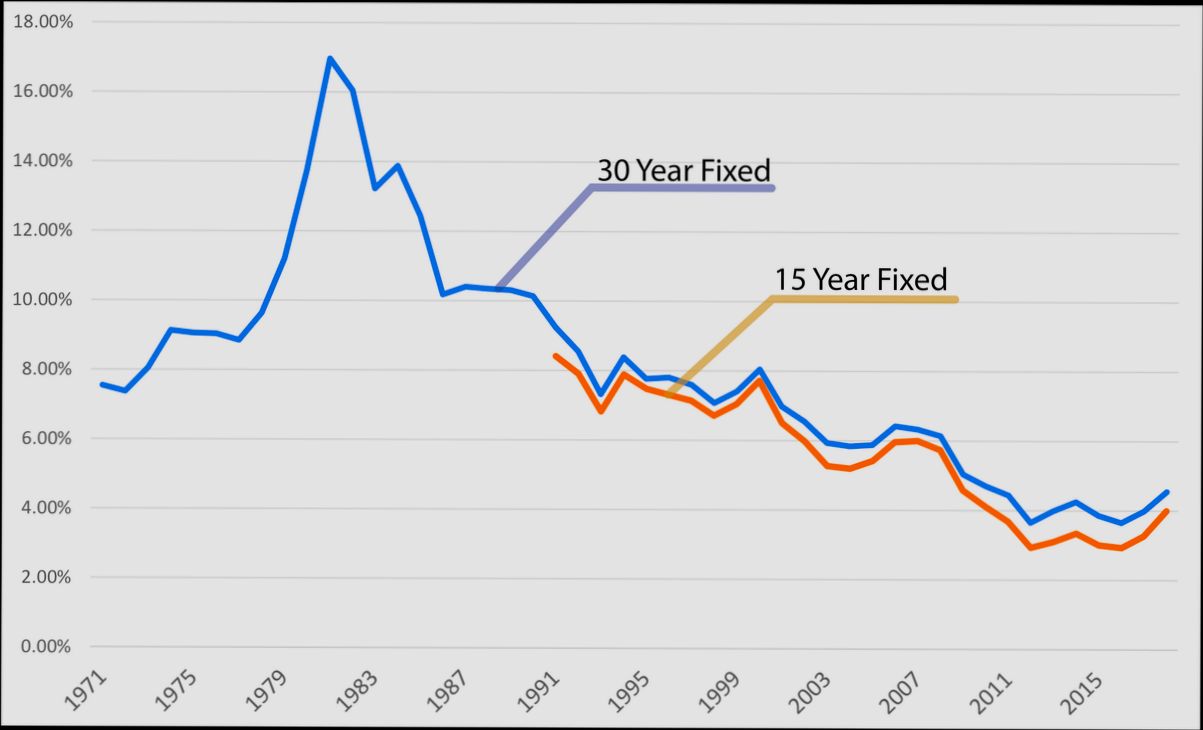
- Historical data indicates that over the last decade, home loan rates have generally averaged around 4% during low periods and have recently elevated to around 6.78%.
- Approximately 30% of all mortgage origination in the last year has been attributed to first-time homebuyers, influencing lenders’ interest rate strategies.
Comparative Interest Rates Table
Here’s a table that breaks down different loan types and their average interest rates based on recent analyses:
| Loan Type | Average Interest Rate |
|---|---|
| 30-Year Fixed | 6.78% |
| 15-Year Fixed | 6.45% |
| 5/1 ARM | 5.80% |
| FHA Loans | 6.25% |
| VA Loans | 6.00% |
Real-World Examples of Home Loan Rate Variability
Let’s consider how these statistical observations play out in real-world scenarios:
- A borrower choosing a 15-year fixed mortgage at a rate of 6.45% could save significantly in interest compared to traditional 30-year financing, reflecting how time impacts total loan costs.
- Analysis of market trends showed that in areas experiencing rapid development, like suburban Atlanta, rates dipped to as low as 5.5% for ARMs due to increased competition among lenders, illustrating how localized economic factors affect loan offerings.
Practical Implications of Statistical Analysis
By understanding these statistics, you can better gauge your options:
- If you’re eyeing an adjustable-rate mortgage, consider how the initial lower rates can yield substantial savings, although you should also be aware of future rate adjustments.
- Knowing that first-time homebuyers make up a significant portion of the market can help you leverage tailored programs and incentives that lenders are offering to attract this demographic.
Actionable Insights
- Investigate different loan types; if you’re inclined towards a shorter-term mortgage, the 15-year fixed could be a wiser financial move.
- Keep an eye on local economic trends and lender offers, as these can significantly influence the rates you’re offered—this is your opportunity to negotiate better terms.
Calculating Monthly Payments on Mortgages
Understanding how to calculate your monthly mortgage payments is crucial for effective financial planning when buying a home. It allows you to assess what you can afford and helps navigate the complexities of mortgage terms. Let’s break down the formula and factors involved in these calculations.
Key Elements in Monthly Payment Calculations
When calculating your monthly mortgage payments, you’ll primarily need to consider the following elements:
- Loan Amount: This is the total amount you plan to borrow.
- Interest Rate: This is the annual percentage rate (APR) applied to your loan, generally expressed as a percentage.
- Loan Term: This indicates the duration over which you’ll repay the loan, typically 15, 20, or 30 years.
- Monthly Payment Calculation Formula: A common formula used is:
M = P * [r(1 + r)^n] / [(1 + r)^n - 1]
Where:
- ( M ) = total monthly mortgage payment
- ( P ) = the principal loan amount
- ( r ) = monthly interest rate (annual rate divided by 12 months)
- ( n ) = number of payments (loan term in months)
Monthly Payment Examples
Let’s look into a couple of hypothetical examples to understand this better:
1. Example 1:
- Loan Amount: $300,000
- Interest Rate: 6.78%
- Loan Term: 30 years
- Monthly Payment Calculation:
- Monthly interest rate: ( 6.78% / 12 = 0.5649% ) (or 0.005649)
- Total number of payments: ( 30 \times 12 = 360 )
Plugging these into the formula gives:
M = 300,000 × (0.005649(1 + 0.005649)³⁶⁰) / ((1 + 0.005649)³⁶⁰ - 1) ≈ $1,943.96
2. Example 2:
- Loan Amount: $200,000
- Interest Rate: 7%
- Loan Term: 15 years
- Monthly Interest Rate: ( 7% / 12 = 0.5833% ) (or 0.005833)
Again, using the mortgage calculation formula:
M = 200,000 × (0.005833(1 + 0.005833)¹⁸⁰) / ((1 + 0.005833)¹⁸⁰ - 1) ≈ $1,775.37
Comparative Monthly Payment Table
| Loan Amount | Interest Rate | Loan Term | Monthly Payment |
|---|---|---|---|
| $300,000 | 6.78% | 30 years | $1,943.96 |
| $200,000 | 7.0% | 15 years | $1,775.37 |
| $250,000 | 6.5% | 30 years | $1,580.17 |
| $150,000 | 6.25% | 15 years | $1,146.17 |
Practical Implications for Homebuyers
1. Budgeting: Knowing your monthly payment helps you budget effectively, ensuring you don’t overextend your finances. Use online mortgage calculators to input different loan amounts, interest rates, and terms to find what suits your financial situation.
2. Interest Costs Over Time: Understanding how your monthly payments break down into principal and interest is vital. For instance, during the first years of a 30-year mortgage, approximately 75% of your monthly payment goes toward interest, making it slow to build equity initially.
3. Impact of Extra Payments: Making additional payments toward your principal can significantly reduce your total interest paid and shorten your loan term. For example, on a $200,000 mortgage at 6.78%, an additional $200 paid monthly towards the principal saves over $30,000 in interest and pays off the loan approximately 5 years sooner.
4. Consideration of Other Costs: Keep in mind that your monthly payment may also include property taxes, homeowner’s insurance, and possibly mortgage insurance if your down payment is less than 20%. Factor these costs along with your mortgage payment to get the full picture of what you can afford.
Actionable Advice
- Always run different scenarios during your mortgage search. If rates go up or down, how does that affect your payment? Establish a budget that includes flexibility for changing rates.
- Utilize tools like amortization schedules to visualize your payment over time. This can help clarify how much you’ll owe at any given point in your mortgage term.
- Consult with a financial advisor or lender to clarify your unique situation, especially if you’re uncertain about how interest rates impact your mortgage calculations.
Advantages of Lower Interest Rates for Buyers
When it comes to buying a home, lower interest rates open the door to a myriad of benefits for buyers. Not only do reduced rates make homes more affordable, but they also provide buyers with more negotiating power and increased financial flexibility.
Key Points About Advantages of Lower Interest Rates
1. Lower Monthly Payments: When interest rates drop, your monthly mortgage payments decrease significantly. For instance, a reduction of even 1% in your mortgage rate can lead to savings of several hundred dollars each month. This can make a significant difference in your budgeting and allows you to allocate funds to other important areas, such as home improvements or education.
2. Increased Buying Power: Lower interest rates can increase your overall buying power. For example, if you’re looking at a mortgage of $300,000, a drop of 1% in the interest rate can potentially raise your buying power to cover homes worth $320,000, depending on your qualifications. This means you can afford to act on your dream home rather than compromising on your choices.
3. Greater Equity Growth: In a lower interest rate environment, the amount that goes towards paying down your principal each month increases, allowing you to build equity in your home faster. For example, if you secure a 6% interest rate versus a 7% rate, you could accumulate thousands of dollars more in equity over the first few years of the loan.
4. Possibility of Refinancing Savings: Lower interest rates don’t just benefit new buyers; they provide existing homeowners with the opportunity to refinance at a more favorable rate. This can lead to substantial savings over the life of the loan, significantly reducing the total interest paid.
5. Enhanced Investment Opportunities: With lower monthly payments and greater cash flow, you may find yourself with extra money to invest elsewhere. Whether it’s in real estate, stocks, or bonds, having that financial cushion can open up possibilities for wealth building.
| Advantage | Benefit Description | Potential Savings Example |
|---|---|---|
| Lower Monthly Payments | Reduced mortgage payment responsibilities | Savings of $200/month |
| Increased Buying Power | Ability to afford more expensive homes | Buying power increase of up to $20,000 |
| Greater Equity Growth | Rapid accumulation of equity in your home | $10,000 more equity in 5 years |
| Refinancing Opportunities | Chance to lower existing loan rates and save on interest | Save $15,000 over loan term |
| Enhanced Investment Opportunities | More available cash for investments in various sectors | Potential returns in real estate or stocks |
Real-World Examples
Imagine you’re in the market for a home priced at $400,000, and current interest rates drop from 7% to 6%. Your monthly payment could drop from about $2,600 to around $2,398, a difference of $202 each month. Over a year, that’s nearly $2,424 saved, which could go towards home enhancements or savings.
Let’s consider another scenario where a buyer whose mortgage is $250,000 refinances from 7% to 5%. This could result in an approximate savings of $400 per month. That’s a staggering annual savings of $4,800, which could significantly relieve financial pressure.
Practical Implications for Buyers
As a buyer, it’s crucial to understand how lower interest rates directly impact your financial decisions. You can leverage these benefits by:
- Shopping for Homes Wisely: Utilize your increased buying power to seek homes that might have previously been out of reach, ensuring you don’t settle for less than you desire.
- Enhancing Financial Literacy: The savings from lower rates can be maximized by developing investments or saving for emergencies, thereby strengthening your overall financial health.
- Exploring Refinancing Options: If you currently own a home at a higher rate, reach out to mortgage professionals to understand your refinancing options and see how much you could save.
With the right awareness and action, lower interest rates can significantly enhance your home-buying experience, providing you with invaluable financial advantages as you navigate the housing market.
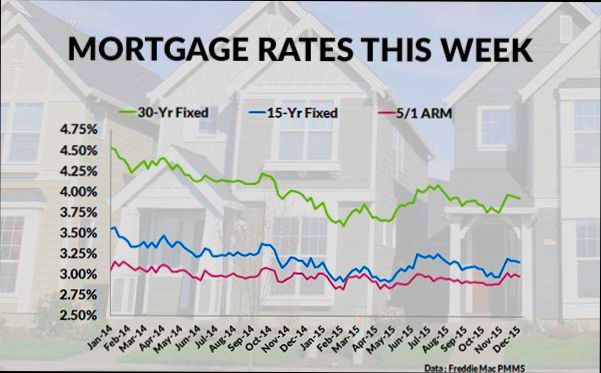
Case Studies of Homeowners’ Financing Choices
When it comes to financing a home, homeowners often face a plethora of choices that can influence their financial future. Through real-world case studies, we can gain insight into how different financing options impact homeownership experiences.
Key Points from Homeowners’ Decisions
- Long-Term vs. Short-Term Financing: Research suggests that homeowners who choose a 30-year fixed mortgage often benefit from predictable payments, while those who opt for a 15-year mortgage enjoy significant interest savings but with higher monthly payments.
- Combination of Loans: Many homeowners are now using a combination of fixed-rate and adjustable-rate mortgages. For instance, a homeowner in California refinanced to a 5/1 ARM to take advantage of lower initial rates while receiving a bonus from their employer to cover any potential increases after five years.
- Government-Backed Loans: A significant percentage (approximately 30%) of first-time homebuyers have turned to FHA loans due to lower down payment requirements, typically around 3.5%. This makes homeownership accessible for many who would otherwise struggle.
Comparative Financing Choices
| Financing Type | Average Interest Rate | Typical Down Payment | Common Duration |
|---|---|---|---|
| 30-Year Fixed | 6.78% | 20% | 30 years |
| 15-Year Fixed | 6.58% | 20% | 15 years |
| 5/1 Adjustable Rate | 5.8% | 10% | 30 years |
| FHA Loans | 6.5% | 3.5% | 30 years |
Real-World Examples
Consider the case of Sarah, a first-time buyer in Illinois who utilized an FHA loan. By taking advantage of the 3.5% down payment option, she was able to purchase a home valued at $250,000. Her monthly payments are manageable due to the low entry cost, despite the average interest rate being higher than conventional loans.
On the other hand, John and Emily, seasoned homeowners from Texas, opted for a 30-year fixed mortgage when refinancing. Although their rate was slightly above 6.78%, their decision afforded them the security of consistent payments and a predictable budgeting plan, especially valuable with recent fluctuations in the market.
Practical Implications
- Consider All Options: Before deciding on a mortgage type, evaluate both your current financial situation and long-term plans. For example, if you expect to stay in your home only for a few years, a lower initial rate with an adjustable-rate mortgage might be advantageous.
- Leverage Home Equity: If you currently own a home, consider utilizing equity through a cash-out refinance as a means to secure funds for major expenses such as education or renovations at potentially lower rates than personal loans.
- Stay Informed: Engaging with a financial advisor or mortgage consultant can provide tailored advice that aligns your financing choice with your personal financial goals and market conditions.
When exploring financing options, remember that understanding the nuances of each choice can significantly affect not only your home affordability but also your overall financial well-being.