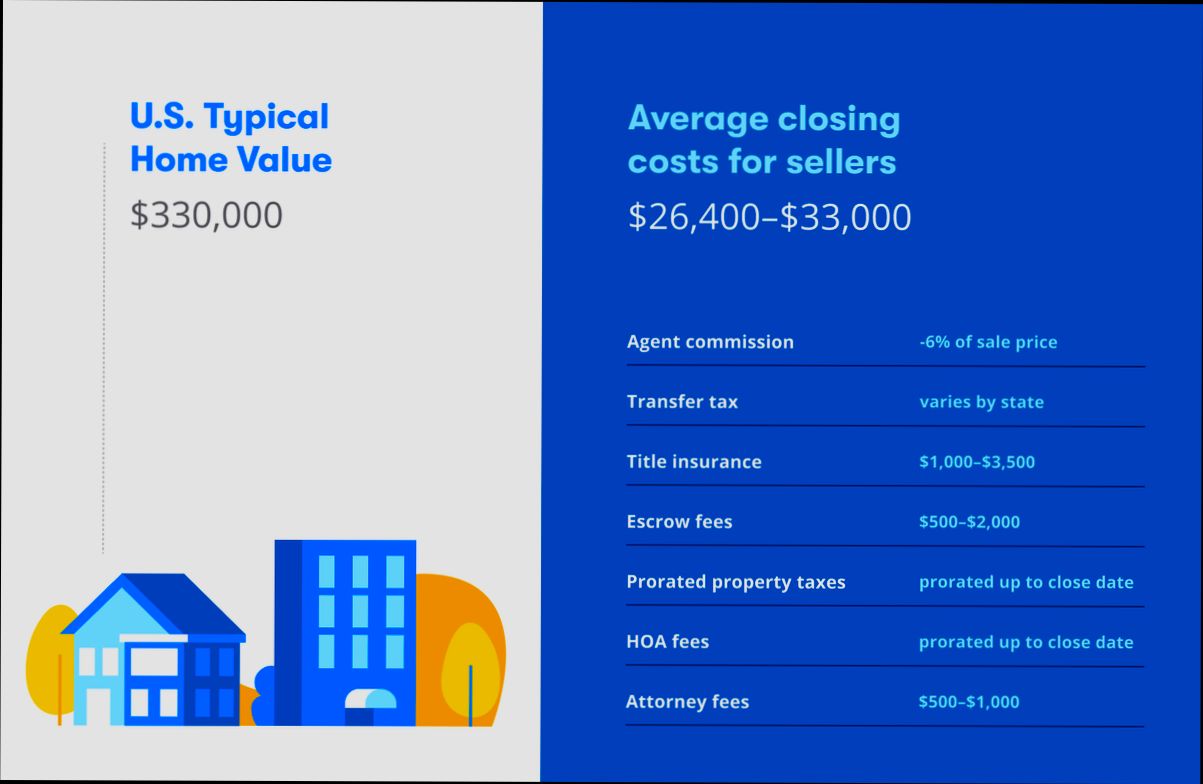
What are the Taxes and Costs of Selling a House in Portugal? Let’s dive right into it! First off, if you’re selling a property in Portugal, you’ll need to navigate a few taxes that can take a bite out of your profits. For example, there’s the Capital Gains Tax, which kicks in if you’ve sold your property for more than you bought it. The tax rate can vary, generally sitting at around 28% for non-residents. But don’t forget, if you’re a resident, you might benefit from some deductions, like any renovations done to the property!
On top of that, there are costs that can catch you off guard. Expect to shell out around 0.8% to 2% of the sale price in property transfer tax, not to mention additional fees for your notary and real estate agent. Legal fees can also add up, usually ranging from 1% to 2% of the sale price. If you’re thinking about selling soon, these numbers can quickly pile on, so it helps to have a clear picture of what to expect financially before you list your home.
Understanding Capital Gains Tax in Portugal
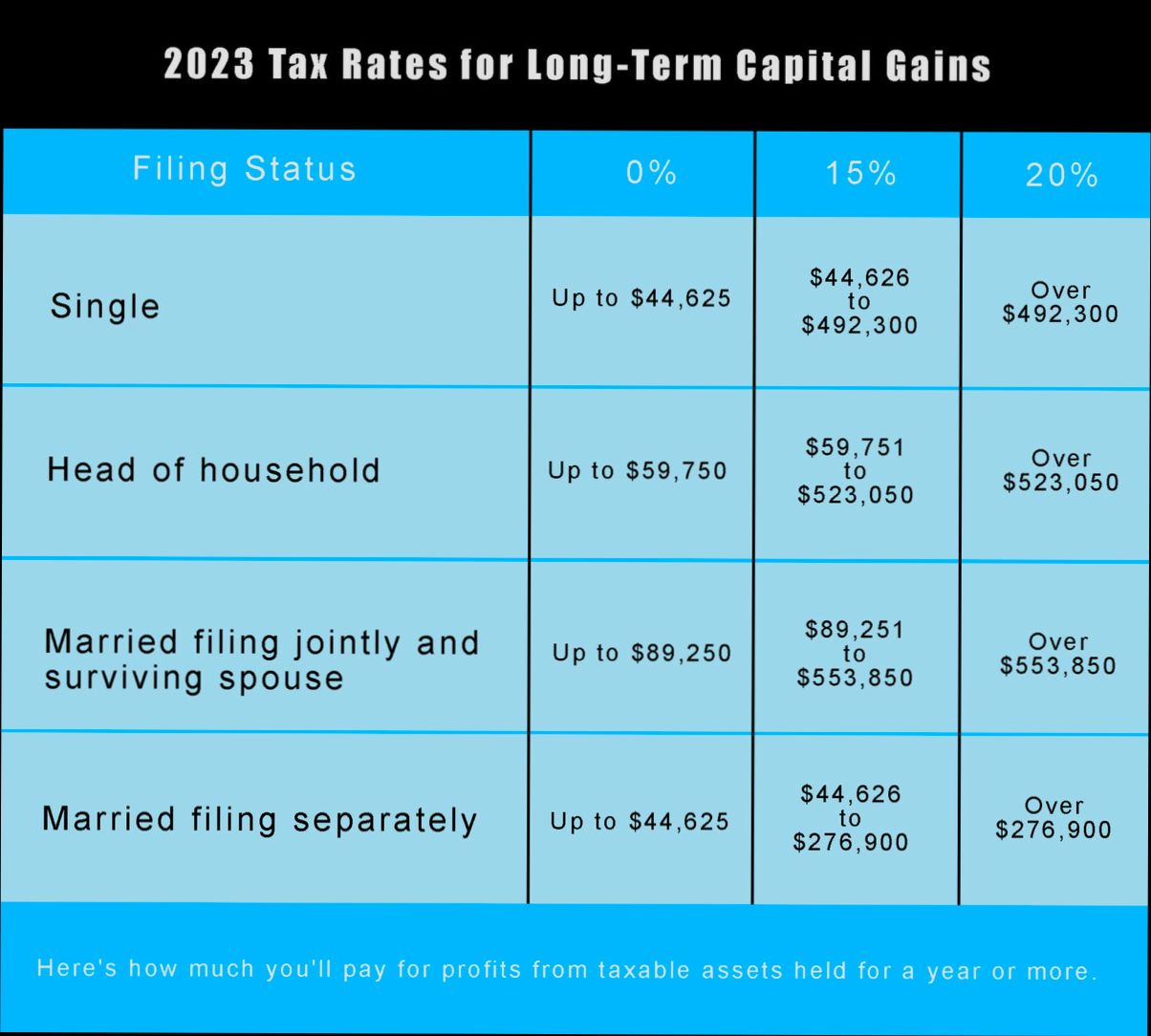
When you decide to sell a property in Portugal, one of the key financial implications you’ll face is the capital gains tax (CGT). This tax applies to any profit you make from selling your property and can significantly impact your overall return on investment. Let’s dive into the specifics of how capital gains tax works in Portugal.
Key Points about Capital Gains Tax
- In Portugal, the capital gains tax rate on property sales for individuals is set at 28% for non-residents and varies based on residency status for residents.
- For residents, 50% of the gains are taxable at the progressive income tax rates, which range from 14.5% to 48% depending on the total income.
- If you have owned the property for longer than two years, you can deduct various costs, including expenses related to improvements and real estate commissions, which can effectively lower your taxable gain.
Capital Gains Tax Calculation Table
| Condition | Non-Resident Tax Rate | Resident Tax Rate |
|---|---|---|
| Default Capital Gains Tax | 28% | Progressive rates of 14.5% - 48% |
| Allowable Deductions | None | 50% of the gains are taxable |
| Ownership Duration Impact | No value | Potential deductions for costs incurred |
Real-World Examples
Let’s consider a couple of illustrative cases:
- Case 1: Non-Resident Seller
Anna is a non-resident who bought a property in Lisbon for €200,000 and sold it for €300,000. Her capital gain is €100,000. Thus, she would pay €28,000 in capital gains tax (28% of €100,000), which significantly impacts her profits.
- Case 2: Resident Seller
João bought a house in Porto for €250,000 and sold it for €400,000 after five years. His gain is €150,000. He incurred €20,000 in improvement costs. For tax purposes, João’s taxable gain is €130,000 (€150,000 - €20,000). If he falls into the 28% tax bracket for capital gains, his tax would amount to €36,400.
Practical Implications for Homeowners
Understanding how capital gains tax applies to your property sale is crucial:
- Keep thorough records of all your property-related expenses, such as renovations and transaction fees.
- Consider the timing of your sale; the longer you hold a property, the more you may benefit from deductions.
- If you reinvest the proceeds into another primary residence within Portugal, you may be eligible for exemptions from capital gains tax.
Actionable Advice on Capital Gains Tax
- Always consult with a local tax advisor or accountant who specializes in Portuguese real estate to ensure you’re taking advantage of all possible deductions and understand your specific tax obligations.
- Familiarize yourself with the timeline for filing your capital gains tax to avoid penalties; generally, you must declare your capital gains in your annual tax return after the sale.
- Stay informed about any changes in tax law, as capital gains regulations can evolve, potentially affecting your tax liabilities upon sale.
Common Fees Associated with Property Sales
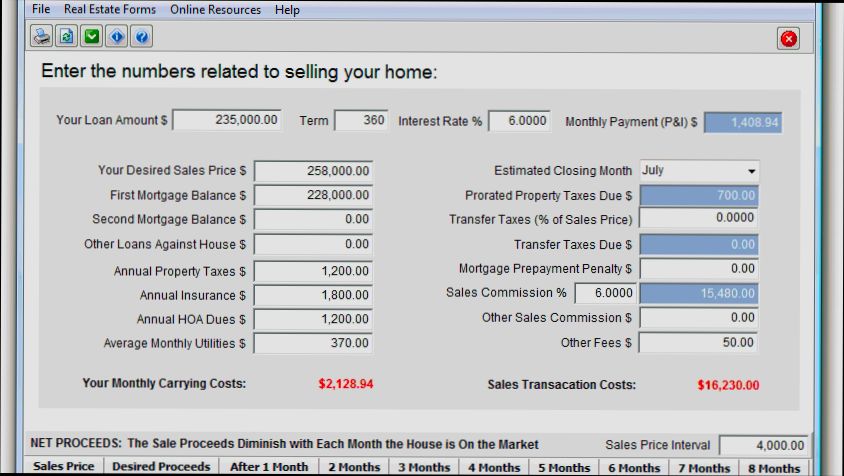
When selling a property in Portugal, various fees can weigh heavily on your finances. It’s essential to understand what these fees are so you can budget effectively and avoid unexpected surprises.
Key Common Fees
Here are some common fees associated with property sales that you should anticipate:
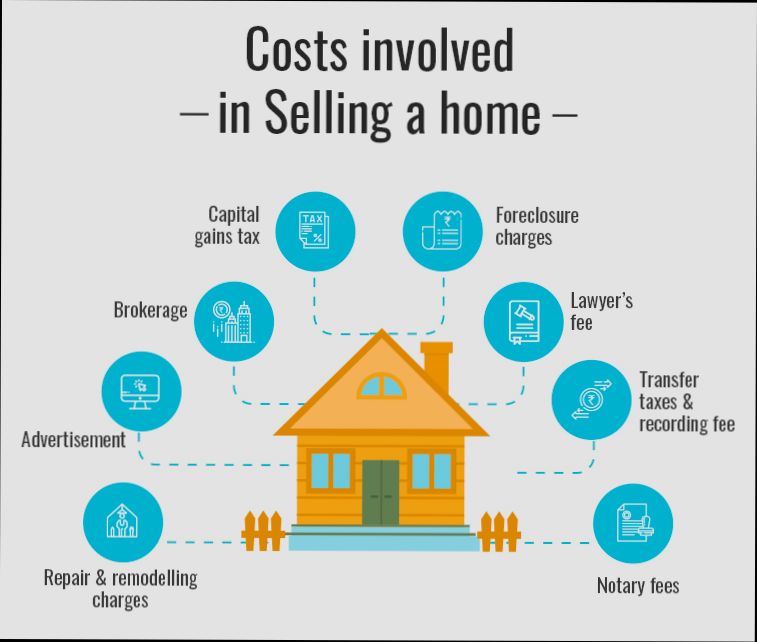
- Real Estate Agent Fees: Typically, real estate professionals charge between 5% and 10% of the property’s sale price. This can vary depending on the agent’s reputation and the complexity of the sale.
- Notary Fees: You’ll need to hire a notary to formalize the sale, and this often costs around 0.5% to 1% of the sale price. Notary fees can be higher if additional services are required during the transaction.
- Conveyancing Fees: These fees usually range from 1% to 2% of the sale price for the legal processes involved in transferring ownership from seller to buyer. Use a qualified lawyer to assist you with this process.
- Energy Performance Certificate (EPC): Before selling, you must obtain an EPC, costing between €150 and €500. This certificate assesses the energy efficiency of your property and is mandatory for sales.
- Capital Gains Tax on Property: While not a fee in the traditional sense, you might need to set aside funds for upcoming Capital Gains Tax upon selling the property. Make sure to calculate this based on your projected profit.
Comparison Table of Common Fees
| Fee Category | Cost Range (% of Sale Price) | Notes |
|---|---|---|
| Real Estate Agent Fees | 5% - 10% | Varies by agent and sale complexity |
| Notary Fees | 0.5% - 1% | Based on the final sale price |
| Conveyancing Fees | 1% - 2% | Legal fees for ownership transfer |
| Energy Performance Certificate (EPC) | €150 - €500 | Mandatory for all home sales |
| Capital Gains Tax | Varies | Considered separately from immediate fees |
Real-World Examples
- Example 1: John sold his apartment for €200,000. He paid his real estate agent €10,000 (5% fee), a notary €1,000 (0.5%), and legal fees €2,000 (1%). This amounted to €13,000 off the top of his sale.
- Example 2: Maria decided to sell her villa with an EPC cost of €250. Therefore, in addition to other usual fees, she had an upfront cost to consider before listing.
Practical Implications for Readers
As you plan your property sale, remember to factor these fees into your sale strategy. Setting aside a contingency fund for unexpected costs can help ensure you don’t face financial strain. Additionally, negotiating real estate agent fees or shopping for a notary could lead to potential savings.
Taking these steps not only improves your financial preparedness but also enhances your overall selling experience. Always seek detailed estimates from professionals to ensure accurate budgeting and avoid financial pitfalls during the selling process.
Statistical Overview of Selling Costs
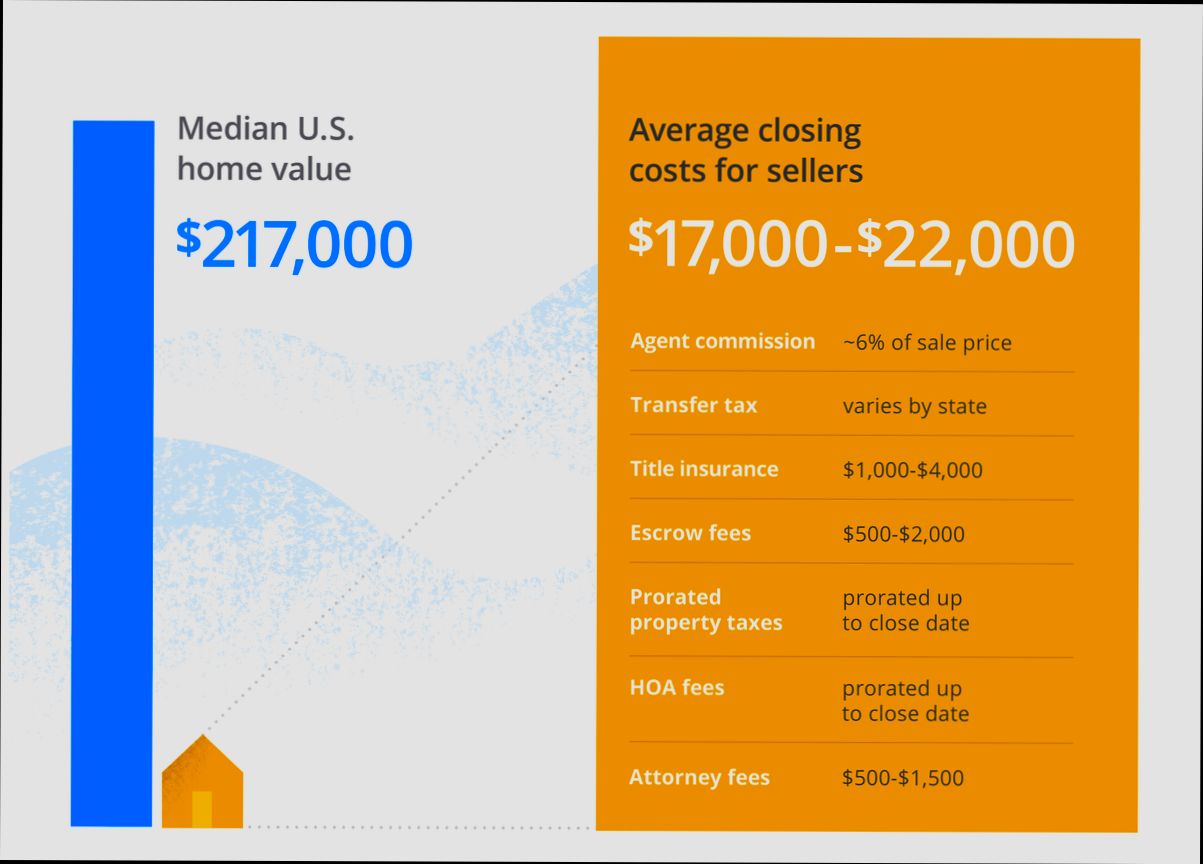
When you sell a house in Portugal, understanding the various selling costs is crucial for your financial planning. Let’s dive into the specific statistics and insights related to these costs, so you can be fully prepared.
Key Selling Costs Statistics
- Maintenance and Improvement Costs: Before selling, many sellers spend about 1% to 3% of the property’s value on repairs or aesthetic improvements to enhance the sale price.
- Notary Fees: These fees can range from 0.5% to 1% of the sale price, depending on the complexity of the transaction.
- Property Registration Tax: This cost can be approximately 0.2% to 0.5% of the property’s sale price and varies regionally across Portugal.
- Energy Performance Certificate (EPC) Costs: Ensure compliance with regulations; this certificate can cost you around 200€ to 600€ depending on the property size.
- Home Staging: An optional but growing trend, staging a home can cost about 1% to 2% of the property value, but can lead to faster sales.
Selling Costs Breakdown Table
| Cost Type | Percentage/Amount |
|---|---|
| Maintenance and Improvements | 1% to 3% of property value |
| Notary Fees | 0.5% to 1% of sale price |
| Property Registration Tax | 0.2% to 0.5% of sale price |
| EPC Costs | 200€ to 600€ per certificate |
| Home Staging | 1% to 2% of property value |
Real-World Example
Imagine you are selling a property valued at 300,000€. Here’s how the costs can line up:
- Maintenance and Improvements: If you spend around 2%, that means you might invest 6,000€ before listing.
- Notary Fees: Assuming a fee of 0.75%, that’s an additional 2,250€.
- Property Registration Tax: At 0.3%, you would have another 900€ to consider.
- EPC Costs: Let’s say you spend 400€ for this certificate.
- Home Staging: If you opt for staging at 1.5%, that could be around 4,500€.
So, in this scenario, your total selling costs could amount to approximately 14,050€ before considering any agent fees or taxes.
Practical Implications for Readers
Being aware of these statistics allows you to allocate your budget effectively for selling your property. If you’re on a tight budget, consider focusing on essential maintenance rather than full-scale renovations. Prioritizing your spending on services like staging or obtaining your EPC can make a significant impact on your final sale price, often recuperating costs through a quicker sale or higher offers.
Actionable Advice
Before you decide to sell your property, create a detailed checklist of potential costs, also including contingencies for unexpected expenses. This planning process can prevent financial strain and help you make informed decisions throughout the selling process. Always get estimates from several service providers for maintenance, legal fees, and staging to ensure you get the best deal possible.
Evaluating Costs: A Real-World Case Study
Selling a house in Portugal involves various costs that can significantly affect your returns. In this section, I’ll walk you through a practical case study that exemplifies these costs and how to evaluate them effectively based on real-world scenarios.
Key Costs in a Real-World Case Study
Consider the example of Maria, who recently sold her two-bedroom apartment in Lisbon for €300,000. Let’s break down her costs to illustrate the financial impact of selling a property:
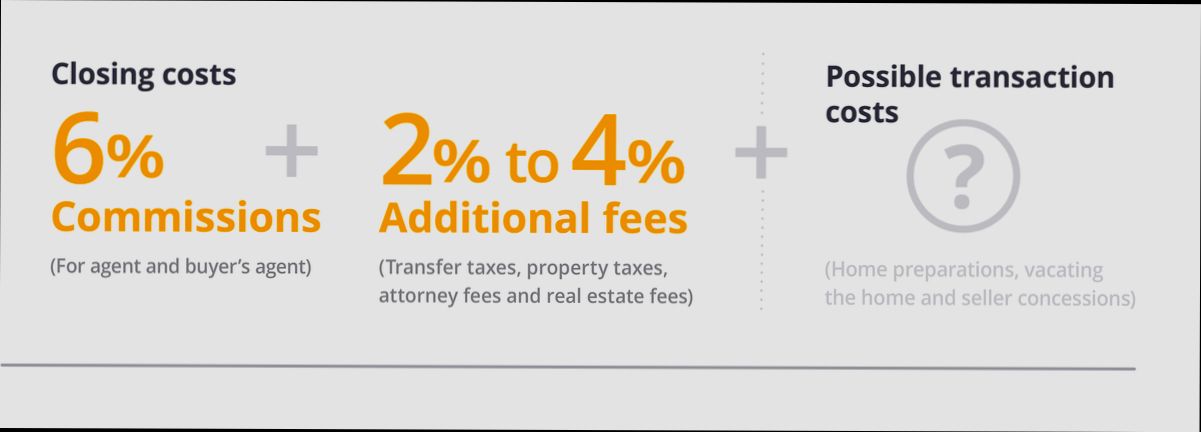
- Real Estate Agent Fees: Maria chose to work with a real estate agent who charged her 6% of the sale price. This amounts to €18,000.
- Property Staging and Repairs: To enhance the property’s appeal, Maria spent €7,200, approximately 2.4% of her selling price, on repairs and staging.
- Notary and Registration Fees: These fees were about €1,000, which covered the legal documentation required for the sale.
- Advertising Costs: Maria budgeted €800 for advertising her property, which is a common expense many sellers face.
Cost Breakdown Table
| Cost Type | Percentage of Sale Price | Total Cost (€) |
|---|---|---|
| Real Estate Agent Fees | 6% | 18,000 |
| Repairs and Staging | 2.4% | 7,200 |
| Notary and Registration Fees | Fixed | 1,000 |
| Advertising Costs | Fixed | 800 |
| Total Costs | — | 27,000 |
Real-World Example: Analyzing the Numbers
Maria’s endeavor provides a practical lens for understanding costs. After selling her apartment, she calculated her net income from the sale:
- Sale Price: €300,000
- Total Costs: €27,000
- Net Income Before Taxes: €273,000
This real-world scenario helps visualize how costs accumulate and impact overall profit.
Practical Implications for You
When you’re considering the sale of your property, here are some actionable insights based on Maria’s experience:
1. Keep Detailed Records: Document all your expenses, including receipts for repairs and staging. This can help in negotiating the final sale price or preparing for tax assessments.
2. Evaluate All Costs Ahead: Consider all potential fees. Even if a small percentage seems minor, they can add up. For instance, even if Maria’s agent fee was reasonable, it made a substantial difference in her profits.
3. Research Before Committing: Compare agent fees across different real estate professionals. A difference of 1-2% can mean thousands of euros in savings.
4. Factor in the Market: Sometimes investing in repairs or staging can lead to a significantly higher sale price, far exceeding the initial investment.
5. Plan for Unexpected Expenses: Always include a buffer for unforeseen costs, as they can arise during the sales process.
By taking a methodical approach to evaluating all associated selling costs, you can better prepare for your financial outcomes when selling property in Portugal.
Advantages of Selling Property in Portugal
Selling property in Portugal often comes with a myriad of benefits that can significantly enhance your overall experience. Knowing the advantages can empower you as a seller and help you navigate the process smoothly.
Favorable Market Conditions
Portugal’s real estate market has been on the rise, particularly in popular locations such as Lisbon and Porto. The demand for properties has led to increased property values, which means you have a great chance of profit if you time your sale correctly.
- In many areas, property values have surged by over 10% annually in recent years.
- The influx of foreign buyers contributes positively, as they often pay above the asking price, benefiting local sellers.
Low Costs of Living and Operation
One of the underrated advantages of selling property in Portugal is the relatively low operational costs. Compared to many Western European nations, costs associated with selling property can be quite low, allowing you to retain more of your earnings.
- For instance, typical property maintenance costs in Portugal are often around 1% to 3% of the property value, which remains competitive in the European context.
Attractive Tax Incentives for New Investments
While we have discussed capital gains tax, it’s essential to highlight the potential benefits many sellers can reap from reinvesting their profits. Portugal provides a tax-friendly environment for those who wish to reinvest.
- If you choose to reinvest in real estate within Portugal after selling, you might benefit from favorable tax rates or even tax exemptions, depending on your circumstances.
Table of Selling Advantages
| Advantage | Description |
|---|---|
| Increasing Property Values | Many areas see over 10% annual growth |
| Low Operational Costs | Maintenance typically ranges from 1% to 3% |
| Favorable Tax Incentives for Reinvestment | Potential tax exemptions for reinvesting profits |
Real-World Examples
Consider the case of João, who sold his beachside villa in the Algarve last year. He noted that not only did he sell for 20% above the market average, but he also reinvested the earnings into a new property, taking advantage of tax incentives meant to encourage local investment. This effectively reduced his financial load and increased his future earning potential.
On the other hand, Maria, who sold her downtown apartment in Porto, benefited from a seamless sale process due to the high demand from international buyers, which allowed her to sell quickly and at a desirable price without excessive time on the market.
Practical Implications for Sellers
As a seller, understanding these advantages allows you to strategize your sale effectively. You might consider:
- Timing your sale to align with peak market conditions.
- Exploring various reinvestment opportunities that may be tax beneficial.
- Assessing competitive selling prices by looking into recent trends in your locale.
Actionable Insights
When preparing to sell your property in Portugal, leverage the advantages highlighted. Stay informed about market trends to optimize your sale, consider the potential for reinvestment tax benefits, and use local real estate knowledge to your advantage. Embrace the current thriving atmosphere of property sales to maximize your return!
Impact of Local Regulations on Selling
Understanding local regulations is crucial when selling property in Portugal. These rules can significantly affect not only the selling process but also the overall financial outcome. Let’s explore some key impacts of these regulations.
Key Impacts of Local Regulations
- Zoning Laws: Local zoning regulations can dictate what type of properties can be built or modified in certain areas. If you’re planning to sell land or property with potential for development, understanding these laws is vital, as they directly influence property value.
- Home Inspections and Certifications: In many municipalities, it’s mandatory to obtain an energy performance certificate (EPC) and sometimes other home inspections before selling. Failure to comply can delay sales until all certifications are achieved.
- Notary Fees and Tax Obligations: Local regulations often determine notary fees, which can range from 0.5% to 1% of the sale price. Additionally, specific local taxes may apply depending on the region, impacting your net profit.
- Building Regulations: If the property has undergone any renovations, ensuring that these modifications were executed in compliance with local building permits is essential. Non-compliance can lead to fines or the need to restore the property to its original state, thus complicating the sale.
| Regulation Type | Possible Impact | Example Variable |
|---|---|---|
| Zoning Laws | Changes in property value | Development potential may increase value up to 20% |
| Home Inspections | Sale delays due to non-compliance | EPC issues can delay sales by up to 30 days |
| Notary Fees | Increased selling costs | Fees varying between 0.5% to 1% of the sale price |
| Building Regulations | Necessary restorations can lower profits | Non-compliant renovations could incur fines of 5,000€+ |
Real-World Examples
Consider a case where João plans to sell his apartment in Lisbon. The local municipality requires that all properties have a valid EPC at the time of sale. João learns this when approached by potential buyers, which delays his sale by two weeks while he arranges for an inspection. In regions where zoning laws favor residential over commercial developments, João’s property could see a value increase of up to 20% just from understanding these local regulations.
In another situation, Maria sold her historical house in Porto. She faced complications because some of her renovations were not permitted according to local building regulations. She had to invest additional funds to resolve these compliance issues, which ultimately affected her selling price.
Practical Implications for Readers
It’s essential for you to familiarize yourself with local regulations that could impact your property sale. Here are some actionable insights:
- Research Local Zoning Laws: Understand how your property’s designation affects its market value and potential uses.
- Gather Necessary Certifications Early: Ensure that all required documents, like the EPC, are obtained before listing your property to avoid delays.
- Budget for Notary Fees: Incorporate these costs into your selling budget as they can vary significantly depending on local regulations.
- Verify Compliance with Renovations: If your property has been modified, confirm that all work was completed under proper permits to prevent fines or forced restorations.
Being proactive about local regulations will streamline your selling process and could enhance your property’s marketability and value.
Tax Implications for Foreign Sellers in Portugal
If you’re a foreign national considering selling property in Portugal, it’s essential to understand the unique tax implications you may face. Navigating the tax landscape can be complex, but being informed will help you make smart financial decisions.
Key Tax Considerations
Here are some crucial points to keep in mind regarding taxes for foreign sellers:
- Non-Resident Tax Rate: As a foreign seller, the capital gains tax (CGT) is set at a flat rate of 28%. This applies regardless of whether you reside in Portugal or any other country.
- Possible Tax Treaties: Depending on your home country, Portugal may have tax treaties that can relieve you from double taxation. It’s advisable to check if your country has such an agreement with Portugal.
- Tax Exemptions and Deductions: Foreign sellers may benefit from certain exemptions if the property was your primary residence for more than two years. In addition, you can deduct selling-related costs, such as improvements and directly related expenses, which can lower your taxable capital gains.
- Reporting Requirements: It’s crucial to file a tax return in Portugal even if taxes are withheld. You may need to complete a “Modelo 3” for capital gains, detailing your income and expenditures related to the sale.
Comparative Tax Rate Table
| Type of Seller | Capital Gains Tax Rate | Deductions Available |
|---|---|---|
| Resident | Varies (up to 48%) | Yes |
| Non-Resident | 28% | Limited |
Real-World Examples
To illustrate these points, consider the following scenarios:
- Maria, a non-resident from the UK, sold her vacation home in Portugal. She purchased the property for €200,000 and sold it for €300,000. Maria realized a capital gain of €100,000. After accounting for €10,000 in deductible costs (repairs and agent fees), her taxable gain was €90,000. Thus, her capital gains tax amounted to €25,200 (28% of €90,000).
- John, an American who sold his apartment bought for €400,000 and sold for €500,000, initially faced a substantial tax burden. However, due to the tax treaty between the United States and Portugal, John was able to claim a credit for taxes paid to Portugal on his U.S. tax return, significantly reducing his overall liability.
Practical Tax Implications
Understanding these tax implications can significantly influence your financial outcome when selling property in Portugal. Here are some actionable insights:
- Consult a Tax Professional: It’s highly advisable to work with a Portuguese tax advisor familiar with the intricacies of foreign seller taxation, particularly if you have complex tax residence situations.
- Document Everything: Keep meticulous records of all expenses related to your property, as these can be valuable in offsetting tax liabilities.
- Plan for Withholding Taxes: Ensure you are prepared for any withholding taxes that might be taken from your sale proceeds, which will need to be reported in your tax filing.
Staying aware of these points will empower you as you navigate the selling process, ensuring you’re informed and prepared for the tax implications involved.