Pros and Cons of Living in Detroit MI can really paint a vivid picture of what life in the Motor City is all about. On the upside, Detroit has been experiencing a revival in recent years, with developments like the red-hot Corktown area and the trendy Greektown bringing fresh energy and exciting dining options. Just last year, the city saw a 27% increase in new businesses, giving you plenty of spots to grab a bite or hang out with friends. Plus, with an average home price around $70,000, it’s an affordable place to plant roots compared to other major cities like Chicago or New York.
But it’s not all sunshine and skyscrapers. Detroit has a reputation that still lingers, with challenges such as high crime rates that make some neighborhoods feel a bit less safe. You might think twice before wandering around after dark in certain areas. And then there’s the weather — those cold, snowy winters can be brutal. Even with all its transformation, some folks still find themselves grappling with the remnants of economic struggles that can show up in public services and infrastructure. Living here means you get both the grit of a city in recovery and the excitement of a community that’s committed to change.
Cost of Living and Affordability
When considering a move to Detroit, one of the first things you will want to examine is the cost of living and how affordable it is compared to other cities. Surprisingly, Detroit often ranks as one of the most affordable urban centers in the United States, making it an attractive option for many potential residents.
The cost of living in Detroit is approximately 11% lower than the national average. Specifically, housing costs are significantly more manageable, with the median home price around $75,000. This is in stark contrast to cities like San Francisco or New York, where median home prices can soar well above $1 million. Let’s break down some essential factors that contribute to affordability.
Key Points About Cost of Living
- Housing Expenses: Renting a one-bedroom apartment in Detroit averages $1,200 monthly. In comparison, this figure can easily exceed $3,000 in major coastal cities.
- Utilities: On average, monthly utility expenses run around $200, which is lower than many other metropolitan areas.
- Transportation Costs: Public transport is relatively affordable, with a monthly pass costing around $60, allowing for easy navigation across the city without breaking the bank.
- Food and Groceries: The grocery prices are about 7% lower than the national average, which can help you stretch your budget further.
| Expense Category | Detroit Average | U.S. National Average |
|---|---|---|
| Housing (Rent) | $1,200 | $1,800 |
| Utilities (Monthly) | $200 | $250 |
| Public Transportation | $60 | $90 |
| Groceries (Monthly) | $300 | $320 |
Real-World Examples
Consider a young professional looking to relocate to Detroit. If they were to rent a one-bedroom apartment, their housing expenses would take up a smaller portion of their salary compared to a similar position in Chicago, where the rent can be as high as $2,500. This opens up more room in their budget for leisure and savings.
Additionally, a family relocating from a high-cost-of-living area could experience substantial savings on daily essentials. For instance, a family of four might save $100 each month on groceries alone, allowing for better financial planning and enhanced quality of life.
Practical Implications
If affordability is high on your list of priorities, you’ll be pleased to know that Detroit’s cost of living allows for a more comfortable lifestyle without the pressure of excessive financial strain.
Taking advantage of Detroit’s lower housing costs can have direct benefits in other areas of your budget. You can allocate funds towards education, entertainment, or saving for the future much more easily than in other major cities.
- Make a Move: If you’re transitioning from a pricier city, it’s crucial to reassess your budget and consider how much you can save on housing alone.
- Budget for Regrowth: Utilize the savings on utilities and transportation to invest in local experiences or community activities, supporting local businesses while enjoying your new home.
Keep in mind that while Detroit offers lower prices, the availability of jobs and income levels should align with your financial planning to maximize those affordability advantages.
Cultural and Recreational Opportunities
Detroit is a vibrant city brimming with cultural and recreational opportunities that invite residents to explore and engage with its rich heritage. From world-renowned music festivals to diverse culinary experiences, there’s something here for everyone. Let’s dive into what makes Detroit a jazz and arts lover’s paradise.
Thriving Music Scene
Detroit is famously known as the birthplace of Motown, a genre that deeply influences the music scene today. You can find live music venues throughout the city, hosting everything from jazz and rock to techno. The annual Detroit Jazz Festival attracts over 400,000 attendees each September, showcasing both local talent and international artists. Imagine enjoying a weekend filled with soulful sounds surrounded by the city’s iconic architecture!
Artistic Enclaves
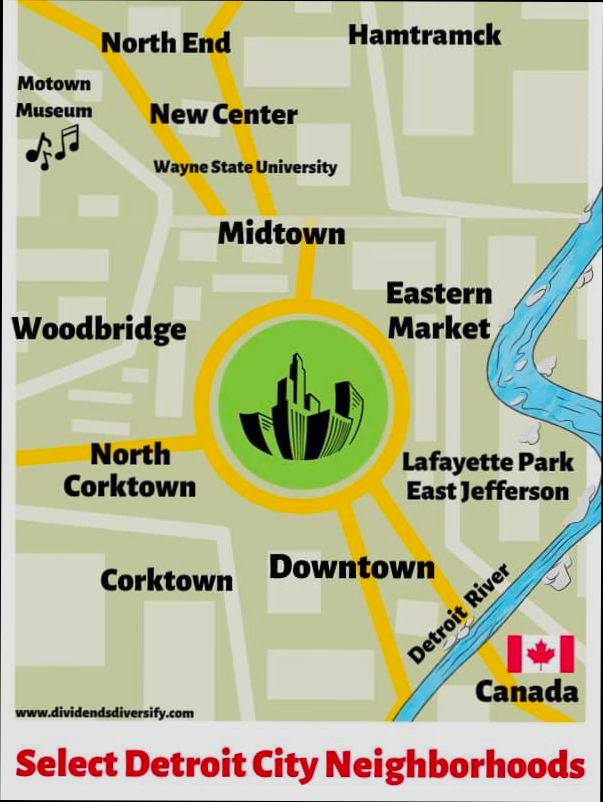
If you’re an art enthusiast, then Detroit won’t disappoint. The Detroit Institute of Arts houses one of the largest and most significant art collections in the United States, featuring more than 65,000 pieces. Additionally, neighborhoods like Eastern Market offer street art and galleries that reflect the city’s vibrant creative culture and provide a fantastic outlet for local artists.
| Cultural Highlights | Description | Location |
|---|---|---|
| Detroit Jazz Festival | Largest free jazz festival in the world | Downtown Detroit |
| Detroit Institute of Arts | Home to diverse art collections | Midtown Detroit |
| Eastern Market | Historic public market with local artists | Eastern Market District |
| Detroit Symphony Orchestra | One of the oldest symphonies in the U.S. | Midtown Detroit |
| Motown Museum | Celebrates the history of Motown records | Hitsville U.S.A. |
Community Events and Festivals
Detroit is home to a diverse array of community events and cultural festivals throughout the year, celebrating different heritages and histories. The Detroit Historical Museum often conducts educational activities, exhibits, and cultural festivals that engage both locals and visitors. Considering Detroit attracts approximately 19 million tourists annually, you’ll find events that are both unique and enriching.
Neighborhood Engagement
Many neighborhoods also foster a strong sense of community by hosting street fairs, farmer’s markets, and musical performances, allowing residents to connect with each other. The sense of community spirit is palpable at events like the Detroit River Days, enhancing social interactions amongst residents while celebrating local culture.
Culinary Delights
Food is another vital aspect of Detroit’s cultural tapestry. You can find over 1,000 restaurants offering an array of cuisines that reflect the city’s diverse populations, from classic Detroit-style pizza to food trucks serving global dishes. The restaurant scene thrives on innovation and tradition, making it a culinary adventure waiting for you to explore.
Eating out in Detroit isn’t just about food; it’s an experience. Engaging with local chefs at pop-up culinary events or attending tastings can immerse you in the city’s rich culinary heritage.
Practical Tips
- Take advantage of free events: Many cultural events in Detroit are free or low-cost, particularly during the warmer months, allowing you to engage without breaking the bank.
- Explore different neighborhoods: Each area has its unique flavor and community, perfect for day trips or weekend explorations.
- Attend local festivals: Keep an eye on community calendars for local festivals that offer cultural immersion and fantastic recreational opportunities.
With a mix of art, food, music, and community events, Detroit provides endless opportunities for cultural enrichment and recreational enjoyment. Explore, experience, and embrace the vibrant life that this city has to offer!
Public Safety and Crime Rates
When considering a move to Detroit, understanding public safety and crime rates is essential. The city’s reputation often precedes it, but there’s more to the story. I want to unpack some vital statistics and insights regarding crime in Detroit, so you can make a well-informed decision.
Crime Rate Overview
Detroit has faced significant challenges regarding crime over the years, and when looking deeper, some interesting data points emerge:
- The violent crime rate in Detroit is approximately 1,965 incidents per 100,000 people, which is significantly higher than the national average.
- Property crime is also a concern, with a rate of about 6,583 property crimes per 100,000 people, indicating that theft, burglary, and damage can be prevalent.
- However, recent efforts by local law enforcement seem to be paying off, as crime rates have shown signs of gradual decline in recent years.
Comparative Crime Rate Table
| Crime Type | Detroit (per 100,000) | National Average (per 100,000) |
|---|---|---|
| Violent Crime | 1,965 | 387 |
| Property Crime | 6,583 | 2,110 |
| Motor Vehicle Theft | 1,353 | 246 |
Real-World Examples
- In 2020, the Detroit Police Department initiated a community policing strategy, which emphasized building relationships with residents to break down barriers and enhance public safety. This approach has reportedly helped reduce the perception of crime in numerous neighborhoods.
- The city has seen significant improvements in specific areas, such as Midtown and Downtown, where local organizations and community programs have partnered with police to create a safer environment.
Practical Implications for Residents
Understanding crime rates can help you make prudent decisions regarding where to live or work. Consider these actions:
- Research specific neighborhoods: Some areas in Detroit have much lower crime rates due to community engagement and active neighborhood associations.
- Engage with local law enforcement: Get to know your local precinct and any community outreach programs they offer; this can create a sense of safety and security.
- Use crime mapping tools: Several online resources provide detailed maps showcasing recent crime trends, helping you target safer areas for living.
Specific Facts and Advice
- Take note that crime rates can fluctuate, and while certain neighborhoods may have higher overall statistics, they can still have strong community bonds and active initiatives aimed at safety.
- Always consider personal safety measures, such as neighborhood watch programs or self-defense classes, which can empower you to feel secure regardless of broader crime trends.

Housing Market Trends and Statistics
When exploring the housing market in Detroit, it’s vital to understand the trends and statistics that shape your potential living situation. The housing market has undergone significant recovery over the past few years, leading to more affordable options than in many comparable cities.
One of the standout factors in Detroit’s housing landscape is affordability. As previously noted, the cost of living is lower than in 84% of similar-sized cities in the U.S. This affordability extends into the housing market:
- Median Home Prices: The median home price in Detroit has been climbing but remains substantially lower than the national average. Currently, the median price is approximately $75,000, which is a bargain compared to cities like Los Angeles or New York.
- Rental Market: Renting is also advantageous, with average rent for a one-bedroom apartment hovering around $1,200 monthly. This is significantly lower than the national average, making it attractive for newcomers.
- Home Sales Activity: The Detroit housing market is quite active, with home sales increasing by 20% year-over-year as of the last report. This trend signals a recovering economy and growing interest in the city.
| Housing Market Indicators | Detroit | National Average |
|---|---|---|
| Median Home Price | $75,000 | $295,000 |
| Average Rent (1-bedroom) | $1,200 | $1,500 |
| Year-Over-Year Home Sales Growth | 20% | 5% |
In terms of neighborhoods, certain areas have seen revitalization and an influx of new residents. For example, neighborhoods like Corktown and Midtown are known for their significant investments in housing and community development. This revival is partly fueled by younger populations drawn to the city’s cultural offerings and lower costs.
For those considering buying or renting, be aware of the following practical implications:
- Long-Term Investments: With the current upward trend in home values, investing in real estate in Detroit could yield returns in the future as the market stabilizes and grows.
- Gentrification Effects: While some neighborhoods are improving, potential buyers and renters should also consider areas that are undergoing gentrification, which may affect long-term housing affordability.
- Market Variability: The housing market in Detroit can be variable. Staying updated on local market trends and neighborhood developments can position you well for a smart purchase or rental decision.
Need actionable advice? It’s a great time to explore Detroit’s housing options by considering neighborhoods on the rise or securing a rental in an area you love while prices remain competitive. Researching specific neighborhoods can help you find hidden gems that align with your lifestyle.
Job Market Dynamics and Employment
Understanding the job market dynamics in Detroit is crucial for anyone considering moving to the city. The interplay between available jobs and the labor force significantly impacts employment opportunities and economic conditions. Let’s explore how these dynamics shape the employment landscape in Detroit.
Key Points on Job Market Dynamics
- Job Market Definition: The job market represents where individuals search for employment and employers seek to hire. It encompasses the forces of supply (job seekers) and demand (employers).
- Current Job Demand: In recent years, Detroit has seen a resurgence in various sectors, particularly in technology and manufacturing. For example, the tech sector has spurred a demand for software engineers and data analysts, reflecting the shift towards a more digital economy.
- Unemployment Trends: As of now, Detroit’s unemployment rate hovers around 7%, which is an indication of overall economic health but also highlights the challenges still faced by the labor market in recovering fully from past economic downturns.
- Labor Force KPIs: Key Performance Indicators that influence the labor market include workforce participation rates and job vacancy rates. Tracking these metrics can provide insights into employment trends and potential opportunities.
- Minimum Wage Impacts: Raising the minimum wage above the equilibrium wage can lead to an oversupply of labor, causing higher unemployment, particularly among low-skilled workers. Understanding this can help you navigate potential job market challenges.
Job Market Indicators
| Indicator | Detroit | National Average |
|---|---|---|
| Unemployment Rate | 7% | 4.5% |
| Job Vacancy Rate | 3.1% | 4.0% |
| Labor Force Participation Rate | 58% | 62% |
| Median Wage | $42,000 | $52,000 |
Real-World Examples
In Detroit, companies like General Motors and the growing number of tech startups are reshaping the job market. For instance, General Motors has invested significantly in electric vehicle technology, creating thousands of new jobs tailored to skilled workers in engineering and technology sectors.
Similarly, the rise of the entrepreneurial ecosystem in Detroit has led to increased self-employment opportunities, with more residents opting to start their businesses. This trend helps to counterbalance traditional employment declines and contributes positively to local economic growth.
Practical Implications
For job seekers, understanding what industries are thriving in Detroit can help tailor your resume and skill development. Keeping an eye on tech and manufacturing advancements can hold the key to landing new employment opportunities.
Networking in Detroit’s professional circles, attending industry-specific events, or even utilizing local job boards can provide a competitive edge. Also, consider upskilling in areas that are in high demand, such as programming or data analysis.
Actionable Insights
- Regularly check local job market statistics to gauge industry health and job availability.
- Consider industries expected to grow, like tech and automotive sectors, for more robust employment opportunities.
- Leverage resources such as local workforce development programs that can assist in job training and placement to better position yourself in the job market.
Quality of Education in Detroit
When evaluating the quality of education in Detroit, it’s crucial to consider various factors that influence both public perception and educational outcomes. Families moving to the city should focus on school performance, resources, and community engagement in education.
Key Points on Quality of Education
- Graduation Rates: The graduation rate for Detroit Public Schools is approximately 70%, which, while improving, still trails the national average. This statistic provides insight into the challenges faced in educational retention.
- School Funding: Detroit has faced significant challenges regarding school funding. The average per-pupil spending in Michigan is around $12,000, but many Detroit schools operate with less due to funding disparities.
- Student-Teacher Ratios: Many schools in Detroit operate with higher student-teacher ratios, often 20:1 or higher, which can impact the individualized attention each student receives. Thousands of students often find themselves in overcrowded classrooms.
- Standardized Test Scores: Detroit students, on average, score lower on standardized tests compared to their peers statewide; for instance, only 25% of students in DPSCD met state proficiency standards in math.
- Innovative Programs: In recent years, more than 15% of schools have implemented innovative educational programs focusing on STEM and arts, which may improve engagement and outcomes.
| Education Factors | Detroit | Michigan Average |
|---|---|---|
| Graduation Rate | 70% | 80% |
| Per-Pupil Spending | $10,500 | $12,000 |
| Student-Teacher Ratio | 20:1 | 15:1 |
| Proficiency in Math (State Test) | 25% | 45% |
| Innovative Programs Offered | 15% | 30% |
Real-World Examples
The Detroit Public Schools Community District (DPSCD) has initiated various programs aimed at improving the quality of education. For example, they introduced the “Detroit Promise” initiative, offering free community college tuition for high school graduates. This not only motivates students to graduate but also addresses post-secondary educational access.
In contrast, some charter schools in Detroit have shown remarkable performance, demonstrating that option diversity can lead to higher educational outcomes. Schools like University Preparatory Academy are noteworthy, with a graduation rate exceeding 90%, illustrating successful approaches to education despite overarching challenges.
Practical Implications for Readers
If you’re considering relocating to Detroit with school-aged children, it’s vital to research individual schools. Look into options such as:
- School Ratings: Check websites like GreatSchools.org to evaluate school performance ratings.
- Community Engagement: Joining local parent-teacher organizations can provide insights and opportunities for involvement.
- Educational Programs: Investigate schools with specialized programs that align with your children’s interests and talents, particularly in subjects like STEM or the arts.
Specific Facts about Education in Detroit
- Invest time in visiting schools and talking to educators about their approaches to improving student outcomes.
- Keep an eye on policy changes; recent conversations around increasing funding for Detroit schools may lead to enhancements in educational quality.
- Look for community resources and local nonprofits working on educational initiatives to gain further support and engagement in your child’s education experience.
Health Care Access and Facilities
When considering health care access and facilities in Detroit, you will find a mix of challenges and advantages that could impact your well-being. It’s essential to understand the availability, quality, and affordability of health care services available in the city.
Key Points on Health Care Access
- Number of Hospitals: Detroit boasts several prominent hospitals, with more than 15 major medical centers, including renowned institutions like Henry Ford Hospital and Detroit Medical Center.
- Primary Care Access: Approximately 80% of residents have a health care provider, reflecting a relatively strong primary care access rate compared to other urban areas.
- Specialty Care Availability: There is a high density of specialists in urban centers like Detroit, which can provide more comprehensive, targeted treatments for complex conditions.
Health Care Facility Comparison
| Facility Type | Count | Example Facilities |
|---|---|---|
| Major Hospitals | 15+ | Henry Ford Hospital, DMC |
| Urgent Care Centers | 45+ | MedExpress, Urgent Care Detroit |
| Community Health Clinics | 35+ | Michigan Community Health Network |
| Specialty Clinics | 25+ | Karmanos Cancer Institute, Detroit Allergy Center |
Real-World Examples
The Detroit Medical Center is a cornerstone of the city’s healthcare system, offering a range of services including trauma centers, burn units, and children’s hospitals. Their community outreach programs have been instrumental in improving access to care for underprivileged populations.
Another example is the Detroit Health Department’s initiatives to enhance clinic capacities in underserved areas. They provide vital services such as immunizations and prenatal care, targeting areas where access may be limited.
Practical Implications for Residents
As you navigate health care access in Detroit, consider the following:
- Insurance Coverage: Explore the availability of health insurance options through the Michigan Health Insurance Marketplace; many residents qualify for subsidies that make health care more affordable.
- Emergency Services: When in need of urgent care, know that options are readily available; urgent care centers can often be accessed without a prior appointment and are typically open after regular office hours.
- Transportation Considerations: With public transport options like the QLINE streetcar, convenient access to health facilities is improving. Familiarize yourself with transportation routes to ensure timely visits to health care appointments.
Actionable Advice
If you are relocating to or living in Detroit, establish a relationship with a local primary care provider early on. This can make a significant difference in managing your overall health, facilitating referrals to specialists when necessary, and ensuring you receive preventive care. Additionally, be proactive about utilizing community health resources, especially if you come from an underrepresented background in health care access.