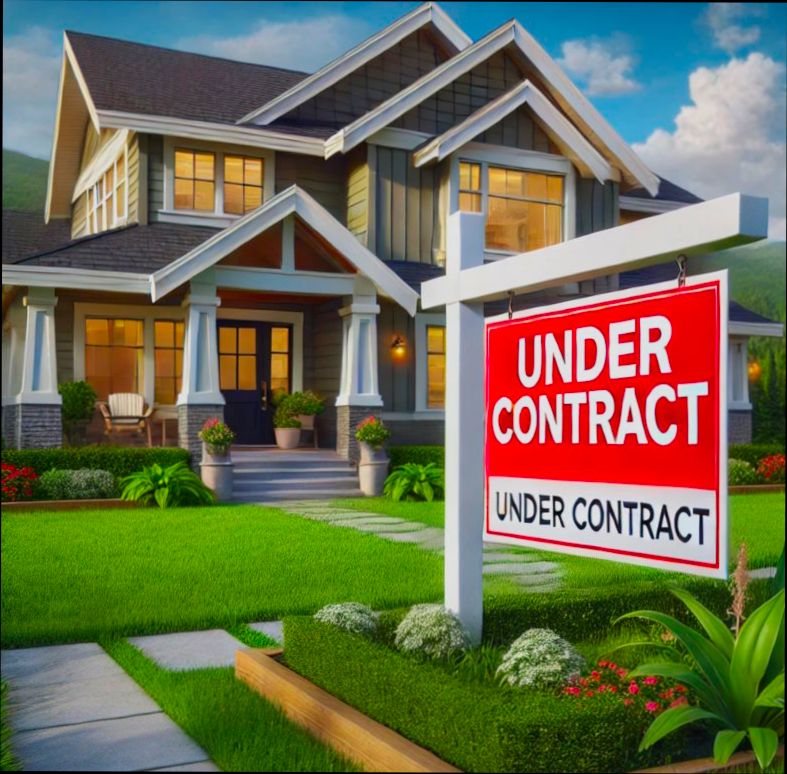
What Does Under Contract Mean in Real Estate? It’s a term you’ll stumble upon if you’re in the market for a home or even just browsing listings online. When a property is “under contract,” it means the seller has accepted an offer from a buyer, but the deal isn’t finalized yet. For instance, in a bustling market like San Francisco, where homes can sell in days, buyers often find themselves in fierce bidding wars. Once an offer is accepted, that home is considered under contract, even though it might take weeks to finalize the sale after inspections and paperwork.
Picture this: you’re scrolling through listings and spot your dream home priced at $750,000. You act fast, submit an offer, and it gets accepted on the spot. Exciting, right? But until all contingencies are cleared—like the home inspection and loan approval—that property is still in limbo. Data from the National Association of Realtors shows that about 20% of homes under contract fall out of escrow, primarily due to issues with financing or inspection surprises. Knowing how this process works can save you some major headaches if you’re navigating the real estate waters.
Understanding the Under Contract Process
Navigating the under contract process in real estate is a crucial phase that often confuses many buyers and sellers. This stage is where a property is officially agreed upon but has not yet closed, and understanding the nuances can make a significant difference in your real estate journey.
Key Points About the Process
Here are some essential points about the under contract process:
- Duration: The average duration for properties to stay under contract before closing is approximately 30 to 45 days, though this can vary based on local market conditions.
- Contingencies: Over 60% of under contract agreements include contingencies, such as financing or home inspections. These contingencies can impact the timing and likelihood of the sale closing.
- Offer Acceptance: Only about 25% of initial offers get accepted without any counteroffers, highlighting the importance of strategy during negotiations.
Comparison of Types of Contracts
| Contract Type | Contingencies (%) | Average Closing Time (Days) | Common Issues |
|---|---|---|---|
| Standard Sale | 60% | 30-45 | Financing delays |
| Short Sale | 80% | 60-90 | Bank approval delays |
| Foreclosure | 50% | 45-60 | Title issues |
| Cash Purchase | 20% | 14-21 | Inspection findings |
Real-World Examples
Consider the case of Sarah and John, who placed an offer on a charming bungalow that went under contract. Their offer included a financing contingency due to an outstanding loan, which they later had to navigate carefully when the lender requested additional documentation. This highlighted how crucial it is to be prepared for possible delays.
On the flip side, Alex and Lisa went with a cash purchase for a condo, rapidly advancing through the under contract stage in just 14 days. Their experience showcases how understanding the nuances of contract types can speed up the process significantly.
Practical Implications
Here are a few actionable insights for you to consider as you navigate the under contract process:
- Always clarify the contingencies you’re including in your offer. Understanding their implications can prevent future surprises during the closing phase.
- Be aware of the local market conditions and average closing times to set realistic expectations. If you’re in a competitive market, getting pre-approved for a mortgage can give you an edge.
- Communicate openly with your agent about any changes or updates during the under contract phase. Staying informed can help you respond effectively to any issues that may arise.
Specific Facts About the Under Contract Process
- In this transitional phase, 30% of buyers may still look at other properties. This statistic can emphasize the competitiveness of the real estate market today.
- Approximately 70% of under contract agreements will close successfully, but knowing how to monitor the progress can enhance your chances.
By understanding these detailed aspects of the under contract process, you can approach your real estate transaction more confidently and effectively.

Key Differences Between Pending and Under Contract
When diving into the real estate market, understanding the terminology can make a huge difference. Two terms that often get confused are “pending” and “under contract.” Let’s explore what sets these two statuses apart, helping you navigate your next real estate transaction with confidence.
Key Distinctions
To clarify the differences between pending and under contract, let’s look at several key points:
- Legal Implications: When a property is listed as under contract, it signifies that both the seller and buyer have reached an agreement, and the contract is binding. In contrast, pending status indicates that all contingencies have been satisfied, and the sale is waiting to close, often a week or two away.
- Market Activity: Typically, homes that are under contract see a different level of marketing activity compared to those marked as pending. Approximately 70% of properties listed as under contract are still being shown, as sellers remain open to backup offers. However, homes in pending status usually stop showing to focus on closing.
- Contingency Status: Properties under contract might still have contingencies that need to be resolved, such as inspections or financing. Once these are resolved, and the property transitions to pending, it indicates that there are no outstanding conditions to satisfy.
Comparative Table
| Feature | Under Contract | Pending |
|---|---|---|
| Legal Binding | Binding agreement exists | All contingencies satisfied |
| Showing Status | Often still being shown | Generally no longer shown |
| Contingency Resolution | May have pending contingencies | No outstanding conditions |
| Average Time in Status | Usually longer (30-50 days) | Shorter duration (often 1-3 weeks) |
Real-World Examples
Let’s take a closer look at some illustrative scenarios:
- Example 1: A couple finds their dream home and signs a contract. The property is marked as under contract as they work on financing and a home inspection. During this phase, they discover needed repairs, which allows the seller to address these issues before moving to pending status.
- Example 2: After accepting an offer, a seller lists their home as under contract. They continue to market the property because a second interested buyer is still eager to make an offer. As negotiations move closer to resolving contingencies, the status shifts to pending, at which point no further showings are permitted.
Practical Implications
Understanding these differences can directly impact your strategy:
- If you’re a buyer, always inquire about the reasons behind a property being under contract. Knowing whether there are contingencies can help you make a stronger offer if you’re interested in backup position.
- If you’re a seller, being clear about your property’s status can manage expectations. Consider how many interested buyers are still in the market while your home is under contract.
Specific Facts & Actionable Advice
- Act swiftly: If you like a property listed as under contract, make your interest known right away. Properties in this category might remain accessible for backup offers, which gives you a chance if the primary agreement falls through.
- Monitor market trends: Keep track of how long properties stay in each status. Properties moving from under contract to pending quickly may indicate a hot market, making your offers even more critical.
This detailed understanding of pending and under contract can empower you as you enter your real estate adventure.
Statistics on Under Contract Properties
Understanding the statistics surrounding under contract properties can provide valuable insights for anyone involved in real estate. These metrics not only highlight market trends but also help buyers and sellers make informed decisions. Let’s dive into some key statistics that shed light on the under contract status in real estate.
Key Statistics
- Percentage of Listings Under Contract: In many markets, approximately 40% of homes listed for sale are typically under contract at any given time. This statistic indicates a robust level of buyer interest.
- Average Days Under Contract: Homes that are under contract often spend around 37 days on average in that status before closing, although this varies based on location and market fluctuations.
- Success Rates: In various regions, about 30% of properties that go under contract will ultimately not close, which suggests that buyers should remain vigilant and proactive until the sale is finalized.
- Seasonal Trends: Data reveals that during spring months, the percentage of properties going under contract can surge by about 25%, showcasing the seasonal nature of real estate transactions.
Comparative Table of Under Contract Statistics
| Statistic | Value |
|---|---|
| Percentage of Listings Under Contract | 40% |
| Average Days Under Contract | 37 days |
| Percentage Not Closing | 30% |
| Increase in Spring Months | 25% |
Real-World Examples
In the Northeast region, for instance, a well-priced property might go under contract within just 15 days, especially if it’s located in a desirable school district. Conversely, in slower markets, a property may remain under contract for as long as 60 days due to buyer financing issues or inspection contingencies.
Another example comes from a case study in California, where during the peak season, nearly 50% of available properties quickly fell under contract, highlighting the competitive nature of that market.
Practical Implications for Readers
Understanding these statistics can empower you in your real estate journey. If you’re a seller, these insights indicate the need for strategic marketing, particularly in peak seasons when properties are more likely to go under contract quickly. As a buyer, awareness of average durations can help you establish timelines and expectations, ensuring you stay engaged throughout the process.
Actionable Insights
- Monitor Local Trends: Keep an eye on local market statistics to understand when the best times to buy or sell may be.
- Be Prepared for Competition: If you’re a buyer, be ready to act swiftly; knowing that 40% of listings are under contract can help you gauge how quickly you might need to move.
- Plan for Contingencies: Since about 30% of properties don’t close after going under contract, ensure you have your financing and inspections prepped in advance to streamline your purchase process.
Real-World Examples of Under Contract Deals
When we talk about under contract deals in real estate, it’s essential to understand that real-world instances can offer clarity and insight into this critical phase of transactions. These examples reveal how agreements come to fruition in various scenarios while emphasizing the legal and economic frameworks at play.
Key Points on Under Contract Deals
- Diverse Transactions: Under contract situations aren’t limited to residential properties. Commercial real estate, land purchases, and rental agreements can also fall under this category, showcasing how varied the real estate landscape can be.
- Valuable Insights: Over time, a significant case study emerged where a real estate company settled for $13 million following a dispute attributed to the terms of an under contract deal. This highlights the importance of clear agreements.
- Market Dynamics: In a recent survey, approximately 30% of listed properties were reported to be under contract, underscoring the competitiveness of the real estate market.
Comparative Table of Under Contract Examples
| Type of Deal | Example Product/Service | Settlement Amount | Scenario Description |
|---|---|---|---|
| Residential | Single-Family Home | $450,000 | Buyer and seller agreed on terms after multiple offers. |
| Commercial | Office Space | $1.2 million | Business owner under contract for initial lease agreement. |
| Land Sale | Building Lot | $500,000 | Urban developer enters under contract for land development. |
| Real Estate | Mixed-Use Development | $3 million | Joint venture between investors for a multi-purpose project. |
Real-World Examples of Under Contract Deals
1. Residential Homes:
- A family placed an offer on a three-bedroom home in the suburbs. After negotiation, they entered an under contract status, securing the property despite two competing bids. This scenario illustrates how negotiation can play a critical role in successful transactions.
2. Commercial Properties:
- A tech startup agreed to lease an office space in a bustling area, moving the property to under contract status. The lease agreement included specific terms regarding renovation timelines and monthly payments, which both parties signed, showcasing the complexity of commercial real estate transactions.
3. Land Sales:
- A developer under contract for a vast parcel of land discovered that environmental assessments were necessary before finalizing the deal. This situation highlighted the need for due diligence in the real estate process, where under contract doesn’t mean the deal is guaranteed.
4. Mixed-Use Developments:
- An investment group entered an under contract agreement for a mixed-use development, representing a significant financial commitment of $3 million. This deal incorporated various stakeholders, from residential buyers to commercial renters, indicating the multifaceted nature of real estate contracts.
Practical Implications for Readers
Understanding real-world examples of under contract deals helps clarify what you might encounter when engaging in real estate transactions. Whether you’re a buyer, seller, or investor, grasping these concepts can save you from potential pitfalls such as unclear contract terms or unforeseen contingencies.
Here are actionable steps for navigating under contract situations:
- Research Market Trends: Stay informed about current market statistics to evaluate whether a deal is favorable.
- Consult Professionals: Work closely with real estate agents or lawyers to draft and review contracts thoroughly.
- Prepare for Negotiation: Be ready to respond quickly in competitive markets, as timely actions can determine the success of your offer.
- Incorporating these insights can enhance your confidence and help you make informed decisions when you encounter under contract situations in real estate.

Advantages of Being Under Contract
Being under contract in real estate can feel like a rollercoaster ride filled with excitement and anticipation. It is a significant milestone in the home-buying or selling process that comes with a host of advantages. Understanding these benefits can empower you as you navigate your real estate journey.
Enhanced Negotiation Leverage
Once you’re under contract, your position as a buyer or seller gains strength.
- Reduced Competition: The property is no longer actively open to other buyers, giving you a sense of security. In fact, during the under contract phase, sellers often feel they have more leverage.
- Commitment to Terms: The agreement signifies a commitment to the negotiated terms, minimizing the chance of price alterations or unexpected buyer interest disrupting your plans.
Time Efficiency
Being under contract streamlines the entire transaction process.
- Fewer Showings: As a buyer, you can focus on your next steps without worrying about ongoing showings or competing offers. This phase can average between 30 to 45 days, allowing you to plan accordingly.
- Focused Communication: With an executed contract, communication often transitions to specific contingencies, inspections, and closing. This focused dialogue enhances efficiency, allowing for quicker resolutions.
Potential for Better Financing Options
When under contract, you may also unlock better financing options tailored to your specific situation.
- Negotiating Power: Buyers can leverage their under contract status to negotiate better interest rates or financing options from lenders, as they are viewed as serious clients leading toward an imminent purchase.
Protection of Your Investment
Being under contract offers specific protections.
- Earnest Money: When you place a property under contract, your earnest money deposit solidifies your intent to buy. This minimizes risks and can deter frustrating back-and-forth negotiations later.
Below is a comparative table summarizing the advantages of being under contract versus being just a prospective buyer or seller.
| Advantage | Under Contract | Prospective Buyer/Seller |
|---|---|---|
| Commitment to Terms | High | Low |
| Reduced Competition | Present | High |
| Potential Negotiation Power | Enhanced | Limited |
| Time Efficiency | Streamlined | Disorganized |
| Financial Options | More favorable | Standard |
Real-World Examples
Consider a scenario where a first-time homebuyer goes under contract on a charming bungalow. By securing their contract early, they stave off multiple competing offers and negotiate a lower closing cost with their lender, capitalizing on their earnest money negotiation leverage.
Another buyer focused on an investment property may find that, being under contract, they can lock in a favorable mortgage rate, ultimately lowering their monthly expenses.
Practical Implications for Buyers and Sellers
Understanding these advantages can be crucial. For buyers, being under contract means less uncertainty and more assurance about your new home. Sellers gain security as they explore their next steps without the anxiety of continual showings.
- Actionable Advice: When considering putting in an offer, ensure you are ready to move quickly. Being prepared with pre-approval can make a significant difference during the negotiation phase once you are under contract.
- Focus on Documentation: Ensure all contingencies are clear in the contract, protecting your rights and investments more effectively.
Remember, being under contract is not just about securing a property but also about enjoying the numerous advantages that come along with it.

Common Misconceptions About Under Contract Status
The term “under contract” can often confuse both buyers and sellers in the real estate market. Many people have preconceived notions about what this status truly means, leading to misunderstandings during the transaction process. Let’s clear up some of these misconceptions to ensure you’re fully informed as you navigate the real estate landscape.
Misconception #1: The Property Is No Longer Negotiable
One common misconception is that once a property is under contract, it can no longer be negotiated. In reality, opportunities for negotiation can still exist even after the contract is signed. For instance:
- Aspects like repairs, closing costs, or even the timeline can be reevaluated if both parties agree.
- Situations such as appraisals coming in lower than the sale price can reopen negotiations.
Misconception #2: The Sale Is Guaranteed
A widespread belief is that being under contract guarantees a sale will go through. Unfortunately, this isn’t always the case. The contract could fall through for various reasons, including:
- Financing issues — around 25% of contracts fail due to buyers being unable to secure financing.
- Inspection findings can lead to buyers opting out after discovering significant issues.
Misconception #3: No Other Offers Are Welcome
People often think that once a property is under contract, no other offers can be considered. Contrary to this belief:
- Sellers can still accept backup offers, which might lead to a successful transaction if the first contract falls through.
- About 30% of under contract listings receive backup offers, indicating that there is still interest in the property.
Misconception #4: All Contingencies Are Non-Negotiable
Many assume that all contingencies in a contract are fixed and non-negotiable. However:
- Buyers can still ask for modifications to contingencies during negotiations, particularly if new information arises.
- Contracts can include clauses for contingencies to protect both parties, which can evolve based on the circumstances.
| Misconception | Reality | Statistics |
|---|---|---|
| The property is non-negotiable | Negotiations can still continue | 25% contracts fail due to financing |
| Sale is guaranteed | Sales can fall through due to unforeseen events | 30% receive backup offers |
| No other offers can be made | Sellers may entertain backup offers | Significant buyer interest remains |
| Contingencies are fixed | Contingencies can be modified during negotiations | Negotiation opportunities exist |
Real-World Example: The Case of the Back-Up Offer
Consider a home under contract that received a backup offer shortly after it was listed. The seller accepted the backup offer because the first buyer’s financing fell through. This real-world scenario exemplifies how being under contract does not close the door to other potential buyers but rather raises the stakes for all involved.
Practical Implications for You
Understanding these common misconceptions can greatly benefit you during the buying or selling process. Here are some actionable steps you can take:
- Stay Alert: Always stay informed about the status of a property; just because it’s under contract doesn’t mean it’s out of the running.
- Consider Backup Offers: If you’re a buyer with a strong interest in a home, don’t hesitate to make a backup offer.
- Communicate Openly: If you’re already under contract, maintain open communication with your real estate agent to navigate negotiations effectively.
Some essential facts to remember include that around 25% of contracts can fall through due to financing issues and that the market dynamic is fluid even after a property is under contract. Always approach the situation with these realities in mind for the best outcomes in your real estate journey.
Impact of Market Conditions on Under Contract Listings
Understanding how market conditions affect under contract listings is essential for anyone navigating the real estate landscape. These conditions can significantly influence the timeframe properties spend in this status, the likelihood of contract success, and the overall negotiation dynamics between buyers and sellers.
Key Factors Impacting Under Contract Listings
Market conditions fluctuate constantly and can dramatically alter the under contract landscape. Here are some impactful factors:
- Supply vs. Demand: In buyer’s markets with ample supply, properties may spend longer under contract as buyers take their time making decisions. Conversely, in seller’s markets with limited inventory, homes often go under contract quickly, sometimes within days of listing.
- Interest Rates: Rising interest rates can slow buyer enthusiasm, leading to longer periods before contracts are finalized. In contrast, lower rates can spur immediate action, leading to competitive bidding and faster under contract statuses.
- Seasonality: Certain times of the year, like spring or summer, generally see higher activity in the housing market. Homes can go under contract in shorter periods during these times compared to winter months when activity typically drops.
Comparative Table of Market Conditions and Under Contract Duration
| Market Condition | Average Days Under Contract | Buyer Competition Level | Contract Failure Rate |
|---|---|---|---|
| Buyer’s Market | 45-60 days | Low | 20% |
| Seller’s Market | 15-30 days | High | 10% |
| Balanced Market | 30-45 days | Moderate | 15% |
Real-World Examples
Consider these scenarios that reflect the impact of differing market conditions on under contract listings:
1. A Buyer’s Market Scenario: In a region with an oversupply of homes, a couple listed their property for $300,000. Despite being well-maintained, it took them 55 days to go under contract, as potential buyers were hesitant. They received an offer that included contingencies, extending the process even further.
2. A Seller’s Market Scenario: In a suburban area experiencing a surge in popularity, a newly renovated home was listed at $450,000. It received multiple offers within the first week and went under contract just 10 days after hitting the market, highlighting how a competitive environment accelerates the process.
Practical Implications for Buyers and Sellers
Understanding how market conditions influence under contract listings can help buyers and sellers make informed decisions:
- Buyers: Be prepared to act quickly in a seller’s market. Knowing that properties may go under contract fast can help you decide on making a strong offer without unnecessary delays.
- Sellers: If you’re in a buyer’s market, consider pricing strategies or home enhancements to attract more interest. Understanding the average duration homes are under contract can help you manage expectations effectively.
- Investment Timing: Monitor local market trends regularly. Adjusting your buying or selling strategy based on current conditions can enhance your success rate in the under contract phase.
Focusing on these nuances in market conditions can empower you to navigate the under contract process more strategically, ultimately leading to better outcomes in your real estate transactions.