What Happens if You Inherit a House with a Reverse Mortgage? Well, it’s a bit of a mixed bag, and it’s essential to know what you’re stepping into. Picture this: your beloved Aunt Linda lived in a cozy home valued at $300,000, but she took out a reverse mortgage for $150,000 to tap into her equity for retirement. When she passes away, you find out that the reverse mortgage lender holds the property until the loan is settled. According to the National Council on Aging, about 780,000 Americans utilized reverse mortgages in 2021 alone, making this a pretty common situation.
Now, the kicker is that inheriting that house doesn’t automatically mean it’s yours free and clear. If the loan balance is less than the home’s value, you can pay it off at closing or sell the house to cover the debt. On the flip side, if Aunt Linda’s loan balance is higher than what the house is worth—a real possibility if home values fluctuate—you’re not personally on the hook for the shortfall. Instead, that debt can be settled through the lender’s insurance. It’s a tricky scenario, and knowing the details can really influence your next steps.

Understanding Reverse Mortgages and Heirs
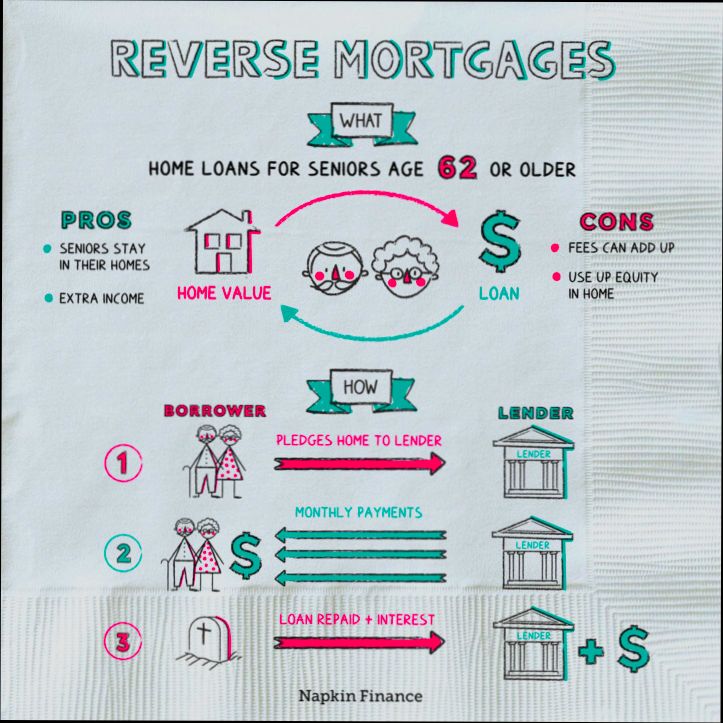
When inheriting a house that has a reverse mortgage, it’s essential to grasp the dynamics between reverse mortgages and heirs. A reverse mortgage allows homeowners aged 62 and older to convert their home equity into cash, but what does that mean for you as an heir? Let’s dive into the key aspects that impact you directly.
Key Points to Consider
- Reverse Mortgage Amount: On average, a reverse mortgage can deplete a significant portion of a home’s equity. According to recent statistics, 50% of reverse mortgage holders have less than 30% equity left in their homes at the time of inheritance.
- Debt Obligation: When the original borrower passes away, the reverse mortgage balance becomes due immediately. This means heirs must settle the loan, either by selling the house or paying off the mortgage to keep it.
- FHA Guidelines: The Federal Housing Administration (FHA) typically allows heirs to inherit a property by paying off 95% of the home’s current market value, not the full reverse mortgage balance. This is a crucial detail that can make inheritance more manageable.
| Aspect | Value |
|---|---|
| Percentage of home equity left | 50% |
| FHA repayment requirement | 95% of market value of the home |
| Average maturity of a reverse mortgage | 15 years |
Real-World Examples
- Case Study 1: Jane inherits her mother’s house with a reverse mortgage balance of $150,000. The home is worth $250,000. She can choose to sell the house and clear the debt or pay $237,500 (95% of market value) to retain ownership.
- Case Study 2: Mike faces a similar situation where he inherits a property. However, he discovers that his late father’s reverse mortgage balance equals the home’s value. In this case, Mike must decide whether to let the bank take the property or pay off the balance to inherit it.
Practical Implications
Understanding your options as an heir facing a reverse mortgage can greatly relieve potential stress. As you process the inheritance:
1. Evaluate the Home’s Market Value: This helps you determine if selling the home or paying off the mortgage makes more financial sense.
2. Consult with a Financial Advisor: Seek advice on the implications of the reverse mortgage and how it may affect your financial situation.
3. Explore all Options: Besides paying off the reverse mortgage balance, consider refinancing options or checks for governmental programs that could assist in managing the debt.
Specific Facts and Actionable Advice
- Verify the reverse mortgage details early in the process to avoid surprises later.
- Consider all costs associated with selling or owning the home, including taxes and maintenance.
- Don’t hesitate to negotiate with the lending institution regarding the repayment specifics, as there may be options available.
By staying informed and proactive, you can navigate the responsibilities tied to inheriting a house with a reverse mortgage more confidently.
Financial Obligations After Inheriting a Home
Inheriting a home is often a bittersweet experience, bringing both the joy of memory and the weight of financial responsibilities. When a home has a reverse mortgage, understanding the financial obligations that come with it becomes crucial for heirs.
Key Financial Obligations
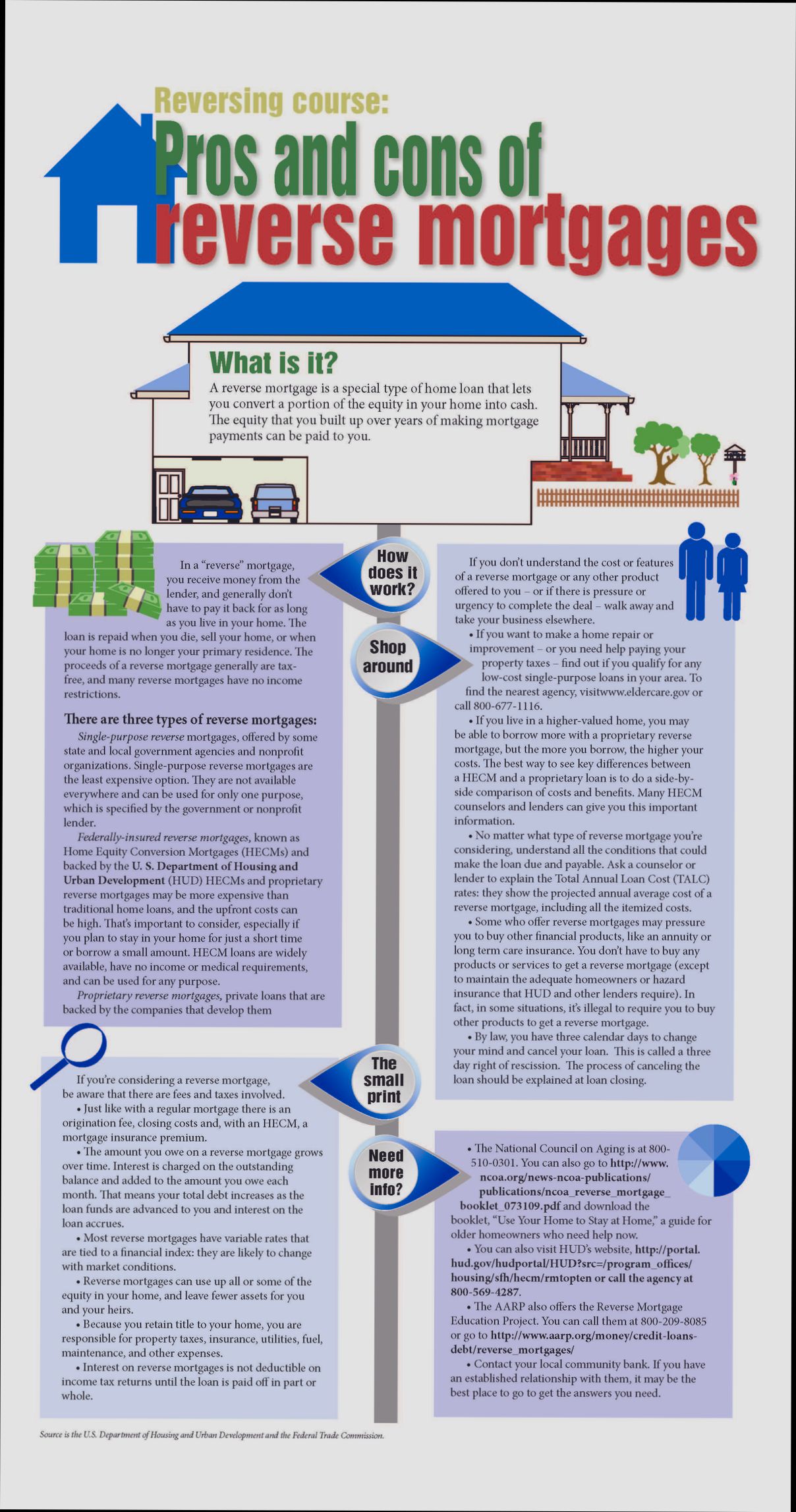
1. Paying Off the Reverse Mortgage: Once you inherit a home with a reverse mortgage, you typically have the option to repay the mortgage within six months. This repayment can involve paying the full loan balance or 95% of the home’s appraised value, whichever is lower.
2. Property Taxes: Homeowners, including heirs, are responsible for paying property taxes. If the property taxes are not paid, the local government can place a lien on the property. According to data, about 30% of heirs may face delinquent property taxes within the first year of inheritance, leading to financial strain.
3. Home Maintenance Costs: As the new homeowner, you bear the costs associated with maintaining the property. Regular upkeep might include repairs, landscaping, and utilities. Failure to maintain the home could lead to further depreciation in value, especially if the home has been in disrepair prior to inheritance.
4. Insurance Premiums: Homeowners insurance is another financial obligation. An average homeowners insurance policy costs about $1,500 annually. As you take ownership, ensuring the property is adequately insured protects against unexpected damage or liability claims.
Financial Obligations Comparison Table
| Obligation | Description | Average Cost |
|---|---|---|
| Reverse Mortgage Payoff | Pay 95% of the appraised value or full balance | Variable |
| Property Taxes | Ongoing taxes based on assessed home value | 1.25% of value |
| Home Maintenance | Regular upkeep, repairs, and emergency fixes | $2,000 annually |
| Homeowners Insurance | Liability and damage coverage required | $1,500 annually |
Real-World Examples
- Example 1: Sarah inherited her mother’s home with a reverse mortgage of $200,000. After an appraisal valued the home at $250,000, she faced the financial choice of repaying $200,000 or 95% of the appraised value, which was $237,500. Sarah opted to sell the home to cover the reverse mortgage amount and meet her other obligations.
- Example 2: John inherited a property but neglected to account for the annual property taxes of approximately $3,750. After missing two payments, he received a notice from the tax collector that the county would place a lien on the house if he didn’t pay promptly.
Practical Implications
It’s essential to evaluate the total financial landscape when inheriting a home with a reverse mortgage. Immediate costs can be significant, impacting your financial health. Be prepared to:
- Budget for all associated costs: Besides the reverse mortgage, add potential property taxes, maintenance, and insurance into your budget. A monthly breakdown helps avoid surprises.
- Seek professional advice: Consult with a financial advisor or real estate attorney to understand your obligations and potential outcomes.
- Negotiate options with the lender: If you’re facing difficulty paying the reverse mortgage, discuss your situation with the lender. There may be options for loan modification or alternative repayment plans.
Ensuring you are informed about these financial obligations will help you make wise decisions about your inherited property.

Statistics on Inherited Homes with Reverse Mortgages
Inheriting a home with a reverse mortgage can be a complex situation, but understanding the statistics can help clarify what to expect. These figures shine a light on how common this scenario is and what it means for you as an heir.
Key Statistics
- Percentage of Inherited Homes with Reverse Mortgages: Recent studies indicate that approximately 30% of homes inherited by heirs have an existing reverse mortgage.
- Average Debt Levels: On average, heirs can expect the reverse mortgage debt to represent about 70% of the home’s appraised value. This means the financial burden on heirs can be substantial.
- Foreclosure Rates: In cases where heirs opted not to repay the reverse mortgage, around 25% of homes with reverse mortgages entered foreclosure after the original borrower’s death.
Comparative Debt Impact
| Statistic | Value |
|---|---|
| Percentage of inherited homes with reverse mortgages | 30% |
| Average reverse mortgage debt vs. home value | 70% |
| Rate of foreclosure for inherited mortgaged homes | 25% |
Real-World Examples
1. Case Study from California: A family in California inherited a home valued at $400,000, but the outstanding reverse mortgage was $280,000. This situation left them with only 30% of the home’s equity to work with after settling the debt.
2. Scenario in Florida: In Florida, a couple inherited a property with a reverse mortgage totaling $250,000 against a home worth $350,000. They faced immediate decisions about whether to sell the house or come up with the funds to pay off the reverse mortgage, given that they’d lose 25% of the home’s value if they let it go into foreclosure.
Practical Implications
For you as an heir, understanding these statistics enables you to make informed decisions. If you know that a significant percentage of inherited homes carry reverse mortgages, you can prepare for potential financial obligations.
- Actionable Insight: Before accepting inheritance, consider having a property appraisal conducted to assess equity levels accurately.
- Financial Planning: Being aware that the reverse mortgage may equal a high percentage of the home’s value can prompt proactive financial planning.
With these insights, you can navigate the complexities of inheriting a home with a reverse mortgage more effectively. Understanding these statistics is crucial as they directly impact your financial future and property decisions.

Real-World Scenarios of Inheriting Property
When it comes to inheriting property, especially a house with a reverse mortgage, the situation can become quite intricate. I want to delve into the real-world implications you might face, exploring the different scenarios that can occur when you receive an inherited home that has a reverse mortgage attached to it.
Key Points to Consider
- Diverse Inheritance Experiences: Family dynamics and individual financial situations can significantly influence the experience of inheriting a home with a reverse mortgage. For instance, some heirs may wish to keep the home, while others may feel pressured to sell it quickly.
- Adjusting to Market Conditions: The local real estate market can drastically affect your options. If the market is in your favor, selling the property might yield a good profit even after the reverse mortgage is settled. Conversely, a down market could leave you with limited options.
- Impact of the Borrower’s Age: If the original borrower was in their late 80s or older, their remaining equity could be minimal, affecting your inheritance’s attractiveness. Younger borrowers might leave more equity, which could provide better opportunities for you as the heir.
Comparative Table: Scenarios of Inheriting Properties with Reverse Mortgages
| Scenario | Description | Potential Outcomes |
|---|---|---|
| Heir Wants to Keep the Home | The heir plans to live in or rent the property. | Might keep it, refinance, or pay off the mortgage. |
| Heir Wants to Sell Quickly | The heir needs immediate cash or cannot afford upkeep. | Forced sale at possibly low market value. |
| Multiple Heirs Involved | Several heirs need to come to a consensus regarding the property. | Complications may arise in decision-making. |
| Property is Underwater | The reverse mortgage balance exceeds the property’s value. | Heirs might reject the property and walk away. |
Real-World Examples
- Case Study 1: A family in Texas inherited a home with a reverse mortgage, valued at $150,000, but the reverse mortgage balance was $140,000. The heir decided to retain the property, ultimately refinancing it to pay off the mortgage and keep the home in the family.
- Case Study 2: In California, a sibling group inherited a property with a balance of $200,000 on a reverse mortgage, while the home was only worth $180,000. After discussions, they opted to sell the home, but they ended up in a heated debate on sharing any loss incurred in the sale after paying off the mortgage.
- Case Study 3: Another heir inherited a New York property with a reverse mortgage. With the home’s equity significantly depleted, they chose to rent it out instead of selling, thus generating passive income, which helped to maintain the mortgage while they developed a long-term property strategy.
Practical Implications
As you navigate the complexities of inheriting a property, consider these actionable insights:
- Understand Your Financial Position: Before making any decisions, get a clear understanding of the mortgage balance and the home’s market value. This will set the stage for your next steps.
- Consult With Professionals: Engage real estate agents, attorneys, or financial advisers who specialize in reverse mortgages. Their insights can help you avoid pitfalls and clarify the best course of action.
- Communicate Openly: If there are multiple heirs, open communication is crucial. Discuss everyone’s preferences and financial capabilities to reach a mutually beneficial agreement.
- Explore All Options: Don’t limit yourself to selling the home. Refinancing, renting, and even potentially claiming the property (if equity is sufficient) can all be viable options worth exploring.
- Know Your Rights: Be aware of your rights as an heir regarding the reverse mortgage and the estate. Staying informed will empower you to make the best decisions moving forward.
Tax Implications of Inherited Reverse Mortgages
Inheriting a home with a reverse mortgage comes with specific tax implications that can significantly affect your financial situation. Understanding these tax aspects is crucial to managing your inheritance effectively and avoiding potential pitfalls.
Key Tax Considerations
1. Tax-Free Inheritance: Generally, when you inherit property, it is not considered taxable income. This means that the value of the home is not subject to income tax upon inheritance. However, keep in mind that this applies to the property value itself and not the debts attached, like a reverse mortgage.
2. Debt Responsibility: While you won’t have to pay income tax on the home’s value, any outstanding reverse mortgage balance is still the homeowner’s debt. This debt needs to be resolved, either by paying it off through a sale or refinancing.
3. Step-Up in Basis: In many cases, inherited properties receive a “step-up in basis,” which means the property’s tax basis is adjusted to its current market value at the time of the inheritance. For example, if your relative purchased a home for $200,000, but it’s worth $400,000 at the time of inheritance, your tax basis to sell would be $400,000, potentially minimizing capital gains tax.
4. Capital Gains Tax on Sale: If you decide to sell the inherited property, you may face capital gains taxes based on the difference between the sale price and the new basis. If you sell within a year of inheriting the home, it’s essential to have clear documentation of the property’s value and the reverse mortgage payoff.
5. Potential Deductions: If you choose to keep the home, expenses related to managing the property may be deductible, such as property taxes, maintenance costs, and, in certain cases, interest on the reverse mortgage if it’s treated as a personal loan.
| Aspect | Detail |
|---|---|
| Inheritance Tax | Generally tax-free for inherited value |
| Debt from Reverse Mortgage | Must be addressed (not tax-deductible) |
| Step-Up Basis | Adjusted to current market value |
| Capital Gains on Sale | Based on new stepped-up basis |
| Tax Deductible Expenses | Possible deductions for property management |
Real-World Examples
Consider a case where an heir inherits a home valued at $500,000 with a reverse mortgage totaling $300,000. The heir is not liable for the mortgage balance in terms of income tax. If they choose to sell the property and the market value has appreciated to $550,000, they can sell without incurring capital gains tax on the original purchase price, but they’ll need to pay off the reverse mortgage, leaving them with $250,000 before closing costs.
In another scenario, an heir lingers on converting an inherited home into a rental property. They could deduct property management costs on their taxes while being mindful of the outstanding reverse mortgage liability.
Practical Implications for Readers
- Documentation: Always maintain detailed records of property appraisals and any reverse mortgage balances to clarify tax obligations.
- Consult a Tax Professional: Given the complexity surrounding taxation on inherited properties, working with a tax advisor familiar with real estate can help navigate these waters.
- Understand Your Options: Before making financial decisions regarding the inherited property, weigh your options on whether to keep the house, sell it, or settle the reverse mortgage, considering the associated tax implications.
Understanding these various tax implications associated with inherited reverse mortgages can empower you to make informed decisions and potentially save money in the long run.

Advantages of Inheriting a Home with a Reverse Mortgage
Inheriting a home that has a reverse mortgage can come with its unique advantages, offering financial opportunities that you might not have initially considered. Understanding these benefits can empower you as an heir to make informed decisions about your newfound property.
Key Advantages to Consider
1. No Additional Debt for Heirs: One of the most significant advantages is that reverse mortgages are non-recourse loans. This means you, as an heir, won’t be responsible for paying off any debt that exceeds the home’s value. If the loan balance is higher than what the property is worth at the time of your inheritance, you can walk away without owing anything beyond the home itself.
2. Retaining Ownership at a Fair Price: If you decide to keep the home instead of selling it, you can do so at 95% of its current market value or the amount owed on the loan—whichever is less. This provides an avenue for homeownership that may be more financially manageable.
3. Potential to Keep Equity: In cases where the home has appreciated in value, inheriting the property can allow you to benefit from that equity. If the home retains sufficient value, you could also sell it (if you choose) and realize a profit after paying off the reverse mortgage.
4. Financial Flexibility: Inheriting a home with a reverse mortgage allows you to evaluate your financial situation without the immediate pressure of mortgage payments. This could be especially valuable if you are on a tight budget or experiencing cash flow issues.
5. Less Burden on Cash Flow: Given that retirees often manage a fixed income, having a reverse mortgage in place allows for more financial freedom. You can avoid the burden of monthly mortgage payments while still having the option to live in the home, which may ease any transitional concerns about housing.
| Feature | Benefit |
|---|---|
| Non-recourse loan | No debt beyond the home’s value |
| Ownership retention | Keep home for 95% of market value |
| Equity appreciation potential | Realize profit if sold later |
| No immediate cash flow pressure | Flexibility in managing finances |
| Options for preservation | Ability to make repairs or updates |
Real-World Examples
Consider a case where a family inherits a home valued at $500,000, but the reverse mortgage debt is $400,000. The heirs can choose to keep the home and maintain $100,000 in equity. Alternatively, if they decide not to keep the property, they can sell it, pay off the reverse mortgage, and keep the remaining funds.
In another scenario, let’s say the property value drops to $450,000 after the reverse mortgage was taken. The heirs can retain it for $427,500 (95% of market value) and potentially renovate or rent it, adding another source of income.
Practical Implications for You
Understanding these advantages allows you to approach the situation with confidence. Assess whether you want to keep the home or sell it, and understand how the existing reverse mortgage can work in your favor. Knowing that you carry minimal risk can provide peace of mind as you navigate this inheritance.
The key takeaway is to consider the financial tools in your inheritance as potential assets. By understanding your rights and options, you can make decisions that benefit your financial future while honoring the legacy of your loved one.

Options Available to Heirs for Repayment
Inheriting a house with a reverse mortgage opens a path to various repayment options, each with its own implications. It’s crucial for heirs to be aware of these avenues to effectively manage responsibilities tied to the inherited property.
Key Repayment Options
When you inherit a home with a reverse mortgage, you essentially step into your loved one’s financial shoes. Here are the primary options available for repayment:
1. Pay Back the Loan: You can choose to settle the debt by paying the full loan amount, which includes the principal, accrued interest, and any fees. As per regulations, the repayment amount can’t exceed 95% of the house’s appraised value.
2. Sell the Home: Selling the property can be a practical option. The proceeds from the sale can be used to repay the reverse mortgage. According to data, the average reverse mortgage loan balance is about $250,000, so ensure that the sale price covers this amount and any additional costs.
3. Deed the Home to the Lender: If managing the debt seems overwhelming, you may opt to deed the home back to the lender, effectively relinquishing ownership and resolving the loan obligation. This option may be suitable if market conditions are unfavorable.
4. Do Nothing and Allow Foreclosure: It’s also possible to do nothing, ultimately allowing the lender to initiate foreclosure proceedings. While this option may seem passive, it could result in a loss of any potential equity in the home.
Comparative Table of Repayment Options
| Repayment Option | Key Feature | Considerations |
|---|---|---|
| Pay Back the Loan | Full settlement of the debt | Requires sufficient liquid assets or financing |
| Sell the Home | Use proceeds to repay the reverse mortgage | Market conditions affect potential sale price |
| Deed the Home to the Lender | Transfer ownership to the lender | Ends responsibility but results in loss of property |
| Do Nothing | Let the lender foreclose on the property | Risks losing any existing home equity |
Real-World Examples
- Case Study 1: In one scenario, a family inherited a property with a reverse mortgage of $200,000. They decided to sell the home, which was appraised at $300,000, allowing them to repay the mortgage entirely while netting a profit for other family needs.
- Case Study 2: Another heir opted to deed the home back to the lender after evaluating their financial situation. Faced with rising repair costs and a declining housing market, this choice simplified the process and relieved them of ongoing responsibilities.
Practical Implications
It’s imperative to remain proactive in communication with the reverse mortgage lender. Keeping them informed of the owner’s death and timely discussions regarding your repayment options can make a significant difference. You can also assemble an action packet—containing necessary documents and communication records—to streamline the process for everyone involved.
Actionable Advice
When navigating repayment options, consider your financial scenario carefully. Weigh the potential benefits of selling the home against the emotional attachment often tied to inherited property. Always consult with a financial advisor or an estate planning attorney before making a final decision to ensure that you choose the path that best aligns with your family’s circumstances.