Blog
How Much Is Your Property Worth in United Kingdom
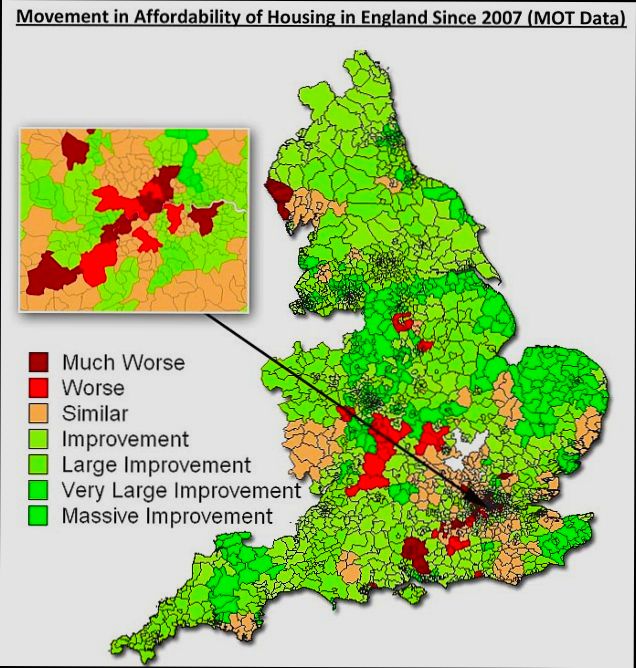
How Much Is Your Property Worth in United Kingdom? The answer hinges on a cocktail of factors, from location to market trends. For instance, homes in London are known to command eye-watering prices, with average properties going for around £500,000, and the trend doesn’t stop there—districts like Kensington and Chelsea are pushing the average well above £1 million. Meanwhile, if you look further afield, charming towns in Yorkshire or the North East might see averages closer to £200,000, which draws in first-time buyers eager to get their foot on the property ladder.
How Much Money Do You Need to Buy a House
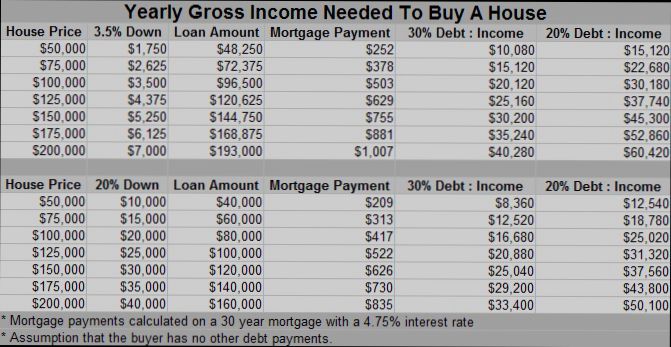
“How Much Money Do You Need to Buy a House” is a burning question for anyone dreaming of homeownership. Imagine walking into your favorite café, grabbing a latte, and casually chatting with friends about the local real estate market. You hear stories about first-time buyers who snagged a cozy three-bedroom for $300,000, while others are left scrambling for cash to cover closing costs and down payments. In many cases, having at least 20% saved for that down payment makes a significant difference—do the math, and that’s a cool $60,000 on a $300,000 home. But don’t forget about other expenses like inspection fees, appraisals, and those pesky closing costs, which can add another 2% to 5% of the home’s purchase price, easily pushing your upfront costs north of $75,000.
How Much Notice Does a Landlord Have to Give If Not Renewing Lease
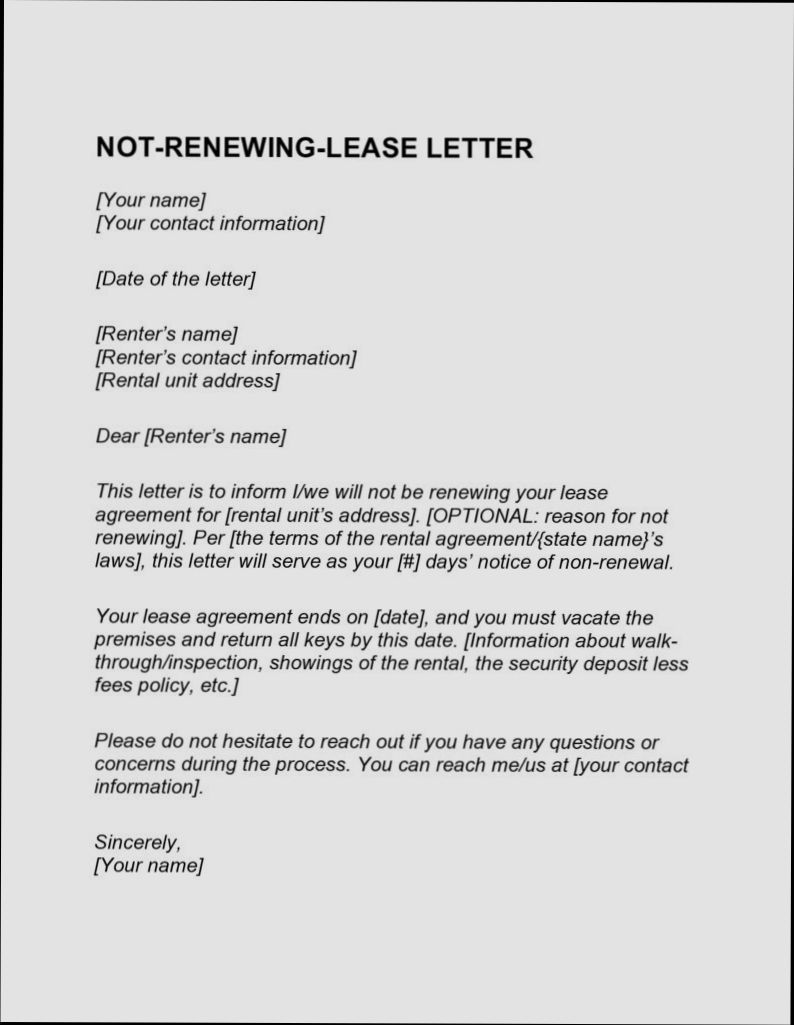
How Much Notice Does a Landlord Have to Give If Not Renewing Lease? It’s a question that can stir up quite a bit of anxiety for tenants. In many states, landlords are required to give a notice period ranging from 30 to 90 days before the lease ends. For example, in California, landlords must provide at least 30 days' notice if you’ve been renting for less than a year, while in states like New York, the timeframe can be as much as 60 days for leases over one year. Now, imagine you’re just settling into your routine when you get that notice—it can really throw a wrench in your plans!
How Much Rent Can You Afford
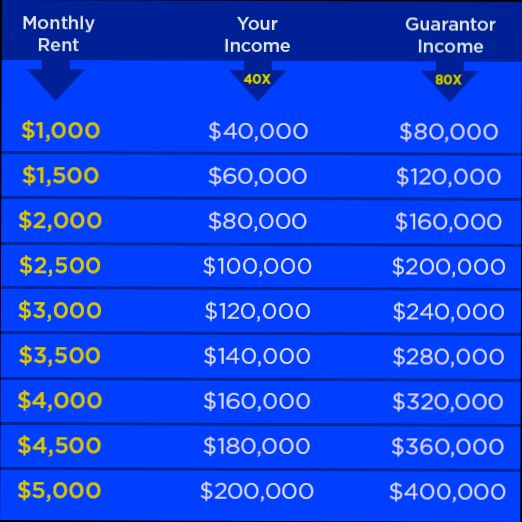
How much rent can you afford? That’s a question many of us wrestle with as we navigate the daunting landscape of monthly expenses. Let’s say your monthly income is $3,500—common in many cities today. Experts often recommend that you spend no more than 30% of your income on rent, which means you should ideally aim for something around $1,050. But wait! What if you live in a bustling city like New York or San Francisco, where even a shoebox apartment can easily eat up half your paycheck? Suddenly, that 30% rule feels like a distant dream.
How Much Time After Selling a House Do You Have to Buy a House to Avoid the Tax Penalty
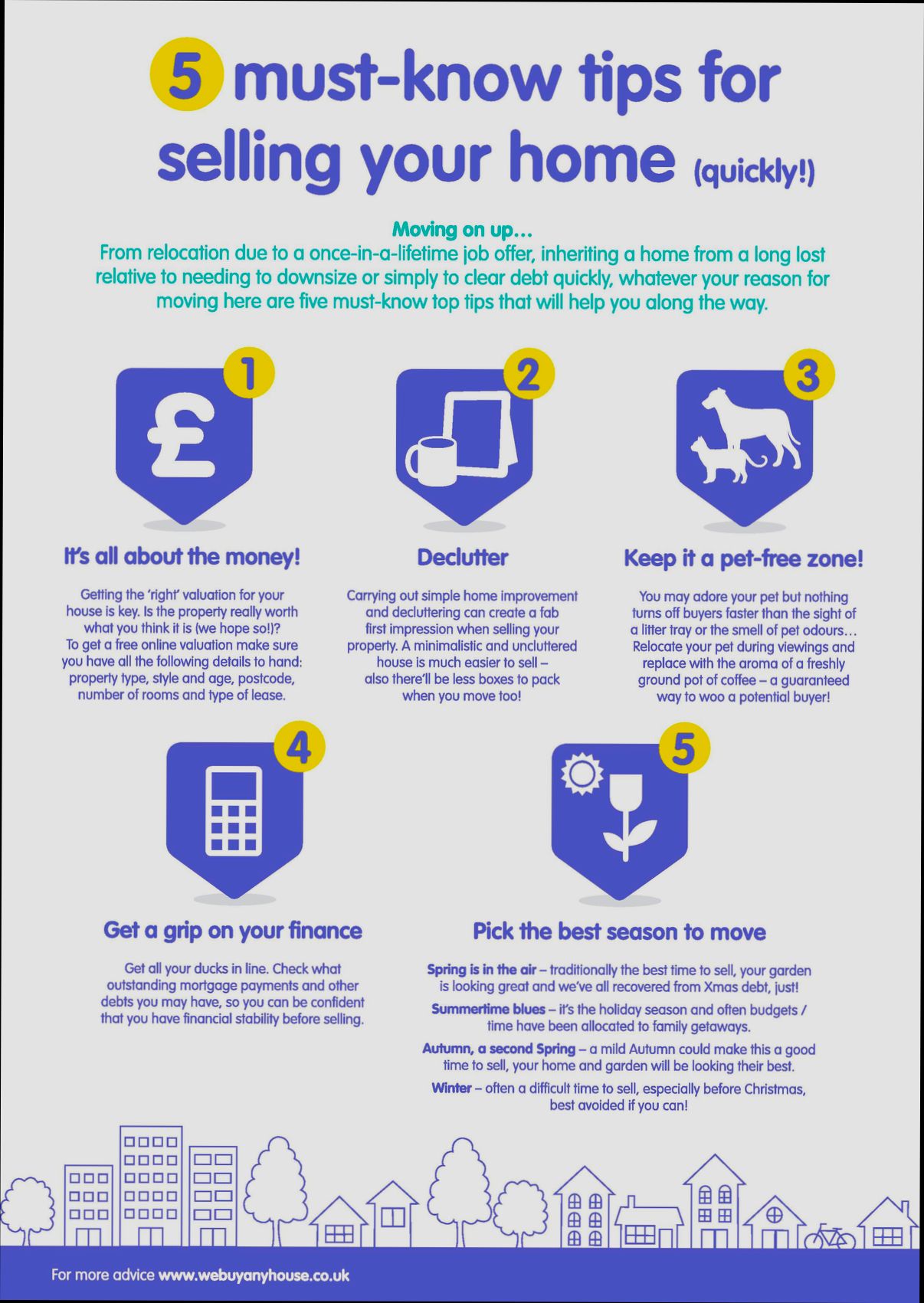
How Much Time After Selling a House Do You Have to Buy a House to Avoid the Tax Penalty? If you’ve just sold your home, you’re probably wondering how to keep your hard-earned cash in your pocket instead of handing it over to Uncle Sam. The IRS provides some wiggle room with its capital gains tax exemption, but you need to know the timeline. For single filers, you can exclude up to $250,000 in gains from your taxable income if you meet certain criteria, while married couples can bump that up to a whopping $500,000. But here’s the catch: if you’re not careful about how you reinvest those funds, you could lose out on this tax perk.
How Often Do You Pay Property Tax
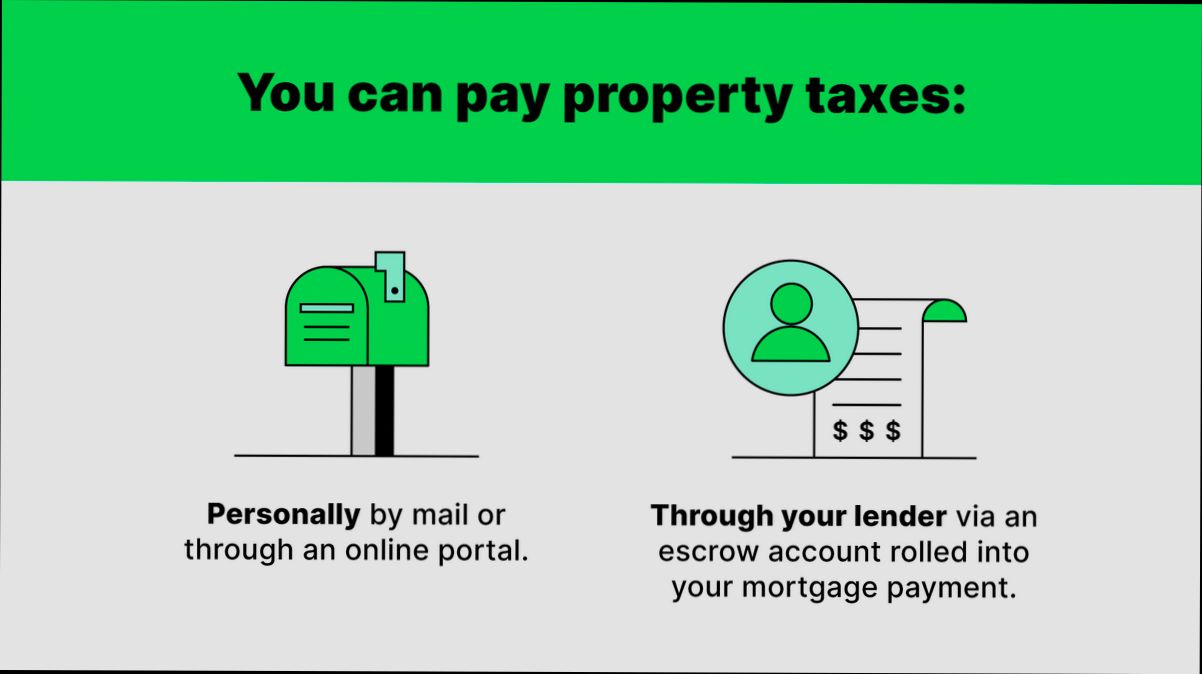
How often do you pay property tax? It's a question that many homeowners grapple with each year, often linked to their local tax assessments. In most states, you’ll find that property taxes are due annually or semi-annually, with deadlines that can vary significantly depending on where you live. For example, if you're in Texas, you typically pay your property taxes once a year, usually by January 31st, while someone in California might be looking at semi-annual payments due in December and April.
How Old Do You Have to Be to Buy a House
How Old Do You Have to Be to Buy a House? It’s a question I hear all the time, especially from my friends who are starting to think about their future. You might be surprised to learn that in most states, you can technically buy a house at 18, the legal age of adulthood. For example, in Texas, an 18-year-old can sign a mortgage agreement, but many lenders have their own age criteria. It’s not uncommon for banks to prefer borrowers who are at least 21 to account for credit history and financial stability.
How Old Is My House
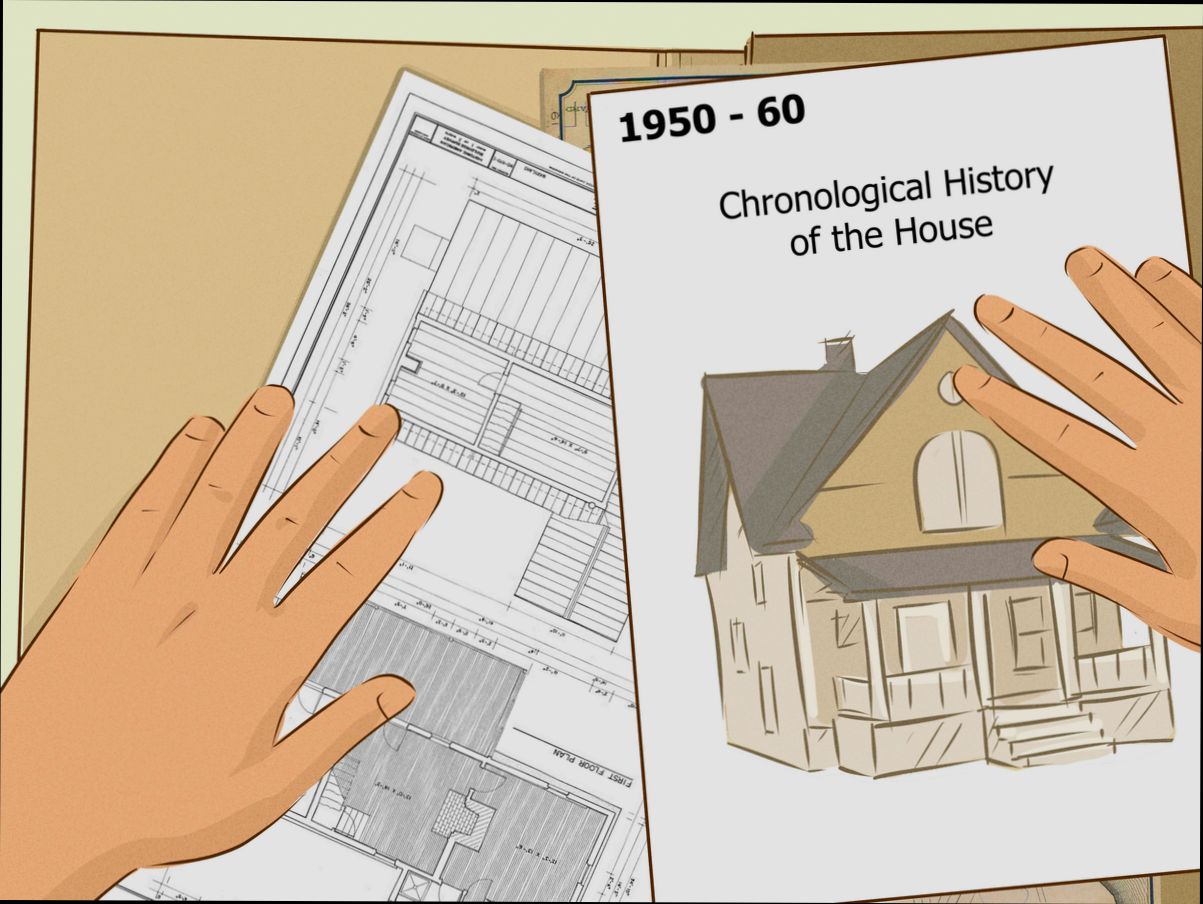
How old is my house? If you’ve ever scratched your head while admiring that quirky wallpaper or the unique floorboards, you’re definitely not alone. You might live in a charming 1920s craftsman with its period details, or perhaps a sleek mid-century modern gem that boasts a retro vibe. Even the age of newer constructions can spark curiosity—homes built in the boom periods of the 1970s or 2000s offer their own tales from the past. Did you know that in some neighborhoods, houses built before 1950 can be worth up to 15% more due to their historical significance?
Tags