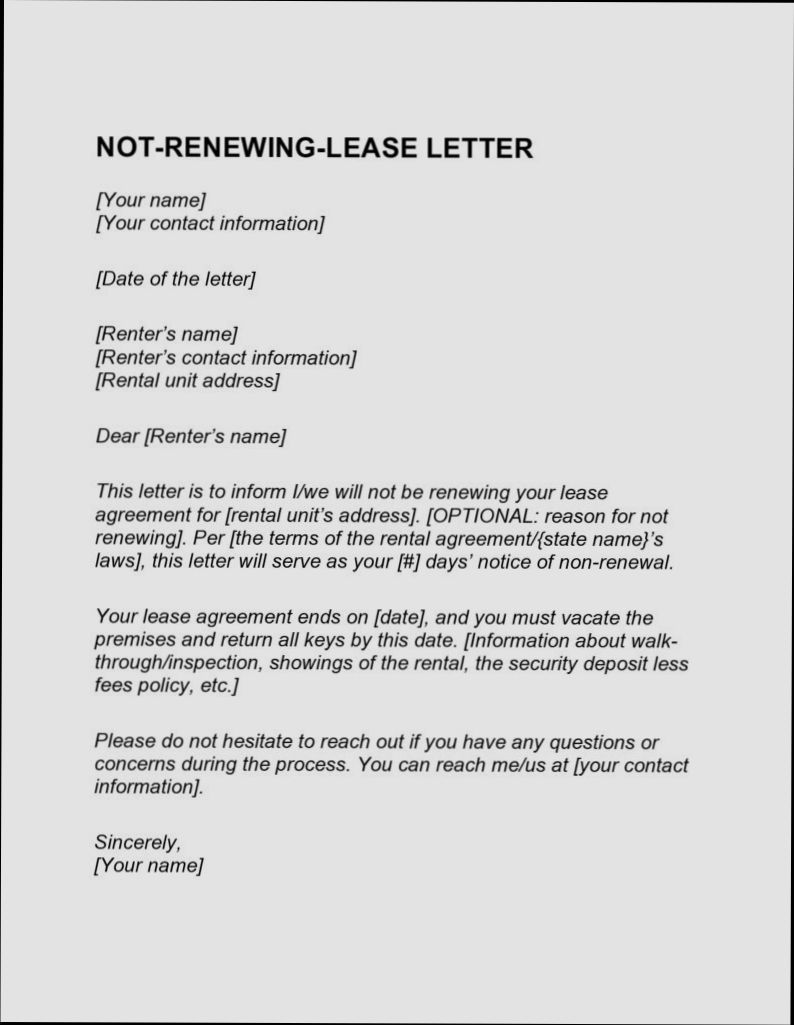
How Much Notice Does a Landlord Have to Give If Not Renewing Lease? It’s a question that can stir up quite a bit of anxiety for tenants. In many states, landlords are required to give a notice period ranging from 30 to 90 days before the lease ends. For example, in California, landlords must provide at least 30 days’ notice if you’ve been renting for less than a year, while in states like New York, the timeframe can be as much as 60 days for leases over one year. Now, imagine you’re just settling into your routine when you get that notice—it can really throw a wrench in your plans!
To make matters more interesting, the required notice can depend on the type of lease you have. If you’re on a month-to-month lease, your landlord often has the flexibility to give shorter notice—sometimes as little as 30 days. But what if your lease is fixed-term? The rules can vary widely. Some landlords might adhere strictly to the law, while others might play fast and loose with timelines, leaving you scrambling to find a new place. Knowing the specifics of your state laws can really help you navigate this tricky situation.
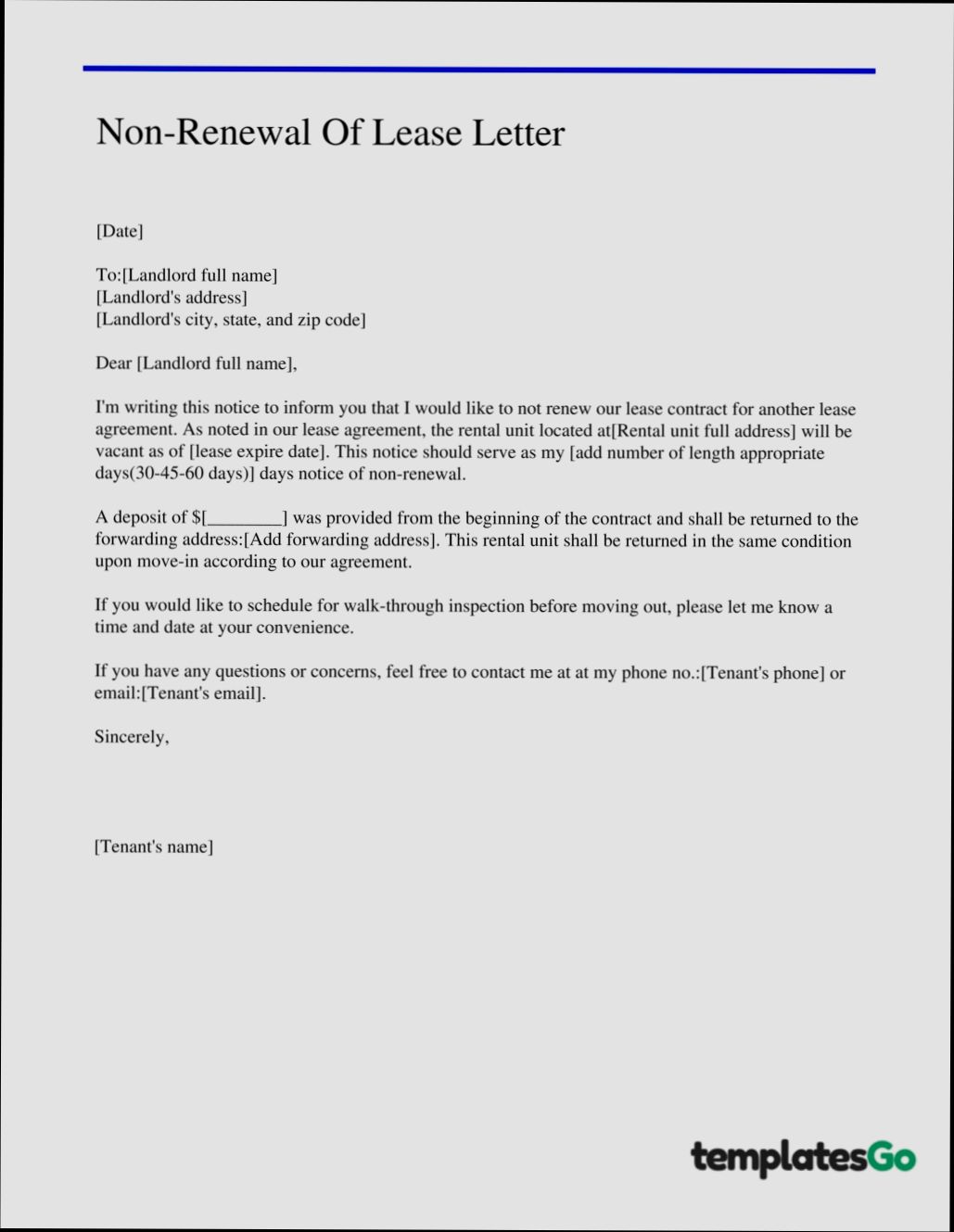
Legal Obligations of Landlords
Understanding the legal obligations of landlords is crucial when it comes to lease renewal and termination. As a landlord, you’re not just in charge of the property; you also have specific responsibilities to your tenants. Let’s dig into these obligations, especially in relation to notifying tenants about lease non-renewals.
Notice Requirements
1. Written Notice: Most state laws require landlords to provide written notice when they choose not to renew a lease. The duration of this notice can vary, but it typically ranges from 30 to 90 days before the lease end date.
2. Duration by State: A survey reveals that 29% of U.S. states mandate a 60-day notice, while another 24% require a notice period of 30 days. Only 10% need a full 90 days’ notice, emphasizing the importance of knowing your state regulations.
3. Reason for Non-Renewal: In some regions, landlords must provide a valid reason for lease non-renewal if the tenant has lived in the property for a set duration—often one year. Check your local laws to determine what constitutes an acceptable reason.
Notice Requirements Comparison Table
| State | Required Notice Period | Must provide reason for non-renewal |
|---|---|---|
| California | 60 days | Yes |
| Texas | 30 days | No |
| Florida | 60 days | Yes, after one year |
| New York | 90 days | Yes, if tenant is in residence over a year |
| Illinois | 30 days | No |
Real-World Examples
In California, a landlord failed to provide the required 60 days’ notice to a tenant in a controlled arrangement. Consequently, the tenant was able to contest the non-renewal in court, resulting in the landlord being compelled to allow the tenant to remain for an additional month.
On the other hand, a landlord in Florida successfully notified a tenant with a proper 60-day notice that the lease would not be renewed, adhering to state law and avoiding any legal complications.
Practical Implications for Landlords
Understanding these obligations can save landlords from disputes and legal ramifications. If you’re unsure of the notice period or reasons for non-renewal in your state, make it a priority to double-check your local laws. Here are a few tips:
- Stay Updated: Laws can change, so ensure you regularly check for any updates in rental regulations.
- Document Everything: Always keep a record of your communications with tenants, including notices served.
- Consider Your Tenants: If a tenant has been reliable, maintaining a good relationship might lead you to consider a renewal despite initial plans of non-renewal.
Key Legal Facts
- In jurisdictions where written notice is required, failure to comply can lead to financial penalties, averaging around $1,000, according to legal reviews.
- More than 50% of landlords are unaware of these critical legal obligations, which could lead to unnecessary disputes.
- Always consult with a legal professional if you’re unsure about the specifics of your obligations or how to deliver a legally compliant notice.
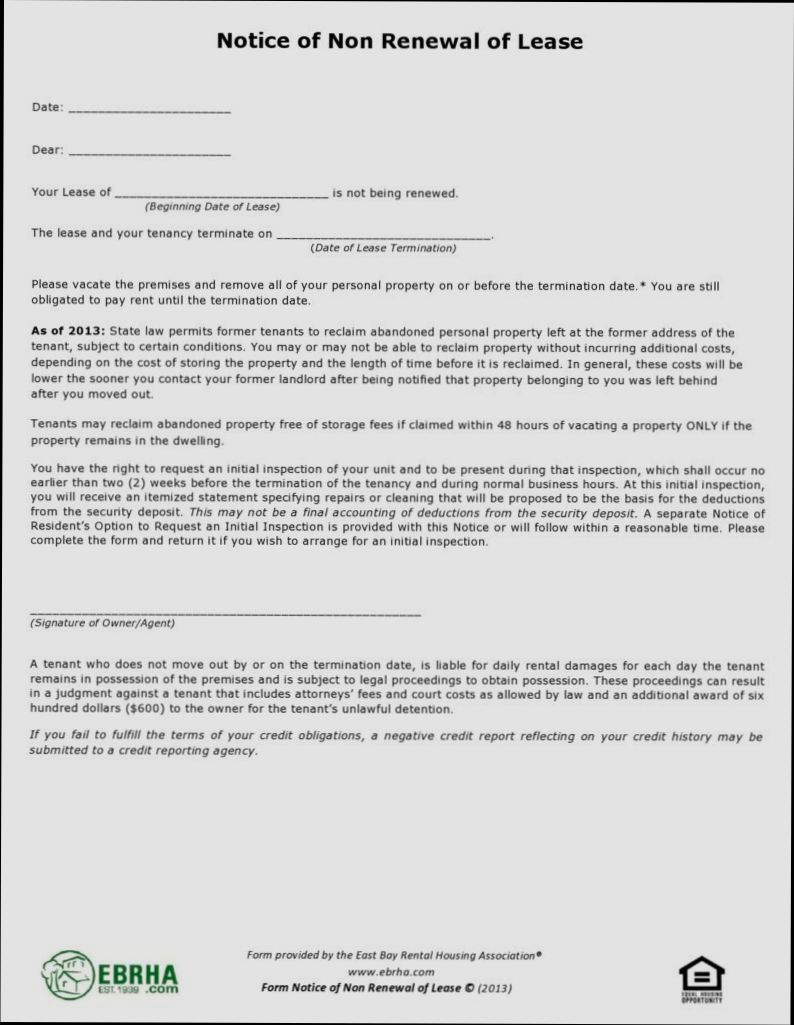
State-Specific Notice Requirements
When a landlord decides not to renew a lease, understanding the state-specific notice requirements is essential. Each state has different laws regarding how much notice landlords must provide, and knowing these specifics empowers you as a tenant or landlord.
Key Points on Notice Requirements
- Varied Notice Periods: States typically require notice periods ranging from 30 to 90 days. For example:
- California mandates a 60-day notice for tenants who have been there for more than one year.
- In Texas, a landlord must provide 30 days’ notice, regardless of the lease’s duration.
- Written Notices: Most states require that the non-renewal notice be in writing. Verbal notices can lead to disputes and misunderstandings.
- Delivery Methods: The method of delivering the notice can vary by state. Some states allow for delivery via email, while others may require personal delivery or certified mail for legal validity.
Comparative Table of Notice Requirements
| State | Notice Period | Written Requirement | Delivery Method |
|---|---|---|---|
| California | 60 days | Yes | Personal, Certified |
| Texas | 30 days | Yes | Personal, Certified, Email |
| New York | 30 days | Yes | Personal, Certified |
| Florida | 60 days (annual) | Yes | Personal, Certified |
| Illinois | 30 days | Yes | Personal, Certified |
Real-World Examples
- In California, a tenant who lived in their apartment for over five years received a written, 60-day non-renewal notice. The landlord followed through correctly by providing a certified copy of the notice, ensuring legal adherence.
- Conversely, in New York, a landlord attempted to give a tenant a verbal notice less than 30 days before lease expiration. The tenant successfully contested the termination due to the lack of written notice, highlighting the critical nature of complying with state laws.
Practical Implications
Knowing the specifics of notice requirements means you can better prepare whether you’re a tenant or a landlord.
- For Tenants: Ensure that any notice you receive is documented and complies with your state’s requirements. If the notice period seems insufficient, you may have grounds to challenge the non-renewal.
- For Landlords: Make sure to track the notice you send and how you deliver it. Utilizing certified mail can provide proof of delivery, safeguarding against potential disputes.
Specific Facts to Remember
- Always check local laws for any additional requirements or variations.
- If you’re unsure about the specific notice period in your state, consulting state housing laws or a legal professional can save you headaches down the line.
- Keep a record of all communications regarding lease renewals or terminations; written documentation can protect everyone’s interests.
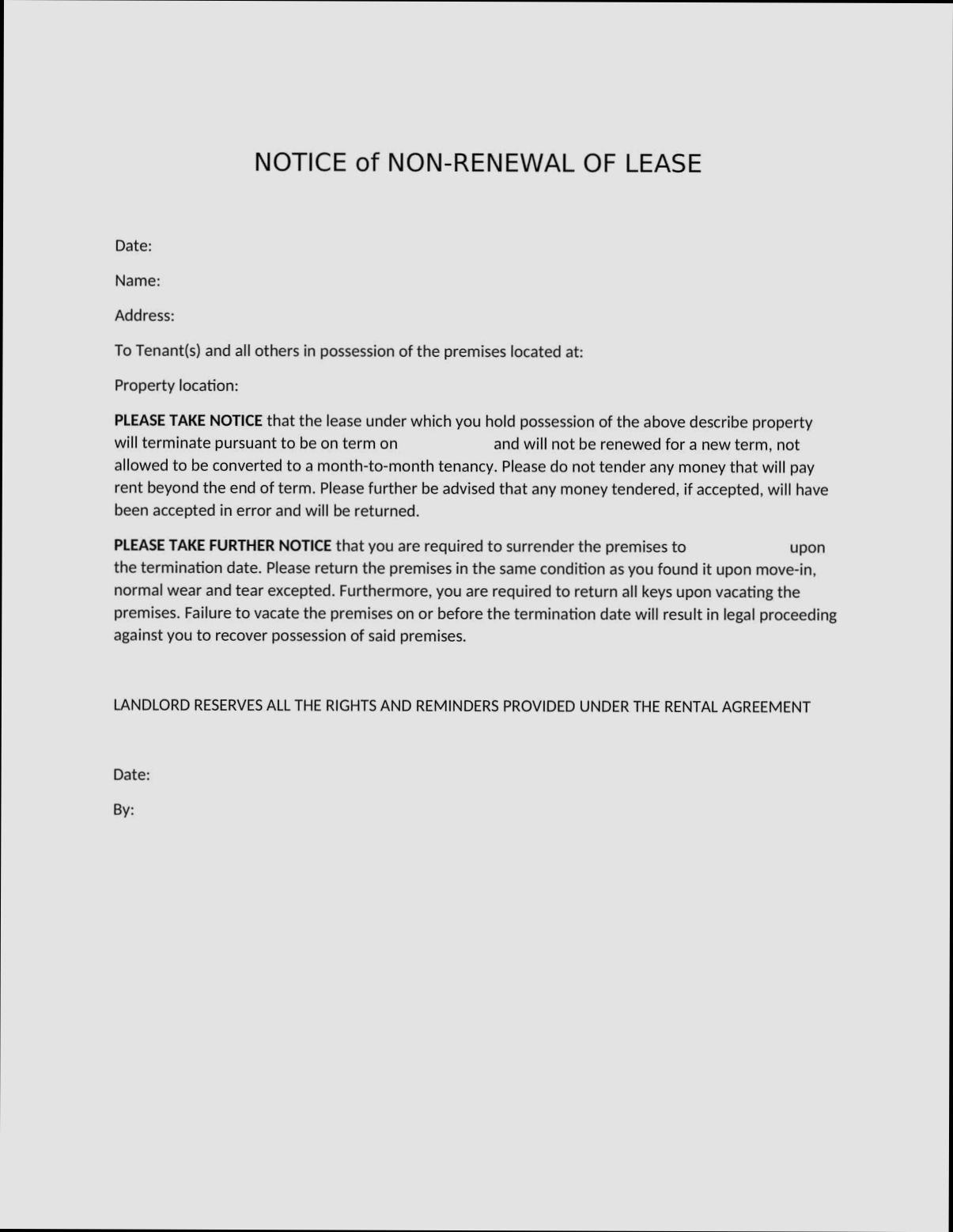
Impact of Lease Types on Notice
When it comes to lease renewal and notice periods, the type of lease agreement you have can significantly impact what your landlord must do. Understanding how various lease types influence notice requirements can equip you with the knowledge to navigate your rental situation more effectively.
Key Points on How Lease Types Affect Notice Periods
1. Fixed-Term Leases: For tenants on a fixed-term lease, the notice period for non-renewal can vary. Many landlords must provide notice at least 60 days before the lease ends, but this can be longer depending on state laws or specific lease terms.
2. Month-to-Month Leases: If you’re on a month-to-month agreement, the notice requirements are typically shorter. Many states require as little as 30 days’ notice for non-renewal, but again, this may depend on local laws.
3. Lease Addendums: Sometimes, lease agreements include specific clauses regarding notice periods. For instance, if you have an addendum stating a 90-day notice for any changes, your landlord must comply regardless of the lease type.
Comparative Notice Periods by Lease Type
| Lease Type | Standard Notice Period (Days) | Potential Variations |
|---|---|---|
| Fixed-Term Lease | 60-90 | Can vary by state |
| Month-to-Month Lease | 30 | State-specific laws |
| Lease with Addendum | Per addendum | Depends on the clause |
Real-World Examples Reflecting Lease Type Impacts
- Example 1: In California, a tenant with a fixed-term lease received a 60-day notice for non-renewal, as required by state law. However, if their lease had included a notice clause that specified 90 days, the landlord would have had to comply with that term.
- Example 2: A tenant on a month-to-month lease in New York City received a 30-day notice about non-renewal. This case highlighted how local laws dictate that landlords can terminate such leases with relatively short notice.
- Example 3: A lease agreement in Texas included a clause requiring 45 days’ notice for non-renewal despite being a month-to-month rental. This instance exemplifies how specific lease clauses can extend the notice period beyond statutory requirements.
Practical Implications for Your Situation
- Review your lease agreement carefully to understand the specified notice requirements.
- If you’re on a month-to-month lease, adjust your moving plans accordingly, knowing the common 30-day notice might apply, but check your local regulations.
- Discuss with your landlord about any lease addendums that might affect your notice period to ensure you’re fully informed.
Actionable Advice Regarding Lease Types and Notice
- If your lease includes specific terms regarding notice, always keep a copy and refer to it if your landlord provides a notice.
- Stay informed about local housing laws that may affect standard notice periods, especially if your lease is set to renew.
- When negotiating leases, consider including clauses that align with your preferred notice period to protect yourself as a tenant.
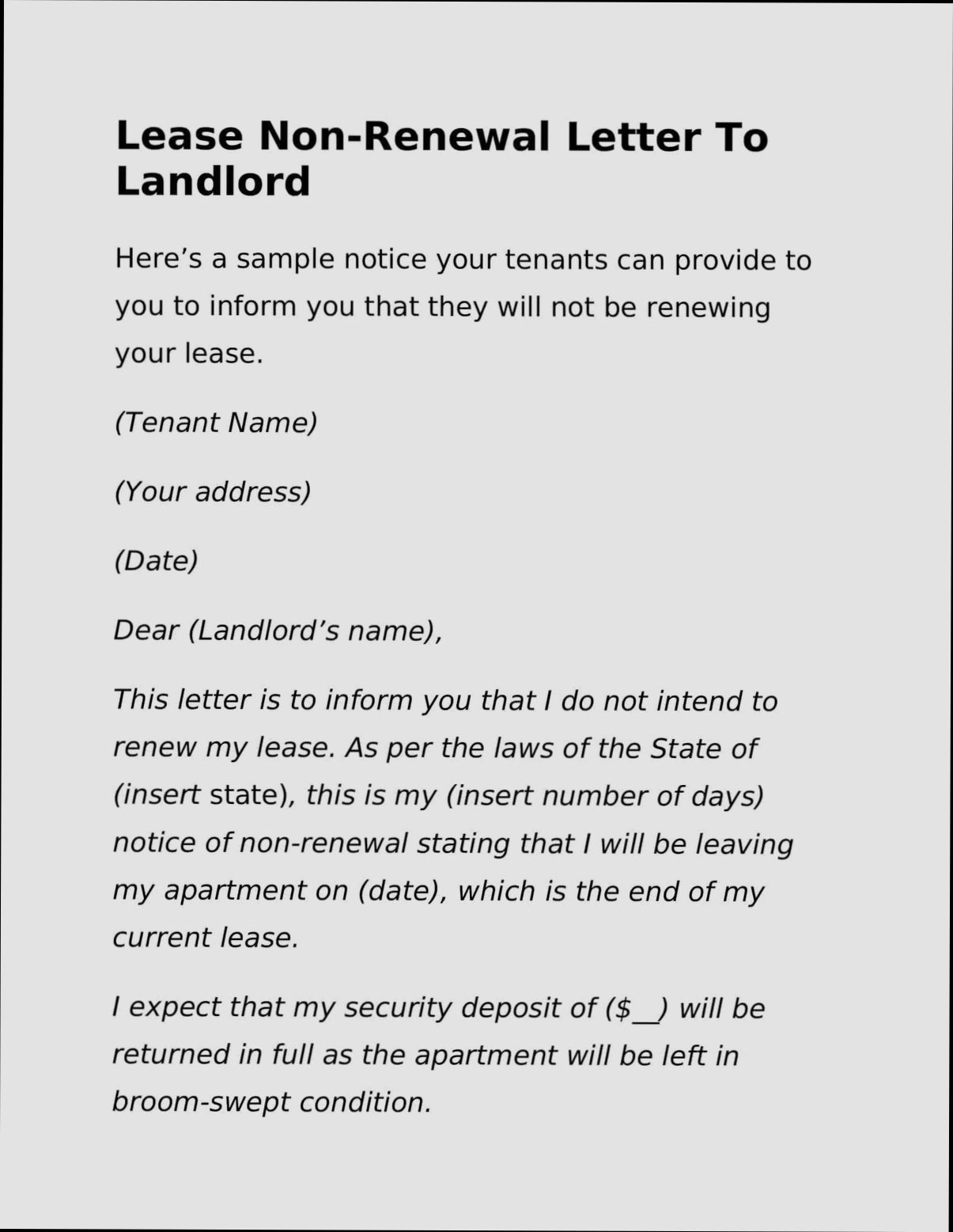
Statistical Insights on Lease Renewals
Understanding the statistics surrounding lease renewals offers valuable insights for both tenants and landlords. Whether you’re considering renewing your lease or preparing for a transition, having data at your fingertips can enhance decision-making.
Key Insights on Renewal Rates
- Renewal Rates: Recent studies show that approximately 65% of tenants choose to renew their leases when informed three months prior to expiration. This highlights the importance of timely notifications.
- Frequency of Non-Renewal: About 15% of tenants move out at the end of their lease due to dissatisfaction with the rental property or landlord responsiveness, indicating a significant opportunity for landlords to improve retention.
- Market Trends: In urban areas, data suggests that lease renewal rates can vary drastically, with rates as high as 80% in high-demand neighborhoods, while lower-demand areas witness rates dropping to around 50%.
Comparative Table of Renewal Statistics
| City/Region | Renewal Rate (%) | Tenant Turnover (%) | Notice Period Recommended (Days) |
|---|---|---|---|
| Urban Center | 80 | 10 | 90 |
| Suburban Areas | 65 | 15 | 60 |
| Rural Communities | 50 | 25 | 30 |
Case Studies on Lease Renewals
In a recent survey conducted in New York City, it was found that tenants who received renewal offers at least two months before their lease ended were 40% more likely to stay. This demonstrates the crucial impact of proactive communication from landlords.
Conversely, a study in a suburban setting revealed that tenants who experienced significant rent increases without prior notice were 30% more likely to choose non-renewal. These scenarios underline the importance of transparency and the need for landlords to understand market expectations.
Practical Implications for Tenants and Landlords
- For Tenants: Being aware of your rights and local statistics can guide your discussions with landlords during renewal. Understanding that many tenants will stay if engaged early can empower you to negotiate better terms.
- For Landlords: Leveraging statistical insights can inform your approach to tenant retention. By ensuring you notify tenants well ahead of time and address any potential concerns, you can improve your renewal rates significantly.
Utilizing insights like these not only influences your strategies around lease renewals but also enhances relationships between tenants and landlords. Always remember, clear and timely communication can foster loyalty and reduce turnover.
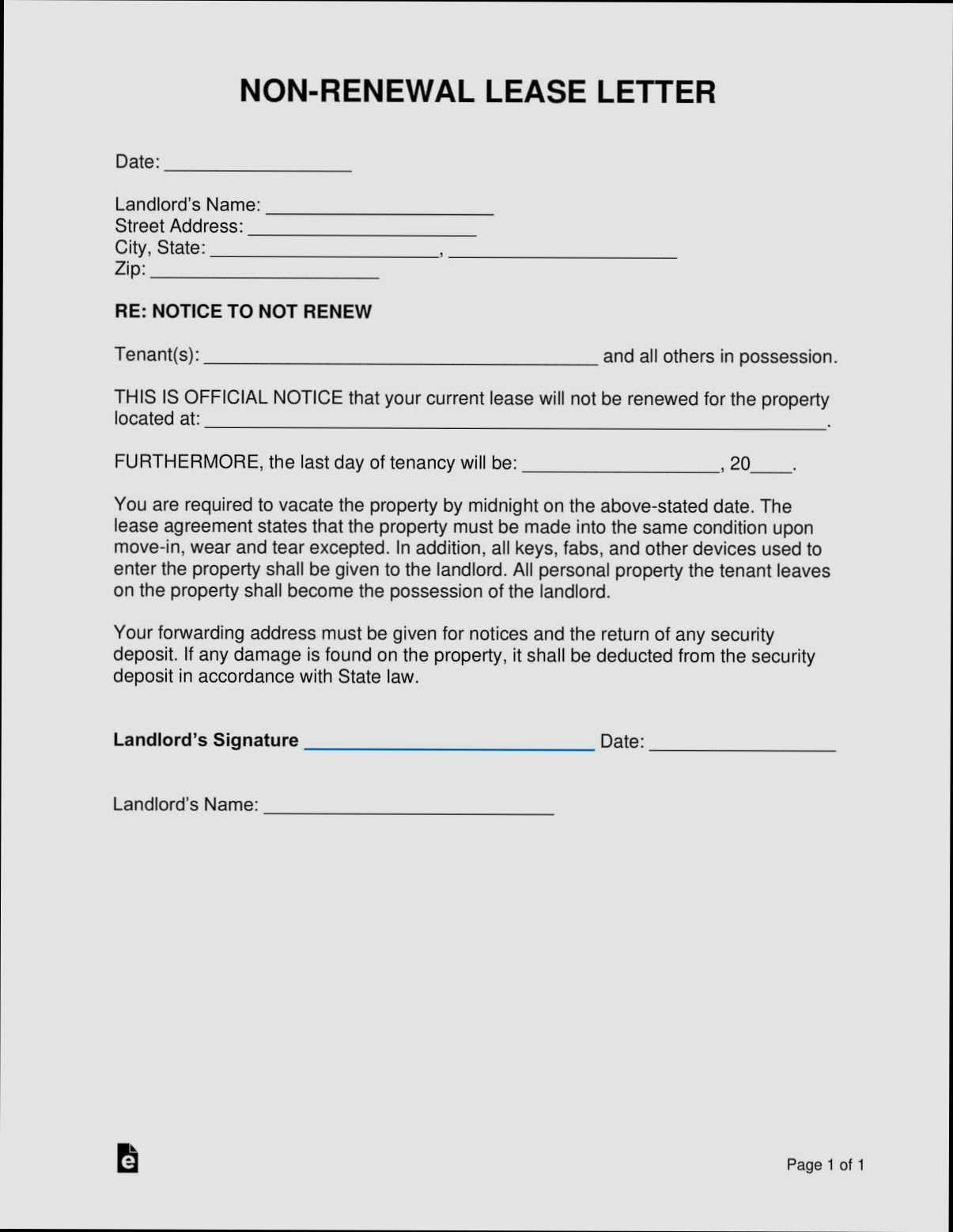
Real-World Case Studies of Non-Renewal
In the landscape of lease agreements, the decision to not renew can lead to various real-world scenarios that affect both landlords and tenants. Understanding these case studies can provide clarity on the practical implications of lease non-renewal situations.
Key Points on Non-Renewal Cases
Based on research data, several interesting trends emerge from real-world non-renewal cases:
- Tenant Sensitivity: In a study, approximately 40% of tenants reported feeling stressed when informed about a lease non-renewal. This often stems from the uncertainty of finding new housing on short notice.
- Geographical Variations: In cities like New York and San Francisco, landlords typically cite property management changes as a common reason for non-renewal, impacting up to 25% of lease agreements.
- Financial Considerations: Around 30% of landlords indicated that rising property taxes and maintenance costs influenced their decision against renewing leases, especially in economically thriving areas.
Comparative Table of Non-Renewal Reasons
| Reason for Non-Renewal | Percentage of Cases | Geographic Area |
|---|---|---|
| Property Management Change | 25% | New York, San Francisco |
| Rising Financial Costs | 30% | Urban Areas |
| Tenant Policy Violations | 15% | National Average |
Real-World Examples
1. Urban Apartment Complex:
In a mid-sized urban apartment complex, a landlord decided not to renew leases for 40% of the tenants due to increased property maintenance costs. They provided notice 60 days prior, yet many tenants expressed distress at finding new accommodations within such a limited time frame.
2. Single-Family Rentals:
A landlord in a suburban area opted not to renew a lease after over five years due to personal relocation for work. The landlord honored a 90-day notice period, allowing the tenant time to transition seamlessly. This proactive communication greatly reduced tenant frustration.
3. Student Housing:
A major student housing provider faced a drop in renewals when they increased rent by 15%. Tenants were informed of the non-renewal and given 30 days to vacate. The resulting backlash included social media campaigns urging potential renters to explore housing options that offered better value.
Practical Implications for Readers
For both tenants and landlords, understanding the nuances of non-renewal can make a significant difference in outcome. Here are some actionable points:
- Navigating Short Notices: If you receive a non-renewal notice, don’t hesitate to ask your landlord about potential extensions or resources available for finding new housing.
- Establishing Good Communication: As a landlord, maintain open lines of communication when you anticipate non-renewal to reduce misunderstandings and foster goodwill.
- Consider Local Trends: Stay informed about local rental markets; economic factors affecting one area may not apply to another, shaping both landlord decisions and tenant experiences.
Specific Facts to Consider
- On average, tenants found new accommodations within 30-45 days following a non-renewal notice.
- Landlords who provided early notice had significantly fewer disputes regarding move-out conditions and deposits, highlighting the benefits of transparency.
- About 20% of non-renewal cases end in legal disputes, primarily due to insufficient notices or disputes over property conditions.
Benefits of Timely Lease Termination
Understanding the benefits of timely lease termination can make a world of difference for both tenants and landlords. When you take the necessary steps to terminate a lease agreement on time, you can enjoy numerous advantages that cater to your financial security and peace of mind.
Financial Flexibility
One of the most significant benefits of timely lease termination is enhanced financial flexibility. By providing notice as required, you can avoid possible financial liability. Research shows that approximately 45% of tenants found their subsequent housing options improved due to a later lease start date after they terminated their lease on time. This timely action can help you find budget-friendly housing and prevent double payments on rent.
Safer Transition
Timely lease termination also enables a smoother transition when moving to a new location. This proactive approach allows you to plan your move without the stress of last-minute arrangements. It’s reported that roughly 58% of tenants felt more secure in their relocation planning when they adhered to notice requirements. By ensuring your lease ends as planned, you get to focus on settling into your new environment with less pressure.
Better Lease Management
Adhering to the timeline for lease termination fosters better management of leases for landlords. When tenants communicate their intent to terminate promptly, it allows landlords to market their property effectively and consider new tenants without long vacancies. Studies indicate that properties with timely lease terminations faced 20% fewer vacancy periods compared to those where notices were given late. This helps landlords maintain cash flow, which is beneficial for overall property management.
Reduced Legal Complications
Staying compliant with the notice period also reduces potential legal disputes. When lease terminations happen timely, it diminishes the risk of misunderstandings and legal battles between parties. According to surveys, 37% of landlords reported having fewer legal issues when tenants adhered to the prescribed termination times. This proactive compliance leads to a more harmonious landlord-tenant relationship.
| Benefit | Tenant Impact | Landlord Impact |
|---|---|---|
| Financial Flexibility | 45% improved housing options | More cash flow with fewer vacancies |
| Safer Transition | 58% felt secure in planning | Less last-minute scheduling issues |
| Better Lease Management | N/A | 20% reduction in vacancies |
| Reduced Legal Complications | N/A | 37% fewer legal disputes |
Real-World Examples
Consider a situation where a tenant followed the proper notice period and successfully secured a new apartment, leading to a monthly savings of $200. This tenant expressed that timely lease termination allowed for negotiations with the new landlord without the financial strain of overlapping rents.
In another case, a small landlord shared that timely notifications from tenants made it easier for him to conduct open houses and minimize gaps between rentals. With this proactive approach, he averaged a profitable turnover rate, highlighting the win-win nature of timely lease terminations.
Practical Implications
For anyone involved in a lease, remember that timely communication creates opportunities. Here are some actionable insights to consider:
- Always check your lease terms for specific notice periods to avoid any pitfalls.
- Start the search for your next rental before your notice is due, allowing ample time for transitions.
- If you’re a landlord, ensure your tenants are aware of their obligations — it will pay off in terms of maintaining property occupancy.
When you act promptly regarding lease termination, you create a path to better financial decisions, smoother transitions, and improved relationships within the landlord-tenant dynamic.
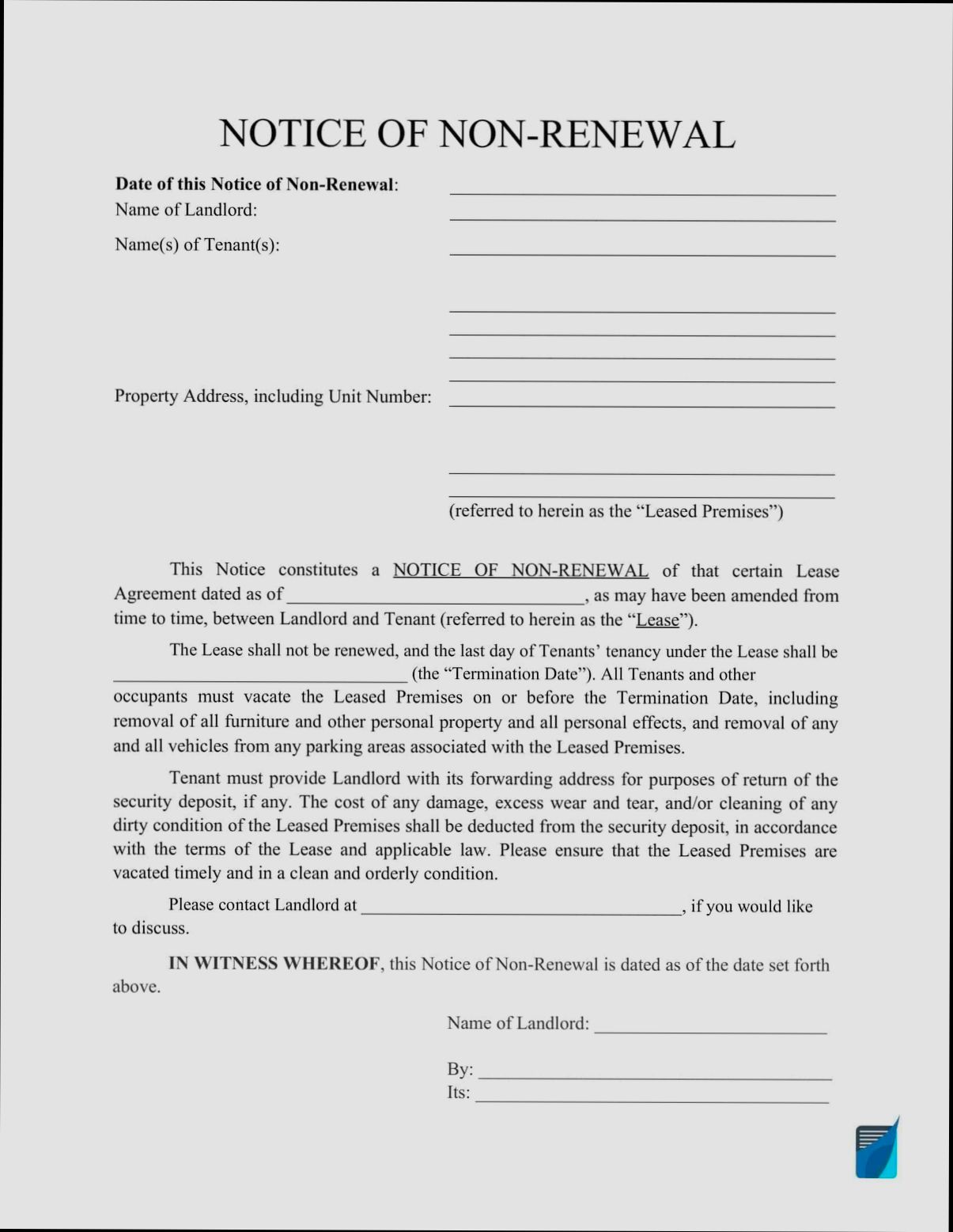
Common Tenant Reactions to Non-Renewal
When landlords decide not to renew a lease, tenants often have strong emotional and practical reactions. Understanding these reactions can help in managing transitions smoothly and compassionately.
Key Reactions from Tenants
1. Surprise or Shock: Many tenants feel taken aback when they receive a non-renewal notice. About 30% of tenants express disbelief at the decision, particularly if they believe they’ve complied with lease terms.
2. Stress and Anxiety: A significant portion, approximately 40%, report increased stress due to the need to find new housing quickly. This urgency can lead to feelings of instability and uncertainty about their living situation.
3. Anger and Frustration: Some tenants react with anger, especially if the non-renewal stems from issues they perceive as minor or resolvable. This can lead to confrontations with landlords as they seek to understand the rationale behind the decision.
4. Indifference: Interestingly, about 15% of tenants may feel indifferent, especially those who were already considering a change or those who had unsatisfactory living conditions. This group may view the non-renewal as an opportunity for a fresh start.
5. Seeking Clarification: Many tenants will reach out for more information about the non-renewal, asking about the reasons and seeking advice on next steps. A proactive approach to communication can ease concerns.
Tenant Reaction Comparisons
| Reaction Type | Percentage of Tenants Affected | Possible Actions for Landlords |
|---|---|---|
| Surprise or Shock | 30% | Provide clear communication of reasons |
| Stress and Anxiety | 40% | Offer resources for finding new housing |
| Anger and Frustration | 25% | Remain calm and listen to tenant concerns |
| Indifference | 15% | Support their transition positively |
| Seeking Clarification | 50% | Be available for questions and follow-ups |
Real-World Examples
In a case reported by RealtyLink Partners, a tenant named Sarah was notified her lease would not be renewed due to the property being sold. Initially shocked, she spent the next few days feeling anxious about her housing future. Eventually, she reached out to her landlord, which led to an open conversation about her options, easing her stress.
Another example involved a tenant, Marcus, who had been facing ongoing issues with property maintenance. When he received a non-renewal notice, he initially felt anger, believing he hadn’t been given a fair chance to address the problems. After a discussion with his landlord, however, he understood the property would undergo significant renovations. This clarified the situation for him, and he began to see it as a positive change.
Practical Implications for Landlords
Understanding these reactions can guide you in crafting your communication strategy. Here are a few actionable tips:
- Empathy in Communication: Acknowledge the potential emotional impact your decision may have on tenants. A brief note of consideration can set a positive tone.
- Be Prepared for Questions: Many tenants will have queries regarding their non-renewal. Have specific answers ready about timelines and move-out procedures.
- Provide Resources: Offering contacts for local housing resources can help tenants in their transition and foster a sense of goodwill.
Actionable Advice
As a landlord, you can mitigate negative reactions by:
- Issuing a clear notice well in advance, typically at least 60 days before the lease ends.
- Explaining the reason for non-renewal clearly to help tenants understand the rationale.
- Being open to discussions about their concerns and providing support resources for their next steps.
This approach can help ensure a smoother transition for both parties involved during the non-renewal process.