
- Researching the Local Real Estate Market
- Identifying Key Property Features and Requirements
- The Importance of Professional Inspections
- Navigating Legal and Regulatory Considerations
- Evaluating Property History and Ownership Records
- Common Pitfalls in Property Negotiation Strategies
- Recognizing the Impact of Market Trends on Property Value
- Utilizing Technology for Property Search and Analysis
- Assessing Long-Term Investment Potential
- The Role of Real Estate Agents and Their Expertise
- Exploring the Benefits of Home Warranty Programs
- Analyzing Statistics: The Cost of Poor Property Decisions
- Checklist for a Successful Property Purchase
- Graphs and Tables: Trends in Property Value Over Time
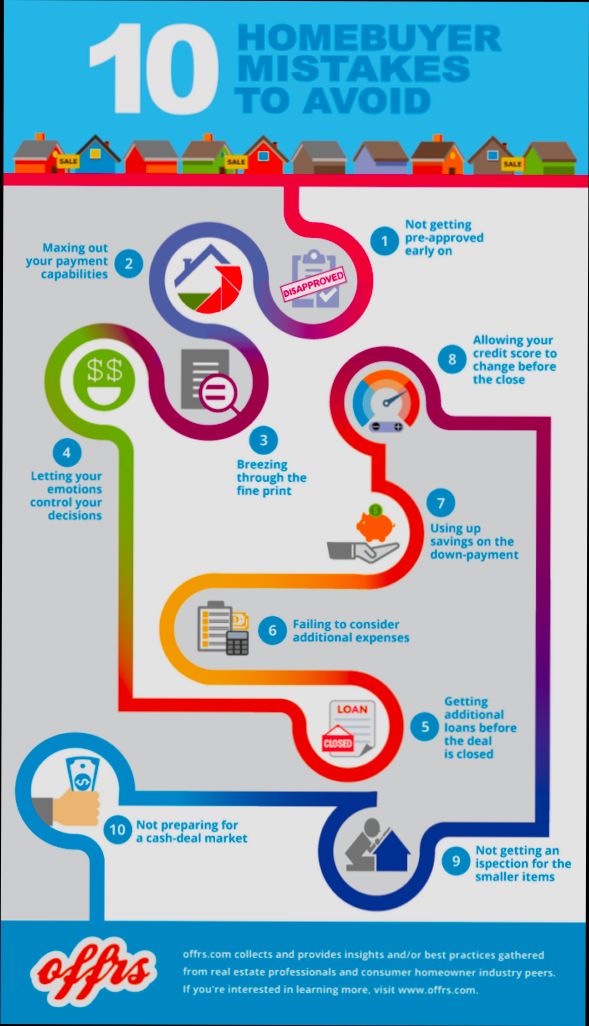
Common mistakes to avoid when buying property can save you a lot of headaches and money down the line. Many first-time buyers dive in headfirst, thinking they’ve done enough research or that everything will work out seamlessly. Spoiler alert: it often doesn’t! From overlooking the true costs associated with homeownership, like maintenance and property taxes, to getting swept up in the moment during open houses, it’s easy to let common pitfalls derail your buying journey. Even forgetting to get a proper inspection can turn your dream home into a nightmare.
Another biggie? Failing to understand the local market conditions. You might find that perfect cozy bungalow, but if it’s wildly overpriced or in a declining neighborhood, you could be setting yourself up for disappointment. And let’s not forget about financing — trusting lenders without shopping around or misunderstanding loan terms can lead to a financial trap. All these mistakes can add up, making your dream of homeownership feel more like a burden than a blessing!

Understanding Your Budget and Financing Options
Alright, let’s get down to brass tacks. Before you even think about putting an offer on a property, you need to nail down your budget. Seriously, don’t skip this step! A study showed that over 50% of first-time homebuyers underestimate their total costs, which can lead to some serious headaches later on.
First things first, calculate your down payment. Conventional wisdom says you should aim for 20%, but don’t panic if you can’t swing that. There are plenty of options, like FHA loans, which allow you to put down as little as 3.5%. Just be aware that going lower often means you’ll face private mortgage insurance (PMI), which can add to your monthly payments.
Now, think about your monthly expenses. Don’t just consider the mortgage; factor in taxes, insurance, utilities, and maintenance. A good rule of thumb? Aim for your total monthly home cost (mortgage + everything else) to be no more than 28% of your gross monthly income. For example, if you make $5,000 a month, ideally, your total housing expense should not exceed $1,400.
Then there’s financing options. Shop around! Interest rates can vary widely between lenders, so don’t settle for the first quote you get. In fact, you could save thousands over the life of your loan just by securing a lower rate. Did you know that even a 0.5% difference in your interest rate can lead to tens of thousands of dollars in added interest payments? Yup, it’s real!
Also, consider getting pre-approved for a mortgage before you start house hunting. This gives you a clearer picture of what you can afford and makes you a more appealing buyer. Plus, it saves you from falling in love with a property that’s way out of your budget.
So, when you’re diving into the property pool, do your homework. Understand your finances, explore all your options, and keep your eyes on the bottom line. Your future self will thank you!

Researching the Local Real Estate Market
Okay, let’s dive into the nitty-gritty of the local real estate market. This is one of those areas where doing your homework can save you a ton of headaches down the line. Think you can just stroll into a neighborhood and know what’s up? Think again!
First off, get to know what properties are selling for in the area. Websites like Zillow and Redfin can give you an idea, but don’t just take their word for it. Look at local listings, and, if possible, check out sales data. In the last year alone, homes in popular neighborhoods have appreciated by an average of 8-10%. If that kind of growth is happening, you don’t want to be buying in at the peak, right?
Next, consider the local amenities. Is a mall around the corner? Are there quality schools nearby? Checking out the local schools can be especially helpful—homes in districts with top-rated schools can be 20-30% more expensive compared to others. If those perks are what you’re after, you might want to dig into reviews and ratings.
Also, don’t forget to chat with locals. Grab a cup of coffee at a neighborhood café and strike up conversations. Are people generally happy living there? Do they love their neighborhood’s vibe? You’d be surprised at the insider info you can gather just by being friendly!
And here’s something that might surprise you: crime rates. It’s super important! Websites like NeighborhoodScout can help you gauge if crime is rising or falling in the area. A community with a rising crime rate might not be the best investment, even if the house looks like your future dream home.
Lastly, keep an eye out for future developments. Is there a new shopping center or park planned? That could inflate property values. But if it’s a massive highway project? Well, that’s a hard pass for most homebuyers.
So, in a nutshell, research like your investment depends on it—because it does! You’ll feel a lot more confident when you’re actually ready to put down an offer. Trust me, knowledge is power in the real estate game!

Identifying Key Property Features and Requirements
When you’re diving into the property market, one of the biggest traps you can fall into is not clearly identifying what you actually want and need in a home. Seriously, don’t wing it! Having a solid list of key features can save you loads of time (and headache) down the line.
First off, jot down your must-haves versus nice-to-haves. Think about what you can’t live without. For example, if you have kids or plan to, being close to good schools is a must. In fact, according to a study by the National Association of Realtors, 23% of buyers rated school district quality as the most important factor in their home-buying decision. You don’t want to blink and find yourself way out in the boonies, far from schools or playgrounds!
Also, consider the layout and size of the property. Do you need an open-concept space for entertaining, or are you more of a cozy nooks type? How many bedrooms do you really need? A recent survey showed that around 56% of new homeowners regretted not getting enough bedrooms. Don’t be part of that statistic!
And let’s talk about location. You might find a dream property, but if it’s miles away from work or in a sketchy neighborhood, it can quickly become a nightmare. Look at factors like commute times, local amenities, and even the community vibe. Check if nearby restaurants, shops, and parks fit your lifestyle. After all, who wants to drive an hour for a decent cup of coffee?
Don’t forget about future needs too! If you see yourself expanding your family or even working from home, think about extra rooms or a dedicated office space. Think long-term. Properties can take years to sell, so don’t trap yourself into a short-term mindset!
In summary, be clear about your key property features and requirements. This can make your search smoother and save you from making a costly mistake. Grab a pen and paper, make that list, and stick to it – you’ll thank yourself later!

The Importance of Professional Inspections
Imagine you finally find that dream home, only to discover a giant crack in the foundation a few months down the line. Yikes! That’s why getting a professional inspection is non-negotiable. Seriously, skipping this step can lead to some costly surprises.
Did you know that about 13% of home buyers end up with significant unexpected repairs? That’s a pretty scary number! A good home inspector can help you dodge those headaches by uncovering issues you might miss during a casual walk-through.
Think of it as your insurance policy against costly mistakes. Those charming little fixer-uppers can hide serious problems. A recent client of mine fell in love with an adorable cottage, but the inspector found mold in the attic and old electrical wiring that could have been a fire hazard. They saved thousands by walking away from that deal!
Not only do inspectors check major systems like plumbing and electrical, but they also look for structural issues, pest problems, and even radon levels. Trust me; you don’t want to be the one stuck with a leaky roof or a pest infestation after making an offer. A few hundred dollars for an inspection can save you thousands in repairs down the line.
So, do yourself a favor: always, and I mean always, get that property inspected. It’s like a check-up for your future home—better safe than sorry!

Evaluating Property History and Ownership Records
So, you’ve found the perfect house. The garden is lush, the paint is fresh, and the neighbors seem friendly. But before you get too cozy, let’s chat about something super important: the property history and ownership records. Skipping this step is like diving into a pool without checking for water first—you might just find it’s empty!
First off, know who you’re buying from. If you skip checking the ownership history, you could end up with a property that has shared ownership or is tied up in lengthy legal disputes. Yikes! According to a National Association of Realtors report, about 20% of real estate transactions involve some surprise, often due to unclear titles. This is a headache you don’t want!
Also, don’t forget to check for things like liens. A lien is a legal right or interest that a lender has in the property until the debt obligation is satisfied. If the previous owner didn’t pay their property taxes, you could inherit that debt. A quick look at county or state records can give you the lowdown. Can you imagine closing on your dream home only to find out you owe $15,000 in back taxes? Not fun!
Moreover, take a peek into the property’s past. Has it had issues, like flooding or a history of pest problems? Some homes might look charming, but a closer look might reveal a history of water damage. You can often find this info through inspection reports or by simply asking the seller. If they dodge the question, that’s a red flag!
In short, don’t just take everything at face value. Dig deep into those property records. You’ll save yourself a ton of stress—and possibly money—down the line. Trust me; your future self will thank you!

Common Pitfalls in Property Negotiation Strategies
When you’re in the thick of property negotiations, it’s easy to trip over your own enthusiasm. Let’s unpack some common pitfalls that can lead you astray.
1. Ignoring Market Research
Going into negotiations without a solid grasp of the market can be a costly mistake. Did you know that properties often sell for about 5% more than their listing price? If you haven’t researched recent sales in the area, you might end up overpaying. Make sure to study comparable properties and their sale prices to arm yourself with the facts.
2. Being Too Emotional
Sure, that cozy nook might tug at your heartstrings, but letting emotions guide your decisions can cloud your judgment. Buyers who are emotionally invested often overlook major flaws. Focus on the numbers, not just the feels. Keep your eye on the prize—your financial future!
3. Not Setting a Budget
So you’re excited about a potential new home; that’s great! But don’t let excitement blind you to your budget constraints. Statistics show that overspending by even 10% can lead to financial strain later. Set a firm budget before you start looking, and stick to it like glue.
4. Overlooking the Power of Silence
In negotiations, silence can be golden. Many buyers feel they need to fill every silence with chatter, but that can weaken your position. If you’re making your offer, let it hang for a moment. This gives the seller time to digest it—and who knows, they might surprise you with a counter that’s more favorable.
5. Failing to Verify the Seller’s Motivation
If you don’t know why the seller is putting their property on the market, you’re missing a crucial piece of the puzzle. Are they desperate for a quick sale or just casually testing the waters? According to industry insights, a motivated seller might be willing to compromise more on price. Ask questions and dig a little deeper!
6. Rushing the Process
Finally, remember that haste makes waste. Negotiating property isn’t a race; take your time to evaluate all terms and conditions. Studies show that buyers who slow down often end up saving thousands. Plus, you want to ensure you’re making the right choice—not just the fastest one!
By avoiding these common pitfalls, you’ll find yourself more confident in your negotiating strategy and, ultimately, more satisfied with your property purchase. Trust me, you’ll thank yourself later!

Recognizing the Impact of Market Trends on Property Value
When you’re buying property, ignoring market trends is like going grocery shopping on an empty stomach—you’ll likely make some regrettable choices. Trust me, it’s crucial to pay attention to what’s happening in the real estate market before you dive in.
Check this out: according to the National Association of Realtors, home prices can fluctuate significantly based on market conditions. For instance, in a buyer’s market where there are more homes for sale than buyers, properties can sell for 10% to 15% below asking price. That’s a big deal if you’re looking to snag a deal!
But it’s not just about whether it’s a buyer’s or seller’s market. You’ve also got to consider local developments. Is a new school being built nearby, or is a mall going up? Good infrastructure can drive property values up. For example, in Austin, Texas, the arrival of tech companies has boosted home prices by around 50% in recent years.
And don’t overlook the effects of seasonal trends. The spring and summer months are typically hotter for real estate transactions, meaning you could pay a premium in those months. Conversely, shopping in the winter might get you a better deal, but you might be sacrificing options.
So, before you grab that property, keep your eyes peeled for these trends. Not appreciating the market’s mood can lead to overpaying, potential losses, or even reselling headaches. A bit of research on current trends can save you a lot of cash in the long run!

Utilizing Technology for Property Search and Analysis
Let’s face it: hunting for a property can feel overwhelming. But with today’s tech tools at our fingertips, you can turn that chaos into clarity. Using apps and websites to assist your search is not just smart; it’s essential!
First off, consider using property listing websites like Zillow, Realtor.com, or Redfin. These platforms allow you to filter your search by price, location, and even school district. A study shows that 90% of home buyers start their search online, so why not take advantage of these resources?
Next up, utilize virtual tours and 3D walkthroughs. These features aren’t just cool; they save you time and gas money. You can tour multiple homes without leaving your couch. According to a recent survey, 60% of buyers found virtual tours to help them narrow down their choices significantly.
Then there’s property analysis software. Tools like PropStream or Mashvisor help you dive into the numbers. You can check rental income potential, property values, and even the neighborhood’s demographics. For instance, if you’re eyeing properties for investment, you can see that an area with a 5% annual return could be a game-changer!
You should also keep an eye on tech that monitors market trends. Apps like HouseCanary analyze historical data to forecast future property values. Armed with this info, you can make a more informed decision and avoid buying at the peak of a market cycle.
Finally, don’t forget about social media platforms. Local Facebook groups and Twitter feeds can give insights into the neighborhood that no real estate agent might share. You might just find out that a fantastic cafe is about to open around the corner or that a new freeway is in the works!
In summary, leveraging technology can turn your property search from a stressful hunt into a strategic expedition. So dive into those apps and websites, familiarize yourself with virtual tools, and stay ahead of the curve!

Assessing Long-Term Investment Potential
When it comes to buying property, many of us get swept up in the excitement of the moment. But hold on—before you make that purchase, let’s talk about the long-term investment potential of the property you’re eyeing. You want your investment to grow, right? So, let’s break down what to consider.
Location, Location, Location!
You’ve probably heard this classic saying, but it’s worth repeating. The location of your property plays a massive role in its long-term value. Look for areas with good schools, low crime rates, and access to public transport. Properties in these neighborhoods usually appreciate more over time, sometimes even by as much as 5-7% a year! For example, neighborhoods in cities like Austin, Texas, have seen home values soar as much as 42% in just a couple of years!
Market Trends Are Key
Keep your finger on the pulse of real estate trends. Is the local market up-and-coming, or has it peaked? You can use tools like the Case-Shiller Home Price Index, which tracks home prices in major cities, to see historical trends. If a neighborhood is becoming more desirable, that’s a good sign for future appreciation. Conversely, if property values are declining, it might be time to rethink your options.
Future Developments
Always check for planned developments in the area. Future infrastructure like new highways, shopping centers, or parks can improve property value. For instance, if a major employer plans to set up a new office nearby, that could bring a surge in demand for housing. An investment in areas with upcoming projects can yield significant returns down the line!
The Condition of the Property
A fixer-upper may seem like a steal at first, but be sure to factor in renovation costs against potential appreciation. A property that needs extensive repairs can quickly eat into your profits. According to the National Association of Realtors, homes needing repairs can take up to 30-40% longer to sell than move-in ready homes. So, think twice before diving into a property that needs a ton of work!
Diversification is Your Friend
Don’t put all your eggs in one basket! Consider diversifying your investments by owning properties in different markets. For instance, if you’re in a hot market like San Francisco, you might balance it out with a property in a slower-growing area. This way, you protect yourself against the ups and downs of any single market.
Know Your Exit Strategy
It’s crucial to have a plan for what you’ll do with the property in the future. Are you planning to rent it out, flip it, or live in it? Each option has different implications for what to look for in an investment. For example, if you’re leaning towards renting, consider how many jobs are in the area—strong job growth often means a steady stream of potential renters.
Slicing through the hype and focusing on the potential growth and value is what will lead you to make a smart move in real estate. Keep these tips in mind, and you’ll be better equipped to assess that property’s long-term investment potential!

The Role of Real Estate Agents and Their Expertise
Thinking about buying a property? You might think you can just wing it on your own, but that’s where many folks trip up. This is where real estate agents come in — and let me tell you, they’re worth their weight in gold!
First off, agents know the market. According to the National Association of Realtors, buyers who work with agents typically save around 5-10% on their property purchases. Why? Because agents have access to data and insights you might not find on your own. They’ll help you spot pricing trends and find homes that match your wish list.
But it’s not just about the numbers. Real estate agents have an eye for what you might not notice. They can point out red flags that you might overlook, like potential structural issues or neighborhood concerns. For instance, you might love a charming fixer-upper, but an agent can help you figure out if the costs of repairs will burn a hole in your wallet later.
They also know how to negotiate. You may feel nervous going toe-to-toe with a seller on price, but a good agent can handle that for you while you focus on the fun stuff, like picking out paint colors! In fact, 77% of home buyers believe that having a real estate agent by their side makes the entire process easier.
And here’s the kicker: agents have connections! They can recommend reliable inspectors, attorneys, or contractors. This can save you hours of research and even give you access to listings before they hit the market. Ever heard of a pocket listing? That’s an exclusive opportunity you don’t want to miss out on!
So, before you dive into that property search, remember: teaming up with an expert can help you dodge a ton of common mistakes. Don’t go it alone — find yourself a real estate agent who’s got your back!

Exploring the Benefits of Home Warranty Programs
Alright, let’s dive into home warranty programs. Ever thought about how they can save your bacon once you’ve secured that new property? Home warranties are like a safety net for your home’s systems and appliances, covering things like HVAC systems, plumbing, and even your fridge. Pretty nifty, right?
One of the biggest perks? Peace of mind! Imagine not stressing over a broken AC in the middle of July or a leaky dishwasher. A home warranty can help cover repair or replacement costs, meaning you’re not digging deep into your pocket every time something goes kaput. In fact, homeowners can save an average of $1,500 on repairs with a warranty in place. That’s money that could go toward something fun, like furniture or a new flat-screen TV!
But wait, there’s more! Did you know that having a home warranty can make your property more appealing to buyers if you decide to sell down the line? It’s true! A survey by the National Association of Realtors found that about 70% of buyers said having a home warranty could make them more interested in a property. It shows buyers you care about the home and are willing to cover potential problems.
So, what should you look out for when choosing a home warranty program? Make sure you read the fine print! Not all warranties cover the same stuff. For instance, some may exclude certain appliances or systems based on age or manufacturer. A warranty might advertise coverage, but it could end up being less than you expected. So, check what’s included before you sign on the dotted line!
In summary, home warranty programs can truly turn out to be a smart investment. They offer financial relief, peace of mind, and can even enhance your home’s value when selling. Just remember to do your homework on the details, and you’ll be reaping the benefits in no time!

Analyzing Statistics: The Cost of Poor Property Decisions
When it comes to buying property, just one bad decision can cost you, and I’m not just talking about a few bucks. Believe it or not, a study showed that 50% of first-time homebuyers regret their purchase within just a few years! That’s a huge percentage, right?
Let’s break it down a bit. Imagine you buy a house without checking the neighborhood’s growth trend. You think you got a steal at $200,000, but five years later, you find out properties in the area have depreciated by 10%. Ouch! That’s a $20,000 loss, maybe more if you consider all the renovations you did to make it “yours”.
Now, how about those sweet “fixer-upper” deals? Sure, they can save money upfront, but did you know that more than 20% of buyers end up spending over their budget to renovate? You might snag that charming old property for $150,000, but if repairs hit $50,000, now you’re at $200,000. And guess what? The market value is still only at $180,000!
Then there’s the location factor. Properties near good schools appreciate faster—up to 25% in some areas compared to those further away. If you pass on that lovely home near a top-rated school because you thought it was “too much,” you could be missing out on big bucks later.
So, what’s the takeaway? Don’t just go with your gut; crunch some numbers! Ask yourself: Is this area growing? What are the renovation costs? Is it a desirable neighborhood? Taking the time to analyze stats can save you from costly regrets down the road!

Checklist for a Successful Property Purchase
- Get Your Finances Straight
Before diving into the property market, make sure your finances are in top shape. Know your budget, and get pre-approved for a mortgage. Did you know that buyers with pre-approval are 73% more likely to close on their desired property? It shows sellers you’re serious. - Research the Market
Don’t just rely on your gut; get the facts! Look up property values in the neighborhoods you’re eyeing. Compare similar homes and check historical price trends. For instance, if the area has appreciated 20% over the last five years, it’s worth considering! - Hire the Right Professionals
From real estate agents to home inspectors, having the right team can make a massive difference. An experienced agent can help you find properties that meet your needs, negotiate better deals, and navigate the paperwork. But don’t just take their word for it—do your homework on their track record. - Understand the Hidden Costs
It’s not just about the price tag. Factor in closing costs (usually 2-5% of the purchase price), property taxes, insurance, and maintenance. You don’t want to get hit with surprise fees after settling in! - Evaluate the Property’s Condition
A beautiful home can often hide costly repairs. Always get a thorough home inspection. You might think you’ve found the perfect place, but if the roof is shot or there’s mold lurking, you’ll thank yourself for checking. Trust me, 30% of buyers skip this step, and they often regret it later. - Consider Future Resale Value
Think long-term! Will the property retain its value or appreciate? Look for features like good school districts, public transport, and community amenities. Homes in desirable areas can appreciate significantly—sometimes over 50% in a decade! - Don’t Rush Your Decision
I know the excitement can make you impulsive, but don’t rush into a purchase you might regret. Take your time, explore various properties, and sleep on the decision. Markets fluctuate; being hasty can leave you kicking yourself down the road.

Graphs and Tables: Trends in Property Value Over Time
When it comes to buying property, one of the biggest mistakes folks make is ignoring how property values change over time. Trust me, you don’t want to jump in blind! Take a peek at the data—it’s a real eye-opener.
Understanding Market Trends
Let’s break it down. Property values don’t just magically rise or fall; they’re influenced by economic factors, buyer behavior, and neighborhood changes. For example, a neighborhood that suddenly attracts new businesses could see a sharp rise in property values. According to recent trends, urban areas experienced a notable increase of about 10-15% in property values over the past five years!
Key Takeaways from Data Tables
| Year | Average Property Value ($) | % Change from Previous Year |
|---|---|---|
| 2018 | 300,000 | - |
| 2019 | 315,000 | 5% |
| 2020 | 290,000 | -8% |
| 2021 | 313,000 | 8% |
| 2022 | 350,000 | 12% |
Real-Life Examples
Your buddy Sarah bought a cute little place in a developing neighborhood in 2019. She watched the value shoot up 20% by 2022, all thanks to new shops opening nearby! But on the flip side, John purchased a place in an area with declining local schools. His property value dropped by 15% over three years. Ouch!
So, before you sign on that dotted line, take a moment to really delve into property trends. It’ll save you from possible heartache—and a financial setback—down the line!