Blog
What is the cost of living in Slovakia
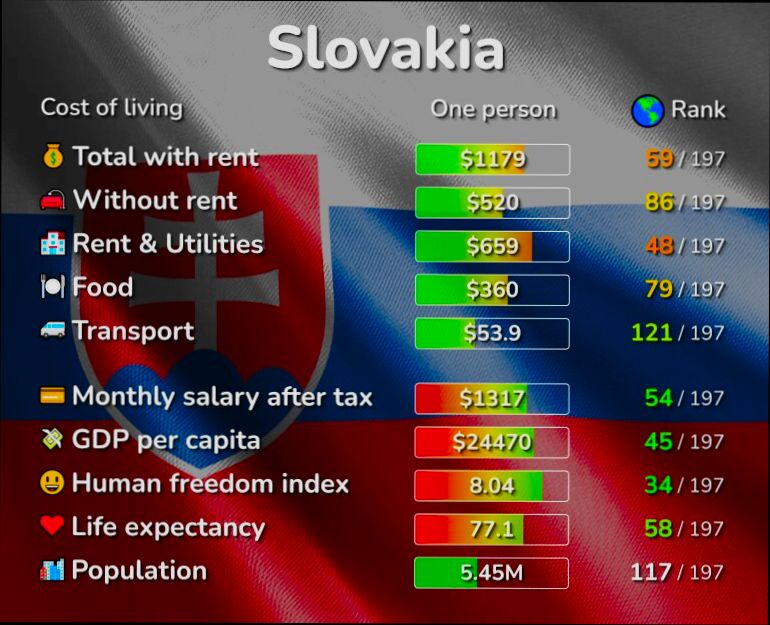
What is the cost of living in Slovakia? Well, if you're considering a move to this beautiful Central European country or just curious about what expenses to expect, you’re in for an interesting ride! Slovakia is known for its stunning landscapes, rich history, and vibrant culture, but one of the first things you’ll want to know is how much you'll need to budget to enjoy all it has to offer. From bustling cities like Bratislava to serene towns in the High Tatras, the cost of living can vary quite a bit.
What is the Cost of Living in Spain
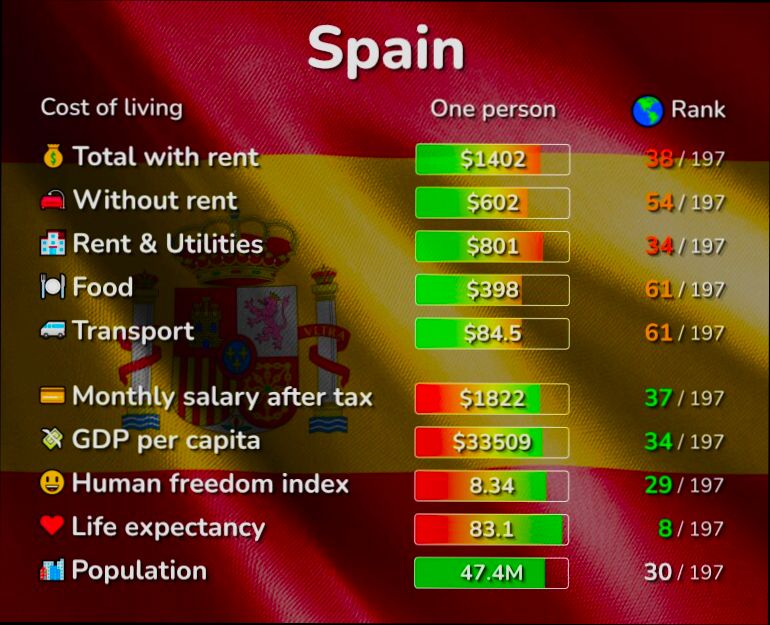
What is the Cost of Living in Spain? If you’ve ever dreamed of sipping sangria by the beach or exploring vibrant local markets, then you’re probably curious about the financial aspect of living the Spanish dream. On average, a single person can expect to spend around €800 to €1,200 per month, depending on the city and lifestyle choices. For instance, renting a cozy one-bedroom apartment in Madrid's city center might set you back about €1,200, while the same apartment in a smaller city like Valencia would cost you closer to €700.
What is the Cost of Living in Switzerland
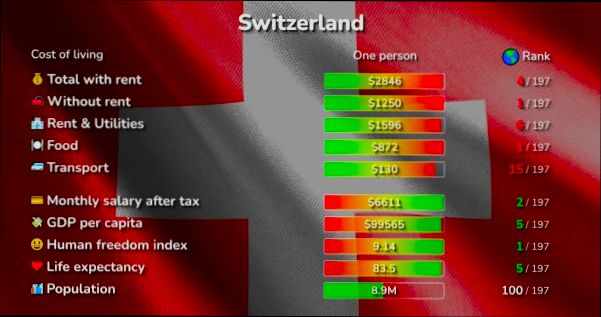
What is the Cost of Living in Switzerland? Let’s dive into the numbers that might just make your head spin. Imagine paying around CHF 2,000 for a one-bedroom apartment in Zurich, one of the world’s most expensive cities. If you’re craving a coffee while strolling along Lake Geneva, be prepared to shell out about CHF 5 for that caffeinated pick-me-up. Want some groceries? A loaf of bread could set you back CHF 2.50, and a dozen eggs about CHF 5. All this adds up quickly, especially when you consider that the average salary here is also higher than many places, sitting around CHF 6,500 per month.
What is the Cost of Living in Turkey
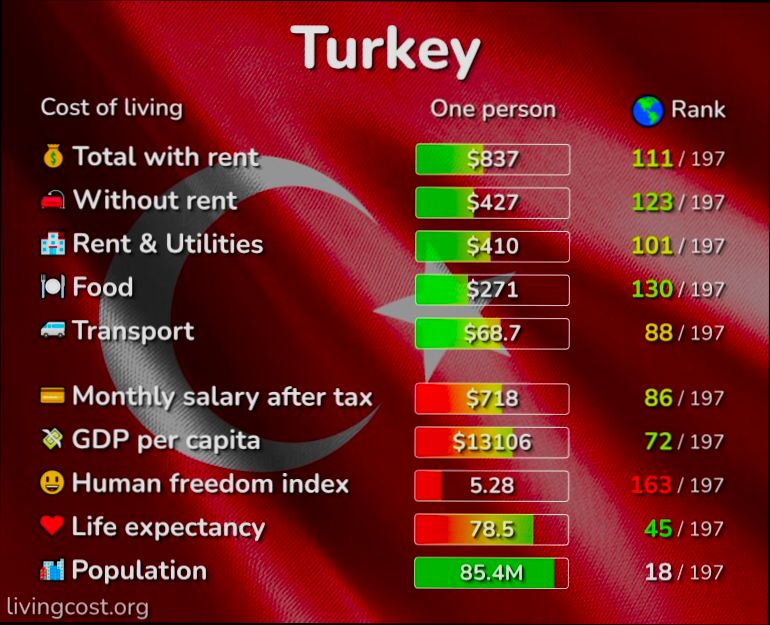
What is the Cost of Living in Turkey? Let’s break it down - you’ll find it’s a mix of affordable and surprising expenses. If you’re eyeing Istanbul, for instance, you might spend around 15,000 to 20,000 Turkish Lira ($600 to $800) a month for a comfortable lifestyle. Rent for a one-bedroom apartment in the city center can range from 7,000 to 10,000 TL, while a cozy spot on the outskirts might set you back just 4,500 TL. Food prices are friendly too; a meal at a local restaurant usually costs about 100 TL, and groceries for a week might run you around 1,500 to 2,000 TL.
What is the Cost of Living in United Kingdom
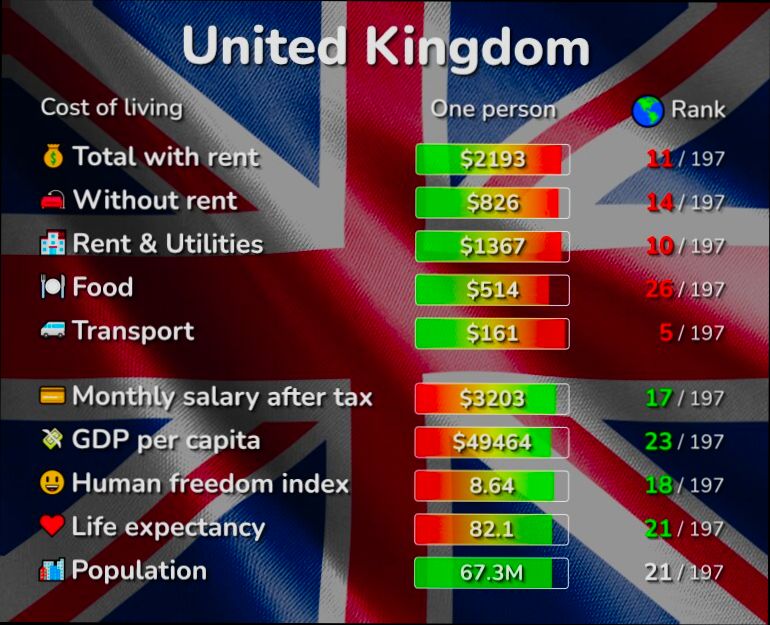
What is the Cost of Living in the United Kingdom? It's a question that weighs on the minds of many, especially with rising prices throwing budgets into chaos. For instance, if you’re imagining a cozy flat in London, get ready to shell out an eye-watering average of £2,500 per month in rent for a two-bedroom place in central areas. If you fancy a pint after work, you’ll likely fork out around £6.50 at most pubs. Grocery bills can also be a shocker, with a weekly shop for a family of four nudging close to £100, depending on where you live.
What is the Cost of Living in United States
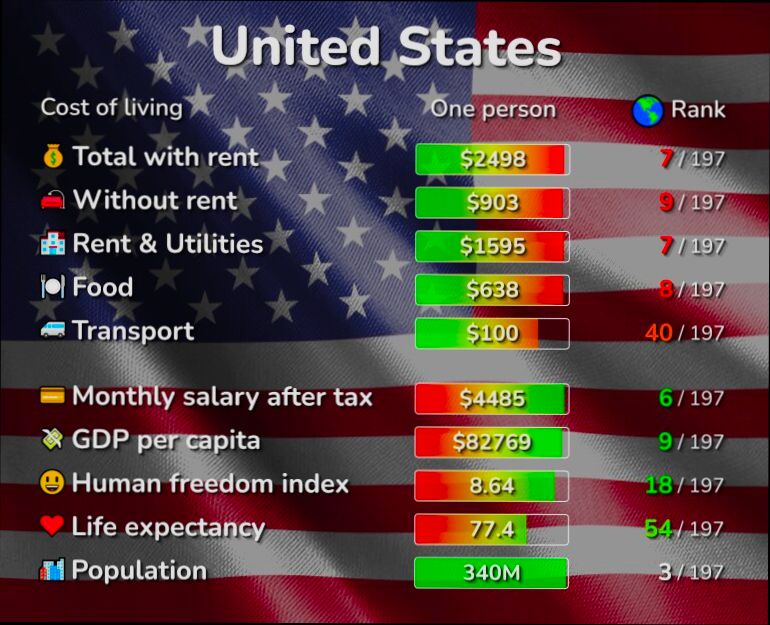
What is the Cost of Living in the United States? It can feel like a puzzle with a million pieces, and those pieces vary wildly depending on where you are. For instance, New York City is infamous for its sky-high rent, where a one-bedroom apartment can easily top $3,000 a month. Meanwhile, shift gears to a smaller town like Des Moines, Iowa, and you might find similar digs for around $1,200. Grocery prices also swing dramatically; a gallon of milk could set you back $3.50 in Chicago but only $2.75 in Atlanta. Gas prices fluctuate, too—often around $3.40 per gallon in California, compared to $2.80 in Texas.
What is the Cost of Real Estate Services
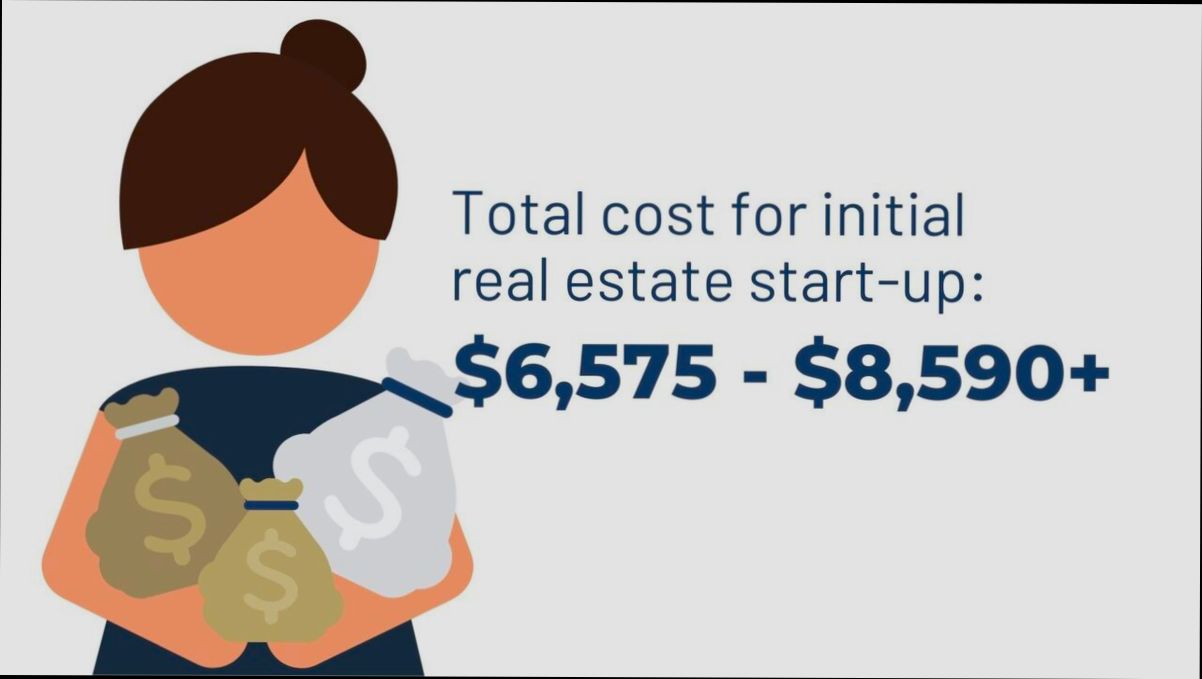
What is the Cost of Real Estate Services? Let’s break it down. If you’re buying or selling a home, you might not realize that the typical realtor commission hovers around 5% to 6% of the sale price. For a $300,000 house, that’s a hefty $15,000 to $18,000 just to get your property on the market. On top of that, many homeowners don’t factor in closing costs, which can add another 2% to 5% of the home’s price, turning a simple sale into a more expensive endeavor.
What is the Difference Between a Real Estate Agent and a Real Estate Broker
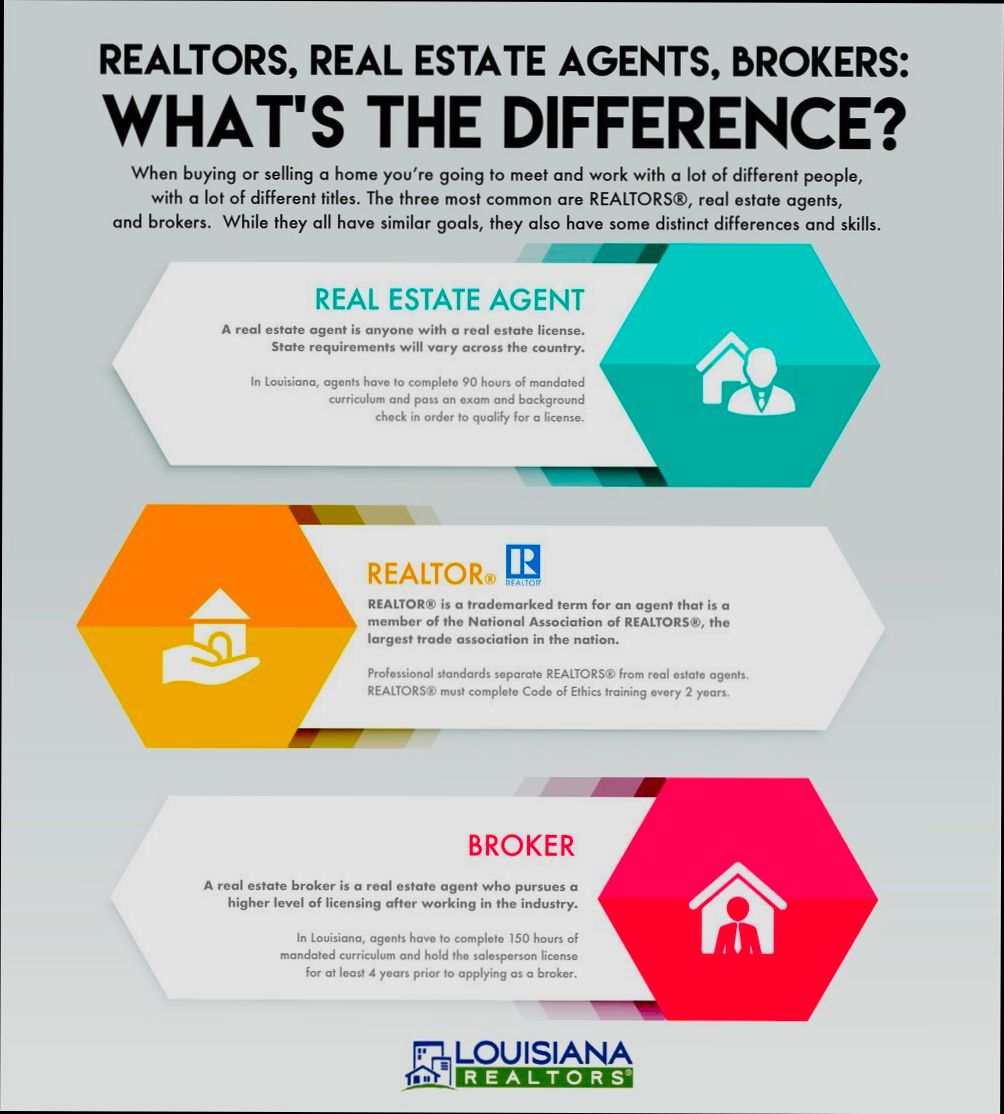
What is the Difference Between a Real Estate Agent and a Real Estate Broker? You might think they’re just two sides of the same coin, but there’s actually a meaningful distinction between these roles. A real estate agent is typically the friendly face you encounter when buying or selling a home—they’re licensed professionals who have passed their state exams and can help you navigate the housing market. For example, according to the National Association of Realtors, there were about 1.5 million real estate agents operating in the U.S. in 2022, which highlights just how common these professionals are. They often work under the umbrella of a broker, using their expertise to guide you through listings, showings, and negotiations.
Tags