Blog
What is NIE and How to Get It
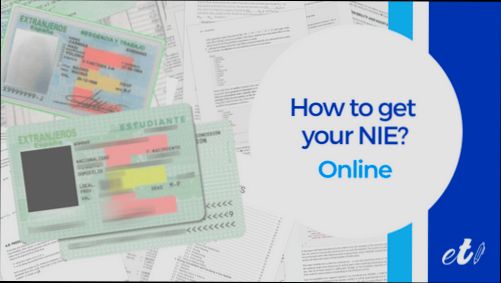
What is NIE and How to Get It? Well, let’s break it down—NIE stands for Número de Identidad de Extranjero, and it's your ticket to navigating life in Spain as a foreigner. Imagine wanting to buy a property, open a bank account, or even get a job; without an NIE, you'll quickly find yourself stuck in bureaucratic limbo. It’s not just a piece of paper; it’s a critical step for anyone looking to settle into Spanish life. In fact, statistics show that nearly 1.5 million foreigners were issued NIE numbers in 2022 alone, highlighting how essential it has become for expats.
What is NIF and How to Get It
What is NIF and How to Get It? If you've ever thought about moving to Portugal or doing business there, you’ve probably heard the term NIF thrown around. NIF stands for Número de Identificação Fiscal, which translates to Tax Identification Number. It’s essential for anyone engaging with the Portuguese tax system, whether you're a local, a foreign resident, or even just buying property. For instance, without a NIF, you can’t open a bank account, sign a lease, or even get an electricity contract. Crazy, right? In Portugal, if you want to live, work, or invest, getting your NIF is a must.
What is NOI in Real Estate
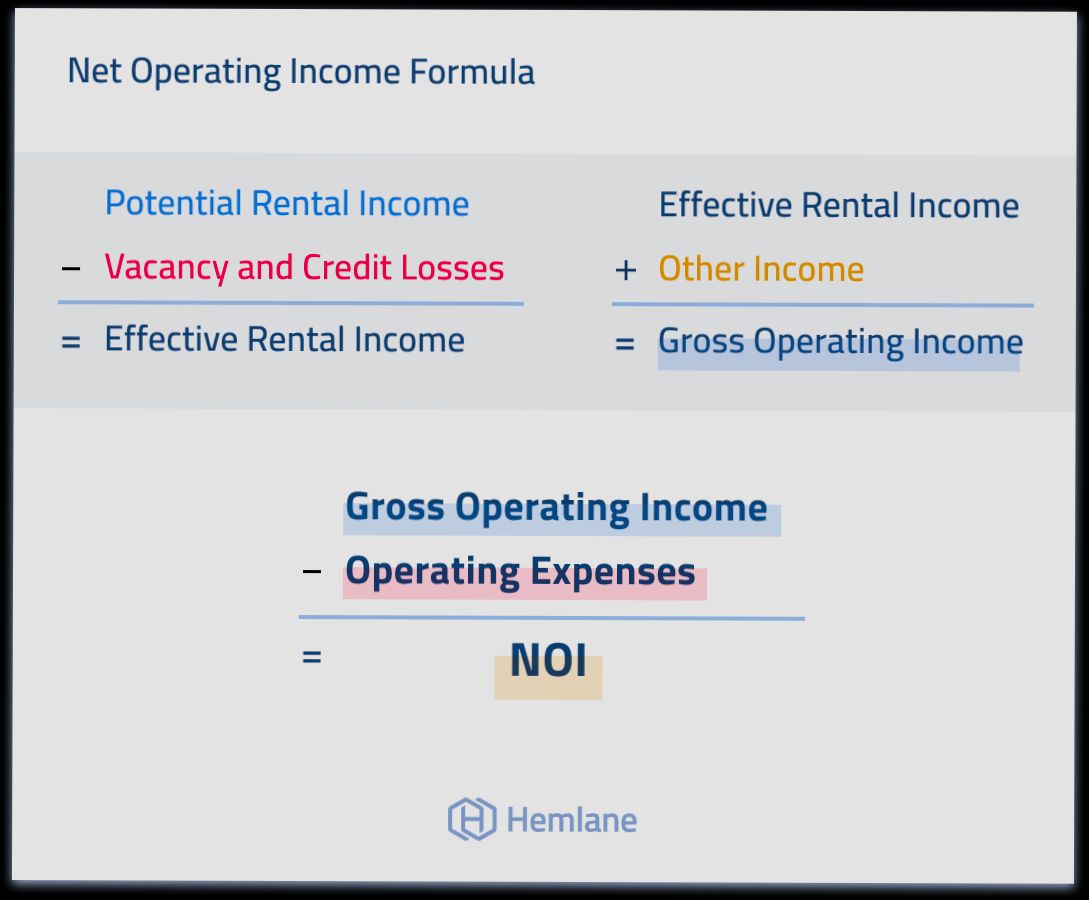
What is NOI in Real Estate? Simply put, it’s the Net Operating Income, a key metric that tells you how profitable an income-generating property is. Picture this: you own a small apartment complex with ten units, and each one rents for $1,000 a month. That gives you a solid monthly income of $10,000. But wait! You’ve got to factor in expenses like maintenance, property management, utilities, and property taxes. Say your total expenses come to $4,000 monthly; that means your NOI would be $6,000. This straightforward calculation helps you understand the financial health of your investment.
What is Nota Simple in Spain
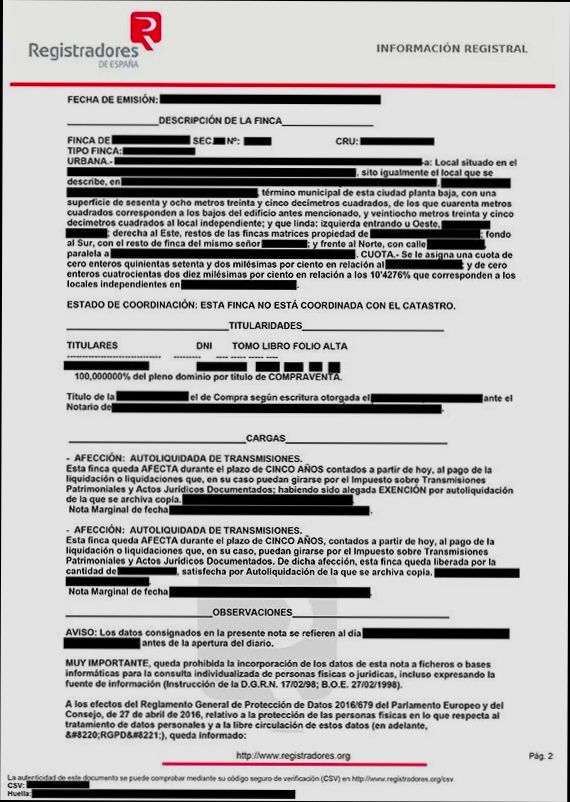
What is Nota Simple in Spain? It’s basically a property snapshot that reveals crucial information about real estate. This document is essential for anyone considering buying or investing in property here. For instance, if you're eyeing a cozy apartment in Barcelona, the Nota Simple will show you who owns it, whether any mortgages are tied to it, and if there are any encumbrances or legal issues. You’ll find data like the property’s size, location, and even the year it was built, all neatly compiled for you.
What is NUSS in Spain and How to Get It
What is NUSS in Spain and How to Get It? If you’re living in Spain and diving into the world of self-employment or freelance work, you’ve probably heard about the NUSS, or “Núcleo de la Seguridad Social”. This system is essential for anyone working as a freelancer because it ensures you have access to social security benefits like pensions, healthcare, and even maternity leave. For instance, if you’re making around €1,200 a month, contributing to the NUSS can help secure your financial future, covering you for unexpected health issues or other emergencies.
What is Padrón in Spain and How to Get It
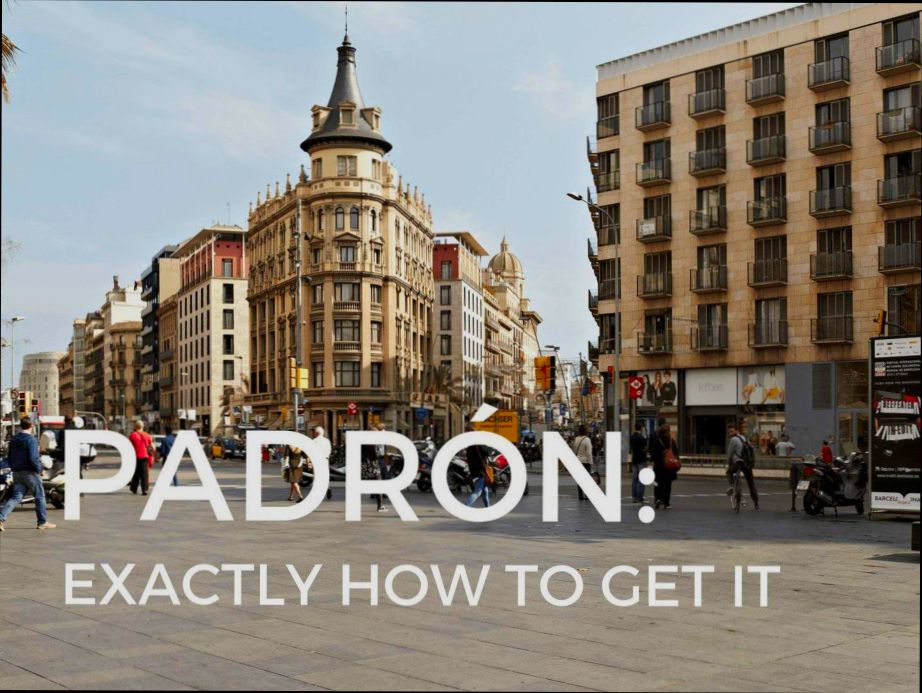
What is Padrón in Spain and How to Get It? Well, let’s dive right in! Padrón isn’t just a bureaucratic term; it’s the official register of residents in a municipality. Imagine living in Spain and wanting to access certain services, like healthcare or education—your Padrón proves that you’re a local, whether you're a native or an expat. Did you know that over 47 million people are registered in Spain’s Padrón? Cities like Barcelona and Madrid have some of the highest numbers, with millions relying on it for everything from voting rights to access to subsidies!
What is Permiso de Residencia in Spain and How to Get It
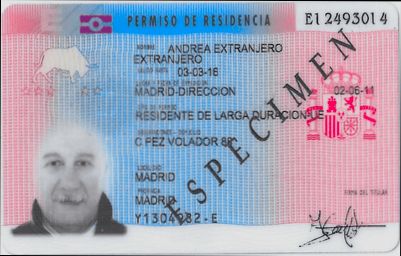
What is Permiso de Residencia in Spain and How to Get It? If you’re dreaming of living under the sun in Spain, you’ll want to get acquainted with the Permiso de Residencia, or residence permit, which is essential for non-EU citizens wishing to stay longer than 90 days. There are several types of permits, ranging from temporary to permanent, each tailored to different situations like work, study, or family reunification. For instance, if you snag a job offer in Spain, a work permit will be your ticket to living and thriving here. But did you know that Spain also has a Golden Visa option for those who invest a certain amount in property or business? We’re talking about as little as €500,000 in real estate!
What is Personal Income Tax (IRPF)
What is Personal Income Tax (IRPF)? Simply put, it's the tax you pay on your earnings, and it’s a big deal! If you work a 9-to-5 job, run a small business, or earn money from investments, IRPF is likely going to take a chunk of your income. For example, in Spain, the rates can range from 19% to 47%, depending on your income level. So, if you’re bringing home €30,000 a year, you might end up paying around €3,700 in taxes. On the flip side, if you hit the jackpot and earn over €300,000, that amount jumps significantly!
Tags