What is Personal Income Tax (IRPF)? Simply put, it’s the tax you pay on your earnings, and it’s a big deal! If you work a 9-to-5 job, run a small business, or earn money from investments, IRPF is likely going to take a chunk of your income. For example, in Spain, the rates can range from 19% to 47%, depending on your income level. So, if you’re bringing home €30,000 a year, you might end up paying around €3,700 in taxes. On the flip side, if you hit the jackpot and earn over €300,000, that amount jumps significantly!
Let’s think about real scenarios. Imagine you’re a freelancer, raking in €40,000 annually from various gigs. That IRPF tax would still come knocking, impacting your take-home pay and budget. Or picture a couple earning €70,000 between them; the tax system kicks in differently depending on whether they file jointly or separately. Understanding how IRPF works can make you feel empowered when it comes to managing your finances, especially when tax season rolls around!

Understanding the Basics of IRPF
If you’ve ever wondered how personal income tax, or IRPF, works, you’re not alone! Understanding the basics of IRPF can help you navigate your tax obligations more effectively. Let’s dive into what you need to know.
What is IRPF?
IRPF, or the Impuesto sobre la Renta de las Personas Físicas, is the tax levied on income earned by individuals in Spain. This tax covers various income sources, including wages, pensions, and rental income. It’s essential for you to grasp its components to manage your finances better.
Key Points to Consider
- Tax Residency: If you reside in Spain for more than 183 days a year, you’re typically considered a tax resident and subject to IRPF on your worldwide income.
- Progressive Rates: The IRPF has a progressive rate system. In 2023, rates can range from approximately 19% for the first €12,450 to 47% for income over €300,000.
- Deductions and Allowances: You can benefit from several deductions (up to €1,200 for children under 25) that reduce your taxable income. It’s estimated that around 75% of taxpayers utilize at least one deduction.
Comparative Table of IRPF Tax Rates
| Income Bracket | Tax Rate |
|---|---|
| Up to €12,450 | 19% |
| €12,451 - €20,200 | 24% |
| €20,201 - €35,200 | 30% |
| €35,201 - €60,000 | 37% |
| Over €60,000 | 45% |
| Over €300,000 | 47% |
Real-World Examples
- Example 1: Maria earns €25,000 annually from her job. Using the current IRPF brackets, she would pay roughly €3,012.50 in taxes after applicable deductions.
- Example 2: Juan, a retiree, receives a pension of €16,000. After claiming deductions for healthcare costs, his taxable income drops to €14,000, which means he pays about €2,500 in IRPF.
Practical Implications
Understanding the IRPF means you can optimize your tax situation:
- Knowing your tax bracket helps you plan income investments strategically.
- Familiarizing yourself with available deductions can save you significant amounts, especially if you have children or other qualifying expenses.
Actionable Insights
- Keep Records: Organizing your taxable income receipts and deduction claims throughout the year can streamline the filing process.
- Stay Updated: Tax laws frequently change. You should check for updates each year to ensure compliance and maximize your refunds.
By understanding the essentials of IRPF, you can make informed choices about your finances, optimize your tax obligations, and avoid potential pitfalls.
Key Statistics on Personal Income Tax
Understanding the key statistics surrounding personal income tax (IRPF) can provide you with valuable insights into how it affects your finances. Let’s dive into some intriguing data points that help illustrate the scale and impact of this tax on individuals in Spain.
Key Statistics
- Around 41% of the total revenue collected by Spain’s tax authority comes from personal income tax, highlighting its significance in the country’s fiscal landscape.
- As of 2022, an estimated 18 million people submitted IRPF returns in Spain, indicating a broad base of taxpayers.
- According to projections, the government expects personal income tax revenue to reach €94 billion in 2023, which reflects a growing reliance on this tax to fund public services.
- Among those taxpayers, approximately 60% earn below €30,000 annually, suggesting that the IRPF impacts a large portion of the population with relatively lower incomes.
- Data shows that around 2.3 million individuals fall into the highest income bracket, which faces the maximum tax rate, indicating a more concentrated demographic affected by higher rates.
Comparative Overview of Tax Brackets
| Income Bracket | Tax Rate | Percentage of Taxpayers |
|---|---|---|
| Under €12,450 | 19% | 60% |
| €12,450 - €20,200 | 24% | 25% |
| €20,200 - €35,200 | 30% | 10% |
| €35,200 - €60,000 | 37% | 4% |
| Over €60,000 | 47% | 1% |
Real-World Examples
In 2022, Maria, a schoolteacher earning €25,000, fell into the €20,200-€35,200 tax bracket, paying a tax rate of 30%. In contrast, Javier, a successful entrepreneur earning €70,000, was taxed at a higher rate of 47%, showcasing how income levels significantly affect the tax burden.
Another example includes a young professional earning €28,000, who contributes more than €8,000 annually in taxes, underlining how the tax rate applies differently across income levels.
Practical Implications
For you as a taxpayer, being aware of these statistics is crucial. They can help you better understand where you fit within the income distribution and what to expect during tax season.
- If you find yourself in the lower brackets, you may be eligible for deductions or credits that can lessen your tax burden.
- Awareness of these statistics can also inform your career decisions, as understanding tax brackets may motivate you to aim for positions that offer salaries with favorable tax implications.
Continuously monitor your income level against these brackets to make informed financial decisions and maximize your potential benefits from the IRPF system.
Real-World Implications of IRPF Payments
Understanding the real-world implications of IRPF payments can significantly influence your financial decisions and lifestyle choices. This tax affects not just government revenue but also how individuals approach their earnings, spending, and overall financial planning.
Key Implications of IRPF Payments
1. Income Redistribution: The IRPF plays a crucial role in redistributing wealth within society. Higher earners contribute a larger percentage of their income, which funds essential services like healthcare and education.
2. Impact on Disposable Income: Depending on your income bracket, the effective tax rate can substantially reduce your disposable income. For instance, individuals in higher tax brackets could see more than 40% of their income go towards taxes, impacting their savings and spending abilities.
3. Behavioral Changes: Personal income tax can trigger changes in behavior regarding work and investment. For example, some individuals may opt for part-time work or explore tax deductions to minimize their taxable income, which can influence overall economic productivity.
| Income Bracket | Tax Rate (%) |
|---|---|
| €0 - €12,450 | 19% |
| €12,451 - €20,200 | 24% |
| €20,201 - €35,200 | 30% |
| €35,201 - €60,000 | 37% |
| Over €60,000 | 47% |
Real-World Examples
- Case Study: Lower Income Families: Research shows that families earning between €15,000 and €25,000 may fall into the 24% tax bracket. This situation pressures them to strategize their finances, often leading to increased reliance on public services funded by IRPF, illustrating how personal income tax shapes economic behavior at the grassroots level.
- Case Study: High Earners: High-earning individuals paying the top rate of 47% may choose to invest more in financial instruments that offer tax advantages. Many establish personal investment funds specifically to mitigate the high effective tax on their income, focusing on long-term benefits rather than immediate consumption.
Practical Implications
- Fiscal Planning: Stay informed about changes in tax laws that can affect your IRPF payments. Adjust your budgeting and savings plans accordingly. Being proactive can help minimize the tax burden by leveraging available deductions and credits.
- Investment Decisions: Consider tax-efficient investment strategies. Understanding how IRPF impacts your overall financial situation can lead to smarter decisions regarding savings accounts, retirement plans, and other investments.
- Social Contributions: Recognize that every euro you pay in IRPF contributes to societal welfare. This commitment can foster a sense of community, as you understand the breadth of services funded by your tax contributions.
To navigate the implications of IRPF payments effectively, consider consulting with a tax advisor familiar with Spanish tax law. They can provide personalized strategies to optimize your financial situation while ensuring compliance with tax obligations.

Advantages of Paying Personal Income Tax
Paying personal income tax (IRPF) has multiple advantages that contribute positively to both individual taxpayers and society at large. While it may seem burdensome, the implications of these payments can significantly enhance the quality of life and stability within communities. Let’s dive into some of the key benefits associated with paying personal income tax.
Direct Benefits of Paying IRPF
1. Access to Comprehensive Public Services
By contributing to the IRPF, you’re directly funding essential public services such as healthcare, education, and transportation. In Spain, personal income tax plays a crucial role in financing these sectors, ensuring that everyone has access to critical resources.
2. Social Insurance Programs
Your tax payments help support social safety nets, such as unemployment benefits, pension schemes, and disability assistance. This safety net offers peace of mind, knowing that you have financial protection in times of need.
3. Community Development and Infrastructure
Taxes contribute to local infrastructure projects, which can improve community living standards. Whether it’s building new roads, parks, or public transportation systems, personal income tax payments help create a better living environment for everyone.
4. Equitable Wealth Distribution
The progressive nature of the IRPF means higher earners contribute a larger share, helping to redistribute wealth within society. This can reduce income inequality, ensuring a fairer distribution of resources and opportunities.
5. Economic Stability and Growth
Tax revenue supports government investments in various sectors, stimulating economic growth. With better-funded public projects, businesses thrive, and job opportunities increase, fostering an environment where individuals can prosper.
Impact of Personal Income Tax Contributions
| Benefit | Description |
|---|---|
| Access to Healthcare | Supports universal healthcare, ensuring treatment access for all. |
| Funding Education | Backing various educational institutions enhances learning opportunities. |
| Public Safety | Provides funding for police, fire services, and emergency response. |
| Community Infrastructure | Improves local amenities, such as parks and community centers. |
| Social Programs | Ensures ongoing support for vulnerable populations through social services. |
Real-World Examples of the Benefits of IRPF
In cities across Spain, local governments have undertaken projects funded by personal income tax revenues. For instance, the recent expansion of public transport networks in Barcelona was significantly supported by IRPF contributions, resulting in shorter commute times and reduced traffic congestion. Additionally, in Valencia, increased funding from personal taxes has allowed for better public healthcare facilities, improving overall health outcomes for residents.
Practical Implications for Taxpayers
- Increased Civic Engagement: Understanding the benefits associated with your tax contributions encourages civic responsibility and engagement in local governance.
- Improved Quality of Life: Knowing that your payments directly assist in the funding of essential services can foster a sense of ownership and community pride.
- Financial Security: As part of the social safety net funded by personal income tax, knowing that resources are available during tough times can significantly reduce anxiety.
By recognizing and valuing these advantages, you can appreciate the role your personal income tax plays not only in your life but also in the broader social framework, enabling sustained growth and community strength.
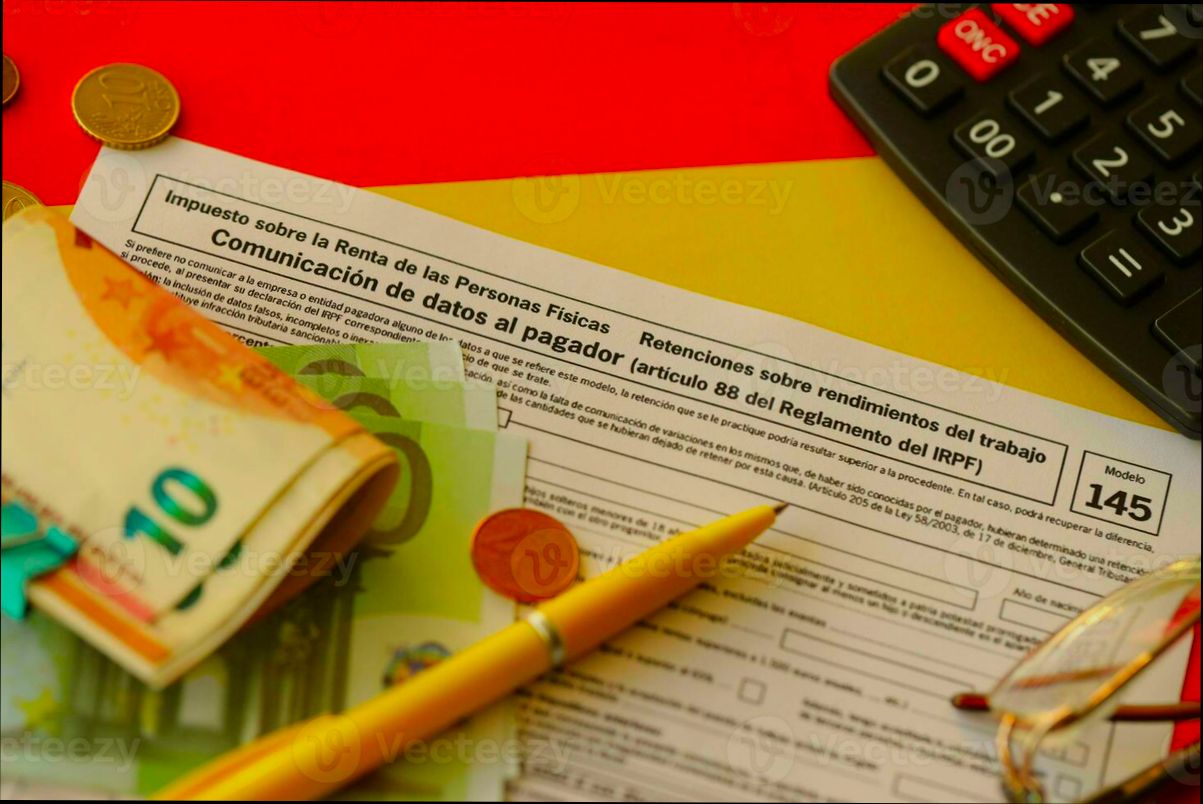
How IRPF Affects Different Income Brackets
Understanding how IRPF impacts various income brackets helps tailor financial strategies and improve individual tax efficiency. This section examines these effects in detail, highlighting key tax rates, their implications, and actionable insights for each income bracket.
Income Bracket Tax Rates and Their Implications
The personal income tax in Spain is structured so that higher income brackets incur steeper tax rates. Here’s a breakdown of the tax rates and their implications:
- Income from €0 to €12,450: The lowest tax rate applies, allowing individuals to keep a larger share of their income. This encourages economic participation among lower-income earners.
- Income from €12,451 to €20,200: This is a moderate bracket where individuals may feel a pinch as the tax rate increases, impacting disposable income.
- Income from €20,201 to €35,200: As we approach higher earnings, the tax burden grows more significant, which can affect spending habits and savings.
- Income from €35,201 to €60,000: This bracket begins to feel the pressure of a higher rate of tax, prompting the need for strategic financial planning to minimize tax liabilities.
- Income over €60,000: Here, the highest tax rate kicks in, significantly impacting take-home pay and spurring high earners to seek deductions and credits more aggressively.
Comparative Income Bracket Tax Rates
| Income Bracket | Tax Rate (%) |
|---|---|
| €0 - €12,450 | 19% |
| €12,451 - €20,200 | 24% |
| €20,201 - €35,200 | 30% |
| €35,201 - €60,000 | 37% |
| Over €60,000 | 47% |
Real-World Examples of IRPF Effects
Consider two individuals with different income levels:
1. Maria, earning €15,000: Maria pays 19% on her income, which allows her more financial room to engage in local businesses and activities without feeling overtaxed. The relatively lower tax burden promotes spending, contributing to the economy.
2. Javier, earning €70,000: Javier faces a 47% tax rate on his income exceeding €60,000. This significant taxation motivates him to explore legitimate tax deductions, charity contributions, and investment opportunities that provide tax relief.
Practical Implications for Different Taxpayers
It’s essential to understand how the IRPF structure influences financial decisions:
- Lower-income earners can utilize their minimal tax obligation to invest in education or workforce development, improving their future earning potential.
- Middle-income earners should consider tax-efficient investments or savings plans to mitigate the impact of the progressive tax rates on their disposable income.
- High-income earners are encouraged to work with financial advisors to optimize their tax strategies, leveraging available deductions and credits to reduce their effective tax rate.
Actionable Facts
- Review tax brackets annually since changes can affect your financial planning.
- Consider adjusting your investment strategies based on your income bracket to maximize tax efficiency.
- Consult with a tax advisor if you’re approaching the higher income thresholds to ensure that your financial schemes align with your overall tax burden management.
Common Misconceptions About IRPF
When it comes to personal income tax in Spain (IRPF), misunderstandings can lead to confusion and poor financial decisions. Let’s clarify some common misconceptions that people often have about IRPF so you can approach your tax responsibilities more confidently.
Misconception 1: Everyone Pays the Same Tax Rate
One of the biggest myths is that all taxpayers pay the same rate of tax, but that couldn’t be further from the truth. The IRPF operates on a progressive tax system, meaning your tax rate increases as your income rises. For example:
- Lower income earners pay a reduced tax rate.
- Higher income earners can face rates as high as 47%.
Misconception 2: Tax Deductions Are Always the Same
You might think that the tax deductions available to you are consistent regardless of your financial situation. However, various deductions depend on personal circumstances, such as:
- Family status (e.g., married couples often have different deductions than singles).
- Work-related expenses can vary widely.
For instance, taxpayers with dependent children can claim additional deductions, which can significantly lower their taxable income.
Misconception 3: IRPF Only Affects Salaried Employees
Many believe that IRPF only affects those who receive a salary, while in reality, it impacts a wide range of income sources, including:
- Freelancers and self-employed individuals who declare their business income.
- Rental income from property ownership.
This broader scope means that even if you aren’t traditionally employed, you’re still obligated to consider IRPF when reporting your total income.
Tax Brackets for IRPF
| Income Bracket | Tax Rate (%) |
|---|---|
| €0 - €12,450 | 19% |
| €12,451 - €20,200 | 24% |
| €20,201 - €35,200 | 30% |
| €35,201 - €60,000 | 37% |
| Over €60,000 | 47% |
Real-World Example: Freelancers and Tax Deductions
Consider Marta, a freelance graphic designer. She mistakenly believed that she wouldn’t need to pay IRPF since she wasn’t a traditional employee. After reviewing her earnings from her design projects, she learned that she owed taxes on her income. More importantly, Marta realized that she could deduct expenses related to her home office, which significantly lowered her taxable income.
Practical Implications for Understanding These Misconceptions
- Knowing the progressive nature of the IRPF helps you anticipate your obligations better and manage your finances more efficiently.
- Understanding that deductions vary encourages you to keep thorough records of your expenses.
- Recognizing that freelancers are liable for IRPF can motivate you to prepare adequately for your tax submissions.
Actionable Advice: Stay Informed
To combat these misconceptions, consider taking the following actionable steps:
- Keep up-to-date with the latest tax guidelines to understand how changes may affect your situation.
- Consult with a tax advisor if you’re unsure about your obligations, especially if you have multiple income sources.
- Regularly review your income and expenses to ensure you’re maximizing any deductions available to you.
The Role of IRPF in National Revenue
When we talk about the role of IRPF in national revenue, we delve into how this tax significantly contributes to Spain’s fiscal landscape. Personal Income Tax (IRPF) is not just a means for individuals to contribute to government finances; it’s a crucial pillar underpinning public services and socio-economic stability.
One of the standout facts about IRPF is its monumental contribution to national revenue. In Spain, it accounts for a staggering percentage of the total tax revenue, underscoring its importance. Here are some key insights:
- Revenue Generator: Approximately 50% of the total income generated by the Spanish tax system comes from IRPF, highlighting its critical role in funding essential services like healthcare, education, and public safety.
- Progressive Nature: The progressive nature of IRPF means that higher earners contribute more, which helps in redistributing wealth and funding social programs. The top earns contribute significantly, aiding in the reduction of income inequalities.
- Stability During Economic Fluctuations: Research has shown that IRPF tends to be more stable during economic downturns compared to other forms of taxation, thus providing a reliable income stream for the government.
| Tax Type | Percentage of Total Revenue | Notes |
|---|---|---|
| Personal Income Tax (IRPF) | 50% | Highest share of revenue source |
| VAT (Value Added Tax) | 30% | Second-largest contributor |
| Corporate Tax | 15% | Generally less stable than IRPF |
| Other Taxes | 5% | Includes local and miscellaneous taxes |
Let’s take a closer look at how IRPF impacts national revenue through real-world examples:
1. Public Sector Funding: In 2023, the government projected that revenue from IRPF would reach approximately €100 billion, illustrating its role as a backbone for public sector funding, allowing for improvements in infrastructure and education systems.
2. Subsidization of Essentials: The funds retrieved through IRPF help subsidize essential services. For example, the health sector depends heavily on this revenue, ensuring affordable healthcare for the population.
3. Economic Resilience: During economic slowdowns, the IRPF remains a steadfast source of revenue. For instance, during recent global crises, IRPF collection remained robust compared to VAT, showing its reliability.
By understanding the role of IRPF in national revenue, we can appreciate how individual contributions ultimately foster collective benefits. This significant revenue supports vital public services that enhance societal welfare.
For those navigating their tax obligations, recognizing the weight of IRPF in national finance can provide valuable insights into the broader economic picture. By actively engaging in financial literacy related to personal income tax, individuals can make informed decisions that align with both personal and societal goals.