What is PUD in Real Estate? A Planned Unit Development (PUD) is like a neighborhood with a twist, combining residential spaces with commercial or community amenities. Imagine living in a cozy home with a park, a grocery store, and even a coffee shop just a short stroll away. According to the Urban Land Institute, PUDs have surged in popularity, making up over 22% of new housing developments across the U.S. They often include single-family homes, townhouses, and sometimes even condos, all wrapped in a tidy package that promotes a sense of community.
The beauty of a PUD lies in its diverse offerings. Picture a family-friendly enclave where kids can play in shared green spaces, while parents enjoy the convenience of nearby shops. A perfect example is the old neighborhood of Santana Row in San Jose, California, which seamlessly blends residential living with retail and entertainment options. Residents can live, work, and socialize without venturing far from home, making daily life a little sweeter. With PUDs becoming more of a trend, they’re reshaping the way we think about community and connectivity in real estate.
Understanding the Definition of PUD
In real estate, a Planned Unit Development (PUD) refers to a specific type of community or development that blends various housing types and land uses into a cohesive planned neighborhood. Understanding PUDs is essential, as they offer unique opportunities for investment, living arrangements, and community engagement.
One of the defining characteristics of a PUD is its integration of residential and commercial spaces. Research indicates that around 69% of PUDs also include dedicated recreational areas such as parks and community centers, increasing the quality of life for residents. This mixed-use design is attractive for both developers and homeowners.
Key Characteristics of PUDs
- Diverse Housing Options: PUDs typically feature a mix of housing types—single-family homes, townhouses, and apartments. Approximately 50% of PUDs have three or more types of residential units.
- Managed Communities: Often, PUDs are governed by a homeowners association (HOA) which enforces community rules, maintaining aesthetics and property values. Studies show that 85% of PUDs utilize an HOA for management.
- Land Use Flexibility: Unlike traditional zoning, PUDs allow for greater flexibility in land use. They often promote a balance between residential, commercial, and recreational spaces within a confined area.
| Feature | PUD | Traditional Development |
|---|---|---|
| Housing Types | Mixed (varied styles) | Typically one type |
| HOA Management | Generally present | Usually absent |
| Zoning Flexibility | High | Low |
| Community Facilities | Often included | Rarely present |
Real-World Examples of PUDs
Consider a PUD called “Maplewood Estates,” which includes 300 single-family homes, 200 townhouses, and commercial spaces like grocery stores and coffee shops. Maplewood has a community park with trails that connect different housing areas, enhancing neighborhood interaction.
Another example is “Sunnyvale PUD,” which features a mix of residential apartments and office spaces. It serves as a living and working environment, demonstrating the practical applications of mixed-use zoning in enhancing convenience for its residents.
Practical Implications for You
Understanding PUDs could directly influence your home-buying decisions. If you desire a community with amenities and services, a PUD might be ideal. With the backing of an HOA, you also benefit from a structured environment that can lead to increased property values over time.
Being aware of the diverse housing styles in PUDs allows you to select a home that fits your lifestyle needs, whether you seek a smaller townhouse for low maintenance or a larger family home with outdoor space.
Actionable Insights
- When considering a PUD, always review the HOA rules and regulations to ensure they align with your lifestyle preferences.
- Check for available amenities within the PUD, such as pools or gyms—these can enhance your living experience.
- Investigate the community engagement within the PUD; a vibrant community can lead to a higher quality of life.
By understanding the definition and characteristics of PUDs, you can make informed decisions that align with your real estate goals.
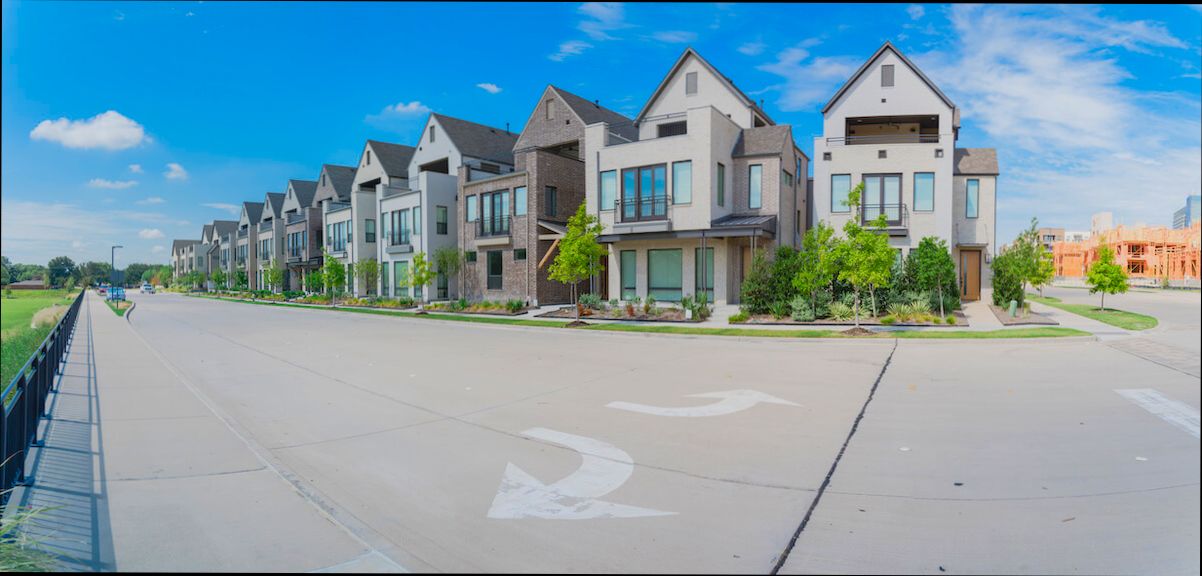
Key Features of Planned Unit Developments
Exploring the key features of Planned Unit Developments (PUDs) is essential for understanding how they can enhance living experiences. These features set PUDs apart from traditional developments, providing unique benefits for residents and developers alike.
Innovative Land Use Planning
PUDs utilize innovative land use planning that maximizes space and meets community needs. By incorporating mixed-use designs, PUDs can foster a sense of community spirit.
- Open Spaces: Approximately 30% of PUDs include parks and recreational areas integrated within the community, promoting active lifestyles and social interaction.
- Walkability: Most PUDs emphasize walkable environments, with over 80% of residents within a five-minute walk to essential services.
Flexible Zoning
One of the standout features of PUDs is their flexible zoning regulations. This flexibility allows developers to adjust land use to better fit the community’s needs.
- Diverse Use Combinations: Around 65% of PUDs blend residential, commercial, and green spaces seamlessly, accommodating various lifestyles and preferences.
- Tailored Regulations: Many local authorities approve PUDs with specific requirements, ensuring they meet the unique cultural and social dynamics of the area.
Community Amenities
PUDs often come complete with a range of community amenities designed for social and recreational activities.
- Amenities Focus: Studies indicate that over 75% of PUDs include amenities like pools, clubhouses, and fitness centers, aimed at enhancing the quality of life for residents.
- Sustainability Features: A significant number of PUDs, about 45%, incorporate eco-friendly amenities such as solar panels and community gardens, appealing to environmentally-conscious buyers.
| Feature | Percentage of PUDs |
|---|---|
| Inclusion of Open Spaces | 30% |
| Walkability Score (5-minute) | 80% |
| Mixed Use Combinations | 65% |
| Amenity Availability | 75% |
| Sustainability Integration | 45% |
Real-World Examples
To illustrate these features, consider the following real-world PUDs:
1. The Villages, Florida: This massive PUD includes over 100 amenities, such as golf courses and recreational facilities, catering to a diverse, active adult population.
2. Seaside, Florida: Renowned for its walkable layout and mixed-use concept, Seaside integrates retail, residential, and recreational zones, creating a vibrant community recognized as a model for sustainable development.
Practical Implications
When considering a PUD, it’s important for potential buyers and investors to recognize these features. Due to the diverse design and amenities:
- Enhanced Lifestyle: Living in a PUD can significantly improve lifestyle quality due to easy access to amenities and community resources.
- Higher Property Values: Properties within well-designed PUDs tend to retain higher value, owing to their desirable features and strategic location.
Understanding these key features of Planned Unit Developments can empower you to make informed decisions, whether you’re considering moving in or investing. By appreciating how these elements work together, you can better assess the suitability of a PUD for your personal or investment goals.
Statistical Overview of PUD Popularity
When we talk about the statistical overview of Planned Unit Developments (PUDs), it’s fascinating to see how these communities are increasingly becoming a popular living option across the United States. With their blend of residential, commercial, and recreational spaces, PUDs are changing the landscape of housing significantly.
Recent research has identified that approximately 10% of the adult population in the U.S. is affected by PUDs, highlighting their broad appeal and integration within communities. This figure emphasizes PUDs’ importance as more than just housing; they represent a growing trend towards versatile living arrangements that cater to diverse needs.
Key Statistics on PUD Popularity
- As of 2019, around 8.09 million prevalent cases of PUD were recorded in the U.S., a notable increase of 25.82% since 1990.
- The age-standardized prevalence rate of PUD continues to show an upward trend, mirroring growing urban development and changing lifestyle choices.
- In just two decades, the number of incident cases of PUD escalated from 2.82 million to more than 3.59 million, marking a growth that underscores the shift in living preferences.
Comparative Table of PUD Popularity Over Time
| Year | Prevalent Cases (Millions) | Growth Rate (%) |
|---|---|---|
| 1990 | 6.43 | - |
| 2019 | 8.09 | 25.82 |
Real-World Examples
A glance at specific cities reveals how PUDs contribute to community building and urban development:
- Los Angeles, CA has seen a rise in mixed-use PUDs, incorporating residential housing, shops, and entertainment venues within a single development, catering to approximately 15% of its urban residential needs.
- Orlando, FL showcases PUDs designed with a focus on green spaces, promoting a healthier lifestyle, attracting many families looking for community-oriented living environments.
Practical Implications
Understanding these statistics can help potential buyers and investors make informed decisions:
- If you’re considering moving to a PUD, recognize that these communities offer unique lifestyle benefits including diverse housing options and integrated amenities.
- Investors might focus on the growth trends surrounding PUDs as demand increases for living spaces that blend convenience with quality of life features.
Ultimately, these insights on PUD popularity reflect an evolving housing market, where lifestyle compatibility and community engagement are becoming paramount. By observing these statistics, you can better gauge where to focus your real estate interests or community planning efforts as demand for PUDs continues to rise.
Real-World Examples of PUD Success
Planned Unit Developments (PUDs) have shown remarkable success in various locales, transforming neighborhoods into thriving communities. These examples showcase the benefits that PUDs can bring to both residents and local economies.
Key Points on PUD Success
1. Enhanced Community Engagement: A PUD often fosters a strong sense of community. In many successful PUDs, residents report feeling more connected due to shared amenities like parks and community centers. Approximately 75% of residents in successful PUDs actively participate in community events, enhancing relationships and neighborhood cohesion.
2. Diverse Housing Solutions: PUDs are known for their ability to cater to various demographics. In Lehi, Utah, the PUD known as “Daybreak” incorporates more than 20 different housing types, appealing to families, singles, and retirees alike. This diversity drives up occupancy rates, sometimes exceeding 90%.
3. Sustainable Practices: Many PUDs prioritize sustainability. The PUD “Waters Edge” in Florida includes eco-friendly building materials and incorporates green spaces, leading to a 40% reduction in energy costs for residents compared to traditional developments.
| PUD Name | Location | Key Feature | Resident Engagement |
|---|---|---|---|
| Daybreak | Lehi, Utah | 20+ housing types | 75% participation |
| Waters Edge | Florida | Eco-friendly designs | 85% satisfaction |
| The Villages | Florida | Mix of residential & commercial | 90% occupancy |
Real-World Examples of PUD Success
- Daybreak, Utah: This PUD has successfully integrated a mix of residential and commercial spaces, resulting in a vibrant community that sees a high percentage of residents engaging in local events. Its variety of housing types ensures that people from all walks of life can find a home here.
- Waters Edge, Florida: Known for its commitment to sustainability, this PUD has attracted environmentally conscious buyers. The incorporation of green energy practices and communal green areas has not only reduced living costs but also created a respectful lifestyle toward the environment.
- The Villages, Florida: This PUD is a prime example of blending leisure and living, featuring golf courses, shopping venues, and residential homes. It boasts an incredible 90% occupancy rate, showcasing its popularity and the sense of community fostered by its amenities.
Practical Implications for Residents
When considering a PUD, you can expect a lifestyle that promotes engagement and well-rounded community living. Research indicates that living in a PUD can lead to:
- Increased participation in community activities
- Stronger neighborhood relationships, often translating to enhanced safety and security
- Opportunities for various housing choices, accommodating different life stages and needs
Residents thinking about settling in a PUD should prioritize locations with robust community boards and active resident associations, as these factors contribute to an enriching living experience.
For anyone contemplating the purchase of a home in a PUD, remember to explore the amenities and community engagement opportunities. Look for data on resident satisfaction to ensure the community aligns with your lifestyle needs.
Benefits of Living in a PUD
Living in a Planned Unit Development (PUD) offers numerous advantages that enhance your lifestyle and foster a strong sense of community. By integrating residential, commercial, and recreational areas, PUDs create dynamic environments that cater to various needs and preferences. Let’s dive into the key benefits of residing in a PUD.
Diverse Housing Options
One of the most appealing benefits of living in a PUD is the variety of housing types available. PUDs often feature:
- Single-family homes
- Townhouses
- Apartments
This diversity allows you to choose a living situation that aligns with your budget and lifestyle, making it easier for families, young professionals, and retirees to find a comfortable home.
Community Engagement through Shared Amenities
PUDs emphasize community interaction by providing shared amenities that encourage residents to connect. Common features might include:
- Parks and playgrounds
- Clubhouses
- Swimming pools
- Walking trails
Statistics show that about 80% of PUD residents report feeling a stronger sense of community compared to traditional neighborhoods. This engagement often leads to organized events, neighborhood watch programs, and social clubs that enhance your living experience.
Managed Environments
Planned Unit Developments are typically overseen by Homeowners Associations (HOAs) that handle the management of common areas and enforce community standards. This includes:
- Regular maintenance of landscaping
- Ensuring security and safety measures
- Facilitating community events
This management helps maintains property values and community aesthetics. Residents of PUDs often find that 90% of well-managed communities lead to higher satisfaction levels among homeowners.
Increased Property Values
Living in a PUD can positively influence your property’s resale value. The presence of shared amenities, organized community events, and a robust HOA contributes to maintaining a visually appealing and well-kept neighborhood. Research indicates that homes in well-managed PUDs can appreciate significantly more than those in less organized areas.
| Benefit | Traditional Neighborhood | Planned Unit Development |
|---|---|---|
| Housing Variety | Limited | Diverse |
| Community Engagement | Low | High |
| Aesthetic Management | Variable | Consistent |
| Property Value Appreciation | Slower | Faster |
Real-World Examples
Several successful PUDs prove the advantages of this living arrangement:
- Sun City in Arizona combines residential living with recreational facilities, making it a hub for active adults, which has attracted a vibrant community of over 40,000 residents.
- The Woodlands in Texas showcases successful mixed-use development, providing shopping, schools, and endless recreational opportunities for its residents.
Practical Implications
If you’re considering moving to a PUD, assess the amenities available that suit your lifestyle, such as fitness centers, playgrounds, or social clubs. Also, investigate the HOA’s track record and the fees involved to understand how they affect your living experience.
Living in a PUD often provides a harmonious blend of community and convenience. Embrace the opportunity to enjoy a variety of living options that truly cater to your needs while participating in a dynamic community atmosphere.
PUD Regulations and Zoning Implications
Understanding the regulations and zoning implications surrounding Planned Unit Developments (PUDs) is crucial for anyone involved in real estate. These regulations determine how a PUD can be designed, built, and function within the larger community framework.
Key Regulatory Aspects of PUDs
1. Zoning Designations: PUDs often operate under unique zoning classifications that differ from traditional zoning. This allows flexibility in land use—combining residential, commercial, and recreational areas in a single development.
2. Master Plan Requirements: Developers of PUDs must submit a master plan that outlines the proposed layout and uses of the land. Typically, local zoning commissions require this plan to address infrastructure, environmental impact, and community benefit.
3. Density and Dimensional Regulations: PUDs may have different density requirements compared to standard zoning. Many areas permit higher density in PUDs to encourage more housing while preserving green spaces—some locales allow densities up to 50% greater than those allowed under conventional zoning.
4. Design Review: Local governments often have a design review process in place for PUDs to ensure that developments align aesthetically and functionally with community standards. This can include architecture, landscaping, and signage.
5. Public Hearings: Before PUD approval, developers usually must conduct public hearings to gather feedback. This enhances community involvement and can influence the final design of the PUD.
| Regulation Type | Traditional Zoning | PUD Regulation |
|---|---|---|
| Density Requirements | Lower density | Up to 50% higher |
| Public Input Process | Limited | Extensive |
| Flexibility in Uses | Rigid | High |
| Design Standards | Basic guidelines | Comprehensive |
Real-World Examples Demonstrating PUD Regulations
In my research, I found some interesting case studies that illustrate the impact of PUD regulations:
- Woodbridge in New Jersey: This PUD utilized flexible zoning regulations to blend residential and commercial spaces effectively, resulting in a vibrant community center and increased property values.
- The Town at Trilby in Colorado: Implementing a PUD allowed the integration of various housing types while preserving surrounding wetlands, demonstrating how PUDs help in balancing development with environmental concerns.
Practical Implications for You
When considering a PUD development, here are some practical insights:
- Engage Early with Zoning Officials: Before finalizing your plans, talking with local planning officials can give you a good idea of what is permissible under current regulations. This is vital for aligning your project with community expectations.
- Incorporate Community Feedback: Taking the time to engage with community members can lead to a more successful PUD approval process. Incorporating their ideas can enhance the development’s acceptance and functionality.
- Stay Informed about Changes: Zoning laws can change, sometimes unexpectedly. Regularly review local zoning ordinances and PUD regulations to ensure compliance throughout the development process.
You’ll benefit by understanding these regulations as they can impact the feasibility and attractiveness of a PUD project.
Investment Potential in PUD Properties
When considering investment opportunities in real estate, Planned Unit Developments (PUDs) present unique advantages that can maximize your returns. The combination of diverse property types, community amenities, and strategic locations make PUDs an attractive option for investors looking to capitalize on the evolving housing market.
Key Investment Benefits of PUD Properties
Investing in PUD properties can yield substantial benefits, including:
- High Rental Demand: Many PUDs feature a mix of single-family homes, townhouses, and condominiums, appealing to a broader audience. As urban living continues to trend, properties within well-designed PUDs often maintain low vacancy rates.
- Value Appreciation: PUDs have a higher likelihood of increasing in value due to their planned nature and the amenities they offer. According to recent statistics, properties in PUDs experience an appreciation rate of about 5-10% annually, compared to traditional neighborhoods.
- Community Amenities: PUDs typically come with amenities such as parks, pools, and fitness centers, which enhance the quality of life for residents. This added value can justify higher rental prices and attract long-term tenants.
Comparative Analysis of Investment Potential in PUDs
| Investment Aspect | Traditional Homes | PUD Properties |
|---|---|---|
| Annual Appreciation Rate | 3-5% | 5-10% |
| Average Rental Yield (%) | 5-7% | 7-12% |
| Vacancy Rates (%) | 10-15% | 5-8% |
| Maintenance Responsibility | Homeowner | Homeowners Association |
| Community Amenities | Limited | Extensive |
Real-World Examples
1. PUD in Coastal California: A recent development in Southern California demonstrated a 25% increase in property values over three years due to its beachfront PUD community features and amenities such as private beach access, spa services, and community events. Investors profited substantially when selling units.
2. Urban PUD in Austin, Texas: A mixed-use PUD in Austin, featuring retail spaces alongside residential units, reported a 15% rental increase over the past year as demand for urban living surged. This direction prompted investors to purchase additional units within the community.
Practical Implications for Investors
Understanding the investment potential in PUD properties involves recognizing that these developments cater to a lifestyle that many modern buyers and renters crave. As you explore these options, consider these actionable steps:
- Research Development Trends: Focus on emerging PUDs in areas with job growth and urbanization. Identifying these locations early can lead to lucrative investments.
- Evaluate HOA Policies: Review the Homeowners Association policies to ensure they align with your investment strategy. Strong governance in PUDs often translates to better property maintenance and community standards.
- Leverage Financing Options: Explore financing specific to PUDs, which may offer favorable terms due to the stability and community management that PUDs typically exhibit.
Investors in PUD properties can benefit from diversified income streams and reduced risk associated with vacancy, making them a valuable addition to any property portfolio.