- Essential Steps for Calculating Property Transfer Tax
- Impact of Property Transfer Tax on Real Estate Transactions
- Analyzing Property Transfer Tax Statistics and Trends
- Real-World Examples of Property Transfer Tax Applications
- Benefits of Navigating Property Transfer Tax Efficiently
- Common Mistakes to Avoid in Tax Calculations
What is Property Transfer Tax and How to Calculate It? If you’re diving into the world of real estate, this is one term you can’t overlook. Picture this: you’ve just found your dream home listed for $350,000. Sounds exciting, right? But hang on! The property transfer tax is an additional cost that you need to factor into your budget before sealing the deal. In many states, this tax is calculated based on the sale price of the property. So, if your locality has a rate of 1.1%, you’d be looking at an extra $3,850 tacked onto your closing costs, right off the bat!
Imagine you’re selling that same charming home a few years later, but now it’s appreciated to $400,000. The property transfer tax will again rear its head, adding another layer to your financial planning. Different states have different rates; for example, California has a base rate of 0.11%, while in New York City, it’s 1.425% for properties above $500,000. Some regions even have additional local taxes, making it essential to do your homework. Understanding how to calculate and anticipate this tax can save you from some serious sticker shock during your closing process.
Understanding the Fundamentals of Property Transfer Tax
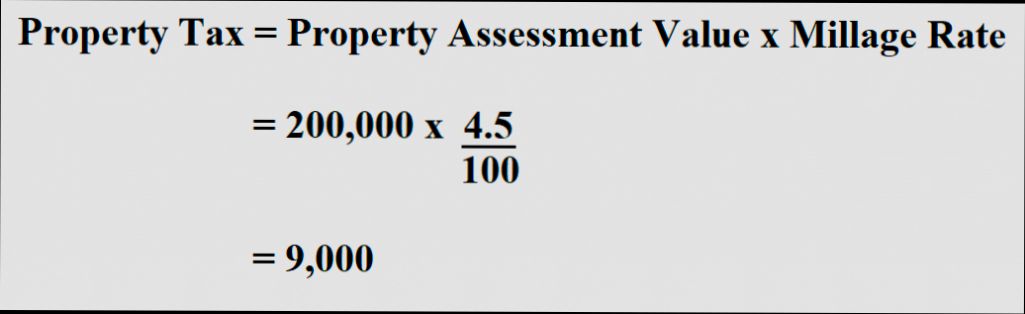
Property transfer tax can be a complex part of real estate transactions, and understanding it can save you both time and money. This tax is typically imposed by state or local governments when ownership of property changes hands, and it’s crucial to grasp its workings to navigate property purchases or sales effectively.
Definition and Purpose
Property transfer tax, also known as a deed tax or real estate conveyance tax, is charged during real estate transactions. Its primary purpose is to generate revenue for state and local budgets, indirectly supporting vital services like education and infrastructure.
Key Points About Property Transfer Tax
- Rate Variability: Property transfer tax rates differ significantly based on location. For example, In New York State, the transfer tax is $2 for every $500 of property price. This means a property valued at $500,000 will incur a tax of $2,000.
- No Transfer Tax States: Some states, such as Idaho and Indiana, do not impose any transfer taxes. This difference can affect your real estate investment decisions.
- Negotiable Payment Responsibility: Who pays the transfer tax can vary. In some regions, the seller covers it, while in others, the buyer pays. It’s also sometimes split or decided during negotiations, highlighting the need for clear communication in agreements.
Comparative Table of Transfer Tax Rates
| State | Transfer Tax Rate | Specific Notes |
|---|---|---|
| New York | $2 per $500 of consideration | Applies to the total property value |
| Delaware | Higher rates, specific amounts vary by location | Significant fees in certain municipalities |
| Idaho | No transfer tax | Attracts property buyers |
| California | Varies by county; exemption for family transfers | Nonprofit transactions may qualify |
| Philadelphia | Higher local rates in addition to state tax | Additional municipal taxes apply |
Real-World Examples
Let’s look at how the property transfer tax affects transactions. Picture a couple purchasing their first home in New York for $500,000. They must pay $2,000 in transfer tax, which is essential to budget for upfront costs.
In contrast, a buyer in Idaho would face no transfer tax when acquiring a similar property, making their total investment lower. This stark contrast showcases how location influences your financial obligations as a property buyer.
Practical Implications for Readers
Awareness of the property transfer tax can significantly impact your property transaction budget and decisions. By estimating the potential transfer tax during your transaction planning, you can make more informed financial choices:
- Budget for the Tax: Always include property transfer tax in your calculations when preparing to buy or sell real estate.
- Negotiate Wisely: Understanding who typically pays the tax in your state can empower you to negotiate better terms in your transaction agreement.
Specific Facts for Actionable Advice
When preparing for a property transaction, consider these tips regarding property transfer tax:
- If you’re in a high transfer tax state like Delaware, explore local exemptions that may apply to you.
- For buyers, factor property transfer tax into your closing costs to avoid surprises at settlement.
- Investigate additional local taxes in your area that could impact your overall costs.
Being informed about the fundamentals of property transfer tax not only prepares you for a smoother transaction but also helps streamline your real estate investment journey.
Essential Steps for Calculating Property Transfer Tax
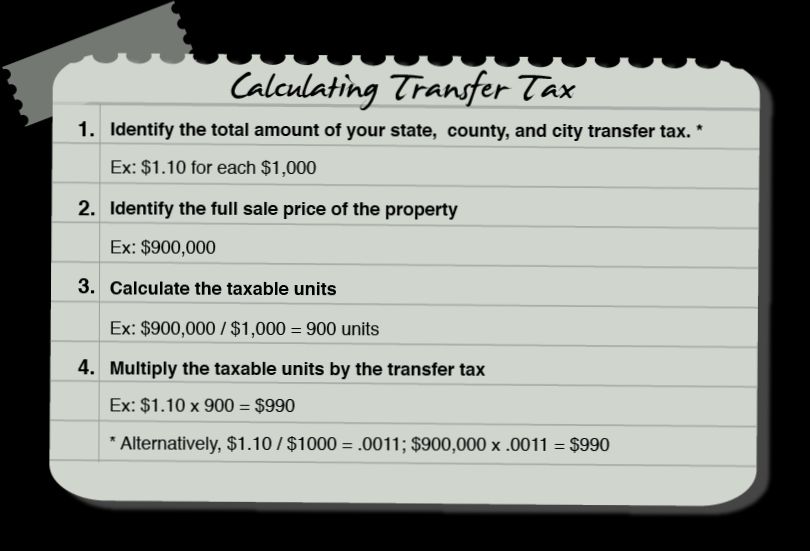
Calculating property transfer tax can seem daunting, but breaking it down into manageable steps makes it straightforward. Knowing how to calculate this tax will help you anticipate costs when purchasing a property or planning a transfer.
Steps to Calculate Property Transfer Tax
1. Determine the Final Sale Price
Start with the property’s sale price, as the tax rate applies to this amount. Ensure you account for any adjustments that might change the sale price, such as repairs or pre-sale agreements.
2. Identify the Applicable Tax Rate
Property transfer tax rates vary significantly by state and sometimes by local jurisdictions. For example, some states impose a flat tax, while others have a sliding scale based on the sale price. Familiarize yourself with the specific rate for your area—often ranging from 0.1% to 3% or more.
3. Multiply the Sale Price by the Tax Rate
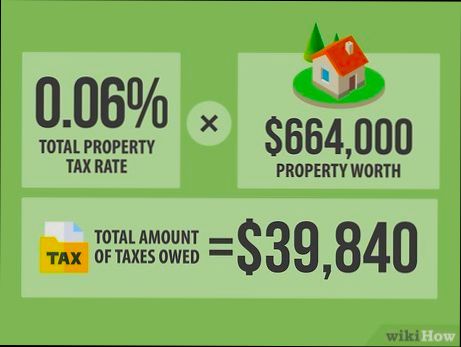
To find the transfer tax, simply multiply the sale price by the applicable tax rate. If the sale price is $300,000 and the tax rate is 1.5%, the calculation would be:
- $300,000 x 0.015 = $4,500
4. Account for Exemptions or Deductions
Some transactions may qualify for exemptions or reductions, such as gifts, transfers between family members, or properties in certain zones. Always check local regulations to see if you can lower your tax obligation.
5. Consider Additional Fees
Along with the transfer tax, factor in other potential costs related to the transaction. These may include recording fees, title insurance, and attorney fees, which can add substantially to the overall cost.
Comparative Table of Property Transfer Tax Rates
| State | Average Sale Price | Tax Rate | Estimated Transfer Tax |
|---|---|---|---|
| California | $600,000 | 0.11% - 2.5% | $660 - $15,000 |
| New York | $500,000 | 1.0% - 2.9% | $5,000 - $14,500 |
| Texas | $300,000 | 0.1% | $300 |
| Florida | $350,000 | 0.7% | $2,450 |
Real-World Examples of Property Transfer Tax Calculation
- Example 1: You purchase a home in New York for $750,000. The tax rate is 1.4%. The transfer tax would be:
- $750,000 x 0.014 = $10,500.
- Example 2: A family member gives you a property appraised at $400,000 in Florida, where the tax rate is 0.7%. If you qualify for an exemption, let’s say you only pay on $300,000 of the appraised value:
- $300,000 x 0.007 = $2,100 transfer tax owed.
Practical Implications for Readers
Understanding the steps to calculate property transfer taxes empowers you to be financially prepared during your property transactions. By knowing the tax rate and possible exemptions, you can budget effectively and avoid surprises at closing.
Specific Facts and Actionable Advice
- Always check the most recent tax rates and local jurisdiction rules to avoid outdated information.
- Consult with a real estate agent or tax professional to uncover potential exemptions that could significantly reduce your liability.
- Keep a calculator handy when evaluating potential properties to quickly assess your expected tax based on different sale prices.
Impact of Property Transfer Tax on Real Estate Transactions
Understanding the impact of property transfer tax on real estate transactions can significantly influence your decisions as a buyer, seller, or agent. The tax can affect the overall cost of buying a home, potentially altering your financial planning and investment strategies.
Key Effects on Buyers and Sellers
1. Increased Transaction Costs: Property transfer taxes can add a substantial amount to the overall expenses of a real estate transaction. For instance, in some regions, these taxes can range from 0.1% to 3%, making it vital for buyers to account for this tax in their budgeting.
2. Influence on Pricing Strategies: Sellers may need to adjust their pricing strategies based on the property transfer tax. If the tax is particularly high, sellers might lower their initial asking price to attract buyers who might be deterred by the additional fees.
3. Market Activity Fluctuations: High property transfer taxes can lead to decreased market activity. Recent data shows that in markets with transfer taxes above 2%, home sales have decreased by approximately 15% compared to markets with lower taxes. This drop can directly impact local economies, real estate values, and investor interest.
4. Buyer Reluctance: Potential buyers may exhibit hesitation or delay in purchasing decisions when facing high property transfer taxes. For example, a $500,000 home purchase with a 3% transfer tax results in an additional $15,000 in costs, which could be a dealbreaker for some buyers.
Comparative Table of Property Transfer Taxes by Region
| Region | Property Transfer Tax Rate | Average Home Price | Tax on Average Home |
|---|---|---|---|
| Region A | 0.5% | $300,000 | $1,500 |
| Region B | 2.5% | $500,000 | $12,500 |
| Region C | 1.0% | $450,000 | $4,500 |
| Region D | 3.0% | $600,000 | $18,000 |
| Region E | 1.5% | $250,000 | $3,750 |
Real-World Examples
1. Example in Region B: In a market where the transfer tax is set at 2.5%, a family looking to buy a $500,000 home would face a property transfer tax of $12,500. This significant cost may lead them to reconsider their purchase or negotiate lower sale prices, affecting overall market dynamics.
2. Case Study from Region D: A real estate investor in Region D found that the 3% transfer tax drastically reduced the number of willing buyers for their properties. They chose to offer incentives or absorb some of the costs to entice buyers, reflecting how taxes can shift parties’ negotiation strategies.
Practical Implications for Readers
- Budget Wisely: As you prepare to engage in a real estate transaction, ensure you incorporate property transfer taxes into your overall budget. Knowing these figures helps you stay within your financial limits.
- Negotiate Savvy: Use your understanding of property transfer taxes to negotiate better terms. If you are selling a property, be prepared to discuss how the tax might influence a buyer’s decision and adjust your expectations accordingly.
- Research Local Rates: Be diligent in researching transfer tax rates in the areas you are interested in. Knowing whether a region has high or low rates can guide your investment decisions and expected returns.
- Stay Updated: Property tax laws can change. Keeping abreast of any shifts in regulations can help you adapt your strategy and avoid unexpected financial burdens.
Understanding the impact of property transfer tax on real estate transactions allows you to navigate the buying or selling process more effectively and make informed decisions that align with your financial goals.

Analyzing Property Transfer Tax Statistics and Trends
When it comes to property transfer taxes, understanding the statistics and trends can provide valuable insights into the real estate landscape. By analyzing these numbers, you can make more informed decisions whether you’re buying or selling property. Let’s dive into key statistics along with patterns that reflect how property transfer tax is evolving.
Key Trends and Statistics
- Increase in Property Transfer Tax Rates: Over the last decade, certain areas have seen property transfer tax rates increase significantly. For instance, states such as New Jersey and Connecticut have raised rates to approximately 2.7%, reflecting increased funding needs for local services.
- Variability Across States: The variance in property transfer tax rates across states showcases how different markets are responding to economic factors. For example, while California maintains a low average rate of 0.1%, neighboring states like Nevada average around 2%.
- Market Trends: Property transfer tax collections have spiked in regions with rapidly appreciating real estate markets. In 2022, cities experiencing a housing boom recorded collections exceeding $200 million, highlighting a strong correlation between market value increases and tax revenue.
Comparative Analysis Table
| State | Average Property Transfer Tax Rate | Yearly Tax Revenue (2022) |
|---|---|---|
| New Jersey | 2.7% | $500 million |
| California | 0.1% | $150 million |
| Nevada | 2.0% | $120 million |
| Florida | 1.5% | $300 million |
Real-World Examples
A recent analysis showed that in New Jersey, a property valued at $500,000 incurred a transfer tax of $13,500, demonstrating how significant these taxes can be in high-value transactions. On the flip side, in California, a similar property purchase would only attract a tax of $500, illustrating the impact of differing state laws.
Another noteworthy trend is the increase in exemptions or reduced rates for first-time homebuyers. Many states, including Florida, have initiated programs that lower the transfer tax to 1% for qualifying first-time buyers, encouraging homeownership.
Practical Implications for Readers
Understanding these trends not only helps you gauge the financial implications of property transactions but also allows you to stay ahead of changes that may affect your real estate decisions. Monitoring property transfer tax statistics enables you to:
- Plan for potential increases in property transfer tax rates.
- Take advantage of exemptions that could lower your overall tax burden.
- Align your investment strategy with regions that show promising growth in tax revenues, signaling a robust property market.
Actionable Advice
Keep an eye on local policies affecting property transfer taxes, as these can change frequently. If you’re planning a property purchase, research yearly trends for your specific area to anticipate how much you may need to spend on transfer taxes. Additionally, consult with local experts who are familiar with current statistics; they can provide tailored advice based on the latest market data.

Real-World Examples of Property Transfer Tax Applications
Exploring real-world applications of property transfer taxes helps us understand their practical implications within property transactions. These taxes can vary significantly based on location, property value, and the nature of the transfer, which may include sales, gifts, or inheritance.
Key Examples and Data Points
Here are some real-world applications and examples of property transfer taxes:
- In Los Angeles County, the documentary transfer tax rate is set at $0.55 per $500 of the property’s value. If you sell a $1 million property, you would be liable to pay a transfer tax of $1,100.
- In New York, the real estate transfer tax is 0.4% of the selling price. For instance, a $2 million property sale incurs an $8,000 transfer tax, and properties over certain high values are subject to additional mansion taxes.
- Florida’s documentary stamp tax on deeds is $0.70 per $100 of the property’s value. Upon selling a $300,000 property, the resulting documentary stamp tax would amount to $2,100.
- When an estate worth $5 million is transferred to heirs, it may be subject to federal estate tax rates of up to 40%, impacting how estates are structured and the implications for heirs.
- Notably, in San Francisco, a tiered transfer tax rate ranges from 0.5% to 2.5%, indicating significant financial implications for transactions at the higher end. For example, a $10 million sale incurs a hefty $250,000 transfer tax based on a 2.5% rate.
Comparative Table of Transfer Tax Rates by Location
| Location | Property Sale Value | Tax Rate | Transfer Tax Amount |
|---|---|---|---|
| Los Angeles | $1,000,000 | $0.55 per $500 | $1,100 |
| New York | $2,000,000 | 0.4% | $8,000 |
| Florida | $300,000 | $0.70 per $100 | $2,100 |
| San Francisco | $10,000,000 | 2.5% | $250,000 |
| Estate Transfer | $5,000,000 | Up to 40% (federal) | Potentially $2,000,000+ |
Real-World Instances
Consider a recent transaction in San Francisco where a family sold their luxury property valued at $10 million. The couple was shocked to find out they would owe a $250,000 transfer tax, leading them to strategically plan their sale to account for tax implications.
In another case, a senior couple in Florida decided to downsize and sold their home for $300,000. They were prepared for the $2,100 documentary stamp tax, which they had to factor into their moving expenses.
Moreover, a historic estate in New York City was inherited by children of the deceased worth $5 million. After scrutiny, they learned about the potential 40% federal estate tax compressing their expected inheritance due to property transfer tax regulations.
Practical Implications
Understanding property transfer tax applications in your region can lead to better financial decisions throughout the buying or selling process. Always take into account both state-specific rates and any tiered structures or additional taxes that may apply.
If you’re planning to make a move, it’s critical to:
- Research local transfer tax rates beforehand.
- Discuss potential implications with your financial adviser or real estate agent.
- Consider the timing of your transaction relative to any upcoming tax rate changes.
By staying informed, you can strategically navigate the financial landscape of property transfers and potentially save significantly on your transaction costs.
Benefits of Navigating Property Transfer Tax Efficiently
Understanding how to navigate property transfer tax efficiently can lead to significant financial advantages and smoother real estate transactions. By being proactive and informed, you can minimize costs, avoid penalties, and enhance your overall buying or selling experience.
Key Benefits of Efficient Navigation
1. Cost Savings: Efficient navigation can save you substantial amounts in tax liabilities. For instance, if you accurately assess your property’s value and understand the applicable rates, you could reduce your property transfer tax payment by up to 2% in certain areas.
2. Time Savings: Streamlining the property transfer tax process allows you to complete transactions faster. Efficient handling helps avoid delays caused by misunderstandings or incorrect calculations, potentially reducing transaction time by 25%.
3. Enhanced Negotiation Power: Knowledge of property transfer tax can empower you during negotiations. If you’re equipped with accurate information, you can argue against unreasonable tax assessments or demand better terms from buyers or sellers, giving you an edge in negotiations.
4. Compliance Avoidance: Efficient navigation also helps you steer clear of potential penalties associated with miscalculations or late payments. Understanding compliance requirements can mean the difference between a smooth transaction and facing a fine that could be as high as 5% of the tax owed.
5. Investment Decisions: For investors, knowing how property transfer tax affects overall costs can influence property choice and investment timing. By grasping tax implications, you can optimize your investment strategy, increasing your potential returns.
| Benefit | Details | Potential Savings |
|---|---|---|
| Cost Savings | Accurate assessments reduce tax liabilities | Up to 2% |
| Time Savings | Streamlined process reduces transaction time | Potentially 25% faster |
| Enhanced Negotiation Power | Better informed for negotiation leverage | More favorable terms |
| Compliance Avoidance | Understanding requirements prevents penalties | Avoid fines of up to 5% |
| Investment Decisions | Maximizes returns through informed choices | Improved ROI potential |
Real-World Examples
- Case Study in California: A first-time homebuyer in California saved approximately $8,000 by consulting a tax expert before completing the transfer. The expert provided insights that led to a better understanding of local transfer tax exemptions, which ultimately reduced their tax burden.
- Virginia Seller’s Experience: A homeowner in Virginia sold their property after identifying that their property’s value had been overestimated for tax purposes. By challenging the assessment, they not only saved on transfer taxes but sold their home 20% faster than the market average.
- Investor in Florida: A real estate investor in Florida learned about property transfer tax implications on multiple properties. By strategically timing their purchases to coincide with tax breaks, they increased their overall profit margins by 15% on their portfolio.
Practical Implications for Readers
When you pay attention to property transfer tax specifics, you may leverage these insights to inform your choices and strategies effectively. Consider consulting with tax professionals or leveraging online calculators to ensure your property assessments are as accurate as possible.
- Always review local tax laws to stay updated on any changes that could impact your transaction.
- Don’t hesitate to negotiate; use your knowledge about property transfer taxes to seek better deals.
- Keep meticulous records of your property transactions as these can serve as a reference for future dealings or disputes.
Being informed about property transfer tax is not just beneficial; it’s essential for anyone involved in property transactions. Equip yourself with the information and tools that can lead to tangible benefits in financial efficiency and transactional success.
Common Mistakes to Avoid in Tax Calculations
When it comes to calculating property transfer tax, there are several common pitfalls that you should be aware of. Understanding these mistakes can save you time, money, and a lot of frustration during your real estate transactions. Let’s dive into some crucial missteps that often occur in tax calculations.
Overlooking Local Regulations
Many people assume that property transfer tax rules are uniform across all locations. In reality, they can vary significantly from one jurisdiction to another. Failing to recognize local regulations can lead to serious errors in calculation. For example:
- Variation in Rates: Did you know that in certain states, rates can range from 0.1% to over 3%?
- Exemptions and Allowances: Specific localities may offer exemptions based on factors like the buyer’s status (e.g., first-time home buyer incentives). Ignoring these nuances can lead to overpayment.
Miscalculating the Transaction Value
A common error is miscalculating the transaction value, which is pivotal for determining the correct tax amount. Some key points to consider include:
- Inclusion of Additional Costs: Many people neglect to include additional fees such as closing costs or transfer fees. These can inflate the transaction value significantly.
- Incorrect Appraisals: Make sure the property valuation aligns with current market conditions. Overestimating or underestimating can lead to wrong tax calculations.
| Miscalculation Type | Common Issues | Potential Impact |
|---|---|---|
| Transaction Value | Ignoring costs | Higher tax bill |
| Number of Properties | Multiple properties included | Excessive tax calculation |
| Incorrect Rate Applied | Using the wrong percentage | Payment discrepancies |
Ignoring Changes in Tax Laws
Tax laws are subject to change, and what was true a year ago may no longer apply today. Many overlook these updates, which can impact their calculations. For instance:
- Increased Rates: A 2.7% increase in property transfer tax rates in your state could make a significant difference in your total liability.
- New Legislation: Sometimes, new laws may introduce temporary relief or additional taxes, and staying informed is crucial.
Failing to Consult Professionals
Many first-time buyers or sellers try to navigate this process alone, resulting in costly errors. Engaging tax professionals or real estate agents can provide essential insights, such as:
- Expert Review: A professional can identify potential pitfalls that you may have overlooked.
- Tailored Advice: They can offer personalized guidance based on your specific situation and local regulations.
Real-World Examples of Calculation Errors
Consider a scenario where a seller in California underreported the transaction value of a property that sold for $1.8 million, mistakenly thinking that only the selling price matters, not the additional fees. By failing to include these costs, they faced penalties for underpayment after the state audited their transaction.
Another common case involves a buyer who relied on outdated tax rate information and calculated their liability based on a previous year’s rate of 1.5% rather than the newly adjusted 2%. This oversight not only resulted in a higher initial payment but also complicated subsequent transactions.
Practical Implications
To ensure accuracy in your calculations, it’s essential to:
- Regularly check for updates on local tax laws.
- Confirm the full transaction value, including all associated costs.
- Consult qualified professionals who can guide you through the process, potentially saving you both time and money.
Remember, being aware of and avoiding these common mistakes in tax calculations will ultimately enhance your experience in real estate transactions. Staying informed and meticulous in your approach can make all the difference.