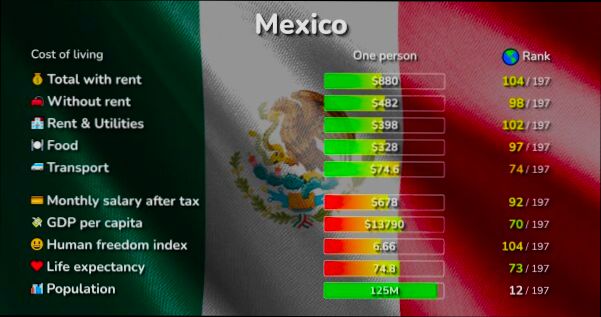
What is the Cost of Living in Mexico? If you’re dreaming of sun-soaked beaches or vibrant city life, knowing how far your dollar goes can make a big difference. Picture this: you can rent a charming one-bedroom apartment in Mexico City for around $500 a month, while a similar spot in Playa del Carmen might set you back about $600. Dining out is a treat, too—enjoying a hearty meal at a local taqueria can cost you just $5, whereas a three-course dinner for two at a nice restaurant might run you about $30.
Utilities are also surprisingly affordable; you can expect to pay around $60 monthly for electricity, water, and internet combined. Grocery prices? A loaf of bread is typically around $1, and you can grab a dozen eggs for just $1.50. And let’s not forget transportation—if you need to get around, a bus ticket costs as little as $0.50, making it easy to explore without breaking the bank. Whether you’re checking out street food or enjoying a night out, each experience is relatively budget-friendly, showcasing why many consider Mexico a haven for expats and travelers alike.
Understanding Monthly Expenditure Patterns
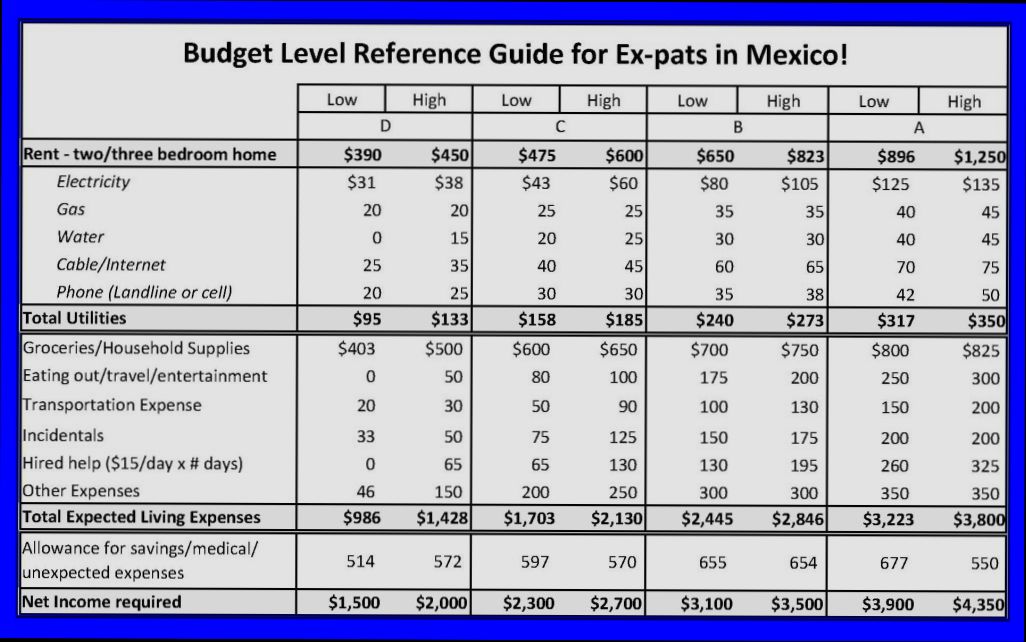
Analyzing our monthly expenditure patterns is essential for effective financial management, especially when navigating the costs of living in Mexico. It’s not just about tracking expenses; it’s about uncovering insights that can help you take charge of your finances.
Key Points to Consider
- Financial experts recommend that no more than 30% of your income go toward housing expenses. By evaluating your rent or mortgage against this guideline, you can gauge if you’re spending too much.
- The 50/30/20 rule is a great budgeting framework to follow. It suggests allocating 50% of your income to needs (like housing and groceries), 30% to wants (such as entertainment and dining out), and 20% to savings or debt repayment. This ratio can help you maintain a balanced approach to spending.
- Regularly categorizing your expenses into fixed (e.g., rent, subscriptions) and variable (e.g., groceries, dining) can prevent overspending. You can use this structure to identify areas that need adjustment or cuts.
| Expense Type | Description | Examples |
|---|---|---|
| Fixed Expenses | Costs that remain constant each month | Rent, mortgage, insurance, subscriptions |
| Variable Expenses | Costs that fluctuate based on usage | Groceries, utilities, dining out, gas |
Real-World Examples
Let’s consider two individuals living in Mexico to demonstrate these expenditure patterns.
1. Laura: A freelance graphic designer who earns $1,500 monthly.
- She spends $450 on rent (30% of her income).
- For groceries and essentials, she budgets $300 (20%).
- She allocates $450 (30%) for entertainment and personal expenses, and saves $300 (20%).
- Laura’s ability to stick to this plan shows how following the 50/30/20 rule can help maintain financial wellness.
2. Carlos: A corporate employee earning $2,000 monthly.
- His rent is $800 (40% of income), which exceeds the recommended guideline.
- He spends $200 on utilities and $400 on groceries.
- Carlos notices his discretionary spending is high, at $600, diverting resources from savings.
- By categorizing his expenses and noticing his rent burden, he realizes that he must find a more affordable housing option.
Practical Implications
Understanding your monthly expenditure patterns can lead to better financial decisions. Start by tracking your spending using budgeting apps or simple spreadsheets. Identify where your money goes, categorize your expenses, and implement smart budgeting techniques such as the 50/30/20 rule.
- Utilize budgeting apps like Mint or YNAB for automated tracking.
- Regularly review your spending patterns to detect any overspending behaviors.
- Apply specific cost-saving strategies to your variable expenses, such as meal planning for groceries or using public transport.
Actionable Advice
To truly master your monthly expenditures, consider these actionable steps:
- Start by establishing clear categories for your fixed and variable expenses.
- Analyze your past few months of spending to identify trends or areas for potential savings.
- Adjust your budget according to changing needs, ensuring that you stick within the recommended confines of your income allocation—especially keeping housing costs under 30%.
By being proactive in understanding these patterns, you can create a financial strategy that is both sustainable and aligned with your goals.
Essential Costs for Expatriates in Mexico
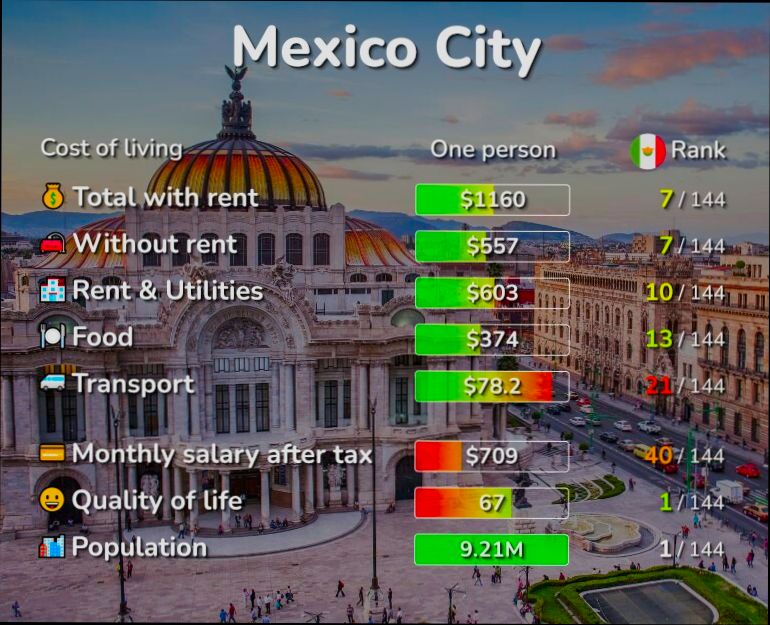
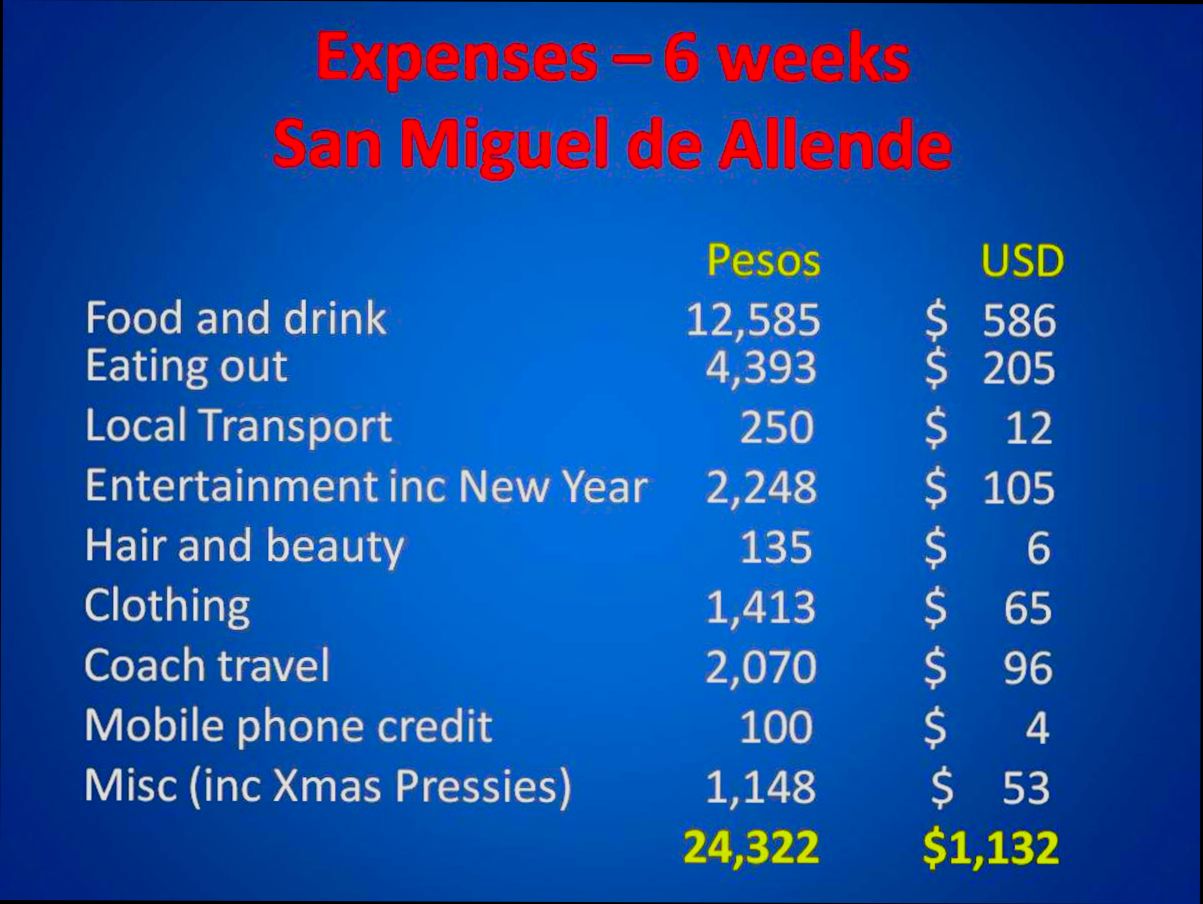
Navigating the financial landscape as an expatriate in Mexico requires understanding essential costs that can impact your overall living experience. From healthcare to utilities, each expense plays a significant role in your monthly budget.
Key Essential Costs
1. Healthcare: Access to healthcare is vital for expatriates. Public healthcare in Mexico is available, but many expats prefer private healthcare due to shorter wait times and better facilities. Monthly health insurance premiums can range from $40 to $150 depending on age and coverage level. It’s wise to budget for these monthly premiums as well as out-of-pocket costs.
2. Utilities: Basic utility costs, including electricity, water, and internet, can vary greatly. On average, you can expect to pay around $100 to $200 per month for electricity, gas, water, and garbage collection, depending on your consumption. High-speed internet typically costs about $25 to $50 monthly.
3. Transport: Most expats utilize public transport or rent a car. Monthly transportation costs range from $40 to $100. If you plan to use a car regularly, consider that fuel costs average $1 per liter.
Comparative Table of Essential Costs
| Expense Category | Estimated Monthly Cost |
|---|---|
| Healthcare | $40 - $150 |
| Utilities | $100 - $200 |
| Internet | $25 - $50 |
| Transportation | $40 - $100 |
| Groceries | $200 - $400 |
Real-World Examples
A recent survey of expatriates living in Mexico revealed that Mike, a retired American, budgets around $500 for healthcare and utilities combined, and enjoys a comfortable lifestyle in Puerto Vallarta. On the other hand, Sarah, a young professional in Mexico City, spends about $300 monthly on public transport, supplemented by occasional rideshares.
Practical Implications
Understanding these essential costs allows you to create an effective budget tailored to your lifestyle and location in Mexico. As you consider housing in different cities, remember that living expenses can shift based on local economic conditions. It’s crucial to compare costs in various regions to find the best fit for your financial situation.
When preparing to live in Mexico, think about:
- Setting aside an emergency fund to cover unexpected healthcare costs.
- Researching which healthcare providers are popular among expats in your area.
- Leveraging local transport networks to minimize transportation expenses.
Specific Facts or Actionable Advice
Plan to include an additional 15-20% buffer in your budget for any unexpected costs or price fluctuations. Keep in mind that learning some Spanish can help you navigate healthcare services more effectively, potentially leading to better outcomes and even savings.
Comparative Analysis of Regional Pricing
When considering the cost of living in Mexico, understanding regional pricing variations is crucial. Different areas have unique economic landscapes that significantly influence day-to-day expenses. By analyzing these differences, you can better position yourself financially and make informed decisions.
Key Pricing Insights Across Regions
- Cost Variations: In Mexico, urban areas like Mexico City and Monterrey typically exhibit higher living costs compared to rural regions. For example, the average rent in Mexico City can be about 40% higher than in cities like Oaxaca or Mérida.
- Groceries: Food prices can also fluctuate widely. In coastal areas such as Cancún, fresh seafood is more affordable and can be up to 15% cheaper compared to landlocked regions where transportation costs inflate prices.
- Utilities: The cost of utilities can vary greatly; for instance, residents in Guadalajara might pay around 25% less for electricity compared to those in Baja California, primarily due to differences in regional energy supply and infrastructure.
- Transportation Costs: Public transport costs vary, with cities like Mexico City offering more extensive metro services, which might cost you about 30% less per trip than bus services in smaller towns.
Regional Pricing Comparison Table
| Region | Average Monthly Rent (1BR) | Grocery Cost (Monthly) | Utility Cost (Monthly) | Public Transport Cost (Single Ride) |
|---|---|---|---|---|
| Mexico City | $800 | $200 | $120 | $0.25 |
| Guadalajara | $600 | $180 | $90 | $0.50 |
| Cancún | $700 | $220 | $110 | $0.30 |
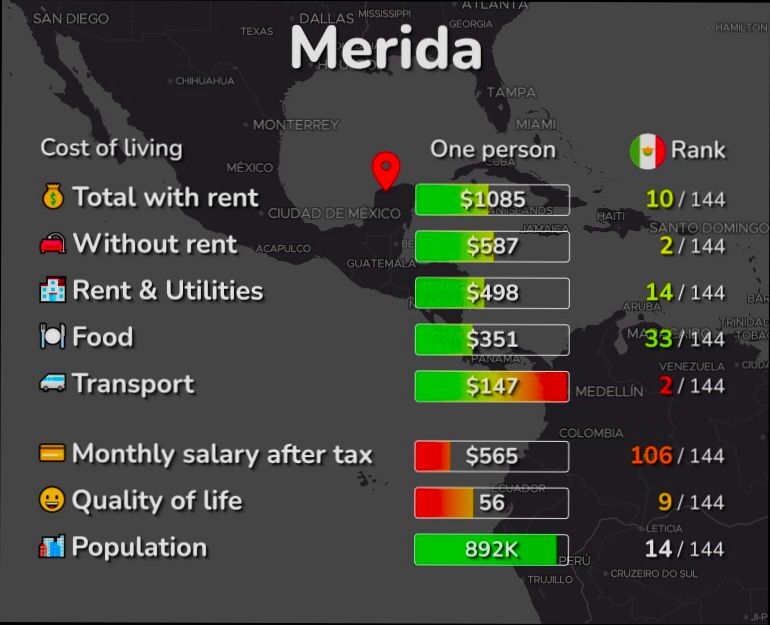
| Mérida | $500 | $150 | $80 | $0.40 |
| Tijuana | $650 | $190 | $100 | $0.60 |
Real-World Examples
In Mexico City, monthly rents have surged due to high demand, often leading to up to 60% of residents reporting excessive housing costs. Conversely, in Mérida, the slower pace of development contributes to lower property prices, making it an attractive option for retirees. Furthermore, coastal cities like Cancún are experiencing a notable increase in grocery costs due to tourism, causing some items to be priced significantly higher than in Guadalajara.
Practical Implications for You
When moving or traveling to Mexico, consider the regional pricing trends that directly align with your budget needs. Researching local markets can lead to savings on groceries and living expenses. If you’re an expatriate eyeing a specific region, you may discover it’s more cost-effective to rent in less central locations, allowing you to enjoy a higher quality of life without overspending.
Specific Facts to Keep in Mind
- Always factor in regional economic conditions when budgeting; they can affect everything from housing to daily necessities.
- Use local resources such as community forums to track current market trends and pricing discrepancies.
- Explore small towns for potentially lower living expenses while still enjoying the vibrant Mexican culture.

Real Estate Trends and Housing Affordability
The real estate market in Mexico is a dynamic landscape, influenced by various economic and social factors. As we navigate this environment, understanding housing affordability becomes crucial for both expatriates and locals alike. In this section, we’ll delve into current trends, pricing fluctuations, and practical advice for managing your real estate investments.
Key Trends in Real Estate
1. Urban Migration: Many people are flocking to urban centers for job opportunities and lifestyle enhancements. This demand is driving property prices up in cities like Playa del Carmen and Tulum.
2. Growth of Remote Work: The pandemic has led to increased interest in residential options outside major cities, creating a surge in demand for homes in semi-urban and rural areas, leading to more affordable housing options.
3. New Developments: Developers are increasingly focusing on eco-friendly and sustainable housing projects, which appeal to environmentally-conscious buyers. These properties often come with higher initial costs but promise long-term savings on utilities.
Housing Affordability Insights
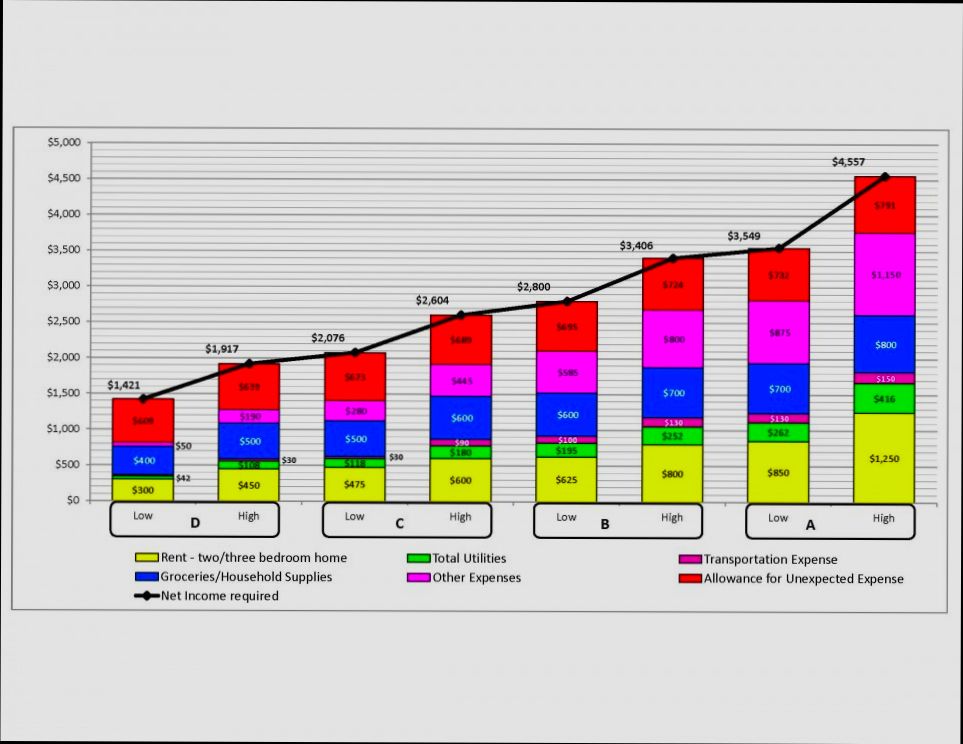
- The affordability index in Mexico suggests that many individuals currently find housing to be slightly out of reach, with the average household spending about 35% of their income on housing-related costs.
- Recent studies show that rental prices have increased by approximately 8% in urban areas, notably in Mexico City and Guadalajara, reflecting growing demand in these regions.
- In contrast, areas like Merida and Oaxaca have experienced stable or even declining rental prices, providing budget-friendly options for those willing to settle in less urbanized locations.
| City | Average Monthly Rent (USD) | Average Sale Price per Square Meter (USD) | Percentage of Monthly Income on Housing |
|---|---|---|---|
| Mexico City | 800 | 2,350 | 35% |
| Guadalajara | 700 | 1,900 | 33% |
| Playa del Carmen | 1,200 | 2,500 | 40% |
| Merida | 600 | 1,600 | 25% |
| Oaxaca | 500 | 1,200 | 20% |
Real-World Examples
Consider the case of an expatriate couple looking to rent a two-bedroom apartment in Mexico City. With monthly rents averaging around $800, they account for a significant portion of their budget. However, when looking at Merida, the same size apartment can rent for only $600. This disparity reveals the importance of location in determining housing costs.
Another example is the trend of digital nomads settling in Tulum, where the allure of lifestyle and community has pushed rental prices to around $1,200. This influx can strain affordability for long-term local residents.
Practical Implications for Readers
When considering a move or investment in real estate, be aware of:
- Long-Term vs. Short-Term Investment: Always factor in your long-term financial goals. In fast-growing cities, properties might appreciate rapidly but can also come with higher risks.
- Potential for Value Appreciation: Research emerging neighborhoods where prices remain low today but are predicted to rise, offering better returns in the future.
Investing in real estate in Mexico requires careful scrutiny of the market trends and pricing dynamics. It’s crucial to align your housing costs with your financial goals, ensuring you remain within the recommended spending guidelines on housing. Staying informed about local market conditions will empower you to make savvy decisions in this diverse and evolving real estate market.
The Financial Benefits of Living in Mexico
Living in Mexico brings a wealth of financial advantages that can enhance your quality of life. From lower overall costs to diverse investment opportunities, the financial benefits are significant and appealing. Let’s dive into what makes living in Mexico not just affordable but financially savvy as well.
Key Financial Benefits
- Lower Tax Rates: Mexico offers comparatively lower income tax rates than many countries. For individuals, the tax rate ranges from 1.92% to 35%, depending on your income level, which can keep more of your hard-earned money in your pocket.
- Affordable Health Care: The cost of healthcare in Mexico can be remarkably lower than what you might find in other countries. Many expats find that private insurance costs about 60% less than similar plans in the U.S. or Canada. For instance, a comprehensive plan covering basic health services may cost you around $500 a year versus thousands in other regions.
- Inexpensive Services: Hiring help such as domestic workers, gardeners, or personal chefs can be very affordable. Many reports indicate that you can afford a full-time housekeeper for about $300 to $500 a month, significantly easing the burden of household chores while allowing you more leisure time.
Comparative Table: Financial Benefits of Living in Mexico
| Benefit | Cost in Mexico | Cost in the U.S./Canada |
|---|---|---|
| Income Tax Rate | 1.92% to 35% | 10% to 37% |
| Annual Health Insurance | $500 | $3,000 - $4,000 |
| Monthly Housekeeper Cost | $300 - $500 | $2,000 - $3,000 |
| Monthly Utilities | 15% lower than U.S. average | Higher than Mexico average |
Real-World Examples
Consider the case of John and Maria, a retired couple who moved from California to Puerto Vallarta. They found that their overall cost of living dropped by nearly 40%, largely due to lower housing costs, reduced tax obligations, and affordable healthcare. They budgeted around $1,800 a month, including rent, utilities, food, and health insurance, a stark contrast to their previous expenses in the U.S.
Another example is Sarah, a digital nomad who relocated to Tulum. She discovered that hiring a part-time virtual assistant cost her only $200 a month. This allowed her to focus on her freelance projects without being overwhelmed by administrative tasks, maximizing her productivity while minimizing costs.
Practical Implications
Now that you know some financial benefits of living in Mexico, consider the following actionable insights:
- Budget Smartly: Take advantage of lower costs by reallocating your savings into investments or travel. The favorable exchange rate also means your dollar can stretch further in local markets.
- Explore Investment Opportunities: Look into real estate investments; properties in desirable locations often provide excellent returns. Many expatriates are finding success flipping homes or renting out vacation properties.
- Network with Locals and Expats: Engaging with locals and fellow expatriates can open financial resources, knowledge on businesses, and discounts that can significantly benefit your bottom line.
Embrace the financial benefits that living in Mexico provides and consider how they can enhance your lifestyle while supporting your future financial goals.
Cost of Living Statistics Across Cities
Understanding the cost of living statistics across different cities in Mexico can significantly impact your financial decision-making, especially if you’re considering relocating or traveling. Each city has its unique pricing dynamics influenced by a variety of factors such as local economy, demand for housing, and available amenities.
Key Cost Differences by City
- Mexico City: As the capital, Mexico City features high living costs, particularly in rent. Average monthly housing expenses can reach around $1,100 for a one-bedroom apartment in a central location.
- Monterrey: Known for its industrial growth, Monterrey shows a more moderate cost of living, with average monthly costs near $900, facilitating a budget-friendly lifestyle compared to Mexico City.
- Guadalajara: Often viewed as a cultural hub, living expenses here can average around $800 monthly, making it attractive for those seeking a balance of urban life with lower costs.
- Tijuana: For those looking at border cities, Tijuana offers a highly affordable living experience with monthly expenses potentially dropping to about $700, which includes lower housing and dining costs.
Cost of Living Comparison Table
| City | Average Monthly Rent | Average Grocery Cost | Transportation Cost |
|---|---|---|---|
| Mexico City | $1,100 | $200 | $50 |
| Monterrey | $900 | $180 | $40 |
| Guadalajara | $800 | $150 | $30 |
| Tijuana | $700 | $160 | $25 |
Real-World Examples
In Mexico City, a couple might find their monthly grocery bills add up quickly due to higher prices in urban centers. A similar couple living in Tijuana, however, can enjoy significant savings, allowing them to allocate funds towards leisure activities or savings.
In Monterrey, the growing expat community has led to many restaurants and shops pricing services to cater to international preferences, which can slightly elevate costs but can also improve accessibility for newcomers.
Practical Implications
Keep in mind that while the capital may have the highest rent prices, the overall economic opportunities can offset these costs through potential salaries. Therefore, weigh your income prospects against living expenses carefully before making a decision.
If you’re budgeting, consider looking at smaller cities where costs for rent and daily essentials are significantly lower, providing a chance to enjoy a higher quality of life on a tighter budget.
Be proactive in researching local markets, as neighborhood variations can heavily affect living costs even within the same city. Always aim for a comprehensive view of both essential and discretionary spending to set realistic financial goals.
Everyday Expenses: A Practical Guide
Understanding everyday expenses in Mexico can really enhance your experience, especially if you’re planning to live or travel there. By getting a firm grip on daily costs—everything from groceries to transportation—you can budget effectively and enjoy your time without financial stress.
Key Everyday Expenses to Consider
- Groceries: In Mexico, the cost of groceries can vary significantly depending on where you live. On average, a monthly grocery bill for one person can range from $150 to $250, depending on dietary preferences and shopping habits.
- Transportation: Public transportation in most cities is quite affordable. For instance, a monthly pass for public transport can be as low as $25, making it easy to get around without breaking the bank.
- Dining Out: Eating out is often cheaper than cooking at home. A meal at an inexpensive restaurant might cost around $7, while a three-course meal for two at a mid-range restaurant can be around $30.
- Entertainment: Whether you enjoy cinema or cultural events, entertainment options are plentiful. Movie tickets typically cost around $4–$6, providing an affordable night out.
- Healthcare: While it varies, a routine doctor’s visit may only set you back $30, which is significantly lower than in many Western countries.
Comparative Table of Everyday Expenses
| Expense Category | Average Cost (USD) | Notes |
|---|---|---|
| Groceries (Monthly) | $150 - $250 | Varies by region and shopping habits |
| Transportation (Monthly Pass) | $25 | Efficient and widely used |
| Dining Out (Inexpensive Meal) | $7 | Affordable meals in various locales |
| Movie Ticket | $4 - $6 | Great value for entertainment |
| Doctor’s Visit | $30 | Accessible healthcare options |
Real-World Examples
When I was living in Tulum, I found that buying fresh produce from local markets could save me a significant amount compared to supermarket prices. For instance, a week’s worth of fresh fruits and vegetables cost me around $20. Additionally, I often took the local colectivo (shared van) to explore nearby beaches, costing just $2 per ride.
In another case, a friend who lived in Guadalajara enjoyed dining at local street stalls. He reported that he could easily eat for under $5 per day, indulging in a variety of tacos and fresh juices.
Practical Implications for Everyday Expenses
As you navigate daily expenses in Mexico, consider taking advantage of local markets for your groceries. Not only will this support local farmers, but you’ll also enjoy fresh, quality produce that often comes at a lower price than supermarket equivalents.
For transportation, familiarize yourself with local bus and train schedules to maximize efficiency and savings, as taxis can be pricier. Also, explore the vibrant street food scene—it’s an inexpensive way to experience authentic Mexican cuisine without a hefty price tag.
Actionable Advice
To better manage your everyday expenses in Mexico, create a monthly budget that includes all these categories you’ve learned about. Tracking your spending can help identify areas where you can save, allowing for more enjoyment as you immerse yourself in the culture. Remember, the key is to embrace local lifestyle choices that both enrich your experience and keep your costs down!