Blog
What is Escrow Account
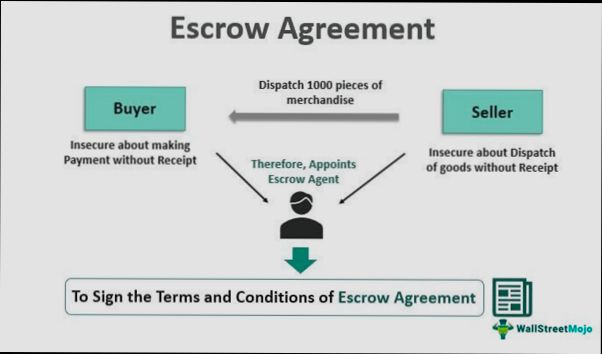
What is an escrow account? Think of it as a neutral holding space, designed to make transactions smoother and more secure. Imagine you’re buying a house for $300,000. Instead of sending that big chunk of change directly to the seller, which could feel a bit risky, you’d deposit it into an escrow account managed by a third party, like a title company. This way, the funds only get released once all conditions of the sale are met—like the buyer completing inspections and the seller delivering a clear title.

What is Fixer Upper Property
What is Fixer Upper Property? Imagine driving through a charming neighborhood, where a dilapidated house shouts “potential” from the curb. Fixer upper properties are those homes that might need a little TLC—think peeling paint, outdated kitchens, or overgrown yards. They often come at a lower price point compared to their fully-renovated counterparts, making them attractive to buyers who envision their dream home in a place that merely needs some love. In 2021, the median home price in the U.S. soared to around $347,500, but fixer uppers often sell for 10-30% less, giving savvy buyers a chance to snag a deal.

What is GCI in Real Estate
What is GCI in Real Estate? Great question! GCI stands for Gross Commission Income, and it’s a key number that every real estate agent pays close attention to. Imagine you close a $300,000 home sale with a typical 3% commission. That’s a sweet $9,000 in GCI right off the bat! It’s not just about what you earn from a single transaction, though; it’s about how GCI reflects your overall performance in the industry. For instance, top agents might rake in $500,000 or more in GCI annually, showcasing their ability to navigate the market effectively and leverage their network.

What is Green Card and How to Get It
What is a Green Card and How to Get It? Simply put, a Green Card gives you the right to live and work permanently in the United States. Imagine having the freedom to explore bustling cities like New York, settle down in sunny California, or even enjoy the charm of New Orleans—all while knowing that you have access to some of the best job opportunities and education in the world. In fact, according to the U.S. Citizenship and Immigration Services, over 1 million people receive their Green Cards each year, making it a highly sought-after ticket to the American Dream.
What is IAE and When to Pay It
What is IAE and When to Pay It? If you’ve ever run into the world of taxes in India, you might have come across the term IAE, or Income Accumulation Exemption. It's essentially a tax on the accumulated income of an individual, particularly applicable if your income surpasses specific thresholds. For instance, if your income exceeds ₹2.5 lakhs (about $3,000) in a financial year, you’re starting to enter a territory where IAE could come into play. This concept is pivotal for individuals earning through investments, as it helps you understand how much you might owe when that interest from your savings or those dividends from your stocks start stacking up.

What is IBI Tax
What is IBI Tax? It stands for Impuesto sobre Bienes Inmuebles, a property tax you’ll encounter if you own property in Spain. Each municipality sets its own rates, which can range from 0.4% to 1.1% of the property's cadastral value. If you've got a cozy apartment in Barcelona or a quaint villa in Marbella, you’re likely paying this tax annually based on your property’s assessed value, not necessarily what you bought it for. For example, if your home has a cadastral value of €200,000 and your municipality sets the rate at 0.5%, you're staring at an IBI Tax bill of about €1,000 each year.

What is Impuesto Sobre Actividades Económicas and When to Pay It
What is Impuesto Sobre Actividades Económicas and When to Pay It? If you’re running a business in Spain, you’ve probably bumped into the term IAE—this tax takes a slice of your earnings based on the activities you perform. It’s not just a random charge; it’s calculated based on the economic activity you engage in. For instance, if you're running a small café in Barcelona, you'll fall under a specific category that determines your rate, which could be as low as €75 or hit over €1,000 depending on your revenue and type of service.
What is Income Restricted Apartments
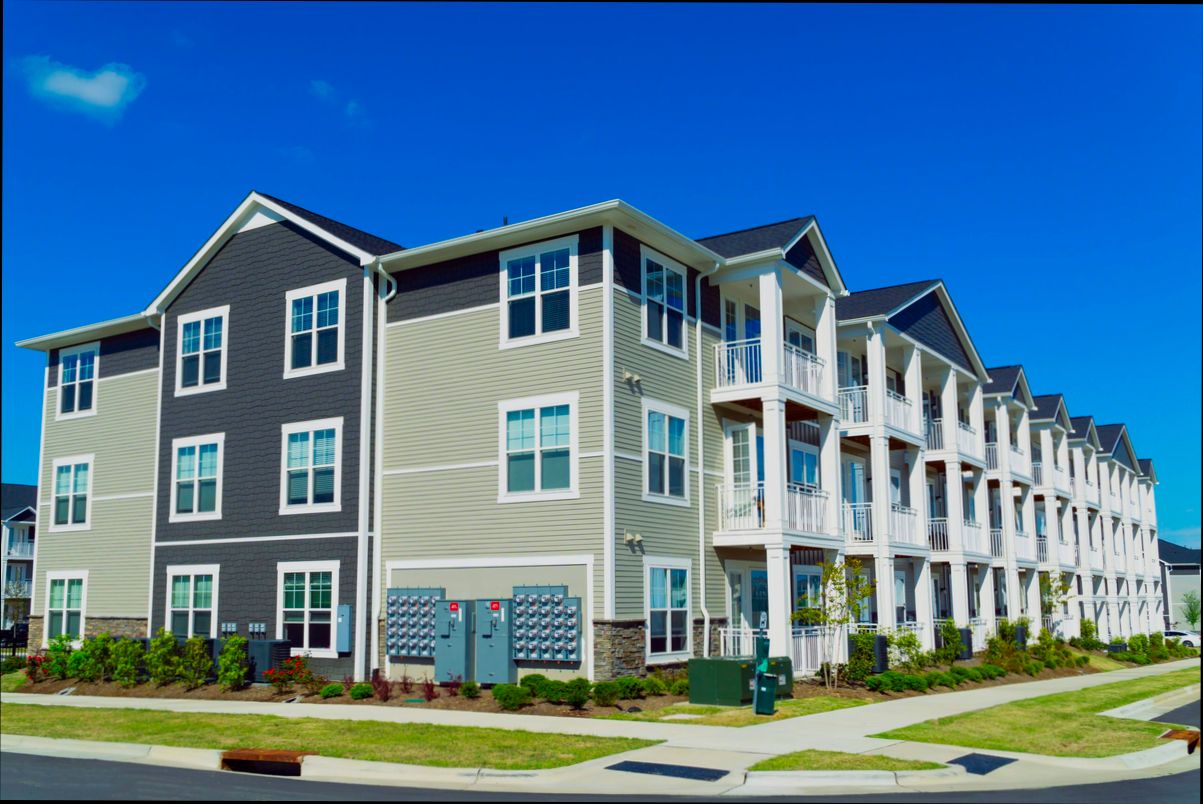
What is Income Restricted Apartments? Simply put, these are housing options designed to help individuals and families who may struggle to afford market-rate rents. For instance, if you earn less than 60% of the Area Median Income (AMI) in cities like San Francisco or New York City, you might qualify for these apartments. In 2021, the AMI for a family of four in San Francisco was about $133,000, meaning households earning around $79,800 or less could tap into income-restricted options that significantly lower their rent.
Tags