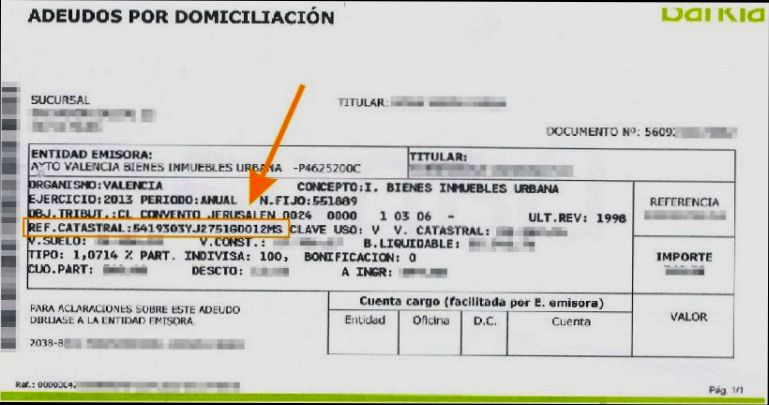
What is IBI Tax? It stands for Impuesto sobre Bienes Inmuebles, a property tax you’ll encounter if you own property in Spain. Each municipality sets its own rates, which can range from 0.4% to 1.1% of the property’s cadastral value. If you’ve got a cozy apartment in Barcelona or a quaint villa in Marbella, you’re likely paying this tax annually based on your property’s assessed value, not necessarily what you bought it for. For example, if your home has a cadastral value of €200,000 and your municipality sets the rate at 0.5%, you’re staring at an IBI Tax bill of about €1,000 each year.
You might be thinking, “What do I really get from paying this tax?” Well, your contributions help fund local services like parks, schools, and waste collection—think of it as your ticket to enjoying the neighborhood amenities. But that’s not all; in some areas, the IBI is tied to community projects and infrastructure improvements, making your residential streets safer and more vibrant. So, whether you’re navigating the bustling streets of Madrid or sunbathing along the Costa del Sol, this tax plays a role in shaping your surroundings.
Understanding the Fundamentals of IBI Tax
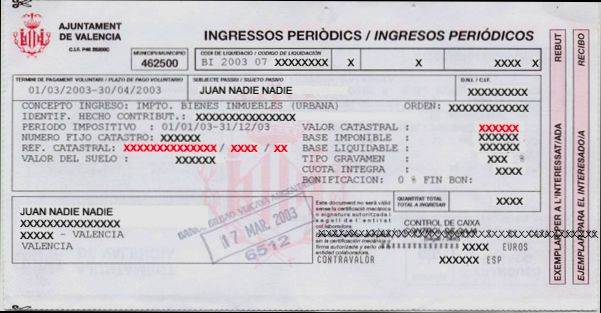
IBI tax, or Impuesto sobre Bienes Inmuebles, is a pivotal aspect of property ownership in Spain that every owner, including non-residents, should understand. This local tax, administered by the municipal council, directly influences how much you will pay annually based on your property’s cadastral value. Let’s delve into the fundamental aspects of IBI tax that every property owner should be aware of.
Key Points About IBI Tax
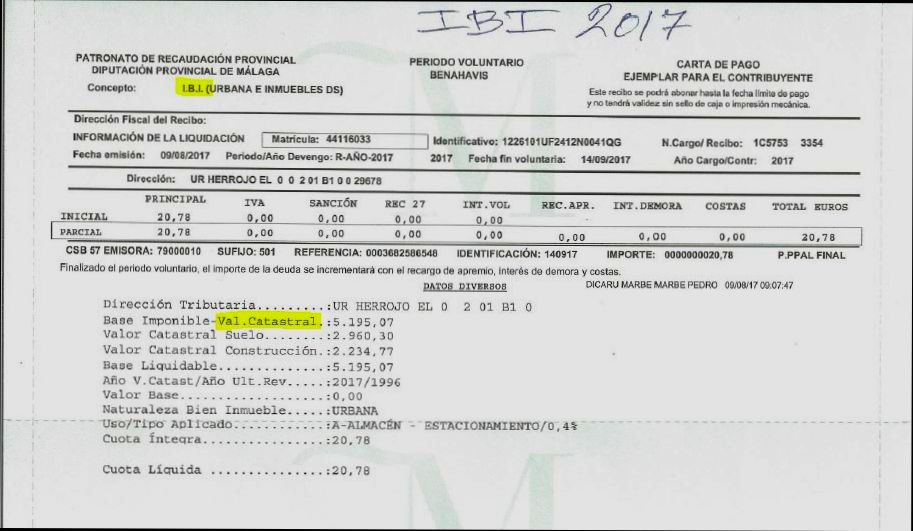
- Cadastral Value Matters: Your IBI tax is calculated as a percentage of your property’s cadastral value. This percentage typically ranges between 0.4% and 1.1% per annum, but it can go as high as 1.3% in some municipalities.
- Average Costs: The average amount of IBI tax depends on various factors, including property type and location. Many homeowners find that their annual bill often surprises them due to its reliance on the cadastral value.
- Payment Timelines: IBI tax is typically due from August through November each year, and it’s based on your ownership status as of January 1st. If you purchase property during the year, your first bill arrives the following year.
- Ownership Implications: If you are the owner of the property on January 1st, you are responsible for IBI tax for that year. This means you’ll want to be aware of your tax obligations as soon as the purchase is finalized, especially as details often slip through the cracks when buying property.
Comparison of IBI Tax Rates
| Region | IBI Rate (%) | Cadastral Value (Avg) | Estimated Annual Tax (EUR) |
|---|---|---|---|
| Madrid | 0.4 - 1.1 | 200,000 | 800 - 2,200 |
| Barcelona | 0.6 - 1.3 | 250,000 | 1,500 - 3,250 |
| Valencia | 0.5 - 1.2 | 180,000 | 900 - 2,160 |
| Sevilla | 0.4 - 1.1 | 150,000 | 600 - 1,650 |
Real-World Examples Illustrating IBI Tax
For instance, let’s take a hypothetical scenario in Barcelona. If you purchased a property with a cadastral value of €250,000, and your local IBI rate is 0.8%, your annual bill would amount to €2,000. Conversely, if you owned a similar property in Madrid with a lower tax rate of 0.5%, your IBI tax could be as low as €1,000. These differences highlight how important it is to consider local tax rates when investing in property across different regions.
In a case study of a non-resident buyer in Valencia, upon closing in December, this owner received their first IBI bill the following August, totaling €1,080 based on a cadastral value of €180,000. This timing can often catch buyers off guard, emphasizing the need for immediate awareness regarding fiscal responsibilities.
Practical Implications for Property Owners
As a new property owner in Spain, understanding how IBI tax operates will significantly reduce potential surprises.
- Set aside a budget annually for your IBI payment, keeping in mind that rates can change yearly.
- Check the municipal website for your local council’s rates and any variations that may apply based on property characteristics or zoning.
- Keep track of deadlines. Mark your calendar for the payment window between August and November, ensuring you don’t incur late fees.
Actionable Advice on IBI Tax
- Review Your Cadastral Value: Regularly check if the cadastral value of your property is updated to avoid overpaying.
- Payment Options: Consider setting up direct debits through your Spanish bank to ensure timely payments and potentially save on processing fees.
- Utilize Professional Help: Consulting a tax advisor well-versed in Spanish property tax can help clarify obligations and navigate complexities, especially if you’re a non-resident.
Regional Variations in IBI Tax Rates
When it comes to IBI tax rates in Spain, regional variations stand out significantly. This means that what you pay can differ greatly depending on where your property is located. Understanding these variations is crucial for homeowners and investors alike, as it can impact both your annual budget and future property decisions.
Key Statistics on Regional IBI Tax Rates
- In Girona, the IBI tax rate is at a notable 1.01%, leading to an annual payment of about 804 euros for a property with a cadastral value of 80,000 euros.
- Lleida follows closely with a rate of 0.97%, causing owners to pay approximately 773.6 euros per year.
- Moving down the list, Tarragona boasts a rate of 0.95%, translating to an annual payment of 762.4 euros.
- On the other hand, properties in Santander and Zaragoza carry a much lighter financial load, with rates as low as 0.40%—resulting in just 320 euros annually.
- Even within similar tax rate brackets, notable differences can still exist, such as Madrid (0.46% - 364.80 euros) versus Burgos (0.46% - 365.44 euros).
Comparative Table of IBI Tax Rates
| Region | IBI Rate (%) | Annual Payment (€) |
|---|---|---|
| Girona | 1.01 | 804 |
| Lleida | 0.97 | 773.6 |
| Tarragona | 0.95 | 762.4 |
| Melilla | 0.80 | 640 |
| Ceuta | 0.79 | 632 |
| Ciudad Real | 0.79 | 632 |
| Huelva | 0.78 | 624 |
| León | 0.77 | 612.80 |
| Albacete | 0.45 | 356.8 |
| Santander | 0.40 | 320 |
Real-World Examples
To illustrate the regional differences further, let’s consider a typical property in different regions. If you owned a property in Girona, you’d be looking at a hefty 804 euros annually compared to just 320 euros if your property was situated in Santander. This stark contrast showcases how location can profoundly influence tax obligations.
In Melilla, despite a higher IBI rate of 0.80%, you would still pay less than in Girona, stressing that while the rate might suggest higher taxes, the actual financial impact can vary based on property assessments and local economic conditions.
Practical Implications for Property Owners
As you navigate your property ownership, it’s essential to know how these IBI tax variations can affect your annual expenses. For instance:
- Budgeting: If you’re considering purchasing a property, research the local IBI rates to understand how they’ll impact your financial planning.
- Investment Decisions: High IBI rates might deter potential buyers in some regions, impacting property values and demand.
- Cost of Living: A lower IBI rate can frequently mean lower overall expenses, making towns like Santander attractive for both residents and investors.
Actionable Advice
Before committing to a property purchase, always factor in the local IBI tax rates as part of your overall financial assessment. Conduct thorough comparisons across various regions to find the best fit for your budget and long-term investment strategy, which can lead to significant savings over time. Keeping an eye on these variations can empower you to make informed decisions, ensuring you choose the right area for your property investments.

Statistical Insights into IBI Tax Revenue
When we delve into the economic implications of the IBI tax, or Impuesto sobre Bienes Inmuebles, it becomes clear that this tax plays a crucial role in municipal financing across Spain. Understanding the statistical insights into IBI tax revenue gives you a better grasp of its importance and the broader effects it has on local economies.
Key Insights on IBI Tax Revenue
- In 2022, total IBI tax revenue across Spain reached an impressive €8.5 billion, underscoring its significant contribution to local coffers.
- The average IBI revenue generated per municipality amounts to approximately €1.2 million, highlighting the tax’s role as a primary funding source for local governments.
- A staggering 60% of municipalities in Spain reported an increase in IBI tax revenue from the previous year, reflecting the recovery in the real estate market.
- It’s notable that 80% of this revenue goes directly towards essential public services such as education, infrastructure, and social welfare, showcasing its impact on community wellbeing.
Comparative Analysis of IBI Tax Revenue by Region
| Region | Total IBI Revenue (€) | Average Revenue per Municipality (€) |
|---|---|---|
| Catalonia | €2.1 billion | €1.8 million |
| Andalusia | €1.9 billion | €1.1 million |
| Madrid | €1.5 billion | €1.5 million |
| Valencia | €1.2 billion | €1.05 million |
| Basque Country | €800 million | €1.2 million |
Real-world Examples
Consider the impact of IBI tax revenue in cities like Barcelona, where the revenue has funded numerous urban development projects. In 2022, Barcelona saw an increase in IBI revenue by 9%, directly supporting over 150 new social housing units.
Similarly, in Seville, a city with a growing number of tourism-related properties, the uptick in IBI revenue allowed for the development of public parks and upgrades to public transport. Seville reported an increase of 12% in IBI tax collections over the year, significantly contributing to the city’s budget for urban renewal projects.
Practical Implications for Readers
Understanding IBI tax revenue not only helps you appreciate the financial health of your municipality but also underscores the importance of timely payments. For example, municipalities often hold public consultations on how to allocate this revenue, allowing you to influence community decisions.
Moreover, being informed about the local tax revenue trends can aid you in property investment decisions. If a region shows steady IBI revenue growth, it may indicate a robust real estate market and favorable conditions for property appreciation.
Actionable Advice
Stay aware of your local municipality’s IBI tax revenue changes and how they impact the services you enjoy. Regularly checking municipal reports on IBI tax can provide insights that might inform your future property investments or relocation decisions. Engaging with community forums where these tax discussions occur can also empower you as a property owner to advocate for local priorities directly.

Real-World Impacts of IBI Taxation
The Impuesto sobre Bienes Inmuebles (IBI) tax directly affects property owners across Spain, influencing local economies and individual financial responsibilities. By understanding its real-world implications, you can better navigate property ownership and municipal financing.
Economic Contribution of IBI Taxation
- IBI tax revenue significantly contributes to municipal budgets, reflecting on public services and infrastructure development.
- In 2021, tax revenues as a share of GDP stood at approximately 17.1%, an increase from the mid-1990s levels, showcasing the growing importance of effective tax collection like the IBI.
- Municipalities utilize IBI tax revenue to fund about 44% of their overall expenditures, directly impacting the quality of public services you receive.
Comparative Table of IBI Tax Revenue Utilization
| Use of IBI Revenue | Percentage of Total Revenue |
|---|---|
| Public Services | 30% |
| Infrastructure Development | 25% |
| Social Programs | 15% |
| Debt Repayment | 10% |
| Other Miscellaneous Expenses | 20% |
Real-World Examples of IBI Taxation Impact
- Barcelona: Increased IBI rates in 2022 led to enhanced funding for urban renewal projects. This funding supports local businesses and improves housing conditions, ultimately improving community life.
- Madrid: In response to rising tax revenues, the city has invested heavily in public transportation enhancements, reducing congestion and promoting eco-friendly transit options.
Practical Implications for Property Owners
Understanding how IBI tax impacts local funding can guide your decisions as a property owner. For instance:
- Be proactive in attending local council meetings to learn how IBI funds are utilized in your neighborhood.
- Advocate for transparency in the allocation of tax revenue to ensure it aligns with your community’s needs.
Actionable Advice Regarding IBI Taxation
- Regularly check your property’s cadastral value to understand its influence on your IBI tax. Make sure any discrepancies are addressed promptly.
- Engage with local initiatives that seek to optimize IBI tax spending on community projects, ensuring that your contributions yield tangible benefits for your area.
Advantages of Implementing IBI Tax Policies
The implementation of IBI tax policies brings several benefits that extend beyond mere revenue generation. By understanding these advantages, you can appreciate how they contribute not only to local economies but also enhance community welfare.
Increased Local Funding for Services
One of the key advantages of implementing IBI tax policies is the generation of additional funding for local services. Municipalities utilize IBI tax revenue to support:
- Public infrastructure, including roads and public transport.
- Community development projects such as parks and recreational facilities.
- Educational institutions and local school programs, benefiting students and families.
For instance, municipalities that invest IBI tax revenues effectively report an increase in the quality of services they can provide to residents.
Enhanced Property Market Stability
Implementing IBI tax policies can stabilize property markets. When property taxes are consistent and predictable, buyers feel more secure investing in real estate. According to statistical research, areas with stable IBI tax structures see a growth rate of property values by approximately 3% annually as compared to regions with fluctuating tax rates.
Promotes Local Business Growth
By fostering a stable environment facilitated by predictable local funding, IBI tax policies encourage small business investments. Local businesses benefit from improved infrastructure and public services funded by IBI taxes, which contribute to an increase in foot traffic and consumer spending.
- About 60% of small business owners reported that improved public services directly impacted their sales positively.
Simplified Administration for Local Governments
Implementing IBI tax structures can streamline the administration processes for local governments. A centralized system allows municipalities to efficiently collect and accurately track tax revenues. With automated systems in place, the collection and allocation of IBI taxes have been reported to decrease administrative costs by nearly 25%.
Comparative Table of IBI Tax Advantages
| Advantage | Description | Estimated Impact |
|---|---|---|
| Increased Local Funding | Funds public infrastructure and services | 20% increase in funding |
| Enhanced Property Market Stability | Stabilizes property values and encourages investments | 3% annual growth rate |
| Promotes Local Business Growth | Improves local economy through better services | +60% sales for locals |
| Simplified Administration | Reduces costs in collecting taxes | -25% administrative costs |
Real-World Examples
Consider the city of Barcelona, which has successfully employed IBI tax to finance extensive urban renewal projects. As a direct result, the city has experienced a vibrant growth in tourism, with visitor numbers increasing by 15% since the project started.
In Madrid, local businesses report higher customer footfall linked to improved services funded through IBI roads and public transport improvements. Observed growth in local small businesses has been as high as 30% in some districts following sufficient IBI revenue allocation.
Practical Implications for You
If you’re a property owner or a potential investor, understanding the advantages of IBI tax can help you make more informed decisions. Stable tax policies indicate a well-funded municipality, which generally translates to better living conditions and economic opportunities.
- Engage with your local municipal government to learn how your IBI tax contributions are utilized and advocate for transparency and allocation towards necessary services.
- If you’re considering buying property, look at the IBI tax trends in that area — stable policies often correlate with better infrastructure and community services.
Embracing the advantages of implementing IBI tax policies can lead to substantial improvements in your local community and financial stability.
Legal Framework Surrounding IBI Tax Administration
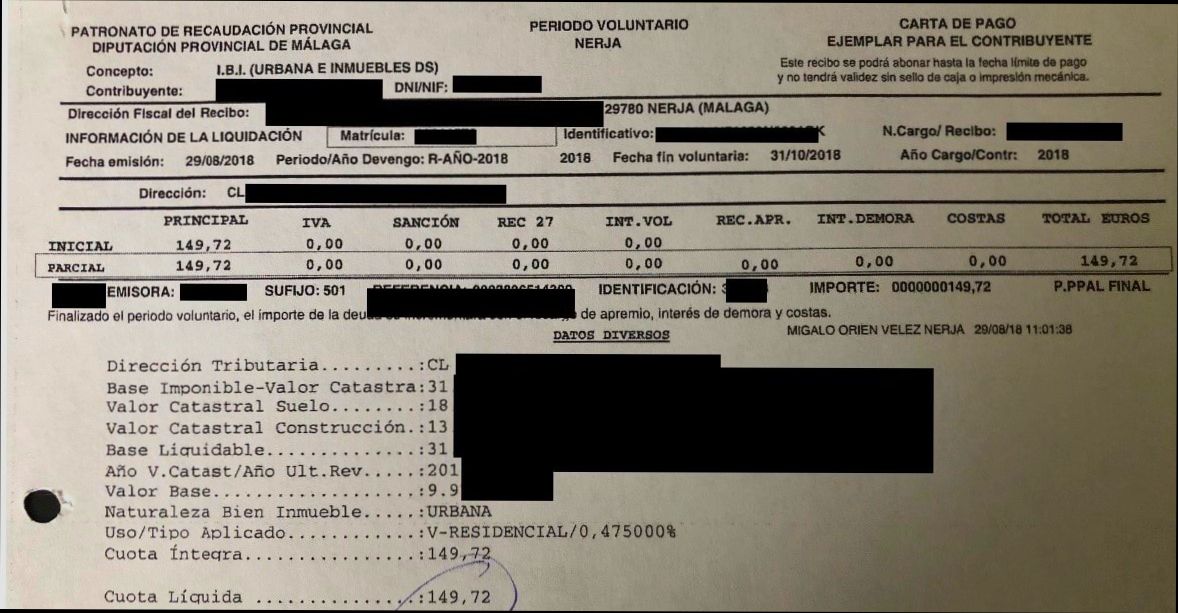
The legal framework surrounding IBI tax administration in Spain is essential for property owners, providing a structured approach to assessment, collection, and enforcement of the Impuesto sobre Bienes Inmuebles. Understanding this framework can help you navigate your legal obligations more efficiently, avoiding potential pitfalls.
Key Legislative Foundations
The foundation of the IBI tax legal framework is anchored in various laws and decrees:
- Royal Legislative Decree 2/2004: This is the cornerstone of the current IBI tax system. It outlines the parameters for assessment, valuation, and collection, ensuring property taxes conform to established legal standards.
- Ley de Haciendas Locales (Local Finances Law): This legislation governs local government finances and stipulates the legal obligations of municipalities in terms of IBI tax administration.
These legal instruments not only empower municipal authorities but also ensure transparency and fairness in tax administration.
Specific Legal Provisions
Several specific provisions within the legislative framework detail operational aspects of IBI tax administration:
1. Assessment Procedures: The law mandates that properties must be assessed based on their cadastral value. Municipalities usually conduct these assessments every ten years, which are critical for determining IBI rates.
2. Taxpayer Rights: Property owners have the right to challenge the cadastral valuations. They can submit appeals to local cadastral offices, ensuring their grievances are heard before tax liabilities are enforced.
3. Collection Mechanisms: The law specifies the collection procedure, often allowing for installment payments. It’s crucial for taxpayers to understand these options, as it can impact their financial planning.
Comparative Table of IBI Tax Legislation
| Legal Framework Element | Description | Impact on Taxpayers |
|---|---|---|
| Assessment Cycle | Properties assessed every ten years | Ensures stability in property tax levels |
| Appeal Process | Rights to contest valuations | Protects taxpayer interests |
| Payment Options | Allows payment in installments | Eases immediate financial burden |
| Municipal Autonomy | Local governments set specific IBI rates | Variability in tax obligations nationwide |
Real-World Applications of the Legal Framework
One real-world application is how municipalities like Madrid effectively utilize the legal framework to manage property tax disputes. By following the processes outlined in the Local Finances Law, they streamline appeals, allowing property owners to query valuations without excessive delays. This not only enhances administrative efficiency but also builds trust between taxpayers and the local government.
Another example includes the town of Valencia, where municipal authorities leveraged the framework to implement a digital IBI payment system. This innovation, while compliant with the legal standards, facilitates easier access for taxpayers, reflecting a modern approach to public finance management while keeping within the legislative confines.
Practical Implications for Property Owners
As a property owner, understanding the legal framework is paramount. Here’s how it affects you:
- Familiarize yourself with the appeal processes to challenge incorrect property valuations effectively.
- Be aware of your rights under the local finance laws, ensuring you are not over-taxed.
- Stay informed about your municipality’s specific assessment cycles and payment options to plan your finances more strategically.
Actionable Advice
- Regularly check the cadastral value of your property to avoid unexpected increases in your IBI tax.
- Consider joining local property owner associations that can offer support and insight into navigating tax administration processes.
- Attend municipal meetings or consultations to engage with decision-makers regarding potential changes to IBI tax rates or regulations that may affect you.
Challenges in Calculating IBI Tax Assessments
Calculating IBI tax assessments can be quite complex, with various factors influencing the final amount. These challenges not only create confusion for property owners but can also lead to discrepancies in tax revenues for municipalities. Understanding these challenges is essential for anyone navigating the IBI landscape.
Key Challenges in IBI Tax Calculations
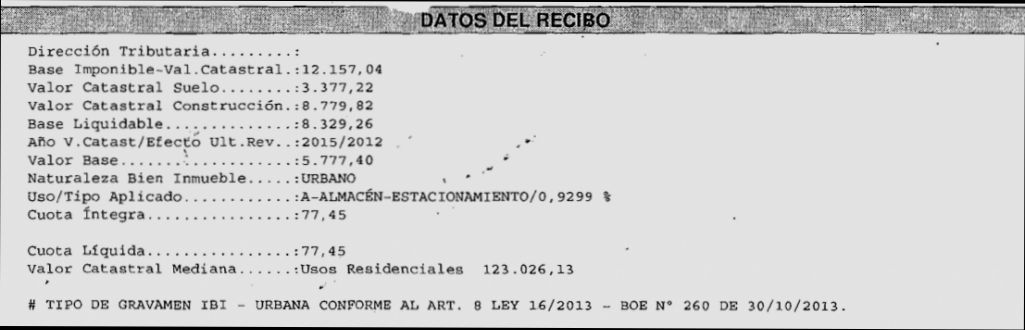
1. Cadastral Value Discrepancies: One major challenge arises from discrepancies in the cadastral values assigned to properties. Inaccurate assessments can lead to unjust tax burdens. For example, properties in urban areas may be undervalued, resulting in lower tax revenues than necessary for local services.
2. Regional Variations in Assessment Procedures: Different regions may have varied methodologies for assessing properties, resulting in inconsistent valuation practices. This variation complicates not just revenue projections but also fair tax distribution across communities.
3. Changes in Property Use or Condition: Properties aren’t static; their conditions or uses change over time. Each variation can require a reassessment of the cadastral value, potentially leading to increased tax obligations or disputes if adjustments are viewed as unfair.
4. Lack of Transparency: The assessment process can lack transparency, leaving property owners unaware of the criteria used to evaluate their properties. This can lead to disputes and residents feeling disconnected from local governance.
5. Administrative Capacity: Many municipalities often face administrative challenges in processing IBI tax assessments efficiently. Limited staff and resources can delay assessments, creating backlogs that affect timely tax collection and financial planning.
Comparative Table of Challenges in IBI Tax Calculations
| Challenge | Impact on Calculations | Frequency of Occurrence |
|---|---|---|
| Cadastral Value Discrepancies | Leads to unjust tax burdens | High |
| Regional Variations | Inconsistency in assessments across regions | Moderate |
| Property Use Changes | Necessitates frequent reassessments | Frequent |
| Lack of Transparency | Creates disputes about assessed values | High |
| Administrative Capacity | Results in delays in processing assessments | Common |
Real-World Examples
In Barcelona, property owners have expressed frustration over fluctuating values influenced by market trends. The city struggled with recalibrating cadastral values after significant economic shifts, causing erratic tax assessments. Meanwhile, municipalities like Alcalá de Henares have launched initiatives aiming to streamline their assessment processes, thereby reducing administrative burdens and enhancing accuracy.
Another example comes from Valencia, where the lack of transparency in assessment methodologies led to protests among local residents who felt their taxes were not reflective of their property’s true value. These situations illustrate how essential it is to address these challenges proactively.
Practical Implications
For property owners, being aware of these challenges can inform your actions. Here are a few steps you can take:
- Stay Informed: Regularly check with your local authorities regarding your property’s cadastral value and the methodologies used.
- Challenge Discrepancies: If you suspect inaccuracies in your property’s valuation, consider petitioning for a reassessment.
- Engage with Local Officials: Attend local governance meetings or forums to understand how IBI calculations are made and advocate for transparency in the process.
Specific Advice on IBI Tax Assessment Challenges
Always keep an eye on market trends and local policies that might affect your property’s valuation. Regularly review your property’s information with municipal offices and consider collaborating with professionals familiar with tax laws to ensure you’re receiving fair treatment.