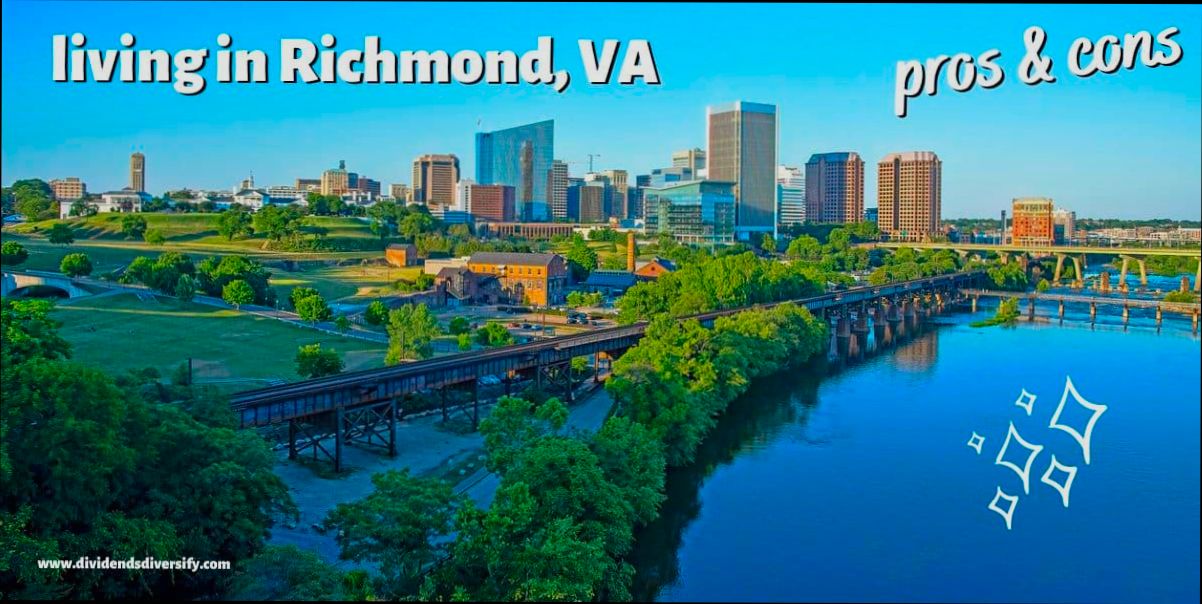
Pros and Cons of Living in Richmond VA. This charming city blends a rich history with a vibrant modern culture, making it an intriguing place to call home. You’ve got the James River flowing through the heart of the city, offering not just beautiful views but also a playground for outdoor lovers—think kayaking, fishing, and trails for biking. Plus, Richmond’s cost of living is surprisingly appealing; it’s about 10% lower than the national average, which means you can snag a cozy apartment downtown without breaking the bank. For foodies, the culinary scene is buzzing, with everything from farm-to-table spots to classic Southern comfort food, all at prices that won’t wipe out your wallet.
On the flip side, Richmond’s weather can be a mixed bag. If you’re not a fan of the heat, those sweltering summers might have you sweating bullets, with temperatures regularly hitting the mid-90s. And let’s not talk about the humidity! City life can sometimes feel a bit slow, especially if you’re used to the hustle and bustle of bigger metro areas. While the arts scene and local music events are on the rise, they may still not stack up to what cities like D.C. or NYC have to offer. Commuting isn’t too awful, but traffic does sneak up during rush hours, leaving you with the occasional headache on your way to work.
Cost of Living Comparison in Richmond
Understanding the cost of living in Richmond can give you important insights, especially if you’re considering a move to this vibrant city. Let’s dig into how living here stacks up against other places, keeping an eye on essential expenses like housing, utilities, and groceries.
Key Cost of Living Data
- Housing Costs: Richmond’s housing market is often more affordable compared to nearby cities. The average home price in Richmond is approximately $300,000, which is significantly less than the national median home price of around $400,000.
- Rent Prices: If you’re looking to rent, you can expect to pay about $1,200 for a one-bedroom apartment in the city. This is lower than the average rent of $1,500 in cities like Washington, D.C. or New York.
- Utilities: Monthly utility costs average about $180 for basic services in Richmond, which is about 10% lower than the national average of approximately $200.
- Groceries: Grocery prices also align favorably, with packages typically costing about 5% less than the national average. For instance, a gallon of milk averages $3.50 in Richmond compared to $4.00 nationally.
| Expense Category | Richmond Average | National Average |
|---|---|---|
| Home Price | $300,000 | $400,000 |
| Rent (1-Bedroom) | $1,200 | $1,500 |
| Utilities | $180 | $200 |
| Grocery (Milk, gal) | $3.50 | $4.00 |
Real-World Examples
Let’s consider two case studies.
1. Young Professionals: A recent graduate moving to Richmond found a cozy one-bedroom apartment in the historic Fan District for $1,150. This individual compared costs with friends in Washington, D.C., who pay $1,800 for a similar apartment, allowing for significant savings in housing.
2. Families: A family of four relocated to Richmond from Charlotte, N.C., and reported saving over $500 monthly on groceries and utilities. They highlighted that their average grocery bill came in at $700 a month compared to $900 they had in Charlotte.
Practical Implications
If you’re considering a move to Richmond, here’s what these numbers hint at for your budget:
- You can expect to make a more manageable mortgage or rent payment compared to many other urban areas on the East Coast.
- Your monthly utilities will likely be lighter on your wallet, freeing up funds for leisure or savings.
- Grocery costs remaining low means that you can enjoy local eateries and fresh markets without the guilt of overspending.
Richmond offers a more affordable cost of living, which is particularly appealing when compared to urban centers with prohibitive expenses. If you keep these facts in mind while planning your budget, you’re likely to find Richmond a financially sustainable option for a new home.
Historical Significance and Cultural Appeal
Living in Richmond, VA, offers a unique blend of historical richness and cultural vibrancy that can be quite captivating. The city has played a crucial role in American history, particularly during the Civil War, while also embracing a thriving arts community that enhances its cultural landscape.
Rich Historical Context
Richmond’s history is not just a backdrop; it is an integral part of the city’s identity. Here are some key historical highlights:
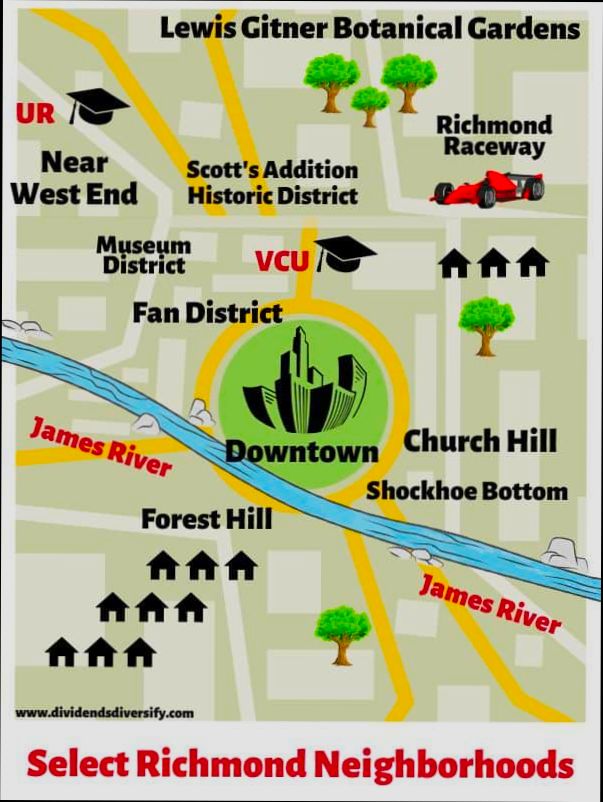
- Civil War Significance: As the capital of the Confederacy, Richmond saw significant battles and military activity. The Virginia State Capitol, designed by Thomas Jefferson, is a notable landmark.
- Historical Designation: Over 600 structures in Richmond are recognized on the National Register of Historic Places, showcasing a variety of architectural styles from different eras.
- Museum Presence: The American Civil War Museum is located here, providing in-depth education about the conflict and its impact, with more than 50,000 annual visitors.
Cultural Vibrancy
Richmond’s cultural scene is a lively mix of arts, music, and local traditions, appealing to a diverse population:
| Cultural Aspect | Description |
|---|---|
| Arts and Festivals | The city hosts events like the Richmond Folk Festival, celebrating cultural diversity with over 200,000 attendees annually. |
| Music Scene | Home to a variety of music genres, from indie rock to classical, Richmond attracts local and national talent, fostering a rich music culture. |
| Art Districts | Places like the Broad Street Arts District serve as an incubator for local artists and galleries, enhancing the creative landscape. |
Real-World Examples
Several local institutions are a testament to Richmond’s cultural appeal:
- Maggie L. Walker National Historic Site: This site honors the first African-American woman to charter a bank in the U.S., reflecting the city’s commitment to celebrating diverse histories.
- The Virginia Museum of Fine Arts: One of the largest art museums in the U.S., it houses an extensive collection, attracting nearly 500,000 visitors each year and hosting numerous exhibitions.
Practical Implications for Residents
For you, embracing the historical significance and cultural appeal of Richmond can mean:
- Engaging with History: Participating in guided tours or visiting historical sites can deepen your appreciation of the city’s past.
- Cultural Participation: Engaging in local festivals or art events not only enhances community connection but also supports local artists and businesses.
- Educational Opportunities: Families and individuals can take advantage of the numerous museums and educational programs available for all ages.
Specific Facts and Actionable Advice
- Explore the Historic Quarter: Take a weekend to explore the Historic Shockoe Bottom, filled with rich history and local eateries that tell the story of Richmond’s past.
- Volunteer for Local Arts: Join local organizations or volunteer for events like the Richmond Folk Festival to immerse yourself in the cultural scene while making connections.
- Support Local Artists: Visit local galleries and buy art from Virginia-based artists to appreciate and promote the city’s vibrant art community.
Public Transportation Efficiency and Accessibility
Moving around Richmond, VA, can be a breeze, especially when we look at the public transportation system. The city has worked hard to improve both the efficiency and accessibility of its transit options, making it easier for you to navigate urban life.
Key Points on Public Transportation Efficiency
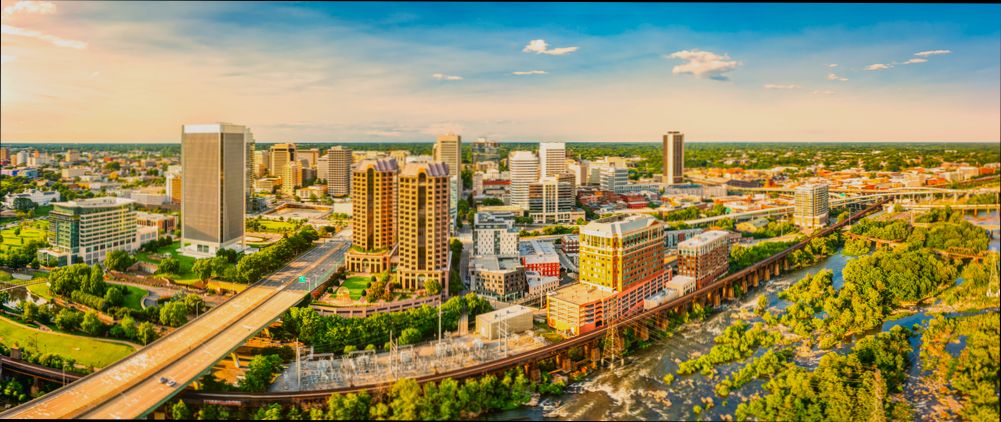
Richmond operates a network called GRTC, which includes a variety of service options such as local buses, express routes, and the newly implemented Pulse Bus Rapid Transit system. This rapid transit line helps cut down travel time significantly, with an average decrease of around 20 minutes on typical commutes.
- GRTC runs over 30 routes, serving a broad area covering city neighborhoods, making it easier for you to access work and leisure destinations.
- Approximately 20% of the population rides public transit regularly, demonstrating that a significant number of Richmonders rely on these options for their daily commutes.
Accessibility Features
Accessibility is a vital aspect of Richmond’s public transit. All buses are equipped with wheelchair lifts, ensuring that everyone can board with ease. GRTC also provides:
- Audio and visual announcements at bus stops and on vehicles to assist visually and hearing-impaired passengers.
- Reduced fare programs for senior citizens and people with disabilities, making transportation more affordable for those who need it most.
| Feature | Details |
|---|---|
| Routes Offered | 30+ routes |
| Average Commute Time Savings | 20 minutes due to Pulse Bus Rapid Transit |
| Regular Riders | 20% of the population |
| Accessibility Modes | Wheelchair lifts, audio/visual announcements |
| Reduced Fare Programs | Available for seniors and people with disabilities |
Real-World Examples
One of the standout examples of efficient public transportation in Richmond is the Pulse Bus Rapid Transit system. Launched in 2018, it connects major transit hubs and key neighborhoods, reducing delays and improving reliability. Riders report high satisfaction, with travel times noticeably quicker compared to regular bus services.
In a recent community survey, it was noted that users of the GRTC were 40% more likely to recommend public transit to newcomers compared to previous years, indicating a marked improvement in perception and actual service.
Practical Implications for Readers
If you’re considering a move to Richmond, take a moment to assess your commuting habits. GRTC can save you time and reduce the stress of driving in the city. Utilize the GRTC website or mobile app to plan your trips effectively, check for real-time arrivals, and make commuting a seamless part of your daily life.
Actionable Advice
Explore reduced fare options if you qualify; it’s an excellent way to save money while using public transport. You might also want to familiarize yourself with the Pulse schedule, as using this service can optimize your travel time significantly. Keep in mind that GRTC is continually improving its services, so stay updated on new routes and services that may emerge, enhancing your commuting experience even further.
Quality of Education in Richmond Schools
When considering the quality of education in Richmond schools, it offers a unique mix of strengths and challenges. The local education landscape features a variety of schools with different accreditation statuses and performance metrics that impact student outcomes.
Accreditation Overview
The accreditation status of schools plays a crucial role in their overall quality. In Richmond City Public Schools, there are several elementary, middle, and high schools with varied accreditation statuses. Here’s a snapshot:
| School Level | Accredited | Accredited with Conditions |
|---|---|---|
| Elementary Schools | 22 | 9 |
| Middle Schools | 5 | 4 |
| High Schools | 6 | 5 |
Understanding how many schools are fully accredited (32) versus those accredited with conditions (18) can give you insight into the challenges the educational system faces in achieving higher standards.
Academic Performance
Examining academic performance in Richmond schools, especially in English reading and writing, shows a broad spectrum of student achievement.
For instance, during the 2023-2024 school year:
- All students in Richmond showed slight improvements:
- Grade 3 Reading Performance: 38% passed, up from 41% the previous year.
- Grade 5 Writing Performance: 47% passed, an increase from 46% in the previous year.
However, disparities exist among different student subgroups. For example, in reading performance, only 4% of Black students achieved advanced levels compared to 36% of White students in the same category. Such statistics underscore the need for targeted support to bridge the gap across racial and economic lines.
Real-world Examples
Several schools serve as examples of varying outcomes.
- Barack Obama Elementary stands out as a fully accredited school, showcasing success in fostering student learning and engagement.
- In contrast, Blackwell Elementary, which is accredited with conditions, illustrates the ongoing struggles in meeting educational standards, prompting a need for revitalized teaching methods and resources.
Implications for Parents and Students
For families contemplating a move to Richmond, the educational landscape requires careful consideration:
- Choose schools with strong accreditation if possible, as they typically reflect a commitment to meeting educational standards and enhancing student success.
- Be aware of the diverse performance metrics among different demographic groups. This can be crucial for parents who want their children to have equitable educational opportunities.
By understanding these metrics and trends, you can make informed decisions about your children’s education in Richmond. It’s helpful to stay engaged with the school’s progress and advocate for improvements where needed.
Actionable Advice
- Visit schools personally or attend school board meetings to gain insight into their educational practices and community involvement.
- Check the specific performance statistics for various schools through the Virginia School Quality Profiles to determine the best fit for your child.
- Look into schools that activelywork to improve their accreditation status if you’re interested in supporting education reform.
With these insights, you can more effectively navigate the education system in Richmond and ensure your children receive a quality education tailored to their needs.
Outdoor Activities and Natural Amenities
When it comes to outdoor activities and natural amenities, Richmond, VA offers an abundance of options that cater to various interests and fitness levels. The city’s diverse landscapes and urban green spaces invite residents to engage in activities that benefit both physical health and mental well-being.
Key Highlights of Outdoor Activities
Engaging in outdoor pursuits in Richmond allows you to tap into various health benefits and enjoy the breathtaking natural scenery. Here are some notable activities:
- Hiking: Richmond boasts numerous trails that cater to hikers of all skill levels. This activity promotes cardiovascular health and strengthens skeletal structures, with each trekking session contributing to improved heart function.
- Cycling: The city has made significant strides in developing bike-friendly paths. Cycling not only supports physical fitness but also decreases anxiety levels, making it an excellent choice for both exercise and stress relief.
- Water Sports: Activities like kayaking and paddleboarding along the James River provide opportunities to connect with nature while enhancing back and leg muscle strength. These activities are designed to improve your overall balance and respiratory efficiency.
- Wildlife Watching: Richmond is home to various parks and natural reserves where wildlife watching is a popular activity. This encourages mindfulness, allowing residents to enjoy calm moments that help reduce stress and anxiety.
Comparison of Outdoor Activities in Richmond
| Activity | Benefits | Accessibility |
|---|---|---|
| Hiking | Cardiovascular health, stress relief | Easy access to trails |
| Cycling | Leg strength, anxiety reduction | Extensive bike paths |
| Water Sports | Muscle strength, connection with nature | Presence near James River |
| Wildlife Watching | Mental relaxation, mindfulness | Available in many parks |
Real-World Examples
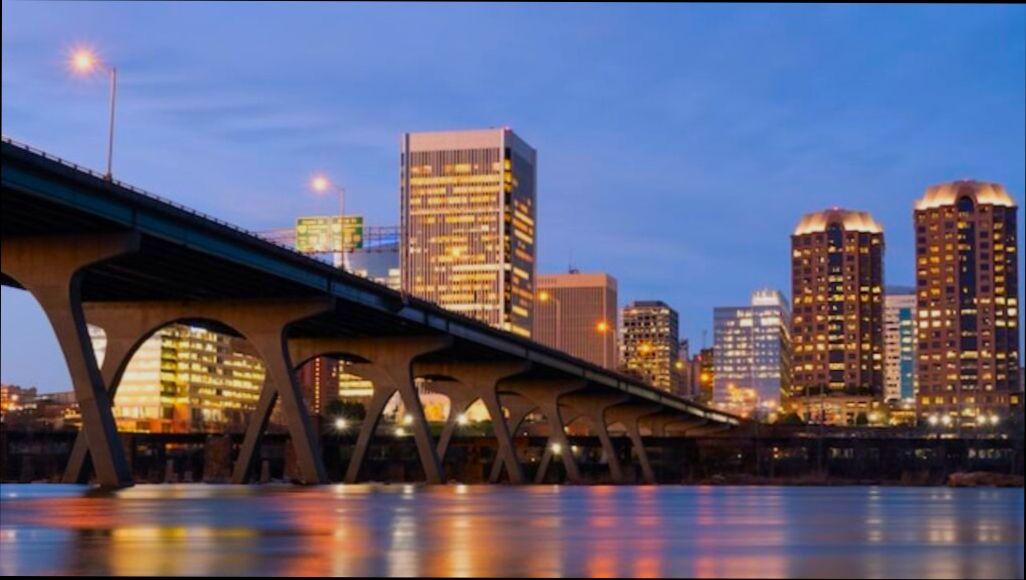
Take, for instance, the James River Park System, which features miles of trails and various spots ideal for kayaking and paddleboarding. Residents frequently gather here, not just for recreational purposes but also to participate in community events. Engaging in such activities fosters a sense of community while enhancing physical fitness.
Additionally, local groups often organize hiking expeditions on weekends, where participants can bond over shared experiences in nature. These hikes are not only great for physical health but also provide a platform for building friendships.
Practical Implications
If you live in Richmond or plan to move here, take full advantage of the nearby outdoor amenities. Try joining a local cycling group or participating in community hikes. Even spending time in your backyard for activities like meditation can contribute to improved mental well-being.
Actionable Advice
Consider scheduling regular outdoor activities each week; even short, consistent engagement can yield significant health benefits. Plan trips to different parks and nature reserves in Richmond to explore your surroundings fully. Remember, incorporating nature into your routine isn’t just beneficial for your body, but it also nurtures your mind and connects you with the community.
Demographic Trends and Population Statistics
Understanding demographic trends and population statistics is crucial when considering a move to Richmond, VA. This vibrant city has experienced notable shifts in its population dynamics over the years, which can significantly impact your living experience.
Richmond’s population has shown a remarkable resurgence since 2010, following decades of decline. Between 2010 and 2020, Richmond’s population increased by approximately 12%, emphasizing its growing appeal among new residents. This trend reflects broader national movements where urban areas are becoming increasingly desirable.
Key Demographic Data
- Population Estimates: As of 2020, Richmond had approximately 229,000 residents.
- Diversity: The city boasts a diverse demographic makeup, with 48% identifying as White, 47% as Black or African American, and around 5% representing other racial or ethnic groups.
- Age Distribution:
- Under 18 years: About 22% of the population
- 18-34 years: Represents roughly 30%, indicating a vibrant young professional community
- 35-64 years: Comprises 35%, showcasing a solid working-age population.
| Age Group | Percentage |
|---|---|
| Under 18 years | 22% |
| 18-34 years | 30% |
| 35-64 years | 35% |
| 65 years and older | 13% |
Real-World Examples
The recent revitalization of neighborhoods like Church Hill and Manchester is a direct response to these demographic trends. Young professionals are flocking to the area, seeking affordable housing and a lively cultural scene. For instance, in 2021, there was a housing market surge, where properties received as many as 10 offers within 72 hours, indicating a competitive environment fueled by this demographic shift.
Additionally, educational institutions play a role in shaping the population. With Virginia Commonwealth University (VCU) located in the city, the student population contributes significantly to the demographics, enriching the local community with cultural and social events.
Practical Considerations
For those considering relocating to Richmond, these demographic trends might inform your choice of neighborhood. Areas with a higher concentration of younger residents may provide vibrant nightlife and cultural attractions, while more established neighborhoods may offer family-friendly environments.
Given the racial and ethnic diversity in Richmond, you’ll find various cultural festivals, dining options, and community programs that cater to a wide range of backgrounds, making the city a multicultural hub worth exploring.
As you weigh your options, consider looking into local community groups or neighborhood associations. These can provide insights into specific demographics in various neighborhoods, helping you find a location that resonates with your lifestyle.

Local Economy and Job Opportunities
Living in Richmond, VA, presents a dynamic environment for job seekers and entrepreneurs alike. With a balanced blend of traditional and emerging sectors, the local economy demonstrates resilience and diverse job opportunities.
Key Economic Highlights
- Unemployment Rate: As of recent reports, Richmond’s unemployment rate stands at approximately 4.2%, which is a significant indicator of job availability in the region.
- Top Industries: The leading sectors in Richmond include healthcare, education, finance, and manufacturing, making for varied employment opportunities.
- Job Growth: Over the past few years, job growth in the Richmond metropolitan area has been around 2.5% annually, signaling a positive trend for the local economy.
Job Sector Comparison
| Industry | Job Growth Rate | Key Employers |
|---|---|---|
| Healthcare | 3.0% | VCU Health, Bon Secours |
| Education | 2.8% | Virginia Commonwealth University |
| Finance | 2.0% | Wells Fargo, Bank of America |
| Manufacturing | 2.5% | Philip Morris, Altria |
Real-World Examples
In the healthcare sector, VCU Health has expanded its facilities and services, directly contributing to job creation. This institution is consistently hiring for a range of positions, from nursing to administrative roles.
The finance industry is also booming, with companies like Wells Fargo and Bank of America actively recruiting talent. You might encounter various job fairs in the region that focus on these sectors, making it easier for you to network and find employment.
Practical Implications
For those looking to relocate to Richmond or advance their careers within the city, consider the following actionable insights:
- Networking Events: Attend local job fairs and industry networking events to better understand job opportunities in your field.
- Skill Development: Upskill or reskill in emerging technologies and sectors, like tech and healthcare, which are seeing considerable growth.
- Startups and Entrepreneurship: Richmond is nurturing a startup ecosystem. Consider tapping into local incubators and accelerators if you have a business idea, as this can lead to job opportunities both for you and others.
With 75% of companies in Richmond planning to hire within the next year, potential job seekers should adapt their strategies to take advantage of this favorable environment.