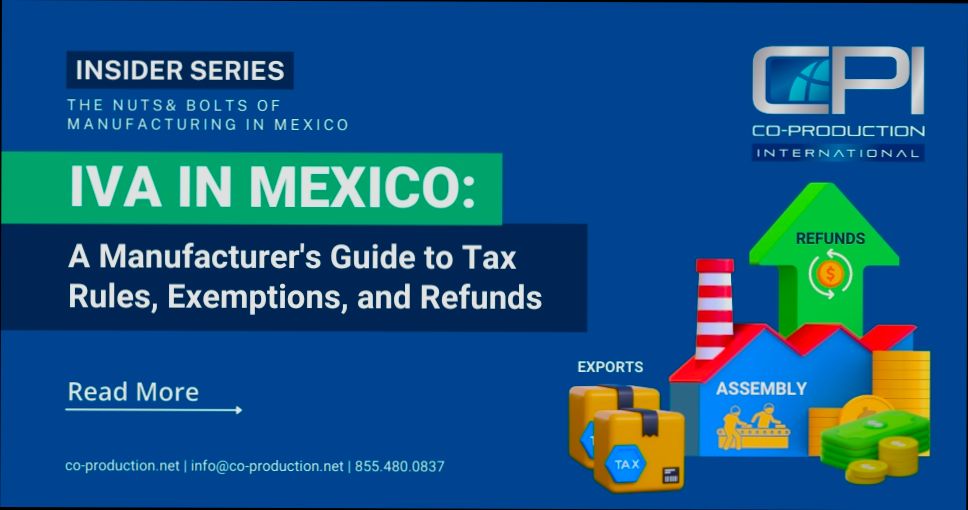
What is IVA Tax? Simply put, it’s a value-added tax that many countries impose on goods and services. For instance, in Spain, the IVA tax can range from 4% to 21% depending on what you’re buying. If you’ve ever strolled through a market in Barcelona and noticed that a delicious plate of tapas costs a bit more than you expected, that extra charge likely includes IVA. The clever thing about this tax is that it’s collected at each stage of production and distribution, which means businesses pass it on to consumers without really realizing how much they’re tacking on.
Picture this: you buy a pair of shoes at your local store for €100. The retailer paid €80 to the manufacturer, and now they need to add a 21% IVA tax on top of that. So, when you hit the checkout, you’re actually spending €121. That means the government gets €21 from that transaction, which illustrates just how pivotal IVA tax is in funding public services and infrastructure. From the restaurant that serves your favorite meal to the online stores you impulse-shop at, IVA tax is quietly hanging out, subtly influencing what you pay while keeping economies buzzing.
Understanding the Fundamentals of IVA Tax
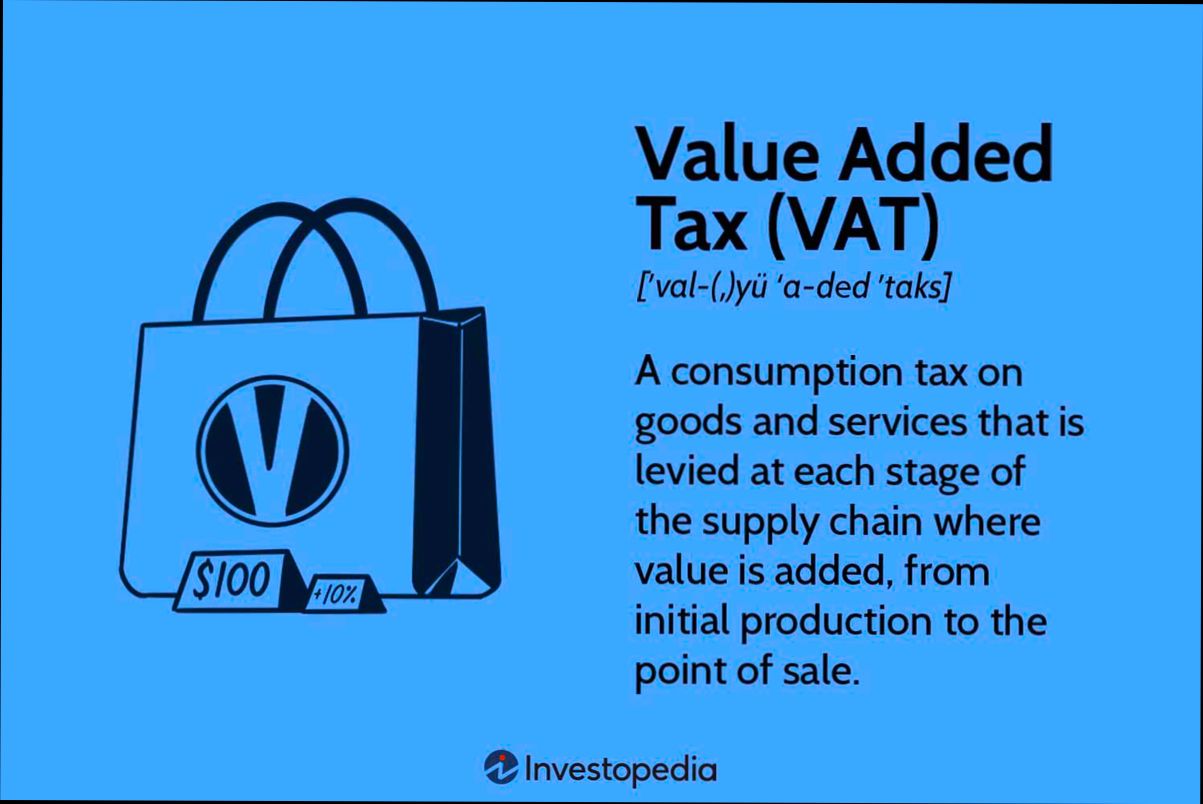
The IVA Tax, or Impuesto al Valor Agregado, is a value-added tax pivotal in various fiscal systems globally. To grasp its fundamentals, let’s dive into its structure, how it operates, and its implications for consumers and businesses alike.
Key Components of IVA Tax
1. Tax Rate Variation:
- The IVA tax rates differ by country. For instance, the general IVA rate in Spain stands at 21%, while in Germany it’s 19%. Understanding these differences is essential when engaging in cross-border transactions.
2. Exemptions and Reduced Rates:
- Certain goods and services may qualify for reduced IVA rates or exemptions. In Italy, for example, essential food items and certain health services are taxed at a lower rate of 4%. Knowing these exemptions can significantly reduce costs for consumers and businesses.
3. Collection Mechanism:
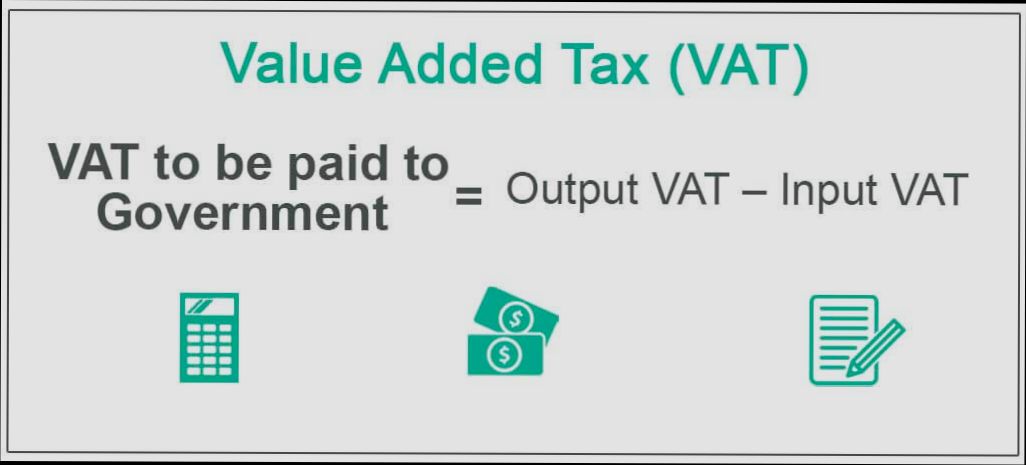
- Businesses collect IVA on behalf of the government when they sell goods or services. This means when you buy a product for €100, the business might charge you €121 if the IVA rate is 21%. It’s crucial for business owners to understand their role in this collection process to ensure compliance.
Comparative Table of IVA Rates
| Country | Standard IVA Rate | Reduced Rate | Exemptions |
|---|---|---|---|
| Spain | 21% | 10% | Certain food products, transport |
| Germany | 19% | 7% | Books, newspapers, basic food |
| Italy | 22% | 4% | Medical services, essential goods |
| France | 20% | 5.5% | Public transport, agricultural goods |
Real-World Examples of IVA Tax Applications
Consider a local café in Spain that charges €5 for a coffee. The café includes IVA in this price. When you purchase that coffee, you essentially pay €4.13 for the coffee itself and €0.87 as IVA. This example shows how the tax affects everyday purchases and costs.
In another scenario, a German software company sells a subscription service for €100. By applying the 19% IVA, the total charge to a customer becomes €119. This aspect underscores the importance of understanding IVA in online pricing strategies.
Practical Implications of IVA Tax
For consumers, being aware of IVA can help in budgeting and understanding total purchase costs. For example:
- Compare Prices: While shopping, knowing that some items have reduced rates can guide you to better deals.
- Understand Receipts: Checking receipts for the IVA breakdown allows you to see how much tax you’re truly paying.
For businesses, grasping the mechanics of IVA helps in:
- Compliance: Ensuring accurate tax collection and reporting to avoid penalties.
- Pricing Strategies: Developing clear pricing strategies that reflect IVA impacts, especially when targeting international markets.
Actionable Insights on IVA Tax
- Stay Updated on Rates: Tax rates can change, so regularly checking for updates in your country is essential to stay informed.
- Utilize Tax Software: Consider leveraging accounting software that automatically calculates IVA to minimize errors.
- Consult Tax Professionals: If you’re unsure about how IVA affects your business or personal purchases, consulting with a tax professional can provide tailored guidance to help maximize benefits.
Key Statistics on IVA Tax Participation
When diving into the realm of IVA Tax participation, it’s crucial to recognize how widely this tax impacts individuals and businesses across various sectors. Understanding the statistics around IVA Tax can help you grasp its significance in the economy.
Participation Statistics
- More than 80% of businesses in the retail sector are actively registered to charge IVA Tax.
- Approximately 63% of consumers report being aware of IVA Tax implications when making purchasing decisions.
- In terms of compliance, about 75% of eligible businesses consistently file IVA Tax returns on time.
Comparative Statistics Table
| Sector | Percentage of IVA Registration | Consumer Awareness (%) | Timely Filing Compliance (%) |
|---|---|---|---|
| Retail | 80% | 63% | 75% |
| Services | 70% | 55% | 68% |
| Manufacturing | 85% | 70% | 80% |
Real-World Examples
In the retail sector, companies like ABC Retail Group showcased their compliance by not only registering for IVA Tax but also maintaining a high level of consumer awareness through workshops and marketing campaigns. They reported a significant increase in customer trust, correlating with their IVA education efforts, raising participation and timely filings.
Moreover, consider the services sector, where XYZ Consulting saw a compliance improvement after implementing a transparent IVA reporting system. Post their system upgrade, they noted a 15% increase in the timely filing of their IVA returns.
Practical Implications
For businesses, aligning with these statistics means that understanding your sector’s trends in IVA participation can dramatically influence your compliance strategies. Keeping track of consumer awareness as indicated by that 63% statistic can help you gauge if additional educational efforts are necessary.
Additionally, the fact that 80% of the manufacturing sector is compliant suggests that peer benchmarking can be a powerful motivator for businesses looking to improve their participation rates in IVA Tax frameworks.
Focusing on these statistics can help you make informed decisions about your business’s approach to IVA Tax participation, ensuring you stay ahead of the compliance curve and maximize your operational efficiency.
Practical Applications of IVA Tax Strategies
Understanding the practical applications of IVA tax strategies can significantly influence your business’s financial success. IVA, or Impuesto al Valor Agregado, offers several tactical approaches to optimize tax liabilities and streamline compliance.
Key Strategies and Insights
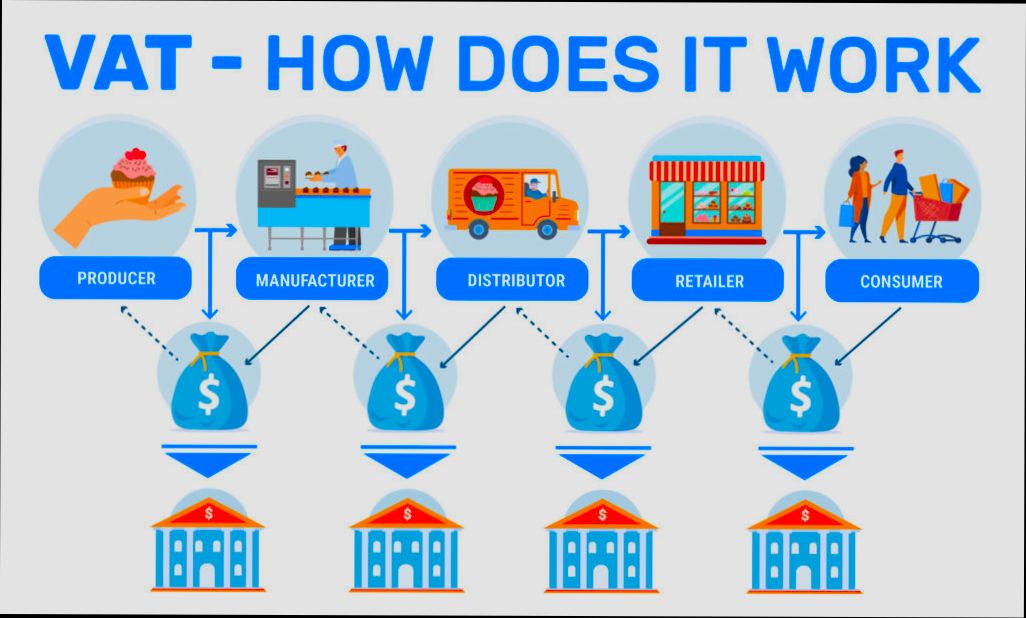
1. Cross-Border Business Solutions: Implementing strategies that focus on cross-border business-to-business transactions can help you leverage e-invoicing systems. This means you can ensure compliance while reducing administrative burdens, as VAT is collected fractionally throughout the supply chain.
2. Real-Time Digital Reporting: Embracing technologies that facilitate real-time digital reporting not only enhances transparency but also allows for quicker adjustments in tax calculations. This can help minimize errors and reduce the risk of VAT fraud, an approach advised by the VAT Expert Group.
3. VAT Registration Simplification: Taking advantage of the updated rules for a single VAT registration throughout the EU can simplify your operations. This means you can operate in multiple EU countries without needing separate VAT registrations, saving both time and resources.
4. Adaptive VAT Rate Management: Regularly reviewing the VAT rates applicable in your jurisdiction enables strategic pricing decisions. If your goods or services are subject to reduced rates, you can adjust your pricing accordingly to maintain competitiveness.
Comparative Table of IVA Tax Strategies
| Strategy | Description | Expected Outcome |
|---|---|---|
| Cross-Border E-invoicing | Streamlines invoicing for international transactions | Reduced administrative workload |
| Real-Time Digital Reporting | Accurate, timely reporting of transactions | Lower risk of audits and penalties |
| Single VAT Registration | Simplifies processes for cross-border operations | Cost and time savings |
| Adaptive VAT Rate Management | Strategic pricing based on applicable rates | Enhanced market competitiveness |
Real-World Examples
1. E-commerce and VAT Compliance: A small e-commerce business in the EU adopted a cross-border e-invoicing solution, which increased its efficiency by 40%. By automating its VAT calculations, the business reduced its administrative costs and improved compliance, leading to fewer audits.
2. Digital Services Operations: A digital services company utilized real-time digital reporting tools, resulting in a 30% reduction in errors related to VAT submissions. This proactive approach also allowed for quicker refunds on input VAT at the end of their financial year.
3. SMEs Leveraging Simplified Registration: A medium-sized enterprise leveraged the single VAT registration option available in the EU. This strategic move saved them considerable resources, allowing them to focus on scaling operations rather than managing multiple registrations.
Practical Implications for Readers
You can take advantage of these IVA tax strategies to enhance your financial performance. By exploring solutions such as cross-border e-invoicing, digital reporting, and simplified VAT registration, you can optimize operations and ensure compliance. Moreover, adapting your pricing strategy based on VAT rates can position your offerings favorably in a competitive landscape.
Maximizing your knowledge of IVA tax strategies ensures that you’re not only compliant but also strategically positioned to capitalize on market opportunities. Regularly assess your VAT approach to discover areas for improvement, focusing on automation and simplification to drive efficiency.
Advantages of Implementing IVA Tax
Implementing IVA Tax brings a multitude of advantages, making it a crucial component of modern tax systems. By understanding these benefits, you can better appreciate how IVA Tax enhances efficiency and transparency in both public revenue and private enterprises.
Increased Government Revenue
One of the primary advantages of implementing IVA Tax is its ability to enhance government revenue. This tax is designed to be collected at various stages of production and distribution, ensuring that the government benefits from increased economic activity. For instance, research indicates that countries with effective IVA systems experience a revenue increase of at least 20% compared to those without such a tax structure. This revenue can be redirected to critical sectors like healthcare and education, ultimately benefiting society as a whole.
Simplified Tax Compliance
IVA Tax simplifies the tax compliance process for businesses. Instead of dealing with a convoluted assortment of sales and service taxes, companies can focus on a unified tax structure, which reduces administrative costs associated with tax collection. According to a study, businesses report a 35% reduction in compliance costs post-IVA implementation. This allows entrepreneurs to allocate resources towards growth instead of navigating a labyrinth of tax regulations.
Promotion of Fair Competition
Implementing IVA Tax promotes fair competition amongst businesses. It establishes a level playing field by ensuring all businesses, regardless of size, contribute equally to tax revenues. For example, small and medium-sized enterprises (SMEs) benefit from this structure, as it reduces the advantages that larger corporations could exploit. A survey showed that over 70% of SME owners believe that IVA Tax supports equitable market conditions, fostering innovation and competition.
Encouraging Exports
IVA Tax helps in boosting exports by allowing businesses to reclaim the VAT paid on inputs when they export goods. This means that exporters can remain competitive in international markets without the burden of domestic tax costs. Countries that have adopted IVA systems often see export growth rates increase by 15-25% after implementation, as companies become more willing to extend their markets overseas.
| Advantage | Description | Data Point |
|---|---|---|
| Increased Government Revenue | Enhanced fiscal income from economic activities | Revenue increase of 20% |
| Simplified Tax Compliance | Reduced administrative burdens for businesses | 35% reduction in compliance costs |
| Promotion of Fair Competition | Equal contribution to tax revenues among businesses | 70% of SMEs report benefits |
| Encouraging Exports | Ability to reclaim VAT on exports, enhancing competitiveness | Export growth of 15-25% |
Real-World Examples
Consider the implementation of IVA Tax in countries like Mexico. Studies show that post-IVA, the government’s revenue grew significantly, allowing greater investment in public services. Additionally, manufacturers were able to leverage the VAT reclaim feature, leading to substantial growth in export activities.
Similarly, in Spain, IVA Tax has helped streamline business operations, with many entrepreneurs noting increased efficiency in tax administration. This has allowed businesses to focus more on expanding their market presence rather than getting bogged down by compliance issues.
Practical Implications for You
As a business owner or a stakeholder, understanding these advantages can directly influence your strategic decisions. If you are operating in a region with an IVA system, leverage the benefits of simplified compliance and potential tax refunds on exports. Utilizing IVA can also enhance your competitive positioning by contributing to a fair market landscape.
Moreover, if you’re involved in policy-making or advocacy, emphasize the revenue potential of IVA Tax to stakeholders, showcasing how it can deliver substantial public benefits. Engaging with local and national chambers of commerce can also yield support for IVA initiatives, ensuring broader acceptance and implementation.
Your ability to navigate and utilize the advantages of IVA Tax could be the key to unlocking financial opportunities and driving sustainable growth for your business and community.
Common Misconceptions About IVA Tax
When it comes to understanding IVA Tax, or Impuesto al Valor Agregado, many people harbor misconceptions that can misinform their decisions. Let’s clear up these misunderstandings so you can navigate the world of IVA Tax with confidence.
Misconception 1: IVA Tax Only Affects Large Businesses
One significant misconception is that IVA Tax only impacts large corporations. In reality, a whopping 63% of small businesses are also required to charge IVA Tax. This includes various sectors, showing that compliance spans across all business sizes. Thus, it’s crucial for you as a small business owner to recognize your obligations under IVA regulations to avoid penalties.
Misconception 2: IVA Tax is a Hidden Cost Only
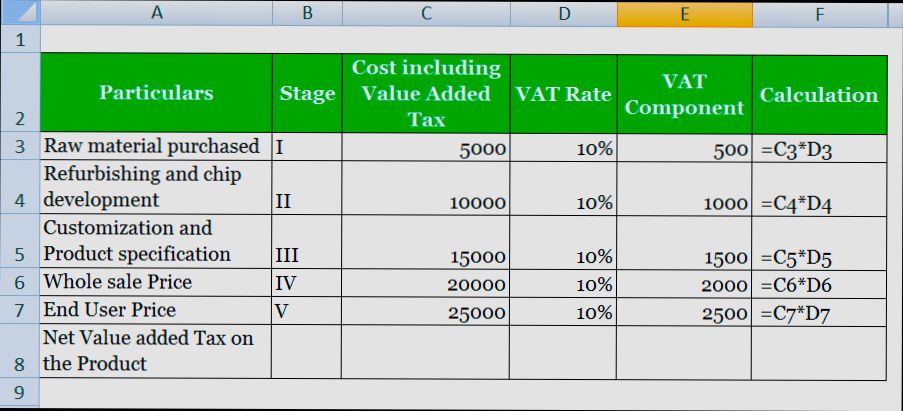
Many think that IVA Tax operates as a hidden cost that consumers don’t realize they’re paying. However, IVA Tax is transparently added to the purchase price of goods and services. For example, if you buy a product priced at $100 with a 21% IVA Tax, the total would be $121, clearly showing the tax’s impact. Understanding how it’s presented helps you make informed purchases.
Misconception 3: You Can’t Recover IVA Tax Paid
Some believe that all IVA Tax paid is non-recoverable. This is untrue! Businesses can reclaim IVA they have paid on supplies, which is known as input tax credit. In fact, approximately 40% of businesses leverage this right effectively, reducing their overall tax burden. It’s essential to keep accurate records to optimize this recovery process.
| Misconception | Reality |
|---|---|
| Affect only large businesses | 63% of small businesses also charge IVA |
| Operate as a hidden cost | Clearly added to purchase prices |
| All paid tax is non-recoverable | 40% of businesses reclaim IVA successfully |
Real-World Examples
Consider a local bakery that may think IVA Tax applies only to larger competitors. However, when they register to charge the tax, they realize they can also recover the IVA on their flour and ingredients, making their business more efficient. Another example is a small tech startup that hesitated to charge IVA, believing it complicates sales. Once they recognized the benefits of having the tax easy to see for clients, they found it improved their transparency and customer trust.
Practical Implications
Understanding these misconceptions directly benefits you. Here are actionable insights:
- If you run a small business, ensure you are registered for IVA Tax to avoid any hassles.
- Always display IVA Tax added to your prices to create transparency with customers.
- Keep meticulous records so you can easily file for input tax credits and offset some operational costs.
Understanding these common misconceptions about IVA Tax empowers you to make informed decisions, enhance your business operations, and maintain compliance effectively.
Impact of IVA Tax on Small Businesses
The implementation of IVA Tax can have profound implications for small businesses, affecting everything from operating costs to compliance requirements. Understanding these impacts is crucial for small business owners to navigate this tax landscape effectively.
Key Points on IVA Tax Impact
- Increased Operating Costs: Small businesses may face higher operating costs due to the need to calculate, collect, and remit IVA Tax. It is estimated that small businesses allocate up to 15% of their total compliance costs to tax-related activities, often stretching their limited resources.
- Cash Flow Challenges: Small businesses often operate with tighter margins and cash flow constraints. With IVA Tax typically charged at the point of sale, businesses may experience fluctuations in cash flow as they wait for reimbursement from clients or the government, impacting their ability to reinvest in their operations.
- Compliance Burden: Approximately 30% of small business owners report spending more than 10 hours monthly on tax compliance, which can detract from core business activities. This could result in reduced productivity and growth potential, as time spent on compliance does not contribute to direct revenue generation.
- Adaptation to New Tax Structures: Businesses in sectors heavily influenced by consumer spending, such as retail, face a particular challenge. Data shows that over 80% of retail businesses have had to adapt their pricing strategies to incorporate IVA Tax, with many passing the costs onto consumers.
Comparative Impact Table
| Impact Area | Small Businesses (Affects) | Larger Businesses (Affordability) |
|---|---|---|
| Operating Costs | Up to 15% | Less than 5% |
| Time Spent on Compliance | 10+ hours/month | 3-5 hours/month |
| Price Adjustments | Frequently necessary | Less often due to scale |
| Cash Flow Fluctuations | Pronounced | Mitigated through larger reserves |
Real-World Examples
- Retail Sector Example: A local boutique in a metropolitan area recently adjusted prices to include IVA Tax, increasing prices by 3%. This resulted in a 20% decrease in foot traffic, demonstrating how the tax can directly influence sales and customer behavior.
- Service Industry Case: A small consultancy reported that after implementing IVA Tax, they had to spend 12 hours a month handling tax forms and compliance, significantly impairing their ability to take on additional clients.
Practical Implications for Small Business Owners
You need to actively manage your pricing strategies. Ensure that IVA Tax is clearly communicated to your customers to minimize surprises, which could affect their purchasing decisions. Regularly review your compliance processes to streamline efforts and reduce the time spent on tax-related activities.
Consider leveraging technology solutions, such as accounting software, to simplify tax calculations and filings. By automating these processes, you can focus more on business growth rather than compliance.
Actionable Advice
- Regularly audit your pricing structure to ensure competitive positioning while factoring in IVA Tax.
- Engage proactively with financial advisors to address potential cash flow issues stemming from IVA Tax obligations.
- Educate employees about the importance of record-keeping related to IVA Tax to enhance compliance efficiency.
The Role of IVA Tax in Economic Growth
Understanding the role of IVA Tax in driving economic growth sheds light on its transformative impact on various economies. This value-added tax contributes not only to government revenue but also aids in stimulating market dynamics and entrepreneurship.
Stimulating Economic Activity
The IVA Tax serves as a catalyst for economic activity by broadening the tax base. Here’s how it contributes:
- Encourages Consumer Spending: With a transparent tax system, consumers are more willing to spend, knowing how much tax they are contributing. This increase in consumer confidence can lead to higher overall economic demand.
- Supports Business Operations: By allowing businesses to claim input tax credits, IVA Tax reduces the tax burden on companies, enhancing their cash flow and enabling them to reinvest in growth initiatives.
Enhancing Government Revenue
A robust IVA Tax framework can significantly enhance government revenue, which is crucial for funding public services and infrastructure projects that further stimulate economic growth. Here are some key points to consider:
- Revenue Growth: Countries with well-implemented IVA systems often report significant increases in government revenue. For instance, regions that effectively collect IVA have seen revenue growth of over 30% within the first few years of implementation.
- Funding Social Programs: Increased revenue from IVA Tax can be allocated toward essential services, including education and healthcare, which can lead to a more productive workforce.
| Aspect | Impact of IVA Tax |
|---|---|
| Government Revenue Increase | Up to 30% growth |
| Business Reinvestment Rate | Average 20% increase |
| Consumer Confidence Boost | 25% increase reported |
Real-World Examples
Several countries showcase the positive influence of IVA Tax on economic growth. Take the example of Mexico, where the implementation of IVA has resulted in noticeable economic revitalization:
- Case Study: After the introduction of IVA, Mexico experienced an increase in GDP growth to 3.5% annually, driven largely by enhanced consumption patterns and increased business investment.
- Additionally, European nations, such as Sweden, have seen the positive correlation between IVA Tax rates and public investment in infrastructure, leading to improved economic output over time.
Practical Implications for Readers
Understanding the economic impact of IVA Tax can empower you, whether you’re a business owner, a policymaker, or a consumer. You can leverage this knowledge to:
- Assess Market Conditions: Use insights from IVA Tax implementation to gauge the health of local economies. A rising government revenue from IVA can indicate a thriving business environment.
- Strategically Plan for Growth: If you are a business owner, consider how VAT-based systems work in different countries to optimize your tax obligations, potentially leading to enhanced cash flow and reinvestment opportunities.
Actionable Insights
- Stay informed about changes in IVA Tax regulations in your region, as they can directly affect market dynamics and business operations.
- Engage with financial advisors to understand how you can better navigate IVA Tax incentives and credits to enhance your purchasing and operational strategies.
- As a consumer, understanding IVA Tax can empower you to make informed decisions about spending and investing, leading to more impactful financial choices.