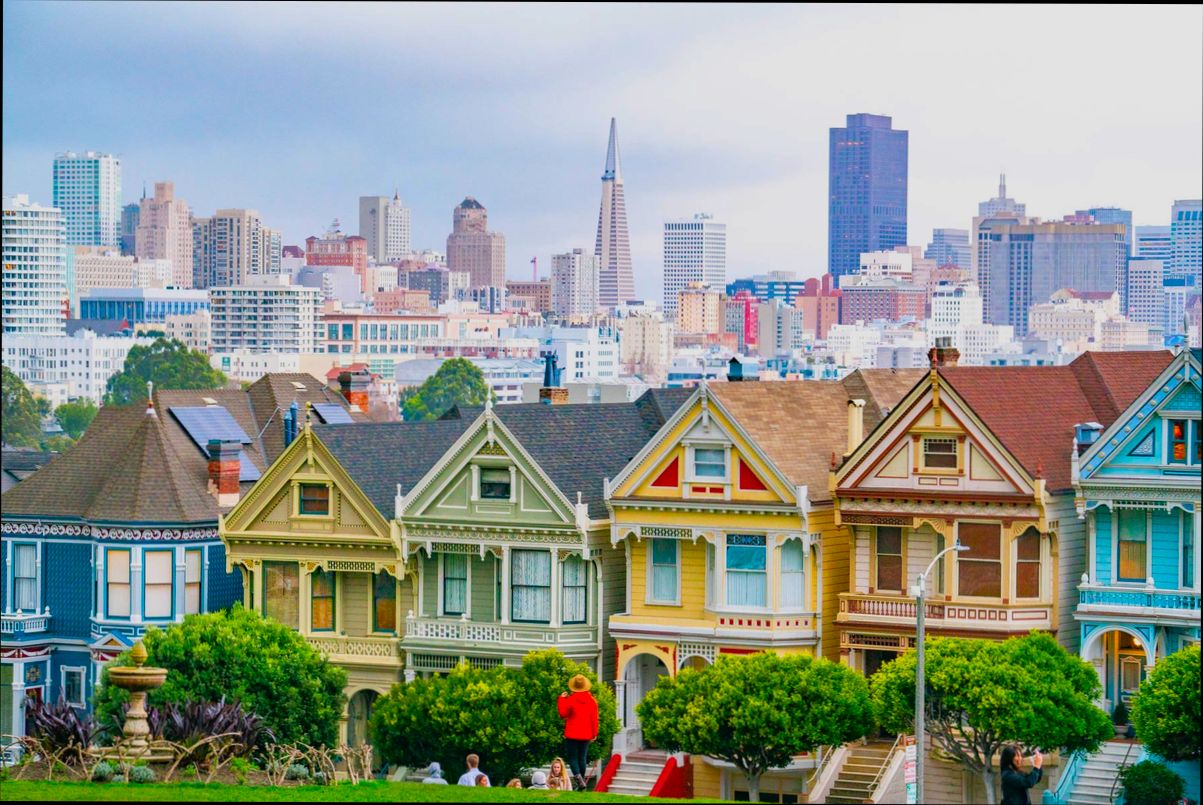
Pros and Cons of Living in San Francisco CA are front and center if you’re considering making the City by the Bay your home. On the plus side, you’ve got iconic views, vibrant neighborhoods, and a tech scene that’s the envy of the world. Just think about it: you can stroll through Golden Gate Park, munch on artisan sourdough bread at Fisherman’s Wharf, or catch a Giants game at Oracle Park. Plus, you’re never more than a short drive from stunning coastal scenery or the wine country of Napa Valley. The job market is sizzling too, with an average salary around $112,000, driven largely by that booming tech industry.
But hold on—life in San Francisco isn’t all sunshine and rainbows. That breathtaking beauty comes with a hefty price tag, making it one of the most expensive cities in the U.S. You could drop over $1.5 million for a two-bedroom house in the city’s core, and rent prices are just as eye-popping. Let’s talk about public transportation too; while BART and Muni can get you around, delays and maintenance issues can make you question your sanity every time you hop on the train. With a population of over 880,000 and a growing homeless crisis, the social landscape is undeniably complex. So, it’s a mixed bag, no doubt!
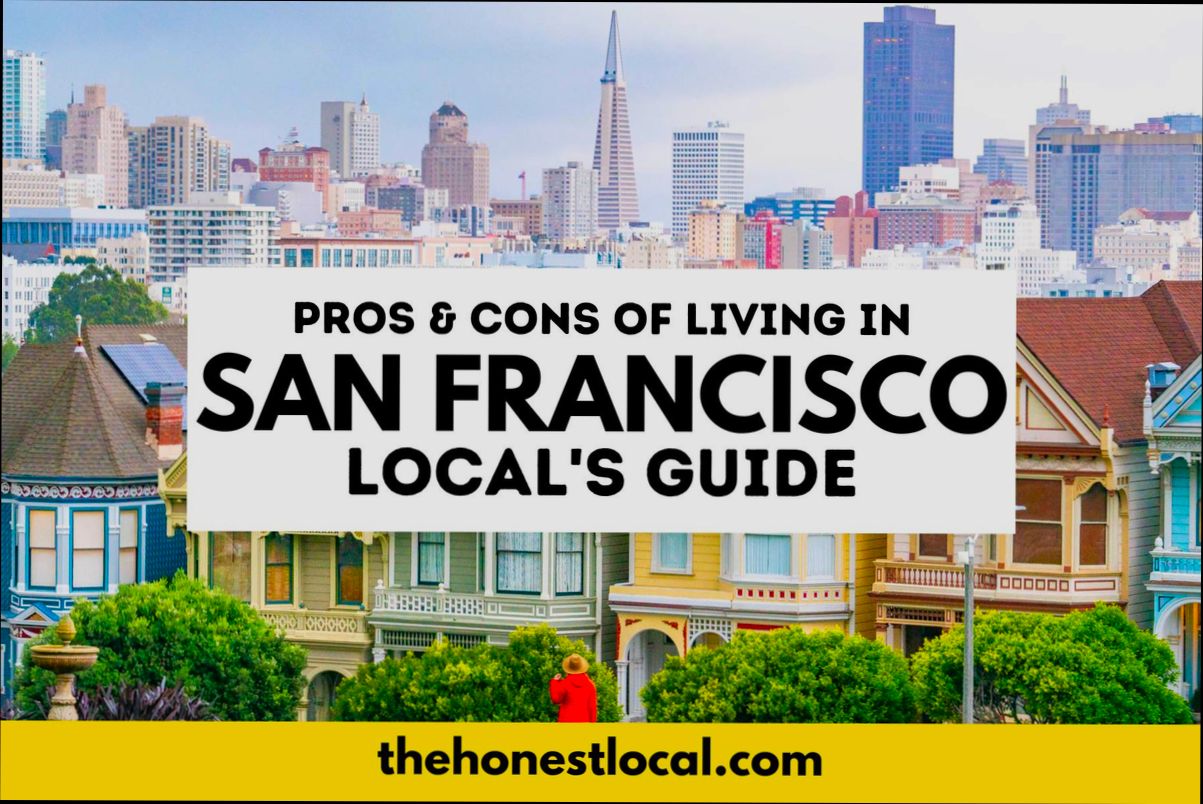
Cost of Living Analysis in San Francisco
Living in San Francisco often comes with a hefty price tag, making the cost of living a hot topic among residents and newcomers alike. In this section, I’ll delve into the specifics of what it costs to live in this iconic city, breaking down living expenses that you need to consider when making your decision.
Key Components of Cost of Living
When assessing the cost of living in San Francisco, several critical components come into play:
- Housing: The median home price in San Francisco recently reached around $1.5 million, while renting a one-bedroom apartment averages about $3,400 per month.
- Groceries: Expect to spend roughly 25% more on groceries compared to the national average, with a single person’s monthly grocery bill averaging around $400.
- Transportation: Public transportation options like MUNI and BART average around $100 per month, but owning a car can significantly increase your costs due to parking and insurance—often exceeding $300 monthly.
A Comparative Look at Cost of Living
| Expense Category | San Francisco | National Average | Difference |
|---|---|---|---|
| Housing (Rent) | $3,400/month | $1,400/month | +143% |
| Groceries (per month) | $400 | $320 | +25% |
| Transportation | $100 | $80 | +25% |
| Dining Out (per meal) | $20 | $15 | +33% |
Real-World Examples
Let’s look at a couple of case studies that highlight the financial realities in San Francisco:
- Sarah and John: A couple living in the Mission District spend about $4,200 monthly on rent for a two-bedroom apartment. Despite their lucrative tech jobs, they find that their expenses quickly add up when factoring in dining out and leisure activities.
- Tom: A recent graduate who took a job in downtown San Francisco lives in a one-bedroom apartment in the Tenderloin, shelling out nearly $3,200 per month. He limits his grocery shopping to local ethnic markets to save money, highlighting a common strategy among residents to navigate high prices.
Practical Implications for Residents
As you consider moving to or living in San Francisco, think about how these costs can affect your lifestyle:
- Budget Accordingly: Create a budget that reflects the high cost of housing and food, aiming to allocate at least 30% of your income towards housing to maintain financial stability.
- Consider Neighborhoods: Evaluate neighborhoods based on your budget. Areas like the Richmond or Sunset District offer somewhat lower rents compared to the more expensive downtown locales.
- Transport Options: Utilize public transportation when possible. It not only saves money but also avoids the hassles of parking and traffic costs associated with car ownership.
Actionable Advice on Living Costs
To best navigate the financial landscape in San Francisco, consider the following tips:
- Negotiate Rent: If you’re moving into a rental space, don’t hesitate to discuss potential rent adjustments or incentives with landlords.
- Embrace Budget Shopping: Shop at local markets and wholesalers to help cut down on grocery costs.
- Explore Side Income Options: If living costs strain your budget, think about freelance work or side gigs that can supplement your income in this vibrant, opportunity-rich city.
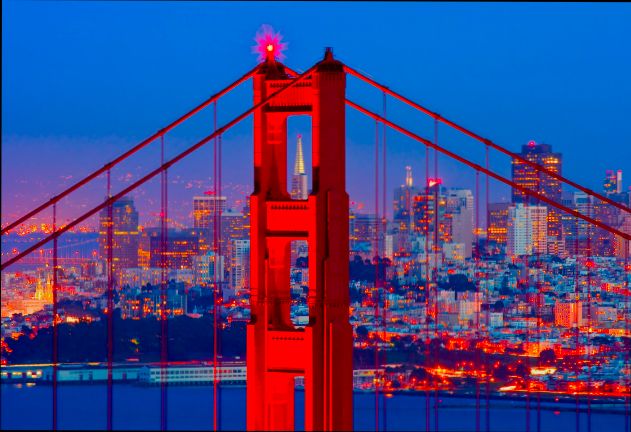
Employment Opportunities in the Tech Hub
Living in San Francisco positions you right in the heart of the tech industry, offering a plethora of employment opportunities. If you’re looking to break into tech or advance your career, this city presents unique prospects that can keep you engaged and challenged.
Booming Job Market
- In the tech sector, projections indicate that the workforce will grow at a rate twice that of the overall U.S. workforce within the next decade. This explosive growth hints at vast employment opportunities in various IT roles.
- According to the U.S. Bureau of Labor Statistics, companies plan to recruit IT technical roles aggressively in 2025, showcasing the demand for talent in areas like software development, IT services, and telecommunications.
Average Salaries in Tech
Here’s how San Francisco stacks up in terms of average annual salaries for software developers compared to other locations:
| Location | Average Annual Salary (2024) |
|---|---|
| San Francisco | $135,000 |
| New York City | $120,000 |
| Austin | $110,000 |
| Seattle | $115,000 |
- As illustrated, San Francisco continues to offer competitive salaries, making it an attractive option for tech professionals. This financial edge can significantly improve your quality of life, despite the higher living costs.
Employment Security
- Although the tech industry has seen layoffs in recent years, they are stabilizing. As of the first half of 2024, the number of tech layoffs is projected to decrease. This suggests that companies are beginning to stabilize their workforce after the unpredictable shifts of previous years.
- Research indicates that the average time to fill technical positions worldwide is becoming shorter, which can mean quicker job transitions and opportunities for job seekers.
Real-World Examples
Consider companies like Google and Salesforce based in the Bay Area, both continuing to expand their workforce. Google, for instance, has focused on roles in cloud computing and artificial intelligence, aiming to draw the best talent in these emerging fields. Meanwhile, Salesforce has highlighted plans to hire 15,000 new employees in the upcoming year, particularly in sales and technical support, showcasing the robust growth within the tech realm.
Practical Implications
If you decide to pursue a tech career in San Francisco, here are a few actionable insights you might consider:
- Networking: Utilize local meetups and tech conferences to build connections; this is crucial in a market that values referrals.
- Skill Development: Focus on enhancing in-demand skills, such as cloud computing and AI, as these fields are expected to see significant growth.
- Stay Updated: Follow industry trends and salary reports regularly to negotiate better job offers effectively.
Key Facts to Remember
- With an anticipated growth rate of skilled tech jobs forecasted at twice that of other sectors, now is the ideal time to enter the tech job market in San Francisco.
- The competitive salary landscape offers a substantial financial incentive, potentially making sacrifices in living expenses worthwhile.
- Embrace continuous learning to stay relevant, as the tech landscape is ever-evolving, with many companies keen to hire innovative minds.
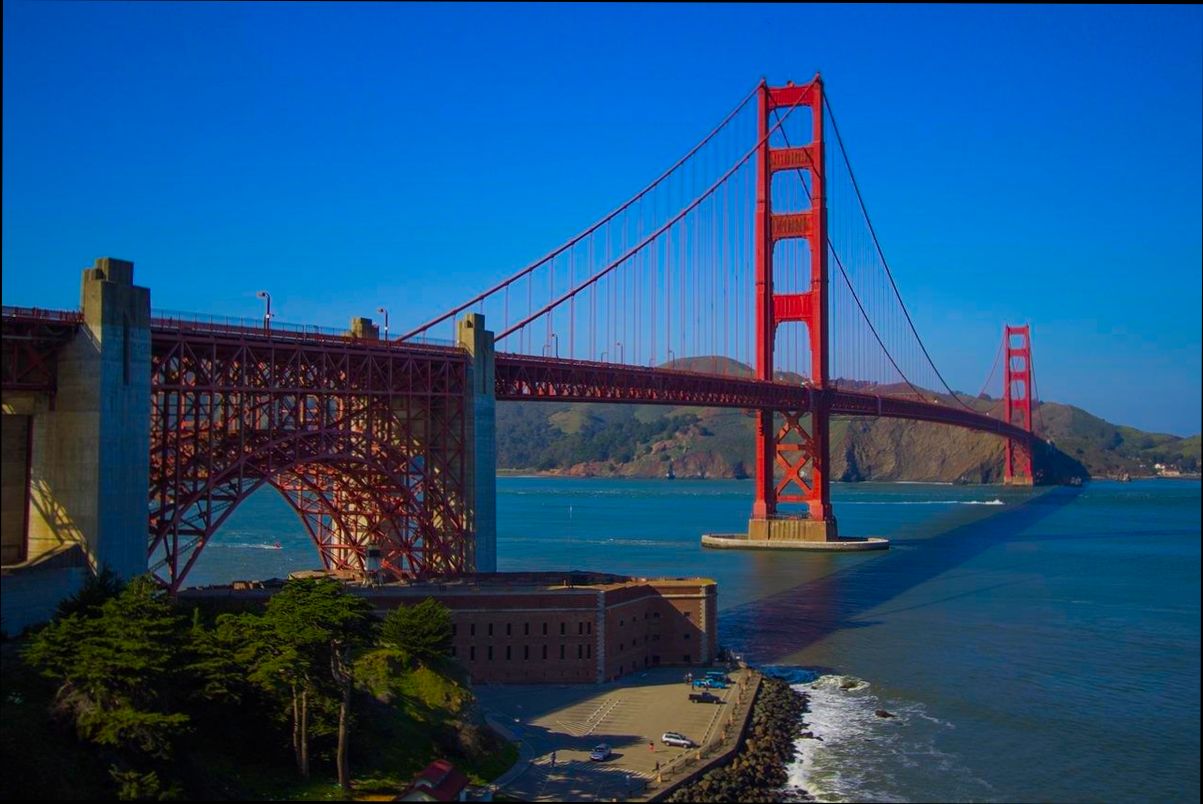
Cultural Diversity and Community Life
San Francisco is a vibrant tapestry woven together by diverse cultures and rich community life. As you navigate through the city, you’ll encounter a variety of neighborhoods that each contribute their unique flavor, enhancing the overall experience of living here.
A Melting Pot of Cultures
San Francisco stands out as one of the most diverse cities in the United States, with nearly 40% of its residents identifying as part of a racial or ethnic minority group. This blend creates a cultural richness that resonates throughout the city. The celebration of different traditions and holidays—including Lunar New Year, Diwali, and Pride Month—demonstrates this cultural mosaic in action.
Neighborhood Diversity
Different neighborhoods reflect varied cultural stories and backgrounds. For instance, the Mission District is known for its vibrant Latino culture, while Chinatown boasts a mix of history and contemporary Chinese heritage, serving as one of the oldest and largest Chinatowns in North America. Each community contributes to San Francisco’s unique residential experience.
| Neighborhood | Cultural Focus | Population Percentage |
|---|---|---|
| Mission District | Latino and Hispanic | 50% |
| Chinatown | Chinese and Asian | 25% |
| Japantown | Japanese | 10% |
| Tenderloin | Diverse, LGBTQ+ | 30% |
Engaging Community Events
Community life in San Francisco thrives on inclusive events that celebrate its diversity. Each year, events like the San Francisco Black Film Festival and Folsom Street Fair bring people together, fostering understanding and connection among different cultures. These events not only enrich our experiences but also promote social harmony and community pride.
Real-World Examples
Take the success of the Bay Area International Dance Festival, for example. It features artists from multiple cultural backgrounds, showcasing their unique dance styles and traditions. Events like this not only support local artists but also help residents learn and appreciate diverse forms of expression.
Additionally, food festivals highlight San Francisco’s culinary diversity, with pop-up events dedicated to global cuisines, allowing you to savor dishes from around the world without leaving the city.
Practical Implications
Living in such a diverse city offers you numerous opportunities for personal growth and cultural learning. Engaging with different communities can enhance your social circle, providing you with friendships that might differ drastically from your own background. Consider volunteering in community projects; it’s a fantastic way to meet people while contributing positively to the vibrant culture around you.
Actionable Insights
- Participate in local events to experience the city’s cultural diversity firsthand.
- Explore different neighborhoods to get a genuine taste of their unique traditions and community life.
- Join community groups that celebrate various cultures to expand your connections and understanding of the multicultural environment.
This cultural diversity enriches our community life, making San Francisco a place where exploration and learning never truly end.
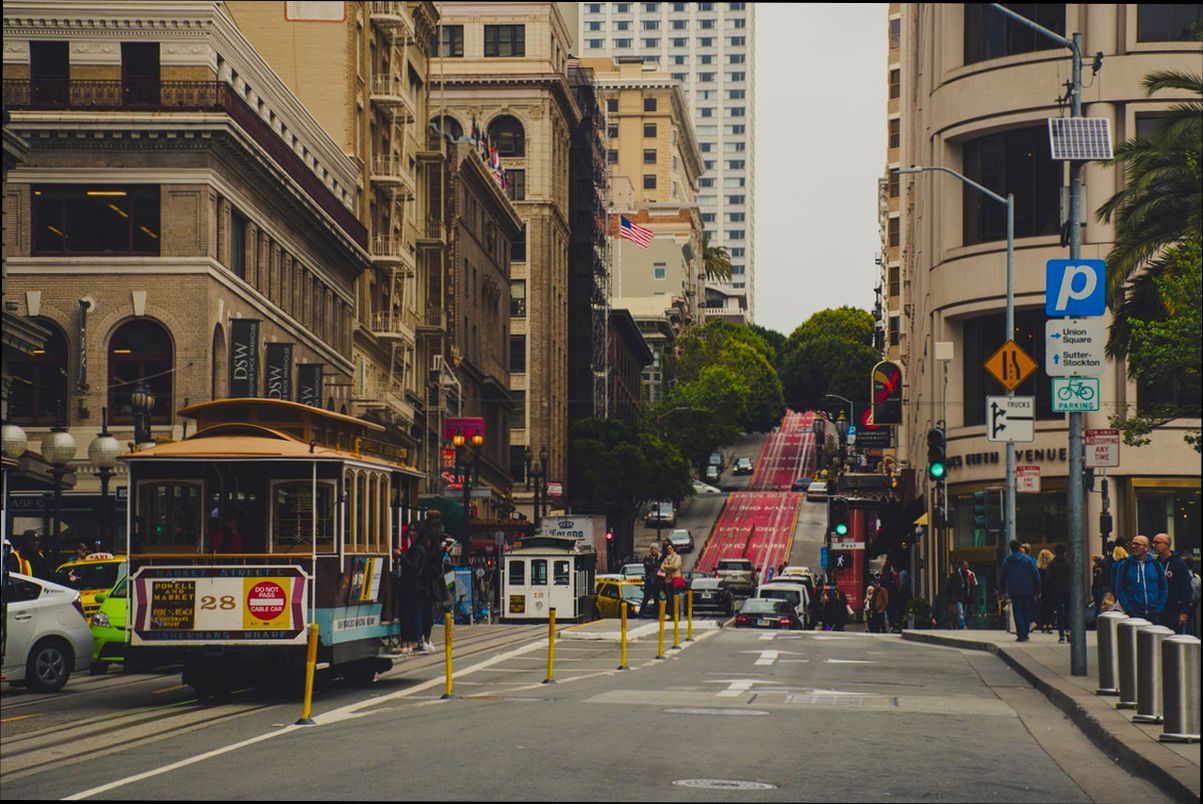
Weather Patterns and Their Impact on Residents
Weather in San Francisco is a fascinating mix that can significantly influence your day-to-day life. The city’s famous microclimates mean that the weather can vary dramatically from one neighborhood to another and even throughout the day. Understanding these patterns allows you to adapt and enjoy the benefits while being mindful of potential challenges.
Temperature and Fog Influences
San Francisco experiences mild temperatures year-round, with averages ranging from 50°F in winter to around 65°F in the summer. However, the arrival of the “marine layer,” a thick fog, can usher in cooler temperatures and damp conditions, particularly during summer months.
- Summer Fog: Approximately 20% of summer days are typically foggy, particularly in June and July, leading to chilly evenings.
- Temperature Variations: Neighborhoods like the Mission District may see much warmer climates compared to the cooler temperatures of the Outer Sunset.
Rainfall Patterns
Though often referred to as a “dry climate,” San Francisco can see its fair share of rain during the winter months:
- Rainfall averages around 22 inches annually, with most precipitation occurring from November to March.
- Rainy Days: On average, there are nearly 40 rainy days each year, primarily distributed throughout winter.
This can affect your lifestyle choices, from planning outdoor activities to making decisions about home maintenance.
Wind Conditions
San Francisco is known for its breezy, windy conditions, especially near the coast. The winds can create cooling effects or significant discomfort during outdoor activities.
- Average Wind Speed: The city averages about 13-15 mph winds throughout the year, with even stronger gusts near the bay, especially in spring and summer.
- Impact on Outdoor Activities: Residents need to be prepared for potential changes in their plans due to sudden wind.
| Weather Factor | Average Measurement |
|---|---|
| Average Temperature (°F) | 50°F - 65°F |
| Annual Rainfall (inches) | 22 inches |
| Average Rainy Days | 40 days |
| Average Wind Speed (mph) | 13-15 mph |
Real-World Examples
Consider a local resident preparing for summer activities in Golden Gate Park. If they don’t check the forecast and head out without a jacket, they may be caught off-guard by unexpected fog and chill. Similarly, someone planning to host an outdoor gathering should be aware of the average wind speeds that could affect their plans.
Practical Implications
As residents of San Francisco, we must adapt our lifestyles to accommodate these distinctive weather patterns. Here are a few actionable steps:
- Dress in Layers: Given the temperature shifts throughout the day, dress in layers to stay comfortable.
- Plan Activities Accordingly: Keep an eye on the forecast, especially regarding fog and wind, to make the most of your outdoor experiences.
- Prepare for Rain: Ensure your home is water-resistant, particularly in areas prone to run-off during heavy rains.
By familiarizing yourself with San Francisco’s weather patterns, you can enjoy all the city has to offer while being prepared for its unique challenges.
Public Transportation Efficiency and Accessibility
Public transportation in San Francisco serves as a backbone for daily commutes and adventures across the city. Understanding its efficiency and accessibility can greatly influence your living experience here. Let’s delve into how well the public transit system works and what it means for residents.
Key Components of Efficiency
- Transit Time: On average, Muni buses and streetcars operate with a 74% on-time performance rate during peak hours. This means that most of the time, you can rely on the system to get you where you need to go without significant delays.
- Frequency: During weekdays, many Muni lines run every 10-15 minutes, ensuring that you won’t be left waiting at the stop for long.
- Coverage: Muni covers over 50 square miles, providing access to various neighborhoods, making it convenient for you to explore the city without a car.
| Service | Coverage Area | On-Time Performance | Frequency (Weekdays) |
|---|---|---|---|
| Muni | 50+ square miles | 74% | Every 10-15 minutes |
| BART | Bay Area | 95% | Every 15 minutes |
Accessibility Features
San Francisco has made notable strides in improving accessibility throughout its public transit system.
- ADA Compliance: About 90% of Muni stops are wheelchair accessible, making it much easier for individuals with mobility challenges to navigate the city.
- Real-time Information: Muni provides real-time updates via its app, which enhances the travel experience, allowing you to plan your journey effectively.
- BART Accessibility: BART stations are equipped with elevators and ramps, and they have facilities for the visually impaired, fostering a more inclusive environment.
Real-World Examples
Case studies illustrate the importance of efficient public transportation:
- Commute to Work: Sarah, a tech professional, uses Muni to commute. Living in the southeastern part of the city, she finds the system’s reliability essential, as she often arranges meetings throughout different neighborhoods, reducing the need for a car.
- Tourist Access: When visitors come to San Francisco, they often rely on BART from the airport. The fast, direct route to downtown highlights how public transit can be both efficient and user-friendly, showcasing the city to newcomers seamlessly.
Practical Implications for Residents
Understanding public transit efficiency and accessibility allows you to:
- Choose Locations Wisely: Living near a Muni stop or BART station can dramatically reduce your commuting time and increase your connectivity to the rest of the Bay Area.
- Travel Costs: Use your knowledge of the system to minimize transportation costs. Regular use of public transport can help you save significantly on gas and parking fees.
- Stay Informed: Download transit apps and sign up for alert notifications for service changes, which will keep you prepared for any disruptions in your daily commute.
Actionable Advice
To maximize your experience with San Francisco’s public transportation:
- Plan Ahead: Use transit apps to check schedules and real-time arrivals before heading out.
- Explore Alternatives: Consider using your bike with Muni’s bike racks to combine transport methods for further reach.
- Take Advantage of Discounts: Look into Clipper Card options for discounted fares if you plan to use public transport frequently, allowing for a more budget-friendly lifestyle.

Housing Market Trends and Affordability
As we delve into the housing market trends and affordability in San Francisco, you’ll find that these factors significantly shape the living experience in this dynamic city. The competitive landscape offers insights into not just the costs associated with buying or renting, but also the underlying trends that may affect you if you’re considering a move here.
Current Housing Market Trends
San Francisco’s housing market maintains a reputation for being one of the most competitive in the country, with notable trends emerging in recent years. Some key observations include:
- Increasing Rental Rates: Rent prices continue to rise, with a recent average rent for a one-bedroom apartment clocking in at around $3,500 per month.
- Market Activity: Listings in the city often attract multiple offers, resulting in properties selling for over the asking price. In the past year, nearly 35% of homes sold went for at least 5% more than their listed price.
- Vacancy Rates: The city’s vacancy rate hovers around 4%, which is lower than the national average. This indicates a strong demand for housing, putting additional pressure on affordability.
Comparative Overview of Housing Costs
To give you a clearer picture, let’s compare different housing options in San Francisco:
| Housing Type | Average Monthly Cost | Median Home Price | Percentage Increase (Year-over-Year) |
|---|---|---|---|
| One-Bedroom Apartment | $3,500 | $1.5 million | 7% |
| Two-Bedroom Apartment | $4,500 | $1.8 million | 5% |
| Single-Family Home | N/A | $2 million | 6% |
Real-World Examples
Consider the case of a young professional relocating to the city. They might find that despite their higher-than-average salary, the high demand and competitive bidding wars push them towards renting as home buying proves daunting. A recent story highlighted a couple who lost out on three consecutive bids for homes in their price range, ultimately opting to settle for a two-bedroom rental instead.
Another observation worth noting is how tech companies’ growth directly influences housing affordability. As the tech sector expands, it continues to contribute to soaring home prices, leaving many potential first-time buyers in a challenging position.
Practical Implications
Understanding these trends is crucial for anyone considering a move to San Francisco. If you’re planning to rent, knowing that rental prices have a history of rising annually can influence your budget planning.
For potential homebuyers, it’s essential to:
- Monitor Market Trends: Keeping a close eye on the market can help you identify the best time to buy.
- Explore Different Neighborhoods: Some neighborhoods may still offer more affordable options while still being accessible.
- Consider Shared Ownership Models: Exploring community land trusts or shared equity programs might provide alternative pathways into homeownership.
Take note—if you decide to make a move, being proactive and informed about these trends will be paramount in navigating the San Francisco housing market.
Quality of Education and Schools Overview
San Francisco’s education system is characterized by a blend of public and private institutions, offering various options for families. Understanding the quality of education here can greatly impact your decision to move to this bustling city. Let’s explore the strengths and challenges of the school system, examining specific quality metrics, notable institutions, and actionable insights.
Key Features of the Education System
- Diverse Schools: San Francisco is home to approximately 115 public schools under the San Francisco Unified School District (SFUSD). Additionally, there are numerous private schools that cater to different educational philosophies, including Montessori and Waldorf programs.
- Graduation Rates: The graduation rate for the SFUSD is around 82%, which is slightly above the national average, showcasing the district’s commitment to keeping students engaged and on track.
- Performance Metrics: According to recent assessments, students in San Francisco perform well on standardized tests, achieving scores above the state average in both English Language Arts and Mathematics.
Academic Performance Overview
| School Type | Average API Score | Percentage of Students Meeting Standards |
|---|---|---|
| Public Schools | 757 | 65% |
| Private Schools | 810 | 85% |
Notable Institutions
A few schools stand out within the San Francisco education landscape:
- Rudyard Kipling Elementary School: Known for its focus on arts integration, it has gained a reputation for high engagement and achievement among its students. The school received an API score of 794, demonstrating its commitment to quality education.
- San Francisco Day School: This private institution emphasizes a holistic and well-rounded education, which includes significant extracurricular activities. Its students consistently perform above local and national averages on standardized assessments.
Practical Implications for Families
When considering a move to San Francisco, evaluate the educational options based on your child’s needs:
- Visit Schools: Schedule visits to schools you are interested in. This provides a chance to observe the environment and chat with teachers and administrators.
- Consider Class Sizes: Many private schools offer smaller class sizes, leading to more individualized attention for students, which can be beneficial for academic performance.
- Engage with Parent Communities: Connecting with local parent groups can provide valuable insights into the school culture and overall experience.
Actionable Insights for Families
- Explore School Ratings: Websites like GreatSchools.org can provide detailed ratings, reviews, and insights into school performance.
- Evaluate Extracurricular Opportunities: Consider schools that offer strong extracurricular programs, as these can enhance your child’s educational experience. A diverse range of activities can foster social skills and personal growth.
- Utilize School District Resources: The SFUSD offers numerous resources for families, including school choice guides, enrollment procedures, and support services, which are crucial to ensuring you make the best decisions for your child’s education.
By taking the time to explore the educational opportunities in San Francisco, you can find a school that aligns with your family’s values and your child’s learning style, enhancing your overall living experience in this vibrant city.