
How long does a home inspection take? If you’re buying a house, this is a question that’s likely lingered in your mind. On average, a standard home inspection can take anywhere from 2 to 4 hours, depending on the size and condition of the property. For instance, a cozy 1,200-square-foot bungalow might zip through in about two hours, while a sprawling 4,000-square-foot home could stretch the process closer to four hours or even longer. Factors like the number of bathrooms, the age of the house, and any accessibility issues can all play a role in how long your inspector will need to thoroughly assess the property.
Remember the last time you took a closer look at a somewhat older home with charming but worn features? An inspector might spend extra time checking out those quirky plaster walls or the vintage plumbing. On the flip side, a brand-new construction with shiny appliances could cruise through the inspection. So, whether you’re eyeing that historic gem or a sleek modern dwelling, it’s good to keep in mind that every home tells its own story, and the inspection time reflects that unique narrative.
Average Duration of Home Inspections
Understanding the average duration of home inspections can help you prepare better and manage your time effectively if you’re buying or selling a home. The time an inspection takes primarily hinges on several factors including property size, condition, and the types of inspections being performed.
Key Factors Influencing Duration
1. Size of the Property: Smaller homes like condos can typically be inspected in about 1.5 to 2.5 hours, while larger homes may require significantly more time, generally around 2.5 to 4 hours.
2. Age and Condition: Older homes, often laden with unique challenges, can take longer to inspect due to the need for extra attention in areas like plumbing and electrical systems.
3. Type of Inspection: Different inspections vary drastically in duration. For example, a 4-point inspection takes approximately 1 hour, while a new construction inspection stretches to about 2.5 to 4 hours.
4. Accessibility: If critical areas like attics or crawlspaces are difficult to access, the inspection process can extend beyond normal expectations.
Comparative Table of Inspection Durations
| Inspection Type | Average Duration |
|---|---|
| 4-Point Inspection | About 1 hour |
| Wind Mitigation Inspection | 30 to 45 minutes |
| Mold Inspection | 1.5 to 2.5 hours |
| Sewer Scope Inspection | 1 to 1.5 hours |
| Warranty Inspection (11-Month) | 2.5 to 4 hours |
| Pre-Drywall Inspection | 1.5 to 3 hours |
| New Construction Inspection | 2.5 to 4 hours |
| Deck Inspection | 30 minutes to 1 hour |
Real-World Examples
For instance, a recent case involved a new construction inspection for a 3,000-square-foot home that took 3.5 hours. The inspector noted that the added complexity of multiple systems meant numerous points of evaluation, extending the time needed. Conversely, a wind mitigation inspection on a smaller, single-story home was completed in just 35 minutes, highlighting how property features directly impact inspection duration.
Another example is a mold inspection where the home had visible signs of moisture. The inspector dedicated 2 hours, spending extra time in areas of concern to ensure that moisture levels were properly assessed and that samples were collected for laboratory analysis.
Practical Implications
When scheduling a home inspection, consider that increasing accessibility can significantly streamline the process. Ensuring that attic spaces and crawlspaces are free of clutter can reduce inspection times. If you’re managing a rental property and need multiple inspections, like mold and sewer, you might bundle them to save both time and potentially costs.
Actionable Advice
- Plan ahead by making all critical areas accessible and clean.
- Accompany the inspector during the inspection to ask questions and gain insights on any specific concerns.
- Familiarize yourself with the typical duration for the type of inspection you need so you can better allocate your time and resources.
Factors Influencing Inspection Length
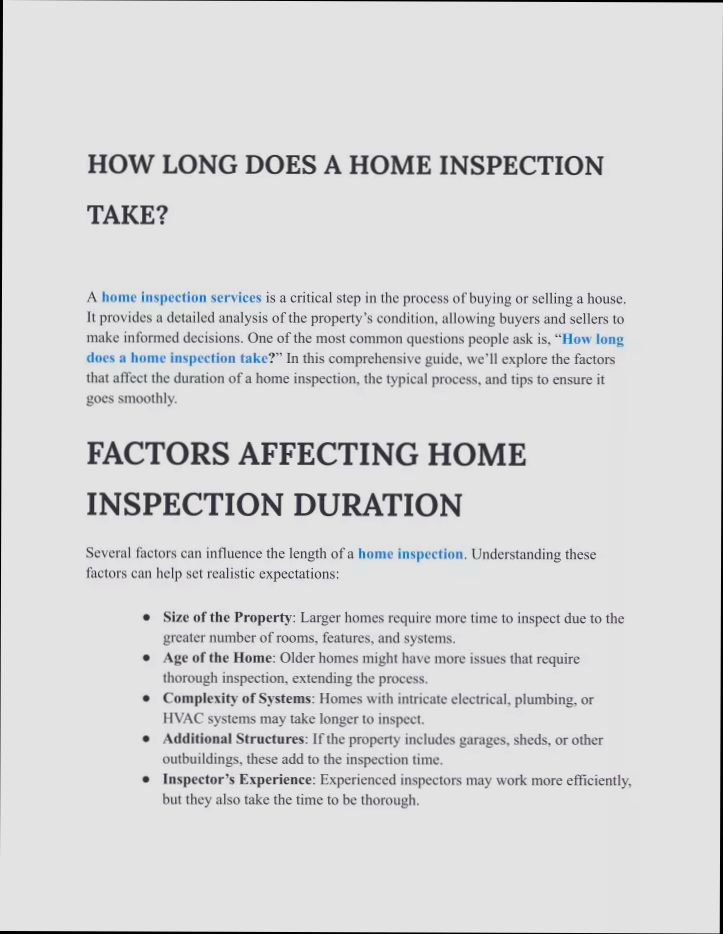
When it comes to home inspections, several factors can significantly impact how long the process will take. Understanding these factors not only helps you prepare for the inspection but also allows you to manage expectations effectively. Let’s delve into the nuances that contribute to the variation in inspection duration.
Property Size and Layout
One of the most significant factors affecting inspection length is the size and layout of the property. Generally, larger homes take more time to inspect. Here are some insights:
- Footage: A typical single-family home under 2,500 square feet usually requires about 2 to 3 hours for inspection. In contrast, homes over 5,000 square feet can take 4 to 6 hours or longer.
- Stories: Multi-level homes may have additional complexities, adding extra time for inspectors to assess each level thoroughly.
Age and Condition of the Home
The age and overall condition of the home also play a crucial role:
- Older Homes: Homes built before 1970 often have outdated systems and structures, leading to longer inspections as inspectors may need to conduct more detailed evaluations. According to the National Association of Certified Home Inspectors, inspections of older homes can take up to 25% longer.
- Repairs and Renovations: If the home has had extensive renovations or repairs, an inspector may need additional time to verify the quality and compliance of the work done.
Accessibility of Areas
The accessibility of different parts of the home can significantly affect inspection duration:
- Crawl Spaces and Attics: If these areas are cramped or obstructed, accessing them can take longer, adding to the overall inspection time. Some inspectors report that difficult accesses can add 30 minutes or more to the inspection.
- Exterior Features: Houses with extensive landscaping or large decks may require more time for thorough evaluation, particularly in checking for water damage or structural issues.
Weather Conditions
Weather can impact the speed of an inspection in several ways. For example:
- Rain or Snow: Bad weather can slow down the inspection process, especially for exterior assessments. Insurers have noted that wet conditions can lead to a 15% increase in inspection time due to safety measures and thorough checks for weather-related issues.
- Temperature Extremes: Inspections in extreme cold or heat may require additional time due to the need for more careful evaluations of HVAC systems or roof conditions.
Comparative Table of Factors Influencing Inspection Length
| Factor | Influence on Duration | Example Impact |
|---|---|---|
| Property Size | +1 hour per 1,000 sq ft | 3,500 sq ft home: additional 2 hours |
| Age of Home | +25% for homes built before 1970 | Older homes requiring more checks |
| Accessibility | +30 minutes or more | Limited crawl space access |
| Weather Conditions | +15% in poor weather | Inspections delayed in rainy weather |
Real-world Examples
Let’s look at some real-world examples illustrating these factors:
1. Large Family Home: A family purchased a 3,800 sq ft home, and their inspection took 4 hours due to both the size and having multiple stories. The inspector explained that the added time was needed to ensure thorough checks on all levels.
2. Historical Property: An inspector detailed that inspecting a 100-year-old property took significantly longer—about 3 hours more—than a standard inspection due to the need to assess outdated plumbing and electrical systems carefully.
Practical Implications
As you’re preparing for a home inspection, consider these influencing factors:
- Be aware that the size and age of the property can dramatically extend inspection times, and be ready for possible delays.
- If you’re dealing with a property that may have accessibility challenges, inform your inspector ahead of time. This foresight can help them allocate sufficient time for the job.
- Prepare for potential weather-related delays, especially during times of significant rain or heat, as this could prolong the inspection process.
Informed decisions about when to schedule your inspection and how to prepare can ease the process. Understanding these factors helps ensure that both you and the inspector are ready for whatever may come your way.

Real-World Scenarios and Timeframes
When planning for a home inspection, understanding the real-world scenarios that can affect timing is crucial. Various factors come into play, from the type of property being inspected to unforeseen conditions that may arise during the inspection process.
Key Influencers on Inspection Timing
1. Property Type and Condition: Different types of properties have distinct complexities. For example, a single-family home typically takes 2-3 hours, but a condo or a multi-family building may vary based on shared systems and common areas.
2. Market Conditions: In fast-moving markets, inspections may need to be rushed to meet buyer demands. This can compress inspection schedules, potentially leading to less thorough assessments if time is constrained.
3. Inspection Findings: If an inspector discovers significant issues, they may spend additional time documenting these concerns or conducting further checks, which can extend the inspection duration.
Estimated Timing Based on Scenarios
| Property Type | Average Time Required | Variables Affecting Time |
|---|---|---|
| Single-Family Home | 2-3 hours | Size, age, condition |
| Condo | 1.5-2.5 hours | Shared systems, HOA regulations |
| Multi-Family Building | 3-5 hours | Number of units, inspections per unit |
| Older Homes | 3-4 hours | Potential hidden issues |
Real-World Examples
- In a recent scenario, a home buyer faced a tight schedule in a competitive housing market. The home inspector had only 2 hours to conduct a thorough examination which resulted in a need for a follow-up inspection later due to overlooked areas. This illustrates how time constraints can impact the thoroughness of an inspection.
- Another case involved an older property that took nearly 4 hours due to its age. The inspector had to check for outdated wiring, plumbing, and roofing issues, demonstrating how significant factors like age or past renovations can extend the inspection timeframe.
Practical Implications for You
- Timeliness Matters: Be prepared for possible time extensions if the property is older or involves complex systems. Allocate extra time when planning your schedule.
- Inspection Strategy: Consider the market condition. In a competitive environment, hiring a speedy, reliable inspector could save you from needing additional inspections later.
- Preparation is Key: If you’re aware that your potential home may require more thorough scrutiny, discuss this with your inspector beforehand to allocate the proper time.
Actionable Advice
Stay informed about what to expect from the inspection to better prepare your schedule. Being proactive can help you avoid surprises, particularly in unique situations where the inspection might take longer than anticipated. Ensure your inspector understands your time constraints and the potential complexities of the property to make the most out of the inspection timeframe.

Statistical Insights on Home Inspection Timelines
When it comes to understanding home inspection timelines, having the right statistical insights can greatly influence your expectations and planning. Knowing the average duration, market trends, and buyer behaviors related to home inspections can help you make informed decisions throughout the home buying or selling process.
Key Insights Into Home Inspection Timelines
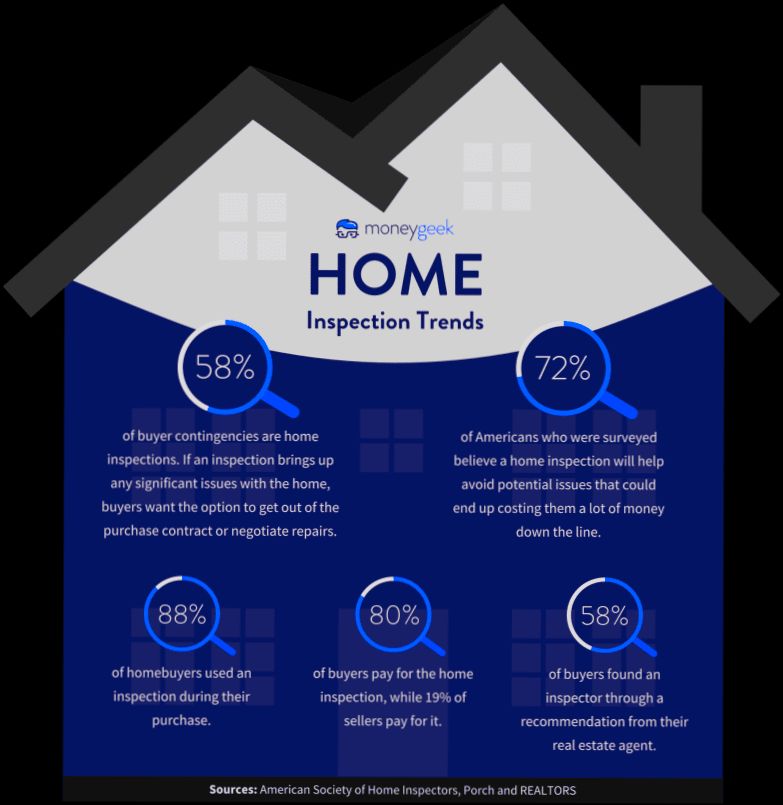
- Rapid Growth in Demand: The US home inspection market is projected to grow at a robust CAGR of 8%, reaching an impressive $25 billion by 2029. This growth indicates a rising reliance on professional inspections, which could lead to increased competition among inspectors and potentially more efficient practices.
- Home Inspection Duration Trends: On average, a professional home inspection lasts between 2 to 4 hours. However, variability exists based on property type. For example, while larger homes might take upwards of 4 hours, a straightforward inspection for a condo could be completed in just 1 to 2 hours.
- Home Buyer Behavior: A staggering 88% of home buyers utilize home inspection services, reflecting its integral role in the home buying process. Despite the pressure of competitive markets, only 14% of buyers chose to waive home inspections, emphasizing their importance.
- Inspector Retention Rates: A notable 26% of home inspectors leave the job within the first 2 years. This high turnover can affect the quality and consistency of inspections, as newly trained inspectors may take time to gain experience and efficiency in conducting thorough evaluations.
Comparative Table of Home Inspection Timelines
| State/Region | Average Time for Home Inspection | Factors Affecting Time |
|---|---|---|
| Most States | 2-3 hours | Size, age, complexity of home, inspector’s attention to detail |
| Florida | 2-4 hours | Type of inspection, additional structures, humidity |
| Washington | 2-4 hours | Size, complexity, inspector’s experience |
| Texas | 3-4 hours | Thorough inspections often extend duration |
| New York City Area | 2 hours or less | Smaller properties, high density of inspectors |
Real-World Examples
Consider a recent trend where a new wave of millennial homebuyers, who make up a significant portion of the market, are driving the demand for home inspections. This demographic has a growing awareness of the risks associated with home purchasing and typically prefers homes that have undergone thorough inspections.
Additionally, many buyers today are informed enough to select inspectors based on personal recommendations, with 14% doing so. This behavior reflects the desire for reliability and thoroughness, further impacting how inspections are conducted and how long they take, particularly if the selected inspector has a reputation for comprehensive service.
Practical Implications for Home Buyers and Sellers
Understanding these statistical insights allows you to set realistic expectations. If you’re working with your real estate agent, it’s essential to allocate sufficient time for the inspection process, considering the average duration plus potential delays from property complexity or inspector workload.
When selecting an inspector, factor in their experience and feedback from past clients which will influence the thoroughness of the inspection and potentially affect how long it takes.
Lastly, keep in mind that while inspections can be time-consuming, they are invaluable in ensuring you are making a sound investment. The peace of mind from a thorough inspection is well worth the wait.

Advantages of a Thorough Home Inspection
When it comes to buying or selling a home, a thorough inspection can provide numerous benefits that go beyond just determining the condition of the property. Understanding these advantages is essential for making informed decisions that can save you time and money in the long run.
Uncovering Hidden Issues
One of the most significant benefits of a thorough home inspection is the identification of hidden issues that may not be readily visible to the untrained eye. According to recent data, around 15% of homes inspected reveal defects in plumbing and wiring systems. These findings allow you to address potential problems before they become costly repairs, ensuring a smoother transaction.
Better Negotiation Power
Having a comprehensive inspection report empowers you during negotiations. With a detailed understanding of the home’s condition, buyers can request necessary repairs or adjustments to the purchase price. A study reveals that homes with transparent inspection results can lead to price reductions averaging 8%. This leverage can significantly impact your financial investment.
Increased Safety and Peace of Mind
Safety concerns often arise in homes that haven’t been recently inspected. In fact, approximately 25% of home inspections identify safety hazards such as outdated electrical systems, mold, or structural issues. Knowing these risks exists allows you to mitigate them promptly, ensuring a safe environment for you and your family.
| Advantage | Data Point | Impact |
|---|---|---|
| Identification of Issues | 15% of homes show defects | Prevents costly future repairs |
| Negotiation Leverage | 8% average price reduction | Enhances financial benefits for buyers |
| Safety Assurance | 25% identify safety hazards | Ensures a secure living environment |
Real-World Examples
Consider a case where a buyer was about to purchase a home without an inspection. The eventual thorough inspection revealed severe water damage in the basement due to a leaky foundation. Thanks to this insight, the buyer was able to negotiate a significant repair credit, saving thousands of dollars that could have been spent post-purchase.
Another example involved a seller who opted for a pre-listing inspection. By addressing minor roof issues beforehand, they attracted multiple offers, ultimately increasing their sale price by 10%.
Practical Implications for Home Buyers and Sellers
As you navigate the home buying or selling process, remember the value of a thorough home inspection. Here are some actionable takeaways:
- Schedule early in the process: Make inspections a priority to avoid potential pitfalls later on.
- Use findings as negotiation tools: Don’t hesitate to leverage inspection results in discussions with sellers.
- Address safety hazards proactively: Prioritize fixing issues that could pose risks to family members, ensuring a healthier living space.
Being informed about the advantages of a thorough home inspection can significantly enhance your experience in the real estate market. By understanding these key benefits, you can make strategic decisions that will impact your investment positively.

Common Areas Inspection Professionals Focus On
During a home inspection, professionals concentrate on several common areas that are critical for ensuring the property’s safety and integrity. Understanding these areas can help you make informed decisions during the buying process.
Key Inspection Areas
1. Roofing and Gutters
- Inspectors closely examine the roof’s condition, checking for missing shingles, leaks, or signs of wear.
- Proper drainage in gutters is assessed to prevent water damage.
2. Foundation and Structure
- Inspectors assess the foundation for cracks or shifting that could indicate structural issues.
- They also evaluate load-bearing walls and support beams to ensure stability.
3. Electrical Systems
- Inspectors look for outdated wiring, improper grounding, and overall safety compliance.
- They check breaker boxes and the presence of GFCI outlets in areas prone to moisture.
4. Plumbing Systems
- The focus here is on pipes, drainage, water pressure, and signs of leaks or water damage.
- Inspectors assess the age and condition of water heaters and fixtures.
5. HVAC Systems
- Inspectors evaluate heating and cooling systems to ensure they are functional and efficient.
- They check filters, ductwork, and any signs requiring maintenance.
Comparative Table of Common Inspection Areas
| Area | Common Issues Found | Inspection Frequency |
|---|---|---|
| Roofing | Leaks, missing shingles | 1-2 years |
| Foundation | Cracks, settling | Every inspection |
| Electrical Systems | Outdated wiring, unsafe outlets | 3-5 years |
| Plumbing | Leaky pipes, low water pressure | 2-4 years |
| HVAC Systems | Inefficiency, old filters | 1-2 years |
Real-World Case Studies
For example, a study highlighted that 86% of home inspections reveal issues that need to be fixed, showcasing the importance of a thorough inspection of common areas. In another instance, a buyer discovered a failing HVAC system during inspection, enabling them to negotiate repairs before finalizing the purchase. These instances emphasize the need for inspectors to focus on vital systems that can greatly affect the property’s value.
Practical Implications for Readers
As you prepare for a home inspection, familiarize yourself with these core areas. Knowing what inspectors will focus on can empower you to ask informed questions.
- Ensure accessibility to these common areas during the inspection, as it can facilitate a thorough assessment.
- Be proactive about understanding any potential concerns that might arise from these inspections, as they can significantly influence both negotiations and long-term property value.
Specific Facts to Consider
Proactive inspection of common areas like roofing and plumbing can save you significant repair costs later. Since 46% of homebuyers use inspection results to negotiate a price change, a well-documented inspection can serve as a powerful tool in your negotiations. Always request a detailed report that covers these common areas to support your future decisions regarding maintenance or price adjustments.
Tips for Preparing for an Inspection
Preparing for a home inspection might feel daunting, but a little effort can make a significant difference in the outcome. Knowing how to prep your property can streamline the process, potentially impacting the inspection duration and results.
Clean and Declutter
Before the inspector arrives, I recommend spending some time cleaning and decluttering your home. This creates a more positive atmosphere and allows inspectors to access important areas. Aim to:
- Remove any unnecessary items from rooms, closets, and hallways.
- Clear the kitchen counters and dining table.
- Ensure that the attic and basement are tidy, as these spaces are often inspected.
Statistics indicate that a well-organized environment can reduce the inspection time by about 20%.
Make Necessary Repairs
Addressing minor repairs before the inspection can prevent red flags from arising. Common areas to check include:
- Leaky faucets
- Damaged drywall
- Broken windows
Based on industry insights, addressing 70% of visible issues before an inspection can help facilitate a smoother inspection process and reduce time spent on these areas.
Ensure Accessibility
To avoid extending the inspection time, ensure that all areas of your home are easily accessible. This means:
- Unlocking gates and doors to exterior spaces.
- Making sure the inspector can reach the attic, basement, and crawl spaces without obstacles.
- Clearing pathways, especially to areas like HVAC units and water heaters.
According to inspection professionals, providing easy access can cut inspection duration by up to 15%, as it allows for quicker evaluations.
Comparative Table: Time Impact of Preparation Tasks
| Preparation Task | Estimated Time Saved on Inspection | Description |
|---|---|---|
| Cleaning and Decluttering | 20% | Reduces obstacles and allows easy navigation. |
| Addressing Minor Repairs | 15% | Fixes visible issues to minimize future concerns. |
| Ensuring Accessibility | 10-15% | Quick access leads to faster evaluations. |
Real-World Example
A homeowner in Florida reported that by repairing a few minor leaks and ensuring that the attic was tidy, they saw their inspection time drop from an expected 3 hours to just 2. They removed the clutter, which also helped the inspector to navigate quickly.
Practical Implications
For you, preparing for an inspection means being proactive. By following these tips, you not only save time but also present your home positively, potentially affecting offers and negotiations.
- A well-prepared home often leads to a smoother inspection, which can appeal to buyers and inspectors alike.
- I suggest making a checklist based on these tips to track what needs to be done before the big day.
Final Thoughts
Taking these actionable steps can drastically improve the outcome of your home inspection. Remember, being prepared isn’t just about the day of the inspection; it’s about setting the stage for success long before the first visitor arrives.