Pros and Cons of Living in Aurora, CO, are worth exploring because this vibrant city has a lot to offer—and a few quirks that might surprise you. With a population of over 386,000, Aurora is one of Colorado’s largest cities and boasts fantastic amenities, like the stunning Cherry Creek State Park, where you can hike, bike, or just relax by the water. Housing costs here are generally lower than in neighboring Denver, with median home prices around $450,000, making it a great option for families and young professionals alike. Plus, you’ll find a growing arts scene, from the Aurora Fox Arts Center to the outdoor concerts at the Central Park.
On the flip side, living in Aurora isn’t all sunshine and rainbows. The weather can be unpredictable, with chilly winters and hot, dry summers that leave some people scrambling for air conditioning. Traffic congestion can also be a hassle, especially during rush hour, as the city is located near several major highways. School quality varies, with some high-performing schools mixed in with others that don’t quite make the grade. If you enjoy diverse dining options, Aurora shines with a melting pot of flavors, but some areas might feel a bit lacking in nightlife. So, there’s definitely a balance to consider.
Cost of Living Analysis in Aurora
Understanding the cost of living in Aurora, Colorado, is crucial if you’re considering making it your new home. It encompasses a variety of factors, including housing, utilities, transportation, and general expenses that can shape your monthly budget. Let’s delve into the specifics and see what you can expect financially.
Housing Costs
Housing is typically the largest expense for anyone living in Aurora. The average home price in Aurora is approximately $482,000, which reflects a steady increase of around 8% year over year. Monthly rent for a one-bedroom apartment averages about $1,800, but you could find some options for as low as $1,400 depending on the area.
- Key Housing Statistics:
- Average home price: $482,000
- Average one-bedroom rent: $1,800
- Year-over-year increase in home prices: 8%
Utilities and Other Expenses
Utilities in Aurora can add a significant amount to your monthly budget. On average, residents pay about $190 per month for essential utilities, including electricity, heating, water, and garbage. Internet services typically run around $70 monthly, bringing the total to about $260 for basic services.
- Utility Costs:
- Average utilities/month: $190
- Average internet costs/month: $70
Transportation Costs
When considering the cost of living, transportation is another important category. Public transportation is available, with an average fare of $3 per ride. However, if you prefer driving, keep in mind that gas prices are generally around $3.70 per gallon in Aurora, which is slightly higher than the national average.
- Transportation Statistics:
- Average public transportation fare: $3.00
- Average gas price: $3.70 per gallon
| Expense Category | Monthly Average Cost |
|---|---|
| Housing (Rent) | $1,800 |
| Utilities | $190 |
| Internet | $70 |
| Transportation (Gas) | $3.70 per gallon |
Real-World Examples
To give you a clearer picture, let’s look at a couple of residents’ experiences. Jenna, a single professional, spends around $1,800 on her apartment in a popular neighborhood. Meanwhile, Jason, a family man, opted for a suburban home costing $500,000, with a monthly mortgage of about $2,400, plus additional costs for utilities and maintenance. Both find their daily expenses manageable but significantly vary based on lifestyle choices.
Practical Implications
For anyone moving to Aurora, budgeting will be key. You might want to use resources like cost of living calculators to see how your income aligns with these expenses. Setting aside an emergency fund is also wise, especially considering the fluctuating costs of utilities and transportation.
- Actionable Tips:
- Use rental websites to compare prices in various neighborhoods.
- Factor in commuting costs if you plan to work elsewhere.
- Join local community groups to gather insights on affordable services and hidden costs.
By being aware of these financial aspects, you can better prepare for your potential life in Aurora, ensuring a smoother transition and an enjoyable living experience.

Neighborhoods and Community Vibes
Living in Aurora, Colorado, offers a diverse range of neighborhoods, each with its unique character and community spirit. It’s essential to understand these local vibes to determine which area might best suit your lifestyle and preferences.
Neighborhood Diversity
Aurora boasts over 18 distinct neighborhoods, each offering varied atmospheres. For instance, areas like Tallyn’s Reach provide family-friendly environments with suburban charm and green spaces, while Del Mar Parkway offers a more urban vibe with its cafes and shops. Here’s a quick look at some popular neighborhoods:
- Sandskye: Known for its newer developments and young families.
- Cherry Creek: Offers luxury living with upscale amenities.
- Heather Ridge: Features a tight-knit community feel with golf course access.
Community Engagement
The sense of community in Aurora plays a significant role in the overall living experience. Approximately 60% of residents participate in local events, such as the Aurora Arts Festival or the annual Global Fest, where cultural diversity shines through food, music, and community activities.
| Neighborhood | Community Events Participation | Average Age of Residents | Family-Oriented Amenities |
|---|---|---|---|
| Tallyn’s Reach | 65% | 35 | Parks, schools, pools |
| Cherry Creek | 55% | 42 | Libraries, community centers |
| Del Mar Parkway | 70% | 30 | Playgrounds, walking trails |
Real-World Examples of Community Vibes
- The Aurora Town Center hosts monthly flea markets, attracting residents and fostering local business relationships. This vibrant market atmosphere allows for meeting neighbors and discovering local crafts.
- In the Sandskye neighborhood, community potlucks are common in summer, creating a relaxed environment to connect with fellow residents and share experiences.
- Cherry Creek’s Christmas Tree Lighting event transforms the neighborhood into a festive space where families gather for holiday cheer, showcasing strong neighborhood bonds.
Practical Implications for You
If you’re considering moving to Aurora, think about what type of community vibe resonates with you. Explore neighborhoods during events to gauge their energy and sense of togetherness. Engaging in community activities is an excellent way to meet like-minded people and develop a sense of belonging.
Remember to factor community involvement into your decision-making process as it can greatly impact your overall happiness and satisfaction with your new home!
It’s beneficial to take the time to visit different neighborhoods, attend community events, and interact with residents. This hands-on approach can provide deeper insights into what life in Aurora really feels like based on the community vibes each neighborhood has to offer.
Access to Outdoor Recreation Opportunities
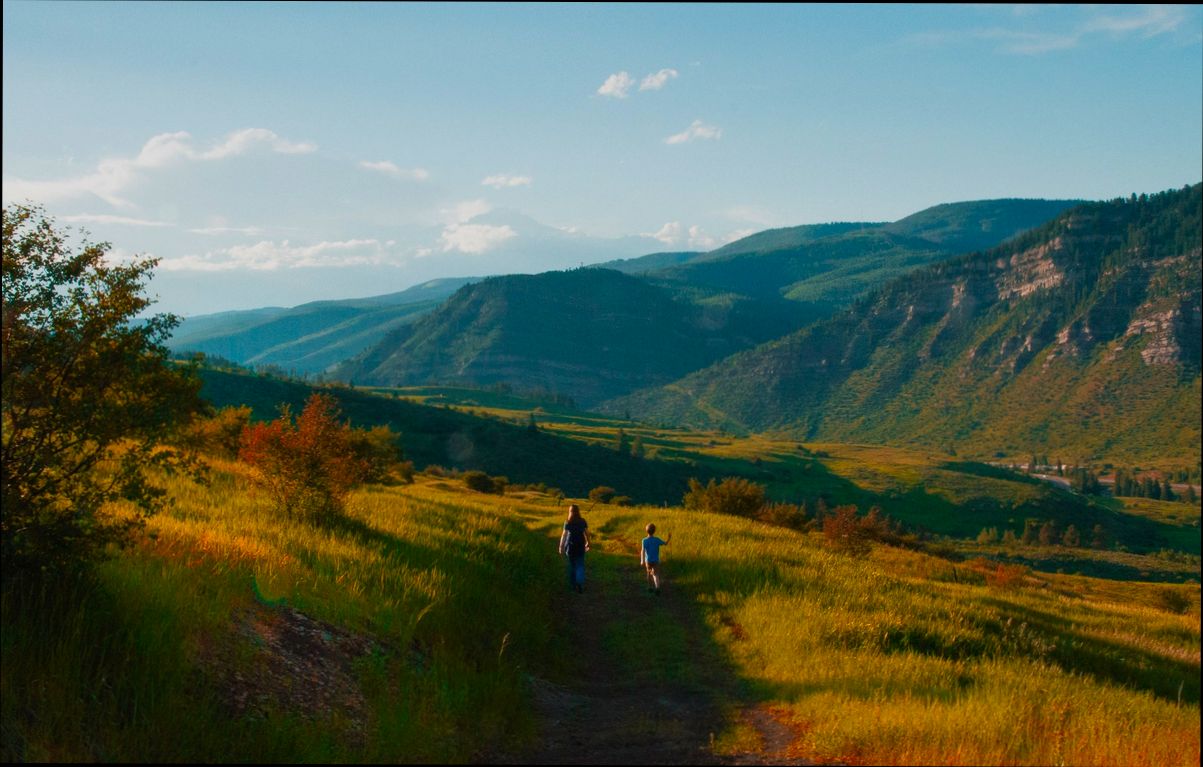
Living in Aurora, Colorado, means you’re in close proximity to numerous outdoor recreation opportunities that cater to all lifestyles. Whether you’re a nature lover, fitness enthusiast, or looking for family-friendly activities, Aurora provides various venues and spaces that make accessing the great outdoors easy and enjoyable.
Abundant Parks and Trails
Aurora is home to over 100 parks, which encompass a range of recreational facilities and scenic areas. Among these, the expansive Cherry Creek State Recreation Area offers 880 acres of lakes, trails, and picnic areas. With over 35 miles of trails, you won’t run out of options for cycling, hiking, or jogging.
Additionally, the parks feature:
- Playgrounds for children.
- Sports fields for soccer, baseball, and basketball.
- Fishing spots for anglers looking to relax by the water.
Accessibility to Nearby Mountains
Just a short drive from your front door is the stunning Rocky Mountain National Park, offering over 300 miles of trails along with breathtaking views. For outdoor enthusiasts, this proximity means access to:
1. Hiking for all skill levels.
2. Camping opportunities in designated areas.
3. Wildlife watching, including elk and bighorn sheep.
You can easily budget a weekend for mountain adventures without extensive travel, making spontaneous trips more feasible.
Comparing Local Amenities
Here’s a look at how some local recreation areas in and around Aurora compare in terms of features and access:
| Location | Size (Acres) | Trail Length (Miles) | Facilities |
|---|---|---|---|
| Cherry Creek State Recreation Area | 880 | 35 | Lakes, picnic areas, sports fields |
| Aurora Reservoir | 800 | 8 | Swimming, fishing, biking |
| Plains Conservation Center | 1,100 | 4 | Trails, educational programs |
Community-Driven Outdoor Events
Local organizations frequently host outdoor activities that encourage residents to connect with nature and each other. Events like community trail clean-ups or seasonal outdoor fitness classes engage community members and promote active lifestyles. For instance:
- Aurora’s Fitness in the Park series offers free summer yoga and Zumba classes in local parks, uniting residents and fostering community spirit.
- Seasonal events at the Aurora Reservoir involve fishing contests or triathlons that attract both locals and visitors.
Practical Considerations for Outdoor Activities
When planning your outdoor experiences in Aurora, consider these actionable insights:
- Plan Regular Visits: Make a schedule for exploring different parks and trails; this keeps variety in your routine.
- Stay Informed About Events: Follow local social media channels or community bulletins to participate in events and keep an eye out for special activities throughout the year.
- Invest in Good Gear: Quality hiking boots, bikes, or picnic supplies can enhance your outdoor experience, making it more enjoyable and comfortable.
With over 225 sunny days each year in Aurora, you have ample opportunities to soak up the sun while engaging in recreational activities. By taking advantage of the area’s outdoor offerings, you can enjoy a vibrant, active lifestyle amidst the beautiful Colorado scenery.
Educational Institutions and Their Impact
In Aurora, Colorado, educational institutions play a pivotal role in shaping the community’s landscape and influencing families’ decisions to relocate. Understanding the strengths and challenges of the local educational system can provide insight into the overall quality of life in the city.
Key Insights on Educational Institutions
- Public Education System: An impressive 94 percent of students in Aurora are educated through the public school system, showcasing the breadth of public schooling options available to residents.
- Academic Performance: Aurora’s public schools exhibit lower math proficiency scores at 24 percent, while the statewide average stands at 31 percent. This discrepancy suggests challenges that local schools face in meeting educational benchmarks.
- Reading Proficiency: The reading proficiency score for Aurora’s public schools is 39 percent, which is notably below the statewide average of 47 percent. This indicates that residents may need to strategize when it comes to educational resources and support for their children.
- State Rankings: Reviews rank Aurora’s public schools within the bottom 50 percent of school districts in Colorado, prompting families to look for alternatives or supplemental educational resources.
- Impact of Socioeconomic Factors: With a poverty rate of 10.2 percent in Aurora and over 18 percent of residents under 18 living in poverty, socioeconomic challenges can impact educational outcomes, illustrating potential disparities in access to quality education.
Educational Performance Comparison
| Metric | Aurora Public Schools | Colorado State Average |
|---|---|---|
| Math Proficiency | 24% | 31% |
| Reading Proficiency | 39% | 47% |
| Public School Ranking | Bottom 50% | - |
| Poverty Rate (overall) | 10.2% | - |
| Poverty Rate (under 18) | >18% | - |
Real-World Examples
Several families moving to Aurora may prioritize schools when selecting a neighborhood. A mother of two shared her experience of seeking additional tutoring services in math and reading due to the lower proficiency scores in local schools. Many parents in similar situations often explore nearby private education options or extracurricular programs to enhance their children’s educational experiences.
Moreover, community organizations often step in to assist families struggling with educational resources. These groups provide tutoring, mentorship, and financial support aimed at bridging the educational gap seen in public schools. For instance, a local non-profit offers after-school programs targeting literacy and math skills, helping students reach or exceed state proficiency levels.
Practical Implications for Residents
- Research Local Schools: It’s crucial for families moving to Aurora to engage in thorough research on the public schools within their prospective neighborhoods, particularly considering acute performance metrics.
- Explore Supplementary Education Options: Families may want to consider supplemental learning resources, such as after-school programs, tutoring centers, or online educational platforms, to bolster their children’s academic success.
- Engage in Community Initiatives: Participation in community organizations focused on educational improvement can create opportunities to influence local school funding and resources, ultimately improving educational outcomes.
- Connect with Other Parents: Building a network with other parents can provide insights into the best educational practices in Aurora, allowing families to share tips on enhancing learning opportunities outside the classroom.
By elevating the educational dialogue within the community and actively seeking resources and support, families in Aurora can maneuver the complexities of the local educational landscape to foster a positive learning environment for their children.

Employment Trends and Job Markets
When considering a move to Aurora, Colorado, understanding the employment landscape is essential. The job market here is dynamic, with various industries thriving and opportunities emerging consistently. Let’s delve into the employment trends and job markets that define Aurora.
Job Growth and Industry Insights
Aurora’s job market is characterized by its diverse sectors, including healthcare, aerospace, and technology. According to recent data, the city has witnessed a job growth rate of 4.5% over the past year. Here are some key industries driving this growth:
- Healthcare: As of 2023, healthcare remains the largest employment sector, employing over 30% of Aurora’s workforce. This includes facilities like the University of Colorado Hospital and various outpatient centers.
- Aerospace: Companies like Lockheed Martin and Northrop Grumman contribute significantly to Aurora’s economy, focusing on the aviation and defense sectors.
- Technology: The tech sector is rapidly growing, with software development and IT services creating numerous job opportunities for skilled workers.
Employment Statistics at a Glance
| Industry | Percentage of Workforce | Average Salary |
|---|---|---|
| Healthcare | 30% | $75,000 |
| Aerospace | 25% | $85,000 |
| Technology | 20% | $90,000 |
| Retail | 15% | $40,000 |
| Education | 10% | $50,000 |
Real-World Case Studies
One notable example is the rise of telehealth services during the pandemic, which has led to a surge in remote healthcare positions. Companies in Aurora, such as Telemedicine Solutions, have reported a 25% increase in demand for virtual healthcare teams.
Additionally, the aerospace industry in Aurora is thriving, with Lockheed Martin recently expanding its operations and hiring an additional 1,200 employees. This has created significant opportunities not just in engineering but also in support roles like project management and logistics.
Practical Job Search Insights
If you’re exploring job opportunities in Aurora, consider these actionable steps:
- Network within local Industry Associations: Organizations like the Aurora Chamber of Commerce host events that can connect you with potential employers.
- Upskill by taking advantage of community colleges that offer training and certificates in high-demand fields like technology and healthcare.
- Use local job portals such as AuroraJobs.com or LinkedIn to discover opportunities that may not be widely advertised.
Specific Facts to Consider
- The unemployment rate in Aurora stands at a low 3.2%, indicating a strong job market.
- Over 60% of jobs in Aurora require a post-secondary education, highlighting the importance of qualifications.
- The median income for workers in Aurora is approximately $65,000, making it a competitive locale for job seekers.
By staying informed about employment trends and understanding the job market landscape in Aurora, you can make well-informed decisions whether you are seeking new job opportunities or looking to advance your career.
Demographic Insights and Statistics
Understanding the demographic landscape of Aurora, Colorado, can be pivotal for both potential residents and investors alike. By examining the population composition, age distribution, and diversity metrics, we can paint a clearer picture of what living in this vibrant city looks like.
Key Demographic Data
- Population Size: As of 2023, Aurora has a population of approximately 386,000 residents, making it the third-largest city in Colorado.
- Age Distribution:
- 0-14 years: 22%
- 15-24 years: 14%
- 25-54 years: 41%
- 55+ years: 23%
- Gender Ratio: The gender distribution in Aurora is notably balanced, with around 49% male and 51% female residents.
- Racial and Ethnic Composition:
- Caucasian: 50%
- Hispanic or Latino: 30%
- African American: 15%
- Asian: 5%
Population Statistics Table
| Demographic Category | Percentage | Total Population (Approx.) |
|---|---|---|
| Children (0-14 years) | 22% | 85,000 |
| Young Adults (15-24 years) | 14% | 54,000 |
| Adults (25-54 years) | 41% | 158,000 |
| Seniors (55+ years) | 23% | 89,000 |
Real-World Insights
These statistics reveal that Aurora has a thriving young adult and adult population. For example, the large percentage (41%) of adults aged 25-54 suggests a robust labor force, which is particularly advantageous for businesses looking to set up shop here. Additionally, knowing that nearly one-third of the population identifies as Hispanic or Latino highlights the cultural richness and community diversity, benefiting local schools, restaurants, and events.
As you might find, neighborhoods such as Stanley Marketplace reflect this dynamic demographic blend, featuring local businesses that cater to a diverse clientele.
Practical Implications
For those considering relocating to Aurora, understanding these demographics can help you choose the right neighborhood to suit your lifestyle. Whether you’re looking for family-friendly communities or vibrant areas with nightlife, the demographic make-up provides important context.
If you’re an investor, these demographic insights can guide you in targeting marketing efforts or identifying potential sectors for business development, particularly in services that cater to the significant young adult population.
The age distribution indicates a healthy balance of young families and seniors, which suggests an ongoing need for educational resources, recreational activities, and healthcare services that cater to various age groups.
Being aware of these nuances positions you to make informed decisions about job opportunities, housing, and community engagement in Aurora.
Real-Life Experiences from Aurora Residents
Living in Aurora, Colorado, comes with a tapestry of experiences shared by its residents. These stories reflect the reality of daily life in this vibrant city, offering both heartwarming and candid insights into community dynamics, local challenges, and personal triumphs.
What Residents Love About Aurora
Many residents express a deep appreciation for the community feel and cultural diversity of Aurora. Here are some key points from their experiences:
- Cultural Festivals: Aurora’s rich cultural diversity is highlighted through various festivals celebrated throughout the year. One resident mentioned enjoying the annual Aurora Cultural Arts District’s events, bringing together different traditions that foster unity.
- Community Engagement: Several residents emphasize a strong sense of belonging, often participating in community events, from local farmer’s markets to art fairs. A resident shared their joy in volunteering at these events, saying it helped them make friends and feel integrated.
- Family-Friendly Atmosphere: Many families have found Aurora to be an excellent place for raising children, thanks to the myriad of parks and activities. One mother noted how the city’s extensive children’s programming helped her kids connect with others in the neighborhood.
Mixed Experiences
While many residents cherish their lives in Aurora, some challenges also emerge:
- Commute Challenges: A common concern among residents is the daily commute, particularly for those working outside of Aurora. One resident expressed frustration regarding traffic congestion during peak hours, which can extend commuting times significantly.
- Housing Market Pressures: A homeowner shared their unease with rising home prices, reflecting on how challenging it has become for newcomers to find affordable housing in the area. This sentiment appears prevalent among long-term residents observing shifts in the housing landscape.
- Public Transportation: Some residents wish for improvement in public transportation options. A commuter mentioned that while there are bus services, they often lack frequency and coverage, making it tough to rely solely on public transport.
Resident Experience Comparison
| Experience Aspect | Positive Feedback (%) | Negative Feedback (%) |
|---|---|---|
| Sense of Community | 75% | 15% |
| Cultural Engagement | 80% | 10% |
| Commute Satisfaction | 40% | 50% |
| Housing Market Concerns | 30% | 60% |
| Public Transport Satisfaction | 35% | 45% |
Real-World Resident Stories
- Mark’s Journey: Mark, a software engineer, moved to Aurora for its job opportunities. He shares that joining local meetups has connected him with other professionals, forging friendships that extend beyond the workplace.
- Linda’s Perspective: Linda, a single mother, emphasizes how the educational resources available in Aurora have benefitted her children. She has actively participated in school events, which she feels has strengthened her relationships within the community.
- Carlos and Maria’s Adventure: A couple who moved to Aurora to escape city life appreciate the accessibility of nature and family-friendly activities, noting they never run out of things to do together with their kids.
Practical Implications for Prospective Residents
For those contemplating a move to Aurora:
- Engage with the Community: To truly enjoy Aurora, consider attending local events to build connections. Joining clubs or volunteering in community programs can accelerate your integration.
- Plan Your Commute Wisely: If commuting outside Aurora, think about exploring flexible work hours or carpool options to alleviate some commuting stress.
- Stay Informed on Housing Trends: Keep an eye on the real estate market if you’re planning to buy a home. Connect with local real estate agents who understand the current trends and can help navigate this competitive market.
Actionable Insights
- Actively participate in Aurora’s cultural and social events to build relationships and foster a sense of belonging.
- If transportation is a priority, research routes and schedules ahead of time to make informed decisions.
- Engage with local online forums or social media groups to gain insights from long-term residents that can assist in your transition.