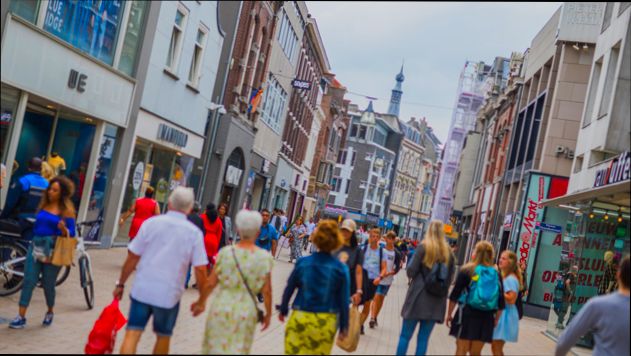
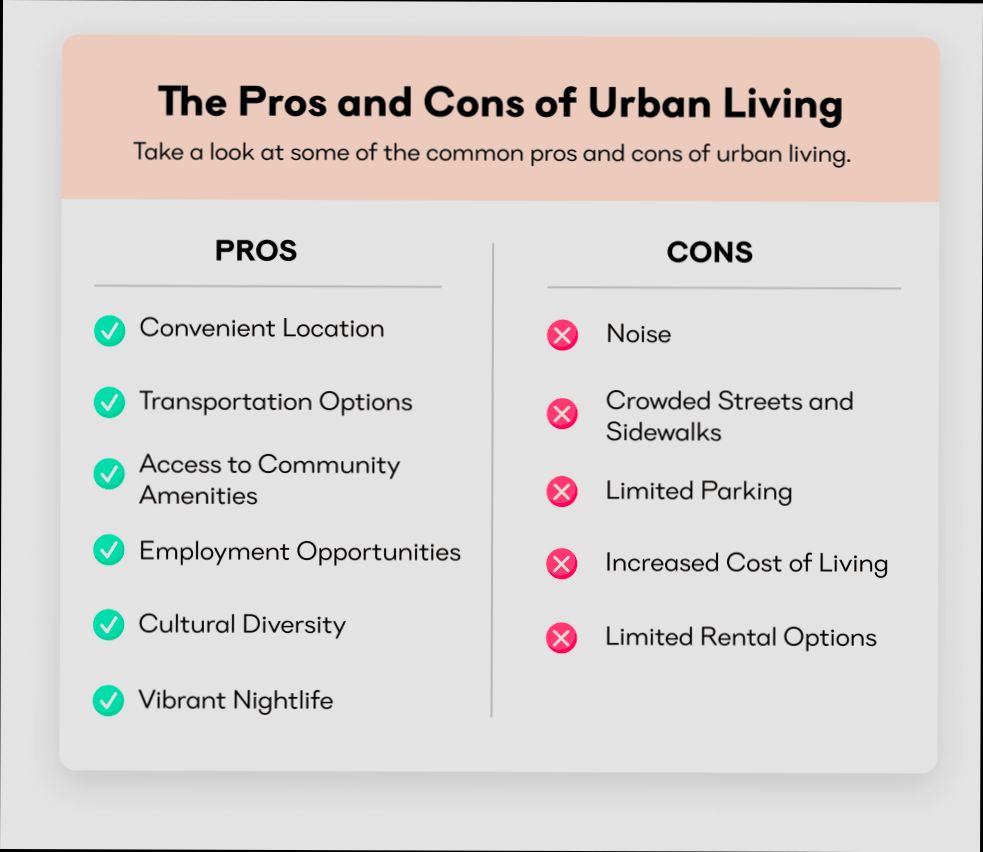
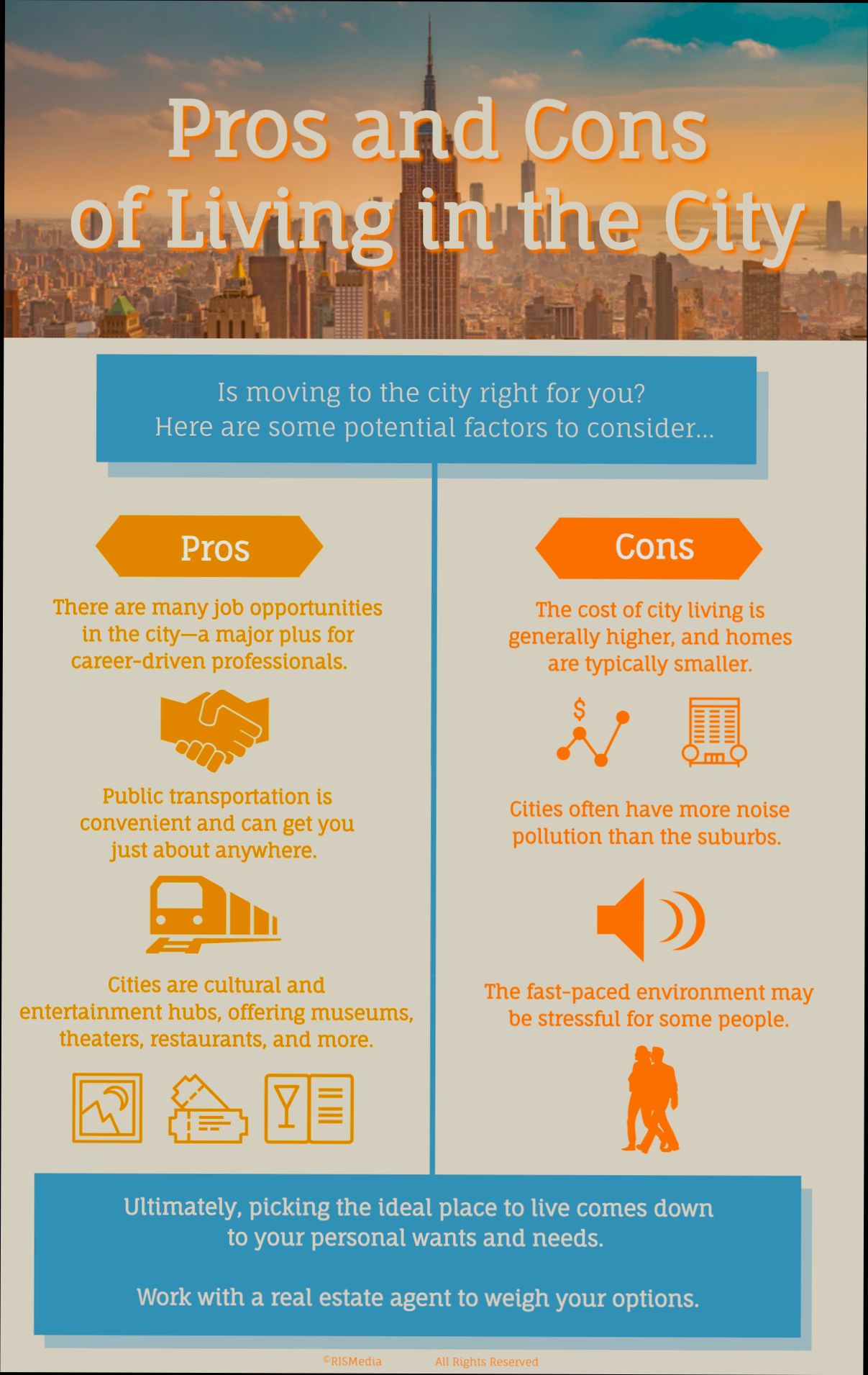
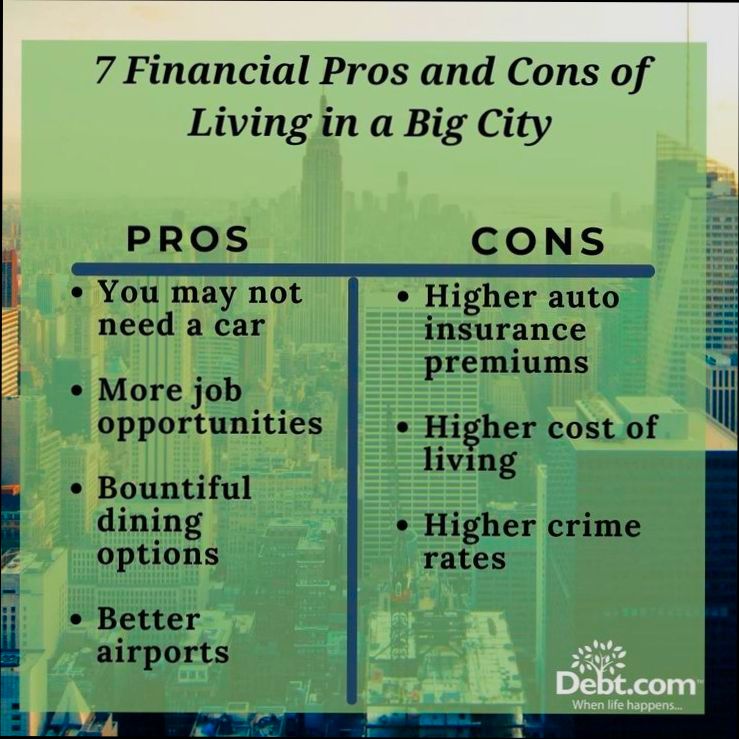
Pros and Cons of Living in Tilburg can give you a real sense of what life is like in this vibrant Dutch city. With a population of around 220,000 people, Tilburg offers that charming small-town feel while still packing a punch with its cultural scene. Did you know it’s home to one of the largest annual funfairs in Europe, the Tilburg Kermis? It attracts over a million visitors each summer, adding an electric atmosphere to the city. Plus, the cost of living here is relatively low compared to cities like Amsterdam or Utrecht, with average rent for a one-bedroom apartment sitting around €800 per month—a sweet deal for urban living!
On the flip side, not everything is picture-perfect in Tilburg. Job opportunities can be limited, particularly in specialized fields, as the economy leans heavily on retail and education. The job market isn’t as robust as in nearby metropolises, which could be a concern if you’re looking for something niche. And while public transport options are available, some residents find them less extensive than in bigger cities, making it tricky to get around without a car. All in all, Tilburg offers a unique blend of pros and cons that can shape your day-to-day experience in ways you might not expect.
Cost of Living Trends in Tilburg
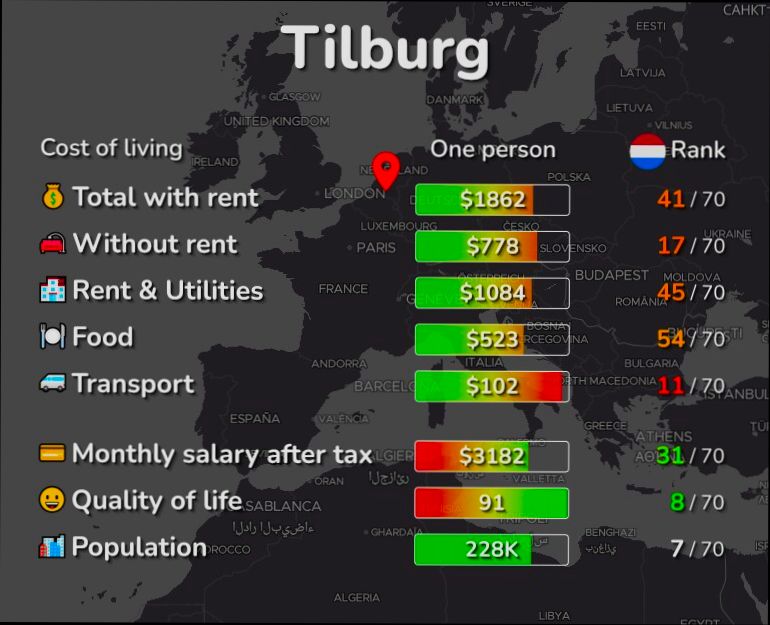
Understanding the cost of living in Tilburg can significantly influence your decision to move here. Let’s dive into the trends that shape daily expenses, housing, and general lifestyle costs in this vibrant city.
Rising Housing Costs
The rental market in Tilburg has shown a notable increase over the past few years. Data indicates that:
- The average rent for a one-bedroom apartment in the city center is approximately €1,100 per month, which is about 15% higher than in 2021.
- For those preferring to live outside the city center, expect to pay around €900 per month for a similar apartment.
This upward trend is reflective of broader housing demands in the region, making it crucial to budget accordingly.
Grocery and Dining Costs
Food expenses are another vital aspect of the overall cost of living. In Tilburg, grocery prices have also seen a rise:
- On average, a weekly grocery bill for a single person is around €50, which is a 10% increase consistent with national trends.
- Dining out remains relatively affordable, with the average meal at a mid-range restaurant costing about €30 for two people.
Watching these trends can help you choose when and where to shop or dine.
Transportation Expenses
Transportation costs are also quite relevant for residents and commuters. Here’s what you should know:
- A monthly public transport pass in Tilburg costs about €75, which is competitive compared to other cities in the Netherlands.
- If you prefer cycling, which many locals do, bike maintenance and occasional repairs can average around €100 annually.
Low transportation costs encourage many to explore the city without overspending.
Comparative Cost of Living
| Expense Category | Tilburg (Monthly Average) | Netherlands Average |
|---|---|---|
| Rent (1-bedroom, city center) | €1,100 | €1,300 |
| Grocery | €200 | €220 |
| Dining (mid-range, for 2) | €30 | €40 |
| Transportation (public pass) | €75 | €85 |
Real-World Insights
When comparing living expenses:
- A couple in Tilburg reported paying €1,800 monthly for rent and groceries, noting a comfortable lifestyle, albeit with a vigilant budget due to rising housing costs.
- Another family mentioned that by utilizing local markets for groceries, they managed to reduce their monthly costs by approximately 15%.
These examples highlight the practical aspects of budgeting and the potential for savings in specific areas.
Practical Takeaways
To navigate the evolving cost of living in Tilburg effectively, consider these actionable insights:
- Rent Wisely: Explore options in the outskirts of the city for more affordable housing.
- Shop Smart: Utilize local markets and discount stores to keep grocery expenses down.
- Use Public Transit: Taking advantage of local public transport can be cheaper than car ownership and maintenance.
Quick Facts
- Expect a minimum increase of about 5% in overall living costs annually, especially for housing and food.
- Being prepared for seasonal price fluctuations can save significantly on groceries and utilities.
Cultural Attractions and Community Events
When it comes to living in Tilburg, the vibrant cultural scene and its array of community events play a significant role in enhancing quality of life. This city is rich in arts, music, and festivals that allow residents to engage with their community and explore diverse cultural experiences. Let’s dive into what Tilburg has to offer.
Cultural Diversity and Attractions
Tilburg boasts several cultural landmarks that contribute to its identity:
- Museum of the Image (MOTI): This unique museum focuses on visual culture and design. It attracts around 30,000 visitors annually, showcasing exhibitions that span photography, graphic design, and animation.
- Theaters and Performing Arts: The Theater Tilburg serves as a hub for performing arts with over 200 performances a year, ranging from musicals to drama. The facility provides a platform for both international stars and local talent.
- Cultural Festivals: Tilburg hosts numerous festivals that celebrate its rich artistic landscape. For example:
- Tilburgse Kermis: Known as the largest funfair in the Netherlands, it draws more than 1 million visitors each year.
- Culinary Festival: This food festival highlights dishes from local restaurants and attracts over 50,000 attendees, showcasing the culinary arts of the region.
Community Engagement Through Events
Community events in Tilburg not only foster engagement but also build a strong sense of belonging:
- Weekly Markets: Tilburg features weekly markets, including the Tilburg Sunday Market, which hosts over 150 stalls. This platform for local vendors promotes small businesses and creates an inviting atmosphere for residents.
- Art in Public Spaces: The city invests in public art installations, with more than 30 pieces scattered across the city, encouraging residents to explore and appreciate art in their daily surroundings.
| Type of Event | Frequency | Average Attendance |
|---|---|---|
| Cultural Festivals | Annually | 50,000+ |
| Theatrical Performances | Weekly | 300+ per year |
| Art Exhibitions | Monthly | 1,000+ |
Real-World Examples of Community Events
A notable event is the Tilburgse Kermis, which not only showcases rides and games but also includes local artisans and food vendors, transforming it into a lively community gathering. Another interesting initiative is the Cultural Parade, where local groups celebrate their heritage through music and dance, reflecting the city’s diversity.
Practical Implications for Residents
For residents, getting involved in these cultural attractions and events can lead to new friendships and a stronger community network. Whether you’re attending a concert at Theater Tilburg or enjoying local dishes at the Culinary Festival, there’s always something happening.
- Join local clubs or community groups focused on arts and culture.
- Participate in volunteer opportunities during festivals to meet new people and experience behind-the-scenes work.
- Attend workshops or classes at local cultural institutions to enhance your skills while socializing with others.
Specific Facts and Actionable Advice
- If you attend the Tilburgse Kermis, consider visiting on a weekday for a less crowded experience.
- Regularly check the city’s cultural calendar for upcoming events to ensure you never miss out.
- Engage with local social media groups centered around Tilburg to stay updated on spontaneous events or gatherings.
Enjoying Tilburg’s rich cultural fabric can significantly enhance your living experience in this vibrant city.
Transportation Infrastructure and Accessibility
Living in Tilburg offers you a solid transportation infrastructure that directly impacts your daily life. The city is well-connected by various modes of transportation, making it easier for residents and visitors to navigate. In this section, let’s explore the specific transit options available and the impact of accessibility in Tilburg.
Robust Public Transport System
Tilburg boasts a comprehensive public transport network, including trains, buses, and trams. The city forms part of the Dutch public transport system, which is known for its punctuality and efficiency. Here are some key aspects:
- Train Services: Tilburg has a central train station with direct connections to important cities like Amsterdam, Rotterdam, and Utrecht. On average, about 20 trains leave from Tilburg to neighboring cities every hour.
- Bus Networks: The bus network in Tilburg ensures that most residential areas are within easy reach. According to recent data, roughly 80% of Tilburg’s population lives within a 500-meter radius of a bus stop, which enhances accessibility for all residents.
- Tram Lines: Although Tilburg does not have an extensive tram system like some larger cities, there are plans for expansions to link more districts.
Comprehensive Pathways for Cyclists and Pedestrians
Cycling is a favored mode of transportation in Tilburg, and the city encourages it through dedicated bike lanes and pathways:
- Cycle Paths: Approximately 40% of the roads in Tilburg have dedicated bike lanes, significantly improving the safety and convenience for cyclists.
- Pedestrian Zones: The city center features several pedestrian-only areas, fostering a safe environment for walking and leisurely activities.
Table: Modes of Transportation in Tilburg
| Mode of Transport | Coverage | Frequency | Accessibility Impact |
|---|---|---|---|
| Train | Regional | Every 15-30 minutes | High; links to major hubs |
| Bus | Local | 10-20 minutes | Very High; most areas served |
| Bicycle | Citywide | N/A | High; 40% dedicated lanes |
| Walking | City Center | N/A | Very High; extensive zones |
Real-World Examples
The impact of Tilburg’s transportation infrastructure is evident in daily commutes. For instance, a young professional may choose to cycle to the train station instead of driving due to the ease of accessing bike lanes and parking facilities. Many residents appreciate the frequency of buses that reduce wait times, allowing for more efficient travel to work or school.
Another example can be seen in Tilburg’s ongoing initiatives to increase accessibility for people with disabilities. The city has invested in upgrading public transport with features such as low-floor buses and well-marked paths, contributing to a more inclusive environment.
Practical Implications for Residents
Understanding these transportation dynamics can significantly influence your daily routine. If you rely on public transport, consider how the train schedules can align with your work hours to minimize commute times. Additionally, with significant investment in cycling infrastructure, you might find biking to work not only healthier but also more efficient compared to driving.
Actionable Advice
If you consider moving to Tilburg, familiarize yourself with the available transport options. Download local transport apps for real-time updates on bus and train schedules and plan your routes efficiently. Also, if you’re an avid cyclist, invest in a good quality bike to take full advantage of the extensive bike lanes throughout the city.
Employment Opportunities in Tilburg
When considering a move to Tilburg, understanding the local job market is crucial. With its diverse economy and growing industries, Tilburg offers various employment opportunities to both locals and newcomers alike.
Diverse Job Market
Tilburg’s job market is characterized by a mix of sectors, including logistics, manufacturing, healthcare, and technology. Here’s a snapshot of employment distribution:
| Sector | Percentage of Employment |
|---|---|
| Logistics | 25% |
| Manufacturing | 20% |
| Healthcare | 15% |
| Technology | 10% |
| Services | 30% |
Major Employers
Several notable companies operate in Tilburg, creating robust job opportunities:
- Pondres: A leading company in logistics and distribution that has expanded in recent years. This organization is known for hiring diverse talent, with over 1,500 employees.
- Beter Bed: This mattress retail chain has its headquarters in Tilburg and employs around 600 people, continually seeking candidates in retail and customer service.
- Rabobank: A significant player in the banking sector, Rabobank offers a variety of roles from finance to customer management, employing over 1,200 people in Tilburg alone.
Growing Young Workforce
Tilburg is witnessing a surge in its younger workforce, with approximately 50% of the university graduates finding jobs within the first year of graduation. The presence of the Fontys University of Applied Sciences contributes to this trend, with many graduates entering fields such as IT and engineering.
Employment Support Services
For those looking to navigate the job market successfully, Tilburg provides various employment support services.
- Employment Agencies: Agencies like Manpower and Randstad help connect job seekers with available positions in various sectors.
- Career Fairs: Regularly organized by local universities and municipalities, these events offer networking opportunities and direct interactions with potential employers.
Practical Tips for Job Seekers
- Networking: Engage with local professionals through platforms such as LinkedIn for chances to connect or even mentor relationships.
- Skill Development: Take advantage of local workshops and online courses to enhance your skills, making you a more attractive candidate in competitive fields.
- Language Skills: Consider learning Dutch to broaden your prospects, as many employers value bilingual candidates.
Understanding the employment landscape in Tilburg can empower you to navigate your job search effectively and take full advantage of the opportunities that this vibrant city has to offer.
Benefits of Local Education Systems
Living in Tilburg offers unique advantages, particularly when considering the local education systems. Understanding these benefits can significantly enhance the experience of families and individuals looking to settle in the area.
Strong Community Engagement
Local education systems in Tilburg foster a strong sense of community. Schools often collaborate with local organizations, creating a supportive network for students and families. This engagement provides opportunities for:
- Increased parental involvement in school activities.
- Local businesses participating in educational programs.
- Community events focusing on student achievements.
Quality of Education
The educational institutions in Tilburg emphasize quality, with many public schools receiving high ratings for their academic performance. Statistics indicate that around 92% of teachers in local schools hold advanced degrees, ensuring a high standard of education.
| School Type | Percentage of Qualified Teachers |
|---|---|
| Public Elementary | 92% |
| Secondary Education | 89% |
| Vocational Training | 90% |
Diverse Educational Offerings
Tilburg’s education system is renowned for its diverse educational programs that cater to various learning styles and preferences. This diversity includes:
- International schools offering different curricula, which are excellent for expatriates.
- Vocational training centers that prepare students for specific careers, aligning with local job market demands.
- Special educational needs programs aimed at inclusivity.
Enhanced Lifelong Learning Opportunities
Beyond traditional K-12 education, Tilburg encourages lifelong learning through various local initiatives and institutions. Residents have access to:
- Community colleges offering adult education courses and skill-building workshops.
- Public libraries that host literacy programs, workshops, and seminars.
- Partnerships with local companies providing internships and apprenticeships for students seeking real-world experience.
Real-World Examples
Local schools like the Tilburg International School have successfully integrated international educational practices, providing a curriculum that resonates with global citizenship and cross-cultural understanding. This prepares students for an interconnected world, allowing them to thrive in diverse environments.
Another illustration is the Culinary and Hospitality School, which partners with local businesses in the hospitality sector to equip students with hands-on training. Statistics show that 85% of graduates from this program secure jobs in their field within six months of graduation.
Practical implications for you as a potential mover to Tilburg include evaluating the educational options not just for their academic rigor but also for the community involvement they promote. Engaging in local educational programs can greatly enrich your family’s experience.
Lastly, it’s worthwhile to connect with local parent groups or educational forums before relocating. These connections might provide insider insights into how the educational landscape in Tilburg can work for you and your family.
Quality of Life: Statistics and Insights
Quality of life is a major consideration when moving to any new city, and Tilburg is no different. From healthcare access to recreational opportunities, the aspects that contribute to a fulfilling living experience in Tilburg are worth exploring in depth. This section will dive into specific statistics and insights that can help you understand what to expect in terms of quality of life here.
Health and Well-Being
Tilburg has impressive healthcare statistics that reflect the city’s commitment to public health.
- The city boasts a healthcare satisfaction rate of 88%, indicating that most residents feel positive about the services they receive.
- Life expectancy in Tilburg averages around 82 years, which is slightly higher than the national average in the Netherlands.
- Additionally, around 75% of residents report having regular access to recreational activities, contributing to both physical and mental well-being.
Safety and Security
Feeling safe in your environment enhances your quality of life, and Tilburg scores well in this area.
- Tilburg has a crime rate that is approximately 30% lower than the national average, offering a sense of safety to its residents.
- About 90% of residents feel secure walking alone at night, showcasing the community’s safe neighborhoods.
Comparative Quality of Life Statistics in Tilburg
| Aspect | Tilburg | National Average |
|---|---|---|
| Healthcare Satisfaction | 88% | 84% |
| Life Expectancy | 82 years | 81 years |
| Safety Perception | 90% feel safe at night | 80% feel safe at night |
| Crime Rate | 30% lower than average | - |
Community Engagement and Social Life
Community connections heavily influence quality of life, and Tilburg provides a great framework for social engagement.
- Approximately 70% of residents actively participate in local events and activities, indicating strong community ties.
- There are over 150 parks and green spaces in the city, with 65% of residents utilizing them regularly for leisure and social activities.
Real-World Examples
Walking through Tilburg, you may have noticed the vibrant gatherings in parks, especially during summer festivals. Events like the Tilburg Fair attract thousands of residents and visitors, fostering community spirit. Additionally, local initiatives like “De Groene Loper” enhance accessibility to green spaces, promoting a healthier lifestyle.
Practical Implications for Quality of Life
If you’re considering moving to Tilburg, keep the following in mind:
- Take advantage of local healthcare services for routine check-ups; with an 88% satisfaction rate, you’re likely to receive quality care.
- Engage with the community through events; with 70% participation, you’ll have opportunities to make new friends and network.
- Explore the numerous parks and green areas—these places aren’t just for leisure; they are community hubs where you can meet others and enjoy outdoor activities.
Deciding on a place to live involves assessing different aspects of quality of life, and Tilburg’s statistics indicate a welcoming city with a strong community spirit, excellent healthcare, and safety.

Experience of Daily Life in Tilburg
Living in Tilburg has a unique character shaped by its local lifestyle, community engagement, and everyday conveniences. If you’re looking to immerse yourself in a Dutch city while enjoying a blend of urban comfort and a close-knit atmosphere, Tilburg has much to offer.
Daily Life and Community Engagement
The experience of daily life in Tilburg is enriched by a strong sense of community. Many residents participate in local clubs and organizations, embracing the opportunity to connect with their neighbors.
- About 70% of Tilburg’s residents say they feel a strong sense of belonging in their neighborhoods.
- Weekly markets draw crowds every Saturday, adding vibrancy to community interaction.
With activities ranging from sports to arts, you can easily find ways to engage with the locals. Whether you fancy joining a local soccer or cycling club, there’s no shortage of opportunities to meet people and foster camaraderie.
Access to Amenities
Daily life in Tilburg is also defined by the accessibility of essential services and amenities. The city is well-equipped with:
- Multiple grocery stores, including both local and international chains.
- Fitness centers and sports facilities that cater to various interests.
- Recreational parks, with over 50% of residents reporting that green spaces positively impact their day-to-day life.
Here’s a quick look at some popular amenities available in Tilburg:
| Type of Amenity | Number of Locations |
|---|---|
| Grocery Stores | 40 |
| Parks and Recreation | 25 |
| Fitness Centers | 15 |
Case Studies
To illustrate, take the example of a local weekly farmer’s market located in the city center. This event not only showcases local produce but also serves as a social hub where neighbors catch up and new friendships form. Participation in these markets enhances the community spirit and fosters local entrepreneurship.
Another example is the successful expansion of local coffee shops that have become gathering spots for students, professionals, and families alike. Approximately 60% of residents visit a café frequently, making it a central part of their daily routines.
Actionable Insights
If you’re planning to settle in Tilburg, consider the following to enhance your experience of daily life:
- Regularly attend community events: Such involvement can lead to lasting friendships and a deeper connection with your new home.
- Explore local establishments: Support local businesses by choosing restaurants and shops that reflect the Tilburg culture.
- Make use of green spaces: Spend your free time in parks to benefit from outdoor activities and community gatherings.
With its robust community ties, access to various amenities, and a diverse range of activities, your everyday life in Tilburg can be as rich and fulfilling as you make it. Choose to engage with the community, and you’ll truly enhance your experience in this charming city.