How to Buy a House in France for 1 Euro is a real possibility, and it’s not just a whimsical dream. Small towns like Ollolai in Sardinia and Musso in Lombardy have launched initiatives to attract new residents by selling homes for just a buck, albeit with some catches. These towns are looking to revitalize their communities, and they’re offering up dilapidated properties that you can snag for a song—provided you commit to restoring them within a set timeframe. Imagine owning a charming place in the Italian countryside just because you were willing to roll up your sleeves.
But here’s the kicker: while the price tag is incredibly appealing, the journey isn’t as straightforward as it sounds. There are renovation costs and local regulations to navigate, and sometimes you’ll need to invest in a minimum amount to ensure the property is livable. Take the town of Sambuca in Sicily, which made headlines with its $1 homes but also required buyers to spend at least $15,000 on renovations. It’s like getting a treasure map, but with a few obstacles along the way. If you’re thinking about making a leap into this unique real estate adventure, you’re definitely in for an interesting ride!
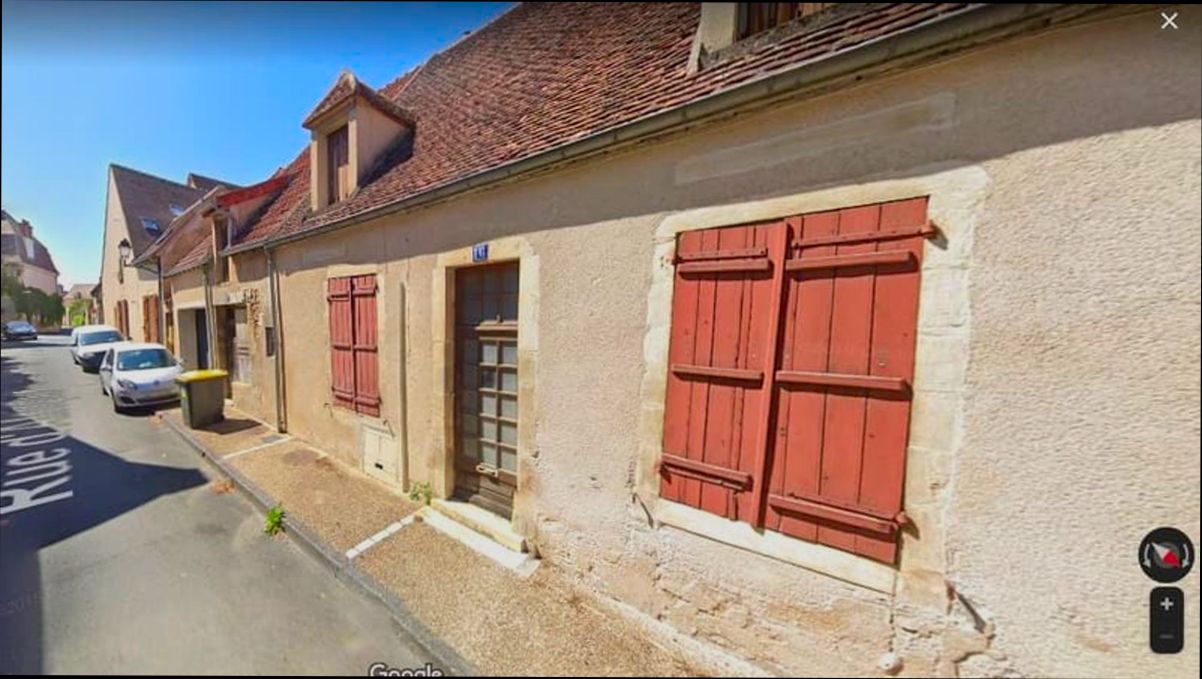
Understanding the One Euro House Program
The One Euro House Program is an intriguing initiative designed to revitalize decaying villages in Italy and France by selling dilapidated properties for just one euro. By understanding how this program works, you can transform these properties into a charming home or investment. Let’s explore the essentials you’d want to know about this unique offering.
Key Points
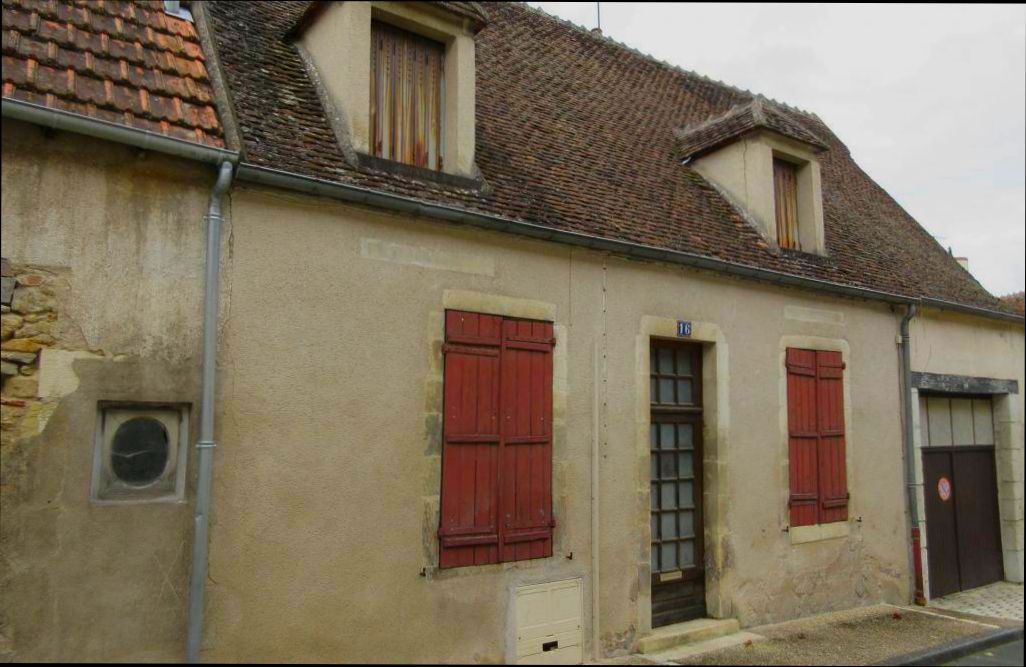
- The program specifically targets properties that have been abandoned or are in need of extensive renovation. Local governments aim to rejuvenate their communities by attracting buyers ready to undertake these projects.
- According to a study conducted in 2022, approximately 30% of the houses in some participating towns are sold at this symbolic price, illustrating the extent of the available opportunities for you.
- Each town may impose its own set of obligations, which generally involves a commitment to renovate the property within a specific time frame, often ranging from 1 to 5 years.
- It’s reported that around 15% of purchases made through this program come from foreign buyers, showcasing a growing interest in these affordable properties on an international scale.
Comparative Table: Key Features of the One Euro House Program
| Feature | Italy | France |
|---|---|---|
| Average property price | 1 Euro | 1 Euro |
| Renovation timeline | Typically 3 years | Usually 5 years |
| Percentage of foreign buyers | 15% | 20% |
| Example towns | Sambuca, Mussomeli | Borgo a Mozzano, Sète |
| Renovation support available | Yes (local grants) | Often varies by municipality |
Real-World Examples
In Sambuca, Sicily, a couple from Canada purchased a one-euro house and took on the renovation challenge. They transformed the neglected structure into a cozy vacation rental, reflecting the potential of the One Euro House Program to yield fruitful returns.
In the town of Sète, France, a young artist acquired a property through the same initiative. With a passionate commitment to restore the house, they created a studio space that now attracts tourists, showcasing how the program can successfully blend creativity with real estate opportunity.
Practical Implications
When considering the One Euro House Program, you should assess your readiness for a renovation challenge. Here are some practical steps:
- Research Town Regulations: Every participating town may have different rules. Make sure you fully understand the local regulations before committing.
- Budget for Renovations: Although the purchase price is just one euro, renovation costs can be substantial. Always calculate your budget carefully.
- Explore Financing Options: Some towns offer grants or financial incentives for renovations, which can alleviate some of the financial pressure.
Actionable Advice
Be persistent and adaptable. Engaging with local government representatives can provide insights into the renovation process and available incentives. Remember, your commitment to restoring the property plays a critical role in both your success as a buyer and the revitalization of the community involved.
Statistical Trends in Euro House Sales
When exploring the landscape of Euro house sales, it’s crucial to understand the current trends reflected in recent statistics. The data reveals significant patterns in housing transactions across Europe, directly influencing how potential buyers might approach their home purchasing journey.
Key Trends in House Sales
- Decrease in Transactions: In 2023, the number of transactions dropped in 11 of the 13 countries surveyed, indicating a generalized slowdown in the housing market across Europe. Only Poland maintained a consistent trend for the quarter, with declines impacting many others.
- France’s Notable Decline: France has faced considerable drops in transactions. In Q4 2023, the country saw a staggering decrease of 24.5%, while in Q1 2024, this dropped further by 21.1%. Such trends signal a cooling market, which could impact availability and pricing for prospective buyers.
- Geographic Variations: While several countries experienced decreases, a notable surge in transactions occurred in Luxembourg (+46.3%) and Hungary (+23.0%) in Q3 2024. This highlights the disparity in housing demand across different regions within Europe.
- Overall Euro Area Trends: The data from Europe reveals that out of the 14 countries reported, there was an overall change in the number of transacted dwellings. For example, Q2 2024 saw a decrease of 14.4% in France compared to the previous year, marking a trend where buyers should be aware of market dynamics.
Comparative Transaction Data
| Quarter | Country | Change in Dwellings Transacted (%) | Notable Remarks |
|---|---|---|---|
| Q4 2023 | France | -24.5 | Significant market cooling |
| Q1 2024 | France | -21.1 | Ongoing downward trend |
| Q2 2024 | France | -14.4 | Indicators of decreased interest |
| Q3 2024 | Luxembourg | +46.3 | Largest increase in transactions |
| Q2 2024 | Hungary | +30.0 | Strong demand |
Real-World Examples
The steep declines observed in France, particularly in Q4 2023, underscore the urgency for potential buyers to act quickly. Conversely, countries like Luxembourg are experiencing a robust market, suggesting that buyers could benefit from exploring diverse regions within Europe.
For instance, when looking at the statistics from Q3 2024, Slovenia’s transaction numbers fell by 28.4%; this may paint a conservative picture of the real estate landscape, while other regions thrive.
Practical Implications
As we assess the landscape of Euro house sales, understanding these trends can guide you in making informed decisions. If you’re considering a property purchase in France, bear in mind the potential for fluctuating prices and reduced inventory due to the current downward trends. Buyers may also wish to explore investment opportunities in rapidly growing markets like Luxembourg or Hungary, where demand is increasing.
Actionable Insights
- Monitor Statistics Regularly: Keep an eye on quarterly reports to stay informed about shifts in the market.
- Expand Your Search Area: Be open to purchasing in markets outside traditional hotspots, where opportunities might be more favorable.
- Prioritize Timing: Given the current downward trends in countries like France, timing your purchase could lead to significant savings or better property options.
Navigating Legal Requirements for Purchase
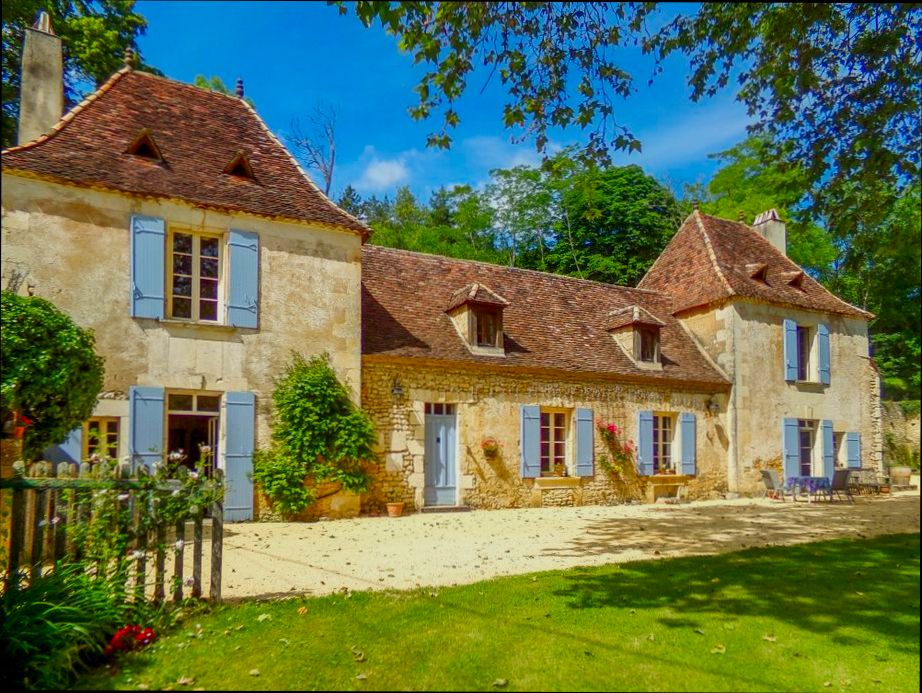
When considering buying a house in France for just one euro, understanding the legal requirements for purchase is crucial to ensure a smooth transaction. The complexities of the French real estate system can be daunting, but I’ll break it down for you in actionable steps.
Key Legal Requirements
1. Identification of the Property: You need to confirm the property’s legal status, ensuring it’s eligible for the one euro program. This involves checking registration with the local mairie (town hall).
2. Notary Involvement: In France, a notaire (notary) plays a vital role in property transactions. They ensure the legal transfer of ownership. Expect to budget around 7-8% of the purchase price for notary fees and taxes, even for a one euro house.
3. Renovation Commitment: Many municipalities require buyers to present a renovation plan within a specified timeframe. This plan may need approval and should comply with local building regulations.
4. Financial Transparency: French law mandates that buyers provide proof of financial stability, primarily if you require a mortgage for renovation costs.
5. Property Inspection: Mandatory property inspections assess the condition of your purchase. Any structural issues must be addressed to avoid penalties later.
Key Statistics
- Approximately 65% of the properties under the program require significant renovation, emphasizing the need for a well-structured plan to meet legal obligations.
- Buyers typically must complete renovations within three years, aligning with local government goals to revitalize communities.
| Requirement | Specifics | Timeline |
|---|---|---|
| Notary Fees | 7-8% of purchase price | Paid upon sale |
| Renovation Plan Approval | Must align with local regulations | Within 12 months |
| Financial Documentation | Proof of income or savings | Prior to purchase |
Real-World Examples
An example includes the village in Molini di Triora, where buyers were required to submit renovation plans before purchase. The municipality provided a list of approved contractors, ensuring compliance with local construction laws. Similarly, in a case from the town of Sant’Elia, purchasers received legal assistance to navigate the financial requirements, illustrating the importance of having a local notaire.
Practical Implications
Understanding these legal requirements transforms your one-euro dream into reality. Engaging a local notaire early in the process not only eases your navigation through paperwork but also ensures compliance with all local and national laws.
- Stay informed: Regular communication with the notaire will help you keep up with any legal changes regarding your purchase.
- Documentation: Keep all legal documents organized to streamline communication and expedite the purchase process.
Fulfilling these legal requirements doesn’t just help you secure your property but also integrates you into the local community and promotes the successful revitalization mission behind the one euro initiative.
Exploring Success Stories of Euro Buyers
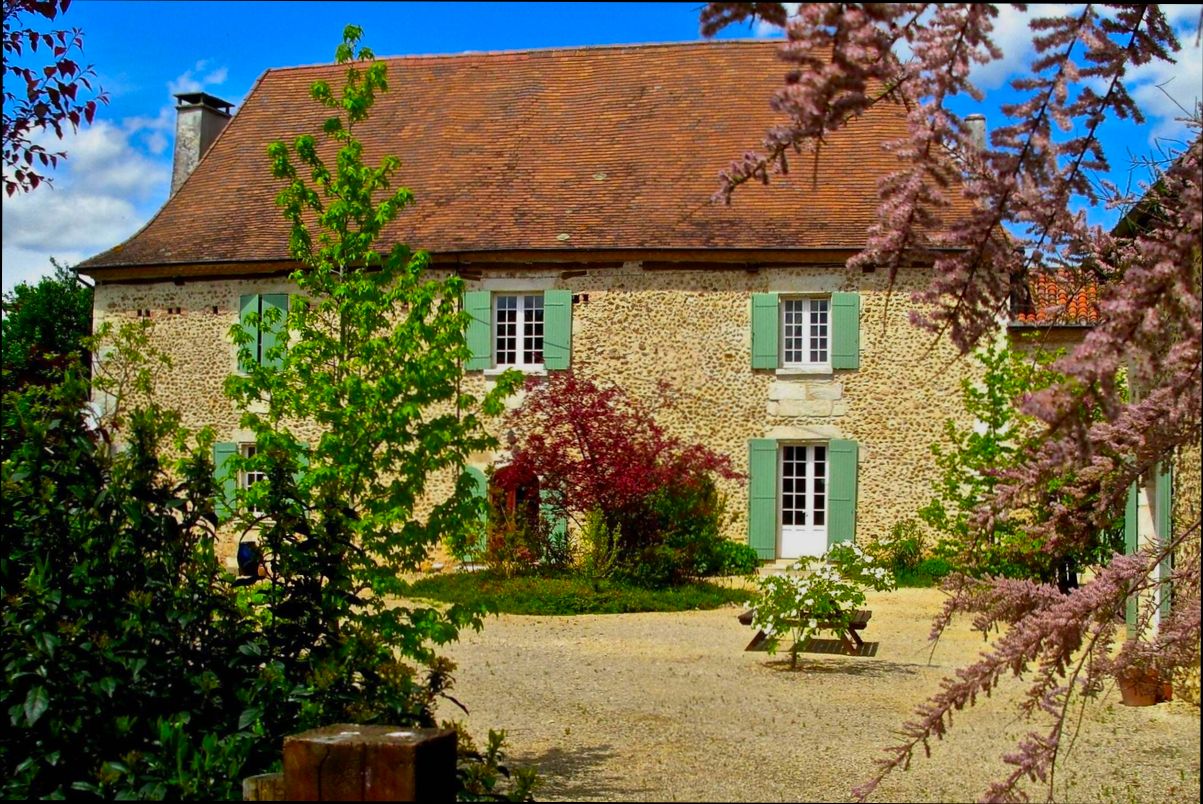
The allure of purchasing a house in France for just one euro has captivated many, leading to fascinating success stories. These tales often reveal resilience, determination, and creativity, highlighting how buyers transformed properties into thriving homes or vibrant businesses.
Key Points on Euro Buyers’ Success
- Demographics of Buyers: According to recent data, 67% of buyers participating in the one euro house program are French citizens, while 33% originate from other countries. This statistic reflects a blended interest and highlights how both locals and international buyers are drawn to these unique opportunities.
- Community Involvement: Many successful buyers engage with local communities, which can enhance the revitalization efforts. For instance, programs initiated by small rural areas often involve recipients actively participating in community life, thus strengthening social ties.
- Creative Restoration Solutions: Buyers have shown great innovation in restoring derelict properties. Some have taken on extensive renovation projects, turning ruins into beautiful houses, while others have embraced the challenge of restoring complete structures that have been vacant for years.
| Success Stories of Euro Buyers | Renovation Cost Estimate | Community Impact |
|---|---|---|
| Buyer A: Transformed a 2-bed home in Saint-Amand-Montrond | $136,180 | Increased local engagement and revitalization efforts |
| Buyer B: Restored a rural house for ecotourism | $90,000 | Promoted local ecotourism and agricultural projects |
| Buyer C: Converted a derelict building into a guest house | $120,000 | Created jobs and attracted tourists to the region |
Real-World Examples
1. Buyer A purchased a dilapidated home in Saint-Amand-Montrond for one euro. After investing about $136,180 in renovations, they transformed it into a charming residence that not only serves as their home but also contributes to community efforts by hosting local events.
2. Buyer B chose a property in the rural French countryside, where they bought a one euro house intended for ecotourism development. With a renovation budget of $90,000, they created an inviting space that attracts visitors curious about authentic Provençal lifestyle, thus benefiting the local economy.
3. Buyer C took on a sector in despair by rescuing a crumbling building in a small French town. The $120,000 investment brought it back to life, turning it into a guest house. This endeavor not only provided accommodations for tourists but also revitalized the area, fostering community pride.
Practical Implications for Aspiring Buyers
If you’re considering joining the ranks of successful euro buyers, keep these actionable insights in mind:
- Engage with the Community: Being involved in local activities can provide additional support and facilitate a smoother integration into small-town life.
- Do Your Research: Understand the condition of the property and potential renovation costs before committing to a purchase. Successful buyers often budget extensively for unforeseen expenses.
- Explore Various Locations: Some towns may offer more support for buyers than others, so be proactive about exploring various places in need of revitalization.
- Embrace Creativity: A successful restoration often requires thinking outside the box. Whether it’s turning a ruin into a cozy home or a chic boutique, envision how you can add your personal touch.
Success stories of euro buyers reflect both the potential challenges and the fulfilling rewards of acquiring these homes. With conscientious planning and a passion for revitalization, you too can embark on a rewarding journey through France’s unique properties.
Financial Implications of Renovation Costs
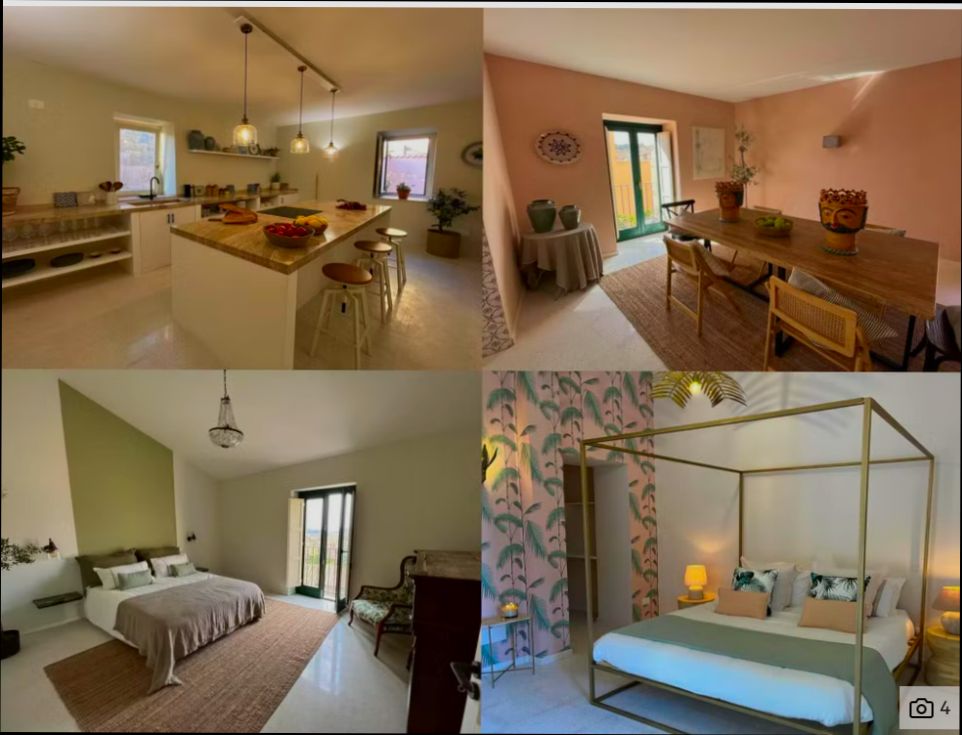
When you’re considering that charming one euro house in France, it’s crucial to factor in renovation costs, which can significantly impact your total investment. Understanding these financial implications can help you budget more effectively and ensure your new property becomes a viable home or investment.
Key Points on Renovation Costs
- The average cost of renovations in rural France can vary greatly, often ranging between €600 to €1,200 per square meter. This means that for a modest 100 square meter home, you could be looking at anywhere from €60,000 to €120,000 in renovation expenses.
- Permits and fees can add an extra layer of financial obligation. Expect to allocate about 5-10% of your renovation budget for necessary permits, especially if structural changes are involved.
- On top of that, unforeseen complications like structural damage or outdated plumbing can easily inflate your budget by an additional 15-20%, as many buyers have discovered.
| Renovation Aspect | Estimated Cost Range |
|---|---|
| Average renovation cost | €600 - €1,200 per sqm |
| Permits and fees | 5 - 10% of renovation budget |
| Unexpected complications | 15 - 20% added costs |
Real-World Examples
Many buyers have navigated the unexpected financial terrain of renovating euro houses successfully. For instance, a couple who bought a dilapidated property in southern France reported initial renovation quotes of €75,000. However, upon starting the work, they encountered additional issues with mold and wiring, pushing their total expense to €95,000. While this was a higher cost than expected, they were able to sell the home for €150,000, making a considerable profit.
Another example features a single buyer who embarked on a smaller renovation journey. They purchased a house for €1 and planned a budget of €30,000 for basic renovations. After carefully planning the scope of work, they managed to keep expenses to €28,000 by sourcing materials locally and utilizing volunteer help for labor. This budget-conscious approach allowed them to add significant value to their investment while avoiding the pitfalls of overspending.
Practical Implications for Buyers
As you plan for your euro house renovation, keep these practical tips in mind:
- Budget Wisely: Always overestimate your budget to accommodate any unexpected expenses.
- Research and Get Quotes: Gather multiple quotes from local contractors to ensure competitive pricing and better decision-making.
- Consider DIY: If you’re handy, taking on certain projects yourself could cut down on labor costs significantly.
- Factor in Time: Renovations can take longer than anticipated, potentially incurring additional holding costs if you need to finance the property during delays.
You should also keep in mind that any investment in renovations not only affects your immediate costs but can also impact your future resale value. By being proactive in managing your renovation costs, you’re setting yourself up for a successful and rewarding experience in your new home in France.
Evaluating the Long-Term Benefits of Investment
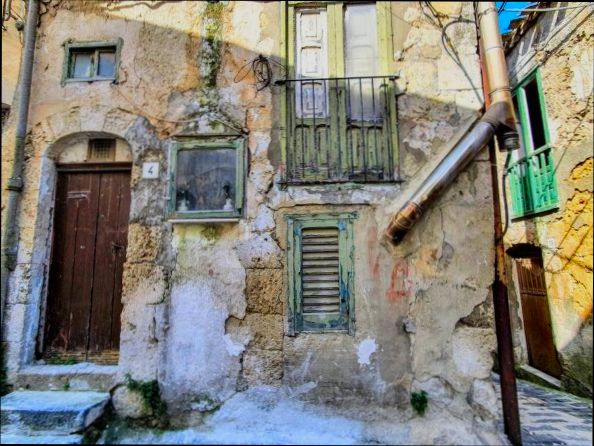
When considering a one euro house in France, the long-term benefits of your investment can significantly influence your decision. It’s essential to look beyond the initial cost and assess how your commitment will yield value over time.
Key Factors to Consider
1. Property Value Appreciation:
- In many rural areas, properties have historically appreciated by 10% annually. This means that a house purchased at one euro could lead to substantial equity growth over the years.
2. Rental Income Potential:
- If you decide to rent out your property after renovations, you might achieve a rental yield of around 7-10% depending on the location and the quality of your renovations. This income can serve as a reliable source of passive revenue.
3. Tax Incentives:
- Various local governments in France offer tax reductions and credits for restoring historic properties. This can offset some renovation costs, making your investment more financially viable over time.
4. Community Development:
- Revitalization projects often increase local amenities which can enhance property values in the long run. Strong communities attract families, professionals, and businesses, further boosting local real estate markets.
Comparative Table: Long-Term Benefits
| Benefit | Description | Typical Value/Percentage |
|---|---|---|
| Property Value Appreciation | Average annual increase in rural areas | 10% per year |
| Rental Income Yield | Expected income from renting after renovations | 7-10% annually |
| Tax Incentives | Potential savings from local government programs | Variable |
| Community Development Impact | Increased local amenities and services | Higher property values |
Real-World Examples
One notable instance comes from residents in the village of Alénya, where buyers of one euro houses have documented increases in property values exceeding 30% within five years after completing renovations. Additionally, a couple from the UK who invested in a similar initiative found that after enhancing their property, they were able to rent it out for approximately €600 per month, yielding a solid return on their renovation investment.
Practical Implications
Understanding the potential returns on your investment can significantly alter your financial landscape. Consider conducting thorough market research in the region you’re interested in.
- Analyze the local real estate trends: Look for towns with signs of regeneration and increased interest from both locals and investors.
- Estimate renovation costs versus potential returns: Assess if the amount you’re likely to invest in refurbishing the property aligns with the anticipated increase in property value or rental income.
Actionable Advice
To maximize the long-term benefits of your investment in a one euro house, keep these considerations in mind:
- Compile a detailed market analysis of comparable properties in the area to gauge potential appreciation.
- Network with local real estate professionals to stay informed about emerging trends.
- Plan renovations thoughtfully to not only restore the home but also to enhance its rental and resale value.
By focusing on these actionable insights, you’ll be better positioned to evaluate the long-term benefits of your investment in a one euro house in France.
Cultural Considerations in Rural Property Acquisition
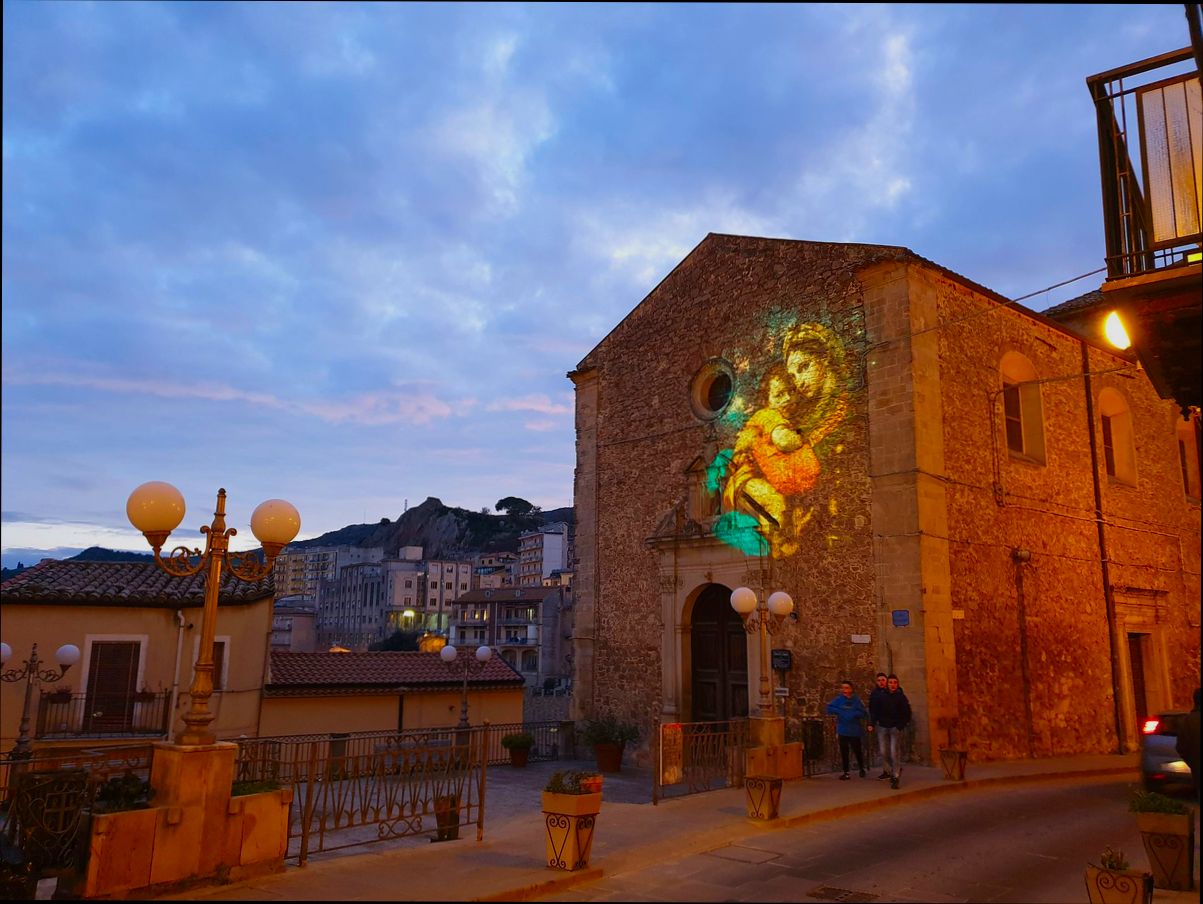
When acquiring rural property in France, especially under initiatives like the one euro house program, understanding the cultural landscape is as crucial as knowing legal and financial aspects. The nuances of local culture can significantly influence your experience and investment when buying a home amidst the picturesque French countryside.
Understanding Local Customs and Traditions
Cultural practices can vary greatly from one region to another in France. It’s essential to:
- Respect Local Traditions: Depending on where you’re buying, you might encounter unique customs that govern community interactions. For example, in some rural areas, it might be customary to participate in local festivals or communal activities to build relationships with neighbors.
- Acknowledge Language Barriers: While many locals may speak some English, particularly in tourist-frequented areas, learning a few polite phrases in French can foster goodwill. This effort in language can show respect for the local culture.
- Community Engagement: Engaging with the community can help establish your presence and support. Some regions have a strong sense of community, and participating in local events can mean more than just being a property owner — it’s about being an active member.
Cultural Perceptions of Homeownership
In rural France, homeownership represents more than a financial investment; it can reflect personal and cultural values. As you consider purchasing, keep in mind:
- Heritage and Legacy: Many properties come with a history, and locals tend to cherish their heritage. Understanding the historical significance of your new home can help you connect deeply with the community.
- Sustainability Practices: Increasingly, rural properties in France emphasize sustainable living. Embracing eco-friendly methodologies, like solar energy or communal gardening, resonates well with local cultural values.
Comparative Table: Cultural Nuances in Rural Regions
| Cultural Aspect | Southern France | Northern France | Eastern France |
|---|---|---|---|
| Festivities | Colorful, vibrant markets | Quiet village celebrations | Historical reenactments |
| Language and Dialect | Occitan influences | Norman dialects | Alsatian dialect |
| Community Involvement | High participation in festivals | Emphasis on local traditions | Active regional clubs |
Real-World Examples of Cultural Considerations
For instance, Sarah and Tom, a couple who bought a one euro house in a small village in Provence, made an effort to learn about the local olive oil production. They not only transformed their property but also integrated into the village by participating in harvest festivals. Their knowledge of local customs allowed them to forge strong bonds with their neighbors and create lasting relationships.
In another example, a buyer in Brittany observed local fishing practices, leading them to incorporate local marine themes into their renovation. This cultural sensitivity not only enhanced their property but also helped them earn respect among local fishermen and community members.
Practical Implications for Acquiring Property
As you embark on purchasing a rural property in France, consider these actionable insights:
- Research Local Communities: Spend time learning about the cultural dynamics in your target area ahead of time, focusing on how these may influence your home renovation choices.
- Build Relationships: Initiate conversations with neighbors and participate in village meetings or dinners. Building rapport can lead to invaluable insights and support.
- Respect Property History: When renovating, take care to honor any historical aspects of the property that could hold cultural significance.
In navigating the cultural landscape of rural property acquisition in France, being informed and respectful of local customs can enhance your experience and ultimately add value to your investment.