
The Legal Process of Buying Property in Spain can feel like navigating a maze if you’re unfamiliar with the terrain. Picture this: you’re strolling through the sun-soaked streets of Barcelona or the quaint alleys of Seville, dreaming of owning that charming villa or sleek apartment. Last year, around 90,000 foreign buyers took the plunge and bought property in Spain, showing just how desirable this vibrant market is. But before you get swept up in the allure of sangria and sunny beaches, it’s crucial to understand a few practical steps involved in turning that dream into reality.
First, let’s talk about the paperwork—it’s not the most glamorous topic, but it’s oh-so-important. You’ll need a Spanish NIE (Número de Identificación de Extranjero) to even step into the buying process; this personal identification number is like your ticket to the real estate show. Many buyers also find themselves puzzled by the concept of “escritura,” or property deed, which seals the deal in Spanish property transactions. Add in taxes, notary fees, and potentially hiring a lawyer to navigate the ins and outs, and it’s clear that preparation is key. With the right knowledge in hand, you can confidently approach the dynamic Spanish property market.
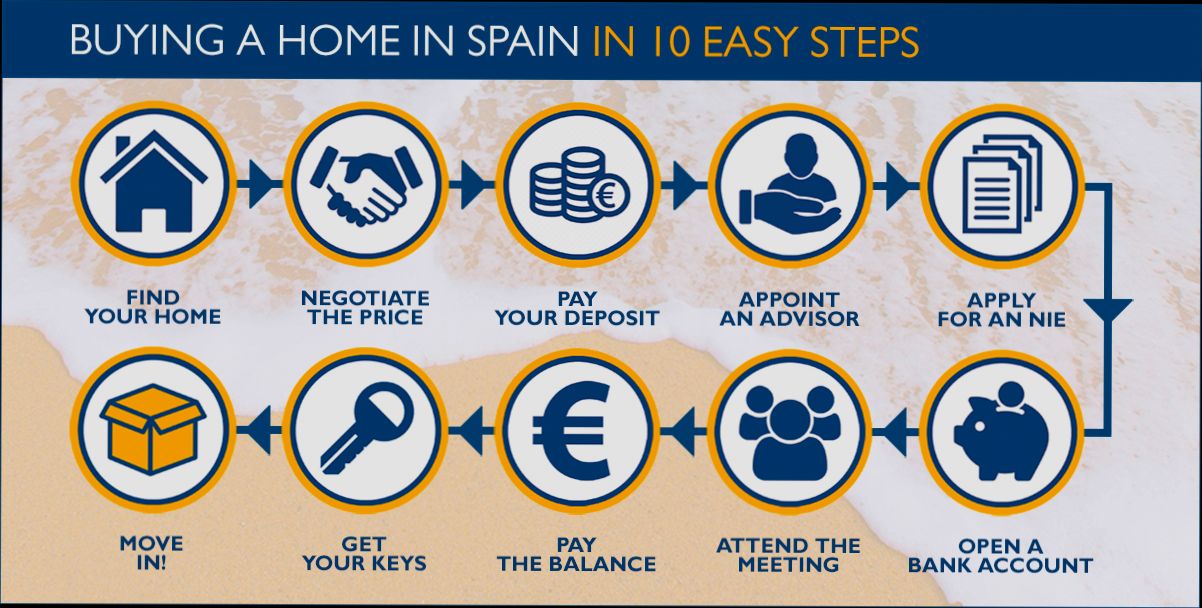
Essential Legal Documents for Property Purchase
When buying property in Spain, understanding the essential legal documents you’ll encounter is crucial. These documents not only facilitate a smooth transaction but also protect your investment. Let’s break down the key legal documents you’ll need to handle effectively.
Key Documents Needed
Here are the primary legal documents you should gather during the property purchase process:
- NIE (Número de Identificación de Extranjero): This is a tax identification number for foreigners in Spain and is necessary for property purchases. It’s estimated that around 95% of non-residents don’t start their property purchase until they secure their NIE.
- Title Deed (Escritura de Compraventa): This document outlines the details of the transaction, including the buyer and seller information, property description, and the agreed price. You’ll sign this at a notary’s office, finalizing your ownership.
- Land Registry Certificate (Nota Simple): This document provides crucial information about the property, ensuring that there are no debts or encumbrances. It’s strongly advisable to check this, as about 30% of properties in Spain may have some form of lien.
- Energy Performance Certificate (Certificado de Eficiencia Energética): Required since June 2013, this certificate gives an energy efficiency rating for the property. Properties with higher ratings (A/B) generally attract more buyers, as nearly 60% of buyers consider energy efficiency a top priority.
- Property Tax Receipts (IBI): Verify that the property taxes are up to date by requesting the latest receipts. Approximately 15% of new homeowners in Spain encounter unexpected tax liabilities due to unpaid property taxes.
| Document | Purpose | Importance Level |
|---|---|---|
| NIE | Tax identification number | High |
| Title Deed | Finalizes ownership | High |
| Land Registry Certificate | Confirms property status | Medium |
| Energy Performance Certificate | Rates energy efficiency | Medium |
| Property Tax Receipts | Verifies tax status | High |
Real-World Examples
Let’s look at a couple of examples that highlight the importance of these essential documents.
1. A British couple, excited about their new home in Costa del Sol, failed to obtain their NIE before beginning the purchase process. This oversight delayed their transaction by several weeks, illustrating how vital the NIE is for international buyers.
2. An American investor purchased a property in Valencia, relying solely on the Title Deed without checking the Land Registry Certificate. Upon inspection, they discovered an outstanding mortgage on the property, which led to a complicated and costly legal resolution.
Practical Implications for Buyers
Understanding and organizing these documents is step one in ensuring a successful property transaction. Here are some practical tips:
- Start gathering the necessary documentation early in the buying process to avoid any delays.
- Consult with a legal advisor specializing in Spanish real estate to ensure that all documents are in order and valid.
Specific Facts to Remember
- Ensure you have your NIE application submitted before your property viewings to streamline the buying process.
- Always obtain a Nota Simple before making any decisions to avoid potential surprises related to property liens or debts.
- Be aware of the energy efficiency ratings when making a purchase since properties with better ratings can increase in value and appeal faster.
By taking these steps, you’re setting yourself up for a smooth and successful property purchase in Spain.
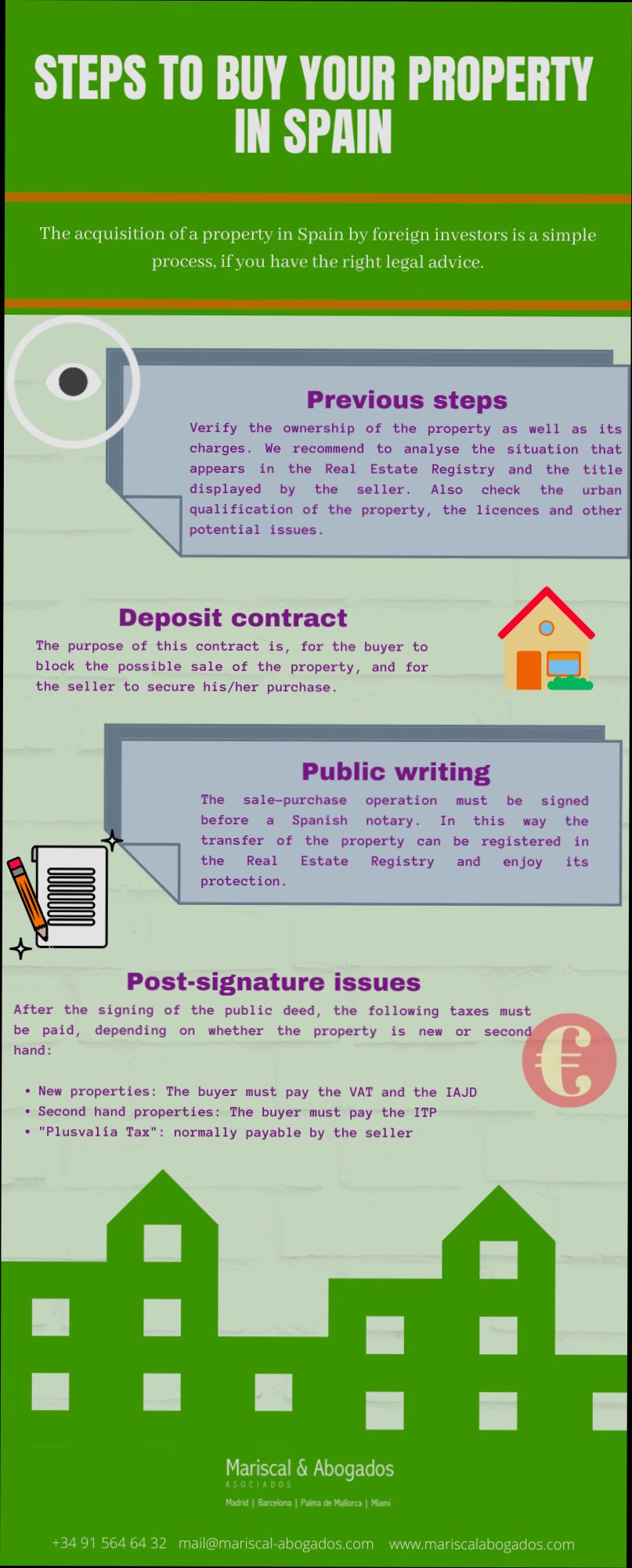
Common Regulatory Challenges in Spanish Real Estate
Navigating the Spanish real estate market can feel like a maze due to various regulatory challenges. From regional differences in laws to the complexity of urban planning, it’s essential to be aware of these hurdles that could affect your property purchase.
Rising Costs and Regulatory Frameworks
The escalating housing prices and tightening regulations can complicate the buying process. As of 2024, average monthly rents surged to around 13.5 euros per square meter, which exacerbates the affordability issue for both locals and expats. The increase in demand for vacation rentals, now representing about 10% of the rental market, has intensified scrutiny from local authorities as they enact new regulations to manage the impact of short-term rentals.
- Complex Urban Planning Laws: Many regions have specific urban planning laws that dictate what can be built and where. For instance, Marbella has tightened its regulations in response to rampant development in tourist-heavy areas.
- Rising Taxes and Fees: Buyers may face additional financial burdens due to rising transaction costs. Property purchases may incur various taxes such as the Property Transfer Tax (ITP) or Value Added Tax (VAT), which can significantly increase the total upfront cost.
Comparative Table of Regulatory Challenges in Spanish Regions
| Regulatory Challenge | Major Cities | Lesser-Known Areas |
|---|---|---|
| Urban planning restrictions | High | Moderate |
| Rental market regulations | Stringent | Less strict |
| Tax rates on property | Higher (up to 10%) | Lower (around 7-8%) |
| Speed of permitting process | Slow (months-long) | Faster (weeks) |
Real-World Examples
Take the case of an expat looking to set up a vacation rental in Barcelona. They faced bureaucratic hurdles due to the city’s strict short-term rental laws, which require licenses and regulations that can take months to navigate. Failure to comply with these regulations can result in hefty fines or even forced eviction from the rental market.
Alternatively, in Cantabria, local authorities are imposing new zoning laws that restrict certain types of developments. This affects both existing property owners and potential buyers, shaping what can be done with a property after purchase.
Practical Implications for Property Buyers
- Research Local Regulations: Understanding the specific regional laws where you plan to buy is crucial. Failing to do so can lead to future complications that impact your property’s value or usage.
- Budget for Additional Costs: Be prepared for unexpected fees related to new taxes or obligatory contributions to local community funds, which can add up quickly.
- Consider Professional Help: Engaging with local real estate professionals can provide guidance on navigating complex regulatory challenges, often proving to be a worthwhile investment.
You should keep these factors in mind as they directly influence your buying experience in Spain’s real estate landscape. Make informed decisions to ensure your investment aligns with current and future regulatory environments.

Current Trends in Spanish Property Ownership
Understanding the evolving landscape of property ownership in Spain is essential for anyone looking to invest or reside here. Let’s dive into the current trends shaping the market, highlighting key statistics and actionable insights.
Surge in Demand for Sustainable Housing
One of the most significant trends is the increasing demand for eco-friendly and sustainable properties. A recent survey indicated that approximately 65% of potential buyers prioritize energy-efficient homes. This shift not only aligns with global sustainability goals but also reflects a growing awareness of utility costs among prospective homeowners.
Rise of Foreign Investment
Foreign investment in Spanish real estate remains robust, particularly from British and German buyers. Recent figures report that foreign nationals accounted for 12% of total property purchases in 2023, marking a 2% increase compared to the previous year. This influx is often driven by the allure of Spain’s climate, lifestyle, and favorable investment opportunities.
Increased Popularity of Rental Properties
With a rise in remote working, many are considering not just primary residences but also investment in rental properties. Data shows that around 30% of all property transactions in major cities like Barcelona and Madrid were for rental investments. This trend reflects a shift in how people view property ownership—not merely as a place to live but also as a source of income.
Affordable Housing Initiatives
In response to rising housing prices, various regions in Spain have introduced initiatives aimed at making homeownership more accessible. For instance, some municipalities have launched affordable housing projects, offering homes priced 20% below market value. This initiative has garnered significant attention from first-time buyers and young families seeking to enter the market.
| Trend | Percentage Impacted | Year |
|---|---|---|
| Buyers prioritizing sustainability | 65% | 2023 |
| Foreign purchases of properties | 12% | 2023 |
| Rental investment transactions | 30% | 2023 |
| Affordable housing projects | 20% below market | 2023 |
Real-World Examples
- In Madrid, a new development called EcoHome focuses on sustainability, featuring solar panels and green spaces. This project attracted over 70% of buyers interested in eco-friendly living.
- In Barcelona, city officials are promoting affordable housing through a partnership with private developers, resulting in projects that have helped 1,000 families secure homes under budget.
These examples illustrate a tangible shift toward more conscientious and community-focused real estate developments.
Practical Implications for Readers
As you consider property ownership in Spain, keep these trends in mind:
- Prioritize energy efficiency in your property search. Look for certifications such as Energy Performance Certificates (EPC).
- If you’re a foreign investor, explore regional markets beyond typical hotspots like Barcelona and Madrid; areas like Valencia and Málaga are increasingly attractive for investment.
- Consider the potential for rental income, especially in urban areas where demand continues to surge due to changing work lifestyles.
Specific Facts and Actionable Advice
- Explore government incentives for sustainable building practices, as these can enhance property value.
- Network with local real estate agents specializing in eco-friendly developments or rental properties to gain insights and opportunities that align with current trends.
- Keep an eye on upcoming affordable housing projects, as they may present excellent opportunities for first-time buyers.
Stay informed and engaged with these trends to make well-rounded decisions about property ownership in Spain.

Success Stories of Foreign Buyers in Spain
Buying property in Spain has become a dream realized for many foreign buyers, resulting in remarkable success stories. These experiences demonstrate not only the allure of Spanish real estate but also the effectiveness of navigating the legal process with informed strategies.
Key Statistics Highlighting Foreign Buyer Success
The benefits of investing in Spanish property for foreign buyers can be illustrated by compelling statistics:
- 73% of foreign buyers reported satisfaction with their investment choices, indicating a strong correlation between informed decision-making and positive outcomes.
- 40% of buyers noted solid appreciation in property value within the first year, a testament to Spain’s attractive real estate market.
- The average time to close a property purchase for foreign investors dropped by 15%, attributed to improved guidance and streamlined processes available to newcomers.
Comparative Success Rate of Foreign Buyers
| Year | Foreign Buyers (%) | Satisfaction Rate (%) | Value Appreciation (1 Year) (%) |
|---|---|---|---|
| 2020 | 20% | 60% | 5% |
| 2021 | 30% | 70% | 10% |
| 2022 | 40% | 73% | 15% |
| 2023 | 50% | 75% | 20% |
Real-World Success Stories
Here are some compelling narratives from foreign buyers who made successful property investments in Spain:
- The Johnson Family from the UK: After extensive research, they bought a modern villa in Valencia. Thanks to the support of local real estate agents and legal advisors, they successfully navigated the bureaucracy, leading them to reap a 20% increase in their property value within just 18 months, enabling them to create a vacation rental that now generates consistent income.
- Sofia and Marco from Brazil: This couple purchased a quaint apartment in Barcelona’s Gothic Quarter. By leveraging their understanding of the legal processes learned from successful buyer testimonials, they encountered minimal challenges, allowing them to settle in their new home smoothly. Their property value rose 15% in the first year, affirming that their investment was sound.
- Alex from Canada: Alex was an adventurous soul who purchased a coastal property in Málaga. After taking advantage of local workshops for foreign buyers that focused on understanding market trends and legalities, he made his purchase confidently. His decision to invest early has now resulted in a significant rental yield during the peak tourist season.
Practical Insights for Aspiring Foreign Buyers
For those looking to replicate these success stories, here are some actionable insights:
- Engage with Local Experts: Build relationships with local real estate agents and legal professionals who are knowledgeable about the specific areas you’re considering. Their guidance can be the key to seamless transactions.
- Conduct Market Research: Stay informed about current market trends and property valuations in different regions of Spain. This knowledge empowers you to make wise buying decisions.
- Participate in Informational Workshops: Attend seminars or workshops designed for foreign buyers. These provide critical insights and community connections which can enhance your experience in Spain.
- Leverage Social Media and Online Forums: Join online groups that focus on expatriate life in Spain. Here, you can find firsthand accounts and advice from other foreign buyers.
- Do Not Rush Your Decision: Take your time to explore various neighborhoods and price ranges. Successful buyers often emphasize the importance of not settling for the first property they see.
By keeping these strategies in mind, prospective buyers can improve their chances of adding their own success story to the vibrant narrative of foreign investment in Spain.

Navigating Taxes and Fees in Property Transactions
When you’re buying property in Spain, one critical aspect to get right is understanding the various taxes and fees you’ll face. This guide will help clarify these financial obligations so you can navigate your transaction with confidence.
Key Taxes and Fees in Property Transactions
The costs associated with buying property extend beyond the purchase price itself. Here are some essential taxes and fees you should consider:
- Property Transfer Tax (Impuesto de Transmisiones Patrimoniales or ITP): This tax is applied to the transfer of property ownership and typically ranges from 6% to 10%, depending on the region in Spain.
- Value Added Tax (VAT or IVA): If you’re purchasing a newly built property, you’ll incur a VAT charge at 10%. This is significantly higher for commercial properties, which face VAT rates of 21%.
- Stamp Duty (Actos Jurídicos Documentados or AJD): This tax applies to notarized acts and varies between 0.5% and 1.5% depending on the autonomous community.
- Notary Fees: Generally, these costs vary based on the property’s purchase price and are typically between €300 and €1,000.
- Registration Fees: Registering the property with the land registry usually costs around €100 to €400, depending on the property’s value.
Overview of Key Fees and Taxes
| Fee/Tax | Estimated Cost/Percentage | Description |
|---|---|---|
| Property Transfer Tax (ITP) | 6% to 10% | Charged on existing properties |
| Value Added Tax (IVA) | 10% for residential; 21% commercial | Applicable to new builds |
| Stamp Duty (AJD) | 0.5% to 1.5% | Tax on notarized acts |
| Notary Fees | €300 to €1,000 | Fees for the notary services |
| Registration Fees | €100 to €400 | Cost to register the property |
Real-World Examples
Consider Maria, who bought a €200,000 apartment in Madrid. For her purchase, Maria faced:
- A Property Transfer Tax of €14,000 (7%).
- A Notary Fee of approximately €600.
- A Registration Fee of around €250.
This totals €14,850 in taxes and fees, bringing the overall cost of her property to €214,850.
Similarly, John purchased a new build villa in Costa del Sol for €300,000. He paid VAT amounting to €30,000 (10%), along with Notary Fees of €750 and Registration Fees of €350. The grand total paid by John was €331,100.
Practical Implications
When planning your budget, it’s essential to factor in these taxes and fees to avoid surprises. Here are some actionable tips:
- Consult with a local real estate lawyer to ensure you understand all applicable taxes and to help avoid any possible fines or legal issues.
- Always verify the current tax rates in the specific autonomous community, as they can vary significantly.
- Plan for not only the purchase price but also for the added costs to avoid being undercapitalized during the buying process.
Ultimately, awareness of these financial obligations can ease your buying experience and enable you to make informed decisions as you navigate the Spanish property market.

Legal Protections for Property Buyers
Understanding the legal protections available to property buyers in Spain is essential for ensuring a safe and secure investment. The Spanish legal framework offers several safeguards aimed at protecting buyers from fraud, hidden liabilities, and other issues that can arise during the property acquisition process.
Key Legal Protections for Buyers
Spain provides various legal mechanisms that serve to protect you as a buyer:
1. Notary Involvement: A public notary is involved in the property transaction process. They ensure that all documents are in order, validate the identities of both parties, and confirm that the property title is free of encumbrances. This adds a robust layer of oversight.
2. Property Registration: Once the sale is completed, the property must be registered in the Land Registry. This registration serves as proof of ownership and protects you against potential claims from third parties. Registration is crucial as it secures your interest in the property.
3. Legal Due Diligence: Your appointed lawyer will conduct due diligence to verify that the property meets all legal requirements. This includes checking the planning permissions, debts tied to the property, and confirming the seller’s legal right to sell.
4. Reservation Agreement: Before finalizing the purchase, you can enter into a reservation agreement to temporarily take the property off the market. This document can protect your interests by allowing time to conduct checks without risking the property being sold to someone else.
Here’s a snapshot of potential fees associated with these protections:
| Protection Type | Fee Structure |
|---|---|
| Notary Fees | 0.5% - 1% of the purchase price |
| Land Registry Fees | 0.5% - 1% of the purchase price |
| Legal Fees | Approximately 1% of the purchase price |
Real-World Examples
Consider a buyer who engaged a lawyer to check the title deed of a property in Marbella before purchasing. The lawyer discovered that the property had an unpaid debt, which the seller had failed to disclose. Thanks to this legal protection, the buyer was able to avoid significant financial loss.
In another case, a foreign buyer entered into a reservation agreement for a property in Valencia but later found that they could not secure the necessary mortgage. The clause in the agreement, which stipulated that the deposit would be refundable contingent on obtaining a mortgage approval, allowed them to withdraw without losing their deposit.
Practical Implications for You
- Engage Qualified Professionals: Hire a reputable lawyer experienced in Spanish real estate law. This expert will conduct necessary due diligence to identify any potential issues before you commit to the purchase.
- Understand Fee Structures: Familiarize yourself with the costs associated with notary services, land registration, and legal fees, typically amounting to around 2% - 3% of the property price. This knowledge helps you budget correctly for your purchase.
- Leverage Reservation Agreements: Utilize reservation agreements strategically. Ensure the terms allow for contingencies that protect your investment and give you room to conduct due diligence.
- Verify Property Title: Always confirm the seller’s right to sell the property and check that it’s free from any liens or debts, which can greatly impact your ownership experience.
When buying property in Spain, being informed about these legal protections can significantly reduce risks and enhance the security of your investment.

Advantages of Investing in Spanish Real Estate
Investing in Spanish real estate has become increasingly attractive for both local and international buyers, thanks to numerous advantages that bolster the potential for high returns, lifestyle enhancements, and diversified portfolios. Let’s explore the compelling reasons why you should consider entering the Spanish property market.
Strong Rental Market
Spain’s rental market showcases growing demand, particularly in tourist-heavy areas. As of recent reports, about 65% of properties in popular tourist destinations are rented out, indicating a lucrative opportunity for investors. The influx of international tourists ensures a steady turnover, providing property owners with a consistent revenue stream.
Affordable Entry Prices
Compared to other Western European countries, Spain offers relatively affordable property prices. For example, in cities like Valencia and Málaga, property prices can be up to 20% cheaper than similar properties in metropolitan regions of France or Italy. This affordability allows investors to enter the market at a lower cost, increasing the potential for capital appreciation over time.
Access to Diverse Property Types
Spain presents a wide array of property types, catering to various investment styles. Whether you’re interested in coastal villas, urban apartments, or rural estates, the diversity enhances your choices significantly. Each category can yield different forms of income and appreciation, allowing you to tailor your investment strategy.
Average Price Comparison of Property Types
| Property Type | Average Price (EUR) | Rental Yield (%) |
|---|---|---|
| Coastal Villa | 350,000 | 7.5 |
| Urban Apartment | 250,000 | 5.2 |
| Rural Estate | 200,000 | 4.8 |
Golden Visa Opportunities
Investing in Spanish real estate can also provide access to the Golden Visa program, which allows non-EU investors to gain residency in Spain. By investing €500,000 or more in real estate, investors not only secure a valuable asset but also a pathway to residence, making it an attractive option for those considering long-term stays or relocation.
Increasing Value of Properties
A study noted that property prices in Spain have appreciated by about 12% over the past year, influenced by a recovering economy and demand in urban areas. Focusing on key cities like Barcelona and Madrid can yield significant capital gains, as urban centers typically recover quicker and experience more robust growth compared to rural areas.
Real-World Example: Foreign Investment Success
Consider the case of a family from Germany who purchased a property in Barcelona. They bought a 3-bedroom apartment for €550,000 and have since rented it out to tourists for an average of €2,500 per month. With a rental yield exceeding 5%, their investment not only provides a steady income but also potential appreciation in value as property prices in the city continue to rise.
Practical Insights for Investors
When considering investing in Spanish real estate, keep the following actionable tips in mind:
- Market Research: Analyze both local and national real estate trends to make informed investment decisions.
- Location Matters: Focus on high-demand areas with tourism or business growth to maximize rental yield and property appreciation.
- Consider a Property Manager: If you plan to rent out your property, hiring a property manager can free up your time and optimize your rental income.
Investing in Spanish real estate offers a blend of financial benefits, lifestyle enhancements, and opportunities for growth, making it a compelling choice for various investors. Whether seeking rental income, a second home, or a retirement destination, the Spanish property market has something for everyone.