Pros and Cons of Living in Dallas TX make for an interesting conversation, especially if you’re thinking about making this vibrant city your home. On the upside, Dallas boasts no state income tax, which means more money in your pocket to explore the city’s amazing food scene or catch a Mavericks game at the American Airlines Center. The job market here is booming, with major companies like AT&T and Southwest Airlines calling the city home, leading to a lower unemployment rate of around 4% as of 2023. Plus, let’s not forget the warm climate—who wouldn’t want to enjoy over 230 sunny days a year?
On the flip side, life in Dallas isn’t all sunshine and tax benefits. Traffic can be a nightmare, especially during rush hour when you’re navigating major highways like I-35 and the Woodall Rodgers Freeway. The cost of living is steadily climbing, with housing prices in areas like Uptown and Preston pushing the rental market to an average of $1,700 for one-bedroom apartments—yikes! And if you’re a fan of the outdoors, you might find the flat landscape and limited green space a bit underwhelming. So, while Dallas offers many perks, it also comes with its share of challenges.
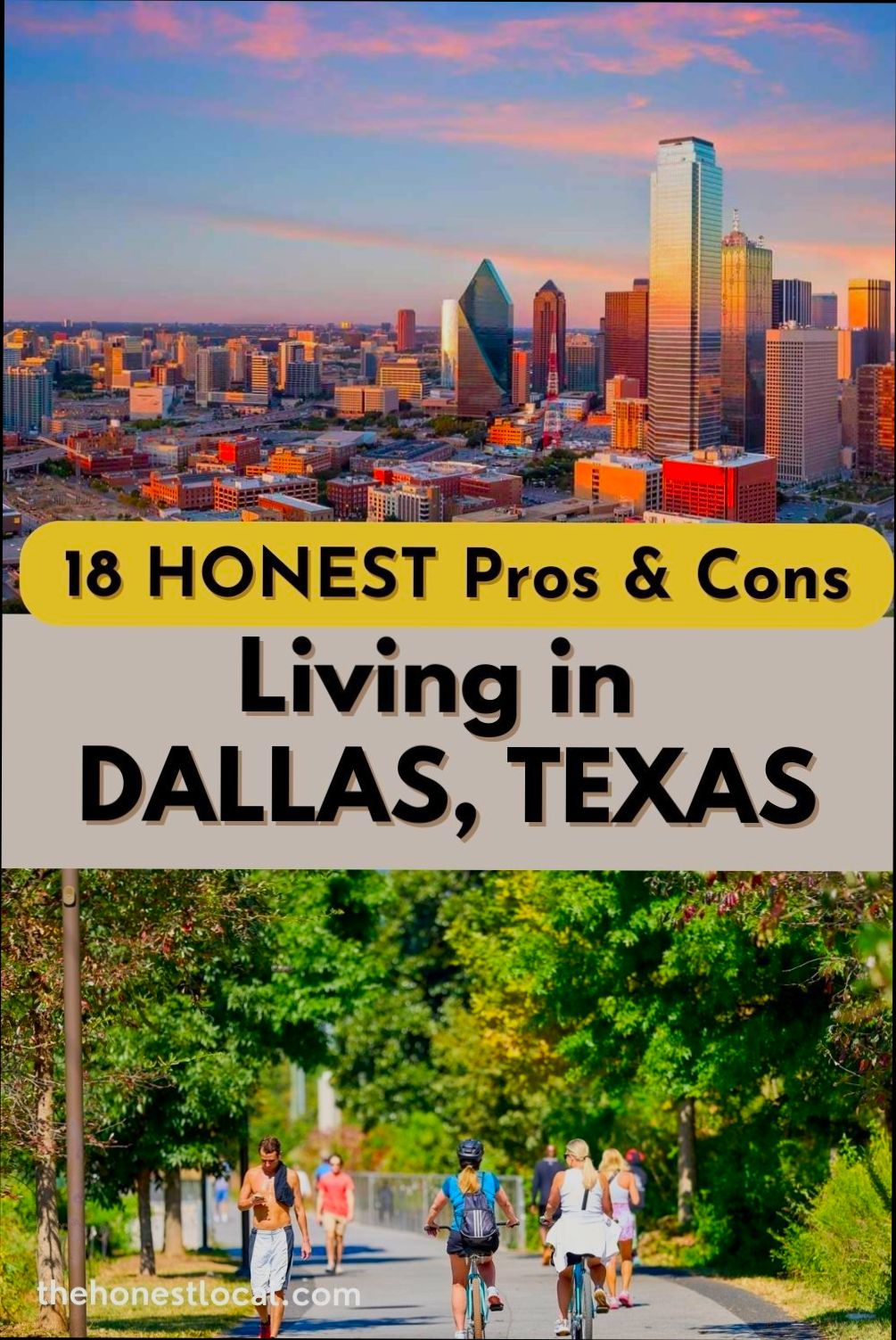
Cost of Living Analysis in Dallas
Understanding the cost of living is essential when considering a move to a new city. In Dallas, the cost of living offers a mix of affordability and challenges that can greatly impact your financial well-being. Let’s dive into the specifics of what it costs to live in this vibrant Texas city.
Housing Costs
Housing in Dallas is notably more affordable than in many other major cities. For example, when less than 50% of your paycheck goes towards housing, you can better allocate funds to other expenses. The median home price in Dallas is around $300,000, significantly lower than cities like New York or San Francisco, where the median hovers in the millions.
Transportation Expenses
Transportation remains a significant factor in your budget when living in Dallas. The city is car-dependent, meaning you’ll likely need a vehicle for commuting. Gas prices in Texas tend to be lower than the national average, contributing to overall transportation costs. However, be prepared for traffic congestion, especially during peak hours, which can elevate your spending on fuel and vehicle maintenance.
| Cost Category | Average Monthly Cost |
|---|---|
| Housing (Median Rent) | $1,800 |
| Utilities | $200 |
| Transportation | $150 |
| Groceries | $400 |
| Healthcare | $350 |
Taxes
Diving deeper into taxes, one major financial perk is that Texas has no state income tax. This can lead to significant savings compared to states that do impose income taxes. However, it’s important to note that property taxes in Dallas are on the higher side, with an average effective rate of around 2.18%, which can impact your monthly living costs when purchasing a home.
Practical Implications
When planning your budget, consider these key cost categories:
- Housing: Budget about $1,800 for a decent apartment in the city.
- Utilities: Expect around $200 for basic services like electricity, water, and garbage.
- Transportation: Set aside $150 for bus fares or gas if you’re driving.
- Grocery costs: Budget approximately $400 monthly for food and household supplies.
- Healthcare: With health expenses averaging $350, you should factor in insurance and out-of-pocket costs.
Real-World Examples
Residents often report that, despite the higher property taxes, they find the absence of state income tax offsets this burden pretty well. For instance, a family earning $70,000 in Dallas might save around $3,000 annually compared to someone living in a state with a 4% income tax. Additionally, with such a diverse job market, many find well-paying jobs that allow them to manage living expenses comfortably.
Your personal situation will greatly influence how these costs affect you. If you’re previously used to paying high rents in cities like Los Angeles, you might find Dallas’s housing prices refreshing. However, if you come from a rural background, the change in transportation costs could be surprising.
By planning ahead and understanding these financial aspects, you can set yourself up for a more comfortable transition when moving to Dallas.
Employment Opportunities and Job Growth
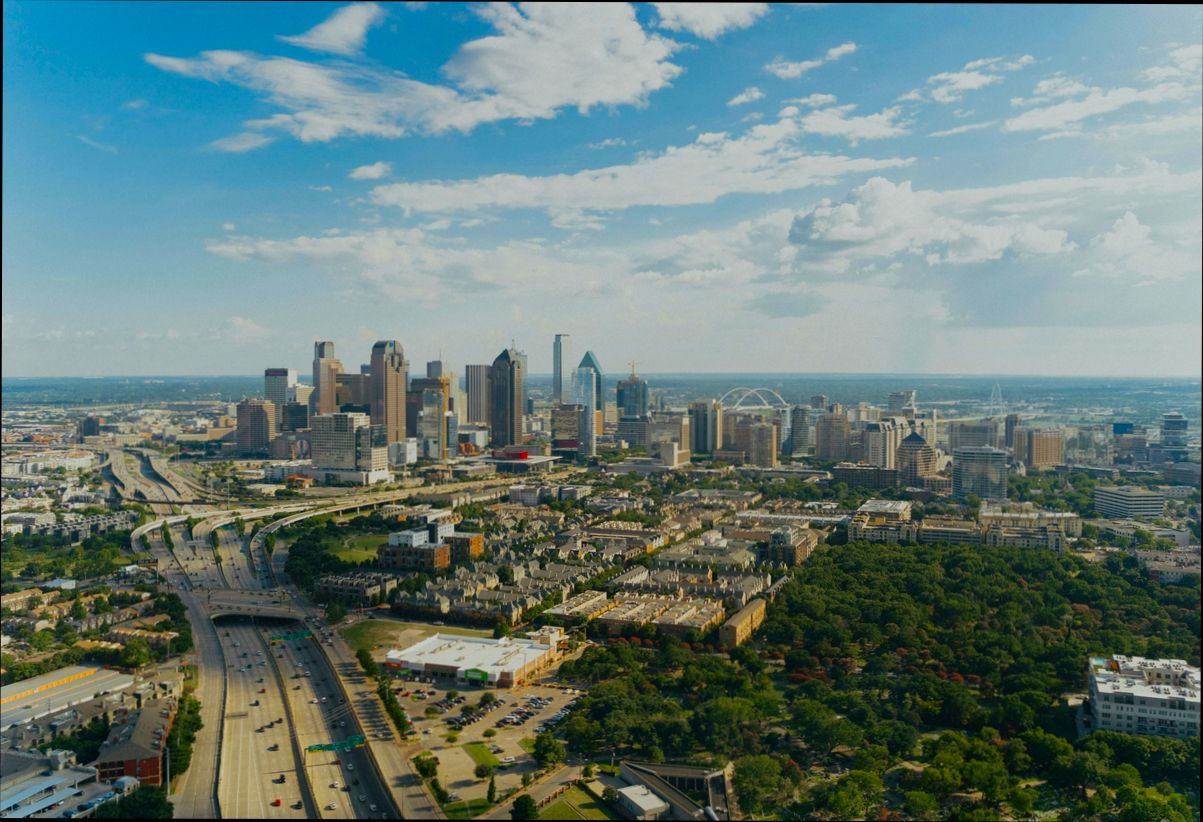
Dallas, Texas, stands out as a thriving hub for job seekers due to its robust economy and diverse employment landscape. Understanding the employment opportunities and job growth trends in this bustling city can help you make informed decisions if you’re considering a move here.
Key Employment Statistics
- Low Unemployment Rate: Dallas often boasts an unemployment rate around 3.5%, which is lower than the national average, indicating a healthy job market.
- Diverse Industries: Major sectors include technology, finance, healthcare, and energy, providing a wide array of job opportunities across various skill levels.
- High Job Growth Rate: Dallas has shown consistent job growth, averaging about 2.5% annually, making it an attractive city for long-term career prospects.
Job Market Data
| Industry | Average Annual Salary | Projected Job Growth Rate |
|---|---|---|
| Technology | $90,000 | 15% |
| Healthcare | $70,000 | 12% |
| Finance | $80,000 | 10% |
| Energy | $85,000 | 8% |
| Tourism | $50,000 | 6% |
Real-World Examples
1. AT&T Headquarters: As one of the largest employers in Dallas, AT&T has invested significantly in its local workforce, offering various positions in telecommunications and technology fields. This has led to job stability and growth for many residents.
2. Healthcare Expansion: Names like Baylor Scott & White Health and Dallas Medical Center are expanding operations, creating thousands of new jobs in nursing, administration, and technical services. The healthcare sector continues to be one of the fastest-growing areas in Dallas.
3. Tech Startups: The Dallas startup scene is booming, with numerous tech companies emerging, especially in areas like Deep Ellum and the Design District. These startups are not just tech giants but also innovative small businesses contributing to job creation.
Practical Implications
If you’re looking for a job in Dallas, consider targeting industries with high growth rates such as technology and healthcare. Networking at industry-specific events can give you a leg up in finding job openings that may not be advertised widely. Engaging with local professional organizations can also provide insights into the job market and opportunities for advancement.
Stay updated on economic trends in Dallas that affect employment. Given the population’s diversity, improving your skills, especially in technology or healthcare, may boost your employability and salary potential.
- Tip: Consider obtaining certifications relevant to your industry; they can significantly enhance your job prospects in Dallas’s competitive market.
Remember, understanding the local employment landscape can be pivotal in securing a bright future in Dallas.
Climate Considerations for Dallas Residents
Living in Dallas offers a vibrant lifestyle, but understanding its climate is crucial for a comfortable experience. The city’s humid subtropical climate means you can expect hot summers and mild winters, with an average annual temperature of around 19.2°C. Let’s dive into the specifics.
Average Temperature Insights
Dallas experiences significant temperature variations throughout the year. Here’s a quick overview of the average monthly temperatures:
| Month | Min (°C) | Max (°C) | Mean (°C) |
|---|---|---|---|
| January | 2.3 | 13.6 | 7.9 |
| July | 24.3 | 35.3 | 29.8 |
| August | 24.3 | 35.4 | 29.9 |
During the peak of summer, especially in July and August, highs can reach up to 35.4°C while the average low is around 24.3°C. So, if you’re planning outdoor activities, early mornings or late evenings are usually more pleasant.
Rainfall Patterns
Dallas receives about 940 mm of rain annually, with the wettest months being from March to May. Here’s a breakdown of average rainfall:
| Month | Rain (mm) | Days |
|---|---|---|
| May | 120 | 9 |
| June | 95 | 7 |
| October | 110 | 7 |
From April through June, you can expect frequent thunderstorms, adding to the environmental dynamics. You’ll need to plan for sudden rain showers and possibly severe weather events, including hail and tornadoes during spring.
Real-World Feels
Case studies of local residents illustrate the unpredictable nature of Dallas weather. For example, many residents suggest keeping a light jacket handy even in summer months, as temperatures can drop unexpectedly during evening. Heavy rainfall in May often leads to local flooding; therefore, local businesses have adapted by raising building infrastructure.
Practical Considerations for Residents
To help you navigate Dallas’s climate, here are some practical tips:
- Dress Smartly: Light, breathable clothing is essential, especially during summer months when heat indices can soar above 40°C. Don’t forget a hat and sunscreen!
- Stay Hydrated: With heat waves common, always keep water handy and be mindful of the signs of heat exhaustion, especially during outdoor events.
- Be Weather-Ready: Invest in a sturdy umbrella and check weather apps or local updates, particularly during the spring storm season.
Actionable Facts
- Be prepared for temperature swings; carry layers to accommodate cooler evenings and the heat of the day.
- Commit to checking local weather forecasts daily to stay ahead of any unexpected storms or temperature changes.
By understanding and preparing for these climate considerations, you can fully enjoy everything Dallas has to offer while minimizing discomfort from its weather patterns.
Cultural Attractions and Lifestyle Benefits
Dallas offers a vibrant tapestry of cultural attractions and lifestyle benefits that enhance the living experience for its residents. From arts to culinary delights, the city embodies a rich, diverse culture that reflects its growing population and dynamic lifestyle.
Cultural Hotspots
Dallas boasts an extensive array of museums, galleries, and theaters that cater to various artistic tastes. The Dallas Arts District is one of the largest contiguous urban arts districts in the nation, and it features:
- Dallas Museum of Art: Home to over 24,000 works spanning 5,000 years.
- Nasher Sculpture Center: A haven for modern and contemporary sculpture.
- AT&T Performing Arts Center: Hosts Broadway productions, concerts, and ballet.
In fact, approximately 43.1% of residents speak a non-English language at home, showcasing the city’s cultural diversity and influence on its artistic expressions.
Culinary Scene
Dallas’s food scene reflects its cultural mosaic and is one of the key lifestyle benefits for residents. You can savor everything from Tex-Mex to international cuisines, thanks in part to the city’s diverse demographic. Notable culinary highlights include:
- Food Festivals: Events like the Dallas Food and Wine Festival attract food lovers from all around.
- Food Trucks: Offering a plethora of choices that you might find in larger urban areas.
The city’s investment in cultural events contributes to a palpable sense of community and engagement among residents.
Music and Entertainment
Music lovers will find Dallas a cultural haven. The city has a thriving live music scene with genres ranging from country to jazz and rock, reflected in numerous venues such as:
- The House of Blues: Famed for both its live performances and its unique ambiance.
- The Kessler Theater: Showcases local and national acts in an intimate setting.
Joining the 1.3 million residents means you’ll enjoy this vibrant scene, contributing to a lively social calendar throughout the year.
Table of Cultural Attractions
| Category | Type of Attraction | Notable Venue |
|---|---|---|
| Visual Arts | Museum | Dallas Museum of Art |
| Performing Arts | Theater | AT&T Performing Arts Center |
| Music | Venue | House of Blues |
| Culinary Experiences | Festival | Dallas Food and Wine Festival |
| Cultural Heritage | Center | Nasher Sculpture Center |
Real-World Examples
Local events constantly bring residents together in celebration of culture and community. The Dallas International Film Festival showcases both independent and international films, allowing you to immerse yourself in diverse storytelling and perspectives. Additionally, annual events like Fiesta in the Park promote local art and music, further cultivating a sense of belonging.
Practical Lifestyle Implications
When living in Dallas, you’ll likely find an abundance of activities that cater to your cultural interests, whether attending art exhibitions or food festivals. These opportunities enhance social connections and foster an appreciation for the city’s diverse heritage.
Dallas not only hosts a myriad of cultural attractions but also offers lifestyle benefits that resonate deeply with its residents. Whether it’s indulging in various cuisines or participating in vibrant arts events, the city ensures that there’s always something enriching to engage with in daily life.

Crime Rates and Safety Concerns
When considering a move to Dallas, understanding crime rates and safety concerns can significantly impact your decision. While Dallas has many attractions, knowing the crime landscape is crucial for ensuring your peace of mind.
Overview of Crime Statistics
In recent years, Dallas has experienced fluctuating crime rates, making it essential for prospective residents to stay informed.
- Violent Crime Rate: Dallas has a violent crime rate of approximately 6.7 per 1,000 residents, which is higher than the national average.
- Property Crime Rate: Property crimes are also significant, with a rate of about 30.2 per 1,000 residents.
- Neighborhood Variations: Some neighborhoods, such as Deep Ellum and Oak Cliff, report higher crime rates, whereas areas like Preston and Far North Dallas are generally safer.
Comparative Crime Statistics Table
| Crime Type | Dallas Rate (per 1,000 residents) | National Average (per 1,000 residents) |
|---|---|---|
| Violent Crime | 6.7 | 4.0 |
| Property Crime | 30.2 | 24.9 |
| Aggravated Assault | 4.0 | 2.9 |
| Burglary | 6.3 | 4.3 |
Real-World Examples
- Community Policing Initiatives: In response to safety concerns, Dallas has implemented community policing programs that encourage collaboration between residents and law enforcement. These initiatives have reportedly helped reduce crime rates in several neighborhoods.
- Recent Data from Reported Incidents: According to a report by the Dallas Police Department, there were over 53,000 reported crimes in the past year, with property crimes accounting for around 77% of these incidents.
Practical Implications for Residents
Given the higher-than-average crime rates, consider taking proactive safety measures if you choose to move to Dallas.
- Neighborhood Research: Investigate crime statistics in specific neighborhoods before deciding where to live. Online crime maps can help you find safer areas.
- Engagement with Local Community: Join neighborhood watch groups or local Facebook pages to stay informed about community safety concerns and initiatives.
- Insurance Considerations: When moving to areas with higher crime rates, check with your insurance provider for changes to your homeowners or renters insurance premium, as areas with higher crime may affect your rates.
Actionable Safety Tips
- Stay Alert: Always be aware of your surroundings and avoid poorly lit areas after dark.
- Use Technology: Consider using safety apps that allow you to share your location with trusted friends or family.
- Engage with Law Enforcement: Attend local precinct meetings to learn more about safety initiatives and express your concerns, fostering a sense of community.
Real Estate Trends in Dallas Housing
The real estate market in Dallas is dynamic and constantly evolving, making it crucial for potential residents to stay informed about the current trends. With an influx of new residents and diverse property types, we can identify significant patterns that shape the housing landscape in this vibrant city.
Rising Home Prices and Market Demand
In recent years, Dallas has witnessed a surge in home prices, driven by a robust demand for housing.
- Median Home Price: As of mid-2023, the median home price in Dallas reached approximately $400,000, reflecting a year-over-year increase of around 9%.
- Inventory Levels: The inventory of homes for sale remains low, hovering around 1.5 months of supply, which is significantly below the balanced market level of about six months.
Growth in Suburban Areas
Many buyers are shifting their focus to suburban neighborhoods surrounding Dallas, as these areas offer a more affordable alternative while still providing access to city amenities.
- Popular Suburbs: Areas like Frisco and McKinney have seen an average appreciation of home values by 12% over the past year, making them increasingly attractive to families looking for more space.
- New Developments: Developers are responding to this demand, with over 5,000 new residential units slated for completion by the end of 2024 in these suburban areas.
Rental Market Dynamics
The rental market in Dallas is experiencing its own trends, with vacancy rates declining and rental rates increasing.
- Average Rent Increase: In 2023, the average rent for a one-bedroom apartment rose to approximately $1,800, marking a 7% increase compared to the previous year.
- Vacancy Rates: Vacancy rates in the Dallas rental market are low, around 4.2%, indicating strong demand from renters who are attracted to employment opportunities and lifestyle amenities.
| Housing Trend | 2022 Value | 2023 Value | Year-over-Year Change |
|---|---|---|---|
| Median Home Price | $367,000 | $400,000 | +9% |
| Average Rent (1-Bedroom) | $1,680 | $1,800 | +7% |
| Months of Inventory Supply | 2.0 months | 1.5 months | -25% |
Case Studies Illustrating Trends
To illustrate these trends, consider the case of a young couple who recently relocated to Dallas. They decided to buy a home in the suburb of Allen, where they found a three-bedroom house priced at $360,000, compared to similar homes in downtown Dallas, which averaged $500,000. This strategy allowed them to secure a larger living space and invest in a community with highly-rated schools.
Another example is a property investor who purchased multiple rental units in Deep Ellum. With the area’s growing popularity for its arts and dining scene, the investor experienced a healthy rental demand, showcasing the city’s potential for investment opportunities in real estate.
Practical Implications
For those considering a move to Dallas or investment in real estate, here are some actionable insights:
- Act Quickly: With low inventory levels, motivated buyers should be prepared to make quick offers to compete in the tight housing market.
- Explore Suburban Options: If affordability is a concern, explore suburban neighborhoods, as they often provide more space and better pricing compared to urban areas.
- Stay Informed: Regularly monitor local real estate listings to identify emerging trends and areas of opportunity, especially in hot neighborhoods showing higher appreciation rates.
As the Dallas housing market continues to evolve, staying ahead of these trends will empower you to make informed decisions in your housing journey.
Family-Friendly Amenities and Education Options
When considering a family move to Dallas, the wealth of amenities and educational options can significantly influence your decision. Dallas is not only brimming with family-friendly activities but also boasts a strong educational framework to support your children’s development.
Diverse Recreational Facilities
Dallas provides a variety of parks, recreational centers, and family-oriented spaces designed for children and families. Here are some highlights:
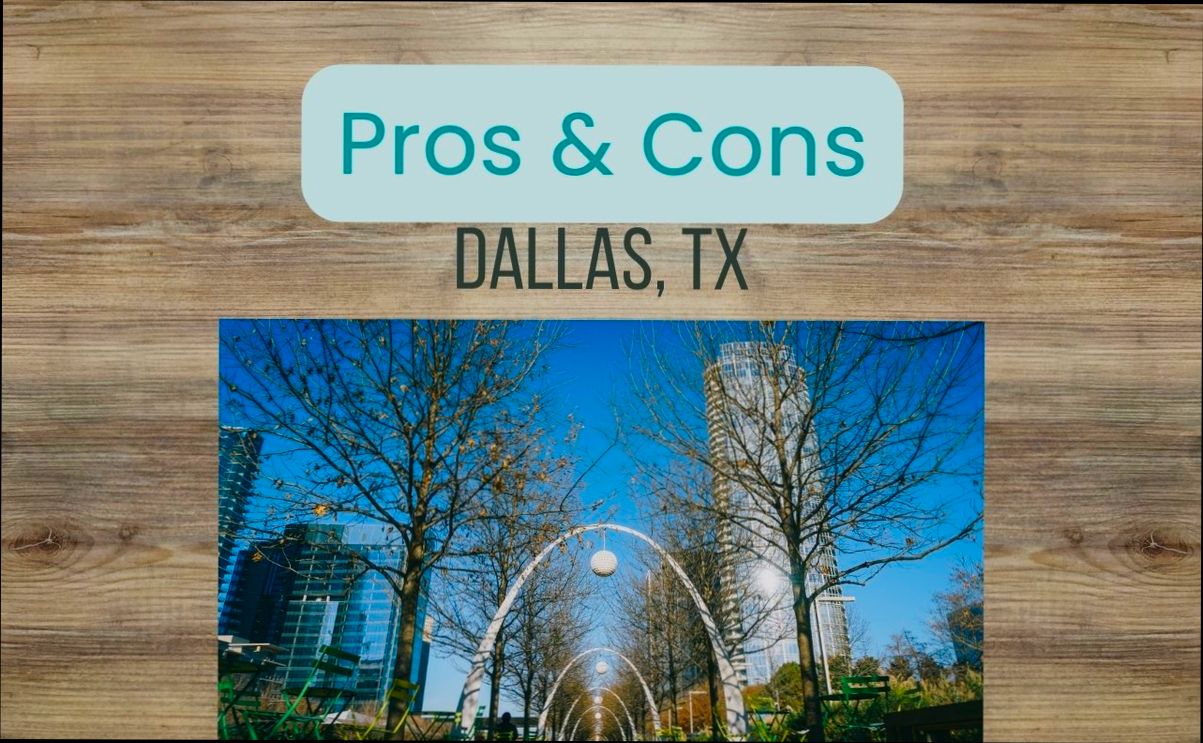
- Klyde Warren Park: This 5.2-acre park is a family gem, featuring a children’s playground, a literary lawn, and community events throughout the year.
- Dallas Zoo: With over 2,000 animals, this zoo offers interactive educational programs and family events, making weekends both fun and educational.
- Dallas Arboretum and Botanical Garden: This beautiful space offers family days and seasonal activities that include plant-themed scavenger hunts, which engage children in nature.
Educational Landscape
Dallas is home to numerous educational options, from public schools to private institutions and charter schools. You can expect:
- High-Quality Schools: The Dallas Independent School District (DISD) operates several recognized schools, with a growing number receiving high ratings on accountability scores. For instance, schools like Lakewood Elementary have become increasingly popular among families for their robust programs.
- Strong Community Colleges: Institutions like Dallas College provide resources for families seeking higher education pathways, including dual enrollment programs that allow high school students to earn college credits.
Comparative Overview of Educational Institutions
| Institution Type | Number in Dallas | Average Rating | Unique Features |
|---|---|---|---|
| Public Schools | 200+ | 7.5/10 | Diverse programs, sports, and extracurricular choices |
| Private Schools | 40+ | 8.2/10 | Smaller class sizes, specialized curricula |
| Charter Schools | 75+ | 8.0/10 | Innovation in teaching methods and flexible learning |
Real-World Examples of Family-Friendly Education
Several families in Dallas have shared experiences about their children thriving in localized educational environments:
- Lake Highlands High School has cultivated a supportive culture focused on academic achievement, leading many families to move nearby for its acclaimed programs.
- Uplift Education charter schools are gaining recognition due to their college preparatory emphasis, ensuring students are well-equipped for future academic challenges.
Practical Insights for Families
If you’re moving to Dallas, consider these actionable insights to enhance your family’s experience:
- Explore Local Programs: Many community centers offer free classes and workshops for families, ranging from art to sports, ensuring that children have varied opportunities to learn and grow.
- Join Parent-Teacher Associations: Engaging with these organizations can provide deeper insights into schools and help you connect with other parents, enhancing your family’s social circle.
- Check Out Family-Friendly Events: Local calendars are filled with events such as festival days at parks or educational fairs hosted at schools, providing fun bonding moments for families in the area.
Embracing these opportunities in Dallas can provide your family with a rich network of support while ensuring your children have access to quality education and enriching recreational activities.