Blog

What is CAM in Real Estate
What is CAM in Real Estate? Well, it stands for Common Area Maintenance, and it’s a crucial aspect of commercial properties that often flies under the radar. Picture this: you’re leasing a spot in a bustling shopping center. Every month, a portion of your rent goes toward CAM fees, which help cover the costs of maintaining shared spaces like parking lots, walkways, and even landscaping. According to the Institute of Real Estate Management, these fees can range anywhere from $0.50 to $3.00 per square foot, depending on the location and amenities. It’s not just about maintenance; CAM can also fund things like security services, utilities for common areas, and property management.
What is Cap Rate
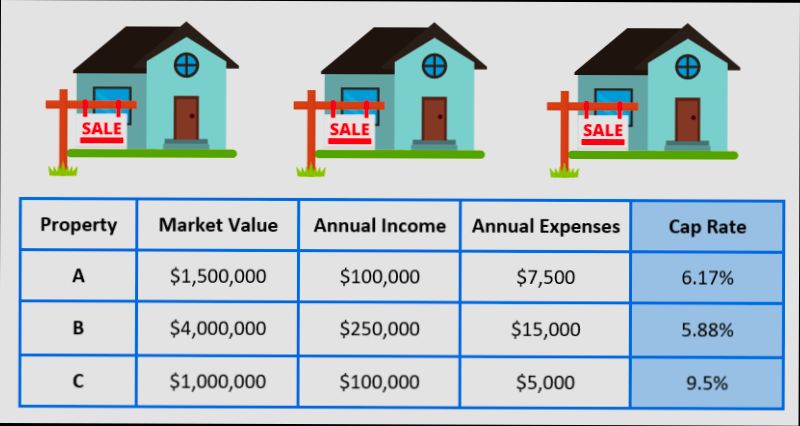
What is Cap Rate? It’s a term you’ll hear tossed around in real estate circles, and for good reason. Think of it as a simple way to measure the profitability of an investment property. For instance, if you buy a rental property for $300,000 and it generates $30,000 in net operating income (NOI) each year, your cap rate would be 10%. That’s calculated by taking your annual NOI and dividing it by the property’s purchase price. Easy enough, right? This means, in theory, you would earn a 10% return on your investment if all else remains constant.
What is Certificado de Retenciones in Spain and How to Get It
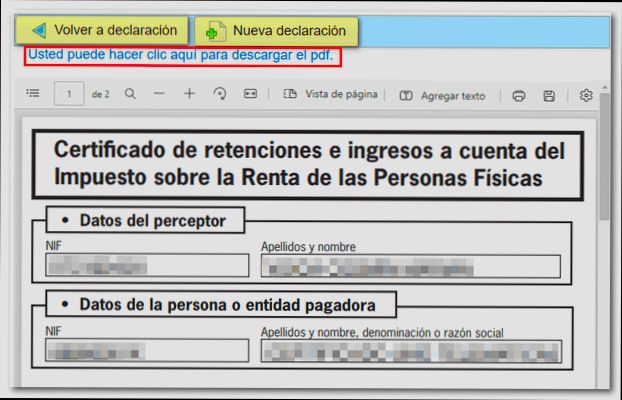
What is Certificado de Retenciones in Spain and How to Get It? Picture this: you’ve just wrapped up a side gig, whether it’s freelancing or a little contract work, and now you're keen on getting your finances sorted. The Certificado de Retenciones is your key player here. This document shows how much tax has been withheld from your income, and it’s important when filing your annual tax return. For freelancers, it can mean smoother sailing when you report your earnings to the Spanish tax authorities, ensuring you owe the right amount or even get some money back.
What is CIF and How to Get It
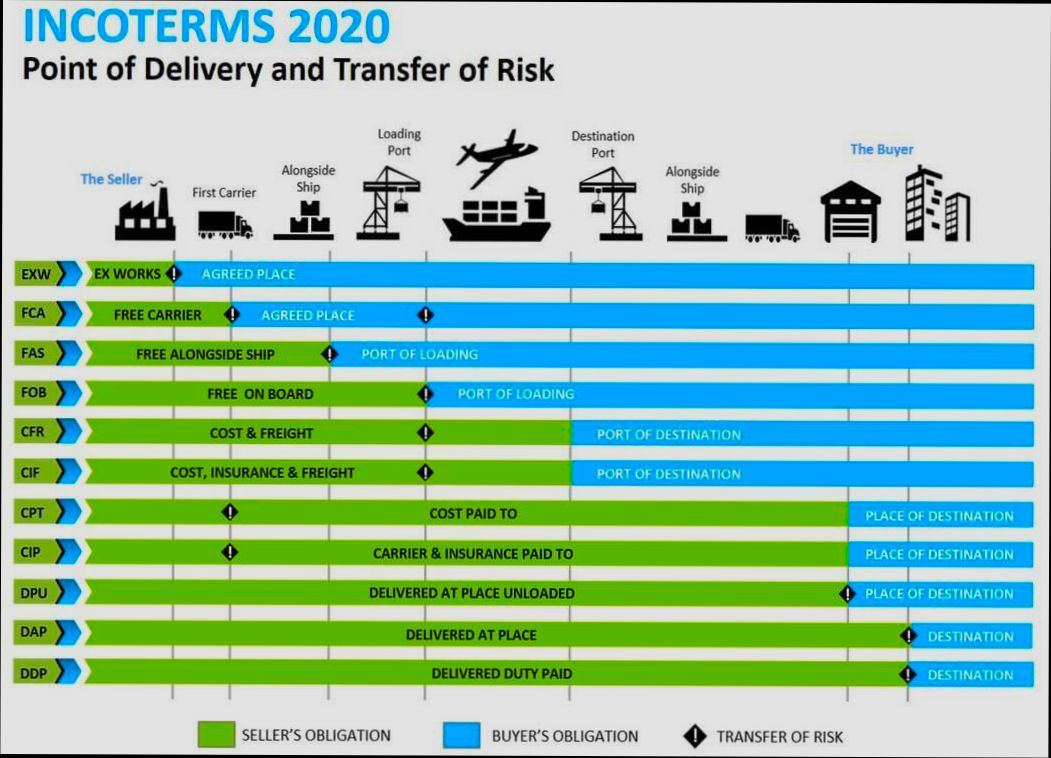
What is CIF and How to Get It? You might have seen this term tossed around in banking and trading circles, but it’s more straightforward than it sounds. CIF stands for Customer Information File, a crucial component in the banking sector, especially if you’re looking to open a bank account or make an investment. According to the Reserve Bank of India's guidelines, banks maintain this file to keep track of all your personal information, financial history, and risk assessments. So, if you're planning to take that financial leap, you'll need to get your CIF number first.

What is Considered Uninhabitable Living Situations for a Tenant
What is Considered Uninhabitable Living Situations for a Tenant? Imagine stepping into a rental where the roof has gaping holes, allowing rain to drench your living room—yikes! Or think about a place infested with rodents, where sharing your space with mice feels all too real. According to the U.S. Department of Housing and Urban Development, around 10% of renters live in conditions that could be deemed uninhabitable. That’s a staggering figure when you realize it means thousands of people are dealing with issues like broken heaters in winter, severe mold growth, or lack of running hot water.

What is Crime Like in Málaga
What is crime like in Málaga? Let’s dive right into it! This beautiful Andalusian city, known for its stunning beaches and rich history, does have its share of crime, but it’s often lower than you might think. For instance, in 2021, Málaga reported a crime rate of about 30 incidents per 1,000 residents, which is lower than the national average for Spain. Most of the crimes are non-violent, with petty theft and pickpocketing being the main culprits, especially in tourist-packed areas like La Malagueta Beach and the bustling streets around the Picasso Museum.

What is Depreciation in Real Estate
What is Depreciation in Real Estate? It’s a term that might sound a bit dry, but it plays a huge role in how we view property investments. Think about it: you buy a rental property for $300,000, and over time, its value seems to drop due to wear and tear, changing neighborhoods, or market fluctuations. Most investors don't realize that this decline isn’t just a loss—it's a deduction you can leverage on your taxes. For instance, residential properties are typically depreciated over 27.5 years, allowing you to deduct a chunk of that original price each year. So, in the case of your $300,000 home, you're looking at about $10,909 off your taxable income annually.

What is Digital Real Estate
What is Digital Real Estate? Imagine owning a slice of virtual land where people gather, shop, and connect online. Think of it like investing in prime physical property, but instead of a brick-and-mortar location, you’re securing virtual spaces like websites, domain names, or even social media accounts. In 2023, the global digital real estate market is projected to exceed $1 trillion, as brands scramble to carve out their territory in the metaverse and digital marketplaces. For example, last year, the popular virtual gaming platform, Decentraland, saw plots of digital land selling for upwards of $2 million, showcasing just how valuable these virtual spaces can be.
Tags