Blog
What is a Reverse Mortgage Loan
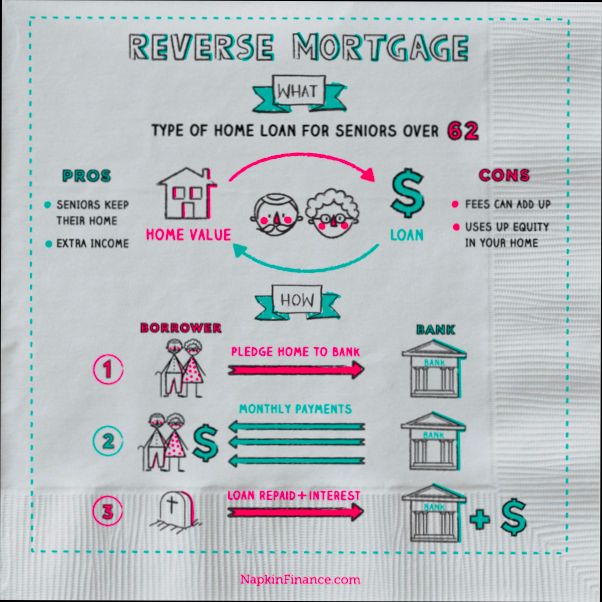
What is a Reverse Mortgage Loan? Picture this: you're in your golden years, enjoying retirement, but your budget feels tighter than ever. A reverse mortgage could be a way to tap into the equity of your home, allowing you to turn part of that ownership into cash without selling your beloved abode. For example, according to the National Reverse Mortgage Lenders Association (NRMLA), the average reverse mortgage borrower is around 72 years old and can access anywhere from $50,000 to $100,000 or more, depending on their home’s value and age.
What is a Tax Credit Apartment
What is a Tax Credit Apartment? It’s a pretty cool option for renters looking for affordable living. These apartments are part of the Low-Income Housing Tax Credit (LIHTC) program established back in 1986 to help tackle the affordable housing crisis. With this program, developers get tax breaks for building or renovating properties, which in turn allows them to keep rents lower—often at around 30% of a tenant’s income. For example, if you’re earning $40,000 a year, you could be looking at rent around $1,000 a month, significantly less than the market average in many urban areas.
What is a Terraced House
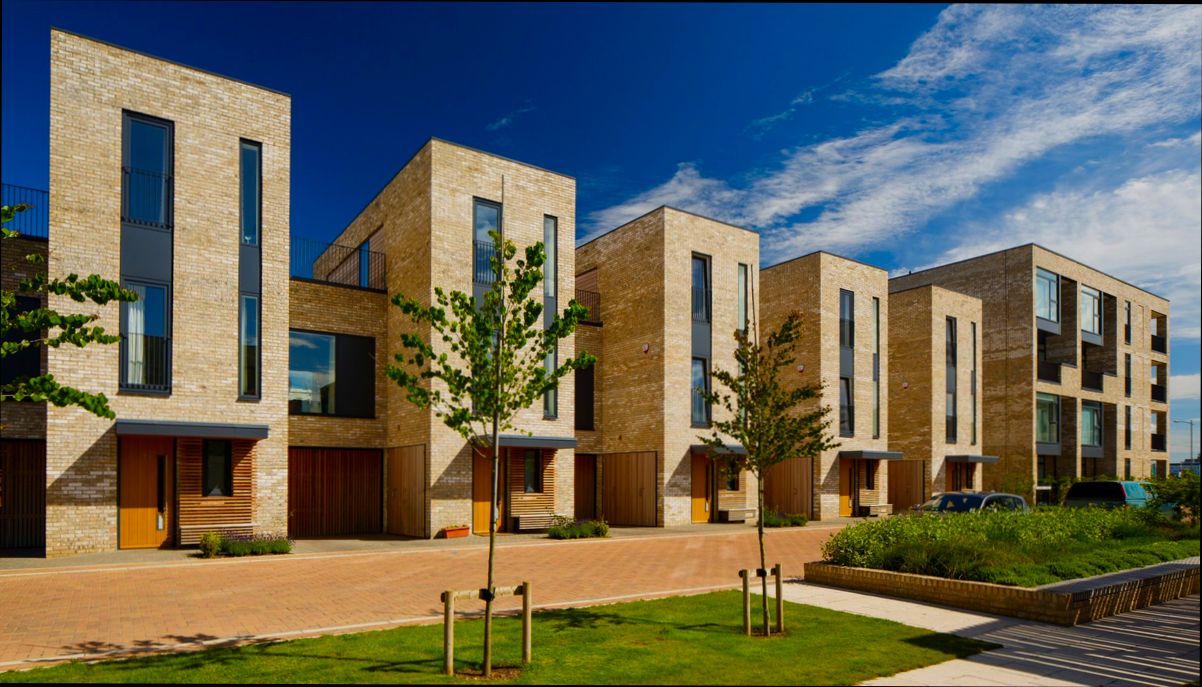
What is a terraced house? Picture this: a row of cozy homes sharing walls, each with its unique character yet part of a broader community vibe. You’ll often find terraced houses in urban areas like London, where over 40% of the city’s housing stock falls into this category. The typical features include narrow designs, often three to four stories high, and a small front and back yard. They’re practical and maximally utilize space, giving you efficient living even in the heart of bustling neighborhoods.
What is an Adjustable Rate Mortgage
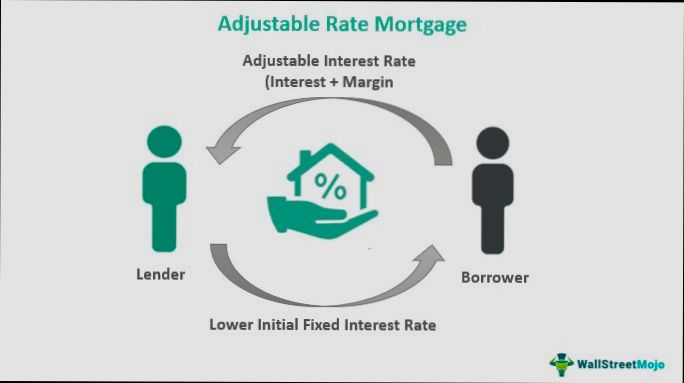
What is an Adjustable Rate Mortgage? In simple terms, it’s a home loan with an interest rate that changes over time, usually tied to a specific benchmark rate, like the LIBOR or the Treasury index. For instance, a popular option is the 5/1 ARM, where you enjoy a stable rate for the first five years, followed by annual adjustments thereafter. In today’s market, that initial rate can be significantly lower than fixed-rate mortgages—think about rates in the 3% range compared to fixed rates nudging toward 6% or higher.
What is an Affordable Rent
What is an Affordable Rent? It’s not just a catchy phrase; it’s a crucial factor in housing for millions of people. For many, affordable rent means spending no more than 30% of their income on housing costs. So, if you make around $4,000 a month, ideally, you should be looking at rent prices no higher than $1,200. This can really create a huge impact when we look at big cities where rent can soar—like New York or San Francisco, where even a studio apartment can set you back $3,000 or more!
What is an Agency in Real Estate
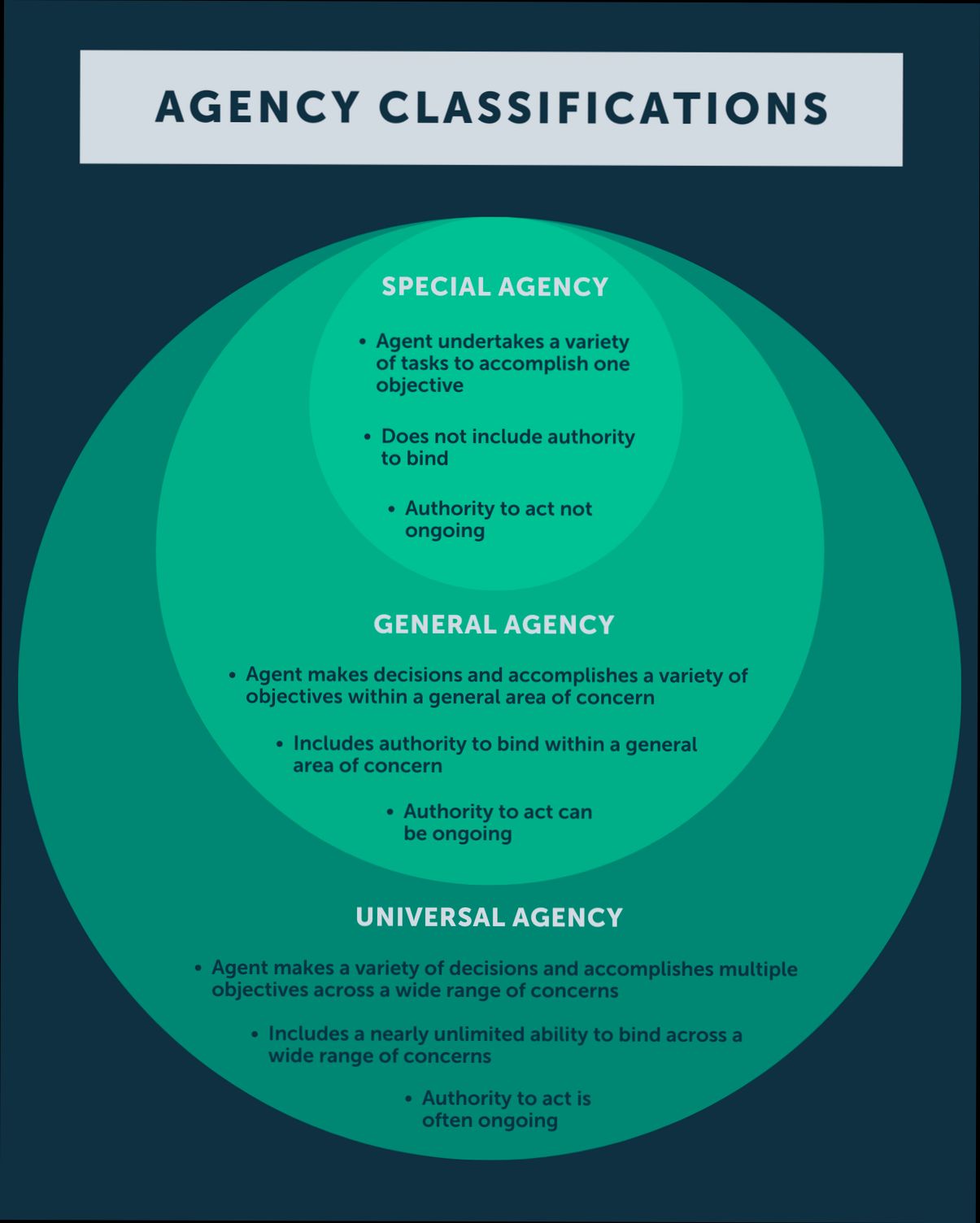
What is an Agency in Real Estate? Think of it as your go-to buddy in the often-overwhelming world of buying and selling property. When you team up with an agency, you're connecting with a group of professionals who know the ins and outs of the market. For instance, according to the National Association of Realtors, 87% of buyers and sellers work with an agent because they bring valuable insights and negotiation skills to the table. Imagine walking into an open house with someone who understands not just the property’s value but also the local school districts, neighborhood trends, and even the best coffee spots nearby.
What is an Escrow Account
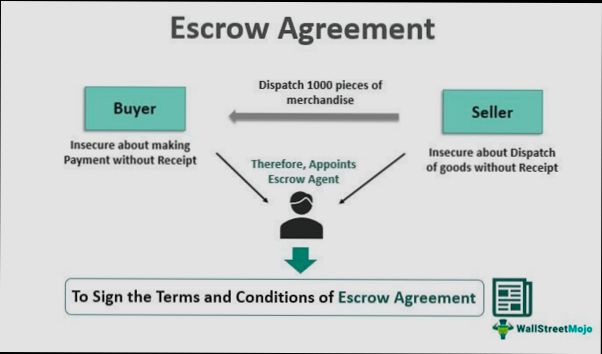
What is an Escrow Account? Think of it as a secure middle ground where money hangs out until certain conditions are met. Picture this: you’re buying a house for $300,000 and want to make sure everything goes smoothly. Instead of handing over the cash directly to the seller, you deposit it into an escrow account managed by a neutral third party. They hold onto that money while the sale is finalized, protecting both you and the seller from any potential hiccups. It’s not just about home buying, either—many businesses use escrow accounts to manage large transactions, like online marketplaces ensuring that both buyer and seller fulfill their part of the deal.
What is ARV in Real Estate
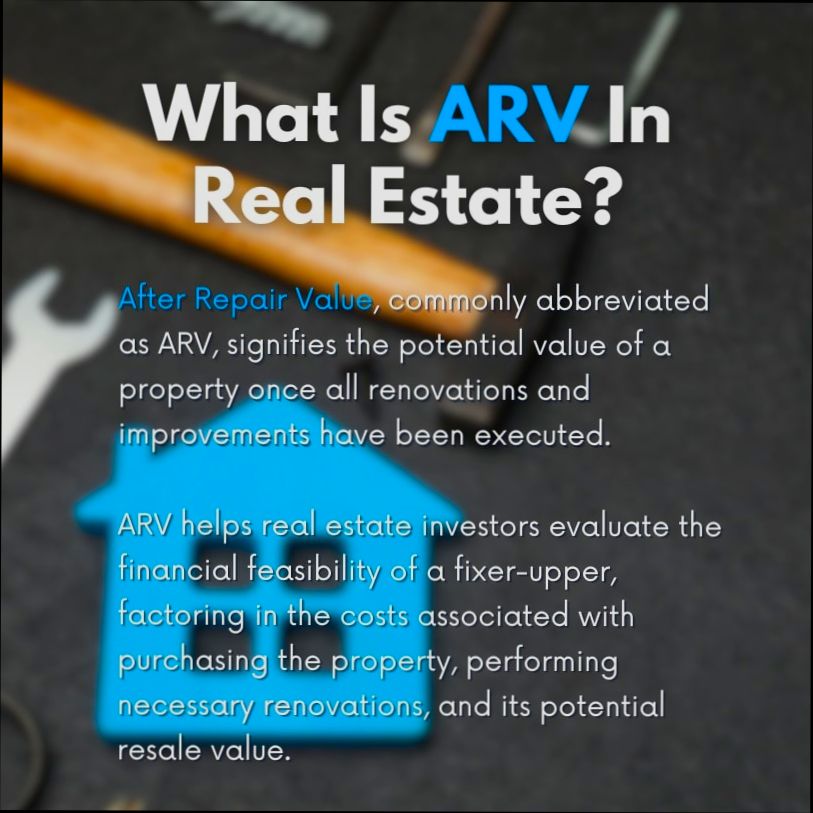
What is ARV in Real Estate? It stands for After Repair Value, and it’s a critical concept for anyone diving into property investment. Picture this: you find a rundown property in a great neighborhood—let’s say it’s listed at $200,000. After some renovations that cost you around $50,000, you plan to flip it. If the similar homes in the area are selling for around $320,000 post-renovation, then your ARV is essentially that $320,000. Understanding ARV helps you gauge whether a fixer-upper is a smart buy or a potential money pit.
Tags