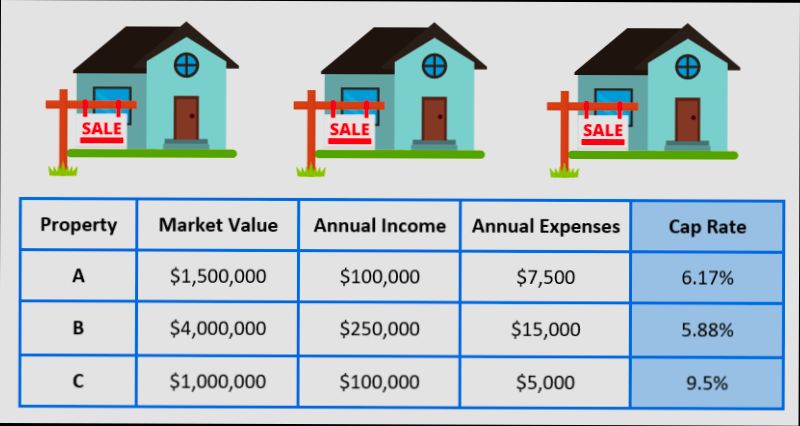
What is Cap Rate? It’s a term you’ll hear tossed around in real estate circles, and for good reason. Think of it as a simple way to measure the profitability of an investment property. For instance, if you buy a rental property for $300,000 and it generates $30,000 in net operating income (NOI) each year, your cap rate would be 10%. That’s calculated by taking your annual NOI and dividing it by the property’s purchase price. Easy enough, right? This means, in theory, you would earn a 10% return on your investment if all else remains constant.
Imagine you find two properties: one in a bustling urban area with a cap rate of 8% and another in a quieter suburb with a cap rate of 6%. At first glance, the urban property might seem more appealing because it offers a higher return based on the cap rate. But wait! The suburb might attract long-term tenants who stay for years, while the urban area could face higher tenant turnover. Thus, cap rate helps you compare these properties, but it’s just one piece of the investment puzzle that you’ll want to consider when evaluating potential deals.
Understanding Cap Rate Fundamentals
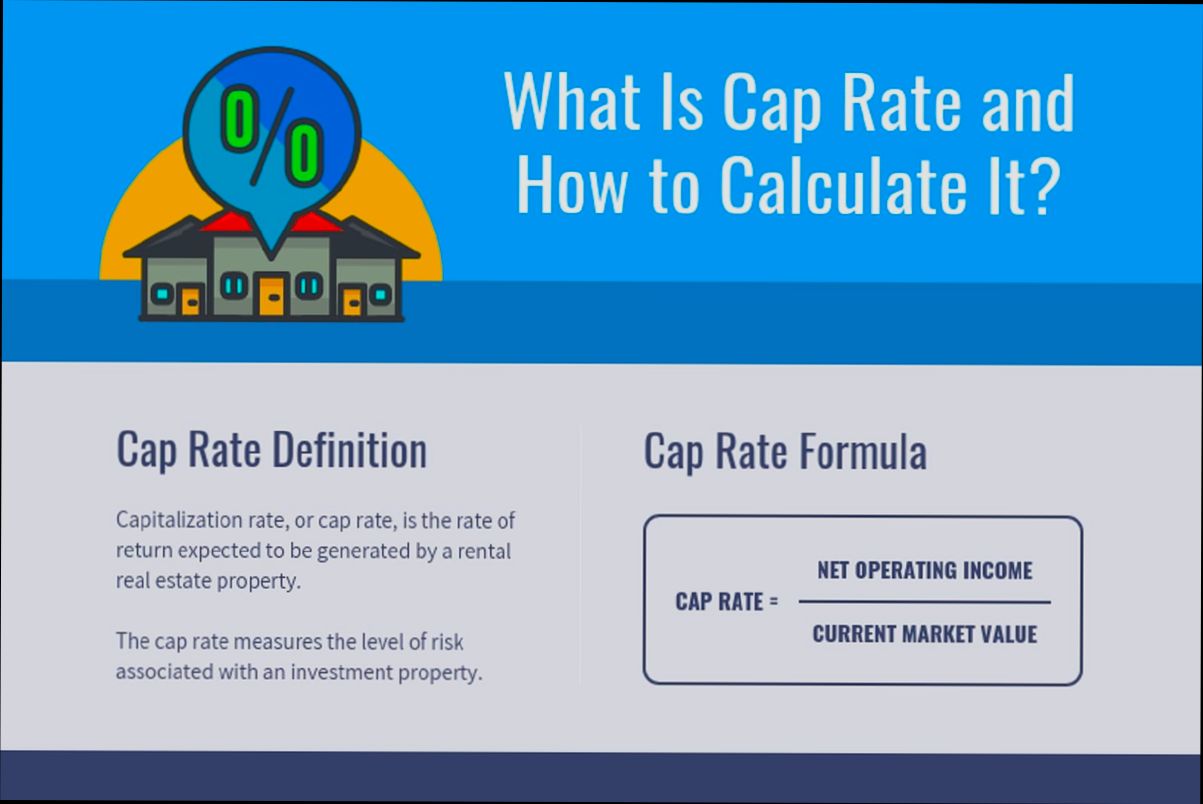
In the world of real estate investing, understanding the Capitalization Rate, or cap rate, is essential. It serves as a quick and straightforward way to evaluate the profitability of an investment property. Let’s break down the fundamentals of cap rate, focusing on how it functions, its calculation, and practical applications.
What Is Cap Rate?
Cap rate is a measure of the expected return on an investment property, expressed as a percentage. It provides insight into how effectively a property generates income relative to its value. When you’re looking at the cap rate, think of it as a snapshot of risk and return.
- A higher cap rate typically indicates a higher risk associated with the property.
- Conversely, a lower cap rate often signifies a more stable, lower-risk investment.
Key Points to Understand Cap Rate
1. Formula:
To calculate the cap rate, you can use this short formula:
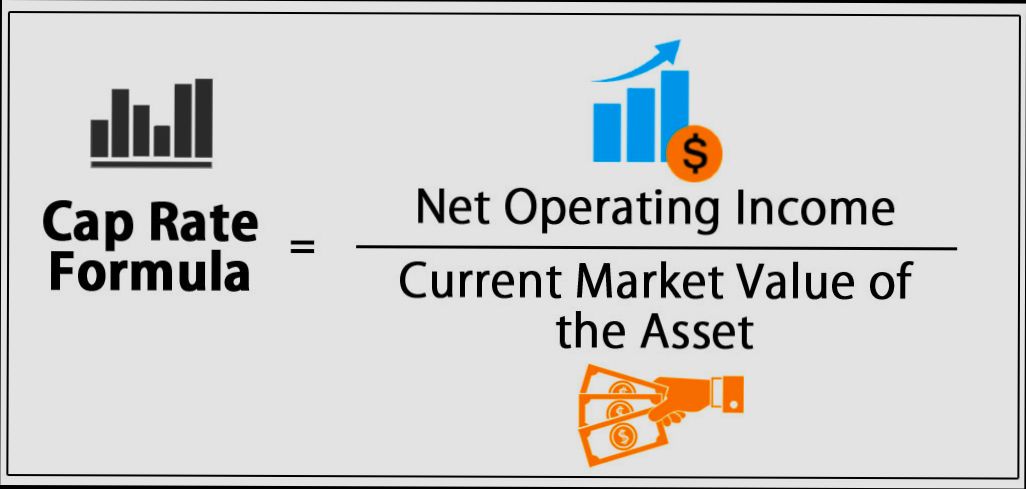
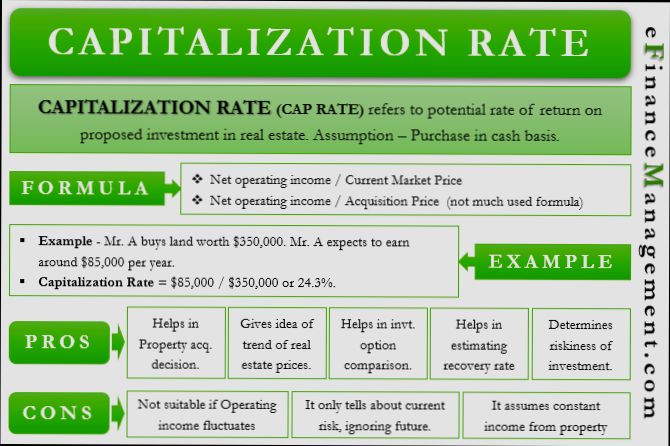
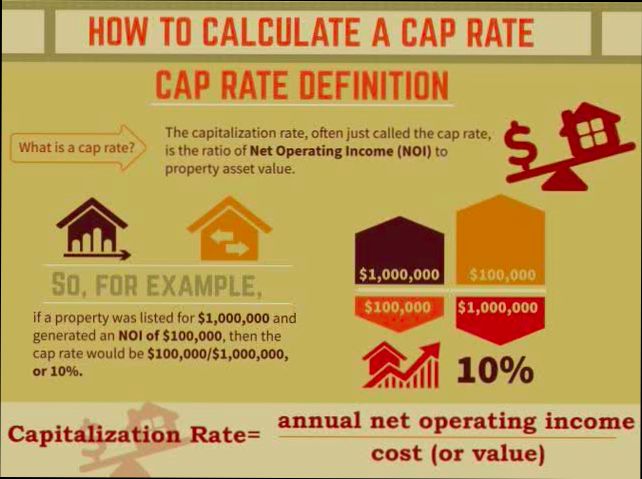
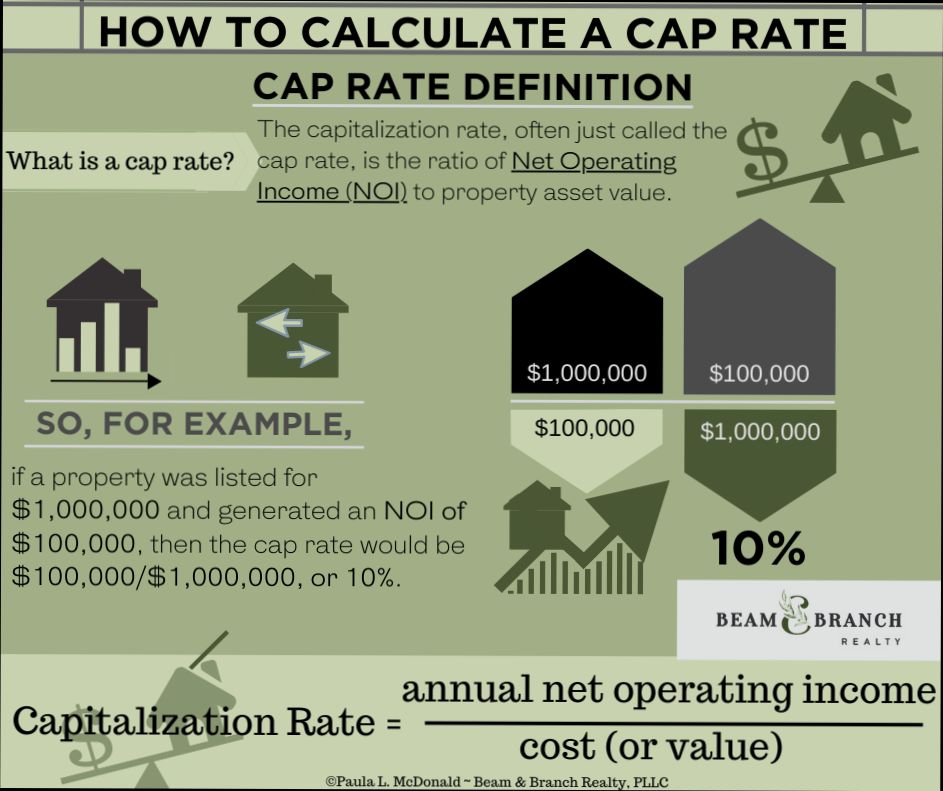
- Cap Rate = Net Operating Income (NOI) / Current Market Value of the Property
2. Net Operating Income (NOI):
- The NOI is calculated by subtracting the operating expenses from the gross income. According to recent findings, operating expenses average about 30% of gross income, so make sure to factor this in when determining your NOI.
3. Market Trends:
- A property in a thriving market might show a cap rate as low as 4%, while properties in less desirable areas may see cap rates around 10% or higher. Studies indicate that properties in metropolitan areas typically range between 5% and 8%.
Cap Rate Comparison Table
| Property Type | Average Cap Rate (%) |
|---|---|
| Multifamily Residential Property | 6.5 |
| Retail Real Estate | 7.5 |
| Office Buildings | 6.0 |
| Industrial Properties | 7.0 |
| Single-Family Rentals | 8.5 |
Real-World Examples
Imagine two properties:
- Property A is a multifamily building in an urban area with a cap rate of 6%. This suggests it’s in a stable market with consistent rental demand.
- Property B is a small retail space in a less trafficked area and has a cap rate of 9%. While it offers potentially higher returns, you must also consider the risk of lower occupancy rates.
These examples illustrate how different property types and locations impact cap rate.
Practical Implications
Understanding these fundamentals allows you to make more informed decisions. If you’re evaluating a potential investment:
- Look for properties with cap rates that align with your risk tolerance.
- If you prefer stability, target lower cap rates in strong markets.
- If you’re open to higher risk for greater returns, look for higher cap rates.
Actionable Advice on Cap Rate
- Always calculate the NOI based on realistic rental assumptions.
- Compare cap rates with similar properties to gauge whether an investment aligns with market expectations.
- Keep an eye on market conditions; fluctuations in cap rates can signal shifts in the economic landscape, guiding your investment timing.
By grasping these cap rate fundamentals, you can enhance your investment strategy and make decisions that align with your financial goals.
Interpreting Cap Rate Statistics
Understanding how to interpret cap rate statistics is vital for making informed real estate investment decisions. These statistics not only help you gauge potential returns but also provide insights into the property’s risk profile and market dynamics. In this section, we will explore various elements associated with interpreting cap rate statistics effectively.
Key Points in Interpreting Cap Rate Statistics
When you analyze cap rates, it’s essential to account for various factors that can influence your understanding:
- Market Trends: Cap rates can fluctuate significantly based on local real estate market trends. For instance, data shows that areas with rapidly increasing property values tend to exhibit lower cap rates, often around 4%-5%. Conversely, neighborhoods experiencing economic downturns may have cap rates rising to 10% or higher.
- Property Type Differences: Different types of properties can have vastly different cap rate averages. For example, multifamily properties might typically have cap rates around 6%, while retail spaces may hover around 8%. Understanding this variation helps you contextualize the cap rate data you encounter.
- Risk Assessment: A higher cap rate (let’s say above 8%) might indicate a more significant risk associated with the property. This is where investors can utilize cap rate statistics to determine their risk tolerance and investment strategy.
Comparative Table of Cap Rates
| Property Type | Average Cap Rate (%) | Market Trend Influence |
|---|---|---|
| Multifamily | 6% | Moderate stability |
| Retail | 8% | Economic variability |
| Office Space | 7% | Cyclical fluctuations |
| Industrial | 5% | Strong growth potential |
Real-world Examples
Consider two properties:
1. Multifamily Property in a Growing Suburb: This property has a cap rate of 5%. The lower cap rate signifies robust demand for housing in that area as it grows, making it a potentially safer investment.
2. Retail Space in an Economic Downturn: Here, the cap rate jumps to 9%. This higher rate suggests increased risk due to the volatility in retail markets, yet it might also present an opportunity for higher returns if the market recovers.
Practical Implications for Readers
When interpreting cap rate statistics, think about how varying factors like location, property type, and market conditions impact your decisions. Here are some actionable steps you can take:
- Always compare cap rates within the same asset class to ensure accurate evaluations.
- Monitor local market trends regularly; cap rates that seem appealing might not be if the market shifts.
- Assess the historical performance of cap rates in specific locales to predict future trends effectively.
Actionable Advice
- Use cap rate statistics as a starting point, not a definitive measure; delve deeper into operational costs, tenant stability, and local economic indicators.
- Keep a close eye on the assets you’re interested in—analyzing the interplay between cap rates and current market conditions can lead to more prudent investment choices.
- Adjust your investment criteria according to the cap rate statistics to build a diversified portfolio that aligns with your financial goals.
Calculating Cap Rate in Real Estate
Calculating the capitalization rate, or cap rate, is a fundamental step in evaluating real estate investments. This calculation helps you assess the potential return on your investment and compare different properties effectively. Let’s break down the steps involved and see how you can apply them in practical scenarios.
Key Points to Understand Cap Rate Calculation
To calculate the cap rate, you need two essential pieces of information: the net operating income (NOI) and the current market value of the property. The formula is straightforward:
- Cap Rate Formula:
- Cap Rate = Net Operating Income / Property Value
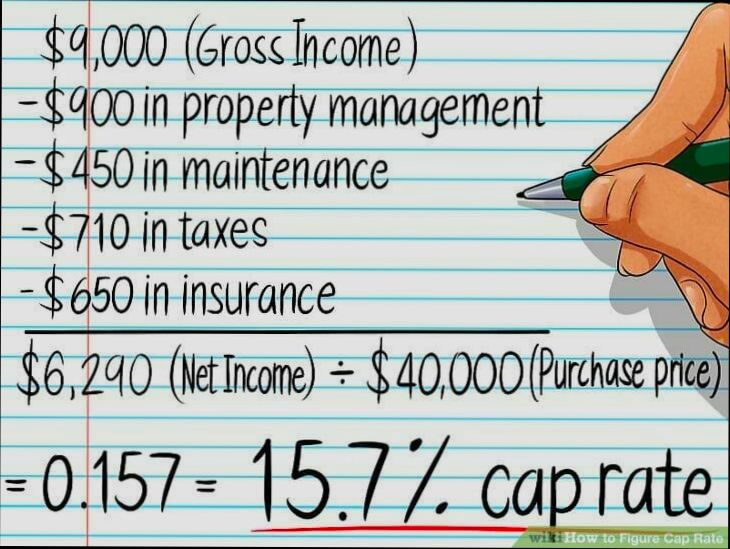
To determine the net operating income, subtract the annual operating expenses from the annual rental income.
- Net Operating Income Formula:
- Net Operating Income = Annual Rental Income - Annual Operating Expenses
In this framework, knowing your property’s income and expenses will allow you to evaluate its financial performance.
Example Calculation of Net Operating Income
Let’s look at a property that’s generating rental income:
- Monthly Rent: $2,000
- Annual Rental Income: $2,000 × 12 = $24,000
- Annual Operating Expenses:
- Taxes: $1,900
- Insurance: $1,650
- Property Maintenance: $2,000
- Total Operating Expenses: $1,900 + $1,650 + $2,000 = $5,550
- Net Operating Income: $24,000 - $5,550 = $18,450
Comparative Table of Cap Rates
| Net Operating Income | Property Value | Cap Rate |
|---|---|---|
| $4,000 | $200,000 | 2% |
| $6,000 | $200,000 | 3% |
| $8,000 | $200,000 | 4% |
| $10,000 | $200,000 | 5% |
| $12,000 | $200,000 | 6% |
| $14,000 | $200,000 | 7% |
| $16,000 | $200,000 | 8% |
| $18,000 | $200,000 | 9% |
| $20,000 | $200,000 | 10% |
Real-World Examples of Cap Rate
Here’s how you can use the cap rate to make informed decisions:
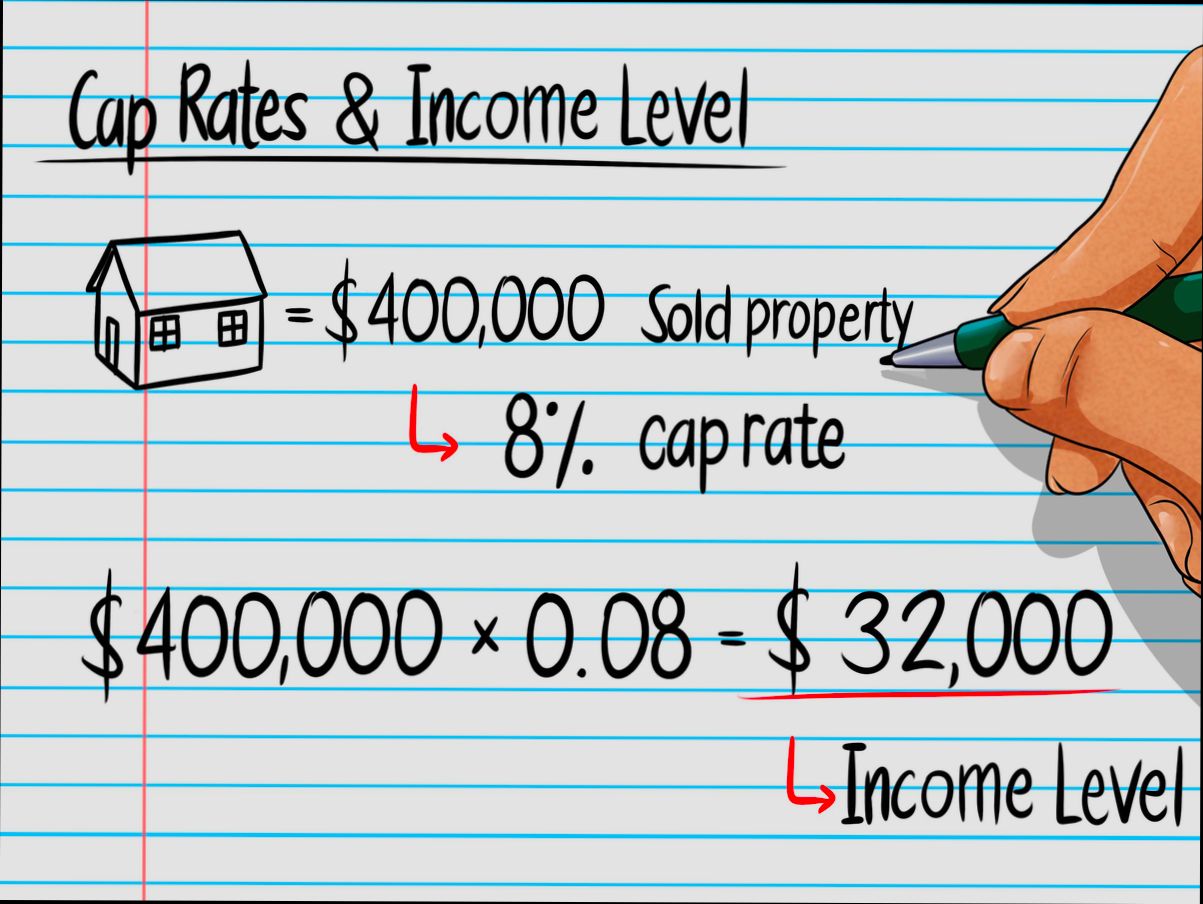
- For a property valued at $225,000 with a Net Operating Income of $18,000:
- Cap Rate Calculation:
- $18,000 / $225,000 = 0.08 or 8%
- Conversely, if you have a property valued at $307,700 with a Net Operating Income of $20,000:
- Cap Rate Calculation:
- $20,000 / $307,700 ≈ 6.5%
These calculations show that a higher cap rate indicates a better return based on the property value and income generated.
Practical Implications for Investors
Understanding how to calculate cap rates can help you in different ways:
- Quickly evaluate potential investments in your preferred market.
- Compare different properties directly by using their NOI and cap rates.
- Decide on pricing strategies for properties you wish to buy or sell based on expected cap rates.
Actionable Advice on Cap Rate Calculation
When calculating cap rates for potential investments, always consider the following:
- Use updated market values to ensure realistic appraisals when working out cap rates.
- Regularly review both operating income and expenses since fluctuations can impact your calculations significantly.
- Always factor in external influences like market trends or local economic conditions that may affect rental income and property values.
This approach will equip you with the analytical tools needed to make savvy real estate investments.
Real-World Applications of Cap Rate
When it comes to real estate investing, understanding the real-world applications of cap rate is crucial. This metric not only helps in evaluating potential returns but also plays a significant role in making informed investment decisions. Let’s delve into how cap rates apply in practical scenarios and why they matter for investors like you.
Key Applications of Cap Rate
1. Property Comparison: Cap rates serve as a straightforward way for you to compare different investment properties. By assessing the cap rates of multiple listings, you can identify which options may offer the best returns for similar investment risks.
2. Investment Decision Making: Determining whether a property aligns with your financial goals is another practical use of cap rates. By assessing the risk associated with various cap rates—like those below 4% indicating lower risk or properties above 10% representing distressed assets—you can tailor your investment strategy effectively.
3. Market Trend Analysis: Keeping an eye on cap rate fluctuations over time can reveal important market trends. For instance, if cap rates in an area are trending upwards, it may indicate a shift towards riskier investments, potentially signaling an opportune time to buy before values rise further.
Comparative Table of Cap Rate Applications
| Cap Rate (%) | Risk Level | Typical Investment Type |
|---|---|---|
| Below 4% | Low | Stabilized properties, prime locations |
| 4% - 6% | Moderate | Balanced risk with stable income potential |
| 6% - 10% | High | Emerging markets, value-add opportunities |
| Above 10% | Very High | Distressed properties, high-return risks |
Real-World Examples
- Case Study 1: An investor evaluates two properties. Property A has a cap rate of 5% in a prime urban area, while Property B, located in a developing neighborhood, boasts a cap rate of 8%. The investor seeks stability and chooses Property A, prioritizing lower risk.
- Case Study 2: A property owner generates an NOI of $150,000 from a mixed-use building valued at $2 million. The cap rate of 7.5% signals a reasonable return for potential investors, making it attractive during market downturns, where safety becomes paramount.
Practical Implications for Investors
Understanding the application of cap rates helps you frame your investment strategy. Whether you’re searching for stable long-term investments or speculating on higher-risk, higher-reward properties, knowing how to interpret cap rates can guide your choices.
- Assess your risk tolerance: Decide if you’re comfortable with properties in the 6% to 10% cap rate range or if you prefer the security of sub-4% investments.
- Use cap rate insights to negotiate better deals, especially on properties with higher-than-average cap rates, which may be undervalued.
- Incorporate cap rate analysis as part of your regular market evaluation to identify up-and-coming investment opportunities before they become mainstream.
Actionable Advice
When considering a new property, calculate the cap rate as part of your due diligence. Compare this figure against local market standards to ensure you’re making a competitive investment. If a property’s cap rate is significantly higher than the market average, dig deeper into its NOI and why this discrepancy exists to safeguard your investment potential.
Advantages of Utilizing Cap Rate
Understanding the advantages of utilizing cap rate is crucial for savvy investors looking to optimize their real estate portfolios. By leveraging this essential metric, you can make informed decisions that enhance your investment outcomes. Let’s explore the specific benefits of utilizing cap rate in your investment strategy.
Key Advantages of Utilizing Cap Rate
1. Quick Assessment of Investment Viability: Cap rate provides a straightforward way to evaluate potential real estate investments. A property with a cap rate of 8% indicates it could yield a solid return compared to a lower cap rate property.
2. Informed Decision-Making: Utilizing cap rate allows you to compare different properties quickly and efficiently. For example, if you’re looking at two similar properties, one with a 5% cap rate and another with a 7% cap rate, the latter may represent a more attractive investment opportunity.
3. Market Insight: Cap rates can give you insight into the overall market condition. For instance, if the average cap rate in a region is around 6%, and you find a property with a cap rate of 10%, it might signal an opportunity for negotiation or indicate potential issues with the property that need further investigation.
4. Risk Assessment: Cap rate serves as a risk indicator. Higher cap rates often suggest higher risks. Understanding this relationship helps you tailor your investment strategy according to your risk tolerance.
5. Evaluation of Future Income Potential: By analyzing cap rates over time, you can assess the income potential of a property. If property values are rising and cap rates are decreasing, it signifies an appreciating market which could enhance future returns.
| Property Type | Cap Rate | Net Operating Income | Investment Value |
|---|---|---|---|
| Multi-family | 7% | $70,000 | $1,000,000 |
| Retail | 5% | $50,000 | $1,000,000 |
| Industrial | 8% | $80,000 | $1,000,000 |
Real-World Examples Demonstrating Advantages
Consider a real estate investor examining a multi-family property with a cap rate of 7% compared to an industrial property with an 8% cap rate. The investor realizes that while both have a net operating income of $70,000, the industrial property, with its higher cap rate, presents a more favorable risk-adjusted return, encouraging them to prioritize that investment.
Furthermore, an investor focused on a retail property might notice a declining cap rate from 6% to 5%, likely reflecting increased competition in that sector. By recognizing this trend, the investor can reassess their investment strategy, possibly shifting to more lucrative opportunities.
Practical Implications for Readers
Implementing cap rate analysis can empower real estate investors like you to:
- Efficiently filter potential properties based on your target cap rate.
- Predict and assess expected returns, aiding strategic investments.
- Adjust your investment approach as market dynamics shift.
Investors should actively monitor property cap rates to stay informed of changing market conditions and adjust their portfolios accordingly. By doing so, you enhance your ability to make timely investment decisions that align with your financial goals.
As you delve deeper into the world of real estate investing, remember that utilizing cap rates effectively can be a game-changer. Whether you’re assessing new opportunities or comparing existing assets, harnessing the power of cap rates allows you to navigate the real estate landscape with confidence.
Common Misconceptions About Cap Rate
When diving into the world of real estate investing, it’s important to sort fact from fiction regarding the capitalization rate, or cap rate. There are several common misconceptions that could significantly impact your investment decisions. Let’s clarify some of these misperceptions and what they truly mean for your financial outlook.
Misconception 1: A Higher Cap Rate Always Equals a Better Investment
Many new investors believe that a higher cap rate is synonymous with a better investment. While it’s true that a high cap rate may suggest a higher return, it may also indicate greater risk. Properties with high cap rates often exist in less desirable markets, where potential issues such as lower tenant demand or higher vacancy rates may arise.
Misconception 2: Cap Rate is the Sole Measure of Value
Another prevalent misconception is considering cap rate as the only metric to assess an investment property’s value. Although it provides a snapshot of expected returns, relying solely on cap rate overlooks other essential factors such as market trends, property condition, and location. A comprehensive evaluation should incorporate multiple financial indicators for a well-rounded decision.
Misconception 3: Cap Rate Remains Constant Over Time
Many investors think that a property’s cap rate will remain stable throughout their ownership. In reality, cap rates can fluctuate due to changes in market conditions, interest rates, and overall real estate trends. For instance, a cap rate that is 6% today could rise to 8% as the market tightens, affecting your investment’s appeal and resale potential.
| Misconception | Truth | Impact on Investors |
|---|---|---|
| Higher Cap Rate = Better Investment | High cap rates can indicate higher risks | Poor investment choices |
| Cap Rate is the Sole Value Metric | Must consider multiple metrics | Missed opportunities for better deals |
| Cap Rate is Constant Over Time | Cap rates fluctuate with market conditions | Unprepared for future market changes |
Real-World Example: Shifts in Cap Rates
Consider a scenario where an investor purchased a multifamily property with a cap rate of 7% based on high rental income in an emerging neighborhood. As the market matured, cap rates in that area fell to 5% due to increased demand. While the investor initially viewed the property favorably, they realized the decreased cap rate might detract from the property’s appeal to future buyers, impacting its resale value significantly.
Practical Implications for You
Understanding these misconceptions is crucial to informed investment decisions. Here are some practical steps you can take:
- Analyze Multiple Metrics: Use cap rate alongside other factors like cash-on-cash return, internal rate of return (IRR), and property appreciation potential.
- Stay Updated: Regularly monitor real estate trends and news to understand how market conditions are influencing cap rates.
- Seek Professional Insights: Consult with real estate experts who can provide perspectives on cap rate trends and market risks.
Lastly, remember that cap rates can reflect a transaction’s complexities but should never dictate your investment strategy alone. Always approach property evaluation with a diverse set of financial tools to enhance your decision-making.
Factors Influencing Cap Rate Variations
When investing in real estate, it’s vital to recognize that cap rates vary for numerous reasons beyond just the property’s financials. Let’s dive into some of the key factors that influence these fluctuations, helping you make more informed investment decisions.
Location and Market Dynamics
The geographic location of a property is a significant determinant of its cap rate. Urban areas tend to attract higher demand due to employment opportunities, leading to lower cap rates. Conversely, rural areas often experience higher cap rates due to lower demand and perceived risk.
- Urban Properties: Typically, you might see cap rates ranging from 4% to 6%.
- Rural Properties: Cap rates can skyrocket from 8% to 12%, reflecting higher risk and lower demand.
Property Type and Condition
The type of property—be it multifamily, commercial, or industrial—also plays a critical role in cap rate variations. Well-maintained properties in desirable sectors usually command lower cap rates. In contrast, distressed properties might have above-average cap rates due to potential renovation needs or market perception.
- Class A Properties (high-quality): Often see cap rates between 5% and 7%.
- Class C Properties (lower quality): Can have cap rates exceeding 10%, reflecting the risks associated with tenant turnover and maintenance.
Financing and Economic Indicators
Interest rates and broader economic indicators such as inflation also impact cap rates. When interest rates rise, it can lead to higher cap rates as borrowing costs increase and investor demand may wane.
- Rising Interest Rates: A 1% increase often pushes cap rates up by approximately 0.2% to 0.5%.
- Economic Downturns: During recessions, you may notice cap rates increasing by more than 2%, as lenders tighten credit and potential investors become more cautious.
Comparative Analysis Table
| Factor | Impact on Cap Rate | Typical Range (%) |
|---|---|---|
| Urban vs. Rural | Urban: Lower, Rural: Higher | 4% - 12% |
| Property Condition | Well-maintained: Lower | 5% - 7% (Class A) |
| Distressed: Higher | >10% (Class C) | |
| Interest Rates | Higher rates increase cap rates | Up by 0.2% - 0.5% |
| Economic Conditions | Economic downturns lead to higher cap rates | Up by >2% |
Real-World Examples
Consider a multifamily property in downtown Chicago. With steady job growth and robust rental demand, this property might have a cap rate around 5%. In contrast, a similar-sized property in a small town facing job losses might command a 10% cap rate due to reduced investor confidence and heightened risk.
In another instance, a Class A office building in San Francisco, appealing to high-tech tenants, may experience a cap rate of just 4%. In contrast, an older, less maintained Class C office building in the same city could see a cap rate of 8%, significantly reflecting the investment risk levels associated with the asset.
Practical Implications for Investors
As an investor, understanding these factors can greatly enhance your decision-making process. Pay attention to:
- Market Research: Regularly assess local market trends to anticipate shifts in cap rates.
- Property Evaluation: Inspect property conditions thoroughly to forecast potential cap rate fluctuations.
- Economic Monitoring: Stay informed about interest rates and economic indicators that can influence investment viability over time.
By keeping these factors in mind, you can navigate the complexities of cap rate variations more effectively, honing your strategies for real estate investment success.