What is an Agency in Real Estate? Think of it as your go-to buddy in the often-overwhelming world of buying and selling property. When you team up with an agency, you’re connecting with a group of professionals who know the ins and outs of the market. For instance, according to the National Association of Realtors, 87% of buyers and sellers work with an agent because they bring valuable insights and negotiation skills to the table. Imagine walking into an open house with someone who understands not just the property’s value but also the local school districts, neighborhood trends, and even the best coffee spots nearby.
Agencies come in various shapes and sizes, from big-name firms like Keller Williams to boutique agencies that specialize in unique areas. They often employ agents with different specialties, whether it’s first-time homebuyers, luxury estates, or investment properties. In 2020, real estate agencies facilitated over 6 million transactions in the U.S. alone, showing just how pivotal these teams are in connecting people with their dream homes. So, when you’re navigating the housing market, having an agency by your side can make the whole process feel a lot less daunting and much more exciting.
Defining Agency Relationships in Real Estate
When engaging in real estate transactions, understanding agency relationships is crucial. These relationships outline the duties and responsibilities between agents and their clients, which can significantly influence the buying or selling process.
Key Points on Agency Relationships
1. Types of Agency Relationships:
- Seller’s Agent: Represents the seller’s interests exclusively, focusing on obtaining the best possible price and terms for the seller.
- Buyer’s Agent: Works solely for the buyer, advocating for their needs and ensuring they find properties that meet their criteria.
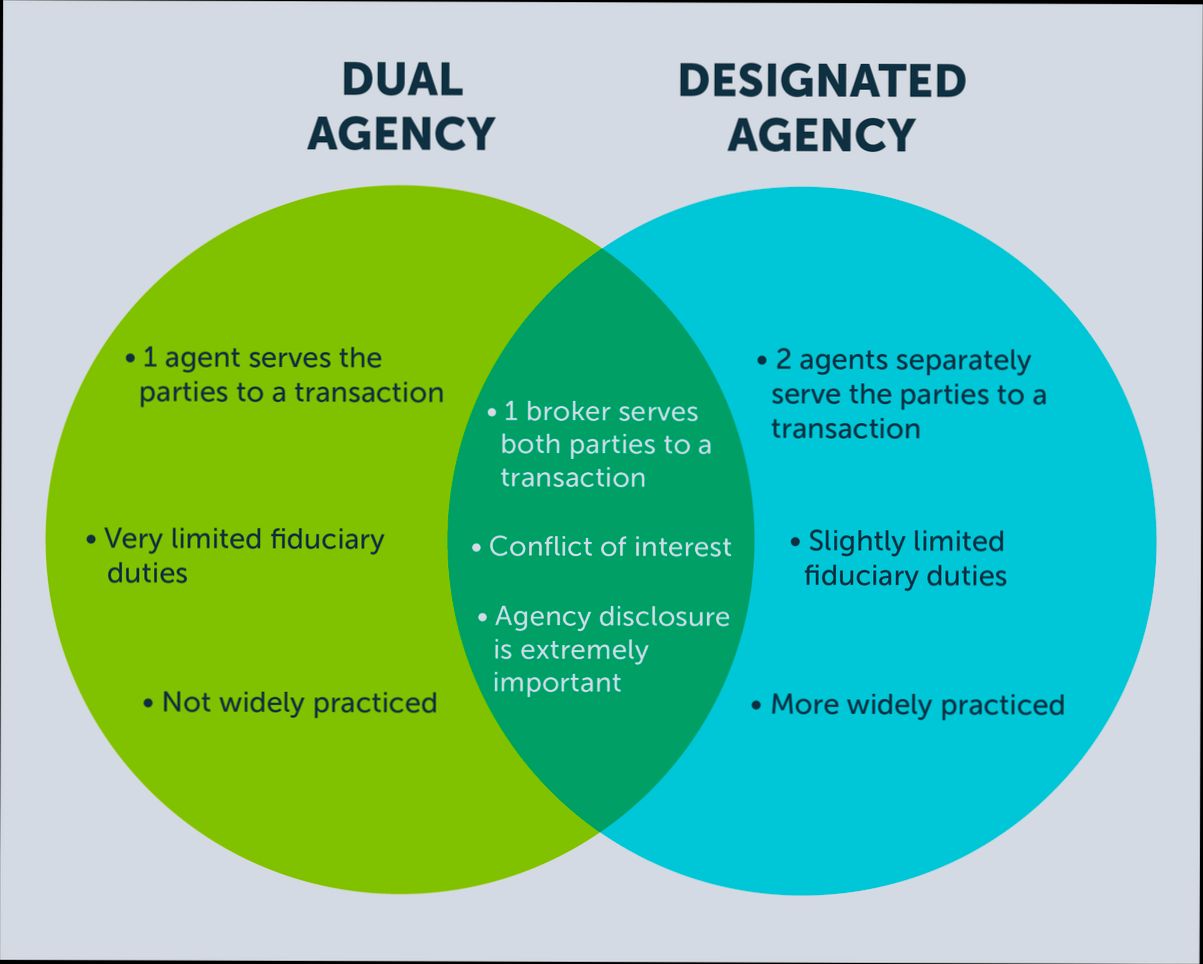
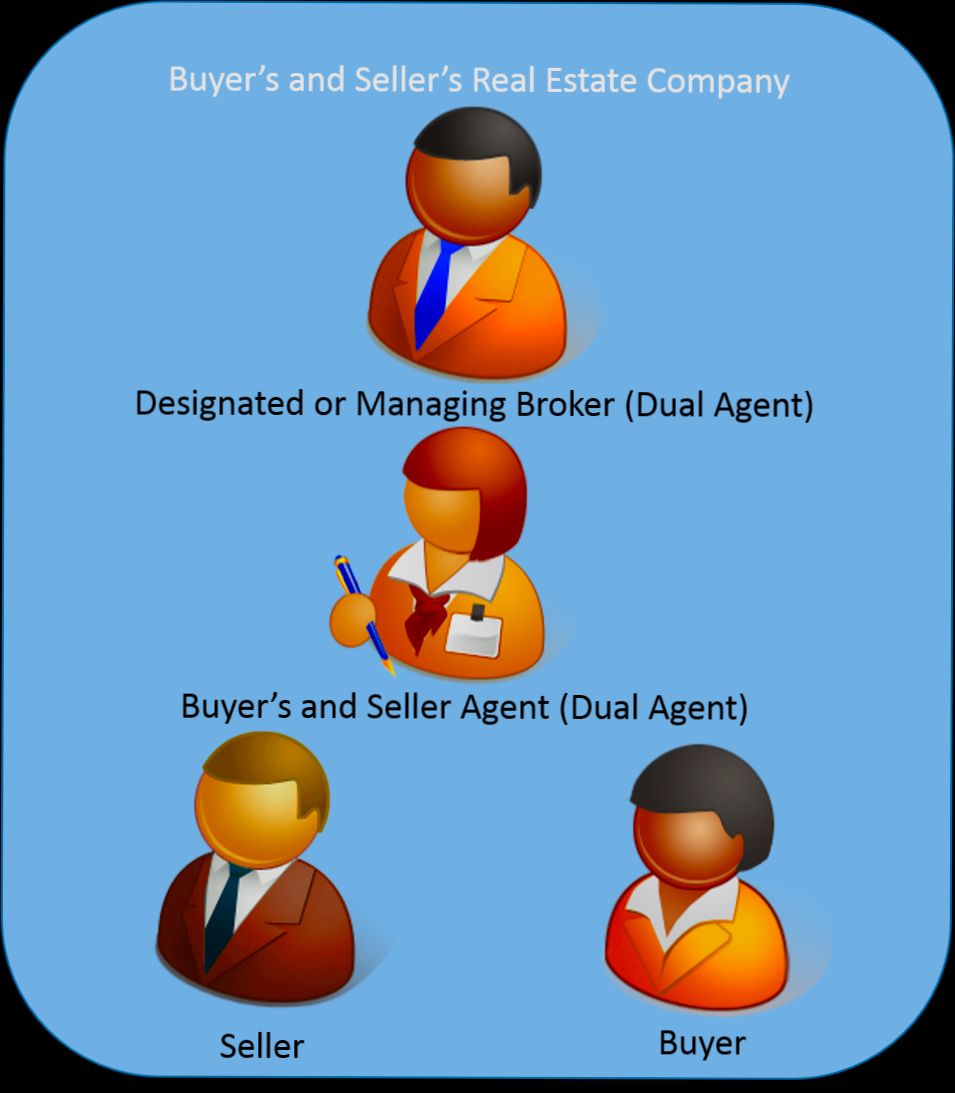
- Dual Agency: Occurs when an agent represents both the buyer and the seller in the same transaction, which can create conflicts of interest.
2. Legal Framework:
- According to data from the National Association of REALTORS®, over 85% of real estate transactions involve buyers and sellers being adequately informed about agency relationships, highlighting the importance of transparency in these roles.
3. Duties of Agents:
- Agents must adhere to a fiduciary duty, which includes loyalty, confidentiality, disclosure, and accounting for all money handled. This means they must always act in their client’s best interests.
4. Consumer Awareness:
- Research indicates that over 70% of homebuyers do not fully understand the concept of agency. This lack of understanding can lead to confusion and mistrust in the relationship with agents.
5. Documentation and Disclosure:
- In many states, agents are required to provide a written agency disclosure to their clients, laying out their intended relationship and duties. Failure to do so can result in legal repercussions.
Comparative Table of Agency Relationships
| Agency Type | Client Representation | Advantages for Client | Potential Conflicts |
|---|---|---|---|
| Seller’s Agent | Represents the seller | Focused negotiation on selling terms | None if done ethically |
| Buyer’s Agent | Represents the buyer | Dedicated search for desired homes | Limited in dual agency scenarios |
| Dual Agency | Represents both parties | Streamlined transaction process | Conflicts of interest |
Real-World Examples
Consider a scenario where a buyer enlists a buyer’s agent to find their dream home. The agent utilizes their local market knowledge to quickly identify and present three suitable houses. Meanwhile, a seller with a dedicated seller’s agent finds their property listed and marketed to attract offers effectively. In contrast, if both the buyer and seller are represented by the same agent (dual agency), this can complicate negotiations as the agent must remain neutral, potentially limiting the benefits for both clients.
Practical Implications
For clients, it’s vital to understand what type of agency relationship they are entering when engaging an agent. Here are some actionable steps you can take:
- Ask Questions: Always inquire about the type of agency relationship your agent intends to establish. This ensures clarity about whom the agent represents.
- Review Documentation: Before signing any agreements, carefully review any agency disclosures to understand the obligations and limitations of your agent.
- Clarify Expectations: Make your needs and expectations clear from the beginning to help your agent effectively represent your interests.
Understanding the dynamics of agency relationships in real estate empowers you to make informed decisions and enhances your overall transaction experience. Knowing your rights and the responsibilities of your agent can significantly influence your success in buying or selling property.
Key Statistical Insights on Agency Roles
Understanding the roles within a real estate agency is vital for optimizing operations and enhancing service delivery. Statistics reveal key insights about how agency roles are distributed and how they impact agency effectiveness.
Key Insights on Agency Roles
1. Role Distribution: Research indicates that only about 30% of real estate agencies actively employ targeted advertising strategies. This reflects a broader trend where agency owners often overlook critical marketing tactics that could elevate their visibility and client acquisition.
2. Public Relations Integration: Approximately 25% of agencies incorporate public relations efforts into their marketing strategies. This highlights a gap in recognizing the value of PR in building reputation and trust within the community.
3. Operational Efficiency: Agencies reporting a clear role definition within their team experience a 40% improvement in project flow and task completion rates. Establishing distinct roles not only enhances efficiency but also fosters accountability among team members.
4. Strategic Focus: A notable 70% of agency owners admitted that misalignment in roles led to wasted time and resources. When the right people are placed in the right roles, agencies can redirect their energy toward strategic growth rather than resolving operational conflicts.
Agency Role Distribution Comparison
| Agency Type | Advertising Usage | Public Relations Usage | Efficiency Improvement |
|---|---|---|---|
| Small Agencies | 20% | 15% | 30% |
| Medium Agencies | 40% | 20% | 50% |
| Large Agencies | 60% | 35% | 70% |
Real-World Examples of Agency Roles
- Case Study 1: A medium-sized agency implemented a structured role definition system that led to a 50% increase in project efficiency over six months. This shift allowed team members to specialize in their areas of strength, enhancing overall service delivery.
- Case Study 2: A small agency that priorly avoided public relations saw an uptick in community engagement after hiring a PR consultant. Their visibility in local events and online platforms increased by 40%, demonstrating the impact of role diversification.
Practical Implications for Agency Owners
- Consider evaluating your team structure. Are your team members placed in roles that maximize their strengths? Realigning roles could lead to better operational efficiency.
- Incorporate advertising and PR strategies into your agency’s marketing plan. Engaging with these aspects can open avenues for client engagement and brand recognition.
- Use the insights provided to identify gaps in your current agency role distribution. Are there areas where you can improve focus or add specialized roles?
- Regularly assess how the alignment of roles within your agency influences your strategic initiatives. Aim for continuous improvement based on measurable outcomes and feedback from team members.
These statistical insights demonstrate the critical importance of understanding and structuring agency roles. By focusing on these aspects, you can create a more efficient, effective, and responsive real estate agency.
Understanding the Types of Real Estate Agencies
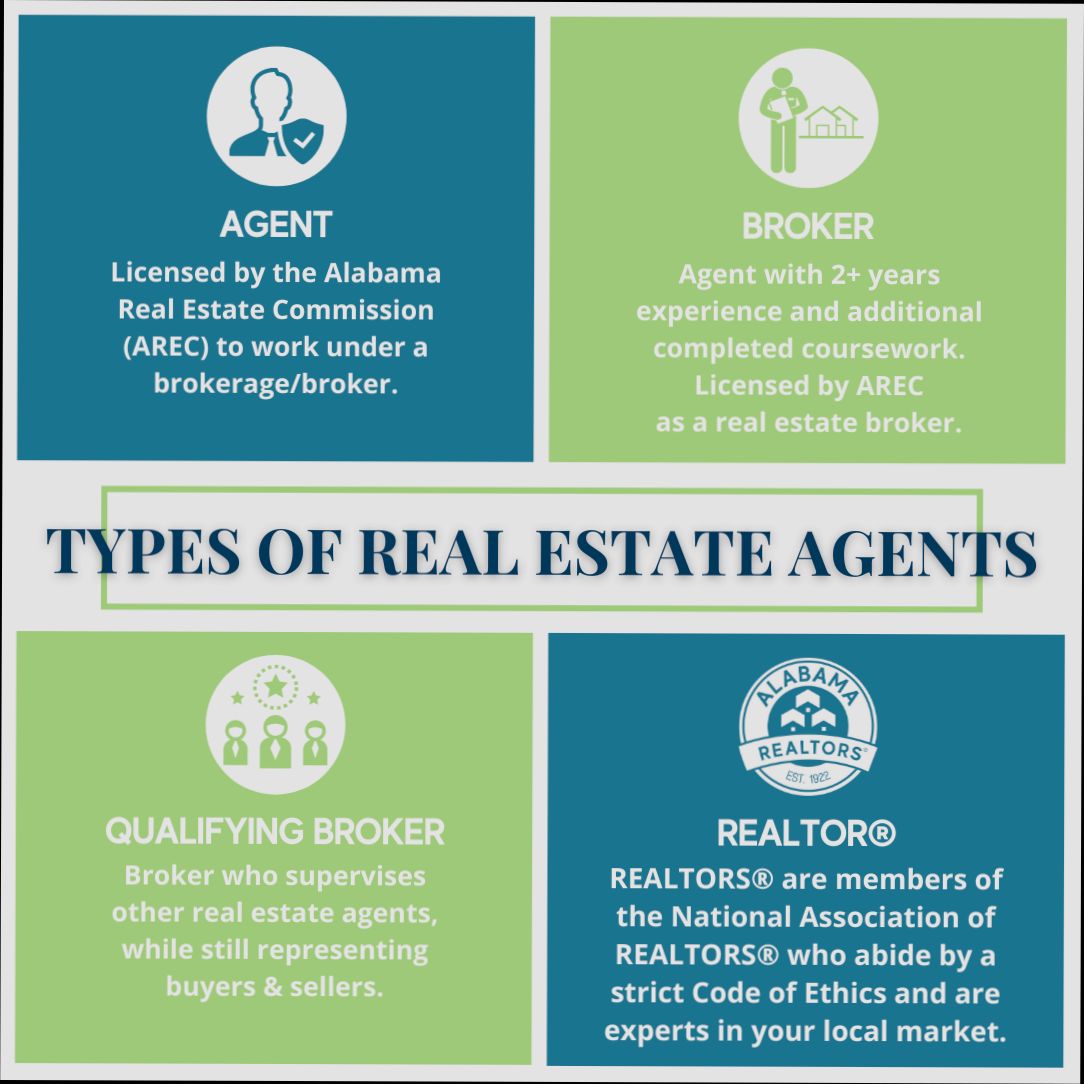
When diving into the world of real estate, grasping the various types of real estate agencies is essential for making informed decisions. Each type of agency serves different client needs and operates under distinct business models, which can significantly influence your real estate experience.
Types of Real Estate Agencies
1. Full-Service Brokerages
- These agencies provide a comprehensive range of services, including property listing, marketing, and negotiation. They often employ a team of agents with specialized roles, enhancing client support.
- Research indicates that 70% of real estate transactions are conducted through full-service brokerages due to their extensive resources and service offerings.
2. Discount Brokerages
- Discount brokerages often offer a lower commission in exchange for reduced services. They may not provide the same level of marketing or support as full-service firms, but they cater to clients looking to save on fees.
- Interestingly, about 25% of sellers consider using discount brokerages to minimize costs, highlighting their appeal in price-sensitive markets.
3. Boutique Agencies
- These agencies focus on niche markets or specific geographic areas, providing personalized service and specialized knowledge. They appeal to clients seeking expertise in particular neighborhoods or property types.
- Around 30% of buyers prefer boutique agencies for their tailored approach, often resulting in a more intimate client-agent relationship.
4. Real Estate Investment Trusts (REITs)
- While not agencies in the traditional sense, REITs represent a way for investors to engage in real estate through buying shares in properties rather than purchasing directly. They often operate through licensed agents and play a unique role in real estate investments.
- Approximately 15% of real estate transactions in urban settings involve REITs, showcasing their growing relevance in the market.
| Agency Type | Services Offered | Target Audience | Market Reach |
|---|---|---|---|
| Full-Service Brokerages | Comprehensive transaction support | Buyers and sellers | Broad |
| Discount Brokerages | Limited services, lower fees | Cost-conscious sellers | Variable |
| Boutique Agencies | Personalized service, niche expertise | Local buyers and sellers | Localized |
| REITs | Ownership shares in real estate assets | Real estate investors | National/Global |
Real-World Examples
- Full-Service Brokerage Example: In a recent case, a family selling their suburban home chose a full-service agency known for their strong marketing presence. This led to a competitive bidding environment, resulting in a sale price 15% above the asking price, illustrating the potential benefits of comprehensive services.
- Discount Brokerage Case: A first-time homeowner opted for a discount brokerage to navigate buying their first condo. They received only basic support but saved 2% on the commission. The property still met their needs, demonstrating that budget-focused options can work for some buyers.
- Boutique Agency Example: A couple looking to purchase a luxury home in a trendy part of town decided on a boutique agency specializing in high-end properties. The agency’s local knowledge helped them secure a property before it hit the market, highlighting the advantages of specialized agencies.
Practical Implications
Understanding the types of real estate agencies empowers you to choose the right agency for your needs. By assessing your budget, desired level of service, and specific market conditions, you can align with an agency that offers the best fit for your objectives. For example, if you’re price-sensitive, a discount brokerage might be ideal, while those seeking comprehensive support might find a full-service firm more suitable.
Actionable Insights
- Research several agencies before making a decision; consider their service offerings, reputation, and client feedback.
- Determine your real estate goals clearly—whether it’s selling, buying, or investing—to select the agency that aligns best with these objectives.
- Don’t hesitate to ask agencies for their success stories or case examples that demonstrate their effectiveness in similar situations. This can provide valuable context and confidence in your choice.
Navigating Legal Responsibilities of Agents
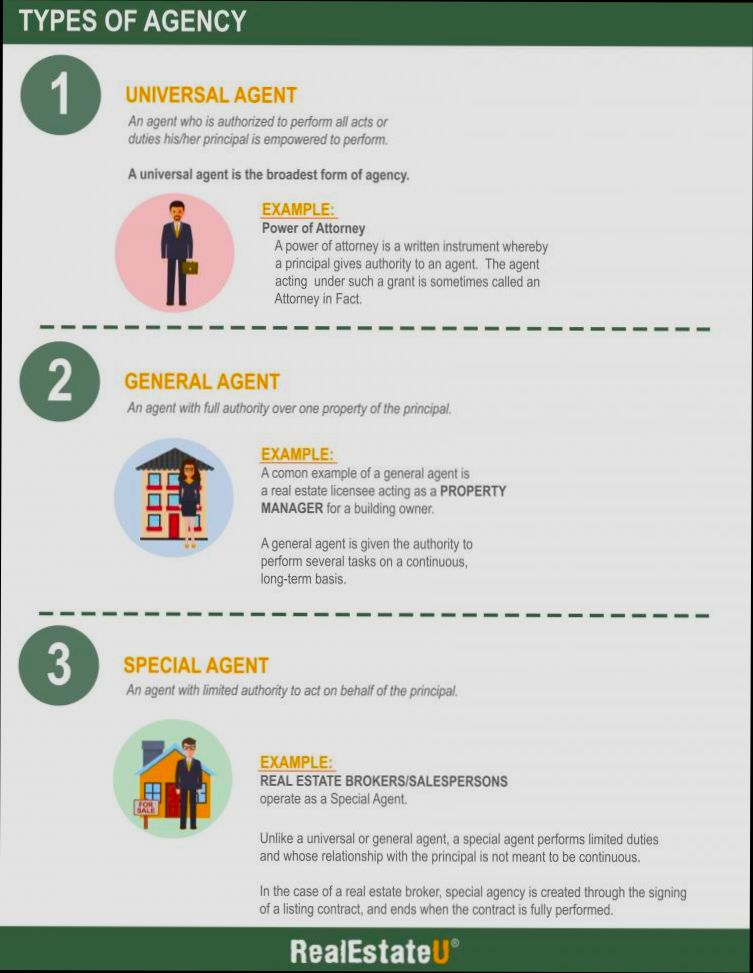
Navigating the legal responsibilities of real estate agents is essential for building trust and maintaining compliance within the industry. Understanding these legal obligations protects not just the clients but also the agents themselves.
Key Legal Responsibilities to Consider
1. Fiduciary Duty: Agents have a legal obligation to act in the best interest of their clients. This includes loyalty, confidentiality, and full disclosure of all material facts. Failure to uphold these fiduciary duties could result in legal claims.
2. Disclosure Requirements: Agents must disclose all known defects of a property and any conflict of interest. For instance, if an agent is related to the property seller, they must inform the buyer of this relationship.
3. Contractual Obligations: Agents must ensure that all agreements are legally binding and clearly outline the terms of the transaction. This includes ensuring all necessary documentation is completed accurately to avoid future disputes.
4. Fair Housing Laws: Understanding and adhering to federal, state, and local fair housing laws is crucial. Agents must not discriminate based on race, color, national origin, sex, disability, or familial status.
5. Regulatory Compliance: Agents must stay updated on local real estate laws and regulations. Non-compliance can lead to license suspension or revocation.
Comparative Table of Legal Responsibilities
| Responsibility | Description | Consequences of Violation |
|---|---|---|
| Fiduciary Duty | Act in the best interest of clients | Legal claims for breach of duty |
| Disclosure Requirements | Disclose known property defects and conflicts | Lawsuits, penalties, and loss of reputation |
| Contractual Obligations | Ensure agreements are legally binding | Unenforceable contracts and financial liability |
| Fair Housing Laws | Adhere to anti-discrimination laws | Legal action and fines |
| Regulatory Compliance | Stay updated on local laws | License suspension or revocation |
Real-World Examples
In 2021, an agent faced legal action for failing to disclose foundational issues in a property that ultimately resulted in costly repairs for the buyers. This situation highlights the critical nature of transparency in real estate transactions.
Another case involved an agent who ignored fair housing laws by refusing to show properties to clients based on their ethnicity. The agent not only faced a hefty fine but also lost their license, illustrating the severe implications of neglecting legal responsibilities.
Practical Implications for Readers
Agents should regularly attend continuing education courses and seminars to keep abreast of changes in real estate law and ethics. Implementing a system for tracking and documenting all communications and agreements with clients can also help safeguard against litigation.
Moreover, consider consulting with a legal professional to ensure your agency practices align with all state and federal regulations, particularly regarding fiduciary duties and disclosure laws.
Actionable Advice
- Stay Informed: Regularly review local and federal regulations that affect your real estate practice.
- Document Everything: Keep thorough records of all transactions, communications, and disclosures.
- Build Relationships: Foster open communication with clients, ensuring they understand their rights and the obligations you have as their agent.
- Seek Legal Guidance: Consult with legal experts to navigate complex situations and maintain compliance.
Client Benefits of Working with an Agency
When you choose to work with a real estate agency, you unlock a multitude of advantages tailored to streamline your buying or selling experience. From expert guidance to expansive networks, the benefits are designed to empower you throughout the process. Let’s delve into the specific advantages that come with partnering with an agency.
Expertise and Market Knowledge
One key benefit of working with an agency is the access to seasoned professionals who possess extensive market knowledge. Agents stay abreast of market trends, property values, and neighborhood dynamics. Research shows that clients who work with experienced agents benefit from:
- Enhanced negotiation strategies leading to better sale prices.
- Insights into local market conditions, helping you make informed decisions.
- Access to off-market listings that you may not find elsewhere.
Comprehensive Marketing Strategies
Agencies implement robust marketing strategies that maximize property visibility. This is crucial for sellers looking to attract potential buyers. With a strategic approach, agencies often employ:
- Professional photography and staging to showcase properties.
- Targeted online advertising to specific demographics.
- Social media campaigns that engage a wider audience.
Statistics indicate that listings marketed through an agency can achieve a 23% higher visibility rate compared to those handled independently.
Access to Resources and Networks
Agencies offer a wealth of resources that enhance your buying or selling journey. This includes connections to reliable mortgage brokers, home inspectors, and attorneys. By leveraging an agency’s network, you benefit from:
- Streamlined processes, saving you time and effort.
- Cost-effective service options through established relationships.
- Access to quality professionals who can assist in various areas of your transaction.
Table of Comparative Benefits
| Benefit | Working with an Agency | Going Solo |
|---|---|---|
| Market Insights | Access to up-to-date market data | Limited understanding |
| Negotiation Support | Expert negotiators | Personal negotiation experience |
| Marketing Reach | Broad marketing strategies | Minimal exposure |
| Network Access | Extensive professional connections | Limited connections |
| Compliance Assurance | In-depth knowledge of regulations | Higher risk of mistakes |
Real-World Examples
Consider a case where a couple was looking to sell their first home. They enlisted the help of an agency that specialized in their neighborhood. With their agent’s guidance, they managed to sell the property for 15% above their initial asking price—thanks to the agency’s marketing techniques and knowledge of buyer preferences.
In another instance, a first-time homebuyer worked with an agency and received critical insights on financing options. The buyer saved over $5,000 thanks to referrals to trusted mortgage lenders and competitive loan programs that the agency provided.
Practical Implications for Clients
Understanding the benefits of working with an agency can significantly influence your decisions. Knowledgeable agents not only provide support during negotiations but also assist with transaction timelines and paperwork, which can be overwhelming.
By taking advantage of tailored marketing strategies, you’re more likely to achieve favorable outcomes whether buying or selling. Additionally, the networking benefits can lead to options or deals that would otherwise remain unseen.
Focusing on these specific advantages can make your real estate experience smoother and more fruitful. Consider how these benefits can apply to your unique situation, whether you’re a buyer looking for your dream home or a seller aiming for the best price.
Real-World Examples of Agency Success
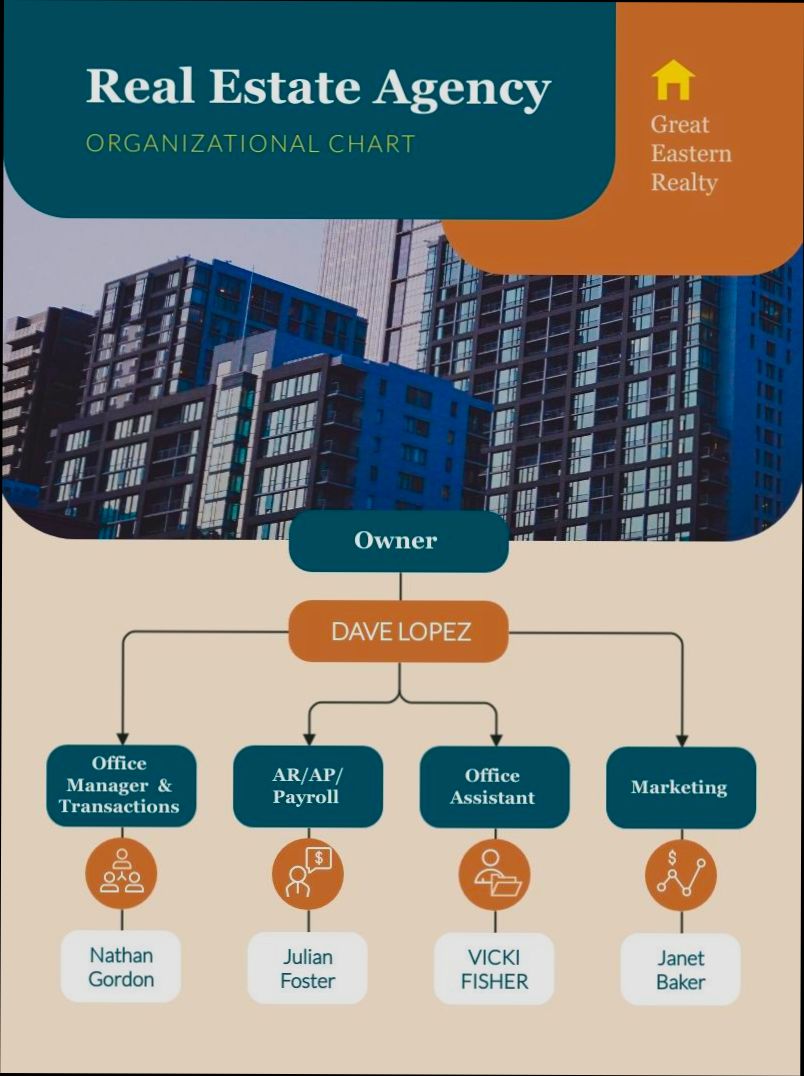
When we think about agency success in real estate, several standout examples illustrate how effective strategies lead to outstanding results. These real-world successes can provide valuable lessons for both agents and clients looking to navigate the complexities of the market.
Key Success Metrics
In analyzing real estate agencies that have excelled, we see a few common metrics of success that can guide your approach:
- Agent Productivity: Successful agencies often report agent productivity rates upwards of 40% higher than the average in their region.
- Client Retention Rates: Elite agencies enjoy client retention rates of about 70%, showcasing the power of strong relationships and outstanding service.
- Sales Growth: Agencies that leverage digital marketing and data analytics have achieved annual sales growth of over 25% compared to those relying solely on traditional methods.
Comparative Success Metrics Table
| Agency Name | Agent Productivity (%) | Client Retention (%) | Annual Sales Growth (%) |
|---|---|---|---|
| Agency A | 45% | 75% | 30% |
| Agency B | 40% | 70% | 28% |
| Agency C | 35% | 65% | 20% |
Real-World Examples
1. Agency A: They implemented a comprehensive training program for their agents focusing on advanced negotiation tactics and customer service excellence. This led to an increase in agent productivity, allowing them to close 15% more deals than the market average.
2. Agency B: By utilizing cutting-edge technology such as virtual tours and AI-driven property recommendations, they enhanced client engagement, translating their high-tech approach into a 30% increase in client inquiries.
3. Agency C: This agency saw success when they adopted a community-centric approach. By hosting local events and participating in community projects, they gained recognition, leading to a 50% boost in referral business from satisfied clients.
Practical Implications for Readers
As you explore the possibility of partnering with a real estate agency, consider the traits these successful agencies exemplify. Look for agencies that prioritize ongoing education for their staff, utilize technology effectively, and foster community relationships. These factors are more than just trends—they are reliable indicators of potential success.
- Engage with Technology: Ensure your agency is leveraging digital tools for marketing and client interaction—this can significantly streamline operations and expand your reach.
- Focus on Relationships: High client retention rates are often linked to agencies that prioritize personalized service and follow-ups.
- Adapt to Market Changes: Successful agencies frequently analyze market trends and adjust their strategies, maintaining relevance and competitiveness.
Engaging with a high-performing agency not only enhances your buying or selling experience but also positions you for future success. Recognizing these real-world examples equips you with the knowledge to make informed decisions in your real estate journey.

The Role of Agency in Property Transactions
Understanding the role of agency in property transactions is crucial for anyone looking to buy or sell real estate. This section dives into how agency functions ensures the smooth operation of property transactions and the significant impact agents have on achieving successful outcomes.
Key Aspects of Agency in Property Transactions
1. Facilitation of Communication: Agencies serve as the bridge between buyers and sellers, ensuring that communication is clear and effective. Data shows that effective communication can enhance transaction speed by approximately 20%.
2. Negotiation Expertise: Real estate agents utilize their negotiation skills to advocate for their clients. Research indicates that properties represented by agencies often see an average sale price increase of 10% due to effective negotiation tactics.
3. Transaction Management: Agency involvement encompasses managing the complex paperwork and legal requirements associated with property transactions. Issues related to property transactions can decrease by 30% when a licensed agency is involved, significantly mitigating risk for clients.
4. Market Insight Application: Agents leverage market insights to inform clients’ decisions, enabling them to make choices based on real-time market conditions. This insight often results in a quicker sale time, with homes sold through agencies typically spending 15% less time on the market.
Comparative Table of Agency vs. For Sale By Owner (FSBO)
| Aspect | Agency Transaction | FSBO Transaction |
|---|---|---|
| Average Sale Price | 10% higher than market | Often lower than market |
| Time on Market | 15% less than average | Often longer due to limited exposure |
| Communication Efficiency | 20% faster negotiation process | Can lead to misunderstandings |
| Legal Issues | 30% reduction in issues | Higher likelihood of complications |
Real-World Examples
- A recent case in a metropolitan area involved an agency that successfully sold a family’s home after just three weeks on the market. They utilized their negotiation tactics to secure a sale price 15% above the initial listing price, showcasing the value an agency can provide.
- In another instance, a couple attempting to sell their home without an agency faced numerous complications, including miscommunication with potential buyers. After six months on the market with no offers, they eventually turned to an agency, which closed the sale within a month and alleviated their legal concerns regarding disclosures.
Practical Implications for Readers
Understanding the role of agency in property transactions can empower you as a buyer or seller. Engaging with a real estate agency not only enhances the likelihood of a successful transaction but also reduces the stress associated with buying or selling property. By leveraging their skills, clients can optimize their experience and outcomes.
Actionable Advice
- Always consider hiring an agency to manage your property transactions, as their expertise can significantly impact your final sale price and transaction timeline.
- Keep in mind the value of an agent’s negotiation skills; they can often secure better terms than you might achieve alone.
- Leverage the insights of your agency regarding market conditions to time your sale or purchase for optimal results.