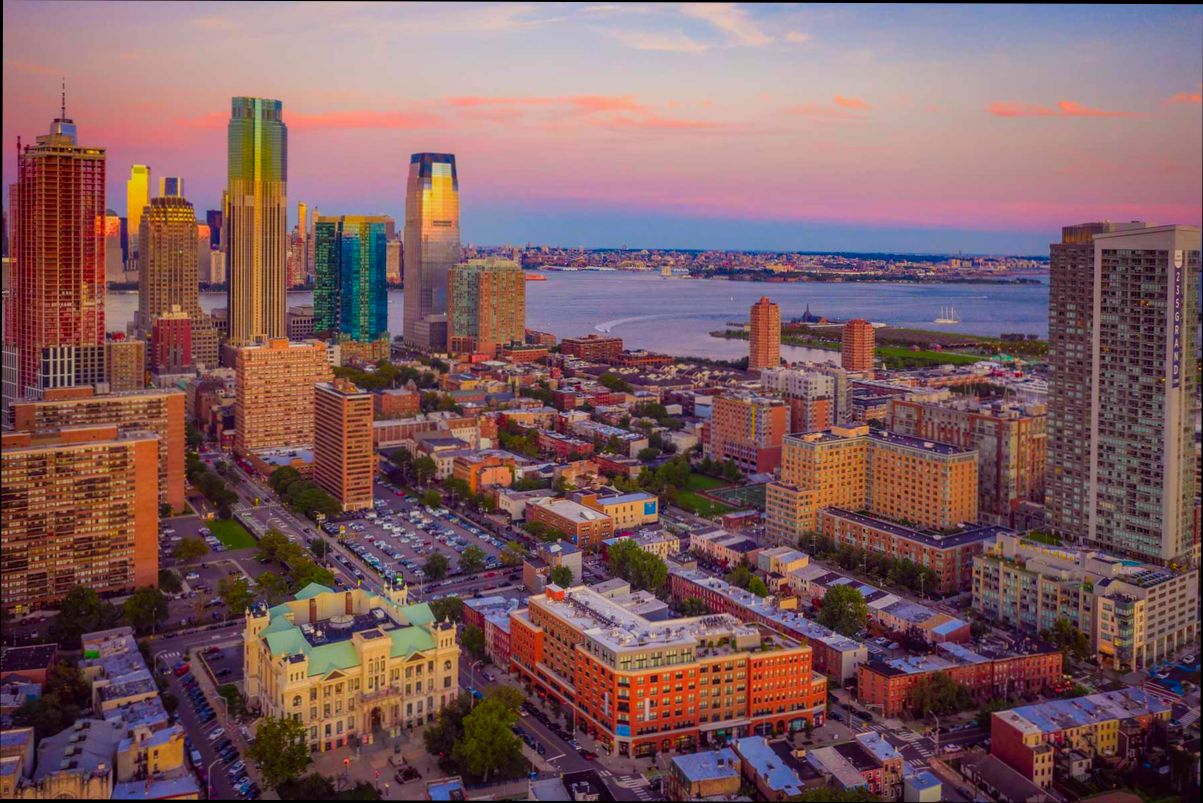
Pros and Cons of Living in Jersey City, NJ, is a conversation worth having, especially if you’re considering a move to this vibrant urban hub. On the plus side, Jersey City boasts incredible proximity to New York City—just a quick PATH train ride away—and you can often snag an apartment with stunning views of the Manhattan skyline for a fraction of the cost. The local food scene is equally impressive; from eclectic eateries in the Heights to waterfront dining at Exchange Place, there’s something to tickle every taste bud. Plus, with varying neighborhoods like Journal Square and Downtown, you can find a community vibe that suits your lifestyle, whether you’re an art enthusiast or a family person.
But it’s not all sunshine and skyscrapers. The crime rate has been a concern, especially in certain areas, and while it’s improved over the years, it’s something you should definitely keep in mind. Rent can be a money pit if you’re not careful; despite being cheaper than NYC, finding a decent place without breaking the bank can be a challenge. Public transportation options are convenient, yet during rush hours, they can be packed tighter than a can of sardines. So while there’s a lot to love about Jersey City, it’s essential to weigh the good and the not-so-good before making any decisions.
Cost of Living Analysis in Jersey City
When you consider moving to Jersey City, understanding the cost of living is crucial. This bustling urban environment offers a mix of amenities and accessibility, but it comes with its own set of expenses. Let’s dig into the specifics of what you might expect regarding your wallet as you plan your life in Jersey City.
Housing Costs
Housing is often the most significant factor in your cost of living. In Jersey City, the average rent for a one-bedroom apartment costs around $2,800 per month, which is about 15% higher than the national average. If you’re eyeing two-bedroom apartments, expect that number to climb to approximately $3,600. However, prices can vary dramatically depending on the neighborhood.
Transportation Expenses
Living in Jersey City also means assessing your transportation expenses. Here are some highlights:
- Public Transit: A monthly pass for the PATH train costs around $112. This connects you conveniently to Manhattan, making it an appealing option for commuters.
- Car Ownership: Owning a car can add significantly to your expenses. Average gas prices hover around $3.40 per gallon, and parking can cost you upwards of $300 in downtown areas.
- Walkable Areas: Many neighborhoods promote walkability, potentially allowing you to save on commuting costs. Areas like Paulus Hook are particularly pedestrian-friendly.
Grocery and Dining Costs
Food costs deserve attention as well. Here’s how grocery prices in Jersey City stack up:
- Average grocery bill: A single person can expect to spend about $300 to $400 monthly.
- Dining out: Meals at restaurants might cost you around $15 to $25 for a casual dining experience.
Local Taxation
Property taxes in Jersey City can also impact your overall cost of living. The effective property tax rate is approximately 2.2%, which is higher than the national average. This can significantly affect homeowners and renters alike, as landlords often pass increased costs along to tenants.
Comparative Cost Table
| Category | Jersey City Average | National Average |
|---|---|---|
| One-bedroom rent | $2,800 | $2,300 |
| Transportation (monthly pass) | $112 | $81 |
| Grocery (monthly) | $350 | $300 |
| Dining (per meal) | $20 | $15 |
| Property Tax Rate | 2.2% | 1.1% |
Real-World Examples
Consider Sarah, who recently moved to Jersey City. She budgeted $3,200 for housing and found a charming one-bedroom apartment that, although slightly above average, offered stunning views of Manhattan. On average, she spends $350 monthly on groceries and dines out with friends around three times a week, making her meal expenses add up quickly.
In another case, Mike decided to give up his car. By relying on public transportation, he saves almost $200 monthly compared to his previous expenses in a different city where car ownership was essential. This decision has allowed him to allocate more funds towards enjoying local amenities.
Practical Implications
Understanding these costs enables you to plan effectively. If you’re budgeting for a move, set clear priorities based on neighborhoods that align with your financial goals. Look into options like shared living arrangements or co-ops, which can reduce your expenses significantly.
Key Takeaways and Advice
Plan for higher-than-average housing costs when moving to Jersey City. Utilize public transit rather than relying on a car to save on parking and gas. Additionally, incorporate regular grocery shopping into your budget to manage your food expenses effectively. Knowing these specific aspects of the cost of living will help you make informed decisions as you consider your life in Jersey City.
Vibrant Cultural Scene and Community Life
Living in Jersey City means immersing yourself in a rich tapestry of cultural experiences and community engagement. This urban center thrives on its diversity, bringing together various ethnicities, traditions, and artistic expressions. Whether you’re exploring festivals, art installations, or community gardens, you’ll find ample opportunities to connect with others and celebrate the local culture.
Key Features of Jersey City’s Cultural Landscape
- Multicultural Festivals: Jersey City hosts numerous festivals, allowing cultural groups to display their unique heritages through music, dance, and food. These gatherings play a crucial role in fostering understanding among residents. More than 100 events take place annually, with the popular Jersey City Art & Studio Tour attracting thousands, emphasizing the city’s commitment to artistic diversity.
- Artistic Collaborations: The city encourages partnerships between local businesses and artists. By inviting artists to create murals or host events, Jersey City enhances its visual appeal while supporting the creative community. This symbiotic relationship contributes to over 60% of local businesses reporting increased foot traffic during collaborative events.
- Inclusive Public Spaces: Parks and community centers in Jersey City focus on accessibility and inclusivity. Many public areas incorporate multilingual signage and adaptable facilities, ensuring everyone can partake in community activities. This approach has resulted in a 30% increase in community center attendance over the past two years.
| Feature | Description | Impact |
|---|---|---|
| Multicultural Festivals | Year-round events celebrating diverse cultures | 100+ annual events, engaging community |
| Artistic Collaborations | Partnerships between businesses and artists | 60% of businesses see foot traffic increase |
| Inclusive Public Spaces | Accessible parks and community centers | 30% increase in community attendance |
Real-World Examples of Cultural Vibrancy
Jersey City’s annual Bastille Day Festival illustrates its vibrant cultural life, with over 10,000 attendees indulging in French cuisine and entertainment, celebrating French cultural heritage right in the heart of the city. Additionally, the Jersey City Theater Center serves as a hub for performing arts, hosting diverse productions that reflect the community’s multicultural makeup.
Practical Implications for Residents
As you settle into Jersey City, take advantage of the community resources available. Participate in local workshops and art classes to connect with your neighbors and immerse yourself in the creative scene. Explore community gardens, which not only provide fresh produce but also foster collaboration and social interaction among residents.
Actionable Advice
Join Jersey City’s vibrant scene by actively participating in or volunteering for local festivals and arts initiatives. Check out cultural hotspots to appreciate public art installations, and consider supporting local businesses by frequenting establishments that collaborate with artists. Embrace the diversity surrounding you, and contribute to preserving Jersey City’s unique cultural fabric.
Commute Options and Transportation Accessibility
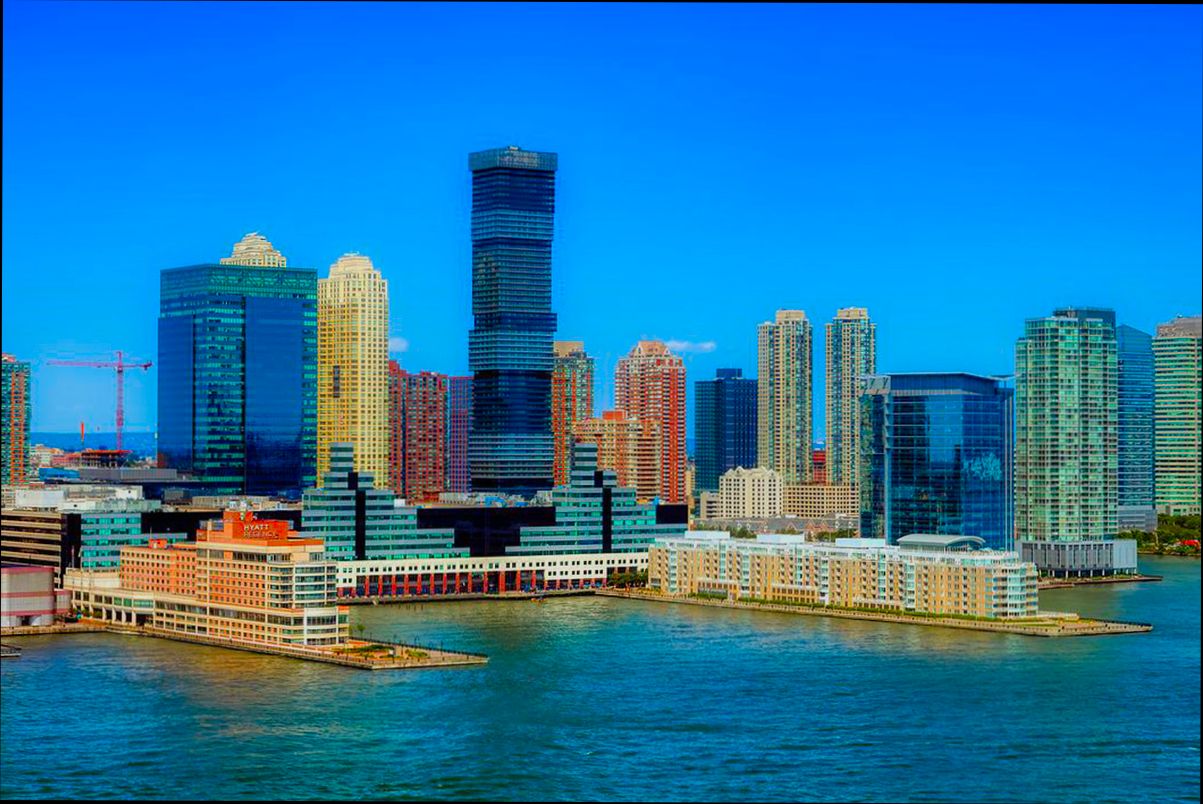
When considering a move to Jersey City, understanding your commute options and transportation accessibility can significantly impact your daily life. With its strategic location near Manhattan, Jersey City offers a variety of transportation methods suitable for various commuting preferences.
Key Commute Options
Jersey City boasts an impressive array of transportation options, including:
- PATH Trains: These trains provide quick access to Manhattan, making them a favored choice for commuters. The PATH service operates frequently, with trains running approximately every 3 to 5 minutes during peak hours.
- Ferry Services: The NYC Ferry stops at multiple locations in Jersey City, providing scenic transit to Manhattan and Brooklyn. It’s a great alternative for those who enjoy waterfront views during their commute.
- NJ Transit Buses: Numerous bus routes connect Jersey City to various destinations across New Jersey, and the express services to New York offer a reliable option for those traveling further.
- Light Rail: The Hudson-Bergen Light Rail offers convenient stops throughout Jersey City, linking residents to various neighborhoods and nearby communities.
Transportation Accessibility Statistics
Understanding how accessible these options are can truly shape your commuting experience:
| Transportation Mode | Average Commute Time to Manhattan | Frequency (Peak Hours) |
|---|---|---|
| PATH | 15-25 minutes | Every 3-5 minutes |
| Ferry | 20-30 minutes | Every 30 minutes |
| NJ Transit Bus (Express) | 30-45 minutes | Every 15-20 minutes |
| Light Rail | 10-30 minutes | Every 10 minutes |
Real-World Examples
Many residents leverage the ease of commuting to their advantage. For instance, individuals who work in the Financial District often prefer the PATH train, allowing them to reach their offices in around 20 minutes. Those who enjoy leisurely commutes might opt for the ferry, enjoying the skyline views during their transit. Families tend to utilize NJ Transit buses for school runs or weekend outings, thanks to their service frequency and convenience.
Practical Implications for Commuting
For you, the availability of diverse transportation modes means you can choose based on what best fits your lifestyle. If you prioritize speed, the PATH will likely be your go-to. On the other hand, if you appreciate a more picturesque ride, the ferry can enhance your daily routine.
- Consider Off-Peak Commuting: If your work hours allow for flexibility, commuting outside of peak times can reduce the stress of overcrowded transit.
- Invest in Transit Passes: Regular commuters might find value in purchasing monthly or weekly transit passes to save on fare costs.
- Explore Biking Options: Jersey City is becoming increasingly bike-friendly, with dedicated lanes and bike-sharing programs, offering another efficient way to navigate the city and beyond.
Specific facts about commuting in Jersey City show a high level of connectivity and accessibility that can cater to individual preferences and needs. With options like the PATH and ferry service, residents can effectively manage their commutes while enjoying the unique benefits Jersey City offers.
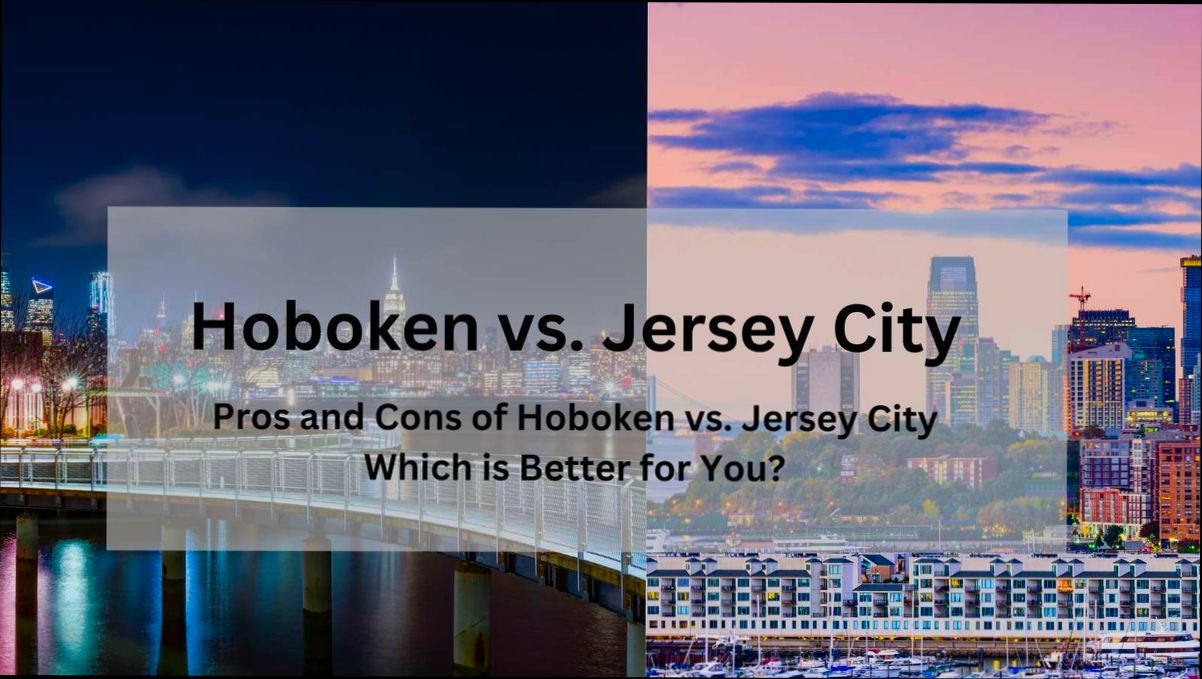
Housing Market Trends and Statistics
Understanding the housing market is essential when considering Jersey City as your potential home. Knowing the trends and statistics can help you make informed decisions about purchasing or renting property in this vibrant area.
Current Housing Trends
The Jersey City housing market has shown significant fluctuations recently. Between 2020 and 2023, the median home price in Jersey City rose by approximately 10%, indicating a strong demand for housing. As of the latest reports, the median listing price is around $620,000, while the average price per square foot is $585, which is notably higher than the national average.
Additionally, rental prices have also surged. It is common to see two-bedroom apartments listed for an average of $3,200, marking a 5% increase compared to the previous year. These figures suggest that both home and rental properties are in high demand, making timing crucial for potential buyers and renters alike.
| Housing Type | Average Price | Year-over-Year Change |
|---|---|---|
| Single-Family Homes | $750,000 | +8% |
| Condominiums | $625,000 | +12% |
| Two-Bedroom Rentals | $3,200 | +5% |
Impact of Economic Factors
Economic factors significantly affect the housing market trends in Jersey City. The area’s proximity to New York City has driven many professionals to seek homes here, contributing to a competitive market. The job market has remained robust, with employment growth hovering around 3%, attracting new residents and increasing housing demands.
Moreover, interest rates play a crucial role in influencing home purchases. With the Federal Reserve adjusting rates, the current mortgage rates are around 4.5%. While this is higher than previous years, potential buyers remain active, largely due to wage increases and long-term investment in property.
Real-World Examples
Taking a look at recent sales, homes in desirable neighborhoods like Hamilton Park have received multiple offers, often selling for $50,000 above the asking price. A recent three-bedroom home listed at $1.2 million sold within a week, reflecting the high demand and competitiveness of the market.
Conversely, certain areas, such as Greenville, have seen less dramatic price increases, providing more affordable options for first-time buyers despite a slight decrease in listings.
Practical Implications
If you’re contemplating buying or renting in Jersey City, here are some actionable insights:
- Timing Matters: Keep an eye on housing market trends—buying during a slower season, like winter, may yield better deals.
- Explore Neighborhoods: Different neighborhoods have diverse pricing—investigating areas like McGinley Square or West Side can offer more budget-friendly options.
- Engage with Local Agents: Partnering with a knowledgeable real estate agent can provide insider insights on upcoming listings and help negotiate better prices.
As you consider your options in the Jersey City housing market, it’s essential to stay informed about fluctuating prices, neighborhood dynamics, and current economic conditions. By doing so, you’ll maximize your chances of finding the right home suited to your needs and budget.
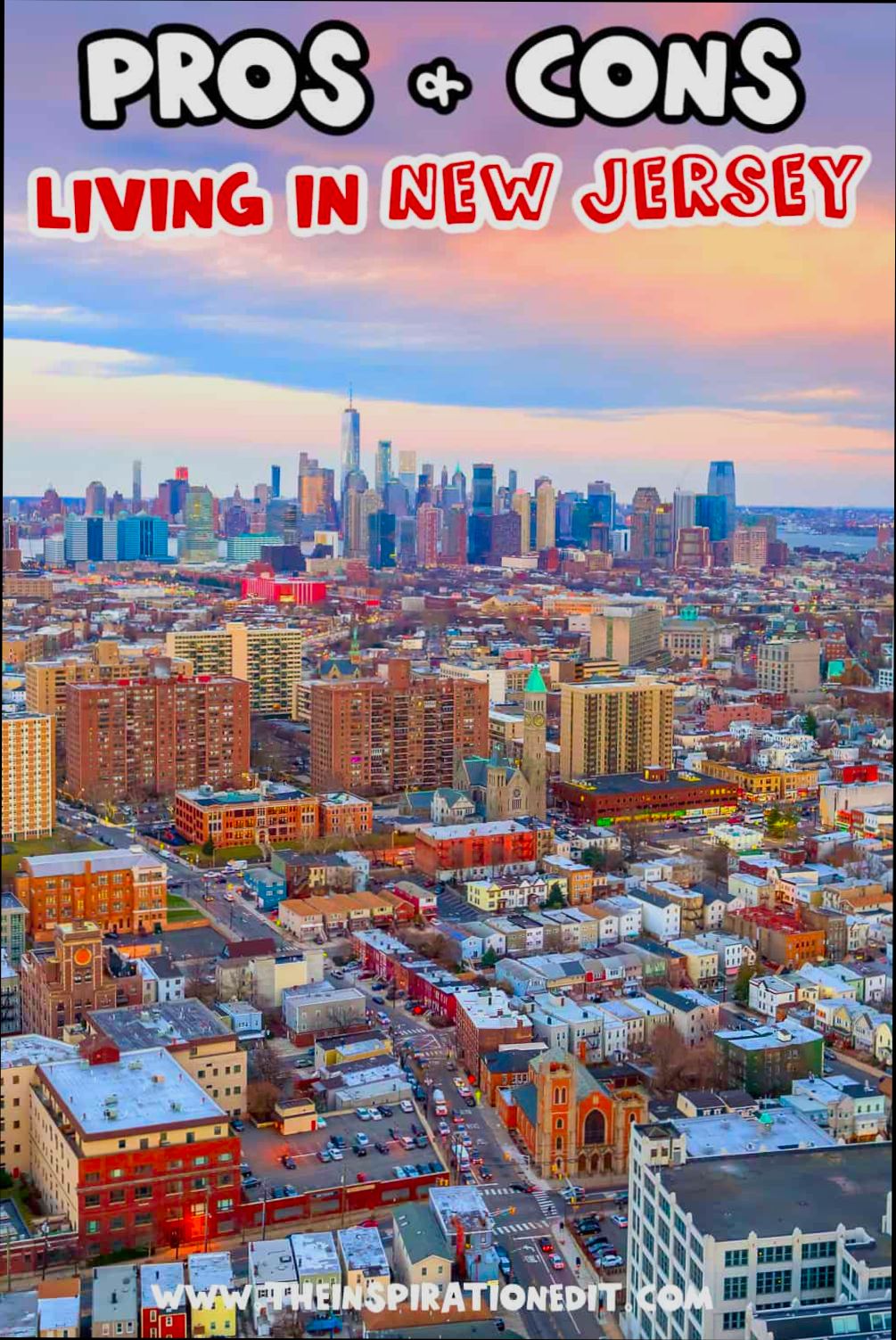
Education Quality and School Options
When considering moving to Jersey City, the quality of education and available school options are critical factors that can influence your family’s experience. This vibrant city offers a mix of public, private, and charter schools, catering to diverse educational needs and preferences.
Quality of Public Education
Jersey City’s public schools are part of the Jersey City Public Schools district, which serves over 30,000 students across various schools. According to recent reports, approximately 75% of these schools have improved their performance metrics in recent years, demonstrating a commitment to advancing educational quality. The district emphasizes STEM education, arts integration, and special education, aiming to provide a holistic approach to student development.
- School Ratings: Many public schools achieve a B rating or higher on education assessment platforms.
- High School Graduation Rates: The graduation rate for public high schools in Jersey City stands at about 87%, which is above the national average.
Charter and Private School Options
If you’re looking for alternatives to public schooling, Jersey City hosts several charter and private schools that are worth exploring. Charter schools, in particular, offer unique educational models and curricula tailored to specific student interests.
- Charter Schools: Jersey City has around 12 charter schools, serving approximately 4,000 students. These schools often focus on innovative teaching methods and specialized programs.
- Private School Diversity: The city boasts over 50 private schools, giving parents ample choice for faith-based education, Montessori programs, and gifted-and-talented initiatives.
Comparative School Quality Table
| School Type | Number of Schools | Average Student-Teacher Ratio | Graduation Rate | Notable Programs |
|---|---|---|---|---|
| Public Schools | 35 | 15:1 | 87% | STEM, Arts, Special Education |
| Charter Schools | 12 | 12:1 | 83% | Innovative Curriculum, Focused Themes |
| Private Schools | 50 | 10:1 | 92% | Faith-based, Montessori |
Real-World Examples
For instance, McNair Academic High School has consistently ranked among the top high schools in New Jersey. It specializes in a rigorous academic curriculum that prepares students for college with a 98% college acceptance rate. On the other hand, the Golden Door Charter School, focused on fostering a love for learning in grades K-8, employs project-based learning which has garnered positive feedback from both parents and educators.
Practical Implications for Parents
For families considering a move to Jersey City, it’s essential to visit schools, talk to teachers, and evaluate curricula that best fit your child’s needs. Utilize online resources to compare school ratings and reviews. Engaging with local parent groups can provide invaluable insights into school communities and experiences.
Understanding your educational options can greatly impact your family’s satisfaction in Jersey City. Whether opting for a public, charter, or private school, there’s a variety of high-quality choices available, tailored for different educational philosophies and learning styles.
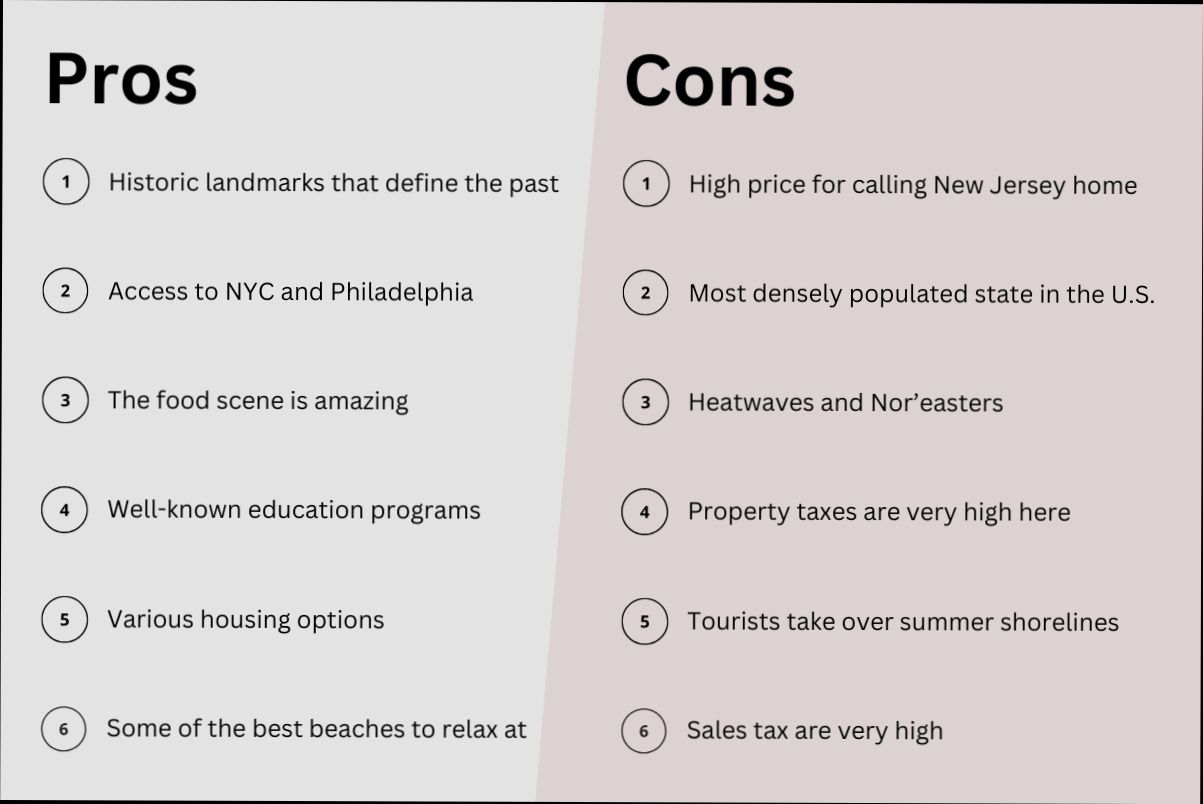
The Impact of Local Economy on Residents
When thinking about living in Jersey City, the local economy plays a crucial role in shaping the everyday experiences of its residents. The economic landscape not only influences job opportunities but also affects wages, spending power, and the overall quality of life.
Job Market and Employment Opportunities
Jersey City’s job market is diverse, with growth in industries like finance, technology, and logistics. Currently, the unemployment rate in Jersey City stands at 4.1%, which indicates a relatively stable job market. A robust local economy often leads to increased job openings, attracting newcomers and retaining existing residents. Here’s how it can specifically impact you:
- Higher Wages: In thriving sectors, salaries tend to rise. Residents in finance can see an average salary increment of approximately 8% annually, making it easier to meet living costs.
- Job Security: A stable economy often correlates with job security. Professionals in stable industries experience lower turnover, allowing them to build their careers without frequent disruptions.
Cost of Local Goods and Services
The local economy significantly influences the cost of goods and services, directly impacting residents’ day-to-day expenses. As the economy flourishes, you may notice variations in pricing:
- Consumer Prices: A recent study indicated that residents experienced about a 5% increase in consumer prices over the last year, driven by rising demand and increasing wages.
- Service Availability: New businesses often emerge in a flourishing economy, enhancing service offerings. For example, trendy cafes and boutique shops have multiplied, providing jobs while stimulating local spending.
Economic Equity and Community Development
Living in a robust economic environment can also cultivate avenues for community development and equity:
- Investment in Infrastructure: With a thriving economy, there’s often a push for improved public services and infrastructure. In Jersey City, investments in public parks and recreational facilities have risen by 12%, enhancing community engagement.
- Local Business Growth: Supporting local businesses helps retain more dollars in the community, fostering a healthier economic ecosystem. Statistics show that for every $100 spent at a local business, approximately $68 stays within the community.
| Feature | Impact on Residents |
|---|---|
| Unemployment Rate | 4.1% |
| Average Salary Increment | 8% annually in stable sectors |
| Increase in Consumer Prices | Approximately 5% |
| Investment in Infrastructure | 12% increase in the last year |
| Local Spending Retention | $68 stays in community per $100 spent |
Real-World Examples
By examining Jersey City’s economic fabric, you can see tangible impacts on daily life. For instance, the local tech startup scene is booming, with new companies often offering competitive salaries. This influx of opportunities allows residents to enhance their living standards while fostering innovation in the economy.
Take, for example, a resident working in a tech firm who saw a salary increase that matched the area’s economic growth, allowing for greater savings and investments in local businesses.
Practical Implications for Residents
Understanding these economic dynamics allows residents to make informed choices about their careers, spending, and community engagement. Consider:
- Exploring Job Portals: Leverage online platforms to find job opportunities reflective of the local economy’s growth.
- Participating in Local Businesses: Support local shops and services to keep the economic benefits circulating within the community.
Being mindful of how the local economy impacts your life can empower you to navigate Jersey City’s landscape more effectively. With its robust economy and opportunities for growth, consider your role as both a contributor and a beneficiary.
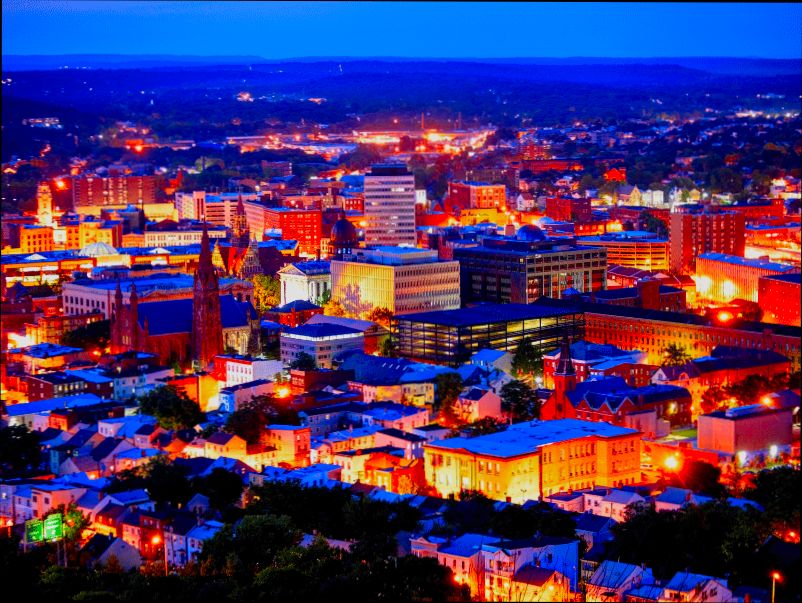
Recreational Opportunities and Green Spaces
Living in Jersey City offers a unique blend of urban engagement and tranquil green spaces. Residents can enjoy various recreational opportunities that cater to both active lifestyles and leisurely pursuits. From parks to waterfronts, the city’s commitment to green areas significantly enhances quality of life.
Abundance of Parks and Recreational Areas
Jersey City is home to an impressive number of parks, providing numerous recreational activities:
- Liberty State Park: One of the best-known parks in the area, it boasts stunning views of the Manhattan skyline. You can engage in activities like jogging, cycling, or simply enjoying a picnic.
- Van Vorst Park: This community park is a favorite among locals for its lush greenery and playgrounds, hosting farmers’ markets and cultural events.
- Paulus Hook Park: With its small, scenic environment, this park is perfect for unwinding. It offers a dog park and waterfront access for kayaking and paddle boarding.
In fact, approximately 30% of Jersey City’s land comprises parks and green spaces, making it one of the most accessible cities for outdoor activities.
Overview of Recreational Facilities
Here’s a quick overview of some key recreational facilities available in Jersey City:
| Park Name | Area (Acres) | Notable Features |
|---|---|---|
| Liberty State Park | 1,212 | Liberty Science Center, Liberty Walk |
| Van Vorst Park | 2.5 | Open greens, children’s playground |
| Colgate Clock Park | 0.5 | Scenic views, picnic tables |
| Paulus Hook Park | 1.7 | Dog runs, waterfront access |
Community Engagement Through Recreation
The involvement of community programs in promoting fitness and outdoor activities is evident. For instance, local organizations often sponsor free yoga classes in parks during summer months, with participation rates sometimes reaching over 200 residents per session. Events like the Liberty State Park’s annual Walkathon attract families, fostering connections among neighbors while enjoying nature.
Practical Implications for Residents
For those considering moving to Jersey City, these recreational opportunities present tangible benefits. A greater number of recreational facilities is linked to improved physical and mental well-being, creating an overall higher quality of life. By spending time outdoors, people often report feeling less stressed and more engaged with their environment.
Outdoor Activities and Fitness
Access to green spaces means that you can easily incorporate outdoor activities into your routine. For example, families can explore trails, enjoy picnics, or participate in organized sports leagues, promoting an active lifestyle while building community connections.
Did you know that nearly 40% of residents engage in cycling regularly? The city’s bike paths and scenic routes encourage cycling as both a pastime and a viable commuting option.
In Jersey City, recreational opportunities and green spaces significantly contribute to a balanced lifestyle, combining the vibrancy of urban living with the serenity of nature.