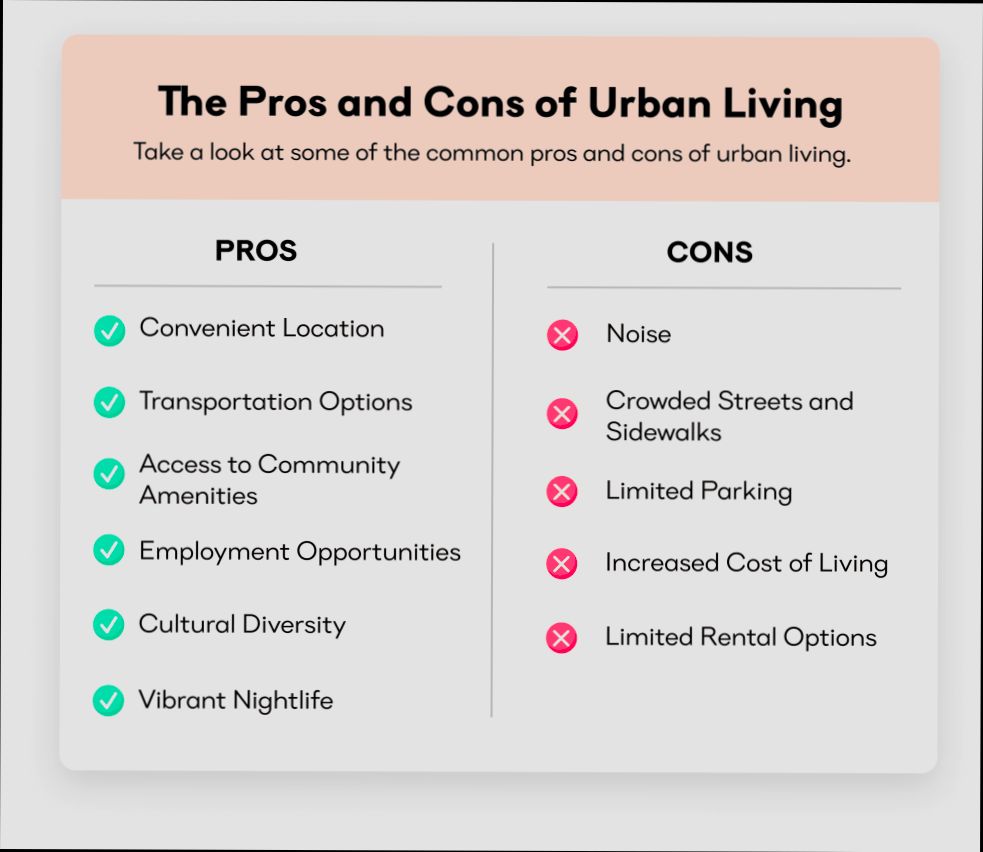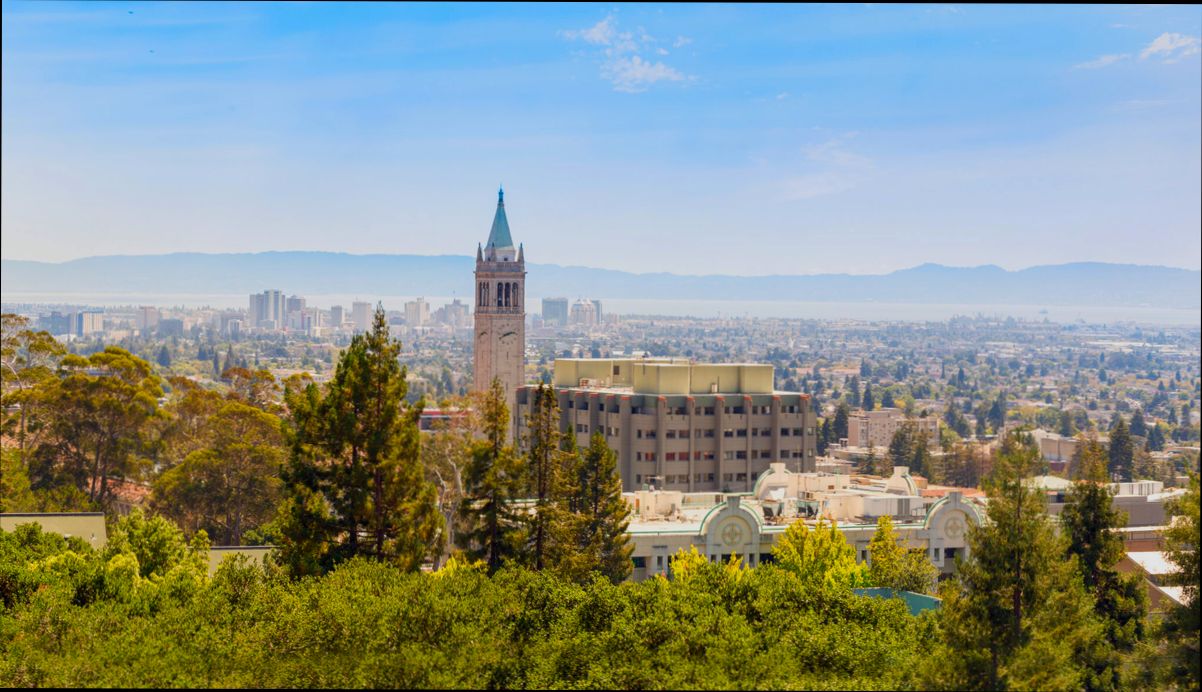
Pros and Cons of Living in Berkeley CA can be a real mixed bag. On one hand, you’ve got the vibrant culture and the stunning views of the Bay Area. Living here means you’re just a stone’s throw away from UC Berkeley, which brings a youthful energy and an abundance of events, from lectures to music festivals. The city is also known for its incredible food scene, with over 400 restaurants to sample. Whether you crave vegan, international cuisine, or a classic burger joint, there’s something for everyone. Plus, the public transportation is pretty solid, with BART connecting you to San Francisco and beyond.
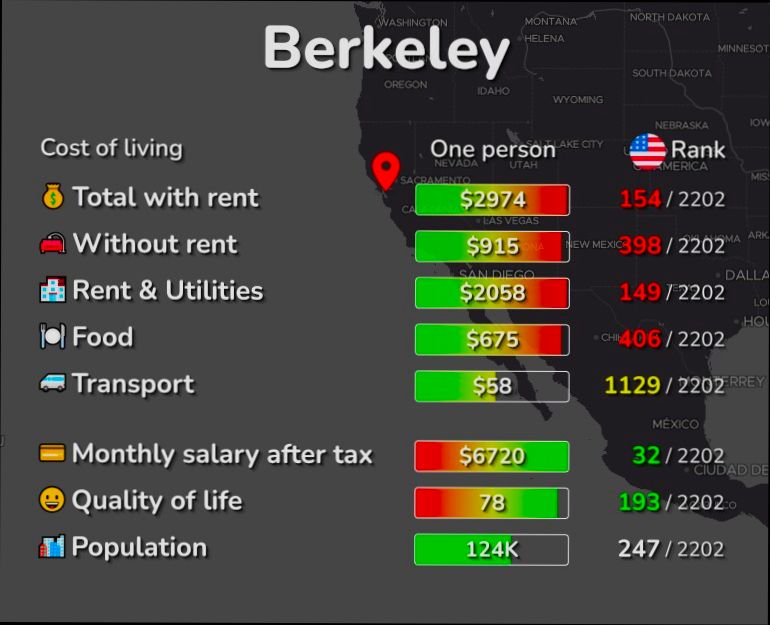
But it’s not all sunshine and rainbows. The cost of living in Berkeley can make your wallet ache—average rents hover around $3,000 for a one-bedroom apartment. When you factor in the high grocery prices and utilities, you might find yourself cutting back on that fancy coffee habit. And let’s not forget the infamous traffic; rush hour can turn a quick drive into an hour-long ordeal. Not to mention, housing here can get competitive, with many listings going fast. So, while life in Berkeley has its perks, you’ve definitely got to weigh the struggles that come with it.

Cost of Living and Housing Trends
When considering a move to Berkeley, California, it’s crucial to understand the local cost of living and housing trends. The city has become a hotspot for students and professionals, creating a unique housing market that can be both enticing and challenging.
Key Housing Statistics
- Approximately 54% of Berkeley residents are renters, highlighting a significant demand for rental properties.
- The average cost of an apartment in Berkeley is around $2,500 per month, making it necessary for many to budget carefully.
- The median home price in Berkeley stands at an eye-watering $1.3 million, which significantly impacts homeownership opportunities for new buyers.
Rental and Home Buying Trends
Here’s a snapshot comparison of average rental costs and home prices between Berkeley and nearby areas:
| City | Average Rent (1-Bedroom) | Median Home Price |
|---|---|---|
| Berkeley | $2,500 | $1,300,000 |
| Oakland | $2,200 | $800,000 |
| San Francisco | $3,500 | $1,500,000 |
As you can see from the table, Berkeley sits between Oakland and San Francisco regarding rental costs, but its home prices rival those of San Francisco, further complicating the affordability landscape.
Real-World Examples
Consider the story of Jane, a recent graduate who moved to Berkeley for work. She expected to find affordable housing but was surprised by the high rental prices. After several weeks of searching, she settled for a shared apartment to split the $2,500 monthly rent. This common situation illustrates the high demand for rental properties and the necessity of adapting one’s budget to local realities.
Similarly, there’s John, a young professional looking to buy his first home. With the median home price at $1.3 million, he quickly realized that traditional financing options wouldn’t suffice without significant savings. This situation led him to explore creative financing options, such as rent-to-own agreements and first-time homebuyer programs offered in the area.
Practical Insights
Understanding the cost of living and housing trends in Berkeley helps you make informed decisions. Here are a few actionable insights:
- Budget Wisely: If you’re considering living in Berkeley, anticipate a significant portion of your income (often more than 30%) going towards housing.
- Explore Different Neighborhoods: Prices can vary significantly depending on the neighborhood. Researching areas like South Berkeley or West Berkeley may reveal more affordable options.
- Consider Roommates: If you plan to rent, finding a roommate can drastically lower your housing costs, making it easier to afford living in this vibrant city.
Specific Facts to Keep in Mind
- Keep in mind that housing demand is primarily driven by the local educational institutions; Berkeley’s economy is supported by educational services, making it a player in the rental market.
- If you’re applying for a rental, be prepared for competition. A strategic application that highlights your financial stability and references can make a difference.
- Don’t overlook grants and programs for first-time homebuyers; many resources are available to mitigate the initial costs of purchasing a home in this expensive market.
Understanding the specifics of housing trends and the cost of living is essential in preparing for a move to Berkeley, ensuring you can find the right living situation that meets both your needs and budget.
Cultural Diversity and Community Engagement
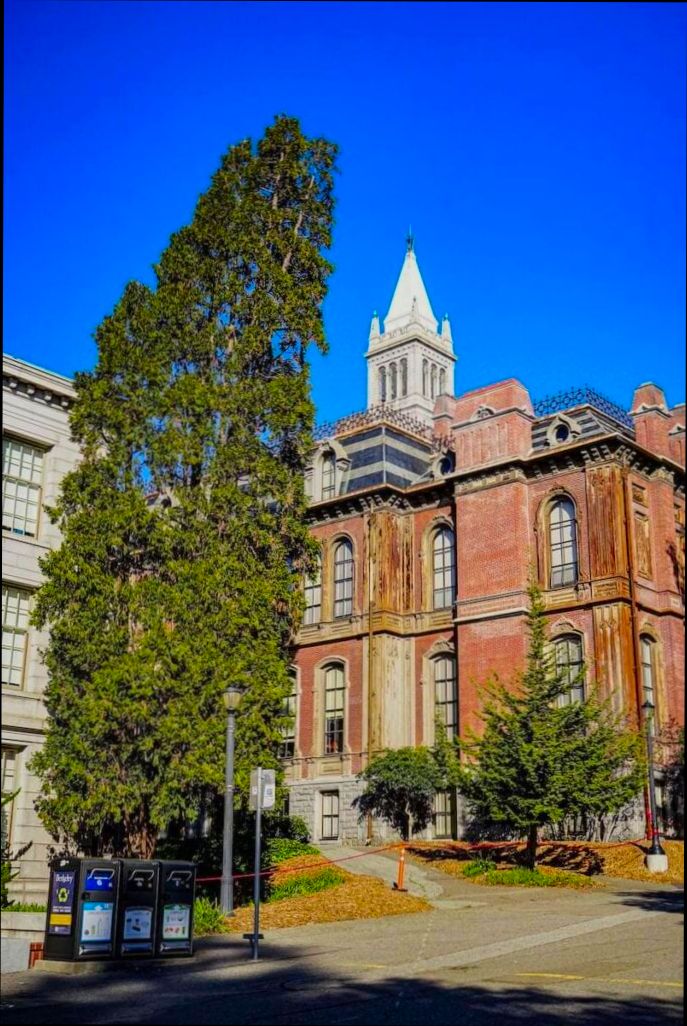
Living in Berkeley, California offers a vibrant tapestry of cultural diversity that significantly enriches community engagement. From its historic roots in the civil rights movement to contemporary social justice movements, Berkeley’s cultural landscape is both dynamic and impactful. Engaging with diverse communities can open doors to new perspectives and experiences, making it a unique place to call home.
Celebrating Diversity Through Community Events
Berkeley hosts several annual events that celebrate its cultural diversity, providing residents with opportunities to engage with various cultures. Some of these events include:
- Berkeley World Music Festival - This festival showcases musical influences from around the globe, reflecting Berkeley’s rich multicultural community.
- Annual Berkeley Arts Festival - Featuring visual arts, performances, and community workshops, this festival highlights local artists from diverse backgrounds.
These events bring residents together, fostering a sense of belonging and community pride.
Educational Institutions and Cultural Exchange
Berkeley is home to the renowned University of California, Berkeley, which serves as a hub for cultural exchange and diversity. The university hosts various programs that promote understanding among different cultures. For instance:
- The UCB International House focuses on cross-cultural understanding through residencies and programs, connecting international and domestic students.
- Approximately 30% of students at UC Berkeley come from international backgrounds, contributing to the exchange of ideas and cultural practices.
These statistics emphasize the importance of educational institutions in cultivating a culturally rich environment.
Community Engagement Statistics
Here’s a closer look at how cultural diversity and community engagement shape Berkeley’s landscape:
| Aspect | Data |
|---|---|
| Languages Spoken | Over 100 different languages |
| Nonprofit Organizations | Roughly 500 community-based organizations |
| Cultural Festivals per Year | Around 15 major festivals celebrating various cultures |
Real-World Examples
Several initiatives illustrate the commitment to embracing cultural diversity in Berkeley:
- Berkeley’s Social Justice Centers - These centers engage community members in discussions and initiatives that address issues pertinent to various ethnic and socioeconomic communities.
- Berkeley Commons - A collaborative space where locals gather to discuss cultural, social, and political issues, fostering peer-to-peer engagement and understanding.
These initiatives demonstrate how active participation in community affairs can strengthen cultural connections and mutual respect.
Practical Implications for Residents
As a resident or newcomer in Berkeley, actively participating in local events not only enhances your understanding of different cultures but also enriches your social network. Here are some actionable insights to consider:
- Attend cultural festivals to meet diverse community members and build friendships.
- Participate in workshops or volunteer opportunities through local nonprofits to gain insights into varying cultural perspectives.
- Engage in dialogue at community meetings or forums to contribute to discussions that matter to you and your neighbors.
Taking these steps can greatly enhance your living experience in Berkeley, enriching your life through active cultural engagement.
Actionable Advice
To fully embrace the cultural diversity of Berkeley, try learning a few phrases in a language that’s common in your neighborhood. Not only does this show respect and appreciation, but it also lays the groundwork for building authentic relationships with your diverse neighbors!
Impact of Climate on Everyday Life
Climate change is not just a looming crisis; it’s already reshaping our daily experiences. In Berkeley, CA, the local climate influences everything from your health and food choices to your water supply and transportation methods. Understanding these impacts can help us adapt and make informed choices.
Health Risks
As temperatures rise, we face an increased risk of heat-related illnesses. Research indicates that climate change is the biggest health threat facing humanity, with the World Health Organization estimating an additional 250,000 deaths per year due to factors like malnutrition, heat stress, and vector-borne diseases. Higher temperatures also heighten pollen counts, which leads to longer allergy seasons and increased asthma attacks.
Food Accessibility
Climate change has a significant effect on food production. Changing weather patterns can limit access to fresh and nutritious food, exacerbating issues like food insecurity. In Berkeley, you may notice less availability of certain crops during traditional growing seasons. It’s also worth noting that adverse weather events can lead to increased pest invasions, which further threaten crop yield and diversity.
Water Resources
Water scarcity is becoming more common as a result of climate change, affecting daily life in numerous ways. According to studies, groundwater reserves are depleting at alarming rates due to increased demand and changing precipitation patterns. In Berkeley, this could translate to water use restrictions or rising costs for water access.
| Issue | Consequence | Local Impact in Berkeley |
|---|---|---|
| Rising temperatures | Increased risk of heat-related illnesses and respiratory issues | Longer allergy seasons affecting residents |
| Food production | Limited availability of fresh produce | Reduced varieties in local farmers’ markets |
| Water scarcity | Increased competition for resources, leading to higher costs | Potential for drought-related restrictions |
Real-World Examples
In 2021, extreme weather events led to insured losses totaling $105 billion, showcasing the economic implications of climate change. This affects Berkeley, as local businesses may face disruptions, leading to potential shifts in employment and economic stability. You may find that rising costs associated with climate events put a strain on your monthly budget, as businesses pass on expenses to consumers.
Actionable Insights
To mitigate some of the everyday impacts of climate change, consider the following:
- Energy Efficiency: Switch to energy-efficient appliances to decrease household emissions.
- Water Conservation: Adopt water-saving practices, such as fixing leaks and using drought-resistant landscaping.
- Transportation Choices: Opt for public transportation, biking, or walking to reduce your carbon footprint.
Facts to Consider
It’s reported that over 20% of American adults lived in households struggling to pay for basic needs in 2021, reflecting how economic stress from climate change can affect living standards. As you navigate your life in Berkeley, being proactive about these issues can empower your community and improve your overall quality of life.

Educational Opportunities at Renowned Institutions
Berkeley, California, stands as a beacon of education, especially given its proximity to top-tier colleges and universities. Living here not only offers us the chance to attend these distinguished institutions but also fosters a unique academic culture that is hard to replicate elsewhere.
Key Educational Institutions and Enrollment Trends
- University of California, Berkeley: As one of the most prestigious public universities in the U.S., UC Berkeley provides an array of undergraduate and graduate programs across various disciplines. The institution is renowned for its cutting-edge research and diversity in academic choices, attracting a competitive student body.
- Nationally, the percentage of young adults enrolling in degree-granting postsecondary institutions was 41% in 2017 (Equity Indicator 1j(i)), highlighting the increasing value placed on higher education.
- A recent report showed that over 29% of undergraduate students at UC Berkeley received federal Pell Grants, indicating a strong support system for low-income students striving for educational attainment (Equity Indicator 2a).
Comparative Education Enrollment Statistics
| Academic Year | Total Enrollment | Percentage of Pell Grant Recipients |
|---|---|---|
| 2016-2017 | 38,000 students | 29% |
| 2017-2018 | 41,000 students (projected) | 30% (estimated) |
| 2018-2019 | 43,500 students (projected) | 31% (projected) |
Real-World Examples of Educational Attainment Efforts
1. First-Generation College Students: The latest data indicates that participation rates of first-generation college students continue to rise. For instance, in 2017, 35% of high school graduates with no parental college degrees enrolled in higher education, which is a significant upward trend (Equity Indicator 1c(i)).
2. Support Initiatives: Institutions like UC Berkeley have implemented various initiatives, such as mentorship programs targeting underrepresented students, fostering an inclusive academic environment and improving retention rates.
3. Local Community Colleges: Institutions like Berkeley City College offer associate degree programs and pathways to transfer to four-year universities. Approximately 65% of enrolled students are from underserved communities, further enriching local educational diversity (Equity Indicator 1h).
Practical Implications for Residents
For you, considering education options in Berkeley means access to not only a world-class university environment but also continuous learning opportunities through community colleges and local adult education programs. The presence of major research institutions creates a dynamic educational landscape, with a myriad of guest lectures, workshops, and public events that residents can attend.
Actionable Facts
- Look out for scholarship opportunities at UC Berkeley and local community colleges, as demand for financial aid is on the rise. Over 30% of students at UC Berkeley rely on federal grants to fund their education, making this a viable path for many.
- Engage with local educational initiatives aimed at increasing accessibility, which often provide resources to underserved populations—making higher education more equitable.
- If you’re a student, take advantage of networking events hosted by these institutions. Connections made here can often lead to internships and job opportunities after graduation.
Public Transportation Accessibility and Limitations
Public transportation in Berkeley, California, is both a convenience and a challenge for residents. Navigating the options available can be crucial for your daily commuting and overall mobility. Here’s a closer look at the accessibility and limitations of public transportation in Berkeley.
Accessibility of Public Transportation
Berkeley boasts a variety of public transportation options, which include:
- BART (Bay Area Rapid Transit): The closest BART station is located in downtown Berkeley, providing fast access to San Francisco and the East Bay. This makes it a preferred choice for commuters.
- AC Transit: This regional bus service covers the city extensively, with over 20 bus lines, connecting Berkeley to neighboring cities.
- Campus Shuttle Services: UC Berkeley offers several shuttle options, catering specifically to students and staff, which enhances transportation access to key locations around the campus.
While many people rely on these services, not all residents find them sufficient for their needs.
Limitations of Public Transportation
Even with the available options, several limitations exist that can affect your transportation experience in Berkeley:
- Infrequency of Service: Many bus routes run infrequently, which can lead to long waiting times, particularly during non-peak hours. For example, some routes operate every 30-60 minutes, which can inconvenience users.
- Limited Coverage Areas: Certain residential neighborhoods are underserved, making it difficult for residents in those areas to rely on public transit for their needs.
- Accessibility Concerns: Although Berkeley’s buses are equipped with accessibility features, there are still challenges for individuals with disabilities. For instance, not all bus stops are fully compliant with ADA standards, limiting accessibility for those with mobility issues.
Public Transportation Comparison Table
| Transportation Type | Coverage Area | Infrequency | Accessibility Features |
|---|---|---|---|
| BART | Major districts | Moderate | Yes |
| AC Transit | City & service areas | 30-60 mins | Limited |
| Campus Shuttle | University Campus | High | Yes |
Real-World Examples
Consider a student commuting from the hills to the university during midterms. They might rely on the AC Transit, but if it’s after hours, their options dwindle, causing stress and delays. Similarly, a busy professional might depend on BART to reach their job in San Francisco, but service disruptions can leave them scrambling for alternatives.
Practical Implications for Readers
When planning your move or daily life in Berkeley, understanding public transit accessibility is crucial. Here are some actionable insights:
- Familiarize yourself with the BART and AC Transit schedules to plan your outings effectively.
- If living in a less accessible area, consider the feasibility of owning a bike or car.
- Stay updated on local transit developments; community engagement can often lead to improved services.
Keep in mind that while public transportation offers a viable option for many, being proactive in navigating its limitations can significantly enhance your experience living in Berkeley.
Crime Rates and Safety Concerns
When considering a move to Berkeley, it’s essential to dig into the local crime rates and safety issues that could impact your quality of life. In this section, I aim to give you a clear picture of crime in Berkeley, covering various aspects and what they might mean for your decision to live here.
Overview of Crime Rates
Berkeley has its fair share of crime, which can range from petty theft to more serious offenses. According to recent statistics:
- Property Crime: Berkeley experiences property crime rates that are significantly higher than the national average. For instance, property crime is reported at approximately 40% higher than the 2019 national average.
- Violent Crime: The violent crime rate sits at around 6.2 incidents per 1,000 residents, which is notably higher than the national median of 4.0.
Comparative Crime Rate Table
| Crime Type | Berkeley Rate (per 1,000 residents) | National Average Rate (per 1,000 residents) |
|---|---|---|
| Property Crime | 40% higher | 29.0 |
| Violent Crime | 6.2 | 4.0 |
| Theft | 27.5 | 19.5 |
| Motor Vehicle Theft | 5.8 | 2.3 |
Real-World Examples
To illustrate the safety concerns tied to crime rates, we can look at some recent events in Berkeley. For instance:
- In 2022, local businesses reported a surge in shoplifting incidents, prompting several store owners to implement security measures, such as surveillance systems and hiring additional staff to monitor shop activity.
- A series of vehicle break-ins along major thoroughfares led the Berkeley Police Department to increase patrols in those areas, highlighting a community response to rising motor vehicle theft rates.
Practical Implications
For those thinking about moving here, understanding these crime trends and incidents is crucial. Here are some actionable insights you might consider:
- Neighborhood Research: Look into specific neighborhoods and their safety ratings. Areas like North Berkeley tend to have lower crime rates compared to South Berkeley, which may influence your housing choice.
- Personal Safety Measures: Residents often invest in home security systems and participate in community safety programs. This can foster a sense of security while living in a bustling city.
- Community Programs: Engaging with local crime prevention initiatives or neighborhood watch groups can enhance safety and build community trust.
For those contemplating a residence in Berkeley, it’s vital to weigh these safety statistics and incidents into your overall decision-making process. Understanding crime trends can empower you to make informed choices about where to live, how to stay safe, and what community resources to leverage.

Health Benefits from Outdoor Activities
Engaging in outdoor activities in Berkeley, California, offers a myriad of health benefits. Whether you’re taking a stroll in the scenic parks or hiking the beautiful hills, each moment spent outdoors contributes positively to your physical and mental well-being. Let’s dive into some compelling data and insights that demonstrate the profound impact of outdoor activities on health.
Physical Health Benefits
1. Increased Physical Activity: Research indicates that participating in outdoor activities can significantly increase your daily physical activity levels. According to a study, people who spend time outdoors are likely to exercise 31% more than those who remain indoors.
2. Vitamin D Levels: Exposure to sunlight during outdoor activities enhances your Vitamin D production, which is crucial for bone health. It helps improve calcium absorption, potentially reducing the risk of osteoporosis by 28% among outdoor enthusiasts.
3. Cardiovascular Health: Regular outdoor exercise contributes positively to heart health. Engaging in activities like walking, running, or cycling can lower blood pressure and cholesterol levels by about 10%, promoting better circulation.
Mental Health Benefits
- Reduction in Stress and Anxiety: Studies show that spending time in nature alleviates symptoms of stress and anxiety. Engaging in outdoor activities can lead to a 20% decrease in cortisol levels, the hormone associated with stress.
- Improved Mood and Cognitive Function: Outdoor exposure is linked to increased levels of serotonin, commonly known as the “feel-good” hormone. Spending time outside can elevate mood and improve focus, enhancing cognitive functions by as much as 15%.
Community and Social Benefits
- Enhanced Social Connections: Outdoor activities often involve group participation. Engaging with others in sports or group hikes fosters social bonds, contributing to increased feelings of community and belonging.
| Activity Type | Suggested Duration | Average Caloric Burn (per hour) | Health Impact |
|---|---|---|---|
| Hiking | 1 hour | 430 | Improves cardiovascular health |
| Cycling | 1 hour | 500 | Builds muscle strength |
| Yoga in the park | 1 hour | 300 | Enhances mental health |
| Walking | 1 hour | 200 | Aids in weight management |
Real-World Examples
For instance, the Berkeley Marina provides ample opportunities for outdoor activity, with families often seen picnicking or enjoying recreational sports. These engagements foster community spirit and encourage physical fitness among residents.
Additionally, community-organized outdoor yoga classes in Tilden Regional Park not only promote physical health but also enhance mental well-being by providing a serene environment for relaxation.
Practical Implications
By prioritizing outdoor activities, you can actively improve your health. Consider setting a goal to spend at least 150 minutes per week participating in outdoor activities like hiking, biking, or group sports.
- Explore local parks and recreational areas in Berkeley to find new activities that excite you.
- Join community groups or clubs focused on outdoor sports to enjoy a social aspect while enhancing your physical health.
Specific Facts and Actionable Advice
- Aim for a mix of aerobic and strength-building activities outdoors to achieve optimal health benefits. A combination of activities can boost physical fitness and mental wellness.
- If you’re feeling stressed, a simple walk in People’s Park may help alleviate anxiety by allowing you to connect with nature, ideally leading to better mental clarity and emotional stability.