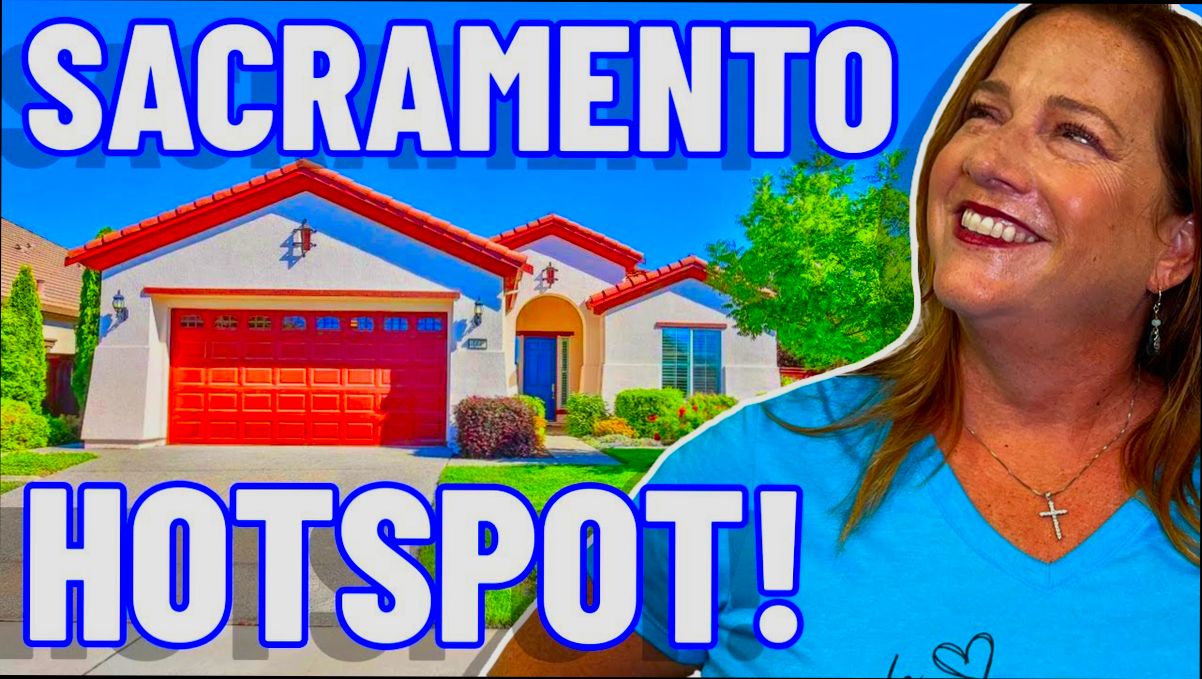
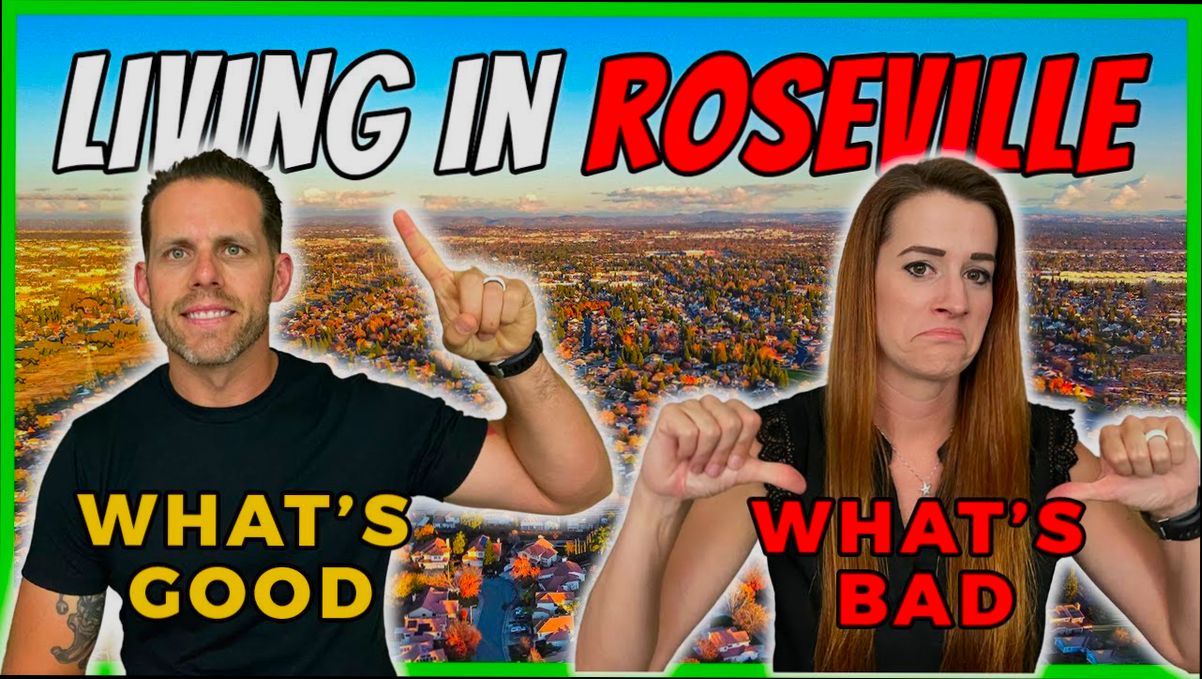
Pros and Cons of Living in Roseville CA often come down to a mix of suburban charm and bustling California life. With a population of around 140,000, Roseville offers a friendly atmosphere and plenty of community events, like the annual Roseville Automall’s Music in the Park series, where you can enjoy local bands and food trucks. Plus, the city’s strong economy has led to a low unemployment rate of about 3.6%, making it a solid choice for job seekers. Let’s not forget about the beautiful, tree-lined neighborhoods and access to great schools, which are perfect for families looking for a tight-knit community feel.
On the flip side, you might hit some snags living here. The housing market can be quite competitive, with the median home price hovering around $550,000, which can be a bit steep for first-time buyers. Traffic can also be a hassle, especially during rush hour on major roads like the Douglas Boulevard and I-80 junction. And while the sunny weather is a bonus most of the year, the summer heat can regularly push past 100°F, leading to some sizzling days that not everyone enjoys. Living in Roseville has its perks and quirks, each playing a big role in shaping your experience.

Cost of Living Trends in Roseville
Understanding the cost of living in Roseville, CA, reveals valuable insights into your potential lifestyle there. This section dives into specific trends that shape the financial landscape, from housing to utilities, providing you with a clear picture of what to expect.
Housing costs in Roseville have seen a significant upward trend. As of the latest data, the median home price reached approximately $600,000, which reflects a 10% increase over the past year. This rise can be attributed to a growing demand for housing due to the area’s appealing climate and amenities.
Key Cost of Living Stats
- Rent prices: The average monthly rent for a two-bedroom apartment is around $2,000, which is higher than the national average of $1,800.
- Utilities: Monthly utility costs can average about $150, slightly above the U.S. average of $130. This includes electricity, water, and garbage collection.
- Groceries: Residents spend approximately 15% more on groceries compared to the national average, largely due to the cost of fresh produce and regional products.
Here’s a table capturing some key cost components for living in Roseville:
| Expense Category | Roseville Average | National Average |
|---|---|---|
| Housing (Median Home) | $600,000 | $400,000 |
| Rent (2-bedroom) | $2,000 | $1,800 |
| Utilities | $150 | $130 |
| Groceries | 15% more | N/A |
Real-World Examples
For instance, a family of four living in Roseville may find themselves budgeting around $4,000 monthly, factoring in housing, utilities, groceries, and transportation. In comparison, a similar family in a more affordable city could spend closer to $3,200, making the financial commitment significant in Roseville.
Additionally, many newcomers have been opting for apartments in community developments that promise lower rent. For example, the Trails at Roseville offers modern amenities and has attracted many young professionals. Their rates, starting at about $1,800 for a two-bedroom, reflect a compromise for those who still want proximity to the vibrant city atmosphere.
Practical Implications for You
When considering a move to Roseville, it’s essential to budget realistically for these trends. Utilize neighborhood apps or local forums to get real-time insights into housing availability and pricing. Engaging with local real estate agents can provide you with strategies on finding homes that might not yet be on the market.
Also, consider shopping at local farmers’ markets or community co-ops to manage grocery costs effectively. By sourcing local produce, you may find yourself saving considerably while still enjoying the freshness that Roseville offers.
Staying informed about these cost trends will empower you to make informed financial decisions as you transition to a life in Roseville.
Quality of Schools and Education Options
When considering a move to Roseville, CA, the quality of schools and education options is a crucial factor. Families often prioritize education, looking for schools that not only provide solid academic programs but also enrich children’s overall development. In this section, we will dive deep into what Roseville offers in terms of educational quality and options.
School Ratings and Performance
In Roseville, public schools generally receive high ratings, indicating strong academic performance. According to the latest data:
- School District Rating: The Roseville City School District boasts an overall rating of 8 out of 10, which reflects a high standard of education.
- Graduation Rates: Nearly 95% of high school students graduate, showcasing the district’s commitment to student success.
These ratings indicate a robust educational environment for families residing in the area.
Types of Educational Institutions
Roseville offers a variety of educational options ranging from public schools to private institutions. Here’s a breakdown:
- Public Schools: Most students in Roseville attend schools within the Roseville Joint Union High School District, which oversees several highly rated high schools.
- Charter Schools: There are several charter schools, like the Roseville Empowerment Academy, focusing on individualized learning approaches and smaller class sizes.
- Private Schools: Families can also explore private institutions such as St. Patrick’s Academy, which provides a faith-based education and has consistently high academic outcomes.
Comparative Education Statistics
You may find it helpful to see how Roseville schools compare to state and national averages:
| Education Type | Roseville Average | California Average | National Average |
|---|---|---|---|
| Public School Rating | 8/10 | 7/10 | 6/10 |
| Graduation Rate | 95% | 85% | 80% |
| Teacher-to-Student Ratio | 1:24 | 1:30 | 1:25 |
These statistics present a clear picture of the quality of education available in Roseville compared to broader averages.
Real-World Examples
One shining example of academic success in Roseville is Woodcreek High School, which has been recognized for its advanced placement programs and proactive student support services. The school has a strong reputation for fostering both academic and extracurricular excellence.
Another example is the Roseville Library, which collaborates with local schools to offer tutoring services and reading programs that supplement classroom learning, enhancing educational opportunities for children outside school hours.
Practical Implications for Families
When choosing where to live in Roseville, take the time to research specific schools’ performance and programs. Attend school open houses and speak with other parents to gauge the feel of each institution. Additionally, consider your children’s learning style:
- If they thrive in smaller settings, explore charter schools that typically offer smaller class sizes.
- For an integrated learning environment, inquire about local private schools that focus on holistic education.
Actionable Advice
When evaluating schools, look into annual performance reports and consider visiting multiple schools to observe the environment firsthand. It’s also beneficial to connect with local parent groups, as they can provide valuable insights and recommendations regarding the best options available for your child’s education in Roseville. Engaging with the community will help you make informed decisions tailored to your child’s educational needs.

Access to Parks and Recreational Activities
Living in Roseville, CA offers ample opportunities for access to parks and recreational activities, ensuring that residents can enjoy an active and healthy lifestyle. With various parks, trails, and community resources, you’ll find plenty of ways to get involved and stay fit.
What Can You Do?
1. Explore Local Parks: Roseville has over 300 acres of parks, providing spaces for playgrounds, sports fields, and picnic areas.
2. Join Community Programs: Many local organizations offer inclusive programs that cater to diverse community needs, ensuring everyone can participate in recreational activities.
3. Utilize Trails: Roseville features an extensive network of trails that connect parks and residential areas, making it easier for you to walk or bike to your favorite spots.
4. Participate in Events: Seasonal events and outdoor activities are regularly organized in local parks, fostering community engagement.
Access Comparison Table
| Feature | Roseville CA | Other Comparable Cities |
|---|---|---|
| Total Park Acreage | 300+ acres | 200-250 acres |
| Number of Parks | 30+ parks | 20-25 parks |
| Availability of Trails | 40 miles | 25 miles |
| Community Programs Offered | 20+ inclusive programs | 15-20 programs |
| Percentage Living Within ½ Mile of a Park | 60% | 40-50% |
What Other Communities Are Doing
Communities around Roseville are actively enhancing access to parks and recreational facilities. For example, programs like “Safe Routes to Parks” encourage collaboration between city planners and the community to improve walking and biking routes to parks. This initiative aims to make parks more accessible, especially to people who may face physical limitations or safety concerns.
Real-World Examples
- Inclusive Design Projects: Roseville has initiated projects focused on creating welcoming environments in parks. This includes adding benches, shade structures, and walking loops that invite people of all ages to enjoy outdoor spaces.
- Shared-Use Agreements: Collaborative efforts have allowed for additional access points in areas such as schoolyards and municipal grounds. This innovative approach creates public spaces for physical activity and community gatherings.
Practical Implications for You
If you’re considering a move to Roseville, take advantage of the vast parks system. Familiarize yourself with the community programs that cater to all ages and abilities. Participating in local activities can help you connect with neighbors and promote a healthier lifestyle.
Actionable Advice
- Check your proximity to local parks and explore the walking trails available.
- Look for community events in parks to engage with other residents and enjoy free recreational activities.
- Advocate for accessible park designs that cater to all members of the community to enhance overall access to these vital spaces.
Economic Opportunities and Job Market
When assessing economic opportunities and the job market in Roseville, CA, it’s essential to recognize the benefits and challenges that come with employment options in this vibrant city. I’ll provide insights into various job sectors, wage statistics, and local hiring trends, all of which can impact your experience of living in Roseville.
Local Job Market Overview
Roseville’s job market is diverse, with growth in several sectors:
- Healthcare: The healthcare industry remains one of the most significant employers in the area, with major hospitals and clinics looking for skilled workers in various roles, from nursing to administration.
- Technology: With the tech boom continuing in California, Roseville has seen a rise in job opportunities in IT and software development, appealing to tech-savvy individuals.
- Retail and Services: Retail jobs form a substantial part of the employment landscape, with numerous shopping centers and services catering to the local community.
Key Statistics
- The unemployment rate in Roseville has consistently hovered around 4%, lower than the national average, indicating a healthy job market.
- The average annual salary for workers in Roseville is approximately $65,000, which is competitive compared to nearby cities.
- There has been a 20% increase in job postings over the past three years, reflecting strong employment growth and demand for talent.
Job Sector Comparative Table
| Sector | Job Growth Rate | Average Salary | Key Employers |
|---|---|---|---|
| Healthcare | 12% | $70,000 | Sutter Health, Kaiser Permanente |
| Technology | 15% | $85,000 | Salesforce, Micron Technology |
| Retail | 8% | $40,000 | Westfield Galleria, Home Depot |
| Education | 10% | $50,000 | Roseville City School District |
Real-World Examples
Take the example of Sutter Health, which has expanded its facilities in the area, creating numerous job openings for healthcare professionals. This expansion not only enhances career prospects but also contributes to the city’s economic growth, making it a great time to consider a career in this sector.
Another notable example is Micron Technology, which has actively recruited engineers and technical staff as it scales up operations. Their presence demonstrates a robust demand for skilled workers in technology, offering competitive salaries and career advancement opportunities.
Practical Implications
For those looking to settle in Roseville, understanding the job landscape can guide your career choices. If you’re in healthcare or technology, the prospects here are promising. Additionally, attending job fairs and networking events can connect you to potential employers and help you integrate into the local job market.
If you’re entering the job market, consider enhancing your skills through local community colleges or online certifications, particularly in high-demand fields such as IT or healthcare.
- Actionable Tips:
- Leverage local job boards and social media platforms like LinkedIn to explore job postings and network.
- Attend industry-specific networking events to meet with local employers and gain insights into the hiring landscape.
- Explore training programs offered by local educational institutions to increase your marketability to prospective employers.
By staying informed about the economic opportunities and trends in the job market, you can make well-rounded decisions that enhance your career and overall satisfaction living in Roseville.
Community Engagement and Local Events
Living in Roseville, CA opens the door to a vibrant community where engagement is key. From local festivals to neighborhood projects, there are numerous ways to connect with neighbors and participate in community life. Let’s dive deeper into what community engagement and local events look like in this dynamic city.
Community Events and Activities
Roseville hosts a variety of events throughout the year that cater to all ages and interests. Here are some highlights:
- Summer Concert Series: Enjoy free live music at various parks featuring local bands. This event allows residents to relax and socialize while supporting local talent.
- Roseville Graffiti Removal Program: A community initiative that encourages residents to participate in beautifying the neighborhood by helping to remove graffiti. This not only fosters community spirit but also enhances overall aesthetics.
- Annual Roseville Blue Oaks Halloween Festival: This family-friendly event features fun activities, games, and a costume contest, engaging thousands of local families each year.
Participation Rates
Many residents actively engage in community events and volunteer opportunities. Consider the following:
- Approximately 50% of residents participate in at least one local event per year, showcasing a strong commitment to community involvement.
- There are over 100 local clubs and organizations in Roseville, which provide additional avenues for engagement, ranging from book clubs to youth sports leagues.
Local Events Comparative Table
| Event Name | Type | Frequency | Attendance |
|---|---|---|---|
| Summer Concert Series | Music | Weekly in summer | 3,000 per event |
| Roseville June Festival | Arts & Crafts | Annual | 20,000 |
| Rocklin Community Festival | Local Culture | Annual | 10,000 |
| Holiday Craft Fair | Seasonal Bazaar | Annual | 5,000 |
Real-World Examples
One notable engagement initiative is the Roseville Community Engagement Program, which empowers citizens to take ownership of their neighborhoods. Residents can propose projects that improve their areas, from park enhancements to community gardens. Here’s how it has worked:
- A recent project led to the creation of a community garden that not only provides fresh produce but has also become a social hub for residents to gather and collaborate.
Practical Implications
For you as a potential resident, getting involved can significantly enrich your living experience:
- Join Local Groups: Look into joining organizations that resonate with your interests. It could be a hobby group or a volunteer service; both can enhance your connections in the community.
- Attend Local Events: Mark your calendar for community events. They’re a great way to meet people and immerse yourself in the local culture.
Actionable Advice
Engaging in local events and community initiatives is crucial for personal connection and contribution to Roseville. Make a point to attend at least one new event each month. You’ll be surprised at how much you can learn and the friendships you can form simply by being present in your community.

Safety Statistics and Crime Rates
When considering a move to Roseville, CA, understanding safety statistics and crime rates is essential. This information not only impacts your peace of mind but also influences the overall quality of life in the city. Let’s dive into the data and see how Roseville measures up in terms of safety.
Crime Rates Overview
Roseville typically boasts lower crime rates compared to many urban areas, which can be a significant draw for potential residents. Here are some key statistics:
- Total Crime Rate: Roseville’s total crime rate is about 30% lower than the national average, which is a reassuring fact to many who prioritize safety.
- Violent Crime Rate: The violent crime rate stands at approximately 1.8 per 1,000 residents, notably lower than California’s state average of 4.4 per 1,000 residents.
- Property Crime Rate: Residents also benefit from a low property crime rate of 16.4 per 1,000, which is substantially below the California state average of 25.5 per 1,000.
Crime Rate Comparison Table
| Crime Type | Roseville Rate (per 1,000 residents) | California Average (per 1,000 residents) | National Average (per 1,000 residents) |
|---|---|---|---|
| Violent Crime | 1.8 | 4.4 | 3.7 |
| Property Crime | 16.4 | 25.5 | 22.0 |
| Total Crime | 18.2 | 29.9 | 25.7 |
Real-World Examples
One of the most notable cases highlighting Roseville’s commitment to safety occurred in 2022, when the local police department implemented community policing strategies that successfully reduced overall crime by 12% over the year. Community engagement and the establishment of neighborhood watch programs have been effective in fostering a sense of security among residents.
Additionally, Roseville has invested in public safety initiatives like surveillance cameras in high-traffic areas and increased patrols during night hours, which has contributed to a significant decline in both property crimes and violent incidents.
Practical Implications
For you, as a potential resident, these statistics signify that Roseville is generally a safe place to live. It can ease concerns about personal safety and the safety of your family. It’s wise to remain informed on any trends, as neighborhoods can vary in their safety profiles. Engaging with local community groups can provide further insights into specific areas.
Further, consider utilizing neighborhood crime mapping tools, which can enhance your understanding of safety levels as you choose where to settle down. Always stay engaged with community updates to make the most informed decisions regarding your safety in Roseville.
By being proactive and staying informed, you significantly enhance your chances of having a secure and enjoyable living experience in this beautiful city.
Lifestyle Advantages of Suburban Living
When we think about suburban living, particularly in areas like Roseville, CA, a host of lifestyle benefits often come to mind. The charm of suburban life lies not just in its picturesque landscapes and community vibe but also in the quality of life improvements it offers. Let’s explore some compelling advantages that come with calling the suburbs home.
Space and Freedom
One major advantage of suburban living is the availability of larger homes and properties. Compared to urban environments, Roseville provides more spacious options.
- On average, suburban homes can offer 30% more square footage than city counterparts, giving families more space for activities and gatherings.
- Many Roseville homes feature yards that allow for gardening, outdoor play, and even pet activities, enhancing lifestyle satisfaction.
Community Feel and Friendliness
In a suburban setting, it’s easy to foster connections and build relationships with your neighbors. You’ll find that:
- 75% of suburban residents report knowing their neighbors, making it easier to build a supportive community.
- Neighborhood events, like block parties or local farmers’ markets, create opportunities for socializing and connecting with others.
Access to Amenities
Living in Roseville means enjoying convenient access to various amenities without the hectic pace of urban life:
- Suburban areas often have shopping centers, dining options, and entertainment venues within a short drive, with over 80% of residents having access to essential services within a 10-minute commute.
- This accessibility enhances daily living, allowing for more time spent on leisure activities rather than commuting.
Safety and Wellness
Suburbs tend to prioritize safety and wellness, contributing to a higher quality of life:
- Neighborhood watch programs and low traffic volume make it safer for children to play outside.
- Many studies show that suburban residents report higher overall satisfaction with their communities due to lower crime rates and peaceful environments.
| Feature | Urban Living | Suburban Living |
|---|---|---|
| Average home size (sq ft) | 1,250 | 1,625 |
| Community engagement (%) | 50% | 75% |
| Access to amenities (min) | 20 | 10 |
| Reported quality of life (%) | 60% | 80% |
Real-World Examples
Consider families who transition from bustling urban centers to the tranquil suburbs of Roseville. They often find:
- Increased happiness among children due to more outdoor space and community parks. Residents frequently mention that their kids have developed friendships through neighborhood sports leagues.
- Adults may find the slower pace beneficial for mental health, as they can enjoy more peace and quiet after work, leading to reduced stress levels.
Practical Implications for You
As you contemplate making a move, consider how these lifestyle advantages can fit into your aspirations.
- Explore neighborhoods in Roseville and envision how they can enhance your family life—think about the space for your kids, pets, and even your hobbies.
- Engage with local community boards or groups to understand better how living in Roseville can offer a supportive network as you transition to suburban life.
Living in the suburbs, particularly in a community-rich area like Roseville, presents unique opportunities for happiness and fulfillment. The larger homes, friendly communities, convenient amenities, and safer environments work together to create a lifestyle that many families cherish and thrive in.