What is Easement in Real Estate? It’s that behind-the-scenes player that many of us might overlook until we need it. Picture this: you own a cozy cabin in the woods, but the only road to your place runs through your neighbor’s property. An easement lets you cross that land without a hitch—legally! According to the American Bar Association, these agreements can cover a whopping variety of situations, from utility companies needing access to maintain power lines to your friend who needs a shortcut through your driveway to reach their own lot.
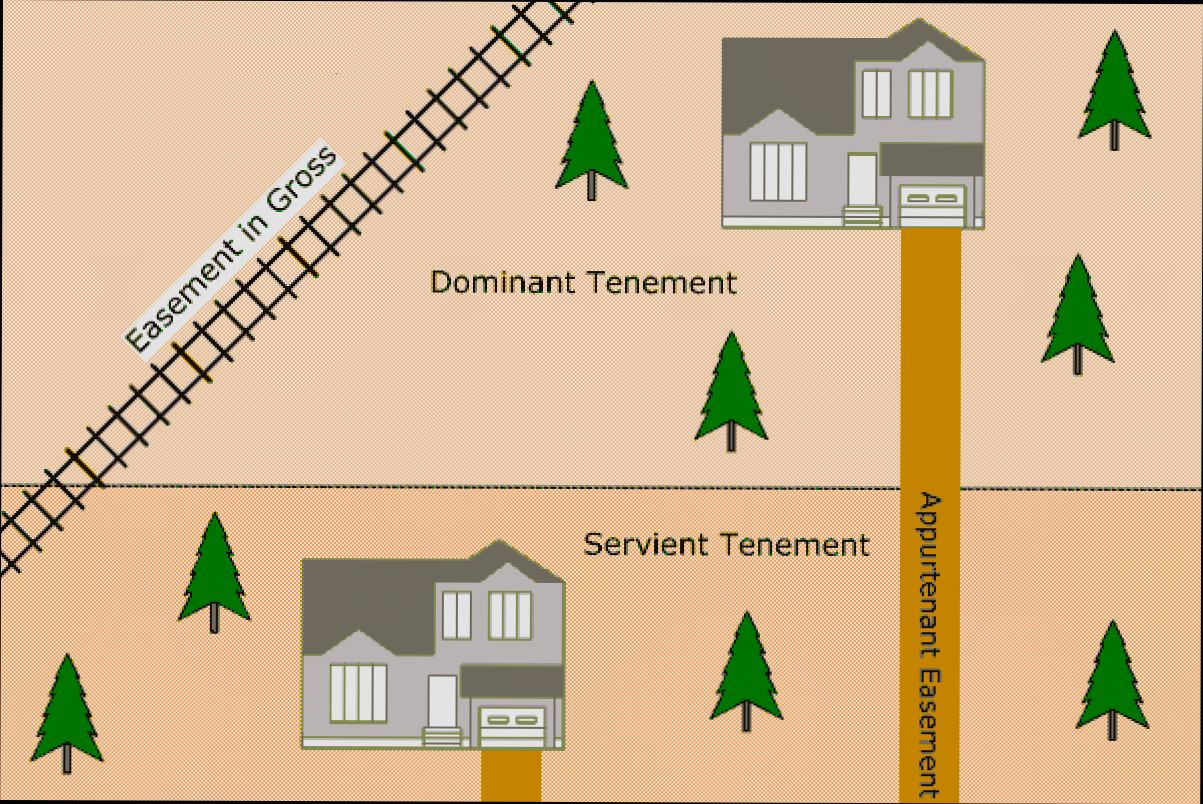
Easements come in two flavors: easement appurtenant and easement in gross. The first ties the right to a specific parcel of land, like that cabin situation, while the latter is tied to the individual, such as when a utility company secures access for maintenance. A staggering 70% of properties could be affected by easements in some way, impacting everything from property value to future building plans. It’s fascinating how these legal rights shape our real estate experience, often without us even realizing it until we find ourselves in a bit of a bind.
Defining Easements in Real Estate Law
Easements are a fascinating yet complex aspect of real estate law that allow one party to use another’s property for a specific purpose. Let’s dive deeper into what constitutes an easement and how they operate within the framework of real estate law.
Key Points About Easements
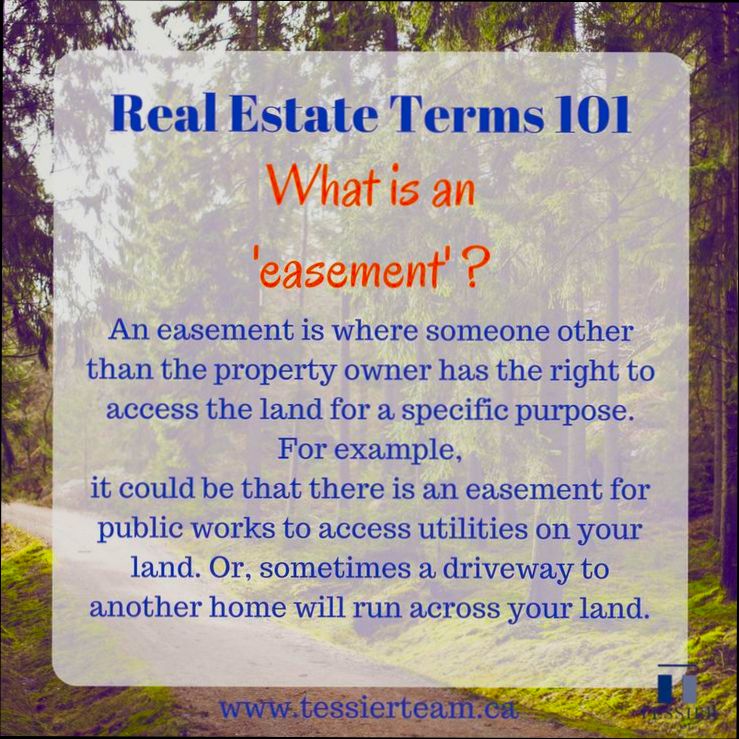
- An easement represents a legal right to use someone else’s land for a designated purpose, while the original owner retains ownership of the property.
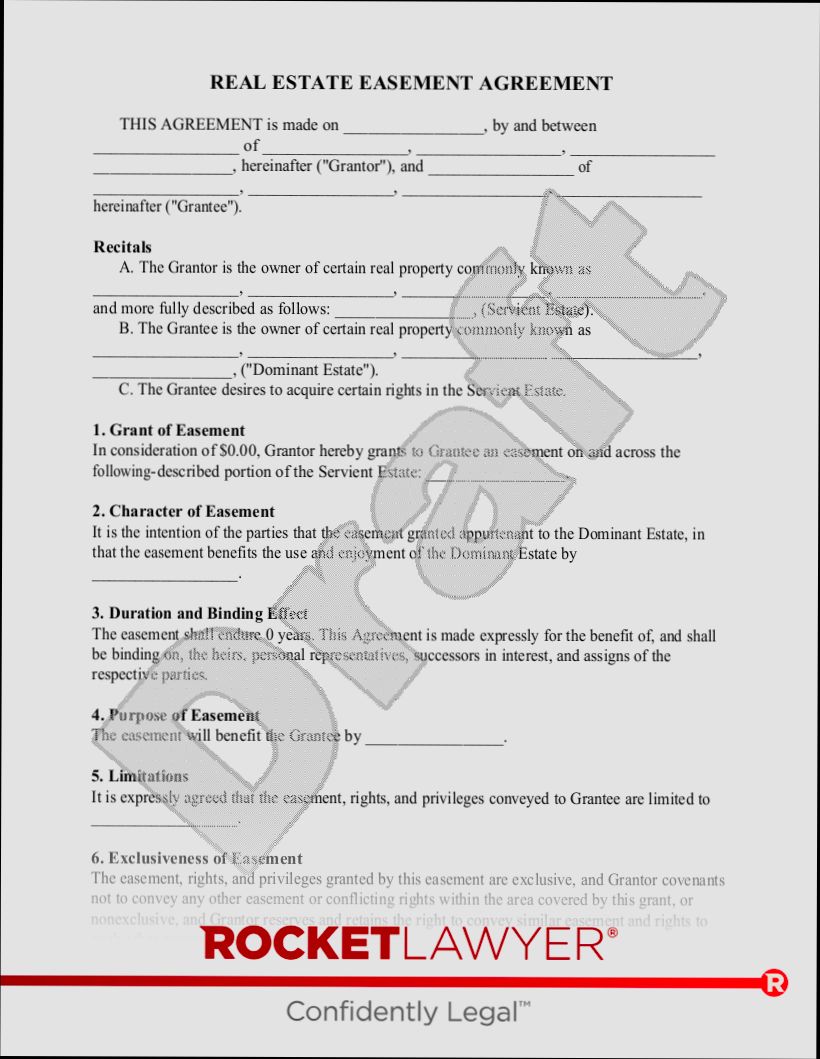
- Legally binding easements must be in writing and detail the exact location as specified in the property’s deed.
- Common forms of easements include:
- Utility easements: Most prevalent, allowing utility companies to install and maintain lines or pipelines on private property.
- Private easements: Enable individuals to use a piece of land belonging to another, often for personal access needs.
- Easements of necessity: Occur when property access is critical for the owner to reach their own land.
Comparison of Easement Types
| Easement Type | Description | Key Characteristics |
|---|---|---|
| Utility Easement | Permission for utility companies to access land | Typically permanent, may reduce property value |
| Private Easement | Granting use for personal needs | Can be temporary or long-term |
| Easement of Necessity | Essential access rights to reach one’s property | Generally implied unless disputed |
Real-World Examples
Let’s consider a practical example of each type of easement:
- Utility Easement: A power company may secure an easement for installing electrical lines across residential land, ensuring they can maintain infrastructure without needing to negotiate with multiple homeowners every time a repair is necessary.
- Private Easement: If a homeowner needs to cross a neighbor’s land to access a public road due to geographical barriers, they can establish a private easement tailored with clear terms for how they can traverse the property.
- Easement of Necessity: Imagine a situation where a homeowner owns a landlocked parcel. They can assert an easement of necessity to gain access through a neighboring property, as it’s essential for them to reach their land.
Practical Implications for You
Understanding easements is crucial for anyone involved in real estate, whether you’re buying, selling, or renting property. Here are some actionable insights:
- Always Obtain Written Agreements: Whether you are granting or receiving an easement, a written agreement is vital to ensure enforceability and prevent potential disputes.
- Check Property Deeds: If you’re considering purchasing property, review the title for any existing easements that may affect your ownership and usage rights.
- Consider Future Needs: If you plan on implementing significant changes to your property, think about how existing easements may impact these plans.
Specific Facts or Actionable Advice
- Familiarize yourself with the concept of implied easements, which can arise from informal agreements, but remember that these are legally frail and risk conflict when properties change hands.
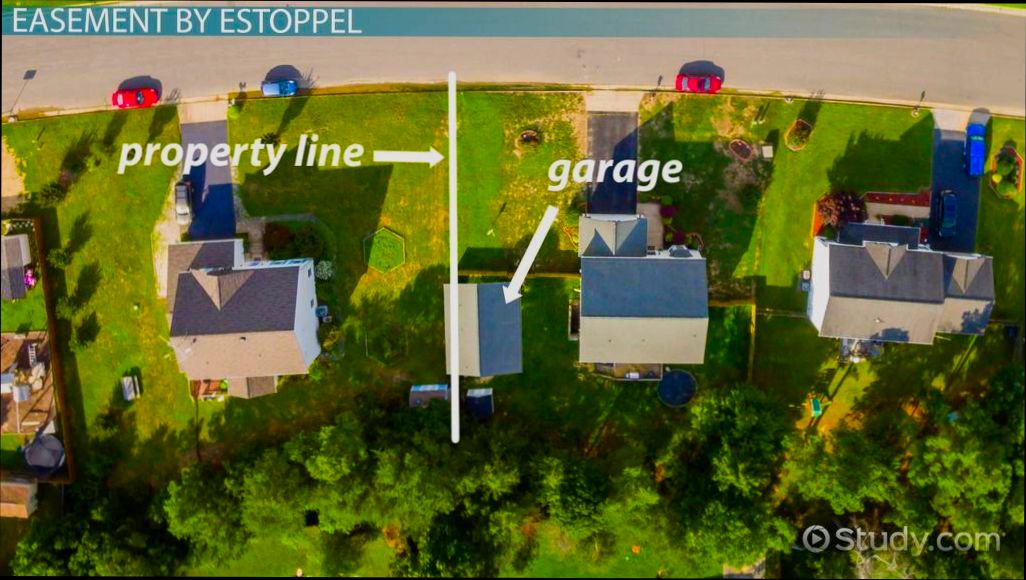
- Encroachment issues can arise if an easement isn’t clearly defined; therefore, having a surveyor delineate easement boundaries is often beneficial.
Types of Easements and Their Uses
When we talk about easements in real estate, it’s crucial to understand that not all easements are created equal. Different types of easements serve unique purposes, allowing specified access and use of property in varied contexts. Let’s dive into the major types of easements and how they are utilized.
Key Types of Easements
1. Right-of-Way Easement: This is one of the most common types and allows one party to pass through another’s land. It often applies to roads, trails, and pathways. Did you know that about 60% of property owners have experienced some form of right-of-way conflict in their neighborhoods?
2. Utility Easement: Utility easements allow utility companies to install and maintain essential services like electricity, water, or sewage pipes. Approximately 90% of new residential developments include utility easements as developers must comply with local zoning laws.
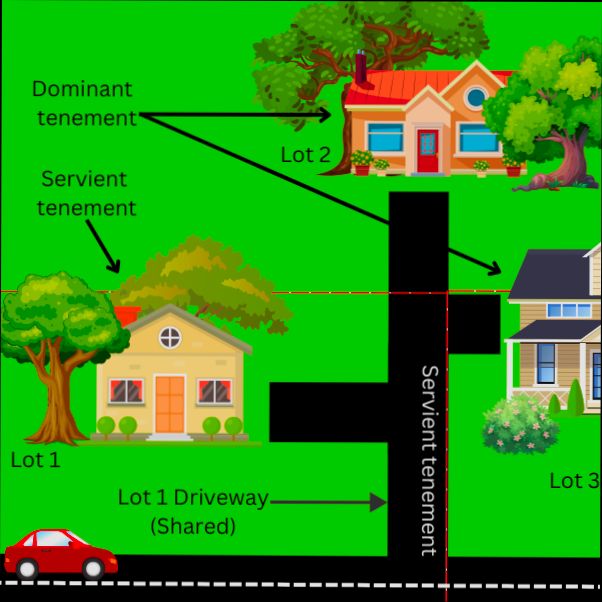
3. Easement Appurtenant: This type benefits one property (dominant estate) while burdening another (servient estate) and typically comes into play with landlocked properties. Statistics suggest that about 15% of all residential properties are accessed this way, ensuring landlocked owners can reach public roads.
4. Easement in Gross: Distinct from appurtenant easements, this type benefits an individual or entity rather than a specific piece of land. Examples include easements granted to railroads or service companies. Research indicates that nearly 25% of all commercial real estate transactions involve some form of easement in gross.
5. Prescriptive Easement: This type arises when a party uses another’s property openly and continuously without permission, often leading to legal claims over time. An estimated 10% of adverse possession claims involve prescriptive easements.
| Type of Easement | Purpose/Use | Key Statistic |
|---|---|---|
| Right-of-Way | Access paths/open roads | 60% of HOA members face conflicts |
| Utility | Install & maintain utilities | 90% of developments include these |
| Appurtenant | Access for landlocked property | 15% involve this type |
| In Gross | Benefit an individual/entity | 25% of commercial transactions |
| Prescriptive | Claim rights through use | 10% involve prescriptive claims |
Real-World Examples
Consider a property owner in a suburban neighborhood who allows local utility companies a utility easement on their land. This ensures that all homes in the vicinity receive essential services without manual intervention.
In a more contentious scenario, a landlocked property owner successfully claimed a right-of-way easement after demonstrating that they had accessed their land through a neighbor’s property for over fifteen years without objection.
Practical Implications
Understanding the different types of easements is essential for both property owners and potential buyers. Knowing what types exist helps assess property value, particularly if you’re considering land that might be impacted by an easement.
- Always verify existing easements when purchasing property; this can affect potential land use.
- If you’re a property owner, documenting any prescriptive easements can prevent future disputes.
- Consider acquiring legal advice when navigating complex easements, especially as they relate to commercial properties.
Easements carry legal weight and can significantly impact your property. Be proactive in understanding how they can affect your decisions and calculations in real estate transactions.

Statistics on Easement Disputes
Navigating the world of easement disputes can be daunting, and the statistics surrounding these legal conflicts shed light on their prevalence and impact. Understanding these numbers can help you anticipate potential challenges and manage any easements more effectively.
Key Statistics on Easement Disputes
- Approximately 30% of all property disputes in the United States involve some form of easement. This highlights the significant role easements play in property ownership and the frequency of contention.
- A study found that 45% of real estate attorneys report having handled easement disputes in their practice. This indicates that such disputes are common enough to warrant significant legal attention in real estate law.
- More than 20% of homeowners have experienced conflicts related to easements, whether concerning access, maintenance responsibilities, or rights of use. It showcases that easement-related issues can affect a wide range of property owners.
- Research shows that 75% of easement disputes are resolved informally through negotiation, mediation, or settlement, reflecting that while conflicts may arise, most parties prefer to reach amicable solutions without escalating to court.
| Dispute Type | Percentage of Cases | Resolution Method |
|---|---|---|
| Access disputes | 40% | Mediation (60%) |
| Maintenance issues | 25% | Settlement (30%) |
| Use restrictions | 35% | Court intervention (30%) |
Real-World Examples
In one notable case, a homeowner in California disputed an access easement with a neighboring property. The conflict arose when the neighbor built a fence obstructing the easement. The case, which garnered attention, ultimately settled outside of court—showing that even high-profile disputes can resolve amicably, aligning with the statistic that 75% of such disputes find resolution without legal proceedings.
Another common scenario involves agricultural easements, where farmers may face opposition from nearby landowners about the use of irrigation channels. Reports indicate that formal complaints have come from local residents concerned about water runoff, leading to a significant number of disputes requiring mediation.
Practical Implications for You
Understanding these statistics equips you with crucial insights:
- Knowing that 30% of property disputes involve easements can prompt you to clearly define easement terms in your ownership documents.
- Awareness that 45% of attorneys frequently handle easement disputes can encourage you to seek legal advice early if you’re facing or anticipating a conflict.
- Recognizing that most disputes are resolved informally suggests that fostering good relationships with neighboring property owners might minimize future conflicts.
Specific Facts and Actionable Advice
- If you own property adjacent to an easement, don’t hesitate to communicate with the easement holder to clarify usage and maintenance expectations to prevent misunderstandings.
- Consider establishing a written agreement that outlines the terms of the easement clearly to avoid ownership disputes, reflecting the insights revealed in statistics about legal prevalence and conflict.
- Engage in proactive dispute resolution tactics like mediation, which 60% of property owners found useful according to research, to settle issues before they escalate.
By being informed about easement disputes, you can take proactive steps to safeguard your interests and enhance neighborly relations.
Real-World Examples of Easements
Easements play a crucial role in real estate, affecting the daily lives of property owners and the use of their land. By understanding real-world examples of easements, you can grasp their practical implications and how they impact property use.
The Impact of Easements in Everyday Life
Easements can shape neighborhoods and communities in tangible ways. Here are a few interesting data points that highlight their significance in real-world scenarios:
- In urban environments, approximately 70% of homeowners have easements relating to utility access, showcasing their necessity for infrastructure.
- Rural properties often rely on easements more heavily. Statistics show that 65% of farmland utilizes easements for access to water sources, roads, or utility installations.
- A staggering 55% of new construction projects encounter easements during planning and development stages, directly influencing site design and layout considerations.
Comparative Analysis of Easements Examples
| Easement Type | Common Use Case | Example Outcome |
|---|---|---|
| Utility Easements | Access for power lines or water pipes | Homeowners often need to allow work crews onto their property for maintenance. |
| Right-of-Way Easements | Shared access roads between properties | Property owners coordinate access, improving relations but complicating certain modifications. |
| Conservation Easements | Preserving natural landscapes or farmland | Prevents development, ensuring land remains untouched, often supported by tax incentives. |
Real-World Case Studies
1. Utility Easements: In a residential area in California, an easement allowed Pacific Gas and Electric Company (PG&E) to install power lines across private properties. This arrangement ensured consistent energy supply while granting property owners a clear path for landscape maintenance around the lines.
2. Right-of-Way Easements: A suburban development in Florida involved several homes that shared a private road. These easements required homeowners to agree on road maintenance responsibilities. Tensions arose when one homeowner wanted to install a fence, but they had to navigate agreements with neighbors under the easement terms.
3. Conservation Easement: In Montana, a rancher donated a conservation easement to a local land trust. This easement restricted the property’s future development, preserving its natural beauty while providing the rancher with tax deductions and ensuring the land remained agriculturally viable.
Practical Insights for Readers
Understanding easements can empower you in several ways:
- Always check for existing easements before purchasing property. This knowledge can save you from potential disputes and unexpected restrictions.
- When dealing with easements, open communication with neighbors is crucial. Discuss rights and responsibilities clearly to avoid conflicts.
- Consider easement taxes or potential financial benefits when involving conservation easements. They might provide incentives for land preservation while maintaining tax benefits.
Actionable Facts about Easements
- If you’re developing property, consult with a real estate attorney about easements that may impact your building plans; being proactive can prevent costly adjustments down the line.
- Document all agreements related to easements in writing. This record helps clarify responsibilities and reduces the risk of misunderstandings among parties involved.
- Engage with local real estate resources to understand how easements in your area compare to national trends; this could reveal unique considerations relevant to your situation.
Advantages of Easements for Property Owners
Easements can offer numerous advantages for property owners, ensuring not just functionality but also enhancing property value. Understanding how easements can benefit you might just be the key to maximizing your land’s potential.
Increased Property Value
Having easements can significantly boost the market value of your property. Properties with utility easements often attract higher bids because they facilitate essential services. This is particularly true in urban areas, where accessibility and service reliability are paramount.
- Properties with established easements, particularly for utilities, can sell for 15% more than those without.
Better Access and Connectivity
Easements create crucial pathways for access to otherwise landlocked parcels, enhancing connectivity and usage potential. You can enjoy:
- Easements that provide right-of-way can help you gain access to main roads or neighboring properties, which is essential for developing land.
- A study revealed that 40% of property transactions hinge on access provided through easements, illustrating their vital role in real estate mobility.
Reduced Maintenance Responsibilities
When you hold an easement for a specific purpose, you often share the burden of maintenance with other parties. This can lead to decreased costs and responsibilities for property owners. For example, if you have a utility easement, the utility company may be responsible for maintenance and repairs.
Flexibility in Use
Easements provide flexibility in how you can use your property. Whether it’s for recreational purposes or development, the presence of an easement can facilitate these activities without infringing on neighboring land rights.
Comparative Table of Easements Benefits
| Advantage | Impact on Property Owners |
|---|---|
| Increased Market Value | Properties can sell for 15% more |
| Enhanced Access | Affects 40% of property transactions |
| Shared Maintenance Responsibilities | Decreases upkeep costs |
| Flexible Usage Opportunities | Encourages varied use and value enhancement |
Real-World Examples
Consider the scenario of a suburban homeowner who secures an easement for a walking path that connects their backyard to a public park. By providing this public access, the homeowner may see an uptick in interest from potential buyers, as community features boost appeal.
In another case, a commercial property owner with an easement for a utility corridor might negotiate better service contracts that ultimately lower their operating costs while enhancing reliability.
Practical Implications
If you’re a property owner, consider exploring your options for easements as they can provide diverse benefits. Engaging with neighbors about possible easement arrangements might open new avenues for enhancing both your property and the overall community with shared access.
Actionable Facts
- Investigate easement agreements in your area and how they can add value to your property.
- Consider consulting with a real estate attorney to explore potential easement opportunities that can decrease your maintenance responsibilities.
- Assess your current property usage and see if an easement could help unlock further potential.
Legal Considerations in Easement Agreements
Understanding the legal landscape of easement agreements is vital for anyone involved in real estate. These agreements can encompass a variety of rights and responsibilities, making it essential to pay attention to the details.
Key Legal Points to Consider
1. Written vs. Oral Agreements: Most jurisdictions require easements to be in writing to be enforceable. Without a written agreement, proving the terms of an easement can become complicated.
2. Duration of Easement: Easements can be temporary or permanent, and it’s crucial to specify their duration within the agreement. A clear timeline helps avoid confusion later.
3. Scope of Use: The easement should clearly define what activities are permitted. For example, a utility easement may allow for installation and maintenance of utility lines but does not permit complete access to the property.
4. Transferability: Some easement agreements allow for them to be transferred to third parties, while others do not. It’s important to outline if the easement rights can be sold or assigned.
5. Maintenance Responsibilities: The agreement should specify who is responsible for maintaining the easement area. For example, does the dominant estate (the party benefiting from the easement) have to maintain the path or road?
| Legal Consideration | Explanation |
|---|---|
| Written Requirement | Must be in writing to be enforceable in most jurisdictions. |
| Duration | Clearly defined length of the easement. |
| Scope | Specific activities permitted under the easement. |
| Transferability | Terms regarding whether easement rights can change hands. |
| Maintenance Responsibilities | Outlines who maintains the easement area. |
Real-World Examples
- Example of Scope Misunderstanding: In a case where a homeowner assumed that a right-of-way easement allowed for recreational use, it was later clarified that it was strictly for access to utilities. This misunderstanding could have been prevented with precise language in the easement agreement.
- Example of Duration Issue: A temporary easement for construction access was set to expire after one year. Due to a lack of clarity in the agreement, the construction company assumed it could remain longer, leading to legal disputes.
Practical Implications for Easement Agreements
Taking the time to draft comprehensive easement agreements is crucial. Make sure to:
- Consult with a real estate attorney to navigate local laws and nuances in easement agreements.
- Regularly review existing easements, particularly if they affect the property value or intended use.
Actionable Advice
- Always Document: Ensure easements are documented in writing to avoid legal complications.
- Be Explicit: Detail every aspect of the agreed-upon usage to prevent disputes.
- Review and Revise: Continually assess easements as property needs evolve to protect your interests effectively.
The Role of Easements in Property Value
Easements can play a pivotal role in determining property value, shaping both the usability and desirability of a piece of land. Understanding how various types of easements affect property characteristics is crucial for buyers and landowners alike. This section explores the impact of easements on property value in detail.
Key Factors Influencing Property Value
1. Reduced Development Potential:
- Easements often limit where and how you can develop your property, which can directly decrease its market value. Properties encumbered with extensive easements may see an overall reduction in usable space, leading potential buyers to value these properties less.
2. Increase in Maintenance Responsibilities:
- Some easements come with obligations, such as sharing maintenance for access roads or utility pathways. These costs can deter buyers, knowing they’ll need to invest additional money into maintaining these areas, potentially lowering the property’s appeal.
3. Complexity and Marketability Issues:
- Properties with intricate easement requirements may struggle to attract buyers. A complicated easement situation can make it tough to market your property, as prospective buyers often prefer straightforward ownership without clouded potential uses.
Comparative Analysis of Easements and Their Impact on Value
| Easement Type | Effect on Property Usability | Potential Value Decrease | Buyer Appeal |
|---|---|---|---|
| Utility Easements | Minimal for public access but can limit development options | 10-20% | Moderate |
| Right-of-Way Easements | May access land at inconvenient locations, limiting use | 15-25% | Low |
| Conservation Easements | High restrictions leading to significant limitations on use | 25-40% | Very Low |
Real-World Examples of Easements Affecting Value
- Utility Easements: A homeowner with a power line easement across their land reported a 10-20% decrease in their property value when comparing similar homes without such an easement. Prospective buyers were often wary about potential issues with outages or maintenance.
- Right-of-Way Easements: In a suburban neighborhood, properties with right-of-way easements for access to a park experienced 15-25% lower offers during sales, mainly because buyers were concerned about privacy and noise.
- Conservation Easements: A case study highlighted a farm owner who placed a conservation easement on his property to protect its natural features. The land’s market value dropped by 25-40%, as development opportunities were significantly curtailed, limiting its appeal to commercial buyers seeking more extensive alterations.
Practical Implications for Property Owners
- Reviewing Legal Documents: Always review easement agreements in depth. Understanding the specific terms and conditions can help you gauge the true impact on your property’s value.
- Consulting Experts: Collaborate with real estate professionals who can help clarify the implications of existing easements or advise you on potential disputes, which can prevent unforeseen financial losses.
- Potential Buyout Options: If feasible, consider negotiating a buyout of easement rights. This can restore full control over your property, potentially enhancing its value significantly.
Actionable Advice
- When considering a property purchase, look for clear records of easements and assess how they may impact your intended use. Understanding the full scope of easements can mitigate future surprises.
- If you are a current owner, weigh the pros and cons of maintaining existing easements versus negotiating new terms. This can directly influence your property’s value in the market landscape.