
What is Depreciation in Real Estate? It’s a term that might sound a bit dry, but it plays a huge role in how we view property investments. Think about it: you buy a rental property for $300,000, and over time, its value seems to drop due to wear and tear, changing neighborhoods, or market fluctuations. Most investors don’t realize that this decline isn’t just a loss—it’s a deduction you can leverage on your taxes. For instance, residential properties are typically depreciated over 27.5 years, allowing you to deduct a chunk of that original price each year. So, in the case of your $300,000 home, you’re looking at about $10,909 off your taxable income annually.
Now, let’s spice this up with some real-world implications. If you own multiple properties, those deductions can add up quickly, potentially saving you thousands at tax time. For example, if you have three properties, the combined deductions could lower your taxable income significantly. And it doesn’t stop there; savvy investors even factor in improvements. If you renovate that kitchen or update the roof, you might be able to increase your depreciation basis, thus slashing your taxable income even further. Understanding depreciation helps you navigate the real estate landscape and make smarter financial moves.
Understanding Depreciation Methods in Real Estate
Understanding how various depreciation methods apply to real estate can significantly impact your investments. Different techniques offer unique tax advantages and affect your financial strategy. Let’s delve into these methods to ensure you’re equipped to maximize your returns.
Key Depreciation Methods
1. Straight-Line Depreciation:
- This is the most common method, where the asset’s cost is spread evenly over its useful life. For residential properties, the IRS sets this at 27.5 years, while commercial properties use 39 years.
- Example: If you purchase a rental property for $275,000, using straight-line depreciation, you’d deduct approximately $10,000 annually for 27.5 years.
2. Declining Balance Depreciation:
- This accelerated method allows for higher deductions in the earlier years of the asset’s life. The common variant is the double-declining balance method.
- Example: For a property purchased for $200,000 with a useful life of 27.5 years, the first-year deduction could be around $14,545, offering substantial early tax relief.
3. Bonus Depreciation:
- Under the Tax Cuts and Jobs Act, investors can take a bonus depreciation of 100% on certain types of property, applicable for assets acquired and placed in service after September 27, 2017.
- Example: If you invest $150,000 in qualified improvements, you could deduct the entire amount in the first year, significantly lowering your taxable income.
4. Section 179 Expensing:
- This provision allows property owners to immediately expense certain property instead of capitalizing it. However, it is generally applicable to tangible personal property rather than real estate structures.
- Example: If you purchase a property and spend $100,000 on improvements, you might be able to expense a portion, lowering your tax burden instantly.
Comparative Table of Depreciation Methods
| Depreciation Method | Type | Useful Life (Years) | Tax Benefits |
|---|---|---|---|
| Straight-Line | Regular | 27.5 (Residential) | Steady deduction |
| Declining Balance | Accelerated | 27.5 or 39 | Higher early deductions |
| Bonus Depreciation | Accelerated | N/A | 100% first-year deduction |
| Section 179 Expensing | Immediate | Varies | Immediate expensing |
Real-World Examples
- Example of Straight-Line: A four-plex purchased for $400,000 can yield an annual deduction of around $14,545 using straight-line depreciation.
- Declining Balance: A commercial office space worth $1 million might see first-year deductions of approximately $51,282, creating immediate cash flow benefits.
- Bonus Depreciation Case: An investor upgrades HVAC systems for $200,000 and can deduct the full amount in the purchase year, drastically reducing taxable income.
- Section 179: If you invest in new equipment for a property totaling $80,000, you could potentially expense this entire amount immediately, benefiting your cash flow.
Practical Implications for Investors
- Choosing the right method can lead to significant tax savings. It’s essential to analyze your investment horizon and cash flow needs when selecting a depreciation method.
- Understanding the distinctions between these methods allows you to strategize effectively, aligning tax benefits with your broader financial goals.
- Consulting with a tax professional can help determine the most advantageous approach tailored to your investment experience.
If you plan to invest in real estate, remember that the selection of a depreciation method isn’t just about tax reduction; it can shape your overall financial landscape. Assess your options carefully to ensure you leverage the most powerful tools available in real estate investing.
Impact of Depreciation on Property Values
Understanding the impact of depreciation on property values is crucial for making informed real estate decisions. As a property’s value diminishes over time due to various factors, it is essential to grasp how this decline affects both current and future marketability.
Key Statistics on Depreciation’s Effects
- When a building has reached 20 years of age, approximately 40% of its economic life has already been consumed, indicating a significant value reduction.
- Properties experience an average annual depreciation rate of between 2% to 4%, which can severely influence their resale prices.
- The estimated cost to repair basic wear and tear that contributes to depreciation can amount to 10-20% of a property’s value.
Comparative Impact of Different Types of Depreciation
| Type of Depreciation | Estimated Value Loss (%) | Typical Cause |
|---|---|---|
| Physical Depreciation | 2-4% per year | Wear and tear from age |
| Functional Obsolescence | 10-30% | Outdated design or technology |
| External Obsolescence | 15-25% | Neighborhood decline or environmental issues |
Real-World Examples of Depreciation Effects
1. Residential Property: A 25-year-old home in a developing area showed a depreciation of 15% due to evolving neighborhood demands and increased competition from newer builds. Homeowners experienced difficulty selling, often below market value.
2. Commercial Real Estate: A retail building that had not updated its façade or technology amenities saw a 30% loss in potential rental income. Tenants were attracted to newer developments, demonstrating the impact of functional obsolescence on property value.
3. Multi-Family Units: Over a decade, a complex experienced a steady decline due to physical depreciation—specifically, plumbing and electrical systems needing significant upgrades. These issues led to a 20% reduction in property value, affecting the owner’s bottom line substantially.
Practical Implications for Property Owners
Recognizing how depreciation affects property values can guide your investment decisions. When looking to buy or sell, consider these actionable steps:
- Conduct Regular Assessments: Regular property inspections can help you understand the current state and any potential depreciation indicators, allowing for proactive maintenance before large issues arise.
- Renovate Strategically: Investing in modern amenities or exterior updates can offset the negative impacts of depreciation and increase desirability in the market.
- Get Accurate Appraisals: Understanding the specific reasons for depreciation—whether physical or external—can be captured in a detailed appraisal. This ensures you do not underprice a property based on uncalculated depreciation factors.
Knowing and addressing the factors influencing depreciation puts you in a better position to maintain property value and optimize returns on your real estate investments.
Tax Benefits of Real Estate Depreciation
When it comes to investing in real estate, understanding the tax benefits of depreciation is crucial for maximizing your returns. Depreciation allows property owners to deduct a portion of the property’s value from their taxable income, effectively lowering their tax liability. This can significantly enhance cash flow and make owning real estate more profitable.
Key Tax Benefits
1. Reduced Taxable Income: By writing off depreciation, you can lower your taxable income. For instance, if you own a rental property worth $300,000 and use the straight-line depreciation method over 27.5 years, you can deduct approximately $10,909 each year. This deduction reduces your taxable income, which may lead to lower overall taxes.
2. Offset Rental Income: Depreciation can offset the rental income you earn. If you earn $30,000 from rent but have $10,909 in depreciation, you only pay taxes on $19,091. This reduction can be particularly beneficial, especially for those in higher tax brackets.
3. Tax Deferral: The depreciation deduction is a paper loss, meaning you don’t actually lose any cash. This allows you to defer paying taxes on your income while you benefit from owning the property. You can reinvest the tax savings into further property acquisitions or improvements.
4. Potential for Passive Losses: If your property generates a loss due to depreciation exceeding your income, you may be able to use those passive losses against other income. For instance, if your total depreciation is $20,000 and your rental income is $10,000, you can potentially use that extra $10,000 to offset your other taxable income.
Comparative Benefits of Depreciation
| Aspect | With Depreciation | Without Depreciation |
|---|---|---|
| Taxable Income Reduction | $19,091 | $30,000 |
| Annual Deduction | $10,909 | $0 |
| Potential Tax Savings | Varies (depends on tax bracket) | $0 |
| Cash Flow Impact | Positive | Negative |
Real-World Example
Let’s consider Jane, who owns a multifamily rental property. She purchased the property for $500,000. Using the straight-line depreciation method, Jane could deduct approximately $18,181 each year from her rental income. If her total rental income for the year is $50,000, after applying the depreciation, Jane’s taxable income drops to $31,819. By doing this, she effectively saves thousands of dollars on her tax return each year.
Another example involves a real estate investor, Mike, who has several properties. By strategically planning his depreciation and utilizing the passive loss rules, Mike finds that he can offset gains from some properties with losses from others. This approach allows him to maintain a healthy cash flow while minimizing his tax burden.
Practical Implications for You
- Stay Informed: Consult with a tax professional to optimize your depreciation strategy based on your specific circumstances.
- Track Improvements: Keep a record of any improvements, as they may increase your property’s value and adjust your depreciation calculations.
- File on Time: Be mindful of tax deadlines to fully utilize your deductions without penalty.
By recognizing the tax benefits of real estate depreciation, you can significantly enhance your investment strategy. This understanding not only helps in reducing your tax liability but also improves your overall cash flow, allowing for more strategic investments in the future.
Real-World Examples of Depreciation Applications
In real estate, understanding how depreciation is applied in practice can enhance your investment decisions significantly. By examining real-world examples, we can see how depreciation affects property value, taxes, and overall investment strategies.
Key Points about Depreciation Applications
- Commercial Properties: A well-known retail chain owns a shopping mall that was purchased for $5 million. After ten years of ownership, the property is depreciated using the straight-line method over 39 years. The annual depreciation deduction amounts to approximately $128,205. This deduction significantly reduces the taxable income for the owner, allowing for reinvestment into property upgrades.
- Residential Rentals: Consider an apartment complex bought for $1 million. If the owner claims depreciation over 27.5 years, they would deduct about $36,364 annually. Over ten years, this totals about $363,640. This substantial tax deduction can improve cash flow and provide more liquidity for maintenance or expansion.
- Mixed-Use Developments: A mixed-use property was acquired for $3.5 million and includes both residential and commercial spaces. The owner splits the building components, depreciating residential areas over 27.5 years and commercial parts over 39 years. This strategic approach allows the owner to maximize depreciation benefits and lowers taxable income effectively.
| Property Type | Purchase Price | Depreciation Period | Annual Depreciation | Total Depreciation Over 10 Years |
|---|---|---|---|---|
| Commercial Property | $5,000,000 | 39 years | $128,205 | $1,282,050 |
| Residential Rental | $1,000,000 | 27.5 years | $36,364 | $363,640 |
| Mixed-Use Development | $3,500,000 | Split (27.5 & 39) | Variable | Varies by component |
Real-World Examples
- Corporate Headquarters Purchase: A large corporation moved its headquarters into a newly purchased office building for $10 million. The depreciation deductions enabled the company to offset substantial earnings tax by approximately $250,000 each year. This allowed them to allocate more funds towards employee benefits and expansion projects.
- Rehab and Resell Strategy: An investor bought a rundown property for $300,000 and invested an additional $100,000 in renovations. Once improved, the property appraised for $600,000. By aggressively applying depreciation during the holding period (over the useful life), the investor maximized tax benefits before selling, saving around $50,000 on taxes across three years.
Practical Implications for Readers
Understanding and leveraging depreciation in real estate can transform your investment approach. Here are a few actionable insights:
- Assess how your property types can be allocated for optimal depreciation methods to maximize tax benefits.
- Consider the long-term implications of these deductions on cash flow and reinvestment strategies.
- Keep detailed records of your investment properties, including purchase prices and renovation costs, to maximize future depreciation claims accurately.
By actively applying these strategies, you can boost your financial standing through the thoughtful application of depreciation in your real estate ventures.

Common Misconceptions About Depreciation
Understanding depreciation in real estate often leads to a minefield of misconceptions. These misunderstandings can impact investment decisions and tax strategies significantly. Let’s clear up some of these common myths.
Misconceptions to Consider
1. Depreciation Means Property Value Decrease
Many believe that depreciation directly correlates with a property’s market value decline. In reality, depreciation is an accounting method and does not impact the current market value. For example, a property worth $1.2 million can still have a depreciated book value even while its market value appreciates due to location or demand.
2. You Can Depreciate Land
A common misconception is that land can also be depreciated like buildings. However, land maintains its value or appreciates over time. You can only depreciate the improvements made on the land, such as structures, which can lead to confusion.
3. All Real Estate Depreciates at the Same Rate
Not all properties depreciate uniformly. Different property types—residential, commercial, or special-purpose—can have varying depreciation rates based on their usage and market conditions. For instance, residential properties might depreciate differently than commercial ones due to different demand frequencies.
4. Depreciation is Optional
Some investors think they can choose whether or not to take depreciation, but it’s typically mandatory for rental properties. Under the IRS rules, if you own a rental property, you must take depreciation if you wish to deduct property expenses.
5. Depreciation is Only for Tax Benefits
While depreciation provides significant tax benefits, it’s important to remember its role in accurately assessing asset value on financial statements. Ignoring depreciation can mislead stakeholders about a property’s financial health.
| Misconception | Truth |
|---|---|
| Depreciation means value decreases | Depreciation is just an accounting method. |
| Land can be depreciated | Only improvements on the land are depreciated. |
| All real estate depreciates uniformly | Different properties have varying depreciation rates. |
| Depreciation is optional | It’s typically mandatory for rental properties. |
| It’s only for tax purposes | Depreciation aids in assessing asset value too. |
Real-World Examples
To illustrate these misconceptions, consider an apartment complex purchased for $1 million. The owner mistakenly believed they could depreciate land, which is incorrect. They only claimed depreciation on the building itself, recognizing over time that not accounting for the land value skewed their financial outlook.
On another note, a commercial property owner took full advantage of depreciation for tax purposes, believing their property’s value was decreasing. When they later sold the property for $3.5 million, the appreciation surprised them, proving that market conditions can significantly affect real estate without changing the depreciation schedule.
Practical Implications for Readers
- Always identify whether your property qualifies for depreciation.
- Understand the asset in its entirety, differentiating between land and improvements.
- Consult a tax professional to align depreciation with your investment strategy effectively.
- Keep accurate records of property improvements, as these can offer additional depreciation deductions.
Remember, clarity about these misconceptions ensures a more informed approach to real estate investment and financial management related to depreciation.
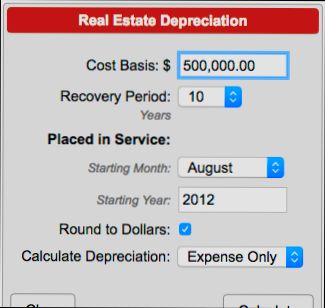
Key Statistics on Depreciation Trends
Understanding the trends surrounding depreciation in real estate is crucial for investors and property owners. By analyzing relevant statistics, you can gain deeper insights into how depreciation impacts property values over time.
Key Statistics
- Declining Value Over Time: On average, properties experience about a 5% decrease in value per year due to depreciation. This trend highlights the importance of considering long-term property management strategies.
- Economic Life Span: A study indicated that properties typically have an economic life span of about 39 years. As properties approach this age, depreciation becomes significantly more pronounced, with many showing a drop in value close to 60% of their purchase price by the time they reach their economic life limit.
- Age vs. Depreciation Rate: Properties older than 30 years experience a compounded depreciation effect, resulting in an approximate value decrease of 25% compared to their original market value. This statistic illustrates the impact of aging on property valuation.
- Regional Variation: In certain urban areas, properties witness as much as a 10% value reduction if they undergo significant depreciation within a 10-year period. This trend emphasizes how local market dynamics can influence depreciation rates.
| Property Age (Years) | Average Annual Depreciation Rate (%) | Cumulative Value Loss (%) |
|---|---|---|
| 0-5 | 2 | 10 |
| 6-10 | 3 | 25 |
| 11-20 | 4 | 40 |
| 21-30 | 5 | 50 |
| 30+ | 6 | 60 |
Real-World Examples
- Commercial Real Estate: In a recent case study, a commercial building purchased for $3 million showed a value decline of 30% after 15 years due to depreciation. This highlights long-term value considerations for investors.
- Residential Properties: A single-family home bought for $400,000 experienced depreciation rates of 4% annually over a 20-year span, ultimately leading to a market value around $200,000. This underscores the necessity for homeowners to remain informed about their properties’ depreciation cycles.
Practical Implications
As you navigate the landscape of real estate investment, it’s vital to factor in these key statistics about depreciation trends. Regular assessments and timely renovations can mitigate the impact of depreciation on your property’s value. Furthermore, understanding local market variations may help you make more informed investment decisions.
Investors should routinely analyze depreciation data specific to the properties they manage or are considering for purchase. Keeping an eye on property age and condition can result in better financial outcomes, ensuring your investments hold their intended value over time.
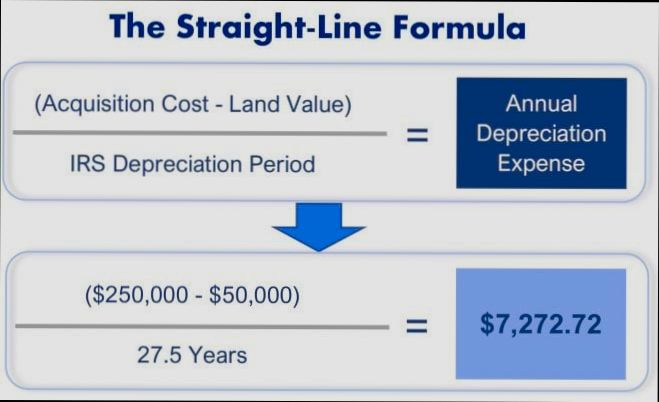
The Role of Depreciation in Investment Strategy
Depreciation plays a pivotal role in shaping your investment strategy in real estate. Understanding how depreciation affects your financial planning can lead to smarter, more informed investment decisions.
Key Points on Depreciation’s Role
- Cash Flow Management: By accounting for depreciation, you can improve your cash flow analysis. This often leads to a favorable cash flow situation, as depreciation decreases taxable income, enhancing your overall returns.
- Investment Acquisition Timing: Recognizing the depreciation schedule on properties helps you determine the best times to buy or sell. For instance, properties nearing the end of their depreciation lifecycle might present a buying opportunity before values decline further.
- Portfolio Diversification: Different types of properties experience depreciation at varying rates. By diversifying your portfolio, you can balance risk and align your strategy with properties that may have different depreciation profiles.
| Property Type | Average Annual Depreciation Rate | Economic Life (Years) |
|---|---|---|
| Residential Rentals | 3.636% | 27.5 |
| Commercial Properties | 2.564% | 39 |
| Industrial Spaces | 2.00% | 50 |
Real-World Examples
When I was exploring multifamily properties, I considered an investment in a residential complex. By factoring in a depreciation rate of 3.636%, it became evident that the property would not only experience a gradual value reduction but also provide tax benefits during ownership, enhancing my overall yield.
In another scenario, a friend invested in a commercial retail space with an economic life of 39 years. The lower depreciation rate (2.564%) allowed him to plan for longer-term cash flow stability. He strategically timed his exit to capitalize on the property’s value before significant depreciation took hold.
Practical Implications of Depreciation
1. Tax Strategies: Incorporating depreciation in your tax planning enables you to maximize deductions. This can significantly lower your taxable income, providing more funds for reinvestment.
2. Value Assessments: Misjudging how much a property might depreciate can lead to overpaying. Always include depreciation assessments in your property evaluation process to ensure you’re making sound investment choices.
3. Long-Term Holding Periods: Understanding the long-term implications of depreciation helps you decide whether to hold onto a property or divest. Relying on depreciation trends can guide your decision-making effectively.
By staying informed about the nuances of depreciation, you can enhance your investment strategy significantly. Recognize that each property has a unique depreciation profile, and leverage this knowledge to maximize your returns and mitigate risks effectively.