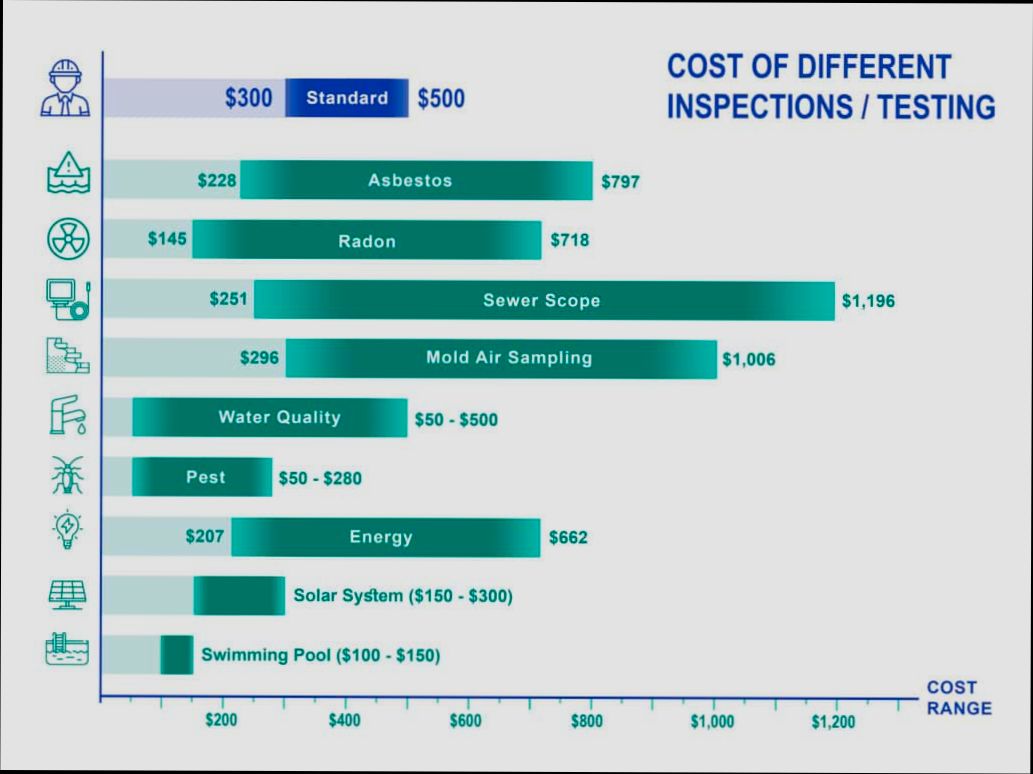
How Much Does Home Inspection Cost? If you’re diving into the home buying process, you’re probably wondering about the costs involved, and rightfully so. On average, a thorough home inspection can set you back anywhere from $300 to $500, but that can vary widely depending on where you’re located. For instance, in bustling cities like New York or San Francisco, you might find yourself paying upwards of $800 just for a comprehensive inspection due to higher living costs and demand. And if you’re eyeing a larger property, like a multi-family unit, expect to fork over additional dollars—typically an extra $100 or so for each unit.
But it doesn’t stop at the base fee. If you want specialized checks like radon testing or mold assessments, those can bump the total cost significantly, often tacking on another $200 to $400. Let’s say you’re seriously considering a cozy fixer-upper; if the property has certain risks or quirks, you could soon find the inspection bill climbing closer to $1,000. So, as you prepare to make what might be the most significant purchase of your life, keep in mind that these inspection costs are a crucial piece of the puzzle.
Average Costs of Home Inspections
When considering a home inspection, understanding the average costs can save you time and money. Home inspection prices can vary significantly based on location, type of home, and additional services. Let’s dive into the specific average costs associated with home inspections across different states, along with other pertinent details that will help guide your budget.
National Averages and State-Specific Costs
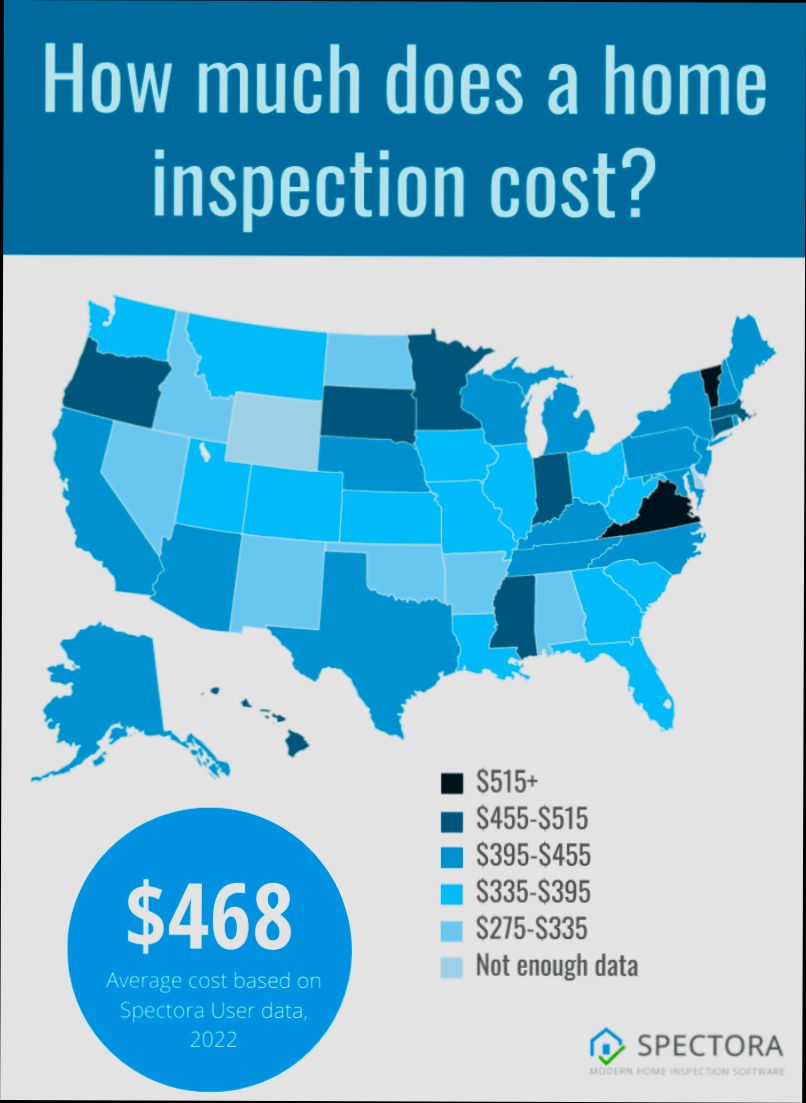
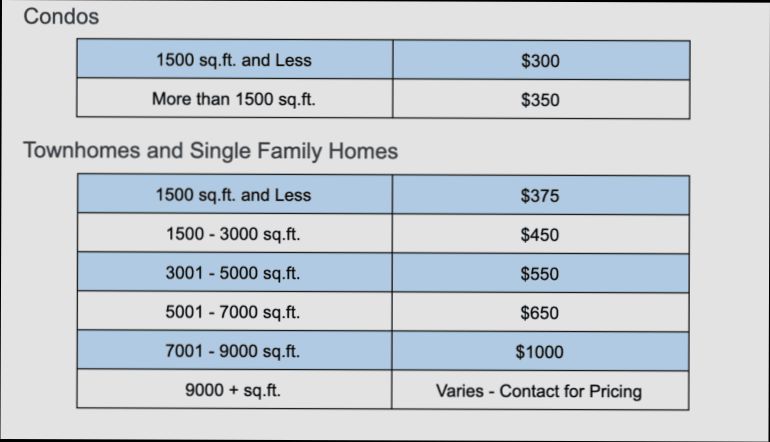
The national average cost for a home inspection of approximately 1,500 square feet is around $413. However, this amount can fluctuate significantly depending on your state. For example, in states like Hawaii, it’s not uncommon to see costs soar to $747, while you can find inspections for as low as $355 in Mississippi.
Here’s a detailed breakdown of some average costs by state:
| State | Cost (1500 SF) |
|---|---|
| Alabama | $371 |
| California | $602 |
| Florida | $446 |
| New York | $582 |
| Washington DC | $623 |
Insightful Comparisons
Looking at the data, we see that certain states consistently rank higher in home inspection costs. For instance, the highest costs are generally found on the West Coast and in urban areas:
- Hawaii: $747, making it the priciest.
- California: $602
- New York: $582
On the flip side, states like Mississippi and Iowa offer competitive prices, with averages around $355 to $363. This stark contrast can influence your decision about where to purchase a home.
Real-World Examples
For practical application, consider this scenario: if you’re in California, budgeting for a home inspection might mean preparing for an expense closer to $602, especially if your home is large or has special features. In contrast, a buyer in Alabama might allocate just $371 for an inspection, reflecting the lower average costs in that region.
Furthermore, if you opt for additional inspections, such as pest inspections or radon testing, you should be prepared for added costs on top of the standard home inspection fee. Many inspectors offer package deals for multiple inspections, which can be cost-effective.
Practical Implications for Home Buyers
Knowing these average costs allows you to set realistic expectations when budgeting for a new home purchase. If you’re considering multiple properties or additional specialized inspections, factor these into your overall budget to avoid surprises later on.
- The difference in inspection costs across states emphasizes the importance of researching local inspectors.
- Asking potential inspectors for a breakdown of fees can provide clarity and allow for better financial planning.
Remember, a proper home inspection is not just about meeting requirements; it’s an investment in your future home. By budgeting appropriately based on the average costs of home inspections, you can make informed decisions that align with your financial goals.
Factors Influencing Home Inspection Prices
Understanding the factors that influence home inspection prices can empower you to make informed decisions while budgeting for your home purchase. From property size to location, a variety of elements come into play when determining how much you’ll ultimately pay for the home inspection.
Key Influencing Factors
1. Home Size and Type
- The larger the home, the higher the inspection cost. For instance:
- Inspecting a 2,500 square feet home can increase the inspection bill by around 20% compared to a standard 1,500 square feet property.
- Different home types, such as condos or single-family homes, may have varying rates due to complexity and resource required.
2. Age of the Property
- Older homes often require more thorough inspections because they may have outdated systems or materials.
- Homes built before the 1970s might incur an additional cost of approximately 30% due to the necessity for specialized testing (like lead or asbestos).
3. Location
- Geographic area can significantly influence costs. Homes in urban areas may command higher fees due to increased demand for inspectors and cost of living. For example, home inspections in metropolitan areas can be up to 25% higher than those in rural settings.
4. Inspection Scope
- A basic inspection usually covers essential systems (HVAC, plumbing, electrical) but adding specialized services, such as radon or pest inspections, can drive up your total.
- On average, adding a radon test can increase your inspection fee by about 15-20%.
Comparative Table of Home Inspection Costs
| Factor | Impact on Price (Approximate Percentage) | Example Scenario |
|---|---|---|
| Home Size | +10-20% | 2,500 sq ft home vs 1,500 sq ft home |
| Age of Property | +30% for older homes | Home built in 1950 compared to 2000 |
| Location | +25% in urban vs rural | Urban inspection vs rural inspection |
| Inspection Scope | +15-20% for additional tests | Adding a radon test |
Real-World Examples
In a recent case, a buyer in a metropolitan area paid $500 for a 2,000 square foot inspection, which included a mold test that cost an additional $100. Conversely, a buyer in a rural setting paid only $350 for a similar-sized home without any additional tests. This illustrates how the same property characteristics can yield vastly different prices based solely on location and inspection scope.
Practical Implications
When selecting a home inspector, consider the following:
- Request detailed quotes that itemize specific services to understand what you’re paying for.
- Be transparent about the property’s age and any additional inspections you might require.
- Comparing quotes from several inspectors can also uncover discrepancies in pricing based on local demand.
Actionable Advice
- When budgeting for a home inspection, always consider the size, age, and location of the home.
- Factor in additional tests you may want, especially for older homes or unique locations—this proactive approach will help you avoid any surprises.
- Research localized market rates to better understand what a fair inspection cost should be in your area.
Statistical Insights on Home Inspection Expenses
When considering home inspection expenses, it’s essential to analyze the underlying statistics that shape this industry. Understanding these insights can help you gauge costs, trends, and expectations.
Key Insights
- The US home inspection market is projected to reach $25 billion by 2029, growing at a compound annual growth rate (CAGR) of 8%. This reflects a robust demand for inspections as real estate transactions increase.
- An impressive 88% of home buyers typically engage a home inspector, indicating that inspections are a standard part of the buying process.
- Only 14% of buyers have waived a home inspection, which is the lowest percentage in five years, underscoring the increasing importance of inspections in maintaining buyer confidence.
Comparative Table of Home Inspection Market Growth
| Year | Market Size (Billion USD) | CAGR (%) |
|---|---|---|
| 2026 | 24.3 | 4.7 |
| 2029 | 25 | 8 |
| 2029 | 100 (Global Residential) | 7.5 |
Real-world Examples
In 2022, home inspections rose by 6%, marking the largest annual increase since the pandemic. This trend reflects heightened awareness of property conditions and buyer diligence. Additionally, data shows that 26% of home inspectors stay in the job for only 1-2 years. This high turnover rate may lead to opportunities for newer inspectors in the field, but it also suggests a potential lack of experience in the market.
Notably, the top 10% of inspectors earn over $80,000, which indicates not only the potential for income in this field but also the value placed on experienced and highly specialized inspectors.
Practical Implications
For buyers, understanding the average cost of home inspections—around $350— is vital for budget planning. The broad range of specialties offered by inspectors can significantly influence expenses. Some of the most in-demand services include general home inspections, wood-destroying insect inspections, and radon testing.
As millennials—who are expected to be the majority of homebuyers in 2025—enter the market, their inclination toward thorough inspections speaks volumes about the anticipated growth in demand for inspection services.
Actionable Advice
- If you’re a buyer or seller, consider investing in home inspections beyond general assessments. Specialized inspections can uncover hidden issues that may save you money long-term.
- Stay aware of emerging trends in home inspections, as they could offer negotiation leverage when purchasing a home or determining pricing if you’re in the inspection business.
- Leverage recommendations when selecting an inspector, as 14% of buyers rely on suggestions from friends or family. This could provide assurance about the quality and reliability of the service you will receive.
Real-Life Examples of Inspection Costs
When we think of home inspections, real-life costs often vary significantly based on the specific circumstances of each case. In this section, let’s explore some detailed real-life examples of inspection costs that can help you understand what to anticipate during your home buying journey.
Case Studies of Inspection Costs
1. Example from Florida:
- A 2,000 square foot home in Orlando underwent a comprehensive inspection including a roof and pest inspection. The total cost was approximately $500. The breakdown included $350 for the general inspection and an additional $150 for the pest inspection.
2. Example from California:
- In San Diego, a first-time homebuyer paid about $550 for a home inspection on a 1,800 square foot property. This total comprised the base rate of $450 and an optional $100 fee for a thermal imaging scan to detect hidden issues.
3. Example from New York:
- A residential property in Brooklyn measuring 1,500 square feet had an inspection cost of around $600. This fee included multiple aspects such as structural integrity, electrical systems, and plumbing checks, which are crucial in the urban landscape.
4. Example from Texas:
- A family purchasing a newly built house in Austin faced a cost of $400 for an inspection. Interestingly, the home was only a few years old, so the inspector conducted a limited review that was less exhaustive yet still vital for peace of mind.
Cost Variation by Different Inspection Types
| Home Size (sq ft) | Standard Inspection Cost | Pest Inspection | Thermal Imaging | Total Cost |
|---|---|---|---|---|
| 1,500 | $413 | $100 | $50 | $563 |
| 1,800 | $450 | $150 | $100 | $700 |
| 2,000 | $500 | $150 | $75 | $725 |
Implications of Diverse Inspection Scenarios
Different factors can significantly influence the costs associated with home inspections. For instance, a local Austin homebuyer noticed that in addition to the standard inspection fees, having a specialized inspection for termites or mold added another layer of expense. This aligns with national trends where homeowners can face anywhere from $100 to $200 extra for focused inspections.
In another case, a family in Seattle faced an elevated inspection cost because their prospective home had a complex history of renovations and repairs. The inspection fee escalated to about $800 due to the thorough evaluation needed compared to simpler homes.
These examples illustrate how unique factors such as home size, age, location, and additional inspections can dramatically alter your overall inspection costs.
Actionable Advice for Readers
1. Budget for Additional Fees: Always anticipate costs beyond the standard inspection. Plan for specialized inspections to avoid surprises.
2. Negotiate Services: Don’t hesitate to inquire about bundled services. Some inspection companies offer package deals that can save you money.
3. Research Local Rates: Check local reviews and obtain quotes from multiple inspectors in your area to gain insight into the average costs.
4. Stay Informed About Trends: Knowing what specific inspections are trending in your region can help you understand potential costs associated with unique geographical concerns, such as earthquakes or flood risks.
5. Consider Future Needs: If you see a property with significant updates or renovations, allocate extra funds for a more detailed inspection, as these can be more expensive yet offer peace of mind in the long run.
Benefits of Investing in Home Inspections
When you’re about to make one of the biggest investments of your life, it’s crucial to know exactly what you’re getting into. Investing in a home inspection serves as a safety net, providing you with the peace of mind you deserve.
Financial Protection
One of the most significant benefits of home inspections is financial protection. According to recent studies, nearly 25% of homebuyers uncover hidden issues during inspections that could have cost them thousands if left undiscovered. By tackling these potential issues early, you can negotiate repairs or reduce your offer before purchasing the property.
Safety Concerns
Home inspections can also spotlight critical safety issues, which is invaluable for families. Did you know that 30% of homes have major systems like electrical wiring or plumbing that could pose safety hazards? Identifying these problems ensures you and your loved ones live in a safe environment.
Long-Term Investment Insights
Buying a home isn’t just about the present; it’s an investment for the future. A thorough inspection can inform you about upcoming maintenance needs, helping you budget effectively. Research shows that homes needing various repairs have decreased resale values by 20% to 30%. A home inspection can, therefore, enhance the long-term value of your investment.
Emotional Assurance
Purchasing a home can be an emotional journey. Knowing that you’ve made an informed decision thanks to a home inspection brings peace of mind. This sense of security removes doubts and anxieties about your investment, allowing you to enjoy your new home more fully.
| Benefit | Explanation | Impact on Buyer |
|---|---|---|
| Financial Protection | Discovering hidden issues can save thousands. | Prevents costly surprises. |
| Safety Concerns | Identifies potential safety hazards in the home. | Protects your family. |
| Long-Term Investment Insights | Helps plan for future maintenance costs. | Preserves or increases home value. |
| Emotional Assurance | Reduces anxiety about home purchase decisions. | Increases overall satisfaction with the buy. |
Real-World Examples
Consider the case of a couple who bought their first home only to find the roof required immediate repairs costing nearly $10,000—expenses they could have avoided with a pre-purchase home inspection. Alternatively, another buyer used the findings of their inspection to negotiate a $5,000 price reduction after uncovering plumbing problems, ultimately making their purchase more affordable.
Practical Implications
Incorporating a home inspection into your buying process sets you up for success. You’re not only securing your financial future but also assuring yourself of your new living environment’s safety and integrity. It’s a small cost that can yield significant financial and emotional rewards.
Specific Facts to Consider
Invest in a home inspection as an essential part of your buying strategy. A solid inspection can prevent future expenses and headaches, making it an invaluable tool in your home-buying toolkit. Always remember: a little investment upfront can save you significant amounts down the line, helping to ensure your dream home doesn’t turn into a financial nightmare.
Geographic Variations in Inspection Fees
When it comes to home inspections, geography plays a crucial role in determining inspection fees. Understanding these variations not only helps you budget appropriately but also prepares you for potential surprises based on your location.
Inspection fees can vary significantly across the United States, influenced by factors such as local demand, cost of living, and regional market trends. Here’s a closer look at what you can expect in different parts of the country.
| Region | Home Inspection Cost Range (2025) |
|---|---|
| Coastal California (Los Angeles, San Francisco, San Diego) | $650–$1,000+ |
| Midwest (Illinois, Ohio, Michigan, Indiana, Missouri) | $400–$600 |
| Northeast (New York, New Jersey, Connecticut, Massachusetts, Pennsylvania) | $600–$900 |
| South (Texas, Florida, Georgia, North Carolina, Tennessee) | $400–$700 |
| Mountain/Western States (Colorado, Arizona, Nevada, Utah, Idaho) | $500–$800 |
| Pacific Northwest (Washington, Oregon) | $500–$850 |
| Rocky Mountain States (Montana, Wyoming, Idaho) | $450–$750 |
| Great Plains (Nebraska, Kansas, North Dakota, South Dakota) | $350–$600 |
| Deep South (Alabama, Mississippi, Louisiana, Arkansas, South Carolina) | $350–$650 |
| Mid-Atlantic (Maryland, Virginia, Delaware, DC) | $500–$850 |
| New England (Maine, Vermont, New Hampshire, Rhode Island) | $550–$900 |
| Alaska & Hawaii | $700–$1,200+ (Higher due to travel costs) |
In the table above, you’ll notice that Coastal California commands some of the highest inspection fees, often exceeding $1,000. This can be attributed to high demand in densely populated urban areas and a competitive real estate market. In contrast, the Great Plains and Deep South typically see inspection fees ranging from $350 to $650, reflecting a lower cost of living and slightly less competitive housing markets.
For example, a homebuyer in San Francisco can expect to pay significantly more for an inspection compared to someone purchasing a home in Nebraska. This discrepancy is a critical consideration when evaluating your total investment in a property.
In particular, here are a few actionable insights regarding geographic variations in inspection fees:
- Fee Coordination: Always check local inspectors. Many regions have inspector databases available online.
- Negotiation Leverage: If you’re in a region with high price ranges (like the Northeast), gather quotes from multiple inspectors to negotiate a potentially lower fee.
- Understand Regional Requirements: Certain areas may have stricter regulations than others, which can impact the cost of inspections. For instance, inspections in places like Alaska and Hawaii are often higher due to additional logistical challenges.
Investing in a home inspection is crucial regardless of where you live, but being aware of the geographic variances enables you to anticipate costs more effectively. By doing so, you can better prepare for your home-buying journey and ensure you allocate your budget accordingly.

Comparing Home Inspection Services Pricing
When you’re on the hunt for a home inspection service, comparing pricing can be a game changer. Engaging the right inspector at the right cost ensures you’re not only protected but also getting value for your investment. Understanding various pricing structures and what they include will help you make an informed choice.
Pricing Models for Home Inspections
Home inspection services often utilize different pricing models that can significantly impact your costs:
1. Flat Rate Pricing:
- Many inspectors offer a flat fee based on the square footage of the home, which provides simplicity in budgeting.
- Typically, properties around 1,500 square feet might range from $350 to $600, depending on the region and inspector’s experience.
2. Tiered Pricing Packages:
- Some companies propose tiered packages, where basic inspections start at a lower cost but add-ons like radon or mold testing can increase the final price.
- These add-ons may range from $100 to $300 each, which can inflate your overall expenses if you opt for multiple services.
3. Hourly Rates:
- A few inspectors charge by the hour, typically from $100 to $200 per hour. This allows flexibility but can lead to unexpected costs if the inspection taking more time than anticipated.
Comparative Pricing Table
| Region/Service Type | Average Cost Range | Typical Add-Ons Cost |
|---|---|---|
| Flat Fee (1,500 sq. ft) | $350 - $600 | Radon Testing: $100-$150 |
| Tiered Package (Basic) | $400 - $700 | Mold Testing: $150-$300 |
| Hourly Rate | $100 - $200 | Additional Services: Varies |
Real-World Insights
In a recent study from a major urban area, one homebuyer opted for a basic inspection for $400 but ended up paying an additional $250 for mold testing, illustrating how easily costs can escalate. Conversely, another homebuyer came across a comprehensive package for $550 that included termite inspection, which saved them about $100 compared to purchasing services separately.
Additionally, consider a case where a family found a seasoned inspector charging $850 for a larger home, including both a detailed report and a follow-up consultation. While this price was higher than average, many clients justified the cost due to the thoroughness offered.
Practical Implications for Home Buyers
When comparing home inspection pricing, keep these actionable insights in mind:
- Always ask for a breakdown of services included in the quoted price. This will help you identify hidden costs or mandatory add-ons.
- Don’t shy away from negotiating prices or asking if there are any available discounts for services bundled together.
- Research and review multiple inspectors. Some may have variations in their service quality which can justify their price differences.
- Look closely at customer reviews; they often reflect whether the higher price correlates with better service or thoroughness.
- Prioritize inspections that provide detailed reports without extra charges. A report with clear photographs and explanations can save you future headaches during negotiations.
Understanding these aspects of home inspection service pricing prepares you to negotiate effectively and make a choice that meets your budget and needs.