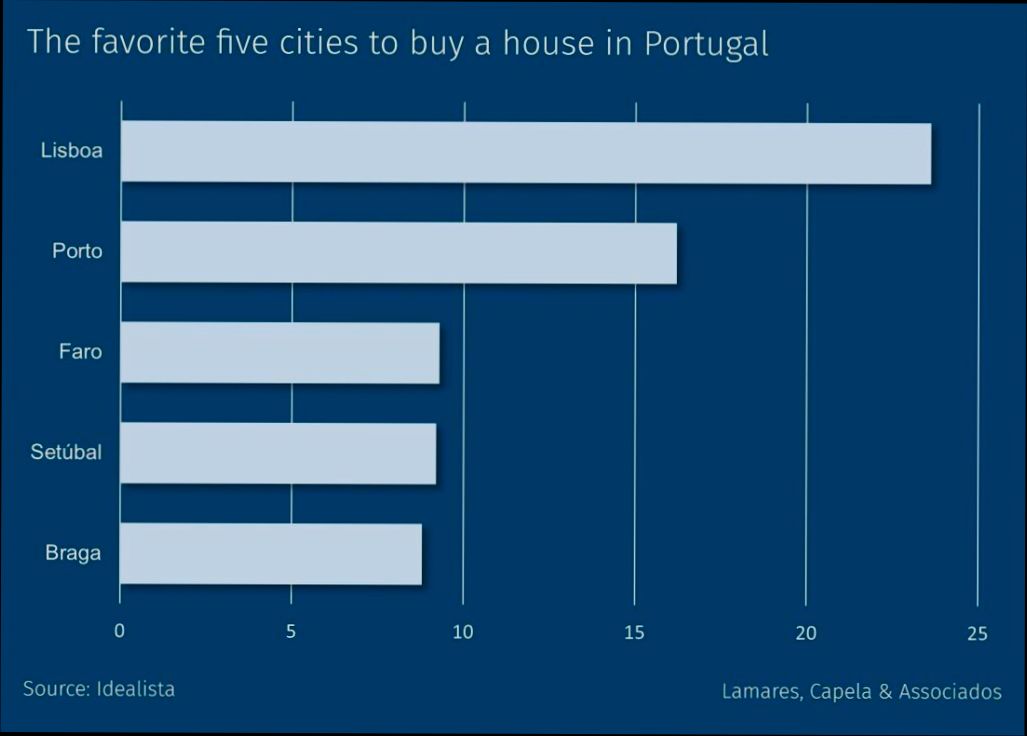
Best Cities for Real Estate Investment in Portugal are drawing in savvy investors from around the globe, and it’s easy to see why. Take Lisbon, for instance, where property prices have increased by over 10% year-on-year, fueled by a booming rental market and a vibrant tech scene. Then there’s Porto, the country’s second-largest city, boasting a 30% rise in tourist accommodations since 2019—a goldmine for anyone looking to dive into short-term rentals.
Let’s not forget the stunning Algarve region, where sunny beaches and a growing expatriate community make it an attractive spot for vacation properties. Reports show that average rental yields can hit as high as 7-8% here, which is not too shabby! With governmental incentives aimed at attracting foreign investment and a low cost of living compared to other European capitals, Portugal is becoming the place to be for those with an eye on real estate.

Emerging Cities for Real Estate Growth
Identifying emerging cities for real estate growth can offer unique opportunities for investors seeking substantial returns. While many might immediately think of traditional hot spots, several lesser-known cities are stepping into the limelight. Let’s explore these rising stars and what makes them stand out!
Key Points on Emerging Cities
- In terms of construction, countries like the U.S. face deficits, signaling a growing demand for housing—the need is approximately 1.5 million units yearly, yet supply is lagging behind, fostering opportunities for investors.
- Venture-backed startups have secured over $6 billion, indicating a robust economic landscape that facilitates job creation and drives real estate demand.
- Certain cities are witnessing business costs that are 99% of national averages, making them attractive to new companies and young professionals.
Comparative Table of Emerging Cities for Growth
| City | Annual Growth Rate | Key Industries | Affordability Compared to National Average |
|---|---|---|---|
| Austin | 5% | Technology, Education | 110% of average |
| Raleigh-Durham | 4.9% | Education, Technology | 94% of average |
| Tampa | 4.5% | Tourism, Technology | 98% of average |
| Nashville | 4.8% | Music, Healthcare | 97% of average |
| Charlotte | 5.2% | Finance, Technology | 95% of average |
Real-World Examples
1. Austin, Texas: Known for its vibrant tech ecosystem, Austin is attracting a highly-skilled workforce that demands upscale housing. The influx of talent has driven residential prices up, which, despite being at 110% of the national average, showcases a profitable rental market.
2. Raleigh-Durham, North Carolina: With a dynamic blend of education and tech companies, this region not only offers a low cost of living (94% of the national average) but also boasts a 4.9% annual growth rate. Investors here are benefiting from a steady influx of young families and professionals seeking affordable housing.
3. Tampa, Florida: Tampa’s diverse economy benefits from both tourism and a thriving tech scene. Even with prices rising, it remains more affordable than many coastal areas (98% of the national average), making it a crucial market for rental investments.
Practical Implications for Investors
As you consider venturing into new markets, focus on the emerging cities that have a blend of economic growth and affordability.
- Research local job markets and migrate trends to gauge where populations are moving.
- Analyze the growth of specific industries, as this often correlates with housing demand.
- Keep an eye on government initiatives that support technology hubs and business development; these can significantly affect property value.
Specific Advice
Look for cities that have demonstrated consistent population growth alongside cost-effective business environments. Engaging with local real estate agencies can give you deeper insights into upcoming neighborhoods where property values are expected to rise—this proactive approach will place you ahead in the competitive real estate landscape.

Analyzing Market Trends and Statistics
When it comes to real estate investment in Portugal, analyzing market trends and statistics is a crucial step that can make or break your strategy. By understanding key market data, you can identify opportunities and risks, establishing a strong foundation for informed investment decisions.
Key Data Points to Identify
To effectively analyze market trends, focus on these specific data points:
- Market Size: Determine the overall market size for real estate in cities of interest. This includes total property value and available inventory.
- Competitor Traffic: Assess competitor activity and web traffic to understand their influence and customer reach.
- Industry Funding: Investigate the level of investment and funding in the real estate sectors you are interested in. Investment trends can signal confidence in market growth.
- Consumer Sentiment: Understand how consumers feel about current offerings and which needs are being underserved. This can indicate potential areas for growth.
Comparative Table of Key Statistics
| Data Point | Lisbon | Porto | Coimbra |
|---|---|---|---|
| Market Size (€bn) | 25 | 10 | 4 |
| Average Property Price (€) | 3,500/m² | 2,800/m² | 1,800/m² |
| Year-on-Year Growth (%) | 8 | 6 | 5 |
| Rental Yields (%) | 5 | 4.5 | 4 |
Real-World Example
Consider Lisbon’s burgeoning market. The city has seen an impressive year-on-year growth of 8% in property prices, according to the Trends Database. This increased demand reflects both local and foreign investment, making it a focus point for stakeholders. Conversely, in Coimbra, while growth is more modest at 5%, the average property price remains significantly lower, demonstrating potential for future appreciation.
Practical Implications for Readers
By identifying specific trends and understanding market dynamics, you can tailor your investment strategy effectively. For instance, if you notice a significant uptick in competitor traffic in Porto, you might want to explore opportunities there, whether through direct investment or collaboration.
Actionable Advice
Use resources like the Exploding Topics database to discover long-term growth potential trends in the Portuguese real estate market. By leveraging market insights, you can anticipate shifts and position your investments to capitalize on emerging opportunities efficiently.

Top Areas for Rental Income Potential
When investing in real estate, your focus should be on areas that offer strong rental income potential. In Portugal, certain cities and neighborhoods stand out for their attractive rental yields and tenant demand. Let’s dive into these promising locations across the country.
Key Rental Income Statistics
1. Lisbon remains a top contender with a Gross Rental Yield of 5.67% for properties in the city. The unique blend of tourists and new residents helps maintain a robust rental market.
2. In the Greater Lisbon area, you can find lower purchase prices averaging €3,987 per square meter, appealing to those interested in maximizing rental income.
3. Porto, as the second-largest city, demonstrates a significant rental yield of around 6%. This makes it increasingly popular among investors seeking strong returns.
4. The Algarve region, known for its picturesque beaches, has rental yields that can reach 6.5% during peak tourist seasons, especially in towns like Albufeira and Lagos.
5. In Braga, a city on the rise, rental yields can be as high as 7%, thanks to a growing number of students and expatriates moving into the area.
Comparative Overview of Rental Yields
| City/Area | Average Price per Square Meter (€) | Gross Rental Yield (%) |
|---|---|---|
| Lisbon | 5,538 | 5.67 |
| Greater Lisbon | 3,987 | 5.00 |
| Porto | 2,845 | 6.00 |
| Algarve | 3,500 | 6.50 |
| Braga | 1,800 | 7.00 |
Real-World Examples of Rental Success
- In Lisbon, neighborhoods like Alfama and Bairro Alto have seen a surge in rental demand due to their cultural significance and vibrant nightlife, attracting both locals and tourists.
- In Porto, Cedofeita offers affordable properties that have become highly sought after. A two-bedroom apartment here can fetch upwards of €1,200 per month, resulting in solid returns for investors.
- The Algarve boasts stunning villas and apartments that cater to both long-term and short-term rentals. Properties near Vilamoura have reported occupancy rates exceeding 85% during the summer months, illustrating the area’s attractiveness.
Practical Implications for Investors
Investing in areas identified for their rental income potential not only provides immediate returns but also ensures long-term capital growth. If you focus on neighborhoods with vibrant local amenities, cultural significance, and seasonal tourism, you’ll likely see better occupancy rates and rental yields.
Actionable Insights for Maximizing Your Investment
- Research each neighborhood’s rental regulations, as some cities may have restrictions on short-term rentals.
- Keep a close eye on emerging trends in tenant preferences, such as demand for eco-friendly homes or properties with home office spaces.
- Consider diversifying your portfolio by including properties in both high-demand tourist areas (like the Algarve) and urban centers (like Lisbon and Porto) to balance risks and maximize potential yields.
- Leverage local real estate agencies that understand the rental market dynamics to help you identify high-yield properties effectively.

Benefits of Investing in Portuguese Real Estate
Investing in Portuguese real estate has become increasingly attractive for both local and international investors. With its rising property values, favorable rental yields, and a thriving tourism sector, Portugal presents a wealth of benefits that make it a smart choice for investment.
Impressive Property Value Growth
Between 2010 and 2024, property values in Portugal have skyrocketed by a staggering 113%. This growth far exceeds the EU average and signals a robust market ripe for investment. The momentum continues; analysts predict the Portuguese property market will see a 5.8% increase this year alone.
Strong Rental Yields
Portugal’s rental market is thriving, offering excellent returns for investors. Here are some notable rental yield percentages:
| Region | Rental Yield Percentage (%) |
|---|---|
| Lisbon Metropolitan Area | 6.8 |
| Porto Metropolitan Area | 6.6 |
| Silver Coast | 5.8 to 6.2 |
| Algarve | 5.6 |
| Cascais | 5.5 |
| Sintra | 6.8 |
These figures indicate that you can expect a solid return on your investment, particularly in areas like Lisbon and Sintra, where yields are higher.
Tourism Growth and Short-Term Rentals
Portugal’s tourism sector remains robust, with a 9% predicted growth in 2025. This influx of tourists provides an excellent opportunity for short-term rental investors. Properties in high-demand areas are likely to yield higher short-term rental returns, especially as platforms like Airbnb gain popularity.
Government Incentives for Investment
Portugal’s government has made efforts to attract foreign investors through programs such as the Golden Visa scheme, resulting in significant investments exceeding €8 billion. This initiative not only benefits the property market but also offers investors a path to residency in Portugal, enhancing the appeal for international investors.
Real-World Example: Appreciating Luxury Markets
Luxury properties are projected to appreciate by 4.5% in 2024, making them a compelling investment option. Cities like Cascais show remarkable returns due to their desirability among affluent buyers looking for second homes or investment properties.
Actionable Insights
- Focus on Emerging Markets: Invest in regions with high growth potential like the Silver Coast or Sintra, where rental yields are competitive and property values are on the rise.
- Consider Short-Term Rentals: If you’re open to managing your property actively, tapping into the short-term rental market can boost your income significantly, especially during peak tourist seasons.
- Stay Informed About Regulations: Keep an eye on local regulations regarding short-term rentals as these can impact your investment strategy. Recent easing of restrictions in some regions may favor rental opportunities.
Investing in Portuguese real estate not only offers opportunities for significant financial returns but also combines lifestyle benefits with the potential for long-term growth in a vibrant market.

Successful Case Studies of Investors
Investing in real estate can seem daunting, but learning from successful case studies can provide valuable insights and strategies. Let’s explore how certain investors have excelled, using their experiences to guide you in your own investment journey.
Key Investment Strategies
1. Blackstone and Hilton Worldwide
- Blackstone’s acquisition of Hilton in 2007 for $26 billion is a classic example of leveraging strategic management.
- They turned the investment successful by improving operational efficiencies and expanding Hilton’s global footprint.
2. KKR and Dollar General
- KKR’s $7.3 billion buyout of Dollar General focused on enhancing operational practices, resulting in significant profit growth.
- This partnership highlights the importance of thorough market analysis and operational improvement in driving profitability.
3. Sequoia Capital with WhatsApp
- An $8 million investment in WhatsApp yielded a $19 billion return when the platform was acquired by Facebook in 2014.
- This case emphasizes identifying emerging tech companies and recognizing their potential for explosive growth.
4. Andreessen Horowitz with Airbnb
- Their $60 million investment in Airbnb before its valuation skyrocketed to over $100 billion upon going public showcases the merit of getting in early with innovative companies.
- This case demonstrates the advantages of investing in disruptive business models within the real estate domain.
Comparative Table of Notable Investments
| Investor | Investment Amount | Exit Valuation | Profit Generated |
|---|---|---|---|
| Blackstone (Hilton) | $26 billion | $2.3 billion IPO | $14 billion |
| KKR (Dollar General) | $7.3 billion | Not specified | Significant growth |
| Sequoia (WhatsApp) | $8 million | $19 billion | $18 billion |
| Andreessen (Airbnb) | $60 million | >$100 billion | Multi-billion return |
Real-World Examples
Blackstone’s Approach to Hospitality
The case of Blackstone and Hilton is illustrative of successful value creation in the real estate sector. By restructuring operations and strategically expanding into international markets, Blackstone transformed Hilton into a global powerhouse, demonstrating how effective management and market positioning can lead to extraordinary returns.
KKR’s Operational Focus on Dollar General
With KKR’s hands-on approach to operational improvements, Dollar General experienced substantial growth, reinforcing the idea that diligent management and strategic focus can drive even mature retail investments to new heights.
Sequoia’s Tech Investment Learning
Sequoia’s early investment in WhatsApp teaches the value of recognizing trends in consumer behavior and acting before others. Their foresight turned a modest $8 million investment into one of the largest tech successes.
Practical Implications
As you reflect on these examples, consider the following actionable insights:
- Identify Undervalued Opportunities: Look for companies or properties that show potential for operational improvements.
- Focus on Market Trends: Stay ahead of emerging trends in industries like technology and hospitality that can drive returns.
- Evaluate Investor Strategies: Study how established investors like Blackstone and KKR approach their investments for operational efficiency and opportunities for growth.
By applying these strategies to your own real estate investment journey, you can set yourself up for significant growth, just like these successful investors.

Evaluating Local Infrastructure Developments
When considering real estate investment in Portugal, evaluating local infrastructure developments is essential. Infrastructure not only supports economic growth but also significantly impacts property value and community well-being. As you delve into this topic, understanding how infrastructure affects your investment decisions will be pivotal.
Key Considerations for Evaluating Local Infrastructure
1. Resource Allocation: Assess how efficiently resources are being distributed for upcoming developments. This includes understanding the funding sources and governmental support for infrastructure projects.
2. Community Well-being: Look into whether existing infrastructure can support new developments without compromising residents’ quality of life. An overwhelmed infrastructure can detract from living conditions and property values.
3. Sustainability: Focus on infrastructure growth that is sustainable and takes environmental concerns into account. Investments that enhance green spaces or promote efficient public transport systems tend to be more resilient.
Infrastructure Impact Assessment Metrics
| Metric | Description | Importance for Real Estate Investment |
|---|---|---|
| Data Quality | The accuracy and completeness of data regarding local infrastructure. | Ensures informed decision-making for investors. |
| Classification Report | Identifies key infrastructure factors influencing community development. | Helps tailor investment strategies effectively. |
| Community Feedback | Data gathered from resident surveys about their needs and concerns regarding infrastructure. | Provides insights into potential future challenges. |
| Investment Readiness | Evaluates the current state of infrastructure readiness for new developments. | Determines whether areas are suitable for investment. |
Real-World Examples of Infrastructure Evaluation
A recent state report highlighted the city’s upgrade of utilities in Lisbon aimed at accommodating upcoming residential projects. This initiative emphasizes investor confidence, as robust utility systems directly correlate with increased property values.
In Porto, the local government has implemented a data-driven approach to understand public transport needs better. Through community feedback sessions, they elevated the dialogue on transportation issues, ensuring that new developments do not strain the existing transport network. This proactive engagement reflects a commitment to maintain quality of life while fostering economic growth.
Practical Implications for Investors
For those venturing into real estate in Portugal, here are some actionable insights:
- Conduct thorough research on local infrastructure projects and proposed developments. Understanding the timeline and scope will enable you to position your investment strategically.
- Engage with local urban planning meetings or review community reports. This can give you an insider perspective on upcoming changes that could affect asset values.
- Leverage data analytics tools available to assess urban planning initiatives—this will help in optimizing your investment strategies based on infrastructure trends.
For effective evaluations, remember to link your findings with the long-term sustainability goals set by local governments. This approach not only enhances your investment prospects but also aligns you with community objectives.

Understanding Tax Incentives and Regulations
When it comes to navigating the real estate landscape in Portugal, understanding tax incentives and regulatory frameworks is crucial for maximising your investment. Let’s delve into the key incentives available and the regulations you must consider as you make your investment decisions.
Key Tax Incentives in Portugal
Portugal offers a variety of tax benefits to attract both foreign and local real estate investors. Here are some of the most notable incentives:
- Non-Habitual Resident (NHR) Tax Regime: This program allows qualified individuals to enjoy substantial tax breaks for a period of 10 years. For example, foreign income and certain Portuguese-source incomes can be taxed at a flat rate of just 20%.
- IMT – Property Transfer Tax: While property transactions typically incur an IMT, there is an exemption available for properties priced below €92,407. This exemption can significantly lower your initial investment costs.
- Reduced VAT Rates: Properties in rural or underdeveloped areas may qualify for reduced VAT rates, ranging from 0% to 6%. This can substantially decrease the overall costs when buying properties intended for renovation or development.
Comparative Table of Tax Incentives
| Incentive | Description | Duration/Limitations |
|---|---|---|
| Non-Habitual Resident Regime | Flat 20% tax rate on eligible income | 10 years |
| IMT Exemption | No property transfer tax for purchases below €92,407 | Only for residential properties |
| Reduced VAT Rates | Lower VAT rates for rural properties | Varies by region and property type |
Real-World Examples of Tax Incentives
Understanding how these incentives work in practice can be enlightening. For instance, a foreign investor relocating to Lisbon can leverage the NHR program to benefit from lower tax rates on rental income. By renting out a property, they might see an effective tax burden reduced significantly from higher rates to a mere 20%, enhancing their overall profitability.
In the Algarve, an investor purchasing a dilapidated property for restoration could take advantage of the reduced VAT on construction materials, ensuring better margins on their renovation project. This tax incentive encourages investment in less-developed areas, contributing to local revitalization while benefiting investors financially.
Practical Implications for Investors
As you consider investing in Portuguese real estate, keep these tax implications in mind:
- Do thorough research on eligibility for the Non-Habitual Resident program; ensure you meet all criteria to benefit from its advantages.
- When planning your purchase, factor in potential IMT exemptions based on the property price to optimise your investment.
- Consult with a local tax advisor or real estate professional familiar with Portugal’s intricate tax landscape to navigate regulations effectively.
Actionable Advice on Tax Incentives
Before making any investment, ensure you check recent updates to tax laws in Portugal, as these can change frequently. Take full advantage of available tax incentives to improve your investment returns and consider setting up a meeting with a legal expert in Portuguese real estate to clarify any doubts regarding regulations and compliance. Understanding tax incentives and regulations can significantly influence your success in Portugal’s thriving real estate market.