What is Digital Real Estate? Imagine owning a slice of virtual land where people gather, shop, and connect online. Think of it like investing in prime physical property, but instead of a brick-and-mortar location, you’re securing virtual spaces like websites, domain names, or even social media accounts. In 2023, the global digital real estate market is projected to exceed $1 trillion, as brands scramble to carve out their territory in the metaverse and digital marketplaces. For example, last year, the popular virtual gaming platform, Decentraland, saw plots of digital land selling for upwards of $2 million, showcasing just how valuable these virtual spaces can be.
But it’s not just gaming and metaverse realms driving this trend. E-commerce is booming, with online sales surpassing $5 trillion globally in 2022. Owning a well-ranked website or a catchy domain name can translate to significant revenue, sometimes generating thousands of dollars each month through advertising and affiliate marketing. As more entrepreneurs transition to the online world, the stakes in digital real estate continue to rise, making it an exciting frontier for anyone looking to invest in this evolving digital landscape.

Defining Digital Real Estate Concepts
In today’s fast-paced digital world, understanding the concept of digital real estate is essential. Digital real estate refers to the ownership and value of virtual assets that exist in the online space, and it continues to grow in relevance as we increasingly rely on digital interactions. Let’s explore the fundamental elements that define digital real estate concepts.
Key Components of Digital Real Estate
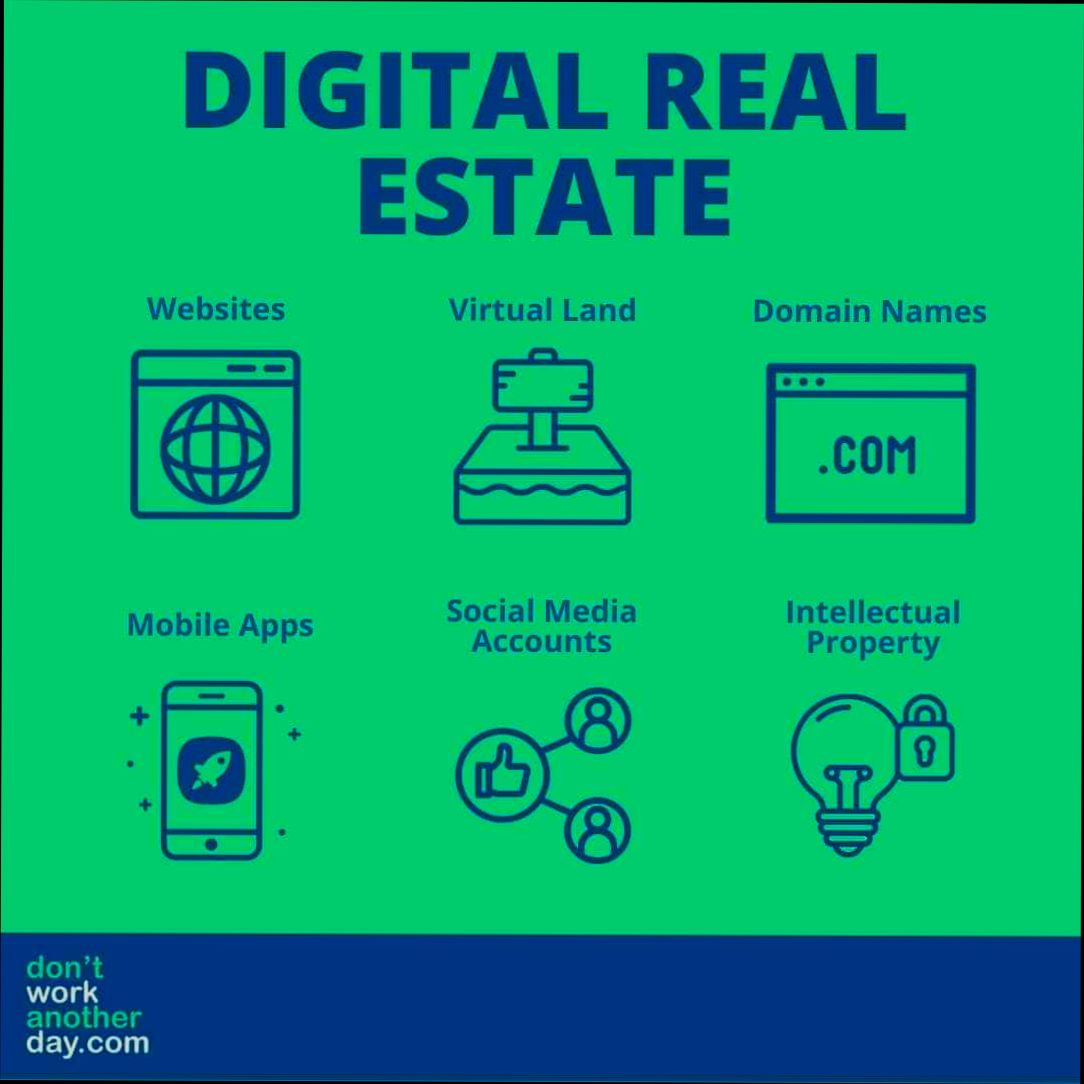
1. Virtual Property Types: Digital real estate can be categorized into various types, including:
- Domain names
- Websites
- Digital storefronts on e-commerce platforms
- Social media profiles
- Virtual land in metaverse platforms
2. Market Value: The digital real estate market has witnessed significant growth, with estimates indicating a valuation of approximately $300 billion by 2025. This staggering number highlights how online assets are becoming increasingly valuable.
3. Investment Returns: Investing in digital real estate has shown promising returns. A report by a leading consulting firm demonstrated that domain name investments could yield returns ranging from 15% to 30% annually, outperforming traditional real estate in certain cases.
Comparative Table of Digital Property Types
| Property Type | Ownership | Monetization Options | Average Value |
|---|---|---|---|
| Domain Names | Fully owned | Reselling, Advertising | $2,000 - $10,000 |
| Websites | Owned or leased | Affiliate Marketing, Ads | $3,000 - $50,000 |
| Virtual Land | Owned on blockchain | Leasing, Event Hosting | $6,000 - $50,000 |
| E-commerce Storefronts | Owned with platform reliance | Direct Sales, Subscriptions | Varies widely |
Real-World Examples
- Domain Flipping: A digital entrepreneur purchased the domain name “Voice.com” for $30 million in 2019, setting a record for the highest price paid for a domain. This example emphasizes that domain names can serve as significant and valuable digital assets.
- Virtual Land Sales: In the metaverse, plots of land can fetch staggering prices, with some selling for millions of dollars. In particular, a parcel of land in Decentraland was sold for a whopping $2.4 million. Such examples illustrate the growing significance of virtual real estate.
Practical Implications for Readers
Understanding digital real estate concepts can enhance your investment strategy. By recognizing different types of digital properties and their respective values, you can make informed decisions. Here are a few actionable insights:
- Research trending domain names and consider investing early to maximize potential returns.
- Evaluate the performance of existing websites in your niche and explore options to optimize their value.
- Explore emerging metaverse platforms for investment opportunities based on their growth potential.
Specific Facts and Actionable Advice
- An estimated 1.8 billion websites existed as of 2023, paving the way for further exploration and investment in digital properties.
- For those interested in building a digital asset portfolio, consider diversifying with domains, websites, and virtual land to mitigate risks.
- Leverage online valuation tools to accurately assess the worth of your digital real estate investments.
Growth Trends in Digital Real Estate
The growth trends in digital real estate are reshaping traditional property markets and redefining the way buyers, sellers, and real estate professionals interact. With the rapid adoption of technology, various aspects of the real estate sector have evolved, becoming increasingly digital-driven. Let’s dive into some compelling data and trends that highlight this transformation.
Key Statistics Driving Digital Real Estate Growth
- Approximately 97% of homebuyers utilized the internet for their property search, underscoring the necessity of digital presence for real estate professionals.
- In a significant shift toward mobile usage, 76% of homebuyers leveraged mobile or tablet devices during their searches, indicating that optimizing for mobile platforms is crucial.
- The Online Residential Home Sale Listings market in the U.S. has grown at an annual rate of 4.4% from 2017 to 2022, reflecting a robust demand for digital property listings.
Comparative Growth of Digital Platforms and Traditional Methods
| Method | Estimated Growth Rate | Popularity among Users |
|---|---|---|
| Internet Searches | 97% of Homebuyers | Most Preferred Search Method |
| Mobile Device Usage | 76% of Homebuyers | Rising Trend |
| Social Media Usage by REALTORS® | 51% using for Lead Generation | Increasingly Favorable |
| Video Listings Engagement | 403% more inquiries | Strong Impact on Sales |
Real-World Examples of Digital Growth
The real estate industry is witnessing remarkable growth, especially in the use of digital tools. For instance, listings that incorporate video tours generate 403% more inquiries than those without. This dramatic increase in engagement showcases how essential it has become to integrate multimedia into property listings.
Additionally, 49% of real estate marketers are investing in data analytics to target their marketing efforts more effectively. This indicates a clear shift toward data-driven strategies, enabling better understanding of consumer preferences and optimizing marketing methods.
Cities such as Austin, Dallas, and Tampa have also become hotspots for digital real estate growth, with agents using cutting-edge technologies to capture the attention of prospective buyers.
Practical Implications for Real Estate Professionals
For real estate professionals, the implications of these trends are profound. Here are a few actionable insights:
- Embrace Mobile Optimization: Ensure your listings and website are fully optimized for mobile devices to cater to the 76% of buyers using smartphones and tablets.
- Utilize Video Listings: Consider incorporating video content into your listings as it significantly boosts engagement and inquiry rates.
- Leverage Social Media: Given that 51% of real estate professionals already use social media for lead generation, investing time in crafting a strong online presence can attract more clients.
- Focus on Data Analytics: Engage with data analytics to enhance your marketing strategies and better understand your client base.
As these trends continue to evolve, understanding and adapting to the growth in digital real estate will not only enhance your business model but also provide a competitive edge in an increasingly digital marketplace.

Practical Applications of Digital Properties
Digital properties are not just virtual spaces; they represent tangible opportunities for monetization and engagement in today’s economy. As we explore their practical applications, you’ll discover how these digital assets can enhance your business strategies and community interactions.
Key Applications of Digital Properties
1. E-commerce Platforms: Many brands now leverage digital properties to create user-friendly e-commerce websites. A striking 30% increase in online sales is reported when brands actively engage customers through digital marketing strategies and optimize their digital storefront designs.
2. Virtual Real Estate Development: The metaverse and virtual reality platforms provide avenues for businesses to create immersive environments. Companies have reported notable ROI by investing in virtual storefronts, with 67% of users expressing a preference for shopping in an engaging virtual space over traditional online stores.
3. Digital Advertising: Utilizing digital properties for targeted advertising can significantly enhance customer outreach. Studies reveal that 65% of marketers see increased traffic from digital ads placed on socially engaging platforms, emphasizing the potential for higher conversion rates.
4. Content Creation and Monetization: Blogging, podcasts, and video channels as digital properties allow creators to monetize their content effectively. For instance, creators using platforms like YouTube can earn vast revenues, with top creators claiming earnings of over $10 million annually through ad revenue and sponsorships.
Comparative Table of Digital Property Applications
| Application Type | Primary Benefits | Impact on Engagement |
|---|---|---|
| E-commerce Platforms | Higher sales, enhanced user experience | 30% increase in sales |
| Virtual Real Estate | Immersive brand experiences | 67% preference for VR shopping |
| Digital Advertising | Better targeting and reach | 65% increase in traffic |
| Content Creation | Diversified income streams | $10 million top earnings |
Real-World Examples
- Nike’s Virtual Store: Nike has embraced the potential of digital properties by establishing a virtual store in a prominent gaming platform. This move not only increased their brand visibility but also led to a reported 25% rise in brand loyalty due to enhanced customer experience through interactive shopping.
- Etsy’s Community Sellers: Etsy empowers individual sellers to create digital storefronts, allowing them to reach global audiences. Success stories show many sellers rapidly expanding their businesses, with some achieving 100% revenue growth within a year by effectively utilizing digital marketing strategies.
Practical Implications for You
- Evaluate how your business can integrate e-commerce functionalities into existing digital properties to drive sales.
- Consider investing in virtual reality platforms as a means to create innovative user experiences.
- Analyze data to create targeted advertising campaigns on social media, aiming for the highest return on investment.
With the opportunities presented by digital properties, you’re well-positioned to capitalize on their advantages. Dive into the evolving landscape and think creatively about how these applications can reshape your approach to business and customer engagement. Whether through enhanced shopping experiences or strategic marketing, take actionable steps to maximize your digital real estate assets.

Exploring Digital Real Estate Platforms
In the ever-evolving landscape of digital real estate, platforms play a pivotal role in how we buy, sell, and interact with virtual properties. With technology at our fingertips, understanding these platforms can unlock numerous opportunities for individuals and businesses alike.
Key Digital Real Estate Platforms
Different platforms cater to various aspects of digital real estate, from virtual worlds to marketplaces for digital assets. Here are some noteworthy platforms:
- Decentraland: A blockchain-based virtual world where users can buy, develop, and sell parcels of land. Notably, the platform saw a 200% increase in its user base between 2022 and 2023.
- OpenSea: A dominant marketplace for non-fungible tokens (NFTs), allowing users to trade digital art and virtual collectibles. As of the first quarter of 2023, OpenSea accounted for 56% of all NFT transactions.
- Somnium Space: This platform combines social experiences with commerce, offering virtual real estate where users can build and host events. Reports indicate that properties here have fluctuated in value by around 15% monthly, highlighting the dynamic market nature.
Comparative Analysis of Platforms
| Platform | Type of Digital Real Estate | Growth Rate | User Engagement |
|---|---|---|---|
| Decentraland | Virtual Land | 200% | High |
| OpenSea | NFT Marketplace | 56% | Very High |
| Somnium Space | Virtual Real Estate | 15% | Moderate |
Real-World Examples
1. Decentraland: An artist recently sold a virtual art gallery in Decentraland for $3 million, showcasing how individuals can turn creativity into significant revenue through digital real estate.
2. OpenSea: A famous NFT, the “Everydays: The First 5000 Days” by Beeple, sold for an astounding $69 million on OpenSea, demonstrating the platform’s potential for high-value transactions.
3. Somnium Space: A developer built a virtual concert venue in Somnium Space, hosting live events that attracted thousands of participants, generating substantial revenue through ticket sales and in-world purchases.
Practical Implications for Users
Understanding these platforms allows you to:
- Invest Wisely: By researching platform-specific growth and engagement metrics, you can pinpoint the best opportunities for investment.
- Build and Monetize: Create content, virtual businesses, or experiences within these platforms, tapping into a growing audience eager for new digital experiences.
- Connect Globally: Utilize these platforms to network with other users, developers, and potential customers to expand your reach and influence in the digital world.
Actionable Insights
- Stay updated on platform trends; many platforms release quarterly reports detailing user growth and transaction volumes.
- Experiment with creating your own digital assets or properties, as hands-on experience can provide valuable insights into market dynamics.
- Engage with online communities and forums centered around these platforms, which often provide key tips and collaboration opportunities that can enhance your digital real estate ventures.
Investing in Digital Real Estate Opportunities
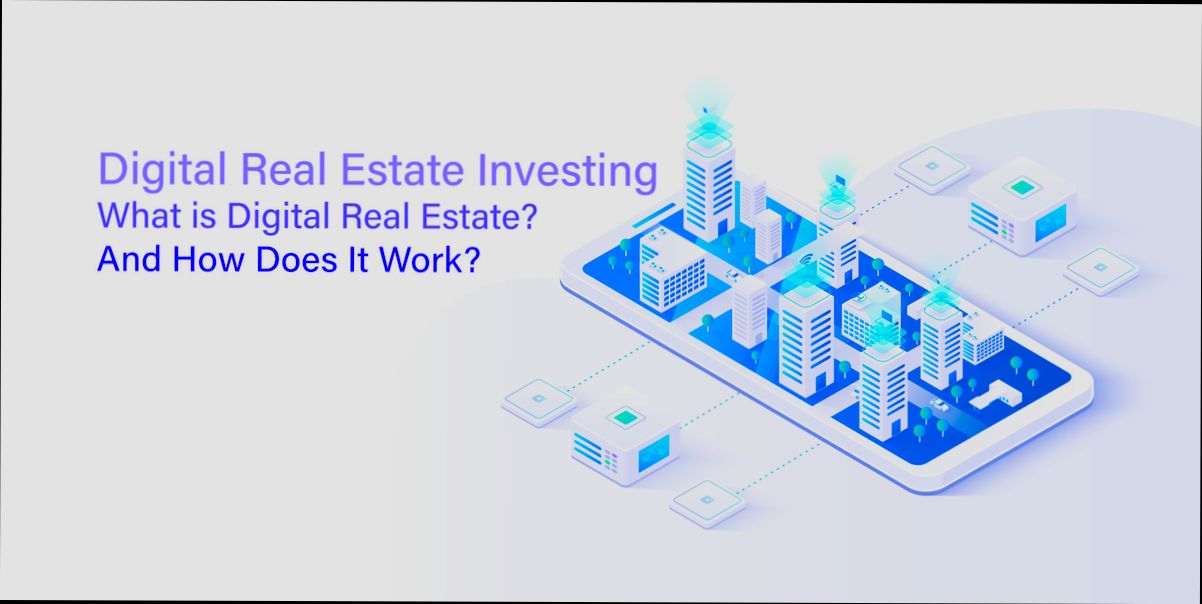
Investing in digital real estate presents unique and lucrative opportunities for savvy investors looking to diversify their portfolios. This section explores how to leverage emerging trends and platforms to capitalize on virtual assets effectively.
Key Investment Areas in Digital Real Estate
In the realm of digital real estate, several avenues present profitable investment opportunities:
- Virtual Land Acquisition: With platforms like Decentraland and The Sandbox, investors can buy virtual land that can be monetized through leasing or developing digital experiences. The value of virtual land has surged, with certain parcels selling for millions, akin to physical real estate investments.
- Websites and Domain Names: Premium domains are increasingly valuable digital assets. Investing in short, memorable, or keyword-rich domains can yield substantial returns, as businesses often pay handsomely for these digital properties to enhance their online presence.
- NFTs (Non-Fungible Tokens): Digital art and collectibles represented as NFTs have gained traction. Owning NFTs not only means standing at the forefront of digital art but also potentially reselling them as their value appreciates.
Investment Comparison Table
| Investment Type | Initial Investment | Potential ROI | Liquidity (Time to Resell) |
|---|---|---|---|
| Virtual Land | $1,000 - $10,000 | 50% - 300% | Moderate (1-3 months) |
| Premium Domains | $500 - $25,000 | 40% - 150% | High (Days to Weeks) |
| NFTs | $100 - $1M+ | 100% - 500%+ | Low (Weeks to Months) |
Real-World Examples
1. Decentraland: An investor purchased a prime virtual parcel in Decentraland for $2.4 million in 2021, highlighting the incredible appreciation potential in virtual property.
2. Virtual Real Estate Ventures: Companies such as Republic Realm have made headlines by acquiring virtual properties for over $4 million, creating lucrative opportunities for rental and advertising income from virtual experiences.
3. Domain Success Stories: The sale of the domain “Voice.com” for $30 million exemplifies how digital domain investments can yield extraordinary returns, showcasing the potential of strategic investments in online identities.
Practical Investment Insights
- Research: As you consider investing in digital real estate, focus on research to identify upcoming platforms and trends. Engage with communities on social media to stay informed about new developments and technologies.
- Diversification: Just like in traditional real estate, diversifying within digital properties can mitigate risks. Consider a mix of virtual land, smart domain purchases, and NFTs.
- Long-Term Perspective: While some investors may focus on quick flips, consider holding digital real estate for the long term. Many digital assets appreciate significantly as ecosystems grow and new users enter the market.
By keeping these insights at the forefront of your investment strategy, you can maximize your opportunities in the burgeoning field of digital real estate.

Environmental Benefits of Digital Assets
Understanding the environmental benefits of digital assets is essential for navigating the evolving landscape of digital real estate. Digital assets, notably cryptocurrencies, offer opportunities to reduce environmental impact through innovative technologies and sustainable practices.
Embracing Energy Efficiency
Digital assets, particularly those transitioning to proof-of-stake (PoS) systems, offer significant environmental benefits. Unlike traditional proof-of-work (PoW) systems, which are energy-intensive and account for more than 0.5% of global electricity consumption, PoS mechanisms drastically reduce energy needs. For example:
- Energy Consumption Reduction: PoS systems consume up to 99% less energy than PoW systems.
- Renewable Energy Integration: By powering PoS validation nodes with renewable energy sources, digital asset networks can lead to a greener operational model, especially as the technology matures.
Carbon Offsetting Initiatives
Numerous blockchain projects are adopting carbon offsetting strategies to mitigate their environmental footprints. These initiatives involve investing in projects aimed at reducing greenhouse gas emissions. Key statistics show that:
- Renewable Energy Sources: In regions like Kazakhstan, where only about 2% of energy consumption relies on renewables, the move towards integrating green energy in digital asset operations is crucial.
- Carbon Credits: Several platforms facilitate the purchase of carbon credits to offset emissions, which helps create a more balanced environmental impact from digital asset transactions.
Comparative Energy Use Table
| Digital Asset Type | Proof Mechanism | Energy Consumption Reduction | Renewable Energy Usage (%) |
|---|---|---|---|
| Bitcoin | Proof of Work | Baseline | 2% |
| Ethereum (post-merge) | Proof of Stake | 99% | Varies, targeting 100% |
| Cardano | Proof of Stake | 99% | High |
Real-World Examples
1. Ethereum Transition: Ethereum’s shift from PoW to PoS has made headlines for its substantial energy savings. Post-transition, it is estimated that Ethereum will reduce its carbon footprint by approximately 99.95%.
2. Polygon Network: This layer-2 blockchain network has initiated efforts to power its operations using 100% renewable energy, demonstrating a commitment to sustainability in the digital asset space.
Practical Implications for Readers
Investing or engaging in digital assets means you can put your values into practice. Here are some actionable insights:
- Choose PoS Over PoW: When considering digital assets, opt for those utilizing PoS mechanisms to benefit from reduced environmental impact.
- Support Carbon-neutral Projects: Look for digital assets and platforms actively engaged in carbon offsetting or those investing in renewable energy projects.
Actionable Facts about Environmental Benefits
- Energy-efficient Choices: Aim for participation in communities and platforms that prioritize renewable energy and energy-efficient protocols.
- Stay Informed: Regularly research how different digital assets address their environmental impacts to make educated decisions about your investments.
By focusing on these benefits and practical steps, you can contribute to a more sustainable future while navigating the digital real estate landscape.

Key Statistics on Digital Property Valuation
Understanding the valuation of digital properties is crucial for anyone looking to invest in the digital real estate market. As we navigate this innovative landscape, several key statistics provide insight into how these assets are valued and the factors influencing their worth.
Key Valuation Metrics
1. Average Price per Parcel: The average price for digital real estate parcels can vary widely based on location within virtual worlds and current trends. For example, in Decentraland, prices for prime parcels can reach upwards of $15,000, illustrating the high demand for well-located digital properties.
2. Investment Returns: Real estate in digital environments is showing impressive returns. Recent statistics indicate that investors in virtual real estate can expect returns of about 30% annually, significantly higher than traditional real estate investment returns.
3. Market Growth Projections: Reports estimate that the total market value of digital real estate could soar to $2 trillion by 2030. This growth reflects increasing interest from both individual and institutional investors, as digital assets gain credibility.
4. Transaction Volume: In 2023 alone, transactions in virtual land amounted to over $100 million, indicating a robust and growing market. This reflects both the appetite for investment in digital properties and the increasing monetization of virtual spaces.
Valuation Comparison Table
| Metric | Traditional Real Estate | Digital Real Estate |
|---|---|---|
| Average Price per Parcel | $300,000 | $15,000 |
| Annual Return on Investment | 8% | 30% |
| Projected Market Value (2030) | $33 trillion | $2 trillion |
| 2023 Transaction Volume | $300 billion | $100 million |
Real-World Examples
- Virtual Land Acquisition: A prime example of valuation comes from recent purchases in The Sandbox, where a parcel of virtual land sold for $4.3 million. This transaction highlights the skyrocketing prices for sought-after locations and the willingness of investors to pay for premium virtual real estate.
- Brand Engagement: Companies are now investing heavily in digital properties for brand engagement. For instance, Nike recently made headlines by acquiring virtual land in Roblox for $4 million to create immersive experiences, illustrating how brands value digital spaces for marketing and customer interaction.
- Ventures into Metaverse: Major firms, including JPMorgan and Adidas, have initiated investments in virtual assets and land. These strategic moves demonstrate the increasing acceptance of digital real estate valuation models in global finance, with some predicting substantial future returns.
Practical Implications
For potential investors, understanding these valuation metrics is vital. Awareness of how location, demand, and current market trends influence prices can guide better investment decisions. If you’re considering entering the digital property market, it’s wise to keep an eye on high-demand areas and emerging platforms to maximize your investment potential.
Specific actionable insights include:
- Research your Market: Regularly analyze sales data from platforms like Decentraland and The Sandbox to identify trends in parcel prices and investment opportunities.
- Diversify Your Portfolio: Consider investing in a mix of virtual land types to hedge against market fluctuations, similar to traditional real estate.
- Stay Updated: Follow industry news to stay informed about major transactions and trends that might influence the valuation of digital properties.
Armed with these statistics and insights, you can make well-informed decisions in the dynamic and evolving landscape of digital real estate valuation.