Blog
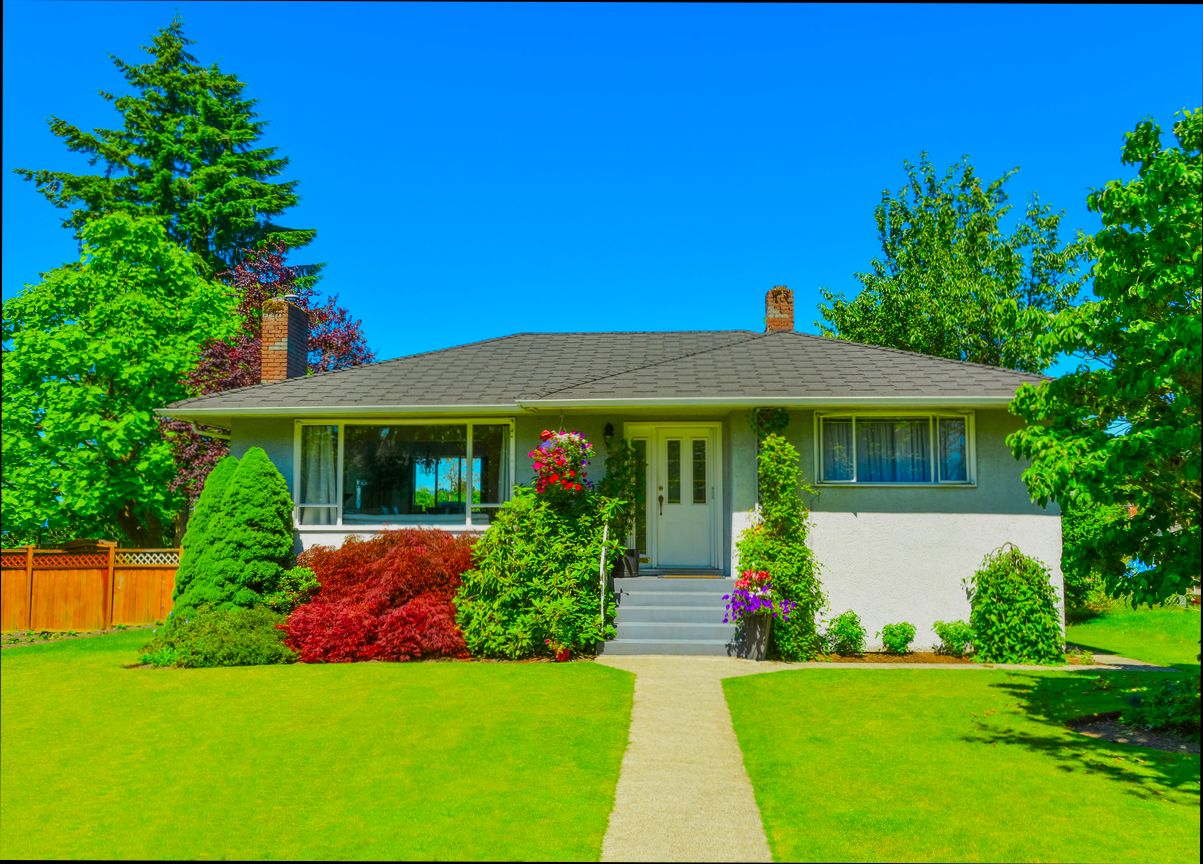
What are HUD Homes
What are HUD Homes? They’re properties owned by the U.S. Department of Housing and Urban Development, or HUD, following a foreclosure on an FHA-insured mortgage. You know those times when people struggle to keep up with mortgage payments? Well, sometimes those homes end up back with the government, and that's where HUD steps in. For instance, in 2022 alone, over 50,000 of these homes were listed for sale nationwide, often at a fraction of their market value because they're aimed at helping families get a fresh start.
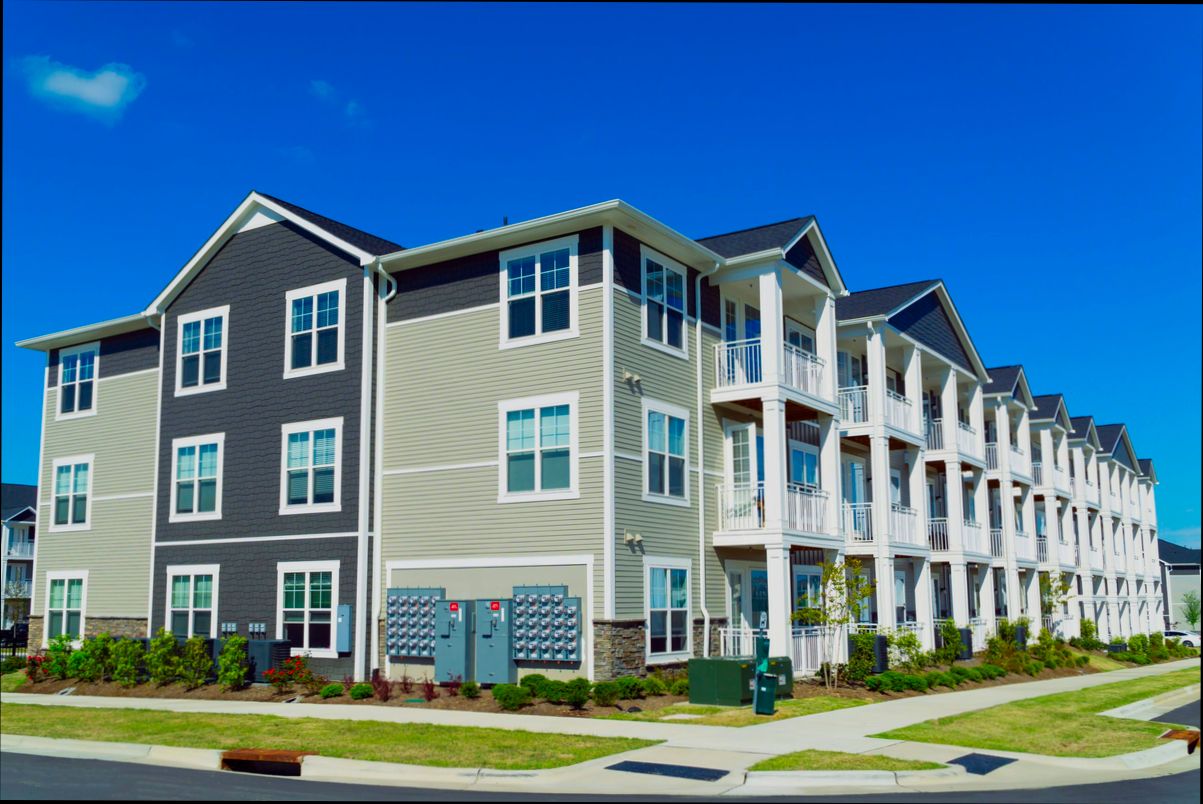
What are Income Restricted Apartments
What are Income Restricted Apartments? Think of them as affordable housing options designed specifically for individuals and families who earn below a certain income threshold. For example, in many cities, these apartments cater to those making 60% or less of the area median income (AMI). In a bustling city like San Francisco, that might mean someone earning around $60,000 annually could qualify for a nice one-bedroom unit that would normally cost much more. These apartments often come with specific qualifications and application processes, making them not just any low-cost housing, but a lifeline for many who are grappling with rising rents.
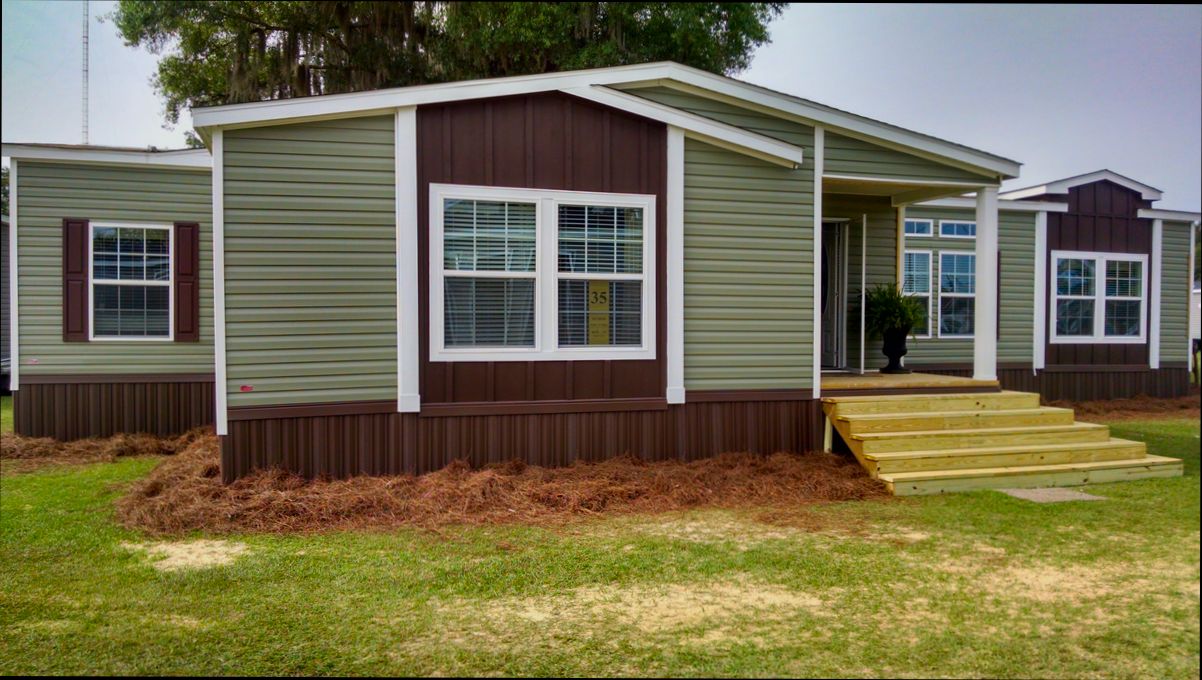
What are Mobile Homes
What are mobile homes? Picture a cozy, affordable dwelling on wheels that you can park just about anywhere—or at least in designated trailer parks or private lots. In the United States alone, mobile homes, also known as manufactured homes, account for over 6% of all housing. That’s around 22 million people enjoying the benefits of this flexible living style. Some folks love the idea of downsizing into a sleek, modern space, while others appreciate the affordability—many mobile homes can cost anywhere from $50,000 to $100,000, which is a fraction compared to traditional houses.
What are My Rights as a Tenant Without a Lease
What are My Rights as a Tenant Without a Lease? It’s a question many folks find themselves asking when they’re in a living situation without a formal agreement. Imagine moving into a friend's place, or maybe even squatting in an empty unit. According to the National Multifamily Housing Council, nearly 4 million renters in the U.S. live in informal arrangements like these. When you're without a lease, things can get murky; after all, you might be worried about whether you can stay, or what rights you really have to your living space.

What are NIF and CIF in Spain
What are NIF and CIF in Spain? If you’ve ever navigated the maze of Spanish bureaucracy or started a business here, you've likely come across these terms. NIF, or Número de Identificación Fiscal, is like a national ID number for individuals and certain entities, while CIF, or Código de Identificación Fiscal, used to be the go-to for companies, but it has largely been replaced by the NIF for business purposes too.
What are Nursing Homes
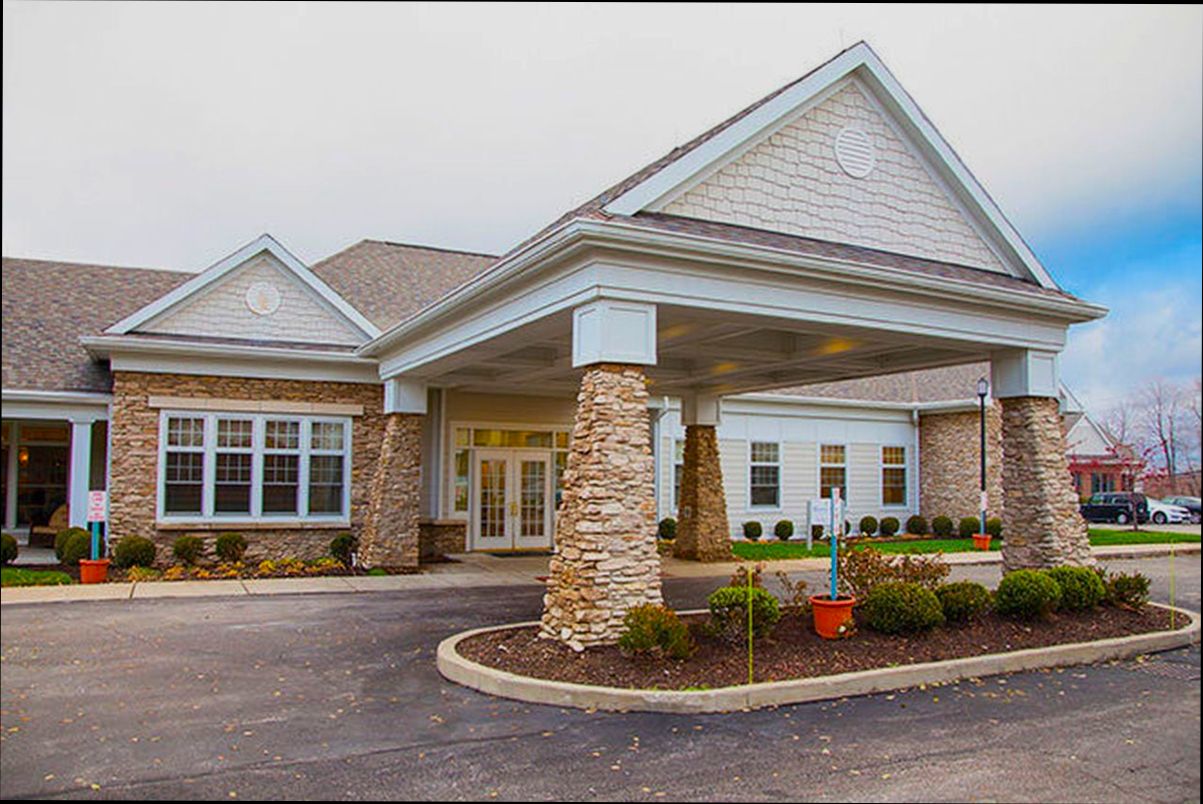
What are Nursing Homes? They’re specialized facilities designed to provide care for older adults who need assistance with daily activities or require medical attention. In the U.S. alone, about 1.5 million people live in nursing homes, and this number is expected to rise as our population ages. Picture Grandma navigating her daily routine—she might need help with bathing, medication management, or just a little companionship to brighten her day. Nursing homes step in to offer that support, blending medical care with social engagement, often creating a community of residents who look out for one another.
What are Okupas in Spain and Do You Need to Worry About Them
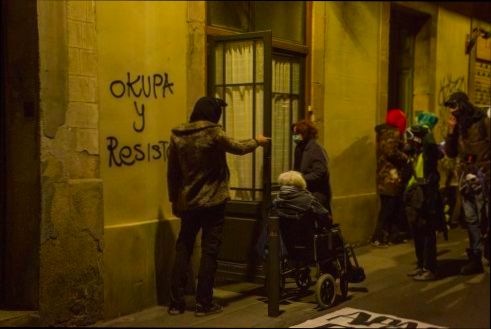
What are Okupas in Spain and Do You Need to Worry About Them? If you’ve spent any time in Spain, especially in big cities like Barcelona or Madrid, you’ve likely heard the term okupa. These are individuals or groups that take over vacant properties, squatting in homes or buildings that aren’t being used. In fact, estimates suggest there are over 15,000 okupas spread across the country, with a noticeable increase in urban areas where property prices skyrocket. What’s even more interesting is that many of these okupas often claim to be fighting against housing inequality, viewing their actions as a form of social protest.
What are Park Homes
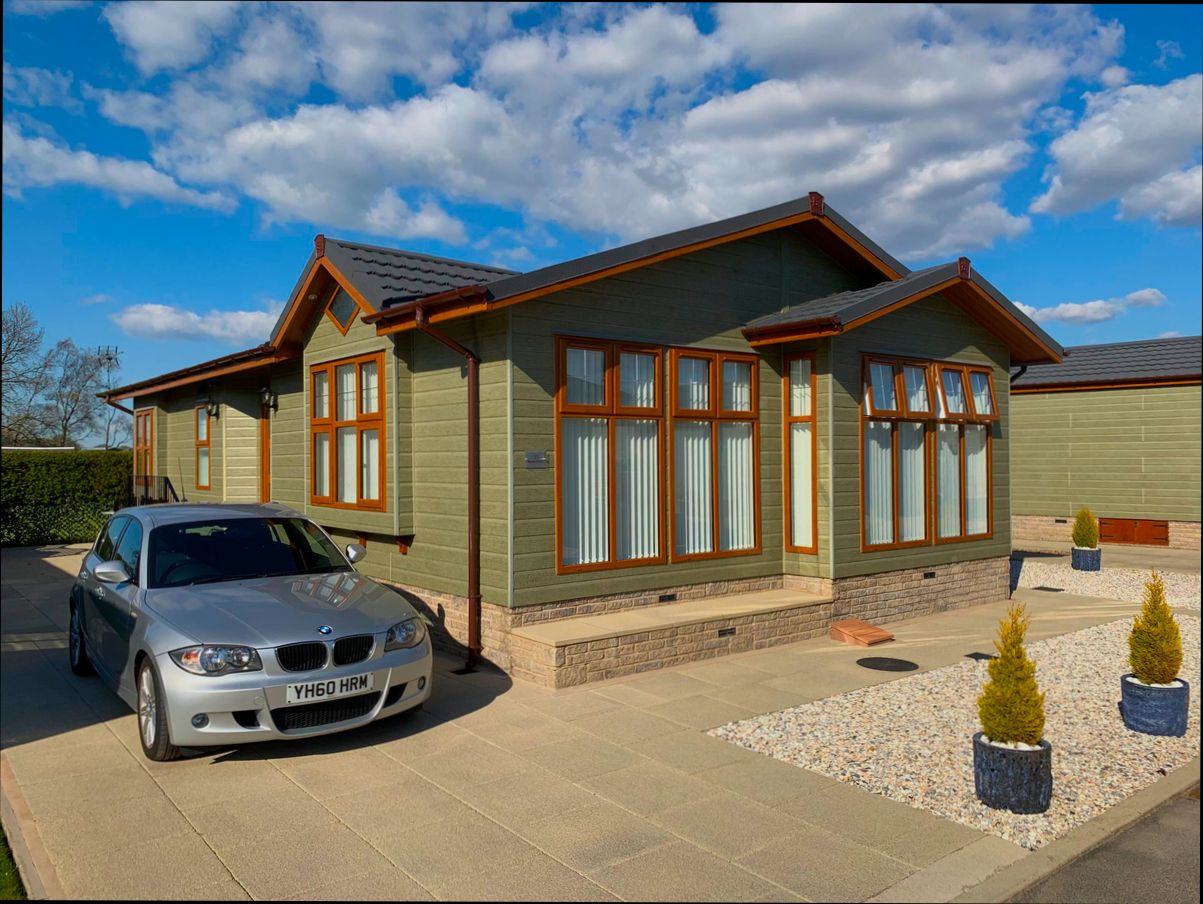
What are Park Homes? Think of them as compact homes that reside within specially designed communities, often surrounded by nature or scenic landscapes. These charming residences provide a cozy alternative to traditional housing, featuring a range of styles and sizes, from simple one-bedroom retreats to more expansive multi-bedroom dwellings. In the UK alone, there are over 2,000 licensed park home sites, catering to more than 250,000 people. Many are located close to popular holiday destinations, making them perfect for those seeking a laid-back lifestyle in a welcoming environment.
Tags