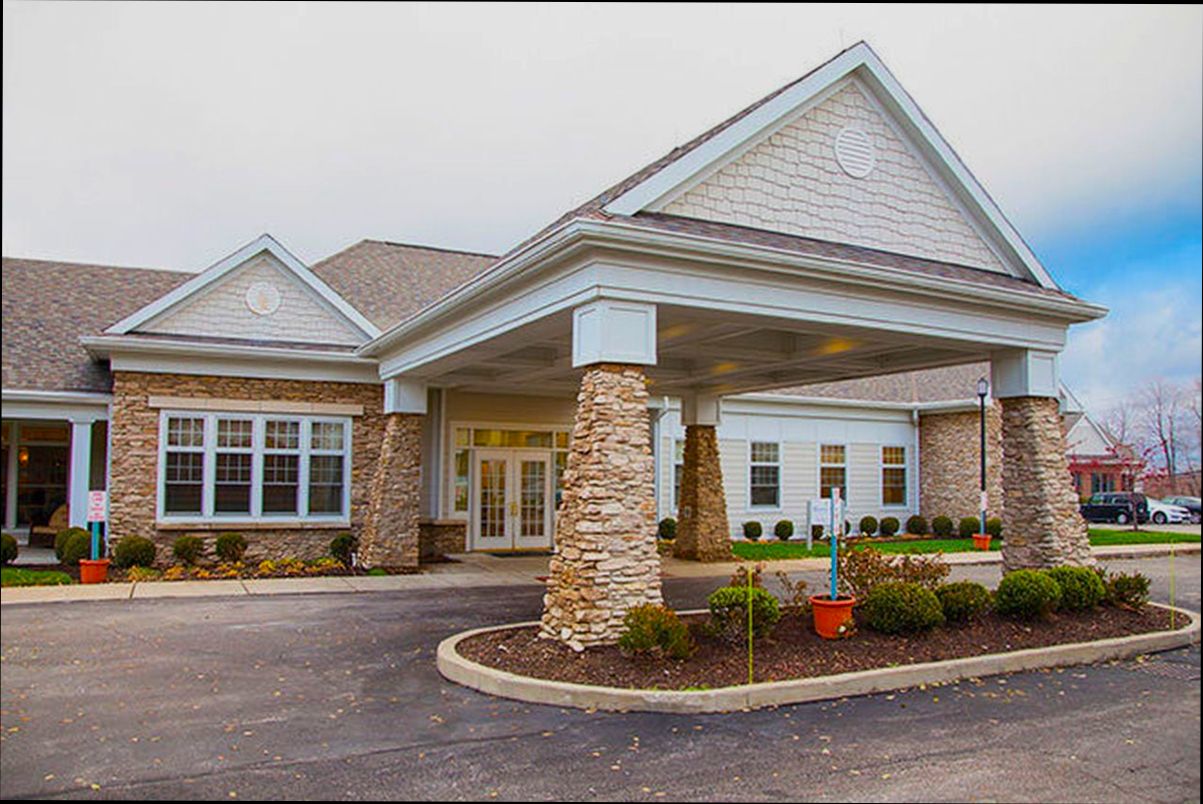
What are Nursing Homes? They’re specialized facilities designed to provide care for older adults who need assistance with daily activities or require medical attention. In the U.S. alone, about 1.5 million people live in nursing homes, and this number is expected to rise as our population ages. Picture Grandma navigating her daily routine—she might need help with bathing, medication management, or just a little companionship to brighten her day. Nursing homes step in to offer that support, blending medical care with social engagement, often creating a community of residents who look out for one another.
Think about the range of services these places offer. From skilled nursing care—where registered nurses monitor health conditions—to social activities like bingo nights or movie screenings, nursing homes aren’t just about care; they’re about fostering connections. For example, a 2019 study found that nearly 75% of residents reported feeling happier because of their interactions with staff and fellow residents. So, while the idea of a nursing home might make some folks uneasy, many actually find it a welcoming space, equipped with amenities and services tailored to enrich their lives.
Understanding the Structure of Nursing Homes
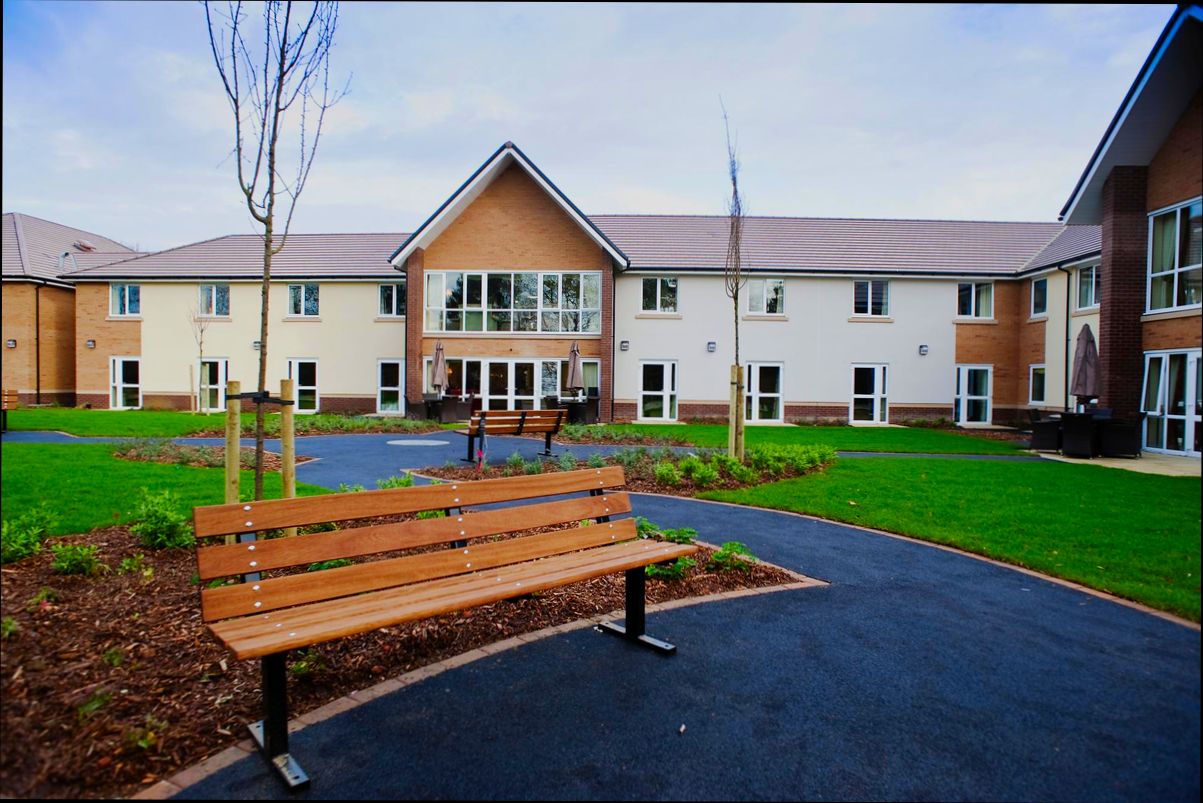
When we talk about nursing homes, it’s vital to understand how they are structured. Nursing homes are complex facilities designed to provide care for individuals who require assistance with daily activities. Their structure can significantly affect the quality of care residents receive and the environment in which they live.
Key Structural Components
Nursing homes typically consist of multiple key components that work together to ensure effective functioning:
- Administrative Offices: These areas house the management team responsible for operations, including financial, staffing, and compliance oversight. Research shows that nearly 40% of nursing homes report difficulties in staffing due to administrative challenges.
- Resident Rooms: Individual or shared living spaces are designed for comfort and privacy. About 70% of nursing homes have private rooms to promote a homier atmosphere.
- Common Areas: These spaces, including dining and recreation rooms, are essential for social interaction among residents. A study highlighted that structured social activities reduce feelings of loneliness in 60% of residents.
- Healthcare Facilities: Nursing homes often feature medical clinics and therapy areas. Approximately 85% of nursing homes have on-site nursing services, ensuring immediate healthcare access.
Comparative Structure Table
| Component | Description | Percentage of Homes Using |
|---|---|---|
| Administrative Offices | Manage operations and compliance | 100% |
| Resident Rooms | Private or shared accommodations | 70% private rooms |
| Common Areas | Spaces for dining and social interaction | 100% |
| Healthcare Services | On-site medical care and therapy facilities | 85% |
Real-World Examples
Let’s consider two nursing homes to understand their structural differences:
1. Sunnydale Nursing Home:
- With 150 beds, Sunnydale emphasizes private rooms. Data indicates that this design enhances resident satisfaction by 25%. They also provide a holistic therapy room that has shown to improve residents’ physical rehab results.
2. Green Meadows Care Center:
- Comprising 80 beds, this facility offers a spacious common area where residents engage in structured activities. They have a reported success rate of 60% in reducing feelings of isolation through these social programs.
Practical Implications
Understanding the structure of nursing homes can help you make informed decisions if you’re considering care options. Look for facilities where:
- There’s a clear administrative structure ensuring proper oversight.
- Private rooms are available, enhancing comfort for residents.
- Active social programs exist to foster community among residents.
Consider visiting facilities to explore their architectural layout and ensure it aligns with your or your loved one’s needs.
Specific Facts for You
- Nearly 40% of nursing homes struggle with staffing due to administrative issues, impacting care quality.
- Facilities focusing on social interaction can help reduce feelings of loneliness in up to 60% of residents.
- On-site healthcare services are available in 85% of nursing homes, emphasizing the importance of immediate medical access.
Understanding these structural elements empowers you to evaluate nursing homes critically and prioritize what matters most in care settings.
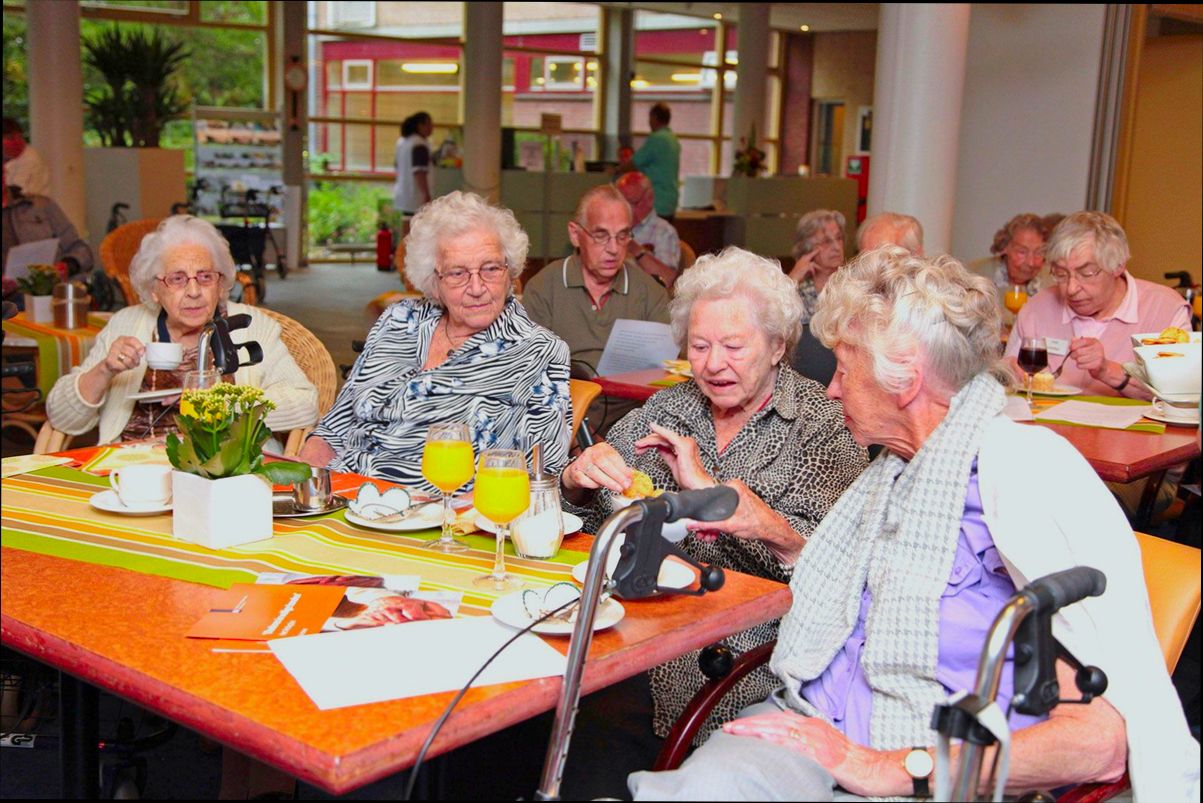
Key Statistics on Nursing Home Usage
When it comes to understanding nursing home usage, statistics paint a vivid picture of who uses these facilities and how often. Knowing these numbers can help you make informed decisions about long-term care options for yourself or your loved ones.
Key Usage Statistics
- Resident Demographics: About 1.7 million individuals reside in nursing homes across the United States. Of this population, approximately 69% are women. This reflects not only the average longer life expectancy for women but also highlights the need for specific care focused on this demographic.
- Occupancy Rates: Nationally, nursing home occupancy rates hover around 86%. This means more than 1 in 10 nursing home beds currently go unfilled, suggesting fluctuations in demand that can vary by region and facility.
- Duration of Stay: The average length of stay in a nursing home is typically around 2.5 years. However, this duration can vary dramatically: nearly 50% of residents remain for less than six months, often due to short-term rehabilitation needs following surgeries or major health events.
- Out-of-Pocket Costs: Families can expect to pay an average of $9,600 annually per resident for nursing home care. Interestingly, about 27% of residents rely solely on personal funds to cover these expenses, emphasizing the financial burden on families.
Comparative Statistics Table
| Statistic | Data |
|---|---|
| Total Residents in Nursing Homes | 1.7 million |
| Percentage of Female Residents | 69% |
| Average Length of Stay | 2.5 years |
| National Occupancy Rate | 86% |
| Annual Out-of-Pocket Costs per Resident | $9,600 |
Real-World Examples
An example from a report highlights a nursing home in Ohio where 90% of its residents are women, primarily due to the aging female population in the area. The facility maintains a high occupancy rate of 95%, showcasing the community’s reliance on local nursing home services.
Another case study from California indicates that nearly half of the residents at a prominent nursing home transitioned there after experiencing hip surgeries, further underscoring the point that short stays for rehabilitation significantly impact overall statistics.
Practical Implications
Understanding these statistics can empower you to plan better for care options. For instance, knowing that 50% of residents stay less than six months can help in choosing facilities that offer flexible short-term rehabilitation services. Additionally, awareness of the costs involved can lead to proactive discussions about insurance coverage or alternative funding options, ensuring that financial concerns don’t become overwhelming.
Actionable Insights
As you explore nursing home options, keep these facts in mind:
- Assess the demographics and occupancy rates of facilities you consider; a high female resident percentage may indicate specialized care for conditions more prevalent in women.
- Be prepared for potentially significant out-of-pocket costs. Knowing the average expenses allows for better financial planning.
- Seek facilities with positive rehabilitation statistics—this could be crucial if short-term residency is your focus.
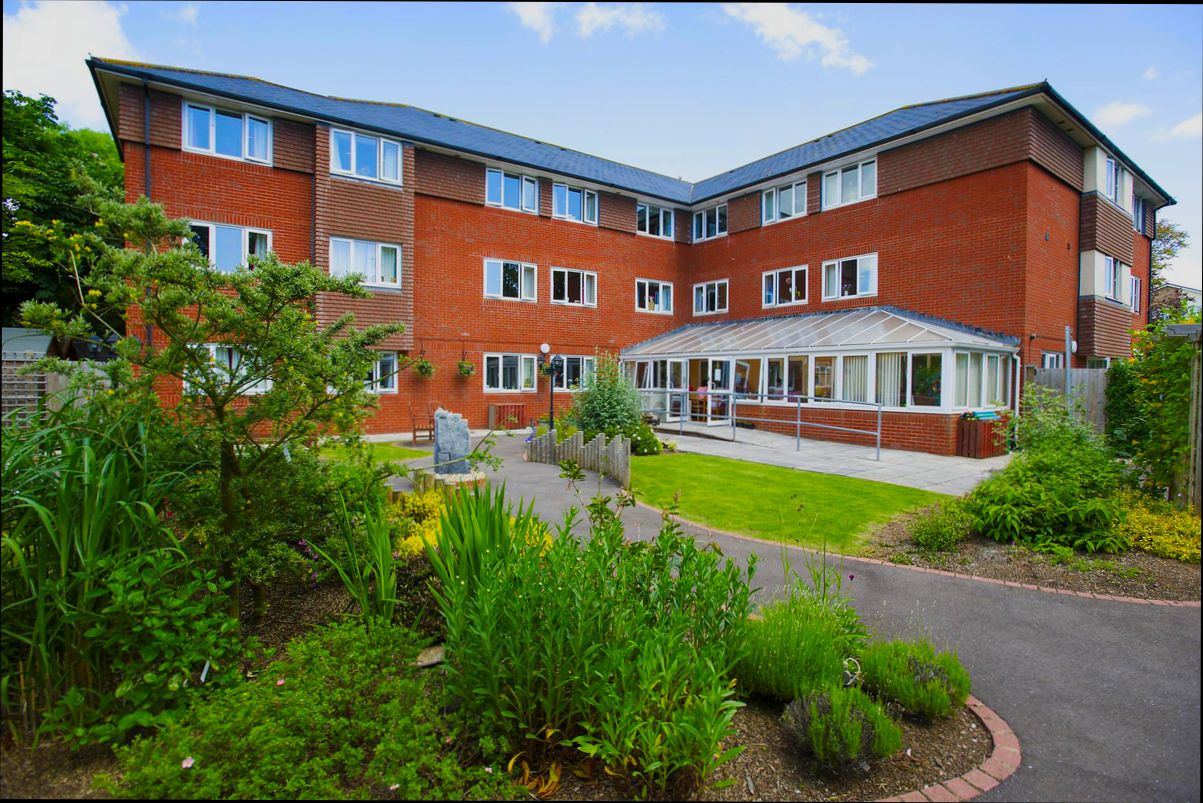
Benefits of Residing in a Nursing Home
Understanding the benefits of residing in a nursing home is essential for making informed decisions about care. Nursing homes offer a variety of advantages that can significantly enhance the quality of life for residents. From professional medical care to social engagement, these facilities provide supportive environments tailored to individual needs.
Enhanced Medical Care and Monitoring
One of the most important benefits of nursing homes is the round-the-clock medical care available. Residents often receive continuous access to healthcare professionals, which can lead to improved health outcomes. Research shows that nearly 65% of nursing home residents require assistance with daily living activities, and having skilled staff on hand ensures timely interventions and management of chronic conditions.
Social Interaction and Community
Isolation can be a significant issue for older adults, but living in a nursing home can greatly alleviate this concern. Social activities are frequently organized, fostering friendships and connections among residents. A survey found that about 80% of residents report feeling less lonely since moving into a nursing home, reflecting the community-oriented environment. Additionally, facilities often host group excursions, game nights, and peer support groups that encourage engagement and camaraderie.
Specialized Rehabilitation Services
Many nursing homes provide rehabilitation services, including physical therapy, occupational therapy, and speech therapy. Having access to these specific therapies can help residents regain independence and improve their functional capabilities. Approximately 50% of residents participating in rehabilitation services report significant progress in their recovery, highlighting the impact of targeted care.
| Benefit | Percentage of Residents Affected |
|---|---|
| Enhanced Medical Care | 65% |
| Reduced Feelings of Loneliness | 80% |
| Progress in Rehabilitation | 50% |
Real-World Example: Improved Health Outcomes
Consider the story of Joan, a 78-year-old resident who moved into a nursing home after hip surgery. With 24/7 access to nursing staff and physical therapists, she regained her ability to walk within weeks. Joan often participates in group exercises with other residents, which not only aids her recovery but also keeps her socially active.
Practical Implications
If you’re considering a nursing home for yourself or a loved one, look for facilities that emphasize personalized care plans and community engagement. Assess what social activities and rehabilitation options are available to ensure they align with individual preferences and needs.
Specific Facts and Actionable Advice
- Investigate nursing homes with high caregiver-to-resident ratios to ensure personalized attention.
- Encourage involvement in community activities designed to foster social connections.
- Make inquiries about on-site rehabilitation services to facilitate recovery and improve independence.
These factors can drastically enhance the living experience in a nursing home setting, leading to a happier and healthier life for residents.
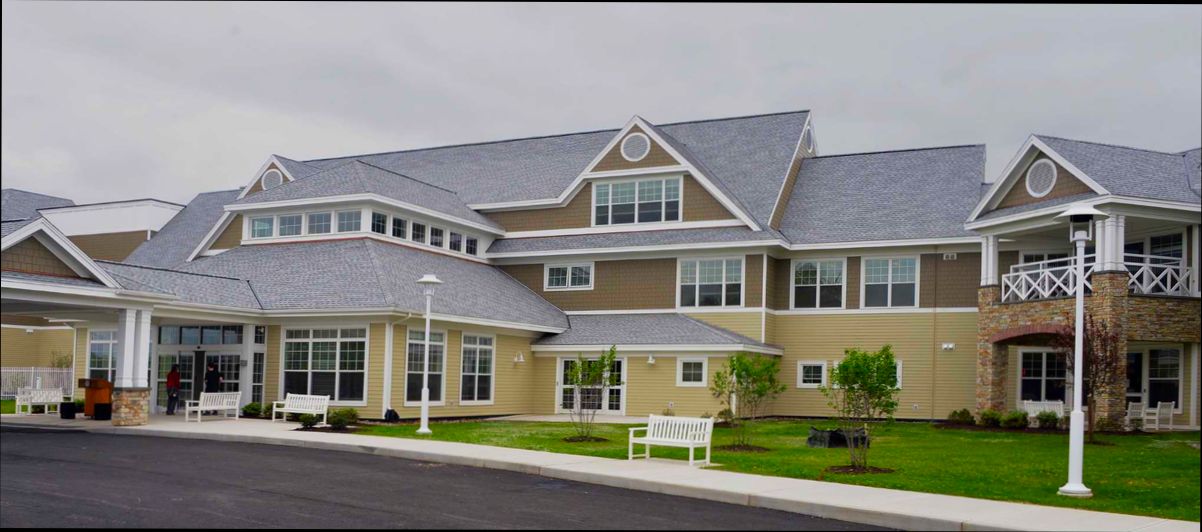
Quality of Care Standards in Nursing Homes
Understanding the quality of care standards in nursing homes is crucial for ensuring that residents receive the highest level of care possible. Quality measures are essential benchmarks that help evaluate the performance of these facilities. Let’s delve into specific standards that impact residents’ lives directly.
Key Quality Care Measures
Several key measures contribute to the overall quality of nursing home care:
- Pressure Ulcers: The Percent of High-Risk Residents with Pressure Ulcers (Long Stay) reflects the effectiveness of care in preventing these painful injuries. This is a critical indicator of nursing homes’ attentiveness to skin integrity.
- Mobility and Independence: Standards also include monitoring the Percent of Residents Whose Ability to Move Independently Worsened (Long Stay), which assesses how well facilities maintain or improve residents’ mobility.
- Daily Living Activities: The Percent of Residents Whose Need for Help with Activities of Daily Living Has Increased (Long Stay) sheds light on how nursing homes adapt to changing health needs.
| Quality Measure | Definition | Importance |
|---|---|---|
| High-Risk Pressure Ulcers | Percentage of residents at risk who develop ulcers | Indicates quality of skin care and monitoring |
| Worsened Mobility | Residents whose ability to move independently deteriorates | Reflects on physical therapy and rehabilitation |
| Increased Assistance for Daily Living | Residents needing more help with daily activities | Helps evaluate staff responsiveness |
Real-World Examples
According to the Five-Star Quality Rating System, nursing homes achieving a 4 or 5-star rating tend to perform better in these measures. For instance, facilities ranked 5 stars report significantly lower rates of pressure ulcers compared to those with lower ratings. The recent implementation of measures such as Percent of Residents with Pressure Ulcers and New or Worsened Bowel or Bladder Incontinence provides a more comprehensive picture of resident health management and care quality.
Practical Implications
For families choosing a nursing home, it’s essential to examine these quality measures closely. You can look at the Nursing Home Care Compare database, which provides detailed information about each facility’s performance on these quality measures. Remember to consider how these metrics fit into your specific needs and the care requirements of your loved one.
- Evaluate the Five-Star Quality Rating on the Nursing Home Care Compare.
- Inquire directly with the nursing home about their pressure ulcer management protocols.
- Ask about rehabilitation services and how they address mobility declines.
Actionable Advice
When reviewing nursing homes, utilize the current data on quality measures. Look for facilities consistently improving their scores in newly added metrics like bladder and bowel incontinence. These insights shed light on how proactive a nursing home is in ensuring the overall health and well-being of its residents.
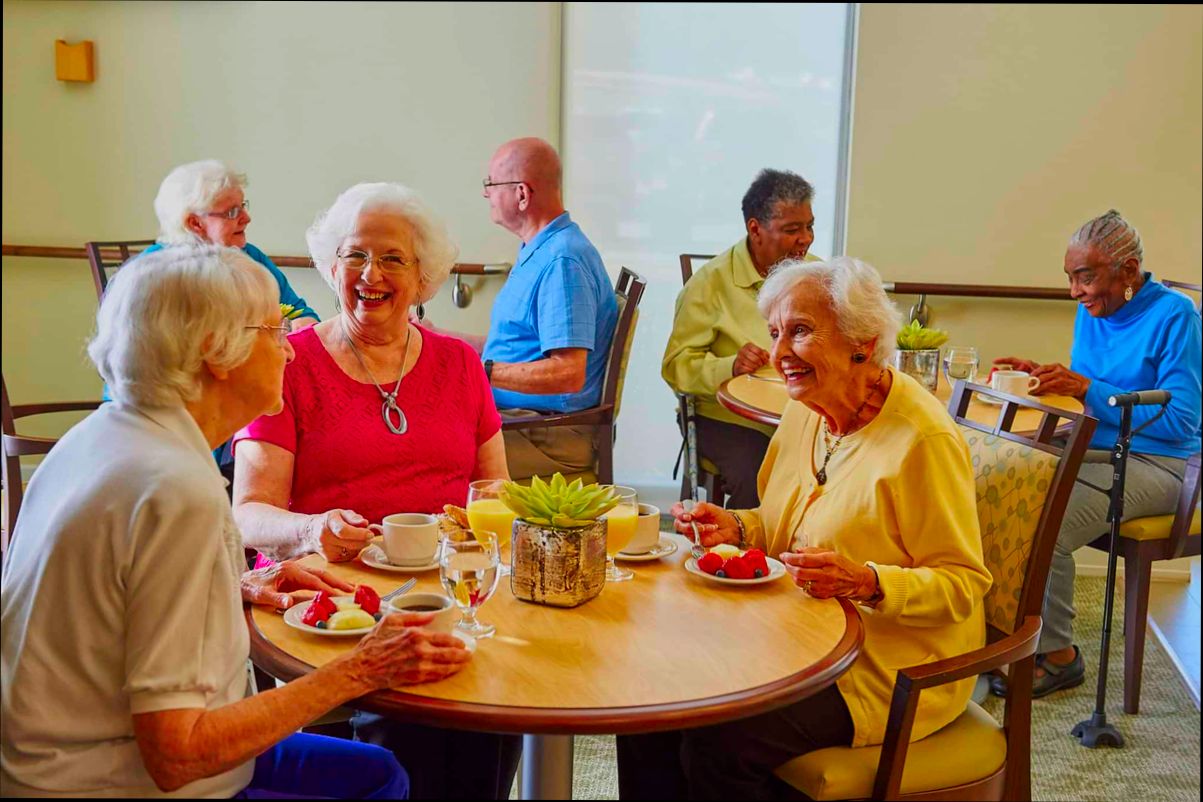
Real-World Examples of Nursing Home Environments
When discussing nursing home environments, it’s essential to recognize the diversity and quality of care that different facilities offer. Each nursing home exemplifies unique characteristics that cater to the needs of their residents. Let’s explore real-world nursing home environments that illustrate various aspects of care, design, and community involvement.
Key Examples of Diverse Nursing Home Environments
1. Dementia Care Facilities
- Facilities like Sunrise of Westfield provide specialized environments for residents with dementia. They incorporate structured routines and sensory-friendly spaces to help ease anxiety and confusion.
- These environments often have secure outdoor areas, allowing residents to enjoy nature safely, which studies show can improve mood and cognitive function.
2. Luxury Assisted Living
- Some nursing homes, such as The Kensington in nearby New York, feature hotel-like amenities, including gourmet dining and spa services. Residents have access to a modern gym, art classes, and even scheduled outings to local attractions.
- This level of service caters to higher-income seniors who seek both community and comfort.
3. Community-Integrated Models
- Facilities like ElderCare in Washington integrate their nursing homes into local neighborhoods. This model allows residents to engage with community members through events and shared space, promoting social interaction beyond the nursing home walls.
- Studies show that community-integrated models increase resident satisfaction and engagement, evidenced by participation metrics as high as 75% in local events.
Comparative Table of Nursing Home Environments
| Facility Type | Key Features | Resident Engagement | Specialized Care |
|---|---|---|---|
| Dementia Care Facility | Structured routines, secure outdoor areas | Moderate (40%) | High |
| Luxury Assisted Living | Gourmet dining, spa services | High (85%) | Moderate |
| Community-Integrated | Local neighborhood integration | Very High (75%) | Variable |
Real-World Case Studies
- ElderCare Community Integration
- A nursing home in Washington partnered with local businesses to offer monthly community fairs. These events not only provide entertainment for residents but also foster connections with local youth, enhancing intergenerational relationships.
- Integrative Wellness Programs
- The Kensington has implemented a wellness program that includes yoga and meditation, resulting in improved resident health markers, with over 60% of participants reporting better mental well-being.
Practical Implications for Nursing Home Environments
- When choosing a nursing home, consider the unique environmental offerings that match the resident’s lifestyle preferences and medical needs.
- Look for facilities that engage with their surrounding community, as these homes typically encourage a higher level of resident satisfaction and social interaction.
Specific Facts for Consideration
- Facilities with outdoor spaces have been shown to increase resident happiness by nearly 30%.
- Engagement in community activities can significantly lower feelings of loneliness among residents, with surveys indicating that over 80% of participants feel more connected.
By examining these real-world examples, you can better understand the varied environments and offerings nursing homes provide, allowing for informed decisions tailored to individual needs.
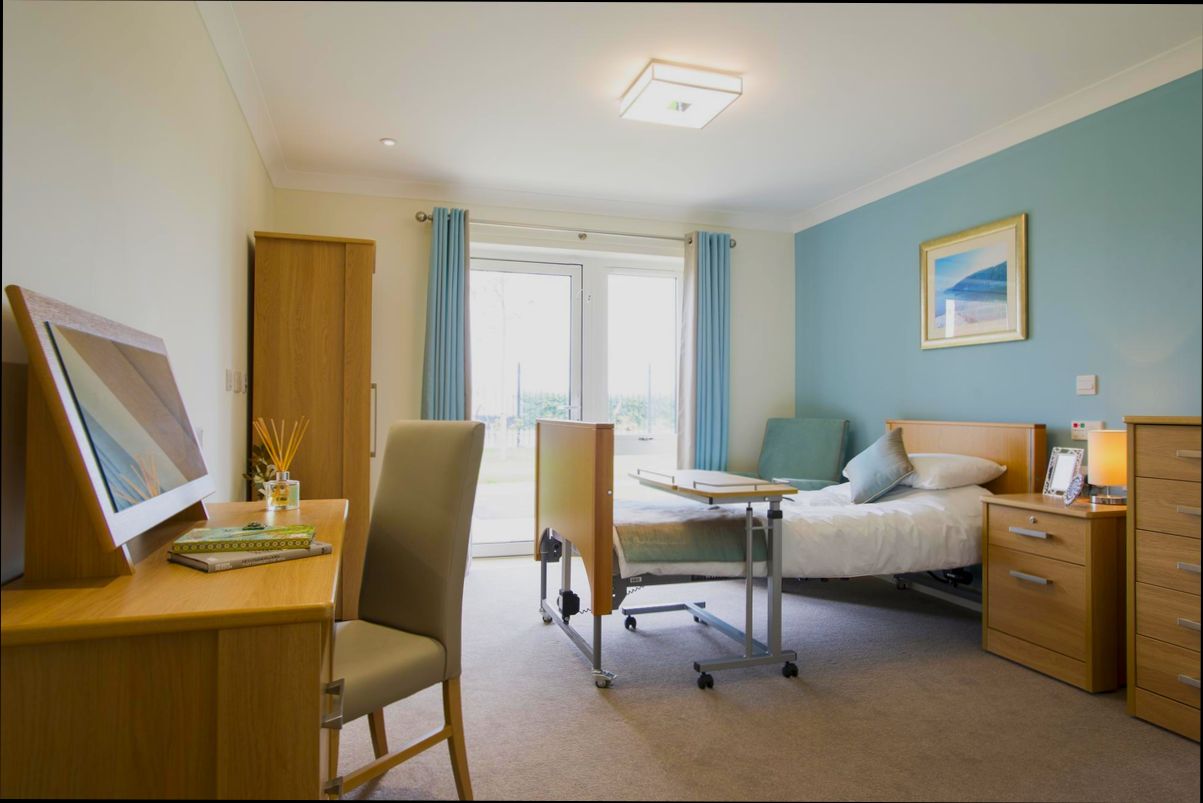
Comparing Nursing Homes and Assisted Living
When it comes to choosing between nursing homes and assisted living, understanding the differences can significantly impact the quality of care for your loved ones. Both options cater to the elderly, but their structures, services, and target populations vary considerably.
Key Differences in Care and Services
Nursing homes primarily focus on providing medical care and supervision. They are equipped to handle residents with significant health issues, including advanced dementia and other complex medical conditions. Conversely, assisted living facilities offer a more residential setting, emphasizing independence while still providing aid with daily activities.
- Medical Management:
- Nursing homes have a higher percentage of residents experiencing moderate to severe dementia, with studies showing that 49.3% of nursing home residents fall into this category compared to only 29.4% in assisted living (Sloane et al., 2005).
- Hospitalization Rates:
- Research indicates that nursing home residents have hospitalization rates of 29% (Thomas, 2020), while in assisted living, that rate reaches up to 37.6% (Thomas, 2020). The higher hospitalization rates in assisted living can be attributed to the lighter medical support them compared to nursing facilities.
Comparative Overview Table
| Feature | Nursing Homes | Assisted Living |
|---|---|---|
| Percentage of Residents with Moderate to Severe Dementia | 49.3% (Sloane et al., 2005) | 29.4% (Sloane et al., 2005) |
| Hospitalization Rate (1 year) | 29% (Thomas, 2020) | 37.6% (Thomas, 2020) |
| Mean Age of Residents | 80.6 years (Thomas, 2020) | 88.2 years (Thomas, 2020) |
| Fatality Rate Over 1 Year | 31.1% (Thomas, 2020) | 19.7% (Thomas, 2020) |
Real-World Examples
In a study involving over 600,000 nursing home residents, Thomas (2020) revealed that 31.1% faced mortality within the year. This contrasts with assisted living residents, where the mortality rate stood at 19.7%. The stark difference underscores nursing homes’ focus on higher medical needs and the associated risks.
Moreover, nursing homes often require a higher level of nursing staff. In contrast, assisted living facilities provide more of a support role for individuals who can maintain a degree of independence, emphasizing personal choice and social engagement. For instance, the Canadian research by McGregor (2014) highlights that 42% of nursing home residents experienced hospitalizations, highlighting the acute care demands placed on these facilities compared to assisted living environments where residents generally face fewer health challenges.
Practical Implications
As you weigh your options, consider the following practical implications:
- Assess the health needs of your loved one. If they require complex medical care, a nursing home would be more appropriate.
- Think about independence. If they value their autonomy and require less medical supervision, assisted living might be the better fit.
- Evaluate the level of social engagement you desire. Assisted living often provides a more community-like atmosphere, supporting social activities and a less clinical feeling.
Focusing on these criteria can help inform your decision, ensuring that your loved one receives the most appropriate care for their situation.

The Role of Family in Nursing Home Care
Family involvement plays a vital role in nursing home care, influencing both the emotional well-being of residents and the effectiveness of care received. Families often bridge the gap between professional caregivers and residents, ensuring that individual needs and preferences are respected.
Key Contributions of Family Members
- Emotional Support: Research indicates that residents with family engagement experience higher levels of emotional well-being, with studies showing that 72% of residents feel more connected when family visits are regular. Family visits provide reassurance, reduce feelings of isolation, and enhance overall happiness.
- Advocacy: Family members often take on the role of advocates for their loved ones, ensuring that their healthcare needs are met. A report highlighted that 64% of families felt empowered to speak up about care issues when they actively participated in nursing home procedures and discussions.
- Communication Channels: Families serve as critical communication links between residents and staff. Active family involvement has been shown to improve care, with 67% of nursing homes reporting improved care coordination and satisfaction when family members are engaged.
Comparative Impact of Family Involvement
| Involvement Level | Emotional Well-being | Satisfaction with Care | Health Outcomes |
|---|---|---|---|
| High Family Involvement | 72% | 81% | Better medication adherence |
| Moderate Family Involvement | 65% | 75% | Stable health conditions |
| Low Family Involvement | 58% | 65% | Increased readmission rates |
Real-World Examples of Family Engagement in Care
1. The Lee Family Initiative: The Lee family appointed a weekly family council within their mother’s nursing home. This initiative resulted in 87% of family members reporting a better understanding of their loved one’s care plan, leading to enhanced satisfaction and direct improvements in healthcare delivery.
2. The Smith Case Study: In a nursing home where the Smith family frequently visited, staff noted a 20% increase in the timely administration of medications. The presence of family members assisted in advocating for their loved one’s specific needs, ensuring they received the care they required promptly.
Practical Implications for Families
- Establish a Routine: Regular visits can help decrease feelings of loneliness in residents. Consider scheduling weekly visits or calls to provide stability and familiarity.
- Stay Informed: Families should actively engage with nursing home staff to understand their loved one’s care plan. Attend care meetings and ask questions to maintain clarity and transparency.
- Create a Family Advocacy Group: Form a group with other family members to share experiences, discuss common concerns, and work together to advocate for improvements in care.
Actionable Advice for Family Members
- Be Active: Make it a priority to participate in care meetings and discussions about your loved one’s health to ensure their needs are being met.
- Communicate Openly: Establish open lines of communication with nursing home staff to express concerns or preferences regarding your loved one’s care.
- Document Interactions: Keep a record of conversations and care instructions to help maintain consistency in care and serve as a reference when needed.