Blog
Under Construction or Ready Property Which is the Better
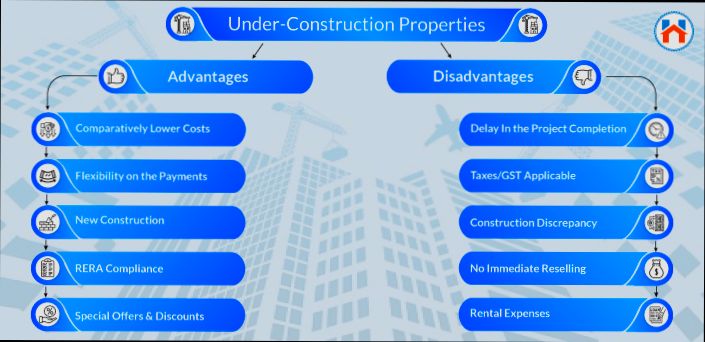
Under Construction or Ready Property—Which is the Better? It’s a question that pops up for anyone diving into the real estate pool. Imagine you’re eyeing that sleek apartment in a buzzing neighborhood, but it's just a skeleton waiting for paint and finishes. On one hand, under-construction properties often come with attractive price tags. A recent data point shows that buying pre-sale can save you as much as 15% compared to similar ready homes. Plus, you're stepping into a world where you might just pick your finishes! But don’t overlook ready properties; they come with the perk of immediate occupancy and no waiting game. Picture this: you walk in, love the vibe, and in just a week or two, you could be hanging up your artwork instead of checking on construction updates.

Understanding Property Investment Timing in Emerging Markets
Master the art of timing property investments in emerging markets. Learn to recognize market signals, evaluate infrastructure development, and identify the perfect moment to enter growing real estate markets for maximum returns.
Unemployment Rate in Málaga
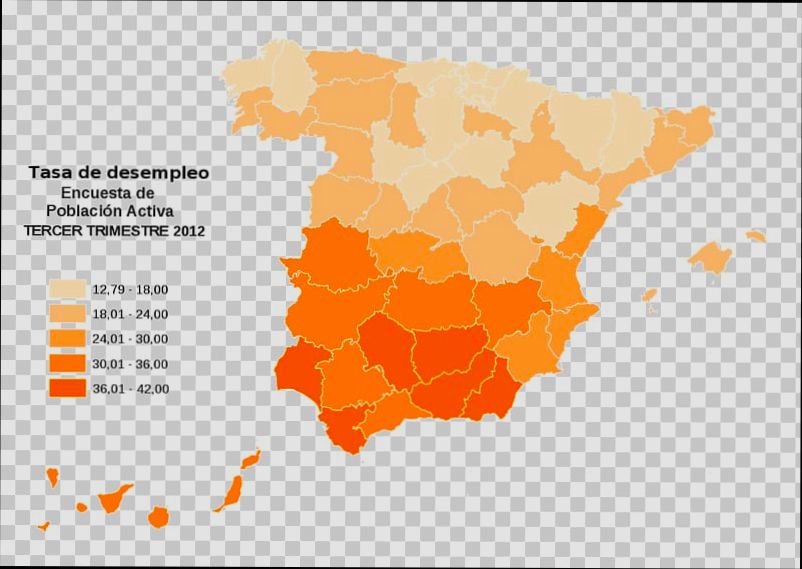
Unemployment Rate in Málaga is quite the topic of conversation these days. As of early 2023, the unemployment rate in this picturesque Andalusian city hovered around 18%, a figure that's a bit disheartening for many locals. Just stroll down the streets of the historic center and you’ll feel the mix of optimism and struggle. Recent data indicates that younger generations bear the brunt of this issue, with youth unemployment soaring to over 36%. You can almost sense the weight of that statistic in the air while enjoying a café con leche at your favorite spot.

US Citizens Moving to Spain Visas Costs and Property
US Citizens Moving to Spain Visas Costs and Property can feel like a whirlwind of excitement and confusion. If you’re a U.S. citizen dreaming of tapas, sunny beaches, and rich culture, Spain offers several visa options to make that dream a reality. For instance, the Non-Lucrative Visa, which lets you live in Spain without working, typically requires proof of financial stability, showing you have around €27,115 in savings per year, plus €6,778 for each additional family member. It’s a bit of a hefty sum, but many Americans feel it’s worth it for the lifestyle change.
Utilities in Spain Electricity Gas Water Costs
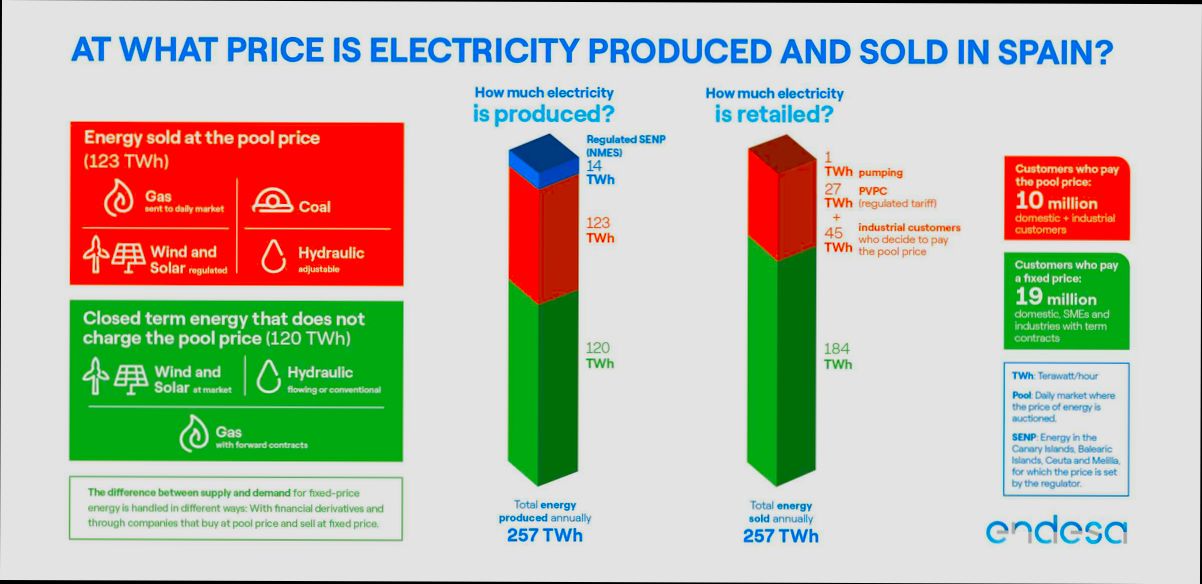
Utilities in Spain Electricity Gas Water Costs can really catch you off guard if you're not prepared. Take electricity, for instance—Spain's average electricity bill hovers around €100 a month, but it can easily spike depending on your usage or the time of year. In the summer, air conditioning can shoot those bills up by 50% or more! Meanwhile, gas prices are also on the rise, with household costs averaging €50 per month, especially with the volatile global energy market throwing things into disarray.

What are Capital Gains Tax and Plusvalia Tax in Spain
What are Capital Gains Tax and Plusvalia Tax in Spain? Imagine you bought a quaint little apartment in Madrid for €200,000 and sold it a few years later for €300,000—nice profit, right? Well, the Spanish government wants a piece of that action! The Capital Gains Tax applies here, usually around 19% to 23% depending on your profit bracket. For example, if you pocket €100,000 from that sale, you might end up shelling out €19,000 to €23,000 in taxes, depending on how the rest of your financial year shapes up. It’s not just your usual tax; it directly impacts the rewards of real estate investment and can surprise many who think they’re riding high.
What are Community Fees in Spanish Apartment Complexes
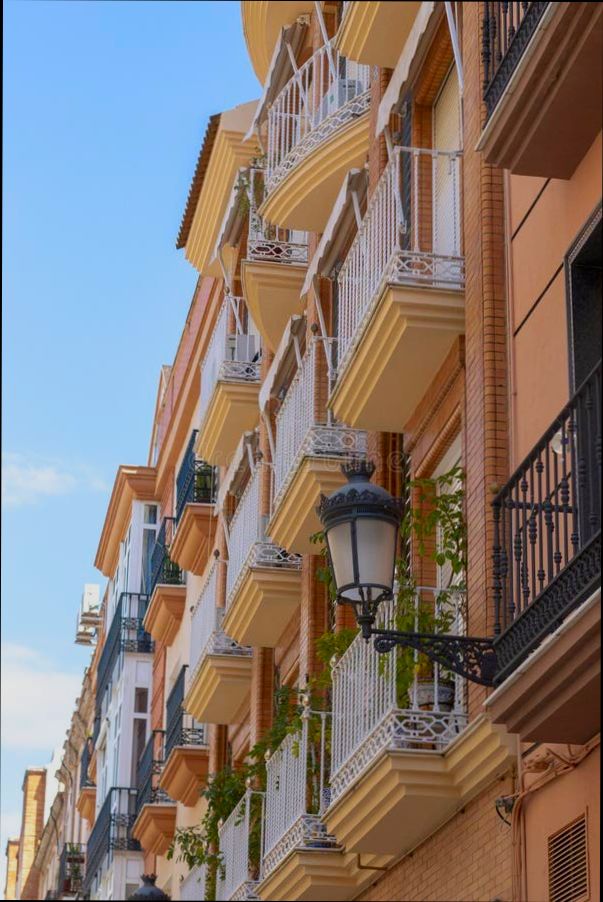
What are Community Fees in Spanish Apartment Complexes? Estas tarifas son una parte esencial de la vida en muchos complejos residenciales en España, y es bueno tener claro de qué van. Por lo general, estas cuotas varían según el tamaño del complejo y los servicios que ofrece; podrían ir desde unos 50 hasta 300 euros al mes. Por ejemplo, si vives en un complejo que cuenta con piscina, gimnasio y jardines bien cuidados, es probable que tu cuota sea más alta; sin embargo, esos servicios pueden marcar la diferencia en la calidad de vida y el valor de la propiedad.
What are HOA Fees
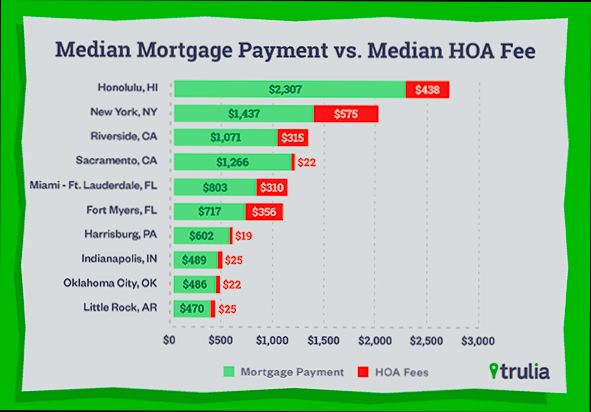
What are HOA fees? Simply put, they’re the monthly or annual dues that you pay if you live in a community governed by a homeowners association (HOA). Think about it: when you move into a condo, townhouse, or a gated neighborhood, those fees help cover the costs of maintaining shared amenities and services. For example, if you enjoy lounging poolside or walking through beautifully landscaped gardens, those gorgeous spaces don’t take care of themselves—they're funded by HOA fees. On average, these fees can range anywhere from $200 to over $1,000 per month, depending on factors like location and the level of amenities.
Tags