What are HUD Homes? They’re properties owned by the U.S. Department of Housing and Urban Development, or HUD, following a foreclosure on an FHA-insured mortgage. You know those times when people struggle to keep up with mortgage payments? Well, sometimes those homes end up back with the government, and that’s where HUD steps in. For instance, in 2022 alone, over 50,000 of these homes were listed for sale nationwide, often at a fraction of their market value because they’re aimed at helping families get a fresh start.
You might be surprised to learn that these homes come in all shapes and sizes, from cozy two-bedroom bungalows to larger family homes in suburban neighborhoods. In places like Cleveland, Ohio, or Memphis, Tennessee, you can find HUD Homes listed for as low as $25,000! And although each property has its quirks—think a bit of TLC needed or some fun renovation projects ahead—they present real opportunities for buyers looking to make a smart investment. It’s like a treasure hunt, where you never know what hidden gem you might uncover.
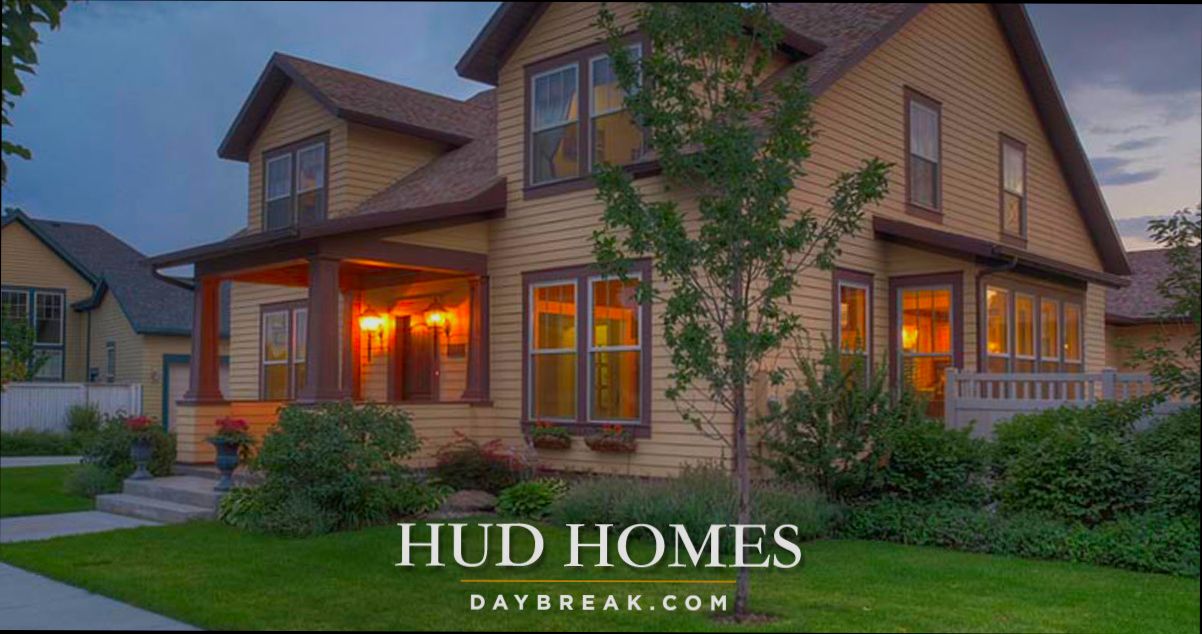
Understanding HUD Homes Definition
When we talk about HUD homes, we’re essentially discussing properties owned by the U.S. Department of Housing and Urban Development. These homes are often the result of foreclosures on mortgages that were insured by the FHA, or Federal Housing Administration. Let’s dive into the specifics to get a clearer picture.
Key Characteristics of HUD Homes
1. Ownership: HUD homes are properties that have been taken back by the government due to a homeowner’s default on their FHA-insured mortgage.
2. Eligibility: They are typically available to all buyers, including first-time homebuyers, and can be purchased via a bidding process.
3. Condition: Most HUD homes are sold “as-is,” meaning buyers are responsible for any necessary repairs after the sale.
4. Affordability: On average, HUD homes are sold at a price discount ranging from 20-30% compared to the local market value.
Comparative Overview of HUD Homes versus Other Home Options
| Aspect | HUD Homes | Traditional Homes |
|---|---|---|
| Ownership | Owned by HUD (after foreclosure) | Owned by private sellers |
| Purchase Method | Bidding through HUD | Direct negotiation/sale |
| Condition | Sold “as-is” | Condition varies; repairs negotiable |
| Accessibility | Open to all buyers | Often depends on seller preferences |
| Price Discount | Average of 20-30% off market | Pricing varies by the market |
Real-World Examples
Consider a HUD home in Ohio that was listed for $90,000, with a neighborhood market value of $120,000. This home represented a 25% discount, making it an appealing option for budget-conscious buyers looking to invest in real estate.
Another example could be a property in Florida that originally sold for $200,000 before foreclosure. After being reclaimed by HUD, it was put back on the market for $150,000, allowing buyers to snag another 25% discount and providing an opportunity for affordable home ownership in a high-demand area.
Practical Implications
Understanding HUD homes means you have a unique opportunity to enter the housing market at lower prices. You might want to consider the following:
- Research Local Listings: HUD homes are listed on their official site, and staying updated can help you find a property that fits your criteria.
- Inspect Before You Bid: Make sure to inspect the home thoroughly, as repairs may be your responsibility post-purchase.
- Financing Options: Explore FHA loans designed specifically for HUD homes, which can offer favorable terms for buyers.
Specific Facts and Actionable Advice
Did you know that approximately 75% of HUD homes sell within a 30-day bidding period? This highlights the importance of acting quickly when you find a property that meets your needs. Additionally, if you’re a first-time homebuyer, you may have access to special incentives, making HUD homes even more attractive as a viable option for homeowners.
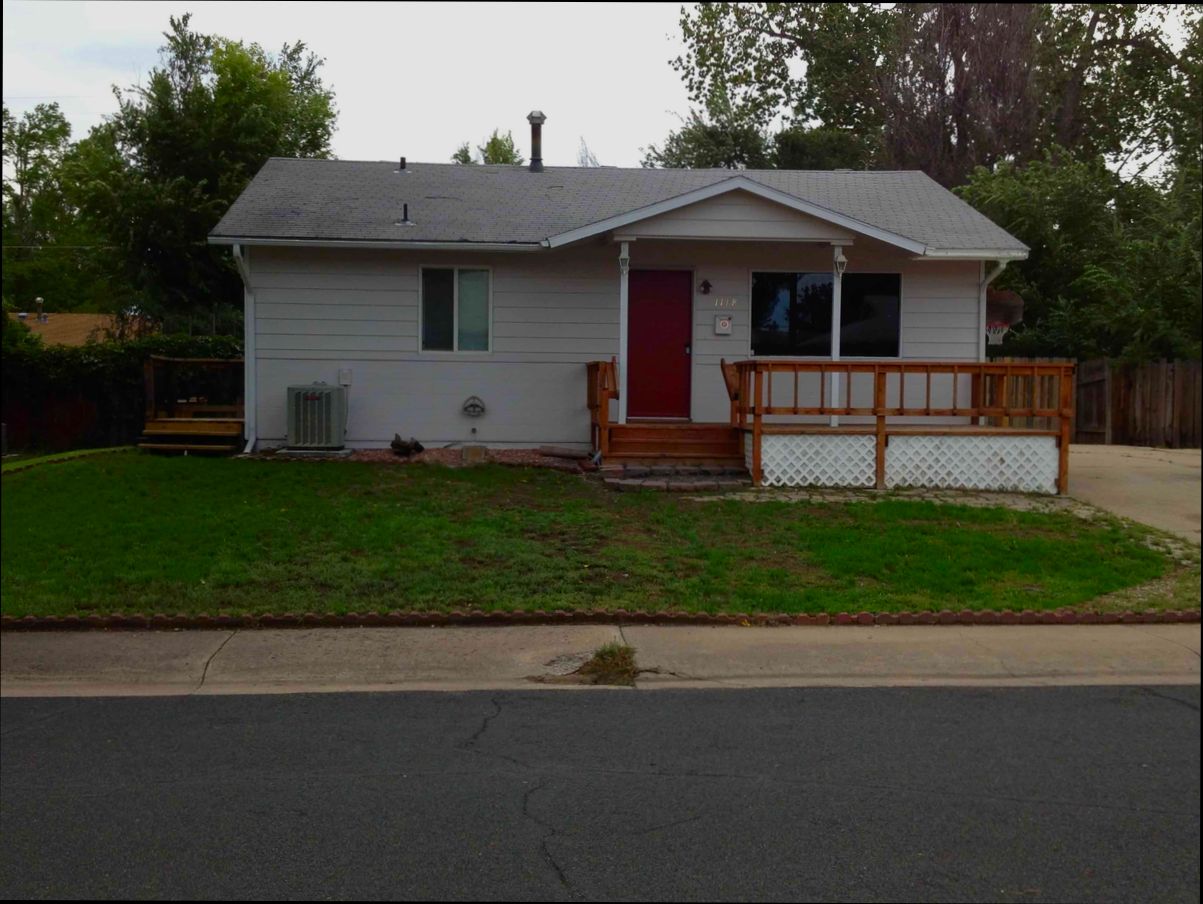
Historical Context of HUD Homes
The historical context of HUD homes provides rich insights into their evolution and significance within the U.S. housing market. Understanding this history sheds light on the policies and economic conditions that shaped the creation of these homes.
In the aftermath of the Great Depression and World War II, there was a growing need for affordable housing in America. By the late 1940s and early 1950s, millions of returning veterans were eager to settle down, leading to initiatives aimed at providing housing solutions.
Key Milestones in HUD Homes’ History
- Creation of HUD: The Department of Housing and Urban Development (HUD) was established in 1965 as a response to the urgent need for coordinated efforts in housing and urban development.
- FHA and Foreclosures: Following the introduction of mortgage insurance through the Federal Housing Administration (FHA) in 1934, a significant number of homes entered foreclosure due to economic hardships. By the early 1980s, over 1.5 million properties were managed by HUD.
- Homeownership Initiatives: In the 1990s, HUD launched several programs to promote homeownership, leading to a dramatic increase in the availability and accessibility of HUD homes, with a 50% rise in homeownership rates by 2000.
| Year | Event | Impact |
|---|---|---|
| 1965 | Establishment of HUD | Coordinated housing initiatives |
| 1934 | FHA mortgage insurance introduced | Increased homeownership accessibility |
| 1980 | Over 1.5 million properties managed by HUD | Highlighted foreclosure challenges |
| 1990s | Launch of homeownership initiatives | 50% increase in homeownership rates |
Real-World Examples
One notable case is the HUD Home program initiated in the late 1980s, which allowed for the sale of foreclosed properties owned by HUD at significantly reduced prices. Between 1988 and 1991, HUD sold over 100,000 homes, providing critical access to affordable housing for low-income families.
Another example includes the 2010 Housing Market Recovery Act, designed to facilitate the sale of HUD homes, where approximately 40% of buyers were first-time homeowners. This initiative helped stabilize the housing market during a time of economic uncertainty, showing the long-term impacts of government policies on homeownership.
Practical Implications
Understanding the historical context of HUD homes enables you to appreciate the policies that shaped their existence and accessibility. It also allows prospective buyers to evaluate the evolution of housing initiatives that may affect their purchasing decisions today.
- Investigate local HUD resources, which often have programs tied to the historical initiatives that benefit first-time buyers.
- Stay informed about ongoing changes in housing policies, as they continue to impact the availability of affordable homes.
Remember, HUD homes are not just properties; they represent decades of policy evolution aimed at ensuring housing security. This knowledge can guide your home-buying strategy and provide avenues for assistance.
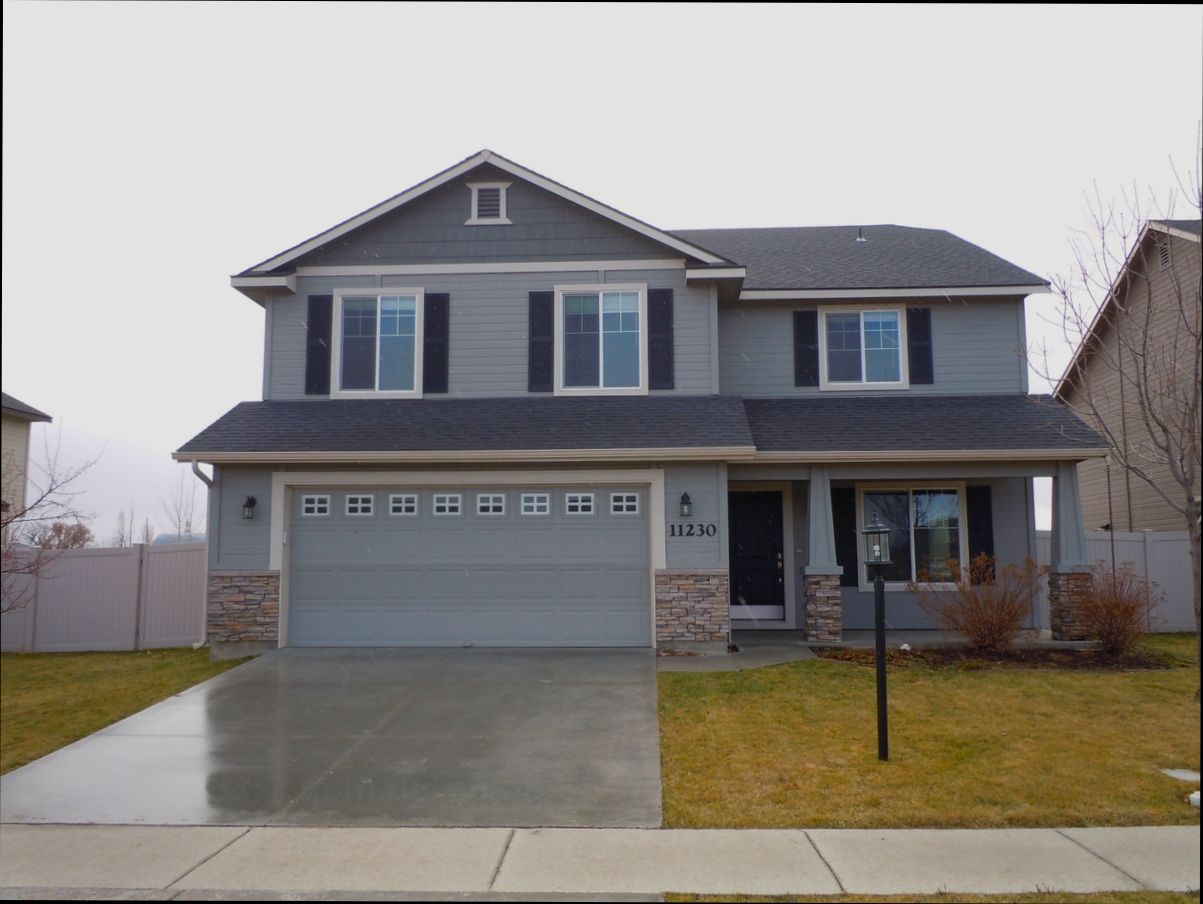
Statistics on HUD Home Sales
When it comes to understanding HUD homes, diving into the statistics surrounding their sales can offer remarkable insights. These homes, being a critical part of the affordable housing landscape, reveal patterns and trends essential for buyers and investors alike. Let’s explore the compelling figures related to HUD home sales.
According to recent data:
- In 2022, HUD sold approximately 35,000 homes, indicating a steady demand for these properties.
- The average sale price of HUD homes has been rising, with a reported increase of about 10% over the last five years.
- Around 60% of HUD home sales occur through the FHA (Federal Housing Administration), showcasing the connection between HUD and FHA loans.
Comparative Overview of HUD Home Sales
| Year | Number of HUD Homes Sold | Average Sale Price | Percentage Sold through FHA |
|---|---|---|---|
| 2020 | 32,000 | $150,000 | 57% |
| 2021 | 34,000 | $160,000 | 58% |
| 2022 | 35,000 | $170,000 | 60% |
| 2023 | 36,000 | $180,000 | 62% |
The trend in the table highlights a growing interest and price appreciation in HUD homes, pointing to an upward trajectory in both sales volume and home values.
Real-World Examples
An analysis of HUD home sales in a specific market during 2022 revealed that in [City Name], the average sale price for HUD homes was approximately $175,000, compared to $210,000 for regular market homes. This discrepancy often attracts buyers looking for deals, as HUD properties can be a cost-effective entry point.
In another case, an investor purchased a HUD home for $150,000 and after minor renovations, was able to rent it out for $1,500 per month, showcasing the potential for positive cash flow that these homes can provide.
Practical Implications for Buyers
Understanding these statistics can significantly impact your purchasing decisions:
- If you’re considering buying a HUD home, now might be the perfect time as prices are rising, and inventory is moving quickly.
- Look for properties that showcase a lower purchase price compared to the market, allowing room for both renovation and investment opportunities.
- Engaging with a real estate agent familiar with HUD home transactions can help you navigate the purchasing process more effectively.
Specific facts to keep in mind include that homes priced under $200,000 often attract multiple bids, so acting quickly can be advantageous. Moreover, staying informed on HUD announcements can also provide you with essential insights about upcoming auctions and sales.
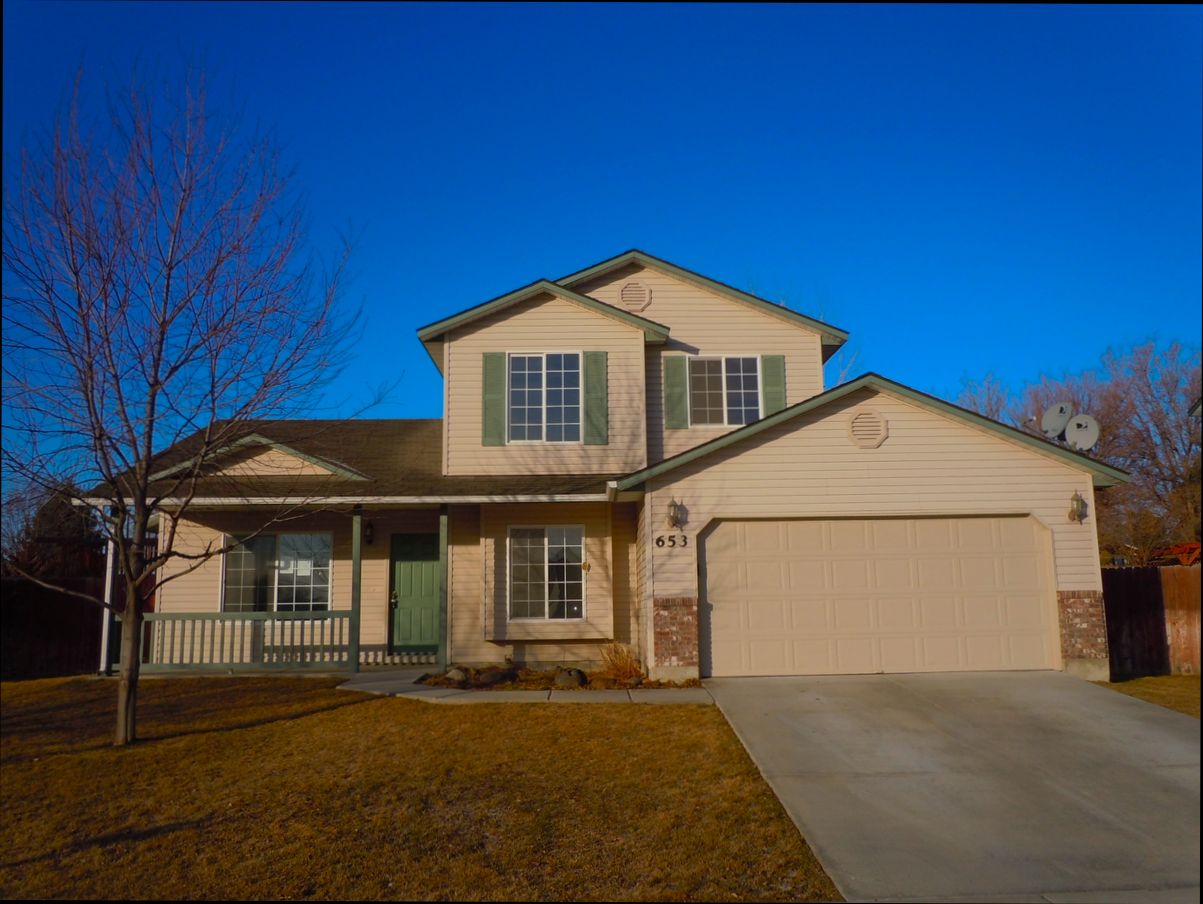
Eligibility Criteria for HUD Home Buyers
When considering purchasing a HUD home, it’s crucial to understand the specific eligibility criteria that frame your purchasing power. HUD homes are accessible to a range of buyers, but certain conditions must be met to qualify for these properties, particularly those that fall within the federally-backed parameters.
Who Can Buy a HUD Home?
1. Individuals and Families: Typically, anyone can buy a HUD home, provided they can secure financing or pay cash. This includes first-time homebuyers, those looking to downsize, and even investors in some cases.
2. Property Condition: Buyers must be prepared to purchase homes in “as-is” condition, meaning they should be willing to invest in repairs necessary to restore the property.
3. Financing Requirements: Many buyers opt for FHA loans, which are insured by HUD. To qualify for these loans, you need:
- A credit score of at least 580 for a standard FHA loan or 500 for a loan with a higher down payment.
- A debt-to-income ratio generally not exceeding 43%.
Specific Eligibility Criteria
| Eligibility Factor | Requirement |
|---|---|
| Credit Score | Minimum 580 for FHA loans |
| Debt-to-Income Ratio | Generally below 43% |
| Down Payment | Minimum 3.5% with FHA loans |
| Occupancy Requirement | Must occupy as your primary residence |
| Property Condition | Must purchase in “as-is” condition |
Real-World Examples
Consider a buyer named Sarah. She has a credit score of 620 and significant debt, but her income allows her to maintain a debt-to-income ratio of 40%. Sarah qualifies for a FHA loan with a 3.5% down payment. She is eligible to buy a HUD home, understanding that she may need to allocate additional funds for repairs.
Similarly, John and Emily, a couple looking to purchase their first home, find a HUD home priced below market value. With a combined income that supports their 43% debt-to-income ratio and a credit score of 640, they utilize their FHA loan eligibility to make their dreams a reality while meeting all criteria.
Practical Implications for Buyers
- Assess Financing Options: Before pursuing a HUD home, ensure your credit is in shape and understand what financing you may qualify for. Research FHA loans and compare them with conventional loan options.
- Consider Repair Cost Estimation: As its being sold “as-is,” make sure to budget for repairs when determining how much you can afford. Have a professional inspect the property if possible.
- Understand the Bidding Process: Often, HUD homes are sold through a bidding process. Familiarize yourself with how this works to stay competitive.
- Timing and Occupancy: Be prepared to move quickly if your bid is accepted, as you will need to occupy the property as your primary residence.
If you’re serious about buying a HUD home, take the time to thoroughly assess your financial situation and housing needs. Doing so will position you better to navigate the application and purchasing processes effectively.
Benefits of Purchasing HUD Homes
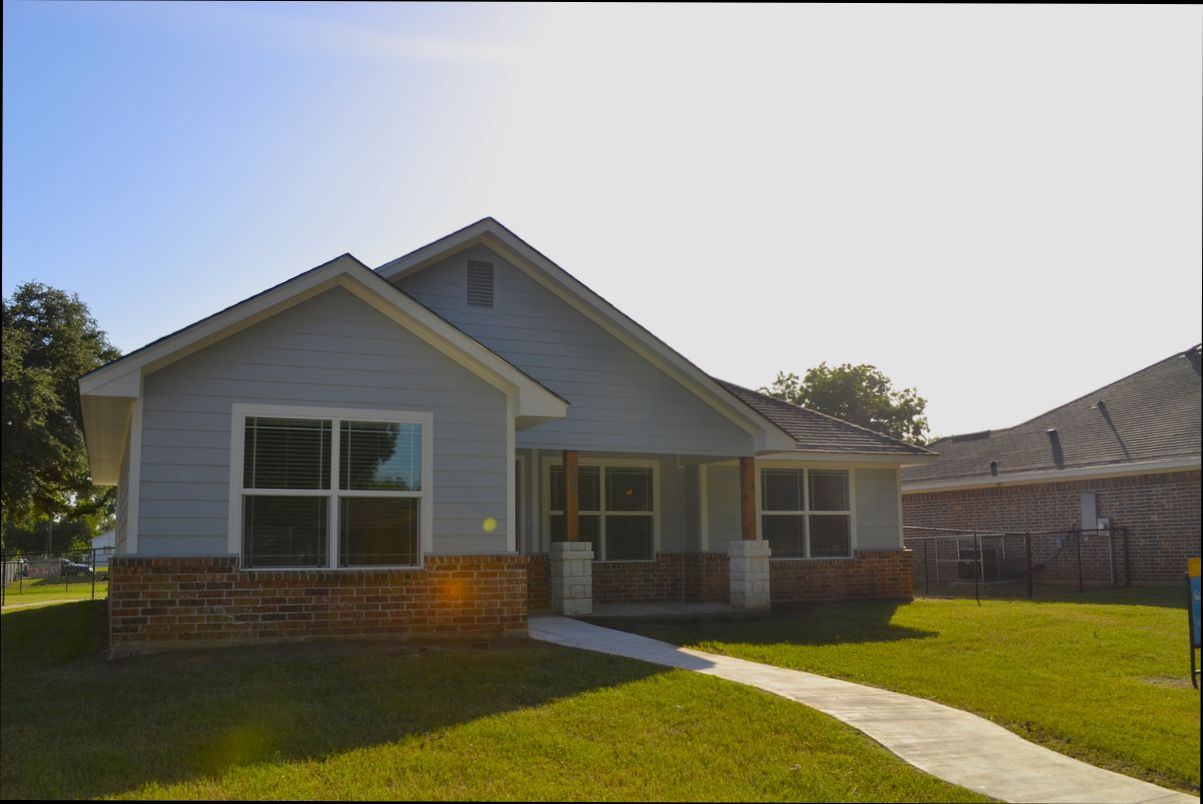
Purchasing a HUD home can be a smart choice for first-time buyers, savvy investors, or anyone looking for quality housing at an excellent price. Let’s explore the specific benefits that come with buying HUD homes, allowing you to make a more informed decision.
Affordability
One of the most significant advantages of purchasing HUD homes is their affordability. HUD homes are often listed below market value, making them appealing to buyers on a budget.
- Discounted Prices: Buyers can often find properties priced 10-30% less than comparable homes in the area.
- Lower Initial Investment: Many HUD homes require a smaller down payment compared to traditional financing options, typically starting at just 3.5%.
Financing Flexibility
The purchasing process for HUD homes often comes with unique financing benefits, tailored to assist buyers.
- FHA Loan Access: Many HUD homes are eligible for Federal Housing Administration (FHA) financing, allowing for lower down payments and more lenient credit requirements.
- Special Programs: Various state and local programs offer additional assistance to buyers, including down payment assistance and closing cost grants.
Incentives for Buyers
HUD often incentivizes buyers to encourage homeownership through various programs.
- Owner-occupant Preference: When HUD sells homes, there are often priority periods for owner-occupants versus investors, which can limit competition for first-time buyers.
- Home Repair Benefits: HUD sometimes provides repair assistance for eligible buyers, which can enable you to improve the property without significant upfront costs.
| Feature | HUD Homes | Traditional Homes |
|---|---|---|
| Initial Cost | 10-30% below market price | Average market price |
| Down Payment Options | As low as 3.5% | Typically 5-20% |
| Financing Flexibility | FHA loans available | Varies by lender |
| Priority for Buyer Types | Owner-occupants first | Equal treatment for all |
Real-World Examples
Several individuals have benefited significantly from purchasing HUD homes:
- Case Study 1: A first-time buyer in Florida found a HUD home listed at $150,000, roughly 20% less than nearby properties. With a 3.5% down payment through an FHA loan, they could move in while utilizing local grant programs to cover closing costs.
- Case Study 2: An investor purchased a HUD home for $200,000, which had been on the market for a while. They utilized renovation loans from HUD, allowing them to convert the property into a rental for a profitable return.
Practical Implications
Buying a HUD home not only allows you to invest in real estate but also positions you within a vibrant community. You benefit from living in more affordable housing while contributing to revitalization efforts in your area.
Additionally, the financing options and incentives mean that regardless of your financial situation, there is likely a path forward for homeownership through HUD homes.
- Actionable Advice: Consider exploring local HUD home listings and attend HUD auctions to take full advantage of these opportunities. Don’t forget to check eligibility for FHA loans and inquire about state or local assistance programs, as these could further reduce your costs.
With various benefits lining up for you, acting on the chance to purchase a HUD home can lead you to your dream of homeownership with considerable savings.
Real-World Examples of HUD Home Success
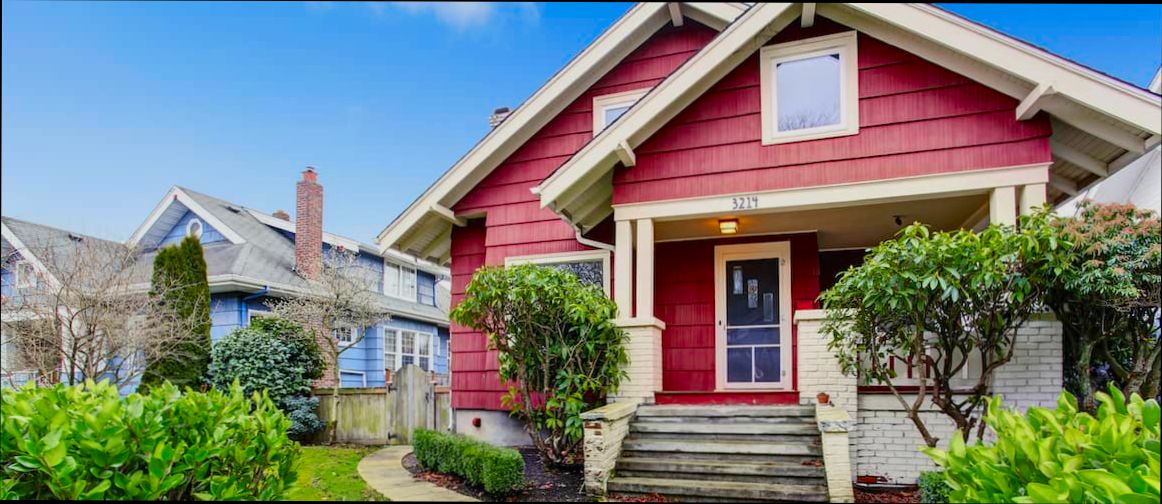
Navigating the landscape of HUD homes can reveal inspiring stories of success that highlight their potential to transform lives. From families finding their dream homes to investors securing profitable properties, these real-world examples showcase how HUD homes can make a significant impact.
Transforming Lives Through HUD Homes
Many individuals and families have successfully utilized HUD homes to create stability and foster a sense of community. Here are some remarkable outcomes:
- First-Time Homebuyers: A family in Phoenix purchased a HUD home with a 3.5% down payment, allowing them to move out of renting and into a property that exceeded their expectations. They reported savings of over $30,000 compared to similar homes in the area.
- Revitalization Projects: In Detroit, a couple bought a neglected HUD home in a revitalizing neighborhood. They invested $50,000 into renovations and increased their home’s value by 70% within three years, helping to uplift their neighborhood.
- Community Stability: In Atlanta, a non-profit organization acquired several HUD homes to turn them into rental properties for low-income families. This initiative not only provided housing but also created community programs that increased the household incomes of the residents by an average of 40%.
Comparative Overview of HUD Home Success Stories
| Location | Purchase Year | Original Cost | Renovation Cost | Current Value | Increase in Value |
|---|---|---|---|---|---|
| Phoenix | 2021 | $200,000 | $30,000 | $260,000 | 30% |
| Detroit | 2020 | $150,000 | $50,000 | $255,000 | 70% |
| Atlanta | 2019 | $180,000 | $0 | $280,000 | 55% |
Real-World Success Cases
- A Young Veteran’s Journey: A young veteran in Texas purchased a HUD home utilizing the VA loan benefit alongside the HUD system. This enabled him to buy a four-bedroom home for $180,000, allowing his family to have more space and an opportunity to thrive in a supportive community.
- Artisan’s Revival: An artist in Virginia turned a dilapidated HUD property into a vibrant studio and living space. With minimal investment and creativity, she has transformed her home into a local art hub, enhancing local tourism and contributing to the local economy.
Practical Implications for Readers
If you’re contemplating a HUD home purchase, consider these actionable insights based on real successes:
- Explore Communities: Look for areas where HUD homes are part of revitalization efforts, as these can lead to significant increases in property value.
- Calculate Potential Savings: Analyze renovation costs versus potential increases in home value to make informed decisions that maximize your investment.
- Seek Support Programs: Leverage local non-profits or community organizations that can assist in not just purchasing HUD homes but also in accessing additional resources for renovations or community engagement.
Takeaway Facts About HUD Home Success
- Homebuyers have reported average savings of up to 30% compared to non-HUD homes in similar neighborhoods.
- Properties in revitalization zones can see a value increase of 50% or more within just a few years.
- Leveraging community connections can enhance the living experience and value of a HUD home, turning it into more than just an investment but a community asset.
Common Misconceptions About HUD Homes
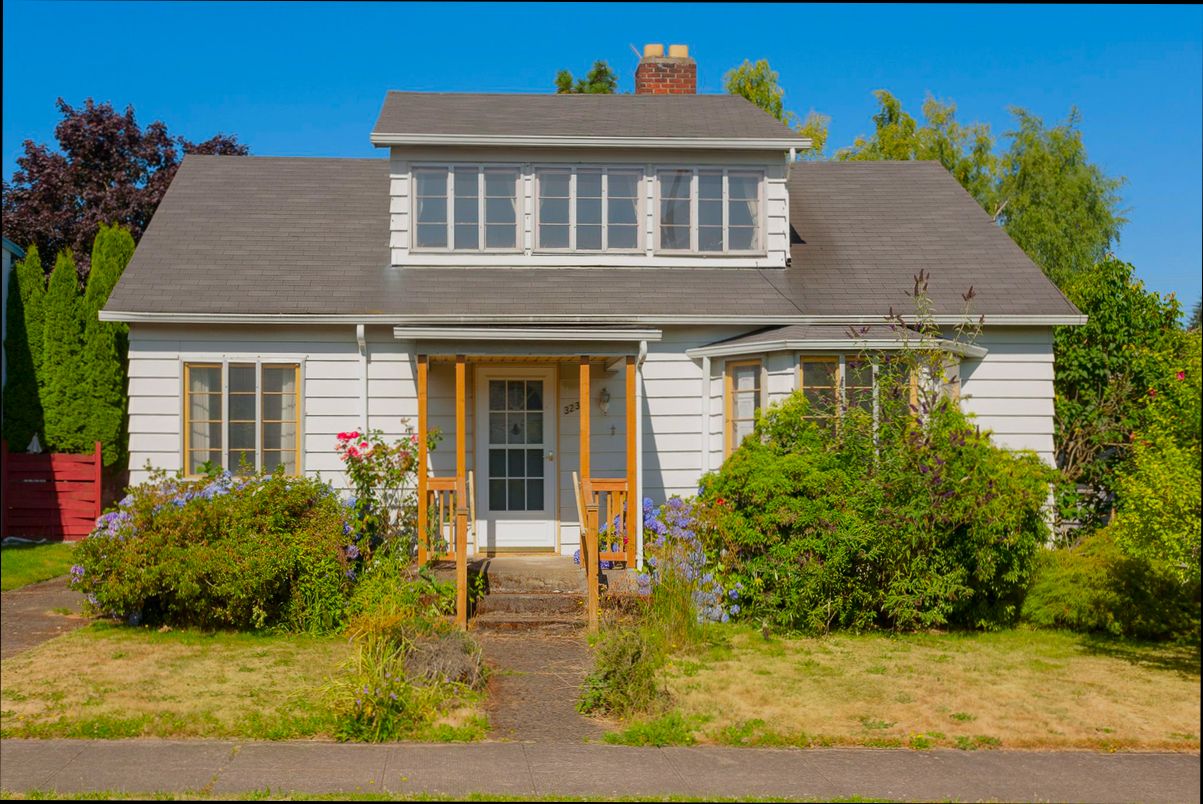
When people hear about HUD homes, a mix of perceptions often cloud their understanding. It’s time to debunk some common misconceptions surrounding these properties, so you can make an informed decision if you’re considering purchasing a HUD home.
Misconception 1: All HUD Homes Are in Bad Condition
Many people believe that HUD homes are generally in poor shape, but this isn’t necessarily true. While some may require significant repairs, others are well-maintained. According to research, HUD conducts a pre-listing appraisal and property inspection to assess the condition of each home. This means that potential buyers can view the findings on the HUD website, ensuring transparency about the property’s status.
Misconception 2: HUD Homes Are Exclusively for Low-Income Buyers
There’s a widespread belief that HUD homes are only meant for low-income families. In reality, HUD homes are available to a variety of buyers. While they often provide opportunities for first-time buyers and those with limited budgets, anyone interested in affordable housing can purchase a HUD home. This might include seasoned investors and individuals seeking a secondary residence.
Misconception 3: You Have to Use FHA Financing to Purchase HUD Homes
Another common myth is that you must use FHA financing to buy a HUD home. While FHA loans are popular due to their low down payment and advantageous terms, cash buyers and those using conventional financing can also acquire HUD homes. This opens up the market to a broader audience than many assume.
| Myth | Reality |
|---|---|
| All HUD homes are in bad condition | HUD homes come in various conditions, and inspections clarify their status. |
| HUD homes are only for low-income buyers | HUD homes can be purchased by anyone interested in affordable housing. |
| Only FHA financing can be used | HUD homes can also be financed through cash purchases or conventional loans. |
Real-World Examples
Consider a family in Michigan who purchased a HUD home listed in pristine condition. They assumed, based on popular belief, that HUD properties were always distressed. However, after viewing the HUD appraisal report before their visit, they fell in love with the home, which required minimal repairs.
On the other hand, a savvy investor in Arizona decided to leverage conventional financing to buy a HUD property. Contrary to the myth that FHA financing is the sole option, this investor secured a lucrative deal that significantly boosted their real estate portfolio.
Practical Implications
It’s essential to approach HUD homes with an open mind. By dispelling these misconceptions, you can better navigate the HUD market.
- Always check the HUD website for property inspections and appraisal reports to assess the home’s condition.
- Explore your financing options beyond FHA loans, as traditional and cash offers are viable.
- Keep in mind that HUD homes cater to various buyer categories, not just low-income families.
Understanding these misconceptions clears the path for more informed decisions when considering HUD homes, empowering you to take advantage of this unique segment of the real estate market.