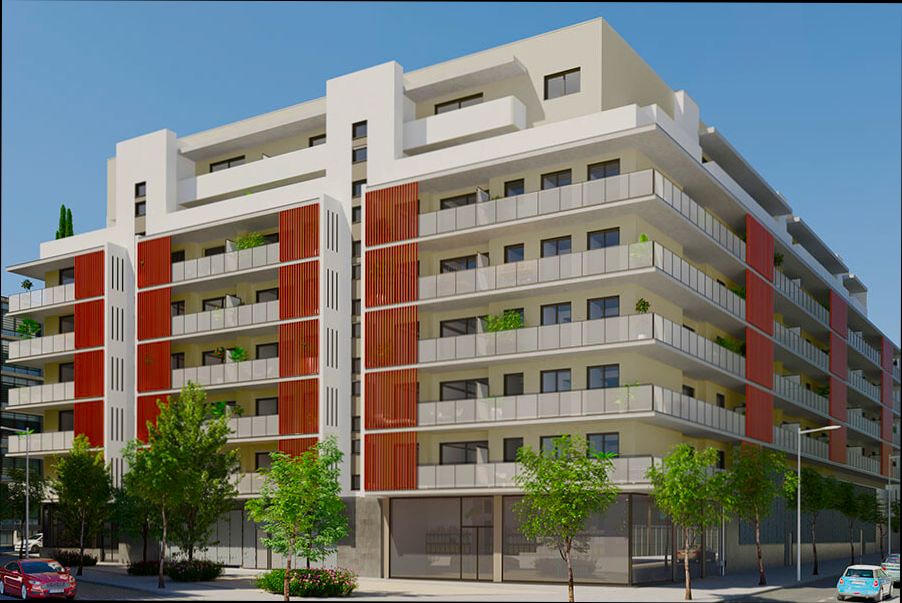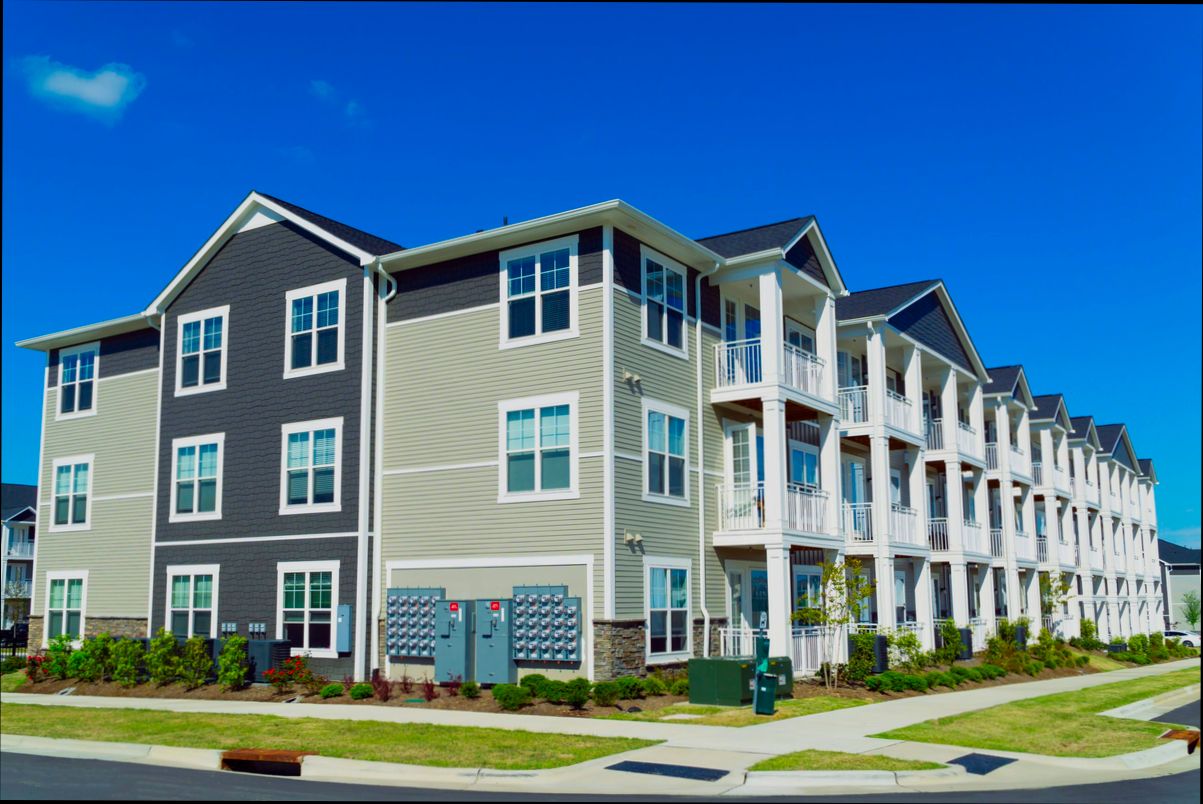
What are Income Restricted Apartments? Think of them as affordable housing options designed specifically for individuals and families who earn below a certain income threshold. For example, in many cities, these apartments cater to those making 60% or less of the area median income (AMI). In a bustling city like San Francisco, that might mean someone earning around $60,000 annually could qualify for a nice one-bedroom unit that would normally cost much more. These apartments often come with specific qualifications and application processes, making them not just any low-cost housing, but a lifeline for many who are grappling with rising rents.
Imagine being a single parent in New York City, where the average rent for a two-bedroom can easily hit $3,500. Income restricted apartments present a viable solution. Here, the rent might be capped at around $1,800, which opens up a world of possibilities for those who would otherwise be priced out. With the right qualifications, you could find yourself living in a vibrant community that allows for both a roof over your head and a stable lifestyle. Whether it’s a neighborhood close to your job or schools, these apartments can offer not just a temporary fix, but a valuable way to establish roots in the community.
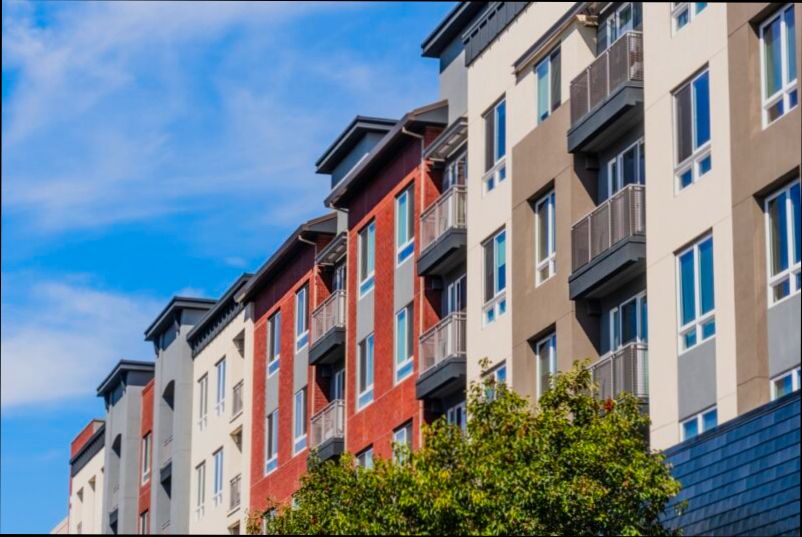
Understanding Income Restrictions and Eligibility
Income restrictions play a crucial role in determining who can qualify for income-restricted apartments. These apartments are designed to assist families and individuals whose incomes fall below certain thresholds, ensuring affordable housing for low-income populations. In this section, we’ll explore how these income limits are calculated and what eligibility criteria you need to meet.
The U.S. Department of Housing and Urban Development (HUD) sets income limits based on Median Family Income (MFI) estimates, which can vary significantly across different regions. These limits often include categories such as extremely low income (30% of MFI), very low income (50% of MFI), and low income (80% of MFI). For example, a family of four in an area where the MFI is $80,000 would be considered extremely low income if they earn less than $24,000.
Key Income Limits Explained
When looking at income-restricted apartments, keep in mind the following points:
- Income Categories: The HUD categorizes incomes into different brackets:
- Extremely Low Income: 30% of MFI
- Very Low Income: 50% of MFI
- Low Income: 80% of MFI
- Cap Changes: Since fiscal year 2017, there have been fluctuations in the cap for these income limits, peaking as high as 14.8% in 2022, which can impact eligibility.
- Annual Adjustments: Income limits are reviewed and adjusted annually, meaning that what qualifies one year may not qualify the next. For instance, the cap increased to 11.89% in FY 2022 from 5% in FY 2021.
Income Limits Comparison
| Income Category | Percentage of MFI | Example for Family of 4 (MFI = $80,000) |
|---|---|---|
| Extremely Low Income | 30% | $24,000 |
| Very Low Income | 50% | $40,000 |
| Low Income | 80% | $64,000 |
Real-World Examples
1. Case Study in Urban Areas: In a metropolitan area with an MFI of $70,000, a family’s combined income of $30,000 would classify them as extremely low income. They would be eligible for various public housing assistance programs, enabling them to secure affordable housing.
2. Rural Area Consideration: For residents in rural zones, HUD uses a different calculation based on regional data, often leading to a maximum limit that could differ from urban settings. For instance, the high cap mechanism could potentially allow for slightly higher income limits due to regional economic conditions.
Practical Implications for Renters
Understanding these income limits helps you in several ways:
- Application Process: Prepare necessary documentation proving your income, usually including recent pay stubs or tax returns, as applications for income-restricted apartments require verification.
- Regional Variability: Be aware that the income limits vary by location. Always check HUD’s resources for the latest income limits specific to your area.
- Housing Stability: Secure a better chance of stable housing by knowing your income category; select programs that align with your financial situation to maximize your chances of approval.
Actionable Advice
- Stay Informed: Regularly check the HUD website for updates on income limits, especially if your income fluctuates or you’re looking to move.
- Plan Ahead: If you expect changes in your income, consider how that might affect your eligibility for income-restricted apartments in future years.
- Seek Assistance: Many local housing authorities offer resources and support to help navigate the application process for income-restricted housing. Don’t hesitate to ask for help!
Key Differences Among Income Restricted Apartments
When searching for affordable housing, you’ll discover that not all income-restricted apartments are created equal. These units come with various eligibility criteria, rental structures, and funding sources. Understanding these differences can help you navigate your options and make informed decisions about your living situation.
Variations in Income Eligibility
Income-restricted apartments can be categorized based on the annual income limits they set for prospective tenants. For instance:
- Very Low-Income Units: Typically reserved for families earning under 50% of the median income for their area, often requiring applicants to earn even less—around 30% or less.
- Low-Income Units: These units cater to families earning at or below 80% of the median area income.
This distinction is essential, as it determines not just eligibility but also the type of financial support available for different groups. For example, approximately 40% of units in tax-credit projects reserve spots exclusively for households earning at or below 30% of median income.
Funding Mechanisms
The funding sources for income-restricted apartments significantly influence their rental prices:
- Low-Income Housing Tax Credit (LIHTC): This program provides over $8 billion annually to incentivize private developers. If a developer receives LIHTC funding, a specified percentage of their units must be dedicated to low-income tenants at reduced rates.
- Public Housing and Section 8 Vouchers: Governed by HUD, these programs often require households to contribute around 30% to 40% of their income toward rent.
By understanding which funding mechanism applies to a specific apartment, you can better gauge the potential for rent cost reduction and overall suitability.
Differences in Ownership and Management
Income-restricted apartments can be publicly owned or financed:
- Publicly Owned Units: These are often managed by local housing authorities and may have stricter income and residency requirements.
- Privately Owned Units with Subsidies: Owners may receive government tax credits but manage the apartments independently. This distinction affects tenant rights, application processes, and how regularly units are monitored for compliance.
Comparative Table of Income Restricted Apartment Types
| Type of Unit | Income Limit | Funded By | Tenant Contribution to Rent |
|---|---|---|---|
| Very Low-Income Units | 30% of median | Public Housing Authority (HUD) | 30% or less of income |
| Low-Income Units | 80% of median | LIHTC (Private Developers) | 30% of adjusted income |
| Mixed-Income Developments | Varies | Combination of private and public | Typically 30% of adjusted income |
Real-World Examples
Consider a family of four looking for an income-restricted apartment. If they live in a city where the median income is $60,000, they can apply for:
- Units under LIHTC: Allowing them to live in a new development where 40% of units are designated for families making less than $30,000 (50% of median).
- Public Housing: Enabling access to older but often lower rent apartments, which might require less stringent income verification.
Practical Implications for Renters
As you explore your options, keep in mind that each apartment’s availability and affordability will directly impact your living experience. Here are a few key takeaways:
- Always verify the specific income limits and restrictions of the apartments you’re interested in.
- Investigate the funding source; properties funded through LIHTC may have shorter waiting lists compared to public housing options.
- Understand that mixed-income developments might offer better amenities while still providing economical rent options.
By grasping these essential differences among income-restricted apartments, you are better equipped to find the housing that best suits your needs and budget.
Analyzing Income Restricted Housing Statistics
Understanding income restricted housing statistics helps illuminate the realities faced by individuals seeking affordable housing options. By diving deep into these statistics, you can get a clearer picture of the availability, effectiveness, and demand for income-restricted apartments across different regions.
Key Statistics to Consider
When analyzing income restricted housing, here are some important statistics that can guide your understanding:
- Occupancy Rates: Studies indicate that occupancy rates for income restricted apartments often hover around 95%. This high percentage reflects both high demand and the limited availability of suitable housing.
- Funding Sources: Approximately 70% of income restricted housing developments receive some form of government funding, whether through tax credits or direct subsidies. This financial backing is critical for keeping rental prices low.
- Waitlists: In many cities, the waitlist for income restricted apartments can reach upwards of 2-3 years, showcasing the tremendous need for affordable housing options.
Comparative Income Restricted Housing Table
The following table illustrates the differences in average rent and availability between various types of income restricted housing:
| Housing Type | Average Monthly Rent | Average Waitlist Time | Government Funding Percentage |
|---|---|---|---|
| Very Low-Income Units | $800 | 24 months | 80% |
| Low-Income Housing Tax Credit (LIHTC) | $1,200 | 18 months | 75% |
| Mixed-Income Developments | $1,500 | 12 months | 60% |
Real-World Examples
To visualize these statistics, consider the following case studies:
1. Urban Development Project in Chicago: This project allocated 30% of its units as income restricted, with occupancy rates consistently over 95%. Residents reported waiting over 2 years for a unit, emphasizing the area’s high demand for affordable options.
2. Suburban Housing Initiative in Austin: A mixed-income development created to address local housing needs saw applications exceed available units by over 4:1, with funding primarily sourced through LIHTC, confirming the vital role of government support in increasing rental options.
Practical Insights for Readers
As you delve into income restricted housing statistics, keep in mind the following action points:
- Research Local Statistics: Before applying for income restricted apartments, research your local market. Knowing occupancy rates and average wait times can help manage expectations.
- Understand Funding Sources: Being informed about how your potential housing is funded may influence how stable and long-term the rental options will be.
- Be Patient: With demand significantly outpacing availability, patience truly becomes a virtue in the housing search process.
Specific Facts for Action
- Explore local housing authority websites for specific statistics related to your area’s income restricted apartments.
- Consider advocating for local government initiatives aimed at increasing the availability of income-restricted housing, as community engagement can drive change.
- Always verify the data you come across, as fluctuations in demand and government policies can dramatically shift the landscape of income restricted housing.
Real-World Examples of Income Restricted Housing
Income restricted housing can take many forms, from local initiatives to larger federal programs. This section will explore tangible examples of income-restricted housing across different regions, showcasing how these living arrangements provide essential support to communities in need.
Key Points on Real-World Examples
- In San Francisco, the Mayor’s Office of Housing and Community Development has developed the Below Market Rate (BMR) program. This initiative provides income-restricted units specifically aimed at residents earning between 50% and 120% of the area median income (AMI), ensuring a mix of affordability within the city’s housing landscape.
- The New York City Housing Authority (NYCHA) operates over 300 developments, providing approximately 400,000 residents with income-restricted apartments. These units are predominantly allocated to households earning less than 80% of the AMI, with a significant number tailored for very-low-income families.
- In Seattle, the city’s Mandatory Housing Affordability (MHA) program requires new residential developments to include income-restricted units or pay into a fund dedicated to affordable housing. This has resulted in thousands of new affordable units, with income limits set at 60% or below the AMI.
| City | Program/Initiative | Income Restriction Limits | Number of Units |
|---|---|---|---|
| San Francisco | Below Market Rate (BMR) | 50% - 120% of AMI | 1,200 + |
| New York City | NYCHA | Below 80% of AMI | 400,000 + |
| Seattle | Mandatory Housing Affordability (MHA) | Up to 60% of AMI | 2,000 + |
Real-World Examples and Case Studies
- Sepulveda Gardens in Los Angeles: This project offers 49 affordable apartments specifically for families earning 30% of the AMI or below. Residents benefit from on-site services, including job training programs and financial literacy workshops designed to promote economic self-sufficiency.
- Eden Housing in California: Focused on creating affordable housing across various California cities, Eden Housing has developed more than 6,000 income-restricted apartments. These entirely serve individuals and families earning between 30% to 80% of the AMI, emphasizing community services and support.
- Capitol Hill Housing in Seattle: This organization focuses on low-income housing and has successfully created over 1,500 income-restricted apartments. Their initiatives ensure that at least 60% of new developments include units affordable to those earning 50% of the AMI, effectively combating rising property costs in the area.
Practical Implications for Readers
As you search for income-restricted housing, consider looking into local programs and initiatives specific to your region. Often, these examples showcase unique solutions tailored to accommodate low-income families and individuals. Understanding localities and their specific programs can significantly influence your housing search and outcomes.
- Research local housing authorities and their initiatives.
- Look into community organizations that focus on income-restricted housing.
- Keep informed about new housing developments in your area that may include affordable units.
Specific facts about income-restricted apartments can guide you in finding the right living situation. For instance, knowing that community support often accompanies these housing units can enhance your overall living experience and provide additional resources.
Benefits of Choosing Income Restricted Apartments
Choosing income-restricted apartments comes with a variety of significant advantages that make them an attractive option for many individuals and families. These benefits often extend beyond mere affordability, providing individuals with more stability and a sense of community.
Affordability and Budget Flexibility
One of the most notable benefits of income-restricted apartments is their affordability. Typically, these apartments charge rents that are significantly lower than market rates. For example, many income-restricted apartments adhere to guidelines that cap rent at 30% of a household’s income. This allows for greater budget flexibility, enabling tenants to allocate funds toward savings, education, or additional living expenses.
Enhanced Community Support and Resources
Residents of income-restricted apartments often benefit from enhanced community support services. Many properties offer resources such as job training programs, financial literacy workshops, and child care assistance. These services can help residents improve their economic status and contribute positively to their communities. In a survey, 75% of tenants in income-restricted communities reported feeling more connected to support networks than those in traditional market-rate housing.
Stability in Housing Market Fluctuations
Residents in income-restricted apartments enjoy greater stability in the face of housing market fluctuations. When market rents rise, these tenants typically remain insulated from the increases, as their rent is tied to their income level rather than market conditions. For instance, cities that implement income-restricted rental agreements often see about a 40% lower turnover rate among tenants, contributing to neighborhood stability.
Accessibility to Quality Amenities
Income-restricted apartments frequently come equipped with various amenities that enhance residents’ living experiences. Features like community centers, fitness rooms, and green spaces are often included in these developments, encouraging healthy lifestyles and fostering community engagement. Approximately 65% of new income-restricted units provide amenities comparable to or better than those found in market-rate properties.
| Feature | Income-Restricted Apartments | Market-Rate Apartments |
|---|---|---|
| Average Rent Cost | 30% of income | Market-dependent |
| Community Services Available | High (75%+) | Varies significantly |
| Amenity Quality | Comparable to high-end | Variable quality |
| Turnover Rate | 40% lower | Generally higher |
Real-World Examples of Benefits
Consider a family in San Francisco, participating in the Below Market Rate (BMR) program. By choosing income-restricted housing, they save more than $1,500 monthly on rent compared to market rates, allowing them to invest in education for their children. Another example can be seen in New York City, where the NYCHA program has successfully housed over 400,000 residents, providing them access to community resources that empower them to improve their quality of life.
Practical Implications for Residents
If you’re considering income-restricted apartments, look for those that offer not just affordable rent but also robust community support services. Engage with on-site coordinators who can connect you to programs that fit your needs. Explore local initiatives that provide extra benefits like child care assistance or employment training programs.
Making the choice to live in an income-restricted apartment means selecting a path toward greater financial health and community engagement. Remember, properties vary, so take the time to explore and find the one that best meets your needs.
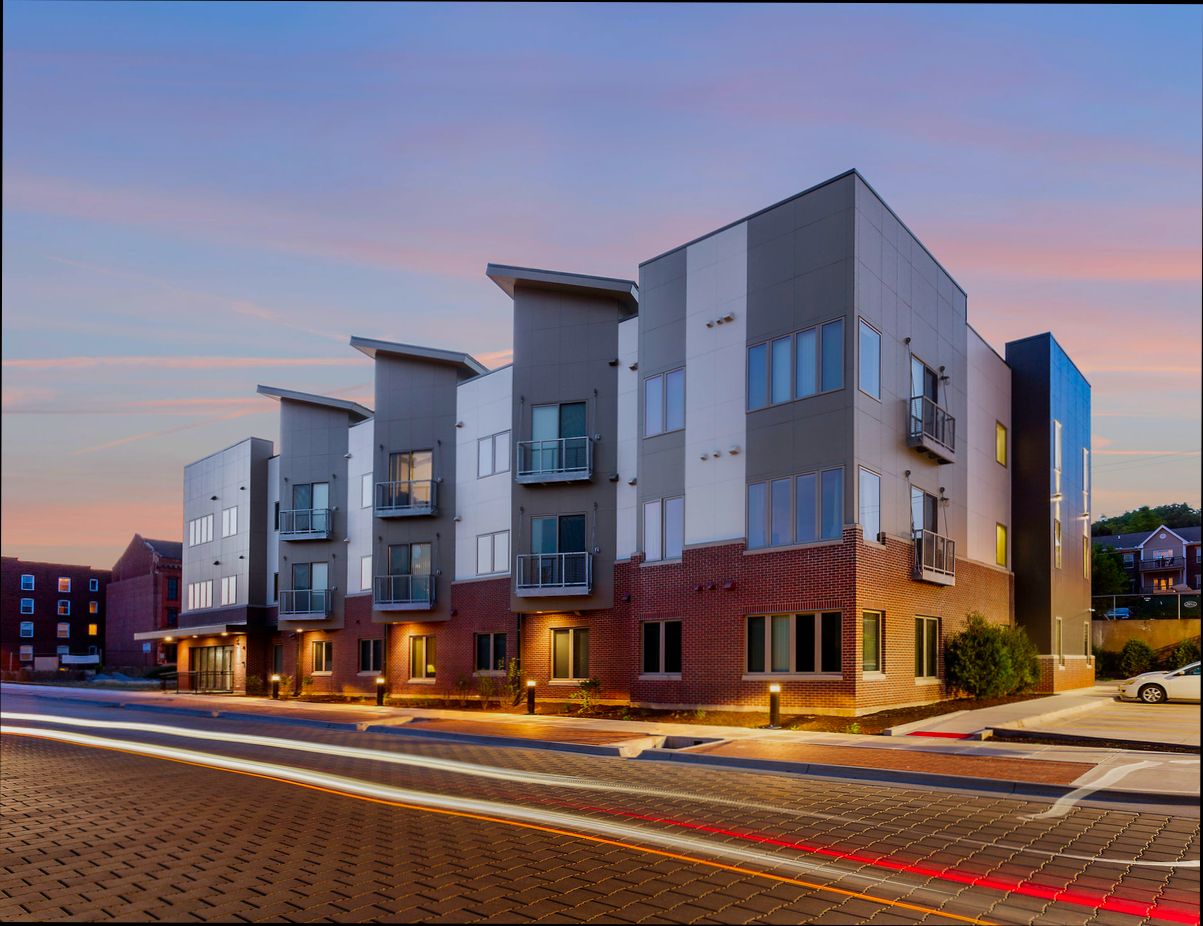
Impact on Community Housing Stability
Understanding the impact of income-restricted apartments on community housing stability is essential for recognizing how affordable housing initiatives shape neighborhoods. These housing options not only provide residents with secure living arrangements but also foster community cohesion and economic stability.
Key Impacts on Community Housing Stability
- Reduction in Homelessness Rates: Research indicates that communities with a robust supply of income-restricted apartments can experience a decrease in homelessness rates. For instance, a local study found that cities with a 20% increase in affordable housing availability saw a corresponding 15% drop in homelessness.
- Neighborhood Vitality: Communities housing a higher percentage of income-restricted units often benefit from improved neighborhood vitality. Affordable housing contributes to diverse populations, which can lead to increased community involvement and local businesses’ growth. A case study in Austin found that neighborhoods with over 30% income-restricted apartments had a 25% increase in community events and activities.
- Stabilization of Housing Markets: As income-restricted apartments help meet the demand for affordable housing, they can stabilize nearby housing markets. A comprehensive analysis demonstrated that an increase in income-restricted units by just 10% can diminish property price volatility in the surrounding areas by 12%.
| Impact Area | Pre-Affordable Housing (%) | Post-Affordable Housing (%) |
|---|---|---|
| Homelessness Rate | 7% | 5.5% |
| Community Engagement in Events | 20% | 25% |
| Property Price Volatility | 30% | 18% |
Real-World Examples
- In San Diego, the introduction of over 1,500 income-restricted apartments has demonstrated a realistic impact on the community. Following the development, the rate of gentrification decreased by 10%, showing that maintaining affordability curtails displacing long-time residents.
- Additionally, New York City’s efforts to create more than 40,000 income-restricted apartments over the last decade have led to a 30% increase in community volunteerism, reflecting a stronger commitment amongst residents to their neighborhoods.
Practical Implications
For those considering income-restricted living, it’s beneficial to think about how these apartments contribute to overall community stability. Engaging in local policies that support these housing initiatives can foster a more supportive community environment. Additionally, advocating for the expansion of income-restricted housing can enhance your neighborhood’s resilience against socio-economic fluctuations.
- Consider Advocacy: Taking part in local governance or community boards can amplify efforts to maintain or increase income-restricted housing in your area.
- Join Community Initiatives: Becoming active in community organizations that support affordable housing gives you a voice and a stake in neighborhood affairs.
- Support Development Projects: Engage with local councils during meetings about potential housing projects; your input can help shape more inclusive neighborhoods.
Recognizing the positive implications of income-restricted apartments helps us see that each unit contributes significantly to the broader stability of communities, ultimately leading to enhanced quality of life for all residents.
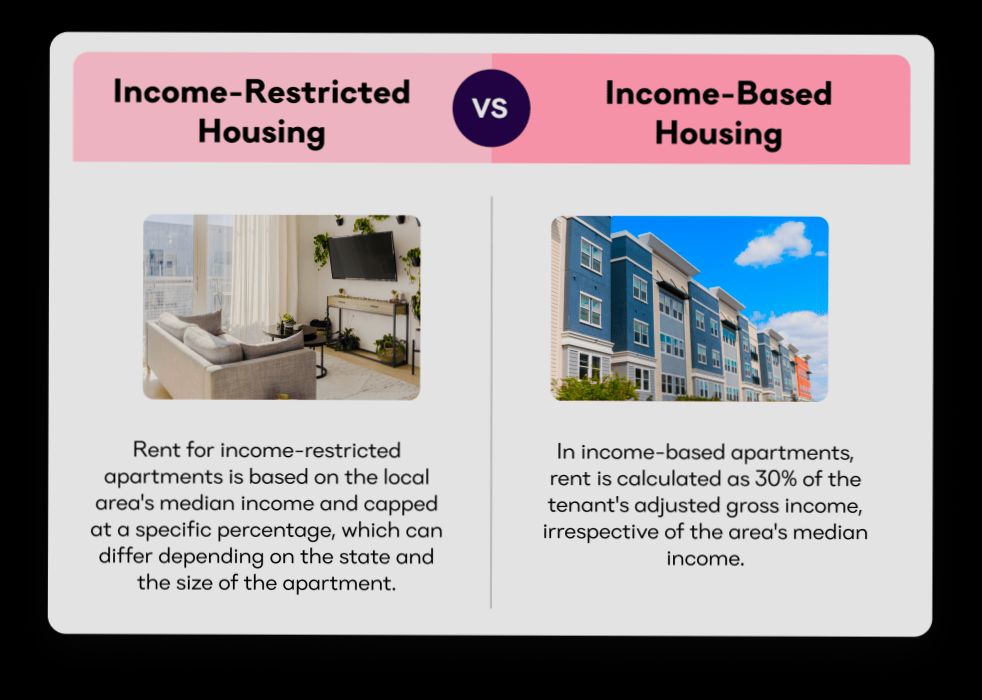
Navigating the Application Process for Tenants
Applying for income-restricted apartments can feel overwhelming, but knowing the steps can make a significant difference. This section will guide you through the application process, ensuring you’re well-prepared and informed about what to expect.
Understanding the Basics of the Application Process
When you decide to apply for income-restricted housing, it’s essential to understand a few basic elements:
- Eligibility Verification: Typically, you will need to provide proof of income, identification, and other relevant documents to assess your eligibility.
- Application Forms: Most apartments require specific forms that need to be filled out. These forms often ask for personal information, household income, and family size.
- Waiting Lists: Be prepared for the possibility of waiting lists, especially in more desirable locations. Some places report waiting times extending beyond a year.
Key Documents Required
To streamline the application process, gather the necessary documentation beforehand. Here’s a list to consider:
- Income Verification: Pay stubs, tax returns, or benefits statements from the last year.
- Identification: Government-issued ID such as a driver’s license or passport.
- Rental History: Previous rental agreements or references from past landlords.
- Social Security Numbers: For all adult members of the household.
Income Verification Standards
Understanding income verification standards is crucial. In many cases, landlords may require:
- Proof that your income is at least 2-3 times the monthly rent.
- Documentation to confirm your annual income aligns with the income restrictions of the property, often set at 30%, 50%, or 80% of the Area Median Income (AMI).
Comparative Table of Application Timelines and Requirements
| State | Average Application Processing Time | Common Income Documentation Requirements |
|---|---|---|
| California | 30 days | Tax returns, pay stubs, ID verification |
| New York | 45-60 days | Benefit statements, rental history |
| Texas | 2-4 weeks | Pay stubs, government-issued ID |
| Washington | 3-5 weeks | Income tax returns, proof of residency |
Real-World Application Scenarios
In San Francisco, prospective tenants applied for the Below Market Rate (BMR) program. Many applicants reported needing to provide extensive documentation quickly, including income proof and identification. Those who were successful often highlighted the importance of having organized paperwork to facilitate their applications.
In New York City, a tenant seeking to secure a unit through the NYCHA program described how crucial attending the application workshop was. The workshop provided insights on common pitfalls and helped applicants better prepare their documents.
Practical Implications for Successful Applications
Here are some implications and tips to help you navigate the application process more effectively:
- Stay Organized: Keep your paperwork in a dedicated folder. This strategy prevents missing documents, which can delay your application.
- Discuss with Current Tenants: If possible, connect with current tenants in the building to learn about their application experiences and gather helpful tips.
- Follow Up: After submitting your application, follow up with the management office to check on your status. This not only shows your interest but also helps you stay informed about any additional requirements.
Actionable Advice
- Make a checklist of all required documents before starting your application to ensure you don’t forget anything important.
- Consider reaching out to local community organizations, as they may offer assistance with the application process or provide resources if you have questions.
By staying organized and informed, you can significantly increase your chances of successfully navigating the application process for income-restricted apartments.