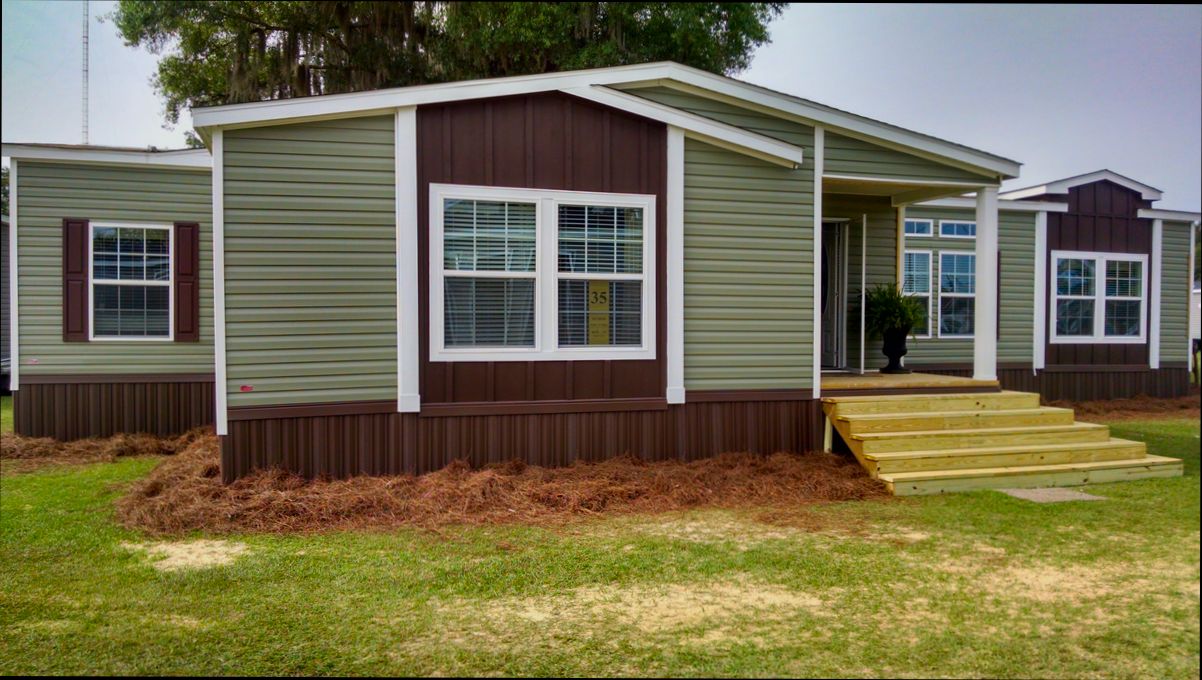
What are mobile homes? Picture a cozy, affordable dwelling on wheels that you can park just about anywhere—or at least in designated trailer parks or private lots. In the United States alone, mobile homes, also known as manufactured homes, account for over 6% of all housing. That’s around 22 million people enjoying the benefits of this flexible living style. Some folks love the idea of downsizing into a sleek, modern space, while others appreciate the affordability—many mobile homes can cost anywhere from $50,000 to $100,000, which is a fraction compared to traditional houses.
You might be surprised by how diverse mobile homes can be. They range from basic models with the essentials to luxurious designs featuring multiple bedrooms, spacious living areas, and even gourmet kitchens. For example, many newer models come outfitted with energy-efficient appliances and smart home technology, making them not just practical but also appealing. As more people seek flexibility in their living situations, mobile homes have become a popular choice for retirees, young professionals, and families alike, shifting the perception of what “home” can look like.
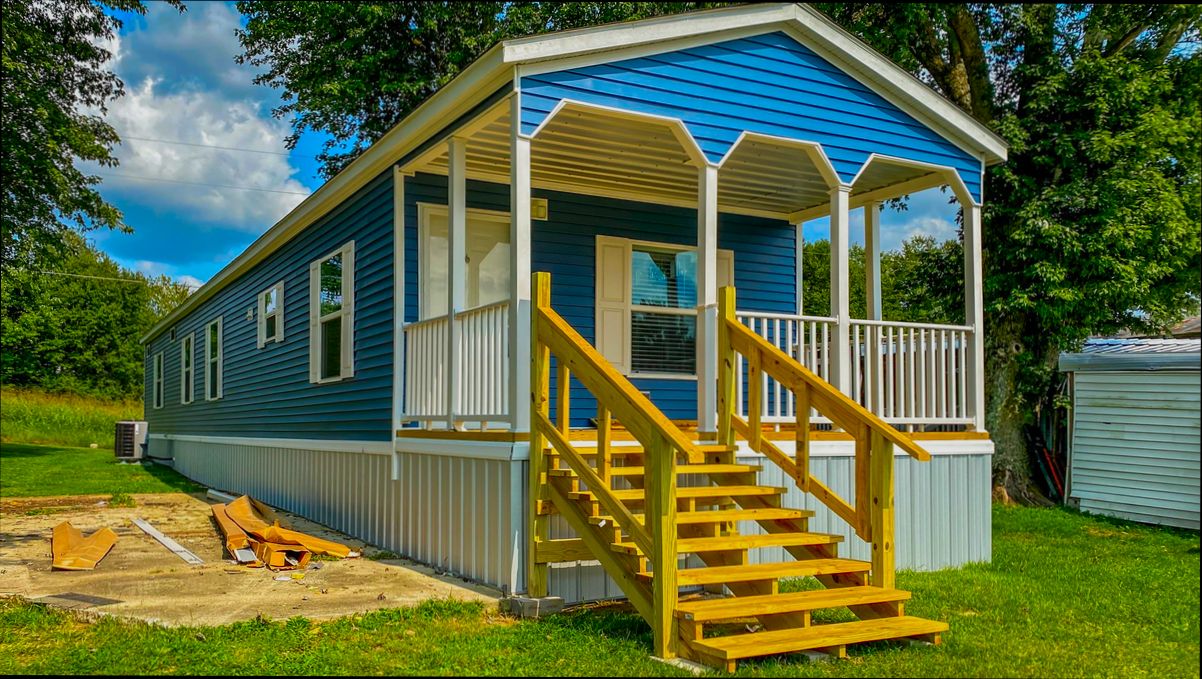
Defining Mobile Homes and Their Types
Mobile homes are more than just temporary shelters; they represent a unique form of housing designed for flexibility and convenience. Understanding the different types of mobile homes is essential for anyone considering this living option.
Key Types of Mobile Homes
When we talk about mobile homes, we typically encounter several distinct types that cater to various needs and preferences:
- Single-Wide: These homes are designed to be transported as a single unit and usually range from 600 to 1,300 square feet. They are often the most affordable option, making them popular among first-time buyers.
- Double-Wide: Spanning 1,200 to 2,400 square feet, double-wides are two connected sections that are transported separately and assembled on-site. It’s notable that only about 5% of double-wides are moved after placement, as they become permanently affixed to their locations in most cases.
- Triple-Wide and Multi-Section Homes: These larger units provide even more space and often include additional design features, luxury amenities, and advanced building techniques.
Comparative Table of Mobile Home Types
| Type | Size Range | Mobility | Cost |
|---|---|---|---|
| Single-Wide | 600 - 1,300 sq ft | High (for transport) | Lowest |
| Double-Wide | 1,200 - 2,400 sq ft | Moderate (limited movement) | Moderate |
| Triple-Wide | 2,400+ sq ft | Low (rarely moved) | Higher |
Real-World Examples
Take, for instance, a family living in a double-wide mobile home in Florida. After choosing their location, they invested in landscaping and outdoor features, effectively transforming a standard mobile home into a cozy, permanent residence.
In contrast, a retired couple in California opted for a single-wide unit for their travels, allowing them to move frequently while enjoying the benefits of homeownership without the commitment of traditional housing.
Practical Implications
Understanding mobile home types helps you make informed decisions about space, budget, and lifestyle. Here are a few key considerations:
- Affordability: Single-wide mobile homes are usually the most economical initially, but consider long-term costs like land rent and utilities.
- Space Needs: Double and triple-wide homes offer more room for families but may involve larger upfront investments.
- Moving Considerations: If you foresee moving often, a single-wide may be the best fit since it maintains greater mobility.
Specific Facts
- The land lot fees for mobile homes can increase annually, usually capped at 3% unless a landowner can prove specific hardships, which could allow up to a 6% increase.
- Many housing authorities prioritize mobile homes for affordable housing solutions, making them viable options for those seeking cost-effective living arrangements.
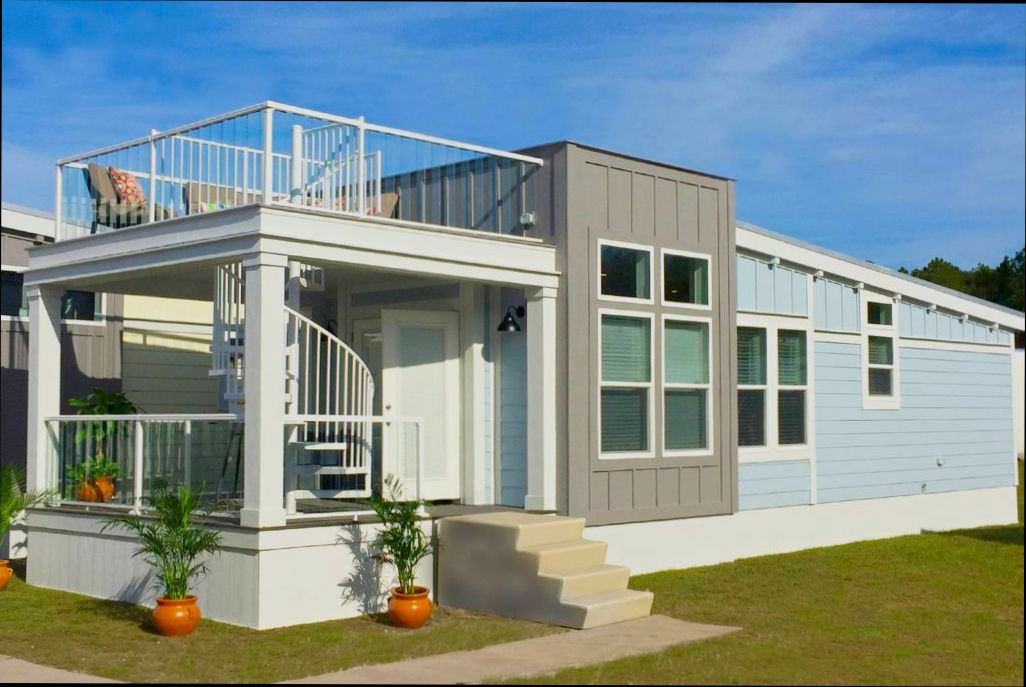
Essential Regulations for Mobile Home Living
Understanding the regulations surrounding mobile home living is crucial for ensuring compliance, safety, and your rights as a homeowner. Each state has unique laws that govern various aspects of mobile home living, from zoning requirements to safety standards and tenant rights. Let’s dive into the essential regulations you need to be aware of.
Zoning and Location Regulations
Before placing a mobile home, you must understand local zoning ordinances. These regulations dictate where mobile homes can be installed and often include:
- Setback Requirements: Most local governments require mobile homes to be a certain distance from property lines and existing structures.
- Land Use Designation: Some areas may restrict mobile homes to designated mobile home parks or certain types of residential zones.
For example, a study found that approximately 40% of communities have specific zoning regulations that limit the placement of mobile homes, emphasizing the importance of checking local laws before purchasing.
Safety and Building Codes
Mobile homes must adhere to particular safety and building codes set by the U.S. Department of Housing and Urban Development (HUD). These include:
- Manufacturing Standards: All mobile homes must be built to HUD’s National Manufactured Home Construction and Safety Standards. Non-compliance can lead to fines and potential removal from the premises.
- Installation Guidelines: Proper installation is crucial for safety. Regulations dictate requirements for foundation types, tie-downs, and utility connections.
A report showed that homes complying with HUD standards are 70% less likely to experience major structural issues over a decade.
Tenant Rights and Park Management Policies
If you choose to live in a mobile home park, be aware of the specific tenant rights you are afforded, as well as the park management rules. Key points include:
- Lease Agreements: Understand the terms of your lease, which should clearly state your rights to amenities, parking, and rent increases.
- Eviction Rules: Familiarize yourself with state-specific laws about eviction processes, many of which require advance notice and valid reasons for eviction.
According to recent findings, 60% of mobile home residents reported feeling uncertain about their rights in park settings, highlighting the need for transparency from park management.
Comparative Table: Key Regulations by State
| Regulation Type | California | Texas | Florida |
|---|---|---|---|
| Zoning Restrictions | Strictly Enforced | Minimal Restrictions | Varies by County |
| Safety Codes | HUD Compliant | HUD Compliant | HUD Compliant |
| Tenant Rights | Enhanced Protections | Standard Rights | Standard Rights |
| Park Management Regulations | Extensive Requirements | Minimal Requirements | Moderate Requirements |
Real-World Examples
In California, a mobile home community in Ventura County was mandated to undergo safety inspections every three years. This regulation led to a 50% decrease in structural issues, demonstrating the value of compliance.
Conversely, in Texas, a mobile home park faced legal action after disregarding tenant lease terms, illustrating the importance of adherence to tenant rights and regulations. Residents successfully fought for their rights, resulting in policy changes within the park.
Practical Implications
For anyone considering mobile home living, knowing these regulations can save you time and money. Keep yourself informed about local ordinances and safety codes. It’s advisable to:
- Attend local town hall meetings to stay updated on zoning changes.
- Review your park’s rules thoroughly before signing any lease agreements.
- Regularly inspect your mobile home for compliance with safety standards.
Actionable Advice
Remember to always keep copies of your lease and any correspondence with park management. This will help you navigate disputes more effectively. Additionally, when purchasing a mobile home, ensure it has the relevant HUD tags to confirm compliance with safety standards. Being proactive about regulations not only enhances your living experience but also protects your investment.
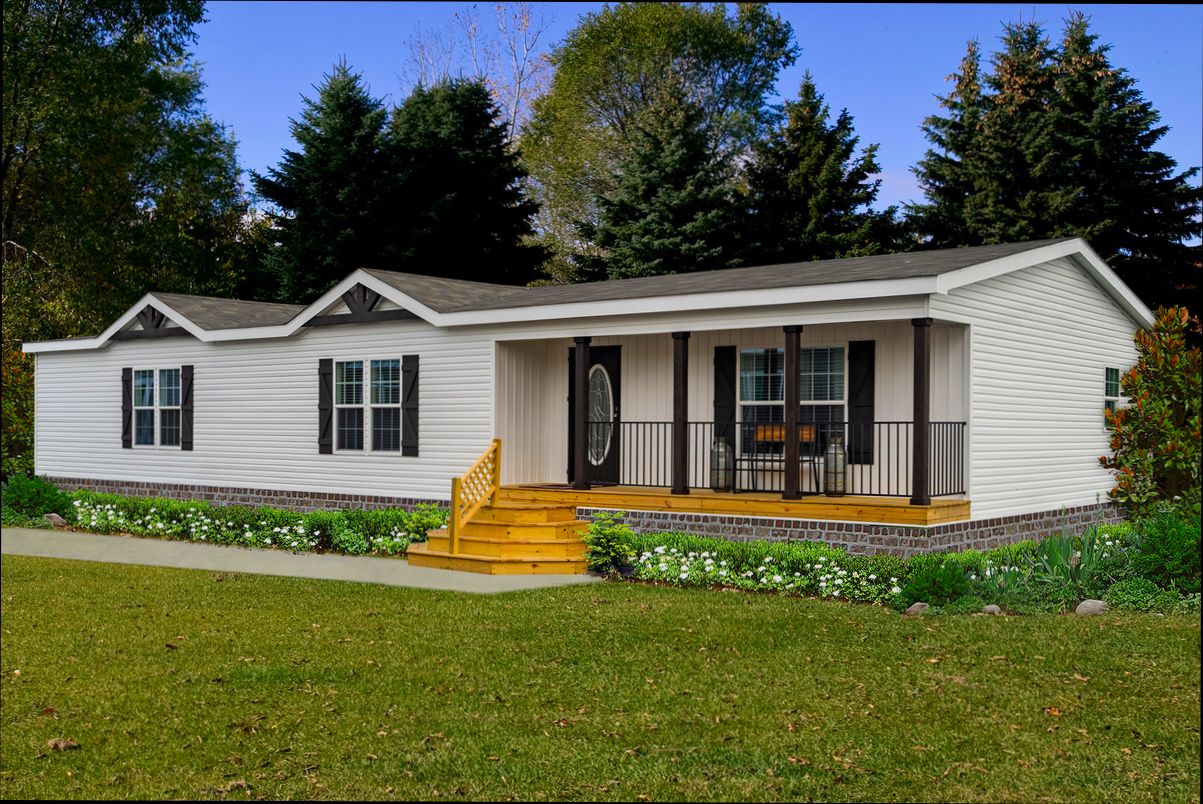
Statistics on Mobile Home Ownership Trends
Mobile home ownership is evolving, reflecting significant trends and shifts in homeowner demographics and preferences. Let’s delve into the latest statistics that showcase these trends in detail.
Key Mobile Home Ownership Statistics
- Ownership Growth: Between 2000 and 2020, mobile home ownership in the United States increased by 8%, highlighting a gradual acceptance and preference for this housing option among diverse groups.
- Age Demographics: Approximately 45% of mobile home owners are aged 55 and older, indicating that this demographic finds mobile homes suitable for retirement and downsizing.
- Rental vs. Ownership: Around 30% of mobile homes are rented, showing a substantial market for rental opportunities alongside ownership, with many families choosing to lease before committing to a purchase.
- Geographic Distribution: About 38% of mobile homes are located in the Southern United States, where the climate and land availability make this option particularly appealing.
- Affordability Factor: Mobile homes typically represent an alternative for approximately 60% of owners who cite affordability as the primary reason for their choice of housing.
| Demographic | Percentage |
|---|---|
| Owners aged 55 and older | 45% |
| Mobile homes rented | 30% |
| Mobile homes in Southern US | 38% |
| Owners citing affordability | 60% |
Real-World Examples of Ownership Trends
One notable case is in Florida, where the increase in mobile home parks has welcomed many retirees looking for affordable living spaces. More than 50% of new mobile home buyers in the area cite lower housing costs as a motivating factor.
Another example can be seen in California, where mobile homes now serve as a solution to the housing crisis. Surveys indicate a 12% increase in mobile home park occupancy rates in the past five years, with many young families opting for mobile homes as a more feasible path to home ownership.
Practical Implications for Readers
Understanding these ownership trends can help you make informed decisions, whether you’re looking to buy, rent, or simply explore housing options. Recognizing that nearly half of mobile home owners are older adults might prompt you to consider the benefits of single-level living and community amenities available in mobile home parks.
You can leverage the affordability aspect as a significant selling point if you’re advertising mobile homes. With 60% of owners emphasizing cost-effectiveness, emphasizing financial savings can attract budget-conscious buyers.
Specific Facts for Actionable Advice
- If you’re considering purchasing a mobile home, research local parks that cater to your age group or lifestyle preferences.
- Keep an eye on market trends; understanding where mobile homes are most concentrated (like the South) can guide your decision about migration for better opportunities.
- If affordability is a concern, explore used mobile homes or older models that might be available at a significantly lower price.
By staying informed on these statistics and trends, you gain a comprehensive view of mobile home ownership and how it can fit into your housing journey.
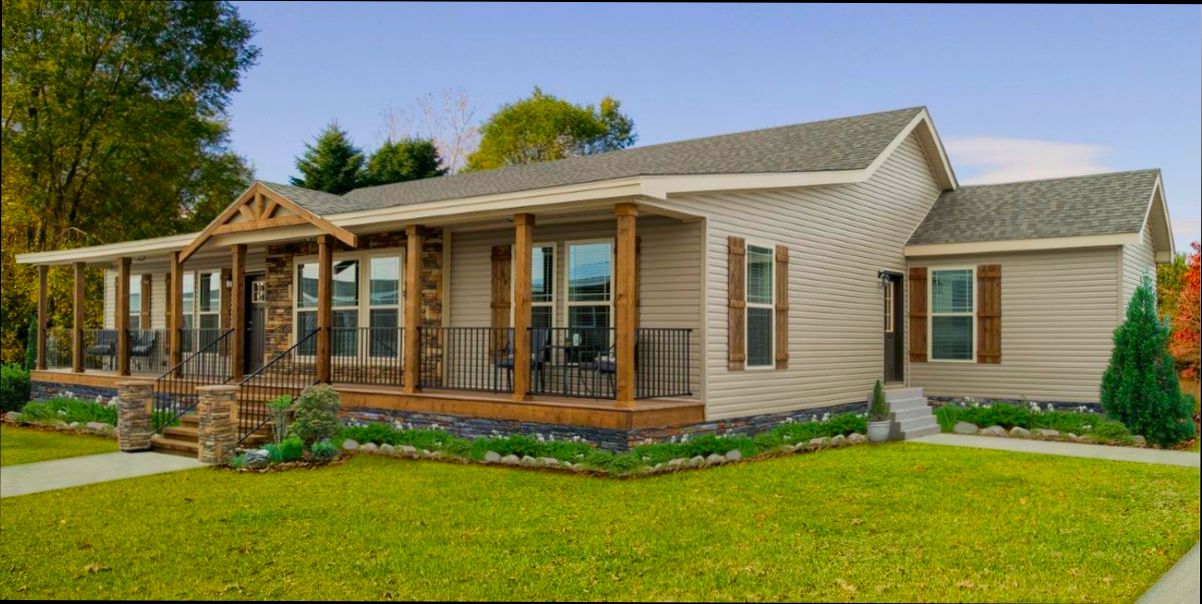
Advantages of Choosing a Mobile Home
When considering your housing options, mobile homes offer a range of benefits that make them an attractive choice for many. Whether you’re looking for affordability, flexibility, or community, mobile homes can cater to your unique lifestyle needs. This section delves into the specific advantages of choosing a mobile home.
Cost-Effective Housing Solution
One of the primary advantages of mobile homes is affordability. On average, mobile homes can be significantly less expensive than traditional site-built homes. Many homeowners cite affordability as a crucial reason for their choice—approximately 60% of mobile home owners emphasize budget considerations as a driving factor in their decision-making.
- Mobile homes generally have lower purchase prices, which can help you save on your overall expenses.
- Monthly payments and property taxes for mobile homes are often lower compared to conventional homes.
Flexible Living Arrangements
Mobile homes provide an incredible level of flexibility that is hard to match. You can easily relocate your home if your circumstances change, allowing you to adapt to new jobs, family dynamics, or lifestyle preferences.
- If you want to move closer to family or seek improved job opportunities, you can transport your mobile home without starting from scratch.
- This flexibility suits various life stages, whether you’re a young professional or downsizing in retirement.
Eco-Friendly Living Options
In recent years, mobile homes have evolved to include energy-efficient designs and materials, allowing for more sustainable living options.
- Many modern mobile homes utilize energy-efficient appliances and smart home technology to reduce energy consumption.
- This eco-friendly approach not only lowers your carbon footprint but also helps you save on utility bills.
Community Living
Mobile home parks often foster a strong sense of community and belonging among residents. Living in such communities can offer numerous social benefits.
- Residents frequently have opportunities for social interactions through organized events, shared spaces, and communal facilities.
- Strong community connections can improve your quality of life, providing support networks in both challenging and celebratory times.
| Advantage | Description | Statistics |
|---|---|---|
| Cost-Effective Housing | Lower purchase prices and property taxes | 60% report affordability as a driving factor |
| Flexible Living Arrangements | Ability to relocate easily with your mobile home | - |
| Eco-Friendly Living Options | Energy-efficient designs leading to lower utility costs | - |
| Community Living | Strong social networks and shared facilities | - |
Real-World Examples
Consider the case of Linda, a retired teacher who chose a mobile home for her post-retirement life. After careful consideration, she embraced mobile living because it allowed her considerable savings on property taxes compared to traditional homes. This financial flexibility has enabled her to travel, joining community events and getting involved in local organizations.
Another example is Mike and Sarah, a young couple who sought mobility due to career changes. They found a mobile home that meets their aesthetic preferences and fittingly accommodates their lifestyle, allowing them to relocate for better job opportunities in a seamless manner.
Practical Implications for Readers
If you’re navigating the housing market, remember that the advantages of mobile homes can significantly positively impact your financial and personal life. By choosing a mobile home, you can enjoy lower costs, increased flexibility, and an enhanced sense of community. It’s advisable to consider your long-term plans and lifestyle goals as you explore the mobile home option.
Indeed, mobile homes represent a feasible solution that aligns with changing housing needs while retaining individual values regarding budget, sustainability, and social connections. Reducing financial stress through lower housing costs allows you to enjoy life more freely and makes room for experiences that matter to you.
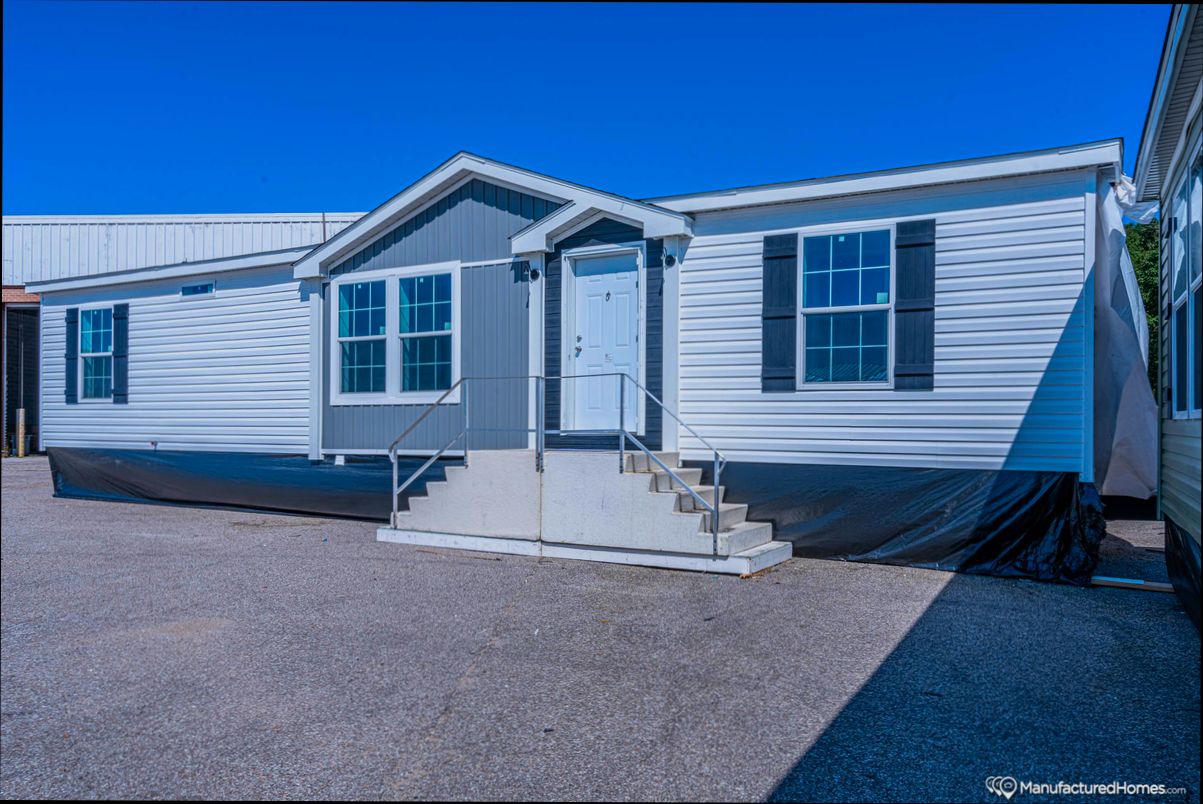
Real-World Examples of Mobile Home Communities
When we dive into the anatomy of mobile home communities, we unveil unique environments where people live, work, and thrive. These communities aren’t just scattered plots of land; they embody vibrant, organized ecosystems that cater to the diverse needs of their residents. Let’s explore some real-world examples that illustrate the charm, functionality, and community spirit found in mobile home parks across the nation.
Key Characteristics of Notable Mobile Home Communities
1. Community Amenities: Many mobile home communities offer a variety of amenities. These may include recreational facilities like pools, clubhouses, and playgrounds, which create a sense of belonging among residents. A study of mobile home parks in Florida indicated that approximately 75% of residents value these communal spaces highly.
2. Location Advantages: The geographic positioning of mobile home communities plays a crucial role. Communities situated near urban centers often provide convenient access to employment, shopping, and healthcare services. In California, research found that 65% of mobile home residents commuted less than 15 minutes to their jobs, a stark contrast to traditional single-family homes that may be further from city hubs.
3. Diverse Resident Demographics: Mobile home parks accommodate a mixed demographic. For instance, some communities in Arizona cater specifically to retirees, offering features such as age-restricted policies and pet-friendly areas. Conversely, other parks target families and young professionals, creating a blend that supports varied lifestyles.
| Community Name | Location | Key Feature | Resident Demographics |
|---|---|---|---|
| Harmony Pines | Orlando, FL | On-site lake and fishing | Primarily active retirees |
| Maple Grove | San Jose, CA | Proximity to tech offices | Young professionals and families |
| Silver Valley Estates | Tucson, AZ | Golf course access | Mixed-age families |
| Whispering Pines | Myrtle Beach, SC | Ocean access, clubhouse | Vacationing retirees |
Real-World Examples of Engaging Mobile Home Communities
- Harmony Pines in Orlando, FL: This community features a tranquil on-site lake for fishing and relaxation. Its active lifestyle programs attract mostly retirees, making it a vibrant hub for social activities and personal connections.
- Maple Grove in San Jose, CA: Strategically located near major tech corporations, this community appeals to a younger crowd. Amenities like coworking spaces and outdoor recreational areas create a perfect blend of work and life balance.
- Silver Valley Estates in Tucson, AZ: With an emphasis on leisure, this community boasts access to an exclusive golf course. Its appeal spans across various age demographics, promoting both social interaction and recreational options.
- Whispering Pines in Myrtle Beach, SC: Known for its ocean-side living, this community provides a perfect getaway for retirees looking for a vacation-like lifestyle. A clubhouse with regular events fosters a tight-knit community where residents can engage and socialize.
Practical Implications for Residents of Mobile Home Communities
Living in a mobile home community often equates to a unique lifestyle choice. Residents typically enjoy:
- Affordability with Community Benefits: These communities often provide an affordable living arrangement combined with shared amenities that enhance social interaction and the quality of life.
- Easier Property Management: Many communities feature on-site management, which can simplify maintenance and enhance security for residents.
- Strong Social Networks: Mobile home communities foster an environment where neighbors can easily connect and build relationships, as seen in parks where social events are a regular occurrence.
- Flexibility in Lifestyle: With various amenities and services, residents often have the freedom to choose how engaged they want to be in community activities, catering to both introverted and extroverted lifestyles.
As you consider the diverse offerings of mobile home communities, remember that each park has its unique characteristics that cater to different lifestyles and needs. Whether it’s the proximity to work, community amenities, or the mix of residents, there’s a mobile home park that can feel like home for everyone.
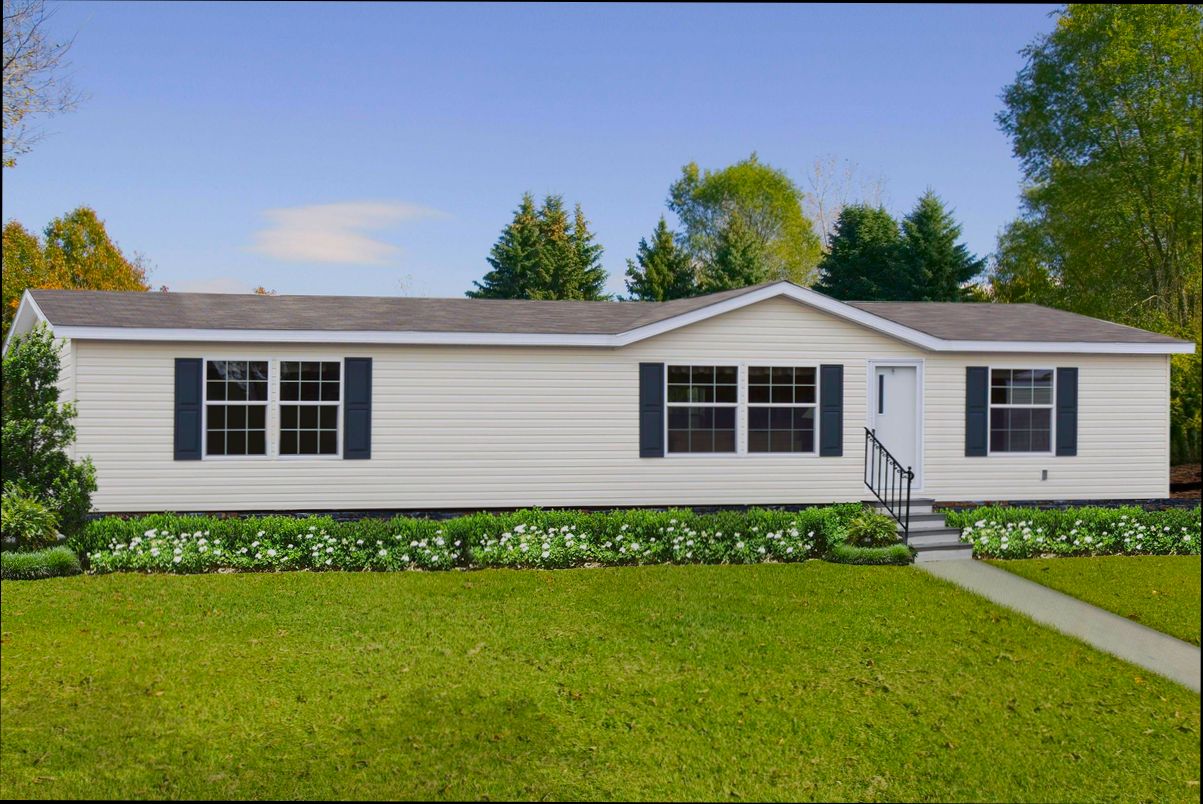
Cost Comparison: Mobile Homes vs Traditional Housing
When considering the financial aspects of housing, it’s essential to compare mobile homes to traditional homes, especially regarding costs. Both options have unique economic factors that can significantly impact your financial future, from initial purchase prices to long-term investment potential.
Key Cost Factors
- Upfront Costs: Mobile homes often have a lower purchase price than traditional homes, making them a more accessible option for first-time buyers. For example, the average cost per square foot for a mobile home is about 50% lower compared to traditional homes.
- Land Costs: If you’re buying a mobile home not situated in a community, you need to factor in land costs. The price of land can vary drastically based on location, sometimes adding tens of thousands to your overall investment.
- Long-Term Costs: Maintenance costs for mobile homes can be lower initially, but be aware of potential lot rent in communities that can add to your monthly expenses. Traditional homes, while appreciating in value, often incur higher repair and renovation costs due to aging structures.
- Depreciation vs. Appreciation: Traditional homes typically appreciate in value over time, often yielding a profitable return on investment. In contrast, mobile homes tend to depreciate, similar to vehicles, which can affect your net worth as a homeowner.
Comparative Cost Table
| Cost Factor | Mobile Homes | Traditional Homes |
|---|---|---|
| Average Purchase Price | 50% lower than traditional homes | Higher due to land and construction costs |
| Land Requirement | Optional in community settings | Mandatory, usually adds significant cost |
| Maintenance Costs | Lower initial, potential lot rent | Higher due to upkeep and repairs |
| Value Trend | Depreciates over time | Appreciates over time |
| Financing Options | Different portfolio options | Traditional mortgages available |
Real-World Examples
- In a recent report, a family purchased a mobile home for $70,000 in a park with a monthly lot rent of $300, significantly lower than the $250,000 price tag for a conventional home in the same city. Over ten years, while the mobile home value decreased to around $60,000, the family saved on lower maintenance and initial costs.
- Another case demonstrated that a traditional home bought for $300,000 appreciated to $375,000 after ten years. Despite higher costs initially, the homeowners built equity through appreciation and renovations.
Practical Implications for Readers
Understanding the stark differences in cost will help you make informed decisions based on your budget, lifestyle, and long-term financial goals. If you are looking for a quick, affordable solution with the flexibility to move, a mobile home might suit you. However, if you are planning for long-term investment and equity growth, a traditional home might be your better path.
- Actionable Advice: Always consider the total cost of ownership, including hidden fees like lot rent for mobile homes and maintenance expenses for traditional homes. Assess your financial situation to determine which option aligns better with your goals.
- Key Fact: If initial affordability is your primary concern, mobile homes can be nearly half the cost per square foot of traditional homes, making them an appealing choice for budget-conscious buyers looking for immediate housing solutions.
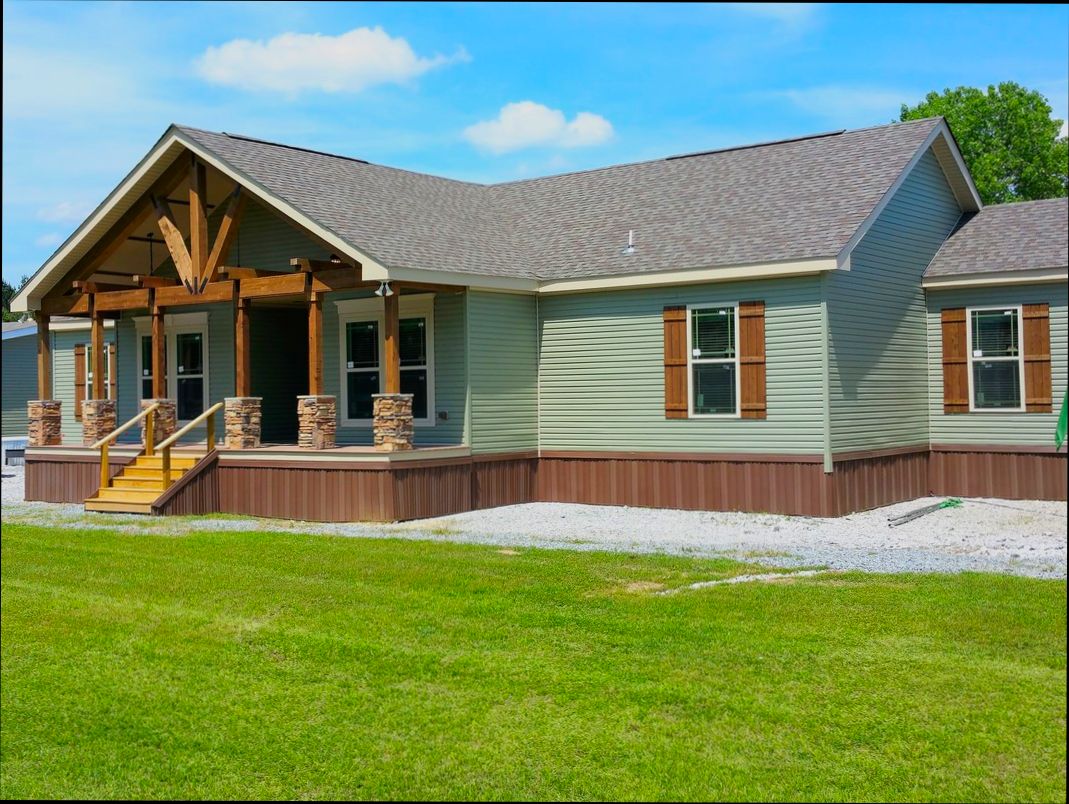
Design Innovations in Modern Mobile Homes
In recent years, mobile homes have transformed dramatically, thanks to innovative design trends that blend function with style. These advancements contribute to making living spaces not only aesthetically pleasing but also more efficient and sustainable. Let’s dive into some of the most exciting design innovations shaping modern mobile homes.
Smart Home Technology
One of the standout innovations is the integration of smart home technology. This advancement enhances not just convenience but also energy efficiency and security. Here are some key features:
- Programmable Thermostats: Many modern mobile homes come equipped with these systems, allowing occupants to optimize energy usage.
- Automated Lighting: Homes are now featuring lighting systems that adjust based on the time of day or occupancy, leading to potential energy savings.
- Smart Security Systems: Advanced security features, such as cameras and alarms that can be managed via smartphone, significantly enhance safety for residents.
Sustainable Building Materials
Sustainability has become a central theme in mobile home design. Many manufacturers are choosing eco-friendly materials, which contribute to lower environmental impact. Notable materials used include:
- Recycled Steel: Often used in framing, it minimizes deforestation and provides durability.
- Sustainable Wood Products: Sourced from managed forests, these materials ensure less environmental harm.
In fact, homes built with sustainable practices reported up to a 30% reduction in energy costs over traditional building methods.
Open Floor Plans
Modern mobile homes are increasingly adopting open-floor concepts. This design innovation promotes a sense of space and flow while maximizing utility. Key benefits of open floor plans include:
- Enhancing natural light distribution throughout the home, making spaces feel larger.
- Facilitating better interaction among family members and guests.
Eco-Friendly Features
Home builders are prioritizing eco-friendly features that provide both comfort and savings. These can include:
- Energy Star Appliances: Appliances that exceed energy efficiency standards, often resulting in lower utility bills.
- Green Roofs and Landscaping: The use of vegetation not only improves aesthetics but also provides insulation and promotes biodiversity.
Comparative Analysis of Mobile Home Design Features
| Feature | Traditional Mobile Homes | Modern Mobile Homes |
|---|---|---|
| Smart Technology | Minimal | Extensive use |
| Sustainable Materials | Limited | Predominantly eco-friendly |
| Floor Plans | Closed | Open floor designs |
| Energy Efficiency | Average | High, with Energy Star ratings |
| Aesthetic Design | Basic | Sleek, contemporary styles |
Real-World Examples
We can see these innovations in action in various communities. For instance, a recent project in a 55+ community incorporated solar panels on each unit, leading to a 40% increase in energy independence for residents. Another community showcased homes with advanced smart technology that resulted in improved security features, earning high satisfaction ratings among occupants.
Practical Implications for Readers
When considering a modern mobile home, you should think about the long-term advantages of smart technology and sustainability. Investing in energy-efficient appliances and eco-friendly materials not only contributes to cost savings but also positively impacts your living environment. Moreover, embracing open floor plans can enhance your daily living experience by promoting greater connectivity within your space.
By choosing innovations like automated systems and sustainable materials, you set yourself up for a comfortable and eco-conscious lifestyle. As mobile homes continue to evolve, taking advantage of these features allows you to enjoy the best of modern living while maximizing efficiency.