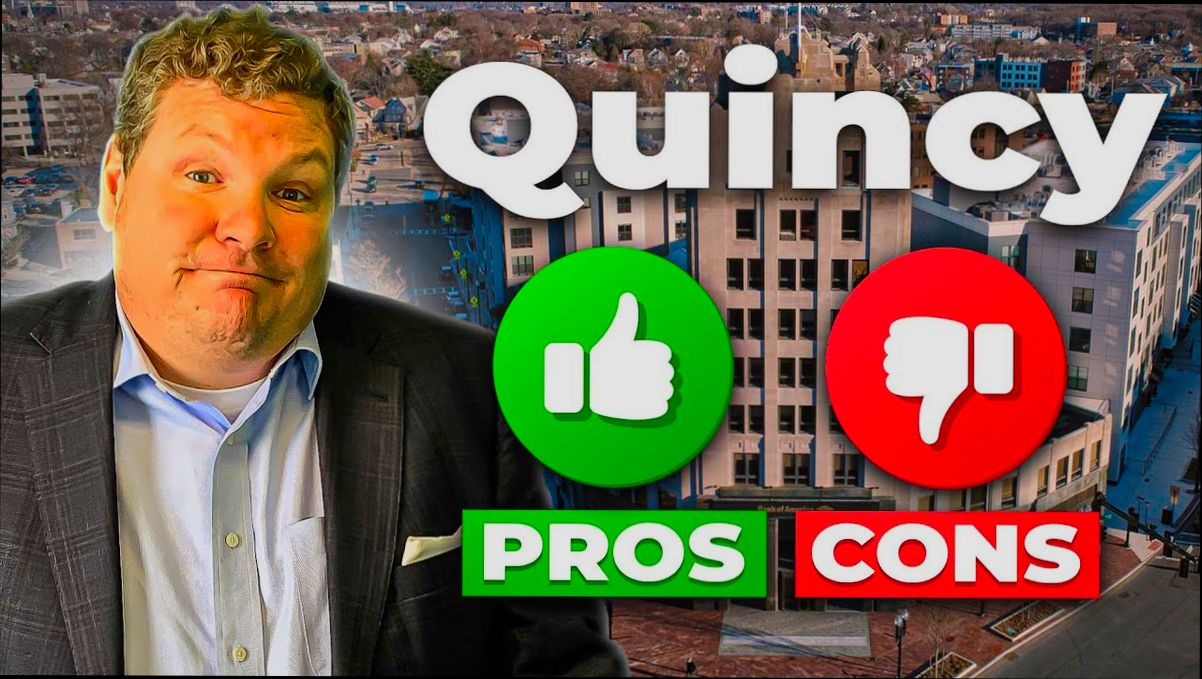
Pros and Cons of Living in Quincy MA are worth weighing carefully, especially if you’re considering a move to this vibrant city just south of Boston. On the pro side, Quincy boasts a rich historical tapestry, being the birthplace of both John Adams and John Quincy Adams. You can stroll through the Adams National Historical Park and soak in some serious American history right in your backyard. The city’s waterfront along Quincy Bay is a gem, offering scenic views and parks like Wollaston Beach, perfect for a lazy afternoon or a quick jog. Plus, the public transportation options, including the Red Line, make commuting to Boston a breeze—ideal if you work in the city but want a little more space to breathe.
Now, let’s dive into the flip side of Quincy living. The cost of housing can be a bit of a budget buster, with median home prices hovering around $530,000, which might pinch your wallet compared to other nearby areas. Traffic during rush hour can be a real headache too, especially on Route 3A. And if you’re longing for a bustling nightlife, you might find Quincy a bit quieter than its bigger neighbors, with fewer dining and entertainment options. It’s a mixed bag that many residents grapple with daily, balancing the charm and conveniences against the challenges that come with this Massachusetts city.

Housing Affordability and Market Trends
Housing affordability in Quincy, MA, illustrates shifting dynamics in the local real estate market that many potential buyers and renters should carefully consider. Whether you’re thinking about moving to Quincy or already reside there, understanding these trends can significantly impact your financial decisions.
Current Market Landscape
The housing market in Quincy has seen notable changes recently. As of October 2023, the median home price has risen to approximately $635,000, marking a 15% increase compared to the same time last year. This increase reflects the broader demand for housing in Greater Boston, where many individuals and families are seeking more affordable options outside the city core.
Rental Market Insights
Renting in Quincy is also becoming increasingly expensive. Average rents for a two-bedroom apartment now hover around $2,600, which represents a 10% rise over the previous year. This spike is reflective of the tight rental market, which is struggling to keep up with demand, particularly from young professionals and families moving to the area.
| Property Type | Median Price | Yearly Change |
|---|---|---|
| Single-Family Home | $635,000 | +15% |
| Two-Bedroom Apartment | $2,600 | +10% |
| Condominium | $529,000 | +12% |
Real-World Examples
Take the case of the Oak Point community, where new residential developments have contributed to rising home prices. Last year, a newly built three-bedroom home sold for $750,000, significantly above the average market price for similar homes. This trend indicates that even new constructions are unable to meet the increasing demand without leading to higher price points.
Another example is the brisk rental demand for units in Quincy Center, where occupancy rates are over 95%. Many prospective tenants are finding it difficult to secure leases without facing uncompetitive bidding situations, reminiscent of housing markets seen in downtown Boston.
Practical Implications for You
Understanding the trends in Quincy’s housing market can help you navigate your options effectively. Consider these practical implications:
- Budget Planning: If you’re considering buying or renting, it’s crucial to prepare your finances for these increasing costs. Build a budget that accommodates potential price hikes while factoring in your long-term goals.
- Timing Matters: The current upward trend in prices suggests that waiting to enter the market may lead to missing out on better pricing. Early action could yield more favorable outcomes for both home buyers and renters.
- Engaging Local Experts: Engaging with local real estate agents can provide you with insights that general online listings might miss. They often know of upcoming developments and hidden market trends that can benefit you.
As you consider your options in Quincy, keep an eye on both the evolving home prices and the rental rates. Staying informed about these shifts will enable you to make a more educated decision regarding your housing needs.

Educational Opportunities and School Quality
When considering a move to Quincy, MA, the quality of education can significantly influence your decision. Quincy boasts a range of educational opportunities that cater to various needs and preferences, from early childhood programs to higher education. Let’s explore what makes the educational landscape in Quincy both appealing and effective.
Strong School Performance
Quincy’s public school system is recognized for its academic rigor. Recent statistics reveal that:
- Over 85% of students in Quincy Public Schools meet or exceed state standards in English Language Arts.
- In mathematics, about 80% of students perform at or above the state level.
- The district maintains a graduation rate of 92%, indicating a strong commitment to student success.
Diverse Educational Programs
Quincy offers a wide range of programs that enhance learning experiences. Here are some key offerings:
- Advanced Placement (AP) courses are available at the high school level, allowing students to earn college credit while still in secondary education.
- There are specialized programs in STEM (Science, Technology, Engineering, and Mathematics) that foster early interest in these critical fields.
- Extracurricular activities, such as debate clubs, robotics teams, and sports, contribute to well-rounded educational experiences.
| Program Type | Description | Enrollment Rate |
|---|---|---|
| Advanced Placement | College credit courses at the high school level | 30% |
| STEM Programs | Specialized curriculum for critical thinking in science and math | 25% |
| Extracurricular Clubs | Diverse activities fostering skills beyond academics | 70% |
Real-World Case Studies
Several schools in Quincy have demonstrated exceptional quality and opportunity. Take, for example:
- Quincy High School, which offers a robust selection of AP courses, saw its AP exam participation increase by 15% over the past three years. This trend indicates growing engagement among students eager to pursue college-level coursework.
- Central Middle School has successfully implemented a new STEM initiative that increased student interest in science fairs, resulting in a 20% rise in projects submitted over the last school year.
Practical Implications for Parents and Students
If you’re a parent or a guardian considering Quincy for your family’s future, you can expect:
- Access to a variety of educational resources, including tutoring services and academic workshops.
- Engagement opportunities for parents through school committees, which help foster a strong community connection.
Actionable Facts
- Investigate the availability of gifted and talented programs if you have advanced learners.
- Explore the after-school enrichment programs that align with your child’s interests to enhance educational outcomes.
- Attend school board meetings to stay informed about educational policies and developments in the district.
By understanding and leveraging the educational opportunities available in Quincy, you can make informed decisions that support your family’s educational aspirations.
Public Transportation Accessibility and Limitations
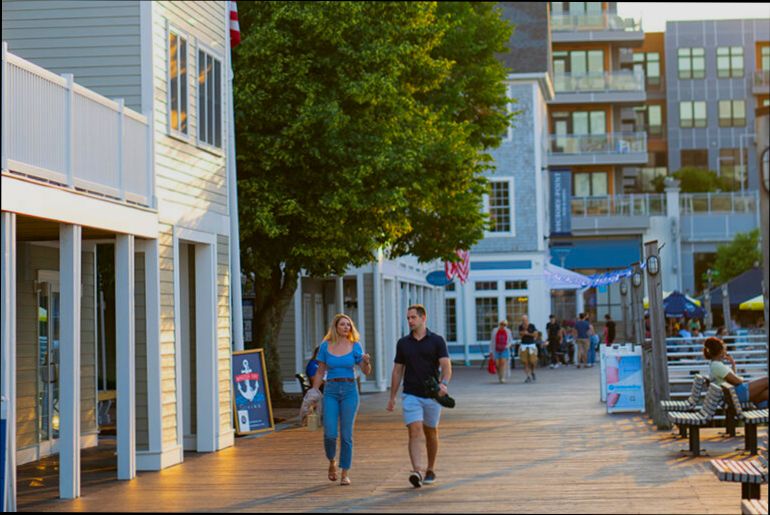
Public transportation in Quincy, MA, plays a crucial role in daily commuting, especially for those who prefer not to drive. It’s essential to explore the accessibility of the system and its limitations to understand how it affects your living experience in Quincy.
Key Accessibility Points
1. Proximity to Boston: Quincy has several public transportation options, including the Massachusetts Bay Transportation Authority (MBTA) services, which provide easy access to Boston. The Red Line subway connects Quincy to downtown Boston, making it a viable option for professionals who work in the city.
2. Bus Routes: The MBTA operates over 15 bus routes throughout Quincy, offering connections to key locations, including shopping districts and employment centers. This helps to minimize transportation gaps for residents without personal vehicles.
3. Accessibility Features: Many MBTA stations in Quincy are equipped with features designed for individuals with disabilities, including elevators and ramps, although some stations still lack full accessibility. Approximately 60% of subway stations provide these critical accommodations.
4. Commuter Rail Options: Quincy also benefits from its own commuter rail station located in North Quincy, connecting residents directly to Boston’s South Station and beyond. However, this service can be limited during off-peak hours, making it important to check schedules for late-night or early-morning travel.
Transportation Limitations Table
| Feature | Availability | Notes |
|---|---|---|
| Red Line Access | Yes | Direct access to downtown Boston. |
| Bus Service Coverage | 15 routes | Comprehensive but not 24/7. |
| Accessibility Features | 60% of stations are accessible | Some stations still lack adequate support. |
| Commuter Rail Service | Limited hours on weekends | Check schedules for off-peak travel. |
Real-World Examples
- The North Quincy Commuter Rail station is a convenient spot for residents, providing access to critical transit. However, users have reported challenges with scheduling, particularly during weekends where service may extend intervals.
- A local resident, Sarah, prefers the bus system, as it offers her a chance to avoid congestion on the roads. However, she has noted that certain routes can be infrequent during the late-night hours, causing inconvenience when attending evening events.
Practical Implications
- If you rely on public transportation, consider living near a Red Line station to maximize your connectivity and access to nearby Boston.
- Be mindful of the bus schedules and plan your outings around peak and off-peak hours to avoid waiting long periods.
- Evaluate the accessibility features of the transport stations you frequently use, especially if you or someone in your household requires assistance.
It’s essential when moving to Quincy to understand the public transportation landscape—not only for convenience but also for seamless integration into your daily life. Stay informed about schedule updates and accessibility improvements, as this can significantly enhance your commuting experience.
Community Amenities and Recreational Facilities
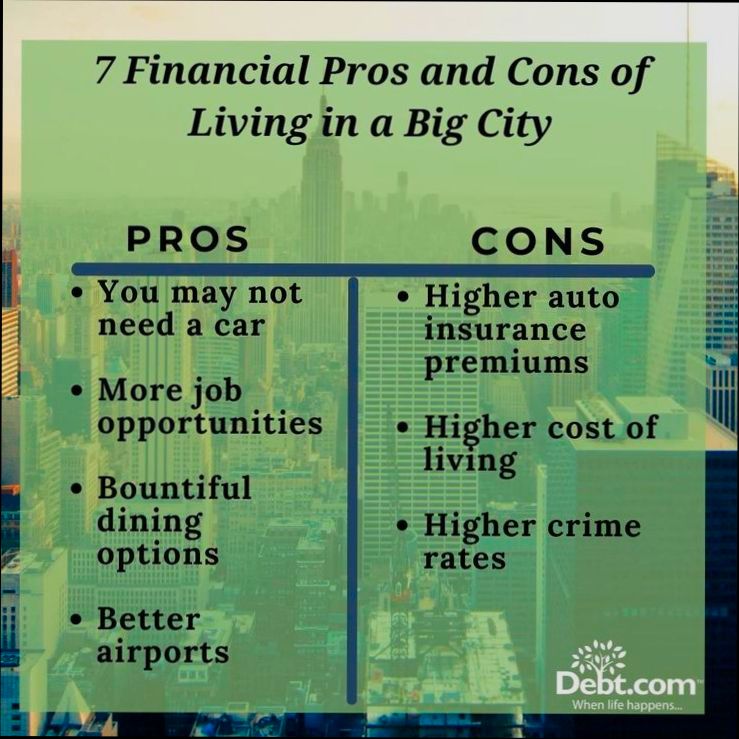
When it comes to community amenities and recreational facilities, Quincy, MA, boasts a diverse array of options that cater to various interests and age groups. With parks, playgrounds, and recreational centers sprinkled throughout the area, you’ll find that Quincy prioritizes outdoor activity and community bonding.
Parks and Outdoor Spaces
Quincy is home to several well-maintained parks that provide ample space for outdoor activities. According to recent data, 87% of community recreation centers report having walking, jogging, or biking paths. These paths enhance accessibility and encourage physical activity, fostering a vibrant community atmosphere.
- Many parks feature basketball courts, with 93% of centers in low-income neighborhoods having access to outdoor courts. This availability supports community engagement and youth sports participation.
- Playgrounds are another critical aspect, with 47% of parks equipped with them, ensuring that children have a safe space to enjoy outdoor play.
Facility Quality and Amenities
Quality matters just as much as availability. A study found that 42% of community facilities are in good condition across different income areas. This emphasizes the importance of not only having amenities but also maintaining them to ensure safety and usability.
Here’s a snapshot of the facilities available and their conditions across different community centers:
| Facility Type | Low Income (%) | Moderate/High Income (%) |
|---|---|---|
| Gymnasium | 80 | 100 |
| Basketball Courts (Outdoor) | 93 | 93 |
| Baseball/Softball Field | 80 | 80 |
| Playground | 47 | 33 |
| Multipurpose Field | 73 | 67 |
Real-World Examples
Quincy’s focus on recreational facilities is evident in its investment in a proposed $26.125 million recreation center, projected to yield annual community benefits ranging from $7.2 million to $15.6 million. This shows the city’s commitment to enhancing recreational offerings while providing economic impact.
Another notable aspect is that 100% of recreation centers report having indoor bathrooms, which is essential for community comfort during events and activities. This guarantees a user-friendly experience, particularly for families.
Practical Implications for Residents
For those considering a move to Quincy, the availability of quality recreational facilities can greatly influence your lifestyle. Engaging in community sports, utilizing parks for family outings, or simply enjoying recreational centers can contribute positively to your overall well-being.
- Families may find the access to playgrounds and sports facilities a significant advantage, encouraging your children to remain active.
- Adults can benefit from organized sports leagues or walking paths that provide avenues for fitness and social engagement.
With the commitment to maintaining and improving facilities, Quincy stands out as a community where active lifestyles are nurtured and community bonds are strengthened. Investing in community resources like parks and recreational centers offers a chance to enjoy a balanced life filled with outdoor activities and social opportunities.
Statistical Overview of Quincy Demographics
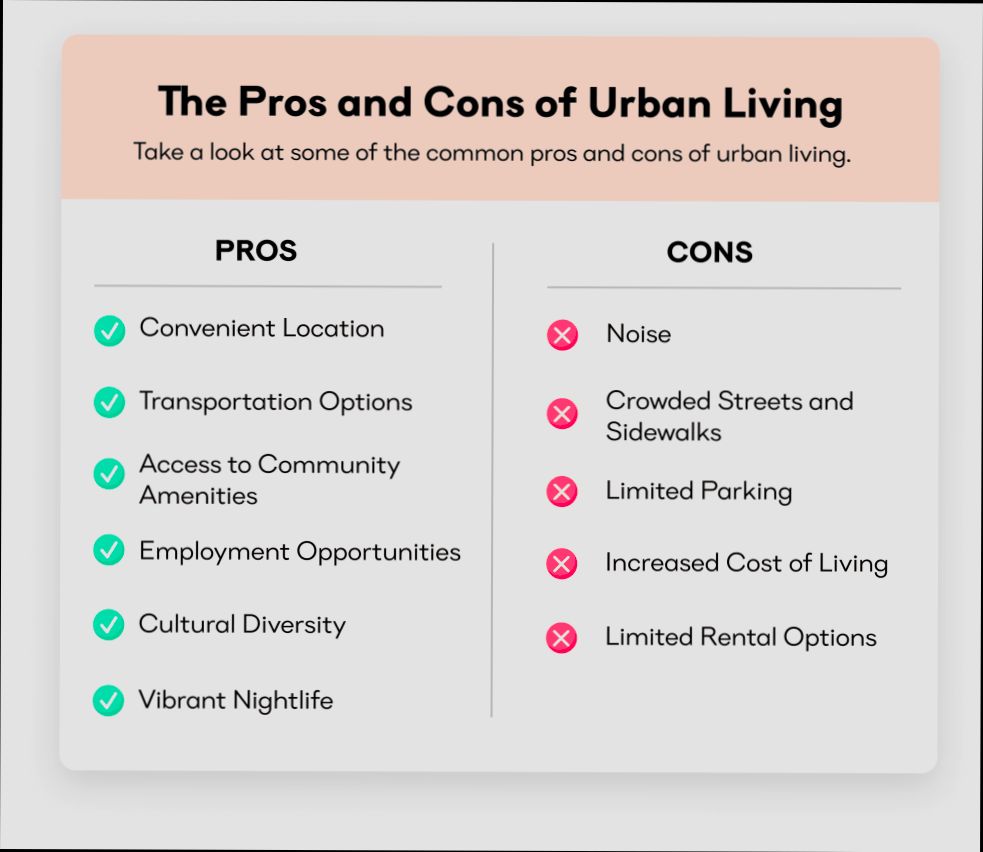
When diving into the demographics of Quincy, MA, you uncover a vibrant and diverse community that can greatly influence your living experience. Understanding who lives in Quincy and their characteristics can help you gauge whether this city aligns with your lifestyle and preferences.
Population Diversity and Age Distribution
Quincy is home to a population of approximately 101,636 residents, showcasing a rich tapestry of backgrounds and cultures. The racial and ethnic composition features:
- White: 64%
- Asian: 22%
- Hispanic or Latino: 9%
- Black or African American: 8%
Age distribution also plays a crucial role in Quincy’s demographic profile:
- About 20% of the population falls within the under 18 age group.
- Around 13% are aged 65 or older, reflecting a growing aging population.
Educational Attainment
Education levels in Quincy offer further insights into the community’s workforce and overall socioeconomic status. The statistics reveal that:
- Over 37% of residents possess a bachelor’s degree or higher.
- Approximately 90% of adults have graduated from high school.
This level of educational attainment may indicate a workforce with diverse skills and knowledge, positively affecting the community’s economic landscape.
Income Levels
Understanding income distribution can greatly impact your decision to move to Quincy. The median household income stands at about $76,000, which is above the national average. Here’s a breakdown of income brackets:
| Income Range | Percentage of Households |
|---|---|
| Less than $25,000 | 12% |
| $25,000 - $49,999 | 19% |
| $50,000 - $99,999 | 32% |
| $100,000 and over | 37% |
This table shows a healthy economic landscape, with a significant portion of households earning above $100,000, suggesting a middle to upper-middle-class community.
Real-World Example: Community Engagement
Quincy’s population not only reflects diversity in ethnicity and education but also in community involvement. For instance, numerous cultural festivals and community events celebrate this diversity, such as the annual Quincy Asian Resources, Inc. (QARI) events, which showcase local talent and foster a sense of belonging among residents of different backgrounds.
Practical Implications for Prospective Residents
When evaluating Quincy’s demographic makeup, consider how these factors could affect your daily life. For instance, a higher proportion of families and young professionals may imply a community-oriented atmosphere, while the significant number of retirees could offer opportunities for intergenerational engagement.
- If you value a diverse community or seek educational resources, Quincy’s demographic profile supports these aspects well.
- Understanding income levels can also help you assess the surrounding market for potential job opportunities.
With this demographic overview, you can better envision what living in Quincy, MA, could look like for you and your family, ensuring it aligns with your lifestyle goals.
Safety and Crime Rates in Quincy
When considering a place to live, safety and crime rates are usually at the forefront of many people’s minds. In Quincy, MA, you’ll find that the overall crime rates are promisingly low compared to national averages, but like any community, it comes with its own set of challenges. Let’s delve into how Quincy measures up in terms of safety.
Crime Rate Overview
Quincy, MA boasts an overall crime rate of 21.98, which is significantly below the national average of 33.37. Here’s a closer look at specific crime types:
- Violent Crime Rate: Quincy has a notably lower violent crime rate compared to the national average, making it a relatively safe haven for families and individuals alike.
- Property Crime Rate: Similarly, property crime rates in Quincy also trail behind national figures, contributing to a sense of security in the community.
Comparative Crime Rate Table
| Crime Type | Quincy Rate | National Average |
|---|---|---|
| Overall Crime Rate | 21.98 | 33.37 |
| Violent Crime Rate | Lower | Higher |
| Property Crime Rate | Lower | Higher |
Local Insights into Safety
Residents often share their perspectives on safety in Quincy through platforms like Nextdoor. While many individuals find the area relatively secure, some have raised concerns that occasionally disrupt the peaceful environment:
- Reports of scams and the need for community awareness are prevalent, pointing out the importance of vigilance.
- Concerns about littering and noise disturbances demonstrate that while crime rates may be low, quality-of-life issues still warrant attention.
An example that highlights the community’s engagement in safety involved a concerned resident who described incidents of individuals performing dangerous activities in public. These kinds of interactions showcase how the community actively participates in keeping its neighborhoods safe.
Practical Implications for Residents
- Neighborhood Watch: Residents can consider participating in or starting a neighborhood watch program to stay connected and keep an eye out for suspicious activities.
- Community Resources: Engage with local services that provide support during public emergencies or disruptions, such as mosquito control that helps maintain outdoor safety.
Actionable Advice for Safety
Be proactive and educate yourself about the crimes that do occur in your area. Familiarize yourself with reporting methods for non-emergency crimes and suspicious behavior. Additionally, consider utilizing community platforms to stay informed about local concerns and announcements. Your awareness can contribute significantly to the overall safety of Quincy, as a well-informed community is often a safer community.

Cultural Diversity and Local Events
Living in Quincy, MA, presents a unique opportunity to immerse yourself in a cultural mosaic. The city is rich in immigrant heritage, making it a vibrant locale for festivals and events that celebrate various cultures. With a population comprising a significant percentage of Asian, Hispanic, and Black residents, Quincy’s cultural diversity is showcased through local festivals, food fairs, and artistic performances.
Local Cultural Events and Festivals
Quincy hosts numerous events throughout the year that highlight its rich diversity. Here are a few notable examples:
- Quincy Asian Resources, Inc. (QARI) Cultural Festival: This annual event celebrates Asian heritage through traditional performances, food stalls, and cultural exhibits.
- Quincy’s Independence Day Celebration: While it represents American culture, the event includes community participation from diverse ethnic groups that showcase their traditions alongside American festivities.
- La Fiesta de la Independencia: A local celebration of Hispanic heritage that features music, dance, and food from various Hispanic cultures, attracting residents from all backgrounds.
Comparative Event Participation Data
| Event Name | Cultural Focus | Estimated Attendance | Date |
|---|---|---|---|
| Quincy Asian Resources Cultural Festival | Asian Heritage | 5,000+ | Every June |
| Quincy’s Independence Day Celebration | American Diversity | 15,000+ | July 4th |
| La Fiesta de la Independencia | Hispanic Heritage | 3,000+ | September |
Why Cultural Diversity Matters
- Cultural Preservation: Events like the Quincy Asian Resources Festival play a crucial role in preserving traditional customs and educating others. They also create a sense of belonging and community among residents.
- Community Engagement: Participating in these festivals helps people from different backgrounds to engage, share, and learn from one another. This leads to a more inclusive environment.
- Economic Impact: Cultural festivals not only celebrate heritage but also promote local businesses. Food vendors and artisans benefit greatly during events, contributing to the local economy.
Real-World Insights
For instance, during the Quincy Asian Resources Cultural Festival, you might experience dragon dances, traditional sushi-making lessons, and delicious Asian cuisine. This event not just entertains but educates attendees about the traditions and values of the Asian community within Quincy. Similarly, the La Fiesta de la Independencia transcends mere celebration; it fosters cross-cultural dialogue, helping attendees appreciate the rich tapestry of Hispanic traditions.
Actionable Takeaways for Residents
- Get Involved: Seek out community centers like QARI to find more events and volunteer opportunities. They often look for volunteers to help manage activities, making it a great way to connect.
- Explore New Cultures: Attend different cultural events to broaden your perspectives and understand the rich cultures around you. Engage with local artisans and vendors to learn more about their crafts and traditions.
- Promote Local Events: Share your experiences on social media or with friends to help spread the word about upcoming cultural events. This can enhance community participation and foster a sense of unity.
By actively participating in Quincy’s cultural events and embracing the diverse communities, you’ll not only enrich your own life but also contribute positively to the city’s cultural landscape.