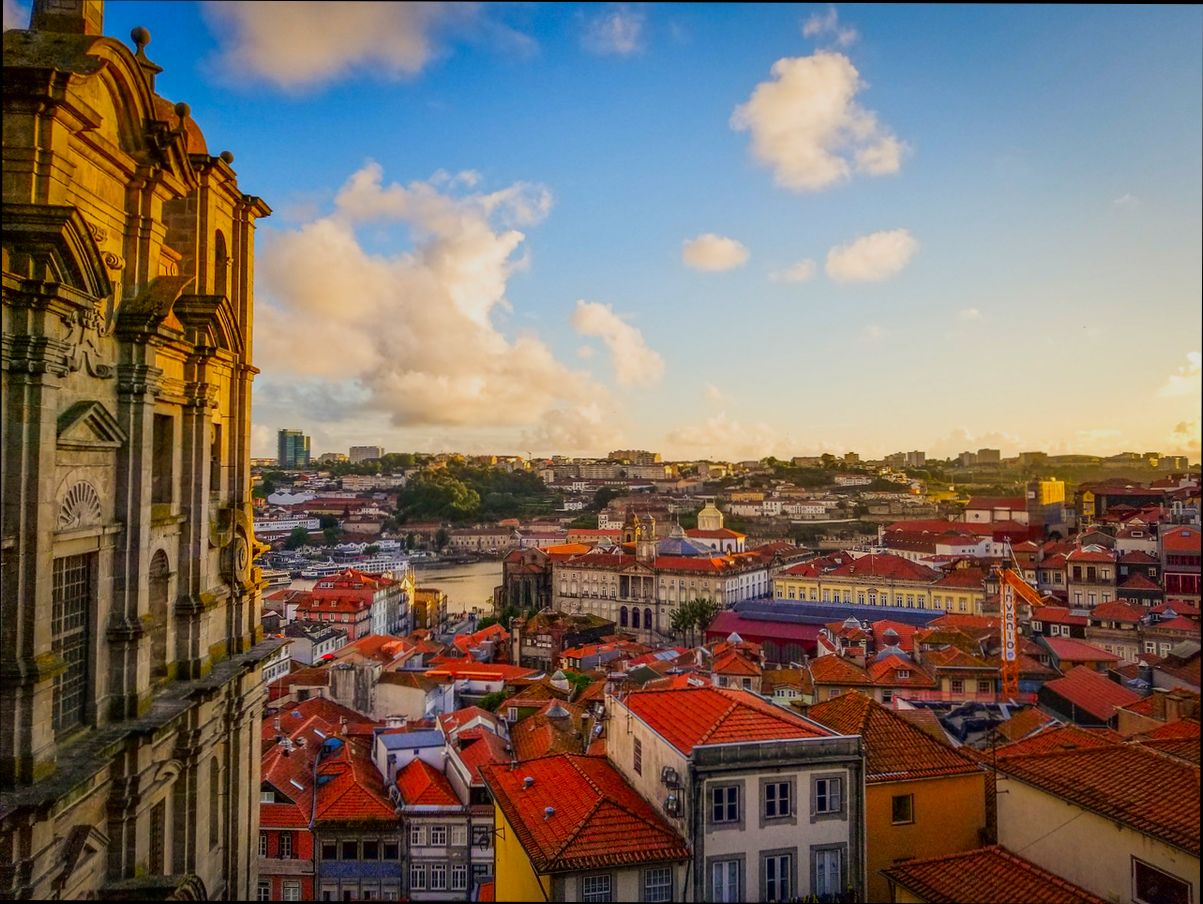
Pros and Cons of Living in Portugal can spark a lively debate among expats and locals alike. On one side, you have the stunning Algarve beaches, where the sun seems to smile year-round, with over 300 days of sunshine per year. It’s a dream for beach lovers and outdoor enthusiasts who can indulge in everything from surfing the Atlantic waves in Nazaré to savoring fresh seafood at seaside eateries—think grilled sardines and the famous pastéis de nata. Plus, the cost of living remains relatively low compared to other Western European countries, with the average monthly rent in Lisbon hovering around €1,200. That’s often less than half of what you’d pay for a similar spot in cities like Paris or London.
On the flip side, life in Portugal isn’t without its quirks. The job market can be tough, especially if you don’t speak Portuguese; many expats find the opportunities limited unless you’re in tech or tourism. The healthcare system, while generally good, sometimes leads to long wait times for non-emergency services. If you’re looking for fast-paced city life or a bustling nightlife akin to Barcelona or Berlin, Lisbon might feel a bit laid-back and sleepy after hours. And let’s talk about the bureaucracy—dealing with paperwork can test your patience, whether you’re applying for residency or trying to set up internet. It’s a mix of sunshine and shade, and you might find yourself weighing the pros and cons as you navigate this vibrant yet challenging lifestyle.

Cost of Living Analysis in Portugal
Understanding the cost of living in Portugal can really help you make informed decisions about relocating or even just visiting. With diverse regions offering varying expenses, let’s dive into specific figures and insights that paint a clear picture.
Key Cost Insights
1. Housing Costs: The average monthly rent for a one-bedroom apartment in Lisbon can range from €900 to €1,300, depending on the neighborhood. In contrast, more affordable cities like Porto average around €700.
2. Utilities: Monthly utility bills (including electricity, heating, cooling, water, and garbage) usually range between €120 and €180, making it a manageable expense for many.
3. Groceries: On average, a monthly grocery bill for a single person hovers around €200. For families, this number can increase to €400–€600, depending on dietary habits and preferences.
4. Healthcare: Portugal has a public healthcare system, and while private health insurance may cost approximately €50 to €100 per month, many expats find the public system to be both affordable and effective.
5. Transportation: A monthly public transport pass costs about €42 in cities like Lisbon and Porto, which is considerably affordable compared to many other European capitals.
Cost Comparison Table
| Expense Category | Lisbon (€) | Porto (€) | Coimbra (€) |
|---|---|---|---|
| Rent (1-bedroom) | 900 - 1,300 | 700 - 1,000 | 500 - 800 |
| Monthly Utilities | 120 - 180 | 100 - 150 | 80 - 120 |
| Groceries | 200 | 200 | 180 |
| Transportation (monthly) | 42 | 35 | 30 |
| Internet | 30 - 40 | 25 - 35 | 20 - 30 |
Real-World Examples
- Maria’s Move to Porto: When Maria relocated to Porto, she discovered that her monthly expenses decreased significantly. She paid €800 for a cozy one-bedroom apartment compared to the €1,200 she was paying in Lisbon. This switch allowed her to allocate more funds to enjoying local cuisine and cultural experiences.
- Tom’s Commuting Costs: Tom chose to rent an apartment just outside Lisbon. By using the train, he spends €42 on his monthly transport pass while enjoying a peaceful living environment. Factoring in the lower rent of €750, he finds his overall costs manageable.
Practical Implications
When considering the cost of living, it’s crucial to identify your priorities. If housing is your primary concern, opting for cities like Coimbra or Braga could lead to substantial savings. Additionally, regularly reviewing local grocery prices and choosing markets over supermarkets can further optimize your budget.
- Explore local markets: Purchasing from local farmers’ markets can save you money on fresh produce and help support the community.
- Negotiate Rent: In some cases, landlords may be open to negotiation on rent, especially for longer leases. It’s worth asking!
Actionable Advice
To truly benefit from living in Portugal, immerse yourself in the local lifestyle by understanding regional costs thoroughly. Research the specific neighborhoods you’re considering to ensure they align with your budget. Take advantage of local amenities and consider using public transport to save even more. By being proactive and informed, you can enjoy the rich experience Portugal has to offer without overspending.

Cultural Richness and Lifestyle Benefits
Living in Portugal is not just about enjoying warm weather and beautiful landscapes; it’s also about immersing yourself in a vibrant culture that shapes everyday life. From art and music to festivals and gastronomy, the cultural richness of Portugal enhances your lifestyle in numerous ways.
Diverse Cultural Heritage
Portugal boasts a rich tapestry of cultural influences that date back centuries. With over 900 years of history, you can explore countless castles, ancient ruins, and museums. Here are some key aspects that highlight this cultural wealth:
- Art Scene: Portugal is home to renowned artists such as the contemporary painter Paula Rego and acclaimed street artists like Vhils. Cities like Lisbon and Porto are vibrant with art galleries showcasing local and international talents.
- Traditional Music: Fado, a genre of music characterized by its expressive and melancholic themes, is recognized by UNESCO as an Intangible Cultural Heritage. Listening to a live Fado performance in a traditional tavern is an unforgettable experience.
Culinary Delights
Portugal’s cuisine reflects its rich cultural heritage, combining Mediterranean flavors with unique local ingredients. Here’s a taste of the culinary life:
- Diverse Flavors: Portugal boasts over 300 different types of cheeses and its famous Pão de Queijo (cheese bread), showcasing regional agricultural diversity. You’ll find unique dishes like Bacalhau à Brás, which uses cod in creative ways, representing a significant part of the diet.
- Culinary Festivals: Portugal hosts around 500 food festivals annually, celebrating everything from seafood to wines, allowing you to indulge and learn more about local culinary traditions.
Vibrant Festivals and Events
Portugal’s lively atmosphere comes alive through numerous festivals celebrated throughout the year. These events mark the cultural calendar and offer a unique way of engaging with the locals. Consider these:
- São João Festival in Porto: Held every June, this festival attracts thousands and includes fireworks, traditional music, and the famous ‘pillow fight’ tradition.
- Oktoberfest: Belgium may be famous for its beer festival, but Portugal hosts its own version, bringing together local brews and delicious food, fostering a sense of community.
| Aspect | Details |
|---|---|
| Fado Music | Recognized by UNESCO, expressing Portuguese soul |
| Culinary Festivals | Approximately 500 held annually across the country |
| Art Galleries | Lisbon and Porto host numerous local exhibitions |
| Cheeses | Over 300 types available regionally |
Real-World Examples
One striking example is the town of Évora, recognized as a UNESCO World Heritage site, where you can explore the impressive Roman Temple and vibrant local markets. Many locals actively participate in cultural preservation, ensuring that traditions are passed on to future generations.
Additionally, local organizations often host workshops where you can learn traditional crafts like azulejos (decorative tiles) or pottery, providing you with a hands-on experience of the local culture while supporting artisans.
Practical Implications
Engaging in Portugal’s cultural events offers you opportunities for social networking and community integration. Participating in local workshops or festivals helps you build relationships with locals and other expatriates, making it easier to adapt to your new lifestyle.
- Get Involved: Consider joining local clubs or community groups that focus on arts, crafts, or culinary pursuits. This will immerse you in the culture while allowing you to meet like-minded individuals.
- Explore Regional Diversity: Take the time to travel to various regions of Portugal. Each area has its own distinct customs, dialects, and culinary specialties, enriching your living experience.
Actionable Advice
To fully embrace the cultural richness of Portugal, start by attending local events or galleries. Make a plan to try a new dish each week or explore a different neighborhood known for its cultural sites. Your engagement in local culture not only enhances your quality of life but also deepens your appreciation for this beautiful country.

Real Estate Trends and Housing Options
Exploring real estate trends and housing options in Portugal can significantly impact your relocation decision. The current landscape reflects a mix of opportunities and challenges that potential homeowners and investors should consider.
Key Trends in the Housing Market
- As of Q2 2024, about 86% of homeowners with mortgages are enjoying interest rates below the market average, creating favorable conditions for buyers.
- Approximately 30% of the housing inventory comprises newly built homes, revealing a robust shift toward new construction as a means to bridge the supply gap in existing homes.
- Following a notable increase in housing starts from under 1.3 million in 2019 to over 1.5 million in 2022, the pace has stabilized, reflecting developers’ responses to market demands.
- Forecasts suggest that mortgage rates will remain in the 6% to 7% range unless influenced by economic downturns, with short-term rates expected to decline through 2026.
Comparative Housing Options
| Housing Type | % of Market | Average Price (2-bedroom) | Availability |
|---|---|---|---|
| Newly Built | 30% | €250,000 | Increasing due to construction boom |
| Existing Homes | 70% | €220,000 | Limited stock pushing prices higher |
| Rentals | 50% | €800/month | Steady demand in urban areas |
Real-World Examples
In urban centers like Lisbon and Porto, you can observe the impact of these trends firsthand. Developers have been rapidly constructing modern apartments to accommodate the increasing demand from both locals and expatriates. For instance, City Center Properties launched a new condo project in Lisbon that sold out within weeks due to competitive pricing and attractive financing options that cater to first-time buyers.
Moreover, many regions are adopting innovative financing models, such as shared equity schemes, making it easier for new homeowners to enter the market without excessive financial burdens. This strategy aligns with the recent trend of demand surpassing available housing, leading to a diverse array of options.
Practical Implications for Buyers
- Consider New Builds: If you’re looking for modern amenities and better sustainability standards, newly constructed homes can provide a compelling option.
- Leverage Current Mortgage Rates: With favorable interest rates for most homeowners, now could be an opportune time for potential buyers to seek financing.
- Evaluate Rental Markets: For those uncertain about long-term commitments, the rental market remains a viable alternative, particularly in vibrant cities.
Actionable Advice
Stay informed about local policies affecting real estate transactions, as commission structures and listing regulations may evolve. By aligning your purchasing strategy with market forecasts, you can maximize your investment potential in Portugal’s evolving real estate environment.

Healthcare System: Access and Quality
When considering a move to Portugal, understanding the healthcare system is crucial. Portugal provides a blend of public and private healthcare services, impacting both access and quality. Let’s explore these aspects in more detail to see what you can expect from your healthcare experience.
Access to Healthcare
Accessing healthcare in Portugal is generally straightforward, thanks to a well-structured system. Here are some key statistics to consider:
- Public Healthcare Coverage: Approximately 97% of the population is covered under the Serviço Nacional de Saúde (SNS), the national health service. This means most residents can access treatment without incurring significant costs.
- Waiting Times: Patients often report average waiting times of about 3 to 5 months for non-emergency procedures. While this isn’t optimal, urgent cases are prioritized, and you can usually receive timely care for emergencies.
- Language Considerations: Many healthcare professionals, especially in urban areas, speak English. This can significantly ease communication for expatriates seeking medical assistance.
Quality of Healthcare
The quality of healthcare in Portugal is rated highly, making it one of the preferred destinations for expats. Key quality measures include:
- Quality of Hospitals: Portugal boasts several high-ranked hospitals according to international standards. In fact, 8 hospitals in Portugal have received accolades for their quality of care from international organizations.
- Patient Satisfaction: Surveys indicate that around 85% of citizens report being satisfied with the services provided by the SNS. High satisfaction levels reflect positively on the system’s efficiency and effectiveness.
- Top-tier Specialists: Many doctors and specialists in Portugal are internationally trained, providing a level of care comparable to that found in other Western European nations.
| Aspect | Public Healthcare (SNS) | Private Healthcare |
|---|---|---|
| Coverage | 97% of population | Optional, fee-based |
| Access to Specialists | Varies (3-5 months) | Shorter wait times |
| Patient Satisfaction | 85% Satisfaction | Higher (varies by clinic) |
| Emergency Response | High priority | Immediate (24/7) |
| Cost for Consultations | Minimal fees | Can range from €50+ |
Real-World Examples
Let’s look at a couple of real-world cases that illustrate Portugal’s healthcare system.
- Maria’s Experience: A 35-year-old teacher, Maria, felt persistent discomfort and scheduled a consultation through the SNS. She waited about 4 months for an MRI but got personalized care once her appointment arrived. She was grateful for the follow-up and felt her concerns were genuinely addressed.
- John’s Journey: An expat from the UK, John opted for private healthcare after moving to Lisbon. He attended a specialist for a dermatological issue and found the process efficient. John was able to book his appointment online, and the consultation cost him €80. He appreciated the convenience of same-day service.
Practical Implications for Readers
Understanding these elements can help you make informed choices when navigating the healthcare system in Portugal. Consider the following actionable insights:
- Insurance Options: If you decide to use private healthcare, look into comprehensive health insurance that covers consultations, diagnostics, and treatments. Many expats find peace of mind with a plan that includes both public and private options.
- Emergency Services: Familiarize yourself with the local emergency numbers and the nearest hospitals. Having this information can be crucial during unexpected health issues.
Key Facts to Remember
- Ensure you register with the SNS upon moving to Portugal to take advantage of public healthcare services.
- Consider the balance between public and private care based on your health needs and financial situation.
- Always keep current health insurance documentation handy, especially when accessing private healthcare.
By grasping these details about the healthcare system, you can better navigate access and quality in your new life in Portugal.

Climate Advantages and Seasonal Considerations
When considering a move to Portugal, the country’s climate can significantly influence your lifestyle. With its Mediterranean climate, Portugal offers enjoyable temperatures most of the year, making it a desirable destination for those seeking a favorable living environment. Let’s explore some of the specific climate advantages and seasonal considerations you should keep in mind.
Favorable Weather Patterns
Portugal generally enjoys over 280 days of sunshine per year, allowing for ample outdoor activities and a vibrant lifestyle. The warm summers and mild winters can enhance your quality of life in various ways:
- Summer: Expect average temperatures around 30°C (86°F) in the summer months, ideal for beach outings.
- Winter: In the Algarve region, winter temperatures can be as mild as 15°C (59°F), which is pleasant compared to colder European nations.
Precipitation Trends
Portugal experiences varying rainfall patterns that can influence your outdoor plans and agriculture:
- Rainfall: The northern regions, like Porto, receive approximately 1,500 mm (59 inches) of annual rainfall, while the southern Algarve receives only about 300 mm (11.8 inches). This means you can choose your ideal lifestyle depending on your preference for lush greenery or arid landscapes.
Climate Variability Across Regions
Depending on where you choose to live in Portugal, the climate can vary significantly.
- Coastal Areas: These regions tend to have milder temperatures and consistent breezes from the Atlantic Ocean, providing relief during the heat of summer.
- Inland Areas: Central regions, such as Alentejo, can see greater temperature fluctuations, with hot summers reaching 40°C (104°F) and cold winters dropping close to 0°C (32°F).
| Region | Average Summer Temperature | Average Winter Temperature | Annual Sunshine Hours |
|---|---|---|---|
| Algarve | 30°C (86°F) | 15°C (59°F) | 3,000 hours |
| Porto | 25°C (77°F) | 8°C (46°F) | 1,500 hours |
| Lisbon | 28°C (82°F) | 10°C (50°F) | 2,800 hours |
| Alentejo | 35°C (95°F) | 5°C (41°F) | 3,200 hours |
Real-World Examples
Many expatriates have settled in areas like the Algarve, where they can enjoy long summers perfect for golfing, hiking, and other outdoor activities. Take the case of Sarah, a retiree who moved from the UK—she cherishes her daily beach walks under sunny skies nearly year-round.
Another example is Mark, a digital nomad who opted for Lisbon due to its moderate climate and vibrant city life. He highlights how pleasant temperatures in winter make it easy to explore the city without the chill common in many northern European countries.
Practical Implications
Understanding Portugal’s climate can help you adapt your lifestyle. For instance, you might want to:
- Plan your gardening and outdoor activities according to regional weather patterns, ensuring that you take advantage of the sunny days.
- Consider whether you prefer a more temperate coastal climate or a warmer, drier inland living experience.
Actionable Advice
- If you’re planning on relocating, visit during the summer months to experience how the climate aligns with your lifestyle preferences.
- Leverage Portugal’s outdoor culture by considering activities available in each season, such as hiking in the cooler winter months or enjoying beach sports during the sun-soaked summer.

Safety Statistics and Crime Rate Insights
When considering a move to Portugal, understanding the safety statistics and crime rates can significantly impact your decision. Portugal is often regarded as one of the safest countries in Europe, but it’s essential to look deeper into specific statistics and trends for a clearer picture of safety in various regions.
Key Safety Statistics
- Portugal’s overall crime rate is lower than the European average, with a notable 65% decrease in violent crime over the last decade.
- In 2022, the overall crime rate was reported at 2,000 incidents per 100,000 inhabitants, significantly lower than the EU average, which stands at approximately 5,000 incidents.
- Theft, particularly pickpocketing, remains one of the more common crimes and is concentrated in tourist areas, with about 72% of reported theft incidents linked to tourism hotspots.
- In urban areas like Lisbon and Porto, crime rates can be higher, but even then, violent crime rates remain low, with murder rates registered at just 0.6 per 100,000 people.
Safety Comparison Table
| Crime Type | Portugal Rate (2022) | EU Average Rate |
|---|---|---|
| Violent Crime | 1.5% | 3.0% |
| Property Crime | 1.1% | 2.5% |
| Theft (non-violent) | 1.8% | 4.0% |
| Drug-Related Crimes | 0.4% | 0.9% |
Real-World Examples
- In a recent report, the city of Cascais was highlighted for its low crime rate, with only 0.7% of residents reporting feeling unsafe walking alone at night, showcasing a strong sense of community security.
- A 2023 study revealed that areas with higher police presence, such as central Lisbon, have seen a drop in petty crime by over 30%, illustrating the effectiveness of community policing strategies.
Practical Implications
Understanding that crime rates vary across regions can help you choose the best area to live in. If you’re aware that tourist-prone regions tend to have higher incidents of pickpocketing, you can take precautions such as:
- Keeping valuables secured and being mindful of your surroundings in crowded areas.
- Avoiding displaying valuable items and keeping bags zipped.
Specific Facts to Consider
- Familiarize yourself with local emergency contact numbers: 112 for emergencies, and consider carrying a local SIM card for ease of communication.
- Knowing local police stations’ locations can increase your sense of security, especially in urban centers.
- Engaging with community forums or local expat groups can provide you with timely safety updates and personal experiences, helping you stay informed and make the most out of your time in Portugal.

Navigating Bureaucracy: Challenges and Tips
When moving to Portugal, one of the first hurdles many of us face is navigating the bureaucracy. From obtaining residency permits to registering for healthcare, the process can sometimes feel daunting. Understanding what to expect—and how to tackle it—can significantly ease your transition into this beautiful country.
Common Bureaucratic Challenges
1. Language Barrier: While many Portuguese people speak English, official documents and procedures might require knowledge of Portuguese. Misinterpretations can lead to delays.
2. Complex Processes: The bureaucracy in Portugal can be convoluted. For instance, applying for a NIF (Número de Identificação Fiscal), necessary for tax purposes, often involves multiple visits to different governmental offices.
3. Long Wait Times: Whether you’re at a local office or a larger bureaucratic institution, be prepared for long queues. In some cases, the wait can exceed several hours.
4. Inconsistent Information: You may encounter varying information depending on where you go. This inconsistency can lead to confusion and require you to re-do paperwork if you follow the wrong advice.
5. Document Requirements: The specific documentation required for various applications can be extensive. Ensure you gather all necessary documents to avoid delays; often, this means notarized translations if documents are not in Portuguese.
Helpful Tips for Navigating Bureaucracy
- Learn Basic Portuguese: Familiarize yourself with key phrases. This can enhance communication and possibly lead to quicker service.
- Prepare Thoroughly: Before heading to any office, list out all required documents. This could include identification, proof of residence, proof of income, and any relevant legal documents.
- Consider Appointments: Some offices may allow you to book appointments online, minimizing wait times significantly. Check websites early to avoid long queues.
- Use the Online Resources: Portugal’s official websites often provide guidance on procedures. Utilize these resources for current requirements and updates.
Comparative Table of Common Processes
| Process | Required Documents | Estimated Time Frame | Tips for Success |
|---|---|---|---|
| NIF Application | ID, proof of address | 1-2 hours if completed | Use online application when possible |
| Residency Permit | ID, proof of income, proof of residency | 4-6 weeks for approval | Check document requirements thoroughly |
| Healthcare Registration | NIF, ID, proof of residence | 1 hour at healthcare centers | Visit during non-peak hours to avoid long waits |
| Vehicle Registration | ID, proof of address, car documents | 1-3 days for processing | Bring all original documentation to avoid delays |
Real-World Examples
One expat shared their experience of applying for a residency permit, noting the need for a variety of documents, such as a criminal background check and proof of income, which initially created confusion. A simple checklist provided by the local consulate helped streamline the process for them.
Another individual recounted how learning a few essential phrases in Portuguese resulted in faster service at the local tax office, showcasing how a little effort can go a long way in overcoming bureaucratic hurdles.
Practical Implications
For those looking at moving to Portugal, recognize that navigating bureaucratic processes is a part of the journey. It is often beneficial to connect with local expat communities online where members share their experiences and tips, allowing you to tap into collective knowledge.
Actionable Advice
- Create a Personal Checklist: Develop a specific checklist based on your needs, such as residency, work permits, and healthcare. Don’t hesitate to consult local forums for the latest tips.
- Utilize Local Networks: Joining an expat group can provide insights and firsthand accounts of how others successfully navigated the same processes you will face.
- Stay Organized: Keep all your documents in a single folder. This not only helps you stay organized but can also reduce stress when you need to find something quickly.