What are the Cheapest Cities in Portugal? If you’re dreaming of sun-soaked streets, stunning coastlines, and vibrant culture without breaking the bank, you’re in luck! Cities like Porto and Braga are top contenders where your euro can stretch further than you thought possible. In Porto, you can snag a cozy apartment for around €700 a month, while a hearty meal at a local taverna may only set you back about €12. And let’s not forget about Braga, where living costs hover around 30% lower than in Lisbon, making it a hidden gem for budget travelers and expats alike.
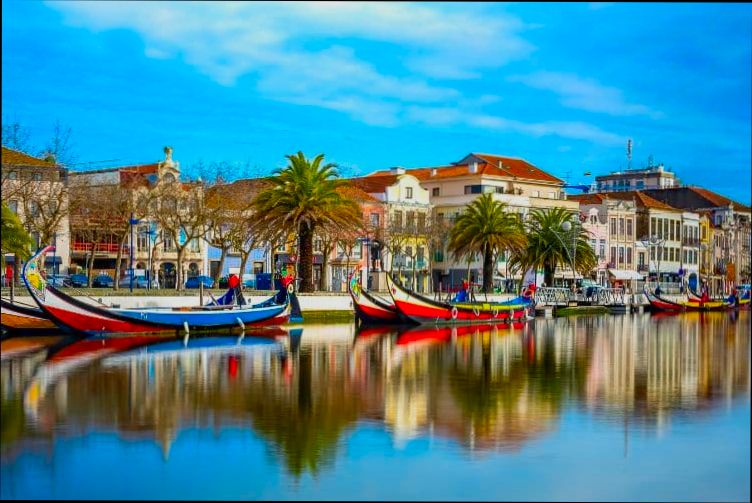
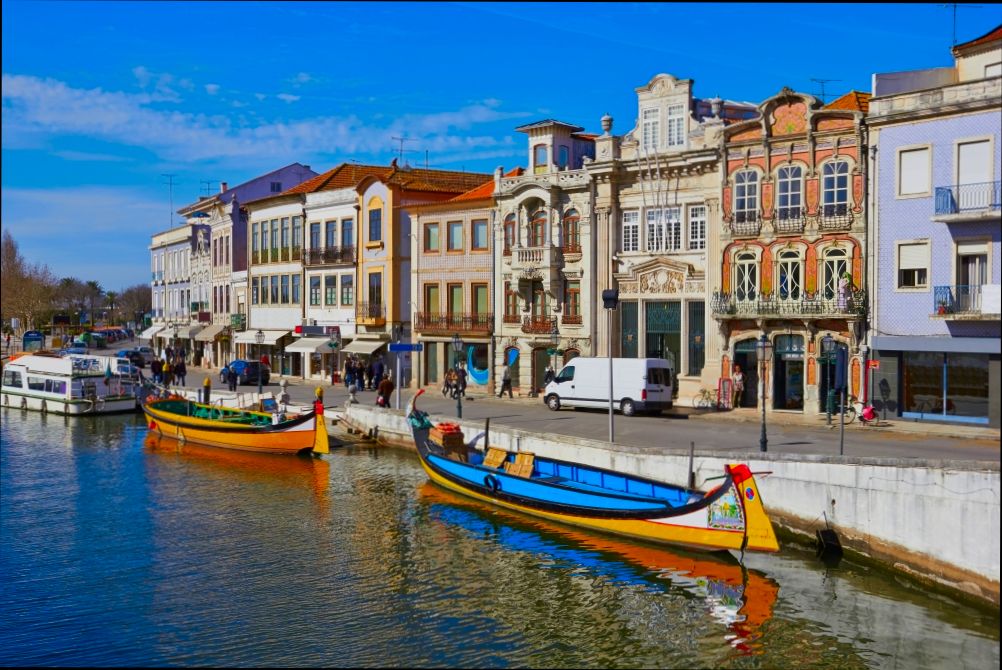
Then there’s Aveiro, often dubbed the “Venice of Portugal,” where charming canals meet affordable living. You can easily find a decent studio for around €500 monthly, plus enjoy treats like a custard pastry for just €1! Even in cities like Coimbra, with its historic charm and youthful energy from the University, you can immerse yourself in culture while spending less on rent and dining out. With such welcoming prices, discovering the heart of Portugal becomes a reality, not just a dream.
Cost of Living Comparison in Portugal
When considering a move to Portugal, the cost of living is a vital factor. This comparison reveals how living expenses in Portugal stack up against those in the United States—showing a significant financial advantage for potential expatriates. With notable differences across various categories, including housing, food, and utilities, let’s break down what you can expect.
Key Points on Cost of Living in Portugal
- Housing: Renting in Portugal, especially in cities like Lisbon, can be around 40-50% cheaper than similar accommodations in the United States. For instance, the average rent for a one-bedroom apartment in Lisbon is about €936.52 per month, while comparable apartments in high-cost US cities can reach over €1,500.
- Dining Out: Eating out in Portugal is significantly more affordable than in the US. The cost of meals in Lisbon, for example, is approximately 43.6% lower than in Washington, DC. You can enjoy an inexpensive meal for about €10, while the same might cost you upwards of €20 in the US.
- Groceries: When it comes to grocery prices, items like a loaf of bread or a dozen eggs cost much less here. For instance, a loaf of fresh white bread in Portugal averages about €1.23, while in the US it can be around €3.23.
- Utilities: The average monthly utilities bill in Portugal for an 85m² apartment is roughly €114.49, which is lower compared to around €190 in the States, indicating substantial savings monthly.
| Expense | Portugal (€) | United States (€) |
|---|---|---|
| One-bedroom apartment (City Centre) | 936.52 | 1,500+ |
| Meal at inexpensive restaurant | 10.00 | 20.00+ |
| Loaf of fresh white bread | 1.23 | 3.23 |
| Utilities (Monthly) | 114.49 | 190.00 |
| Domestic beer (0.5-liter) | 1.09 | 2.48 |
Real-World Examples
- Consider a family of four moving to Lisbon. Their estimated monthly living costs (without rent) would be around €2,413.1. In contrast, a similar family in the US could easily spend over €4,500 monthly, highlighting the vast difference in living expenses.
- For health care, typical US costs like a general practitioner visit average around €100, whereas in Portugal, it could cost you just €5 under public healthcare.
Practical Implications
Understanding these cost differences can significantly impact your financial planning. If you’re thinking about relocating or even just traveling to Portugal, being aware of lower costs for daily living can help you manage your budget more effectively.
- With the average net salary in Portugal being €1,056.89, you can cover your living costs more comfortably compared to many US cities.
- The affordability of public transport (e.g., a monthly pass for about €40) allows you to explore cities without the need for a car, further saving you money.
This comprehensive look at the cost of living comparison will empower you to make informed decisions about relocating to or spending time in Portugal, where your purchases and savings can go a lot further.
Affordable Housing Options in Key Cities
Exploring affordable housing options in Portugal offers a glimpse into how different cities tackle the challenge of accessibility. Several key cities present varying avenues for securing affordable accommodations.
Key Affordable Housing Insights
- In major cities across Portugal, the housing market is increasingly influenced by tourism and foreign investment, creating a demand that often prices locals out of the market.
- In cities like Porto and Coimbra, affordable housing initiatives are gaining momentum aimed at keeping costs reasonable for local residents.
- Local government strategies often include enabling the development of new affordable housing projects, aimed primarily at families earning below 80% of the Area Median Income (AMI).
Here’s a quick look at the percentage of income that residents typically spend on housing:
| City | Average Percentage of Income Spent on Housing |
|---|---|
| Lisbon | 38% |
| Porto | 36% |
| Coimbra | 32% |
| Braga | 30% |
Real-World Examples of Affordable Housing Initiatives
1. Porto: The city has initiated a program to convert abandoned buildings into affordable housing units. This approach not only revitalizes neighborhoods but also offers more affordable living options for residents.
2. Coimbra: Here, local authorities have enacted policies encouraging private developers to include affordable units in their plans, effectively increasing the supply of affordable housing.
3. Braga: This city’s municipal government has launched a supportive housing project, offering subsidies to families struggling to meet housing costs. They provide support that helps families pay up to 30% of their income towards rent, easing financial burdens significantly.
Taking Advantage of Affordable Options
If you are considering moving to one of these cities, here are a few actionable insights:
- Look into government-sponsored initiatives and programs that promote affordable housing development.
- Engage with local NGOs or community groups that advocate for housing rights; they can provide you with valuable resources and connections.
- Keep an eye on housing subsidies available for families, which can dramatically reduce monthly rental costs.
Affordable housing options in these key cities demonstrate a commitment to keeping housing within reach for residents. By understanding the local landscape and available programs, you can find a fitting home in Portugal.

Impact of Location on City Expenses
Understanding how location influences city expenses can help you make informed choices about where to live in Portugal. Different cities offer unique financial landscapes largely shaped by their geographical context and local amenities.
Key Factors Influencing Expenses
1. Proximity to Major Urban Centers: Cities situated near larger urban centers often experience higher living expenses due to demand for services, housing, and leisure activities. For instance, smaller towns outside Lisbon tend to have lower costs.
2. Tourism Traffic: Areas with high tourist traffic can see inflated prices. While Lisbon and Porto benefit economically from tourism, smaller cities like Évora or Tomar may offer lower prices due to less vibrant tourist engagement.
3. Local Resources: Cities with abundant natural resources, such as agricultural towns, usually have cheaper food and daily living expenses. For example, towns in the Alentejo region, known for their agricultural output, typically enjoy lower grocery prices compared to urbanized areas.
Comparative Expense Table
| City | Average Rent (1-bedroom) | Grocery Price Index | Transport Costs | Dining Out (Average Meal) |
|---|---|---|---|---|
| Lisbon | €1,200 | 100 | €1.50 | €15 |
| Porto | €950 | 90 | €1.20 | €12 |
| Évora | €600 | 70 | €0.90 | €10 |
| Tomar | €550 | 65 | €0.80 | €8 |
Real-World Examples
- Algarve Region: The Algarve, known for its beaches, sees fluctuating expenses influenced by seasonal tourists. A small town like Lagos may have higher prices in peak season but remains more affordable than Lisbon throughout the year.
- Setúbal vs. Lisbon: Setúbal provides a more affordable experience, with rents approximately 30% lower than those in Lisbon, while still offering access to beautiful coastlines.
Practical Implications for You
- If you’re considering relocation, think about proximity to urban centers versus the density of tourism. While the trade-off might be access to amenities, you often gain affordability in smaller cities.
- Evaluate local resources; living in an area known for its produce can substantially lower grocery costs.
- Investigate local transport infrastructure. Living in a city with robust public transportation may help you save on transport costs, especially if you can forgo owning a vehicle.
Specific Facts to Consider
- Living in the Alentejo region can drastically reduce food costs due to its agricultural productivity, leading to grocery bills that are about 30-40% lower in rural areas compared to urban centers.
- Smaller cities like Tomar or Évora can offer rental savings of around €600 compared to cities such as Lisbon, providing an excellent opportunity for those on a budget.

Statistical Overview of Cheapest Cities
Exploring the statistical landscape of the cheapest cities in Portugal reveals some fascinating insights that can help you make informed decisions. This section dives into key metrics that illustrate the affordability of various Portuguese locales, laying the groundwork for a successful move or relocation.
Key Statistical Insights
- Average Monthly Costs: In cities like Braga and Évora, the average monthly cost for a single person is approximately €800, significantly lower than in larger cities. In contrast, the average monthly cost in Lisbon can soar to around €1,200.
- Local Salaries: Average salaries differ markedly between regions. For instance, the average monthly net salary in Viseu is about €1,100, allowing for a more comfortable standard of living given its lower cost of living.
- City Comparison: A breakdown of the most affordable cities outlines not just costs but their lifestyle benefits:
- Coimbra: €750
- Faro: €780
- Portimão: €700
| City | Average Monthly Cost | Average Salary | Cost of Living Index |
|---|---|---|---|
| Braga | €800 | €1,000 | 54 |
| Évora | €800 | €970 | 55 |
| Viseu | €850 | €1,100 | 52 |
| Coimbra | €750 | €1,050 | 53 |
| Faro | €780 | €1,020 | 56 |
| Portimão | €700 | €900 | 51 |
Real-World Examples
Consider the case of Portimão, where the average rent for a one-bedroom apartment can be as low as €400. This affordability is coupled with a robust community lifestyle that attracts young professionals and retirees alike. Many find that the savings on housing allow for greater leisure spending or savings for future goals.
In Coimbra, the city’s diverse educational institutions contribute to a vibrant culture while keeping living costs low. Here, you can enjoy rich historical experiences without breaking the bank, making it ideal for both students and newcomers.
Practical Implications
When assessing these statistical data points, remember that living in cheaper cities often comes with unique advantages such as slower-paced lifestyles and more local charm. You may find yourself spending less time commuting and more time enjoying community events.
It’s crucial to consider not only rental costs but also public services and amenities that influence quality of life. Cities with lower living costs often still provide access to good healthcare and education.
Actionable Facts
- If you’re aiming for a budget of around €800 a month, consider Braga and Évora for their balance of affordability and quality of life.
- Research local job markets and salaries in your chosen city; a slightly lower average salary might still afford you a comfortable lifestyle given the lower cost of living.
- Engage with local communities via online forums or social media to get first-hand accounts of the day-to-day living experience in these budget-friendly cities.
These statistics and insights empower you with the knowledge to explore Portugal’s cheapest cities more insightfully.
Real-World Experiences in Budget Living
Living on a budget in Portugal can be a rewarding experience, especially in the country’s most affordable cities. By understanding the day-to-day realities of budget living, you can maximize your savings and enjoy a fulfilling lifestyle without sacrificing quality.
Several factors shape your experience when living economically in Portugal, from housing to transportation. Here are some real-world insights drawn from data on living in the country.
Key Points on Budget Living
- Income Variance: Residents in budget-friendly cities can often save a considerable percentage of their incomes compared to those in pricier areas. For example, studies reveal that Americans historically saved about 4% of their disposable income from 2007 to 2012, while Europeans, particularly in countries like Portugal, might save around 10% more on average due to lower living costs.
- Spending Patterns: A significant amount of household expenditure, around 80%, typically goes toward basic necessities—housing, groceries, and transportation. Understanding these categories can help you allocate your budget more effectively to prioritize savings.
- Community Engagement: Affordability doesn’t come only from reduced costs; it also comes from community-oriented lifestyles. In cities like Braga and Évora, day-to-day experiences often include farmer’s markets and local festivals, where you can enjoy affordable activities and socialize without spending much.
Comparative Table of Monthly Expenses
| Expense Category | Average Cost in Budget Cities | Description |
|---|---|---|
| Housing | €300 - €500 | Renting a one-bedroom apartment in smaller cities |
| Groceries | €150 - €250 | Monthly grocery costs for basic food items |
| Transportation | €50 - €80 | Public transport and occasional taxi rides |
| Entertainment | €30 - €60 | Dining out or participating in local events |
| Utilities | €100 - €150 | Electricity, water, and internet combined |
Real-World Examples of Budget Living
1. Shared Living Spaces: Many residents take advantage of shared living arrangements to reduce rent. For instance, in cities like Coimbra, sharing an apartment can cut monthly housing costs by 40%, allowing more funds to be allocated for personal savings or leisure activities.
2. Utilizing Public Transportation: Residents in budget cities like Faro often rely on public transport, which can be up to 50% cheaper than maintaining a personal vehicle. Monthly public transport passes enable easy access to essential services and reduce commuting expenses significantly.
3. Local Markets: Shopping at local markets not only supports your community but also offers substantial savings. For example, buying produce directly from farmers at markets can reduce grocery bills by a further 20% compared to supermarket prices, allowing for a fresher and more cost-effective diet.
Practical Implications for Readers
To truly thrive in budget living, consider these approaches:
- Explore Local Resources: Engage with community groups or local online forums that share tips on saving money and accessing services.
- Adopt a Minimalist Lifestyle: Focus on what you truly need. Cutting down on non-essential expenses can lead to significant savings over time.
- Plan Meals: Meal prepping and planning around seasonal produce can help decrease food costs and minimize waste.
Actionable Advice
- Look for opportunities to combine errands and use public transport for better cost efficiency.
- Take part in local community events that are often free and provide a great way to socialize without overspending.
- Regularly review your spending habits to identify areas where you can cut back and save more effectively.

Benefits of Choosing Inexpensive Cities
Choosing to live in inexpensive cities, particularly in Portugal, brings a host of benefits that can significantly enhance your quality of life. By making this choice, you can enjoy vibrant communities, better financial stability, and a leisurely pace without breaking the bank.
Financial Freedom
Opting for an affordable city can help you keep more money in your pocket. For instance, residents in less expensive cities have reported an increase in savings, with some noting they can save up to 10-15% more of their income compared to those living in high-cost areas. This savings potential can lead to more financial freedom, allowing you to invest in experiences, such as travel or personal development.
Community and Lifestyle
Living in an inexpensive city often means being part of a close-knit community. Many people find that smaller cities foster stronger social ties, resulting in a more supportive living environment. Local festivals, markets, and community gatherings thrive in these settings, enhancing social interactions.
- Exploration of Local Culture: Reduced living costs often give you the opportunity to explore local culture, cuisine, and traditions without overspending.
- Healthier Lifestyle Choices: With more disposable income, many residents engage in activities like dining out locally or participating in outdoor recreation.
Opportunity for Homeownership
In more affordable cities, the prospect of homeownership can often become a reality rather than a distant dream. For example, in cities like Portimão, property prices can be significantly lower, making real estate purchases accessible. Investing in property at a lower entry point not only secures a home but can also serve as a valuable asset for the future.
| City | Average Property Price | Monthly Rent (1-Bedroom) | Population Growth Rate |
|---|---|---|---|
| Portimão | €150,000 | €600 | 5% |
| Braga | €130,000 | €550 | 4% |
| Évora | €125,000 | €500 | 3% |
Enhanced Work-Life Balance
Living in inexpensive cities often paves the way for a better work-life balance. This balance can lead to reduced stress levels, as the pressures of a high-cost living diminish. You’ll find that the slower pace allows for a focus on well-being, with more time to spend with family and friends, and pursuing personal interests.
Real-World Examples
Many individuals have recognized the advantages of moving to Portuguese cities like Faro or Coimbra, citing better job opportunities alongside lower costs. For instance, a tech worker moving to Coimbra from Lisbon may find that their salary stretches significantly further, allowing for a lifestyle that includes regular dining out or weekend trips to nearby attractions.
Practical Implications for Readers
If you’re considering a move to Portugal, weigh the long-term benefits beyond just monthly expenses. Take into account lifestyle factors, community engagement, and the potential for asset growth through property ownership. Evaluate opportunities in these inexpensive cities against your professional goals to maximize your overall satisfaction.
One actionable step you can take today is to explore local forums or social media groups focused on expats in cheaper Portuguese cities. These resources can provide insights into day-to-day life and the joys of living in these thriving, budget-friendly locales.
Cultural Attractions in Budget-Friendly Destinations
When exploring Portugal’s cheapest cities, you’ll find a rich tapestry of cultural attractions that don’t break the bank. From historic sites to vibrant festivals, these affordable destinations provide an enriching experience without hefty price tags. Let’s dive into what makes these cities culturally vibrant while being budget-friendly.
Key Cultural Attractions
Recognizing the array of cultural experiences available, here are some highlights that enhance the cultural tapestry of Portugal’s more affordable cities:
- Museums and Galleries: Many towns offer free or low-cost entry to local museums. For instance, Évora has several museums where entry fees can be less than €5, making it accessible for all.
- Festivals: Cities like Braga and Faro host ample festivals throughout the year, such as the Braga Romana festival celebrating the city’s Roman past, which features parades, historical reenactments, and local crafts at no cost to visitors.
- Historical Sites: Consider the ancient city of Coimbra, where you can wander through its UNESCO World Heritage-listed university. Visitors often pay no fee to enter the libraries and enjoy the serene gardens, making it an excellent cultural outing.
- Culinary Experiences: Many regions host local markets and food festivals that showcase traditional cuisine at affordable prices. For example, Portimão has a weekly food market where you can sample local dishes for under €10.
- Artisans and Local Crafts: Exploring towns like Lagos, you can find vibrant artisan shops selling handcrafted goods, with many offering free workshops where you can learn about local craftsmanship.
Cultural Attractions Comparison Table
| City | Major Cultural Sites | Average Entry Fee | Notable Festivals |
|---|---|---|---|
| Braga | Bom Jesus do Monte, Museu dos Biscainhos | €3-5 | Braga Romana |
| Évora | Roman Temple, Évora Museum | €3-5 | Festa de São João |
| Coimbra | University of Coimbra, Joanina Library | Free | Queima das Fitas |
| Faro | Arco da Vila, Museu Municipal de Faro | €2 | Festival of Sardines |
| Portimão | Fort of Santa Catarina, Museu de Portimão | Free | Portimão Fish Market Festival |
Real-World Examples
- In Braga, the annual Braga Romana festival not only immerses residents and visitors in Roman history but also fosters community spirit, showing how cultural engagement can thrive even in budget-friendly settings.
- Évora offers a unique blend of culture and history, where you can visit the Chapel of Bones with a minimal entry fee. This site attracts tourists year-round, underscoring the city’s capacity to host historical attractions affordably.
- Coimbra’s University is a prime example of cultural accessibility. Its rich history draws in thousands of visitors each year who can enjoy the architecture and gardens for free, making education and culture attainable for everyone.
Practical Implications for Readers
If you plan to visit or live in these affordable cities, consider focusing on:
- Free Cultural Events: Keep an eye on local calendars to find free concerts, art exhibitions, and open-air festivals. Participating in these events can enrich your experience significantly.
- Walking Tours: Many cities offer free guided walks or promoted tours hosted by locals. These are fantastic opportunities to learn about the culture and history of the area without spending much.
- Local Connections: Engage with local communities by attending workshops and artisan markets where you can gain deeper insights into the culture while enjoying low-cost interactions.
- Plan Visits During Off-Peak Times: Consider visiting popular attractions during weekdays or shoulder seasons when crowds are thinner, often leading to discounts or promotional events.
- Leverage Resources: Utilize online platforms or local tourist offices to stay updated on budget-friendly cultural attractions and events that align with your interests.
By immersing yourself in the cultural landscape of Portugal’s budget-friendly cities, you can enjoy substantial experiences that celebrate the heart and soul of the nation without straining your wallet.